
The best Hue royal tombs are Minh Mang, Tu Duc, and Khai Dinh, with a combined ticket costing about 420,000 VND (16 euros) and 2 to 3 hours total travel. Minh Mang sits 12 kilometers west, Tu Duc 6 kilometers south, Khai Dinh 10 kilometers southeast, delivering varied architecture efficiently in one half day circuit.
👀 Best Hue Royal Tombs: At a Glance
📌 Seven tombs available: Only 7 of 13 Nguyen emperors have mausoleums
👥 Top three consensus: Khai Dinh, Tu Duc, and Minh Mang universally recommended
⏱️ Time needed: 2-3 hours per tomb, 6-8 hours for the essential three
🌤️ Best visiting time: Early morning (7-9am) or late afternoon (3-5pm) to avoid heat
💰 Combo ticket savings: 530,000 VND for 4 sites versus 650,000 VND individually
⚠️ Fatigue factor: Most travelers report diminishing returns after the third tomb
🚫 Skip if: You only have one day in Hue (prioritize Imperial City instead)
🤯 Why Hue Royal Tombs Create Decision Paralysis for Visitors
Seven tombs scatter across the Hue countryside, each one a UNESCO site with unique design and grand imperial style. Tour operators bundle four or five tomb visits into one day trips with great energy. Travel blogs call them all “must-see” places you cannot miss. The Complex of Hué Monuments became Vietnam’s first UNESCO World Heritage Site in 1993. The tombs serve as key parts of Nguyen Dynasty heritage that still stand today.
This abundance creates a real problem for most people who visit Hue on their trip. Most visitors give two to three days in Hue during their Vietnam tour plans. Time spent at tombs competes with the Imperial City, Thien Mu Pagoda, and trying Hue’s famous cuisine. The tombs sit 5 to 20 kilometers outside the city center in every direction. You need special transport and will use entire mornings or afternoons getting there.
Seven tombs, limited time, and repetitive architecture anxiety
The similar design becomes the silent killer of your interest as you visit more tombs. Each tomb follows the Nguyen Dynasty formula that rarely changes much between sites. After your second tomb, the pattern starts to feel very clear to you. Stone elephants start looking the same no matter which tomb you visit. Lotus ponds blur together in your mind. The sense of wonder dulls greatly after the first two tombs you see.
Travel forums overflow with versions of the same regret from people who tried too many. “We tried four tombs in one day and by the third, we were just going through the motions.” The physical toll adds to the mental fatigue you feel as well. Hue’s heat and humidity drain energy very quickly from your body and mind. Each tomb needs 30-45 minutes of walking through grounds, climbing stairs, and moving along uneven pathways. By early afternoon, you feel exhausted instead of curious about the next tomb.
🏆 The Top Three Best Hue Royal Tombs Worth Your Energy
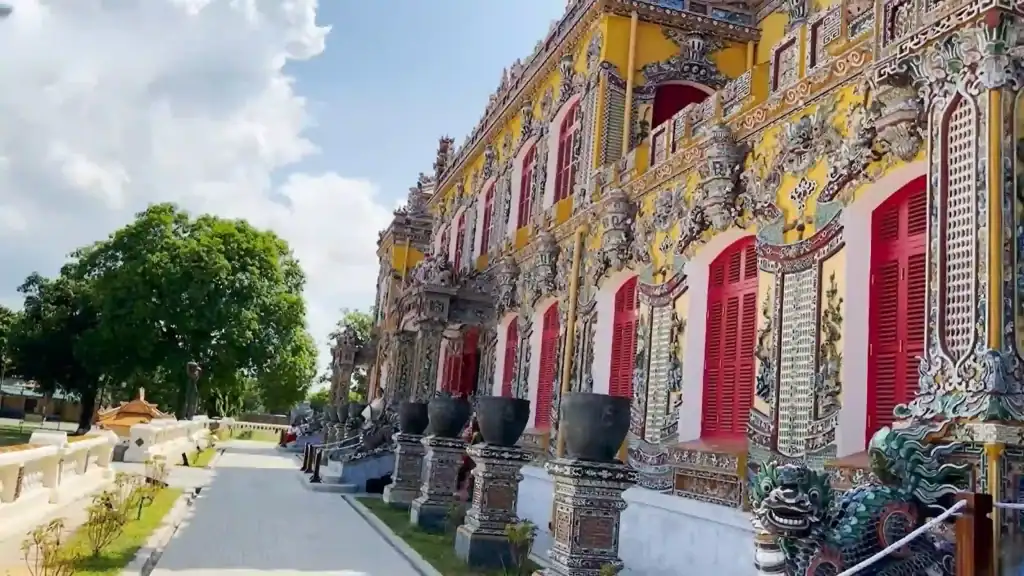
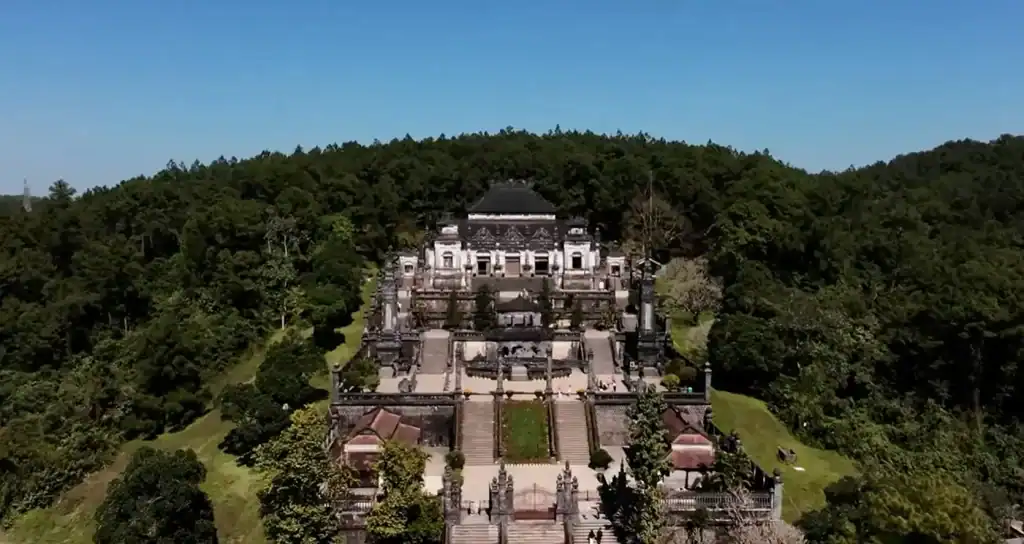
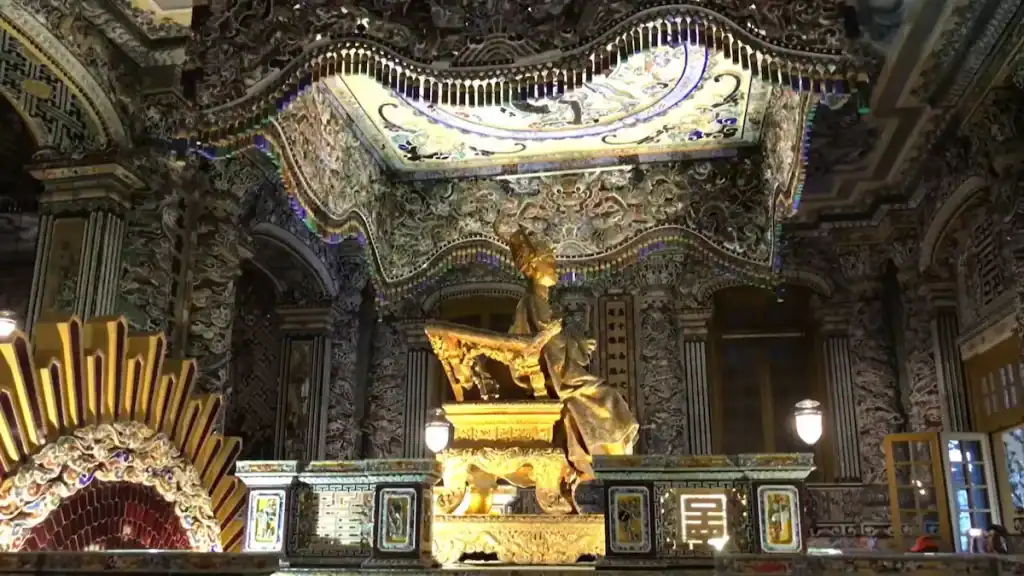
Khai Dinh Tomb stands out right away as the design rebel of all tombs. Built between 1920 and 1931, it shows Emperor Khai Dinh’s debated work with French colonial powers. Concrete replaced the usual wood and tile that other emperors loved to use. Gothic arches merge with Vietnamese dragons in ways you will not see elsewhere. Inside, detailed glass and porcelain mosaics cover every surface. This creates a Byzantine glory that feels grand and unusual.
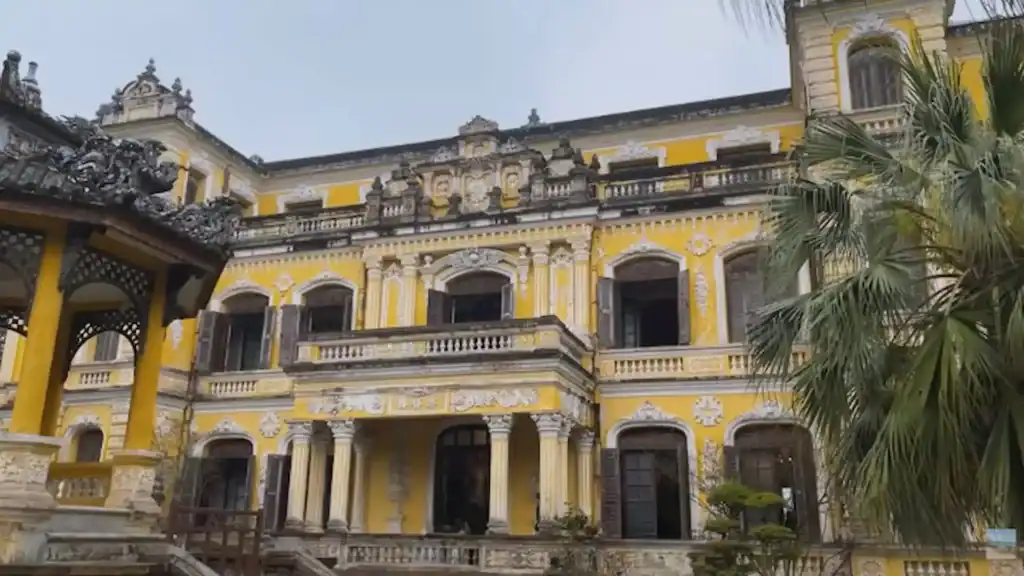
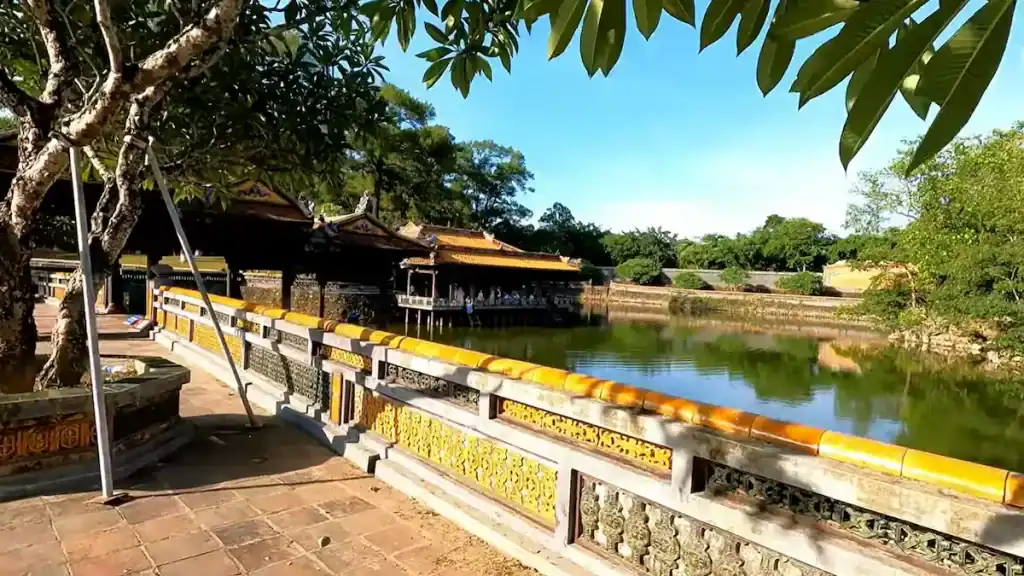
The tomb sits on Chau Chu Mountain, so you must climb up dragon-flanked staircases to reach it. But the hilltop views make the effort worth your time and energy both. Critics call it gaudy while fans call it beautiful and bold today. Either way, it creates reaction in ways the usual tombs simply cannot do. Tu Duc Tomb gives you the opposite look: refined Vietnamese romance and natural beauty. Emperor Tu Duc, who ruled 1847-1883, designed this complex as his personal retreat before death.
Khai Dinh’s controversy, Tu Duc’s poetry, Minh Mang’s symmetry
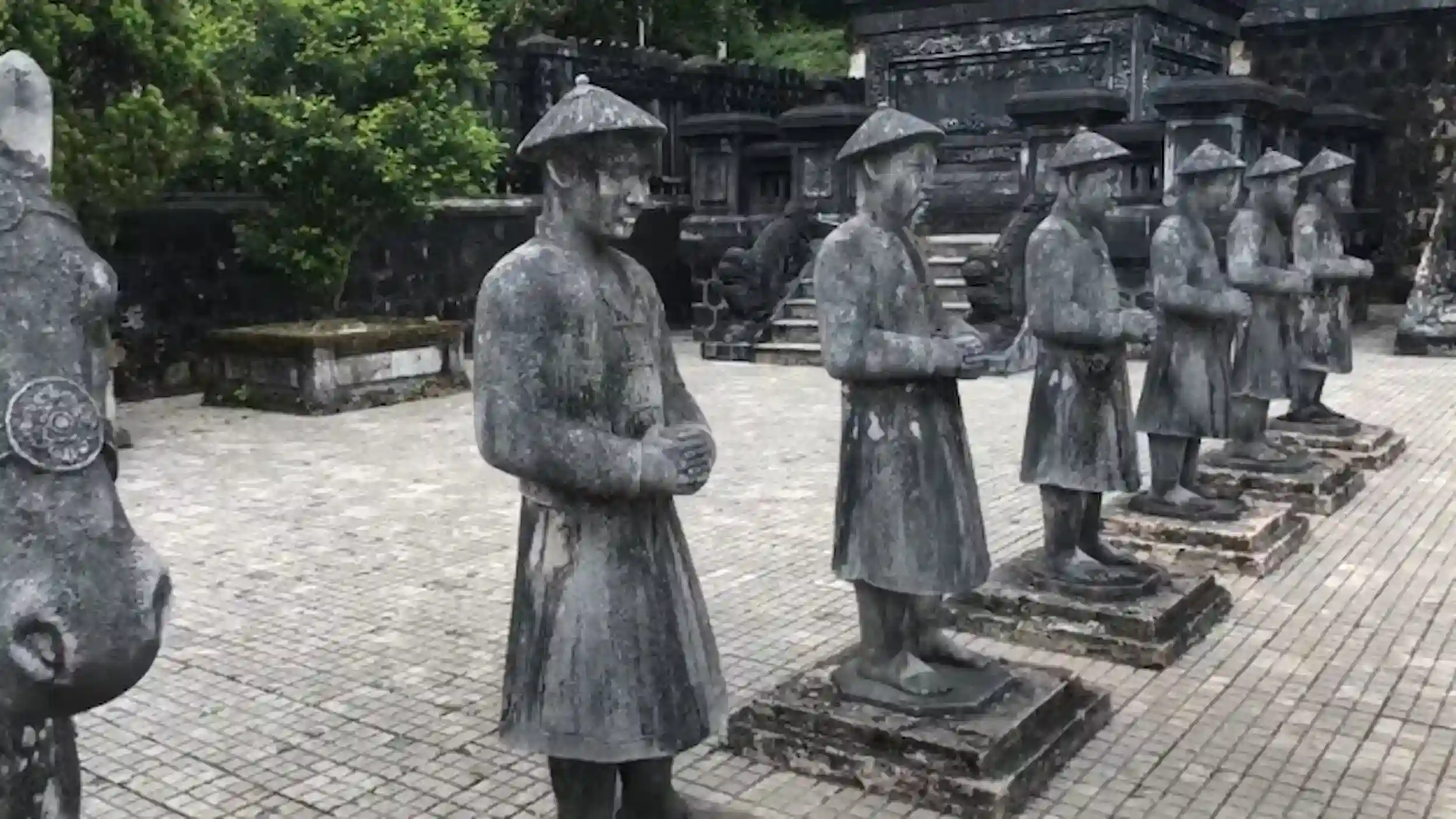
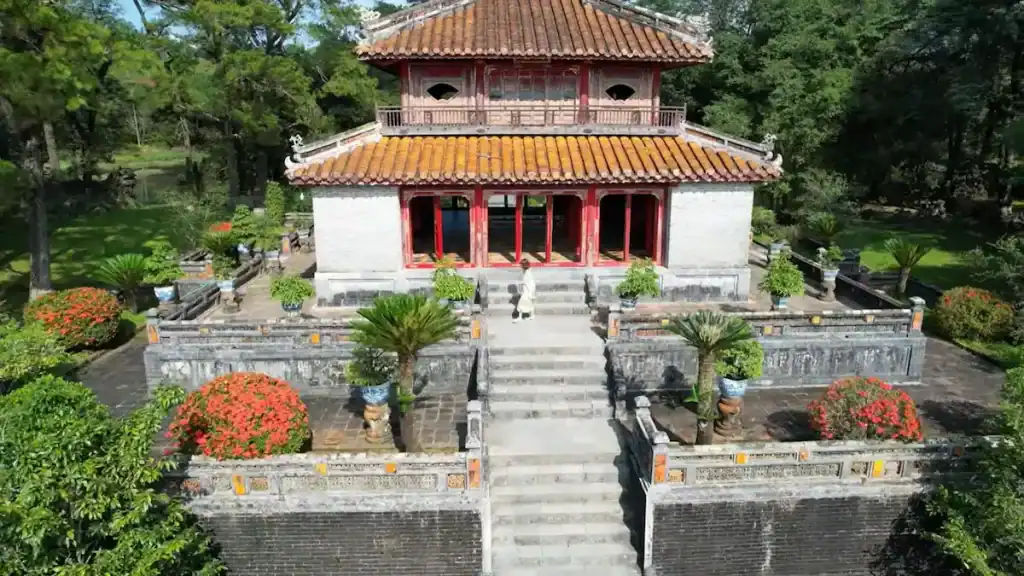
Minh Mang Tomb shows classical Vietnamese design at its most strict and careful approach. Completed in 1843, the 28-hectare complex arranges 40 structures along a single formal axis. Everything shows bilateral balance: matching pavilions, twin lakes, mirrored courtyards that echo each other. Minh Mang ruled 1820-1840, expanding Vietnamese land to its historical maximum size. His tomb’s orderly grandeur mirrors his legacy of military conquest and cultural conservatism clearly.
These three tombs offer real design variety that makes each visit feel quite different from others. Khai Dinh’s East-meets-West fusion, Tu Duc’s poetic naturalism, and Minh Mang’s geometric precision provide clearly different experiences worth your time. The U.S. State Department travel advisory rates Vietnam as Level 1 (Exercise Normal Precautions), making visits safe with standard travel awareness. Most visitors report six to eight hours easily covers these three tombs with meal breaks.
⛔ Which Hue Royal Tombs Are Safe to Skip Entirely
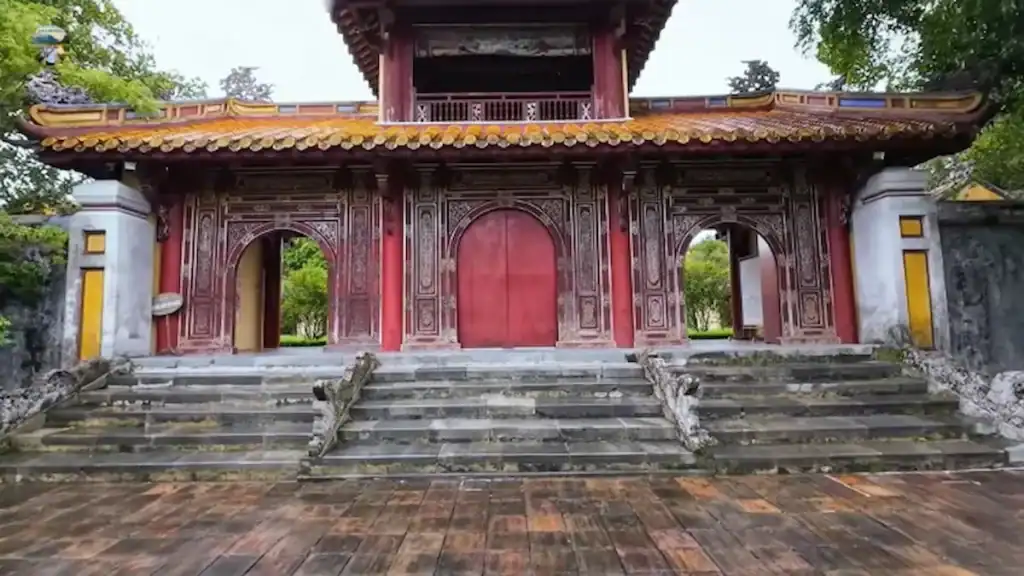
Gia Long Tomb fails on practical grounds despite its historical importance to Vietnamese history. As the first Nguyen emperor who unified Vietnam and moved the capital to Hue, Gia Long deserves respect. His tomb, completed in 1820, sprawls across remote countryside 16 kilometers from the city center. The journey needs 40-50 minutes each way on rough roads. The tomb itself lacks the polish of later builds, appearing stark and weathered. In reality, it means inconvenient and underwhelming for most travelers.
The infrastructure adds frustration to the already difficult journey out to this remote tomb site. No public transport reaches Gia Long Tomb at all right now for visitors. Grab taxis do not want to travel that far from the city center. Private car hire costs 600,000-800,000 VND for the round trip both ways. Unless you are a Nguyen Dynasty completist or motorcycle adventurer, the cost-benefit calculation fails badly here. That time and money could fund a cooking class or Perfume River cruise instead.
Gia Long remoteness and Dong Khanh’s forgettable grounds
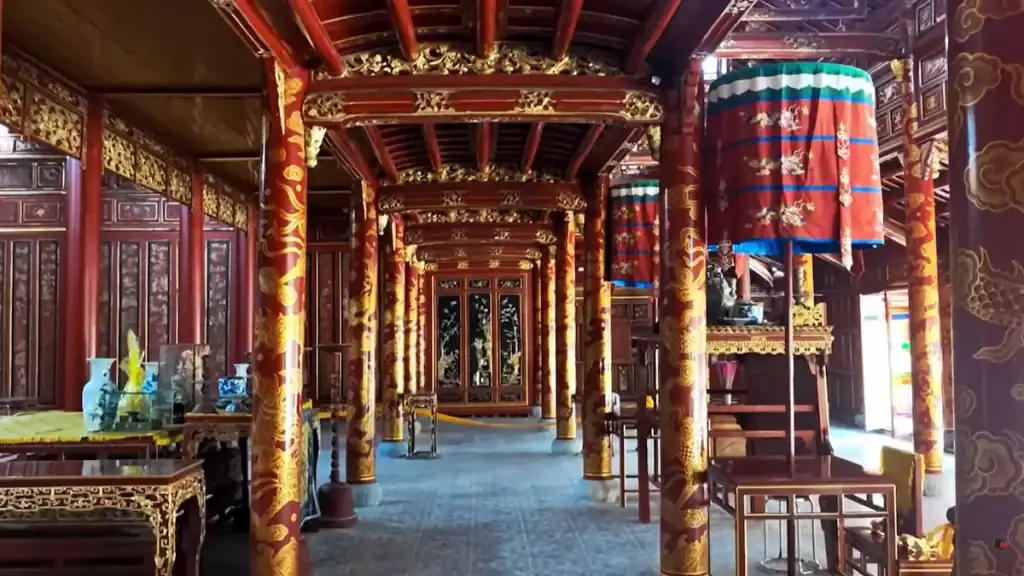
Dong Khanh Tomb suffers from being average in every way that matters to most visitors. Emperor Dong Khanh ruled just four years (1885-1889) before dying at age 24. His tomb building spanned four later reigns (1888-1923), creating a design hodgepodge of styles. Early structures follow usual design; later additions add French influences in awkward ways here. The result feels unsure rather than nicely blended like Khai Dinh tomb does well.
The tomb’s compact size works against it in ways that hurt the visitor experience badly. Visitors spend 30-45 minutes walking the grounds, which is not enough time to justify transport trouble. Online reviews always rank Dong Khanh as “fine if you are passing by” situations only. For travelers with limited time, “fine” does not cut it when competing against Hue’s top sights. The Centers for Disease Control recommends basic health steps for Vietnam travel, including mosquito protection at outdoor sites like tombs.
😵 The Tomb Tour Fatigue Problem: Best Hue Royal Tombs Planning
The three-tomb threshold appears often in traveler accounts from people who tried too many sites. Reddit threads, forum talks, and travel blogs reveal the pattern quite clearly to see. Visitors plan four to five tombs, complete three, and describe the fourth as “a blur.” Or “we were too tired to appreciate it properly” at that late point. This is not weakness; it is your body meeting repetition of the same designs.
Each tomb demands active work from you as a visitor who wants to learn here. Reading historical plaques. Climbing stairs to elevated temples. Walking hundreds of meters through grounds. The heat makes exhaustion worse than you might think at first. Hue temperatures reach 35-38°C (95-100°F) April through August in the hot months. Even with early starts, midday heat becomes hard to bear. Travelers guess wrong about the total physical toll of multiple 2-hour tomb visits.
Why most travelers regret attempting four tombs in one day
The diminishing returns become obvious in your photos from each tomb you visit today. The first tomb gets 50 photos from multiple angles and great views. Tomb four gets 10 hasty snapshots before you want to leave now. Your face shifts from engaged curiosity to “can we please get lunch now” looks. The design has not declined in quality at all between the tombs. Your capacity to appreciate it has declined greatly by tomb four though clearly.
Tour operators know this but profit from bundling as many tombs as they can fit. Smart solo travelers flip the script: visit three tombs with ease and time for meals. The better experience makes up for missing average sites you would not remember well. The UNESCO World Heritage Centre stresses the Complex of Hue Monuments shows outstanding value needing care and respect. Quality beats quantity when selecting the best Hue royal tombs worth your limited time.