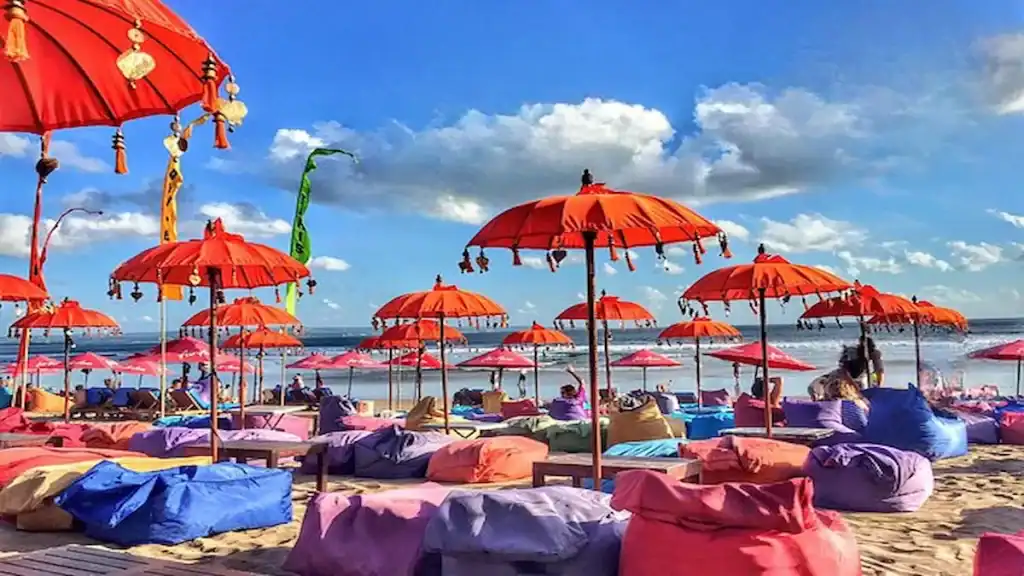


Choosing between Canggu and Ubud depends on your travel style: Canggu offers beachfront surfing at Echo Beach, nightlife at Finns Beach Club, and cafes along Batu Bolong Street, while Ubud provides Tegallalang Rice Terraces, Tirta Empul Temple, and Sacred Monkey Forest. Separated by 35km (90 minutes), Canggu suits surfers paying $25-40/night, whereas Ubud attracts wellness travelers at $15-25/night with yoga retreats and cultural immersion.
⚡ Quick Answer: Which Should You Choose?
Choose Canggu if:
- You want direct beach access and surfing
- You love vibrant nightlife and beach clubs
- You’re a digital nomad seeking a social scene
- You prefer modern cafes and international food
Choose Ubud if:
- You want Balinese culture and wellness retreats
- You prefer rice terraces and jungle landscapes
- You’re on a tighter budget ($10-15/day cheaper)
- You value quieter evenings and spiritual experiences
Bottom line: Canggu for beach vibes and nightlife. Ubud for culture and nature.
📊 Side-by-Side Comparison
| Feature | Canggu | Ubud | Winner |
|---|---|---|---|
| Daily Cost | $35-50 | $25-35 | Ubud |
| Beach Access | Direct | 1+ hour away | Canggu |
| Culture | Limited | Extensive | Ubud |
| Nightlife | Vibrant | Subdued | Canggu |
| Days Needed | 2-5 days | 3-5 days | Similar |
| Best For | Surfers, party-goers | Culture seekers, yogis | Depends |
👀 Canggu or Ubud: At a Glance
📌 Quick verdict: Canggu wins for beach lifestyle, Ubud wins for authentic Bali culture
👥 Best for Canggu: Surfers, digital nomads, nightlife lovers, beach club enthusiasts
👥 Best for Ubud: Yoga practitioners, culture enthusiasts, nature lovers, budget travelers
⏱️ Time difference: Both need 3-5 days minimum, Canggu works for shorter 2-day trips
💰 Cost difference: Ubud is 20-30% cheaper overall for accommodation and food
⚠️ Critical tip: Traffic between them takes 1+ hour, so pick one as your base
🚫 Skip both if: You only want pristine swimming beaches (try Nusa Penida instead)
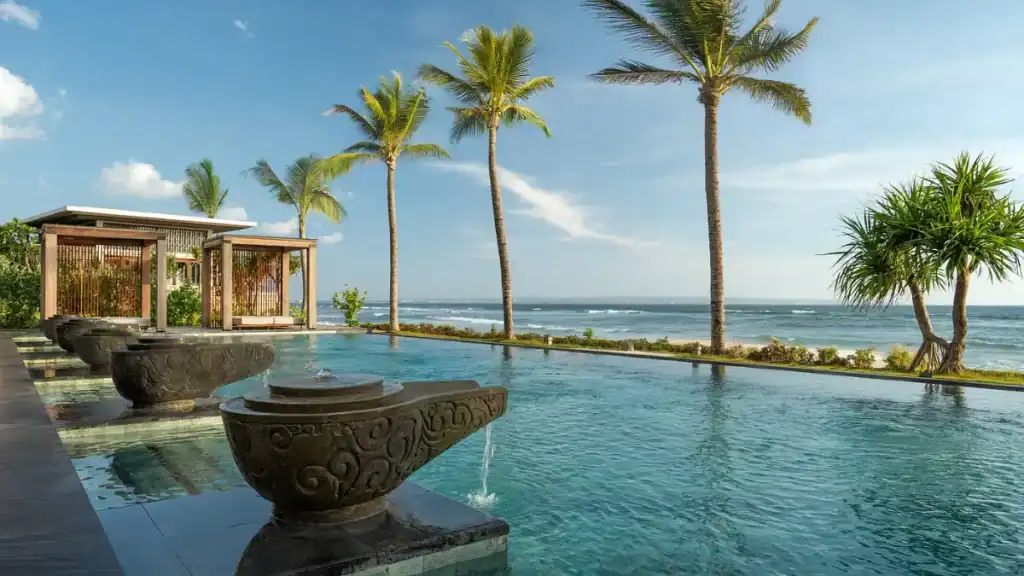
🏖️ Canggu or Ubud: What Makes Each Destination Unique
Canggu sits on Bali’s southwest coast as a beach town turned digital nomad hub. This coastal village transformed dramatically over the past decade into a trendy hotspot with surf breaks, beach clubs, and Instagram-worthy cafes. The vibe is modern, social, and California-esque with black sand beaches stretching along the shore.
Ubud remains Bali’s cultural and spiritual heart in the island’s interior. This jungle town offers lush rice terraces, traditional temples, and authentic Balinese experiences. The atmosphere is peaceful, artistic, and wellness-focused with yoga studios outnumbering beach bars.
Choosing Between Canggu and Ubud: Key Differences
The fundamental difference comes down to environment and purpose. Canggu delivers ocean access with Echo Beach, Berawa Beach, and Batu Bolong Beach offering beginner-friendly surf and sunset gatherings. You can walk to the beach within 5-10 minutes from most accommodations.
Ubud provides cultural immersion through the Sacred Monkey Forest, Tegalalang Rice Terrace, traditional dance performances, and artisan markets. The cooler jungle climate sits 1-2 degrees below coastal areas. Both destinations have developed rapidly, but Ubud maintains stronger connections to traditional Balinese life while Canggu has evolved into an international beach town.
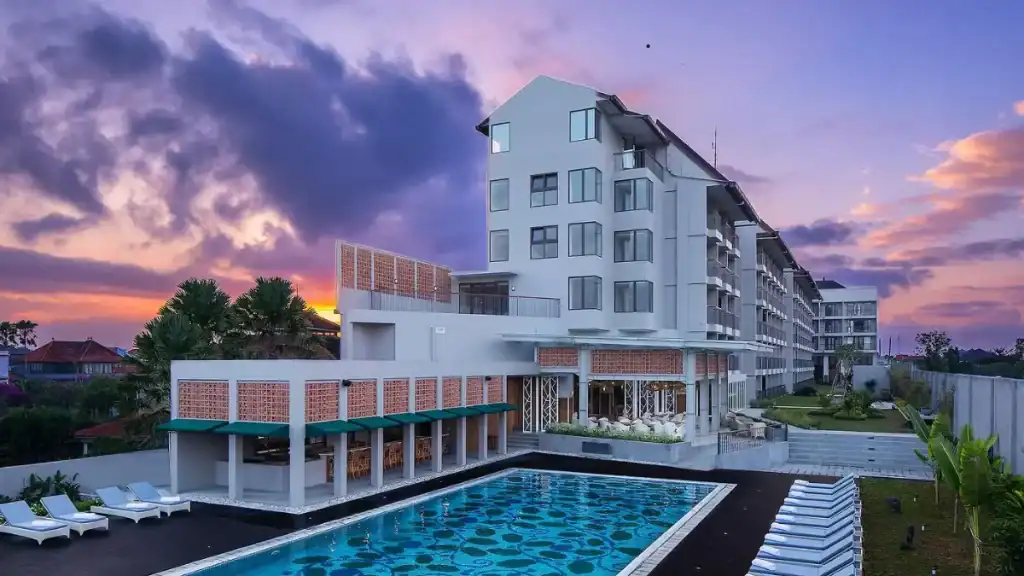
💰 Canggu or Ubud for Budget: Which Costs Less?
Canggu costs approximately $35-50 per day for budget travelers. Accommodation starts around $15-20 per night for basic guesthouses, while trendy cafes charge $5-8 for breakfast bowls and $4-6 for coffee. The influencer-driven economy has pushed prices higher in recent years.
Ubud costs roughly $25-35 per day for similar experiences. Guesthouses start at $10-15 per night, and local warungs serve meals for $2-5. Coffee and smoothie bowls run $3-5 at wellness cafes. Long-term accommodation averages $300-400/month compared to Canggu’s $400-500/month baseline.
Budget Breakdown: Canggu or Ubud
The verdict on cost: Ubud is 20-30% cheaper overall. Budget travelers save $10-15 daily by choosing Ubud over Canggu. This difference adds up to $70-100 weekly for those watching their rupiah. Both destinations offer luxury villas at $100-300+ per night for upscale travelers.
However, Canggu offers better value for beach activities and social networking events. Surf lessons cost $25-40, and coworking spaces like Dojo charge around $200/month. Ubud’s value lies in affordable cultural workshops ($20-50), traditional performances ($10-20), and cheaper yoga classes. Before traveling, check U.S. State Department Indonesia travel advisory and Australian Government Indonesia travel advice for current safety information.

🗺️ Getting There and Time Needed: Canggu vs Ubud Compared
Canggu lies 20-30 minutes from Ngurah Rai International Airport with relatively easy access via taxi or ride-sharing apps. The compact layout makes areas like Batu Bolong walkable, though you’ll need transport to reach different beach zones. Traffic within Canggu flows better than central Seminyak.
Ubud sits 60-90 minutes from the airport in Bali’s interior. The town sprawls across several villages, requiring scooters or drivers for most movement. Day trips to north Bali waterfalls and Mount Batur become easier from this central location.
How Many Days: Canggu or Ubud
Canggu works for 2-5 day stays depending on your surf ambitions and party tolerance. Two days covers beach clubs and sunset sessions. Five days allows exploration of nearby Tanah Lot Temple, cooking classes, and proper surf progression with rest days between sessions.
Ubud demands 3-5 days minimum to appreciate the cultural offerings. Three days covers the Monkey Forest, rice terraces, and one temple visit. Five days permits deeper engagement with yoga retreats, cooking classes, waterfall adventures, and traditional dance performances. Both destinations support longer stays for remote workers, with Canggu favoring social butterflies and Ubud suiting those seeking focused productivity. For health and safety updates, consult U.S. Embassy Bali consular services before your visit.

✅ The Final Verdict
Choose based on your priorities and travel style rather than generic recommendations. Canggu wins decisively for anyone requiring beach access, surf opportunities, or vibrant nightlife. The social scene connects digital nomads through coworking spaces, beach clubs like FINNS, and endless cafes perfect for laptop work.
Ubud wins for travelers seeking authentic Balinese culture, wellness experiences, and budget-conscious trips. The jungle setting provides natural beauty without ocean views. Traditional markets, temple ceremonies, and cooking classes offer genuine cultural exchange rather than Instagram aesthetics.
Making Your Decision: Canggu or Ubud
Pick Canggu if you’re a surfer, want beach sunsets daily, enjoy partying until 2am, or need a high-energy social environment. The modern infrastructure suits first-time Bali visitors who want familiar comforts with tropical settings. Younger crowds dominate, creating a 20s-30s demographic feel.
Pick Ubud if you practice yoga seriously, want spiritual exploration, prefer early bedtimes, or desire authentic cultural experiences. The quieter atmosphere attracts artists, writers, and those on wellness journeys rather than party-seekers. Many visitors split their Bali time between both destinations, dedicating 3-5 days to each location. This provides comprehensive island experiences covering beaches, culture, and diverse accommodations. Review Government of Canada Indonesia travel advisory for visa requirements and current safety conditions before booking your trip.