East Asia covers China, Japan, South Korea, Mongolia, and Taiwan with massive cities, ancient temples, and everything from tropical beaches to frozen winters. It’s the most developed part of Asia with bullet trains, clean metros, and technology everywhere. The region mixes old traditions with modern life better than anywhere. Language barriers hit hard outside tourist spots since English isn’t common. Three weeks covers highlights of two countries but you could spend months. Costs range from cheap in Mongolia to expensive in Japan and South Korea.
Modern Cities and Ancient Traditions
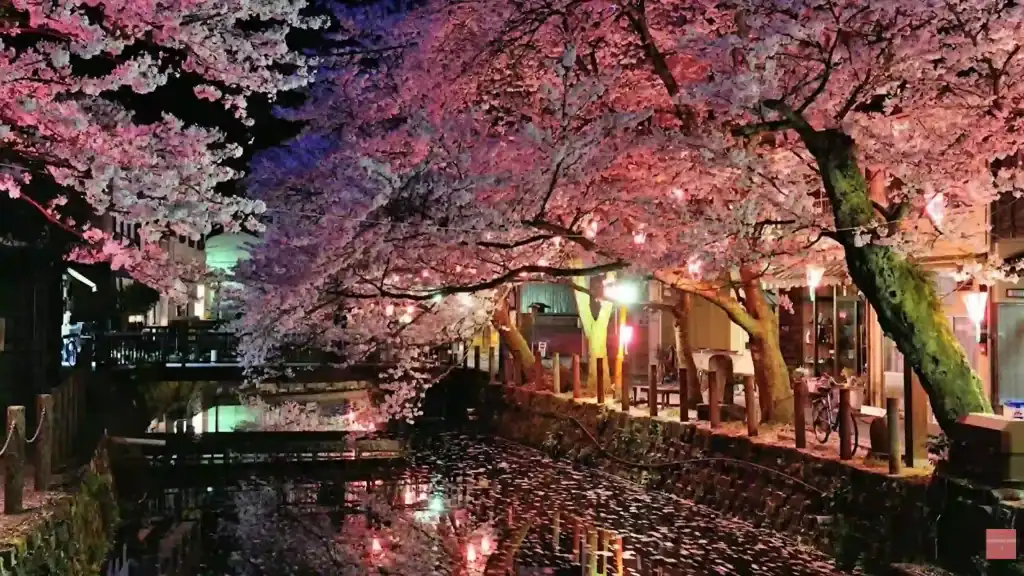
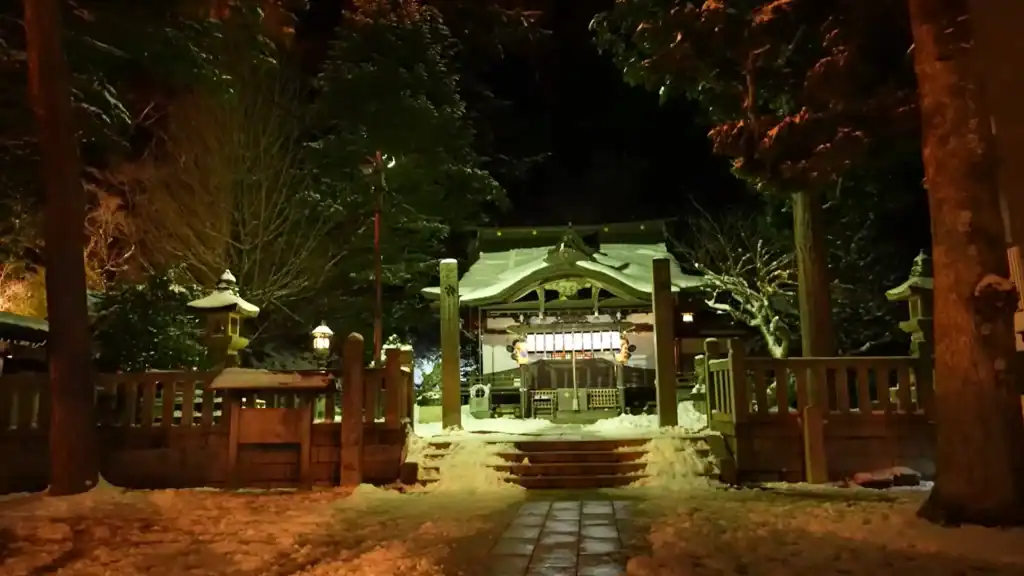
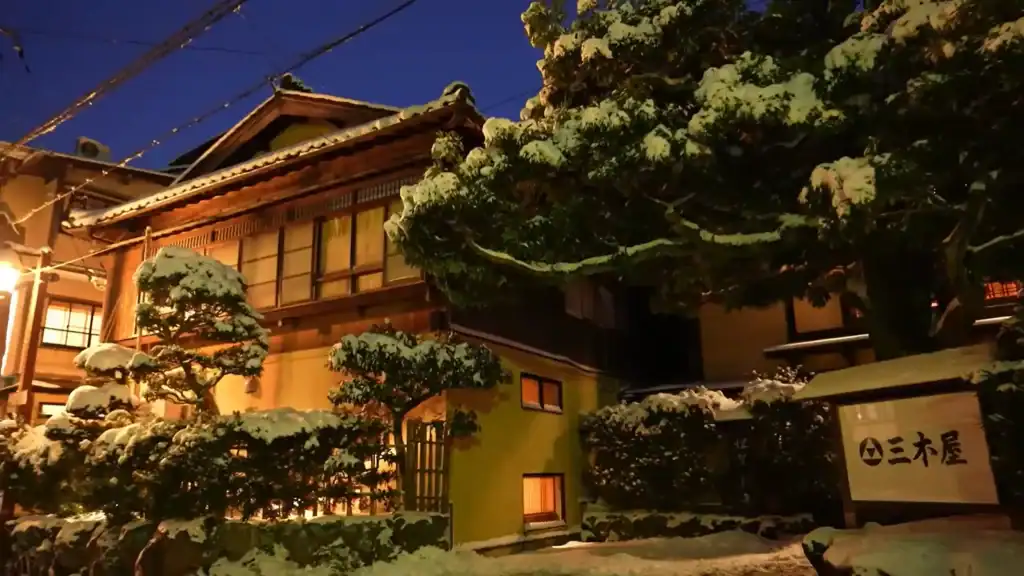
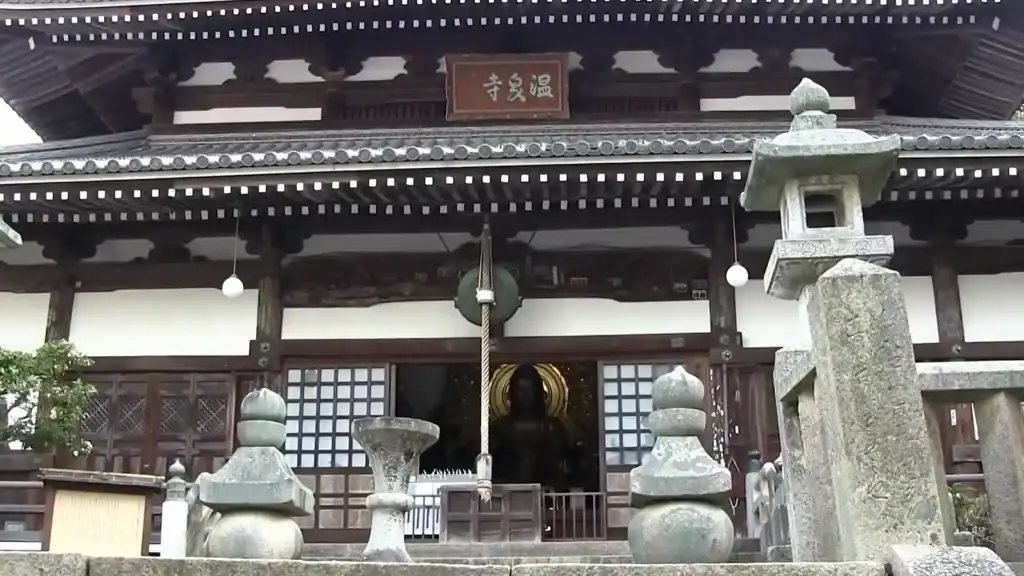
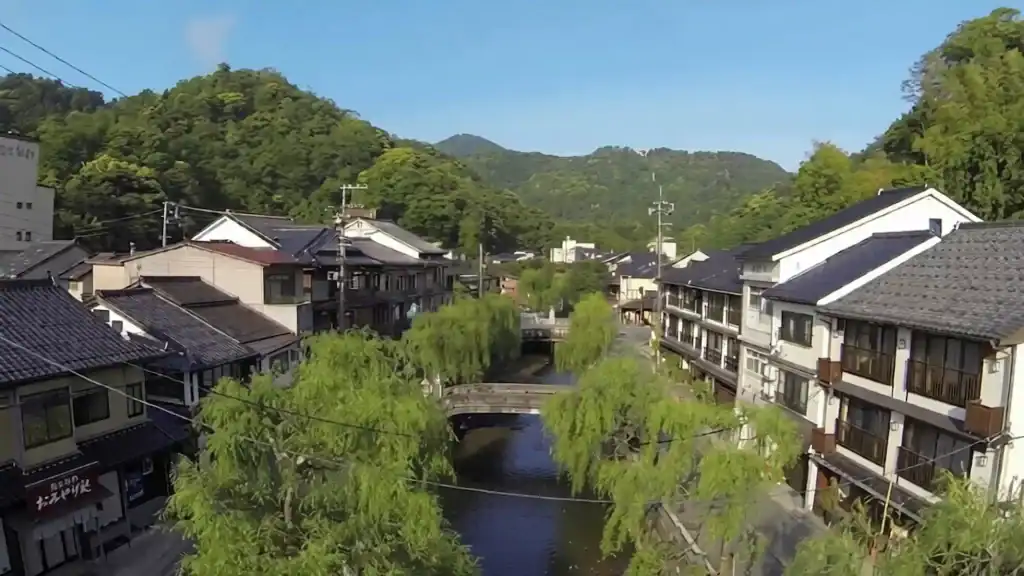
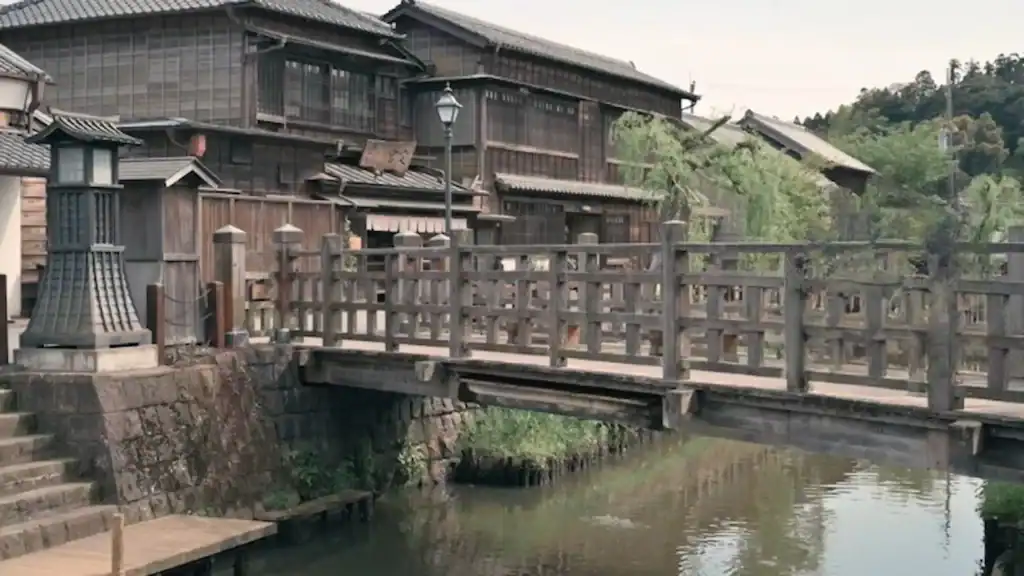
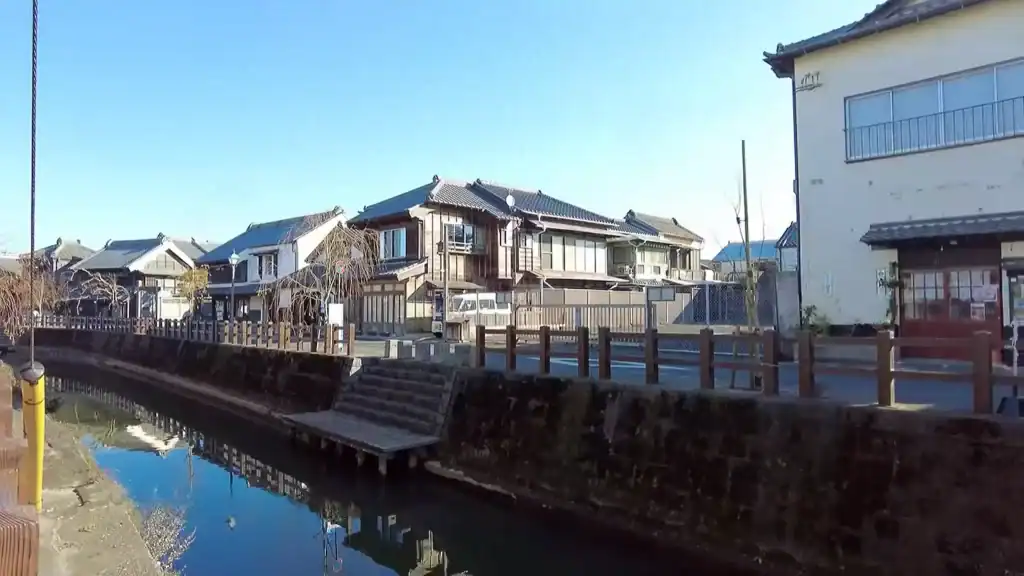
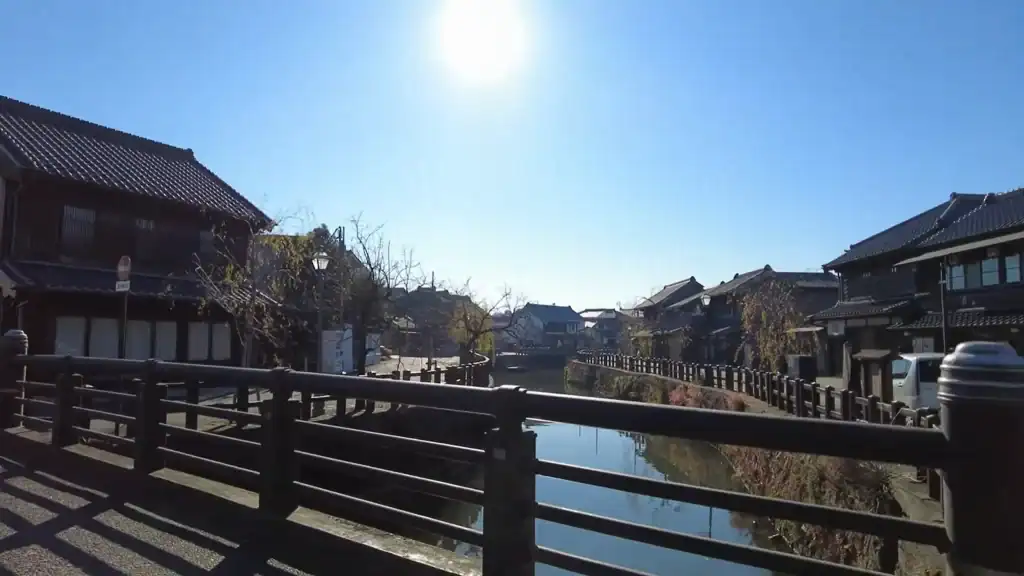
Japan combines neon cities with zen gardens and stays obsessively clean and organized. Tokyo overwhelms with size and energy while Kyoto keeps traditional temples and geisha districts. Mount Fuji stands perfect cone shaped visible from Tokyo on clear days. Osaka brings better food and relaxed vibes. The trains run exactly on time connecting everything. Convenience stores have great cheap food. Cherry blossoms in spring draw massive crowds. South Korea feels similar but different with Seoul as the modern capital full of K-pop, plastic surgery clinics, and incredible street food. Busan on the coast has beaches and fish markets. Korean BBQ and fried chicken with beer define nights out. Both countries stay extremely safe. The countryside has mountains and hot springs. Costs run high especially accommodations but convenience stores and local spots keep food affordable.
Mainland Giants and Island Culture
China sprawls enormous and diverse from Beijing’s Forbidden City to Shanghai’s skyscrapers to Guilin’s karst mountains. The Great Wall, terracotta warriors, and pandas pull tourists. High-speed trains connect everything fast and cheap. The government blocks websites so VPN matters. Street food stays cheap and delicious. Cities feel futuristic while rural areas stay traditional. Taiwan is smaller and easier with Taipei as the base. Night markets have incredible food. Taroko Gorge cuts dramatic through marble cliffs. The island mixes Chinese culture with Japanese influence and its own identity. Mongolia sits vast and empty with nomadic culture and horses across grasslands. Ulaanbaatar is the capital but the countryside is the draw with ger camps under huge skies.
Food is sushi, ramen, tempura in Japan, Korean BBQ, kimchi, bibimbap in Korea, dumplings, noodles, Peking duck in China, beef noodle soup, xiao long bao, bubble tea in Taiwan.
covers China, Japan, South Korea, Mongolia, and Taiwan with massive cities, ancient temples, and everything from tropical beaches to frozen winters. It’s the most developed part of Asia with bullet trains, clean metros, and technology everywhere. The region mixes old traditions with modern life better than anywhere. Language barriers hit hard outside tourist spots since English isn’t common. Three weeks covers highlights of two countries but you could spend months. Costs range from cheap in Mongolia to expensive in Japan and South Korea.
Modern Cities and Ancient Traditions
Japan combines neon cities with zen gardens and stays obsessively clean and organized. Tokyo overwhelms with size and energy while Kyoto keeps traditional temples and geisha districts. Mount Fuji stands perfect cone shaped visible from Tokyo on clear days. Osaka brings better food and relaxed vibes. The trains run exactly on time connecting everything. Convenience stores have great cheap food. Cherry blossoms in spring draw massive crowds. South Korea feels similar but different with Seoul as the modern capital full of K-pop, plastic surgery clinics, and incredible street food. Busan on the coast has beaches and fish markets. Korean BBQ and fried chicken with beer define nights out. Both countries stay extremely safe. The countryside has mountains and hot springs. Costs run high especially accommodations but convenience stores and local spots keep food affordable.
Mainland Giants and Island Culture
China sprawls enormous and diverse from Beijing’s Forbidden City to Shanghai’s skyscrapers to Guilin’s karst mountains. The Great Wall, terracotta warriors, and pandas pull tourists. High-speed trains connect everything fast and cheap. The government blocks websites so VPN matters. Street food stays cheap and delicious. Cities feel futuristic while rural areas stay traditional. Taiwan is smaller and easier with Taipei as the base. Night markets have incredible food. Taroko Gorge cuts dramatic through marble cliffs. The island mixes Chinese culture with Japanese influence and its own identity. Mongolia sits vast and empty with nomadic culture and horses across grasslands. Ulaanbaatar is the capital but the countryside is the draw with ger camps under huge skies.
Food is sushi, ramen, tempura in Japan, Korean BBQ, kimchi, bibimbap in Korea, dumplings, noodles, Peking duck in China, beef noodle soup, xiao long bao, bubble tea in Taiwan.