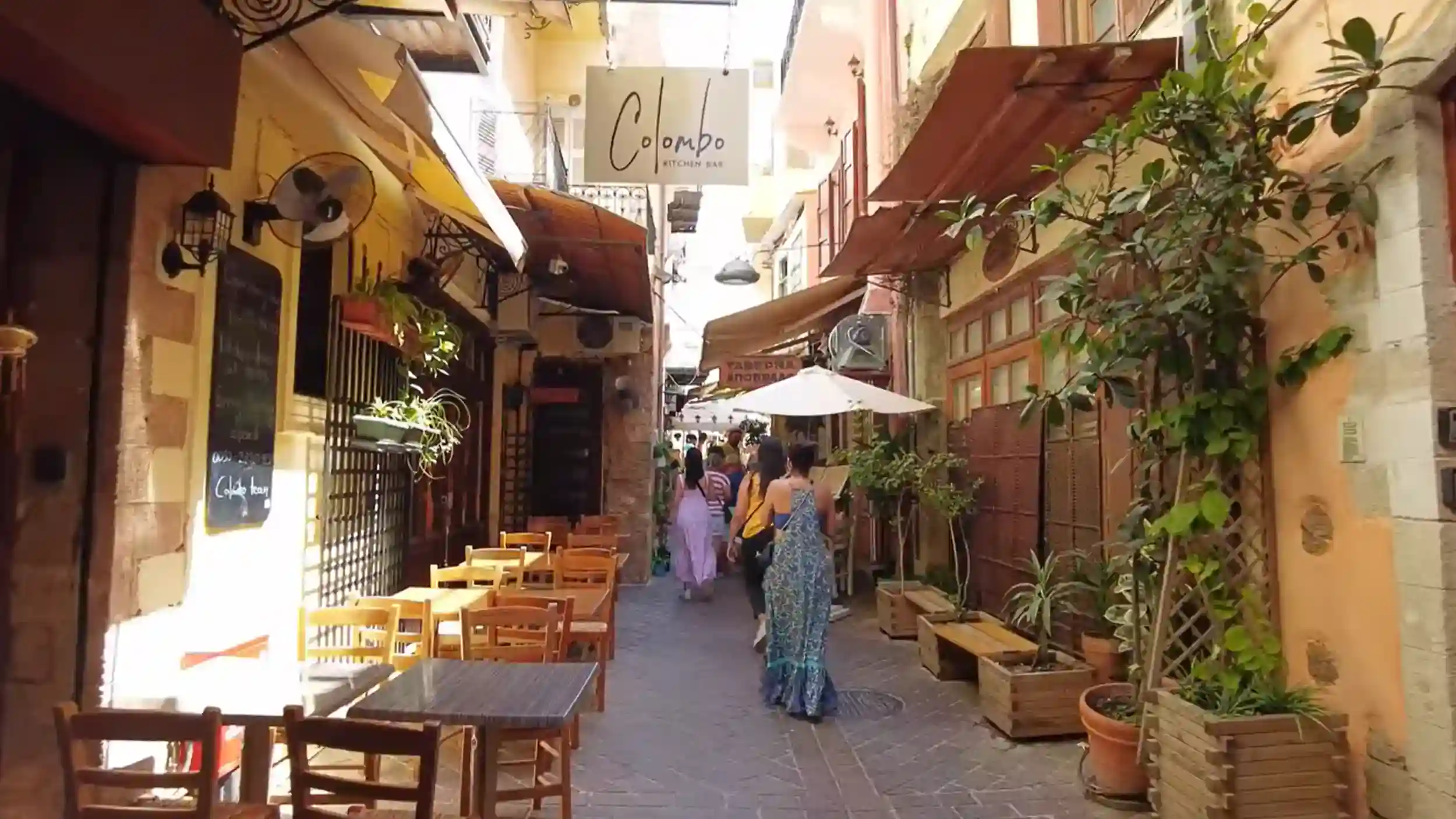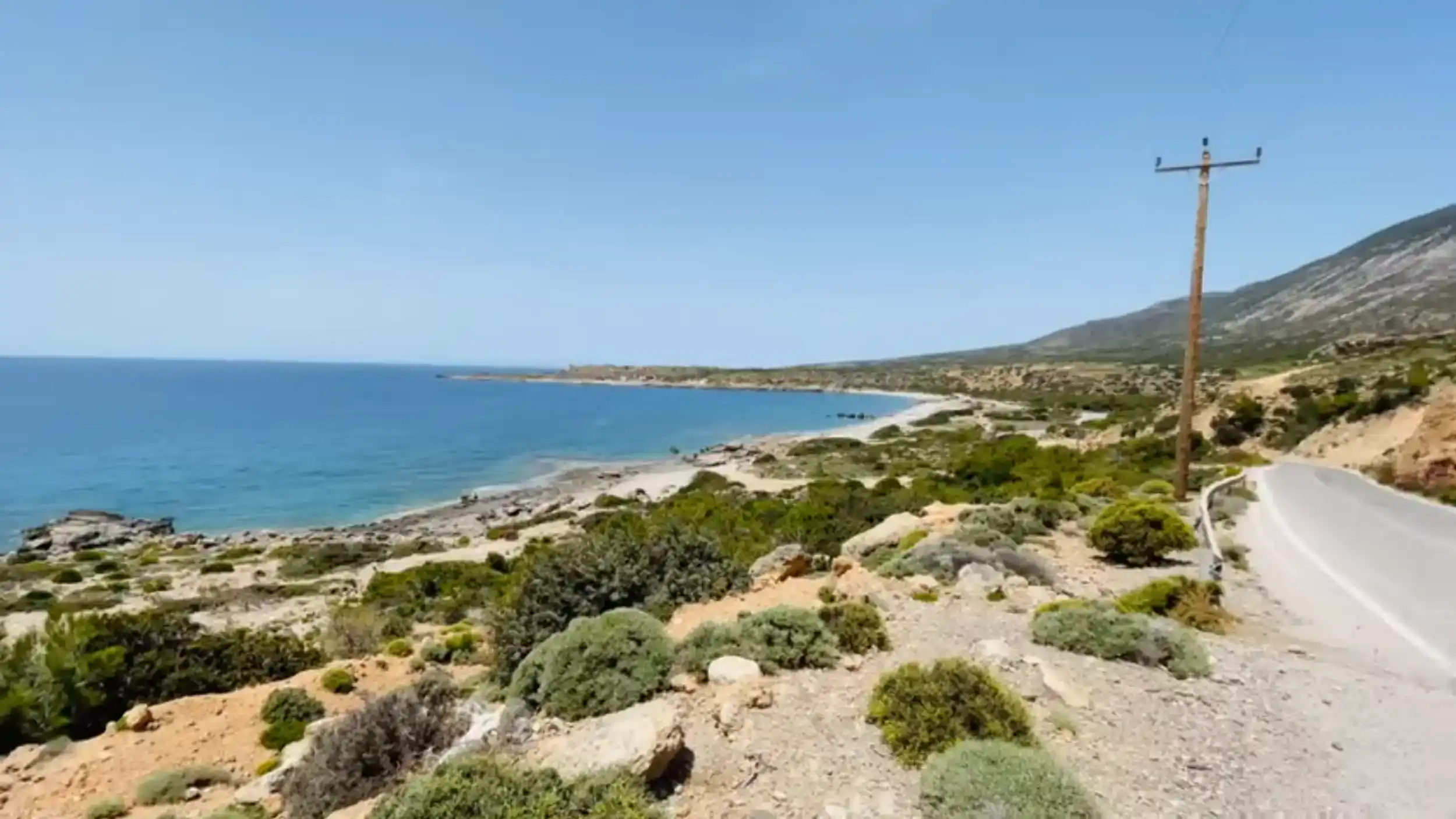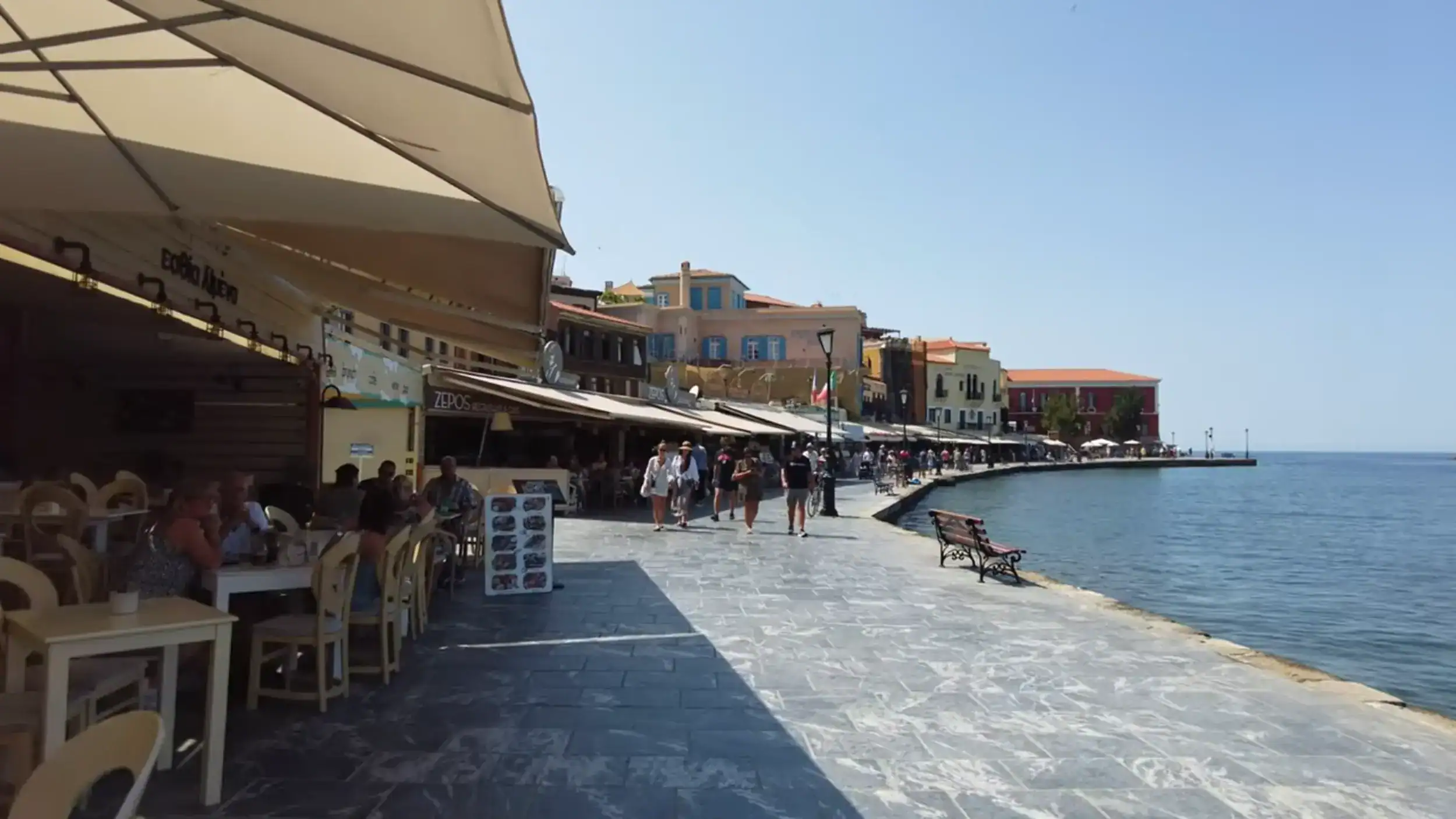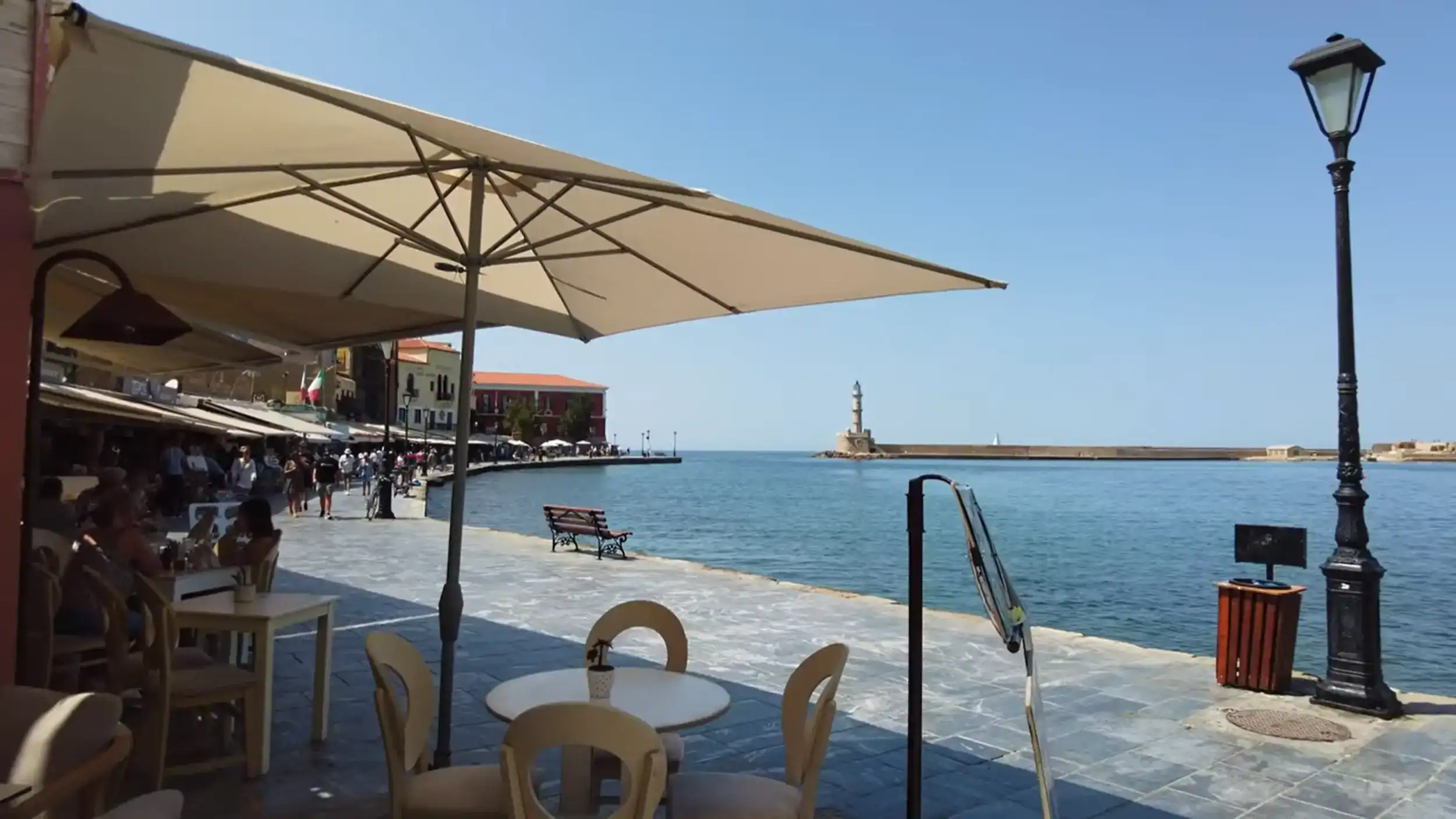

One day in Chania was enough for us to experience the city properly, but only because we kept the plan simple. We concentrated on the Venetian harbour, wandered through the Old Town and made time for a relaxed Cretan lunch rather than trying to turn a short visit into a sightseeing marathon.
If I had the same limited time again, I would make exactly the same trade-off. The harbour and Old Town give you a genuine feel for Chania; beaches, museums and longer trips beyond the city are better saved for another day.
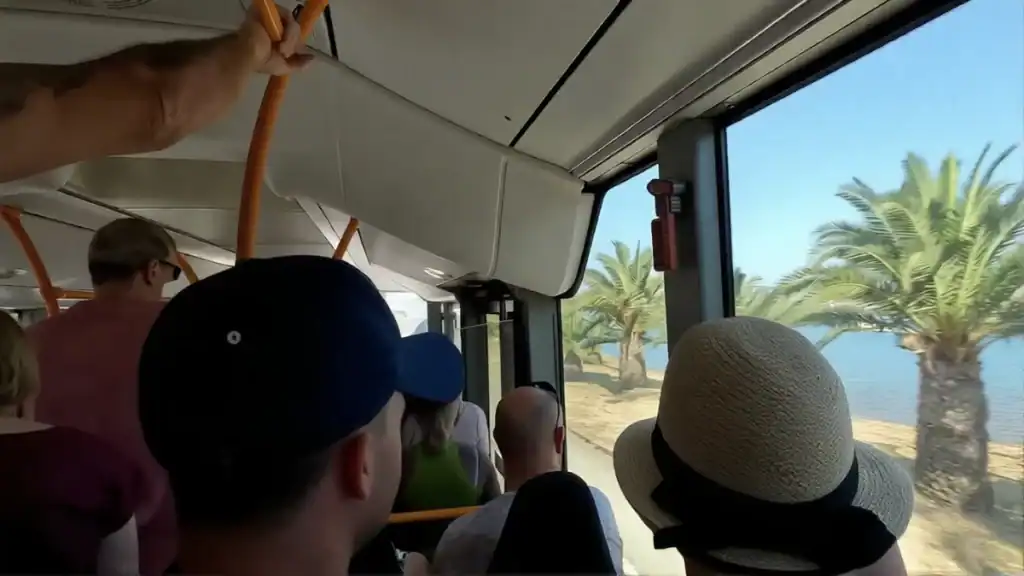
🚍 How Much of One Day in Chania Do You Lose Getting There?
We found that the amount you can see in one day in Chania depends as much on when you arrive as on what you plan to do.
Arriving from Souda Bay, Chania Airport or another Cretan resort is straightforward, but on a one-day visit every hour in transit matters. I would always work backwards from the time actually available in the Old Town rather than treat the whole calendar day as sightseeing time.
How Easy Is a Day in Chania from Souda Bay?
If you are arriving by cruise ship, the short transfer from Souda is a real advantage.
| 📍 Starting point | ⏱️ Typical journey |
|---|---|
| ⛴️ Souda Bay | Around 20 to 25 minutes by bus or taxi |
| ✈️ Chania Airport | Approximately 20 minutes by taxi |
| 🚗 Western Crete resorts | Usually 30 to 60 minutes by car |
| 🚌 Heraklion | Around 2 hours by intercity bus |
Our Souda Bay to Chania guide explains the bus and taxi options in more detail. With only one day available, I would choose the transfer that gets you into the Old Town with the least uncertainty rather than trying to save a small amount at the expense of sightseeing time.
For a cruise passenger, I think one day is enough for Chania itself because the historic centre is compact and Souda is close. I would keep the plan entirely city-based, allow a generous buffer for returning to the ship and work backwards from the required boarding time before deciding how long to spend over lunch or around the harbour.
Once we reached the centre, we had no need for a car. The harbour, lighthouse, Old Town and surrounding streets were close enough to explore on foot, which meant the rest of the day was spent actually seeing Chania rather than moving between attractions.
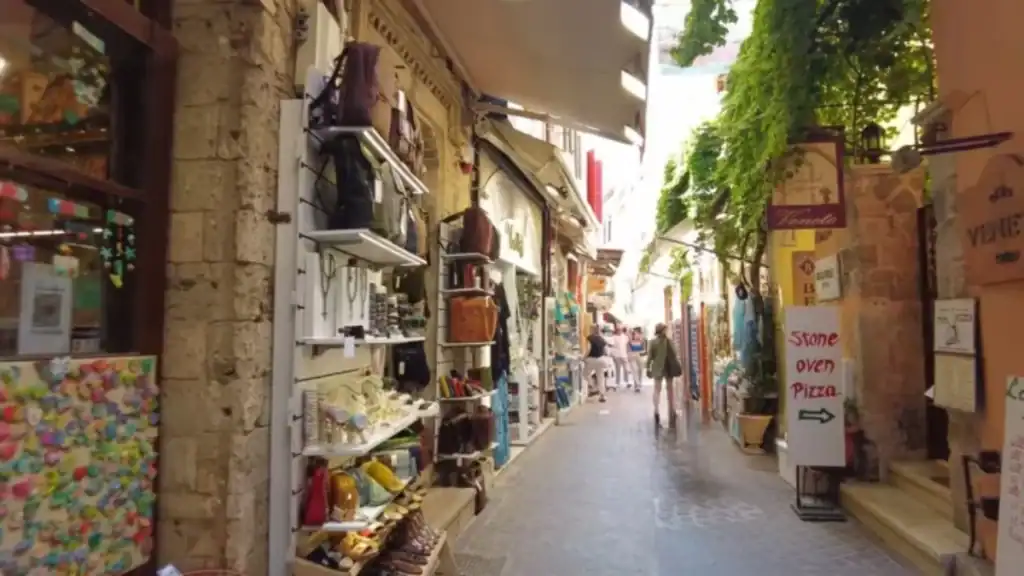
🗺️ What We Would Prioritise with One Day in Chania
Our biggest lesson was that trying to fit everything into one day in Chania would have made the experience worse, not better.
We would prioritise the Venetian harbour, the Old Town and a proper Cretan lunch. Together they gave us a much stronger impression of the city than squeezing in a museum, beach or distant attraction simply to make the itinerary look fuller.
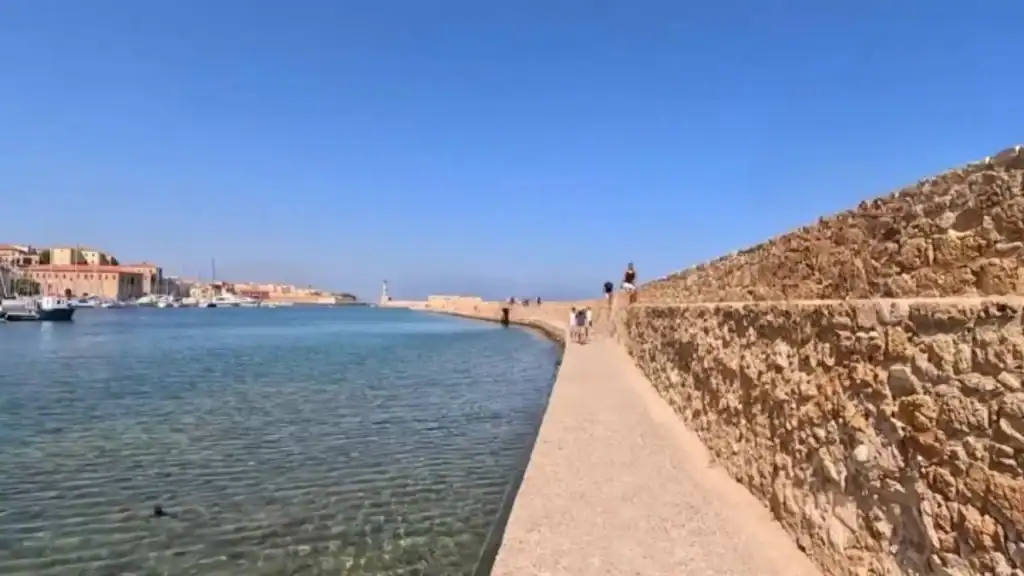
If I were turning that into a simple one-day itinerary, I would start at the Venetian Harbour, walk the waterfront towards the lighthouse, then spend the rest of the morning wandering the Old Town and Splantzia. I would stop for lunch in the lanes behind the harbour, keep the afternoon flexible for more Old Town wandering or one museum, then return to the waterfront later when the light softens.
Yes, one day is enough to see Chania Old Town at a useful pace. I would not expect to cover every lane, museum and historic building, but the centre is compact enough to see its essential character without turning the visit into a checklist.
The Simple Walking Route We Would Follow
We found that a simple walking route covered almost everything we actually wanted from the day.
I would expect roughly 5–8 km of walking across a full day if I included the harbour, lighthouse approach, Old Town and Splantzia, although it is easy to shorten that. The distance never felt like the difficult part to us; cobbled lanes, heat and time spent standing or exploring slowly mattered more, so I would wear comfortable shoes and build in stops.
| 🎯 Priority | 💡 Why it’s worth your time |
|---|---|
| ⚓ Venetian Harbour | The city’s most recognisable landmark |
| 🚶 Old Town | Historic lanes, hidden squares and local shops |
| 🏛️ Splantzia | A quieter neighbourhood with authentic character |
| 🍽️ Traditional lunch | An essential part of the Chania experience |
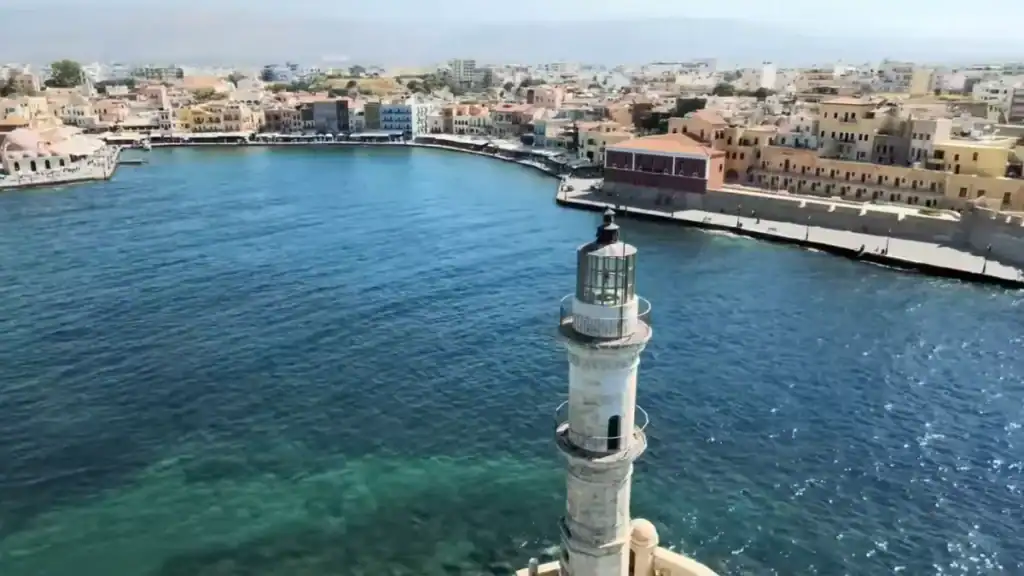
We spent longer around the harbour than I had expected. The colourful waterfront is the obvious attraction, but the Venetian architecture, lighthouse and changing atmosphere were what kept us there. Our guide to why Chania Harbour is worth multiple visits explains why we think it deserves far more than a quick photo stop.
If I only had one day, the Venetian Harbour, lighthouse views, Old Town lanes and Splantzia would be my must-sees. I would resist adding Balos or Elafonisi to the same itinerary, and I would also skip a beach stop or multiple museums unless one of them was a personal priority. For us, one day in Chania worked because we stayed in the city and still had enough slack in the schedule to follow an interesting street or stop somewhere without immediately checking the time.
⏰ Why We Would Start One Day in Chania Early
We found that exactly the same route felt different depending on the time of day.
An early start made one day in Chania noticeably better for us. Before the busiest groups arrived, the harbour was calmer and the narrow streets easier to wander. More importantly, we could stop when something caught our attention instead of constantly negotiating busy lanes.
What Difference Did an Early Start Make?
The difference was not just smaller crowds; the city itself felt calmer.
| 🕐 Time of day | 📌 What to expect |
|---|---|
| 🌅 Early morning | Quiet harbour, cooler temperatures and softer light |
| ☀️ Late morning | Busier streets as day visitors arrive |
| 🍽️ Midday | Ideal time for a long Cretan lunch |
| 🌇 Late afternoon | Warmer light and a more relaxed atmosphere |
If I controlled my own schedule, I would aim to start around 8:00–9:00 am. That is early enough to enjoy a calmer harbour and Old Town without making the day unnecessarily punishing. If I were arriving from Souda, I would simply get into Chania as early as practical and use those first hours for the harbour and Old Town. In the hottest months, we would then slow down over lunch rather than force sightseeing through the middle of the day.
If we still had time after the harbour circuit, I would extend the walk rather than introduce another journey. Our guide to Chania beyond the Old Town covers nearby neighbourhoods where we found a quieter side of the city without losing time to another transfer.
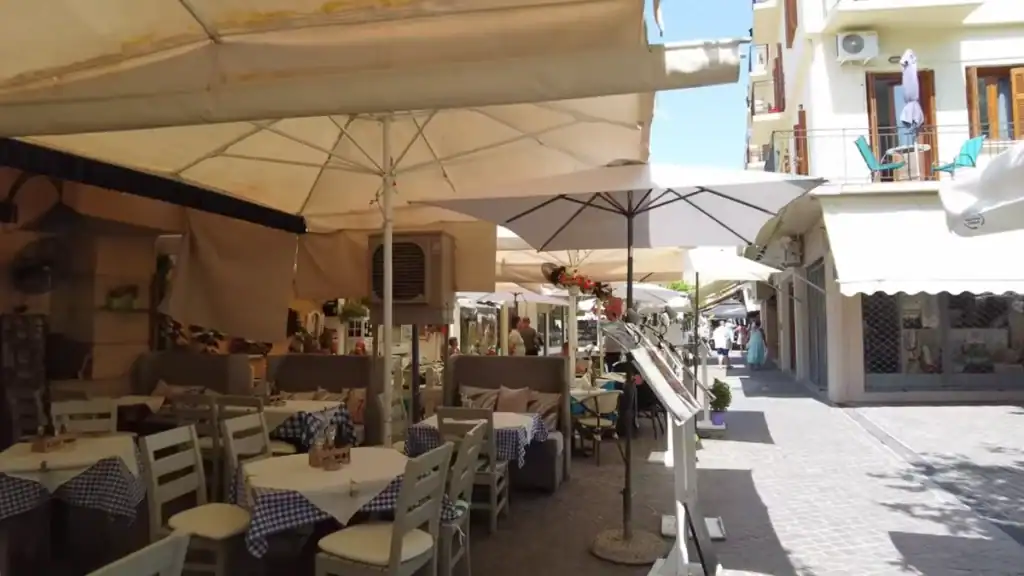
🍽️ Why We Would Make Lunch Part of the Day
We treated food as part of our one day in Chania rather than an inconvenient gap between attractions.
We preferred moving a few streets back from the waterfront, where traditional tavernas replaced some of the busiest tourist-facing restaurants. Giving lunch a proper hour did not feel like lost sightseeing time; it gave us a break and became part of how we experienced the city.
Where Would We Stop for Lunch?
For us, choosing the right area mattered more than chasing one specific restaurant. With only one day, I would eat in the Old Town lanes a few streets back from the harbour, where lunch fits naturally into the walking route without sacrificing sightseeing time.
| 🍽️ Dining option | 💡 Why it works |
|---|---|
| 🍴 Harbour restaurants | Convenient but often the busiest |
| 🏘️ Old Town tavernas | Better atmosphere and authentic Cretan dishes |
| ☕ Traditional cafés | Ideal for breakfast or an afternoon break |
| 🥗 Local specialities | Fresh seafood, dakos and seasonal ingredients |
We would walk past the first sea-view menu and spend a few minutes exploring the lanes behind the harbour. Quieter courtyards and side streets made lunch feel less like a tourist stop and more like a natural part of wandering through Chania.
That longer lunch also gave us a natural break before returning to the harbour later. By then the light and atmosphere had changed enough that revisiting the waterfront did not feel repetitive.
⏳ Did One Day in Chania Feel Like Enough to Us?
Yes, for us one day was enough to understand why Chania is worth visiting, but it was not enough to exhaust it.
One day in Chania gave us enough time for the harbour, Old Town and a good Cretan meal without feeling that the day had been wasted in transit. What it did not give us was room for famous western Crete beaches, multiple museums or every neighbourhood, and I would not try to force those into the same visit.
| 🗓️ With one day in Chania | ✅ Best approach |
|---|---|
| ⚓ Harbour and lighthouse | Allow plenty of time to explore |
| 🏛️ Old Town | Wander without rushing between landmarks |
| 🍽️ Long lunch | Treat it as part of the experience |
| 🌊 Balos or Elafonisi | Save for a separate day |
If I were tempted to add Balos or Elafonisi, I would remind myself that both deserve a full day of their own. Sacrificing half of Chania to rush through one of them would weaken both experiences.
We left wanting more, and I think that is a better result than leaving exhausted after trying to see everything. Our guide to wandering Chania Old Town shows why those streets reward repeat visits. One day in Chania is enough for a strong first impression; it is also enough to make a longer return feel worthwhile.
❓ One Day in Chania: Quick Questions
Is One Day in Chania Enough From a Cruise Ship?
Yes, I think it is enough for the Venetian Harbour and Old Town if the ship gives me a useful amount of time ashore. I would not add a western Crete beach or distant excursion, and I would leave a comfortable return buffer rather than use every available minute in the city.
What Would I Skip With Only One Day in Chania?
I would skip Balos, Elafonisi and other long day trips completely. I would also leave beaches and multiple museums for another visit unless one was especially important to me. My priority would remain the harbour, Old Town, Splantzia and a proper Cretan lunch.