Chania beyond the Old Town is where I started to understand the city rather than simply admire it. Beyond the Venetian harbour, I found quieter neighbourhoods, local beaches, working olive groves and places where everyday life mattered more than sightseeing.
The Old Town is beautiful, and I would never suggest skipping it. But some of the experiences I remember most clearly happened after I stopped treating the harbour as the boundary of Chania and started exploring farther out.
🧭 What Do You Find in Chania Beyond the Old Town?
Most visitors see a surprisingly small part of Chania.
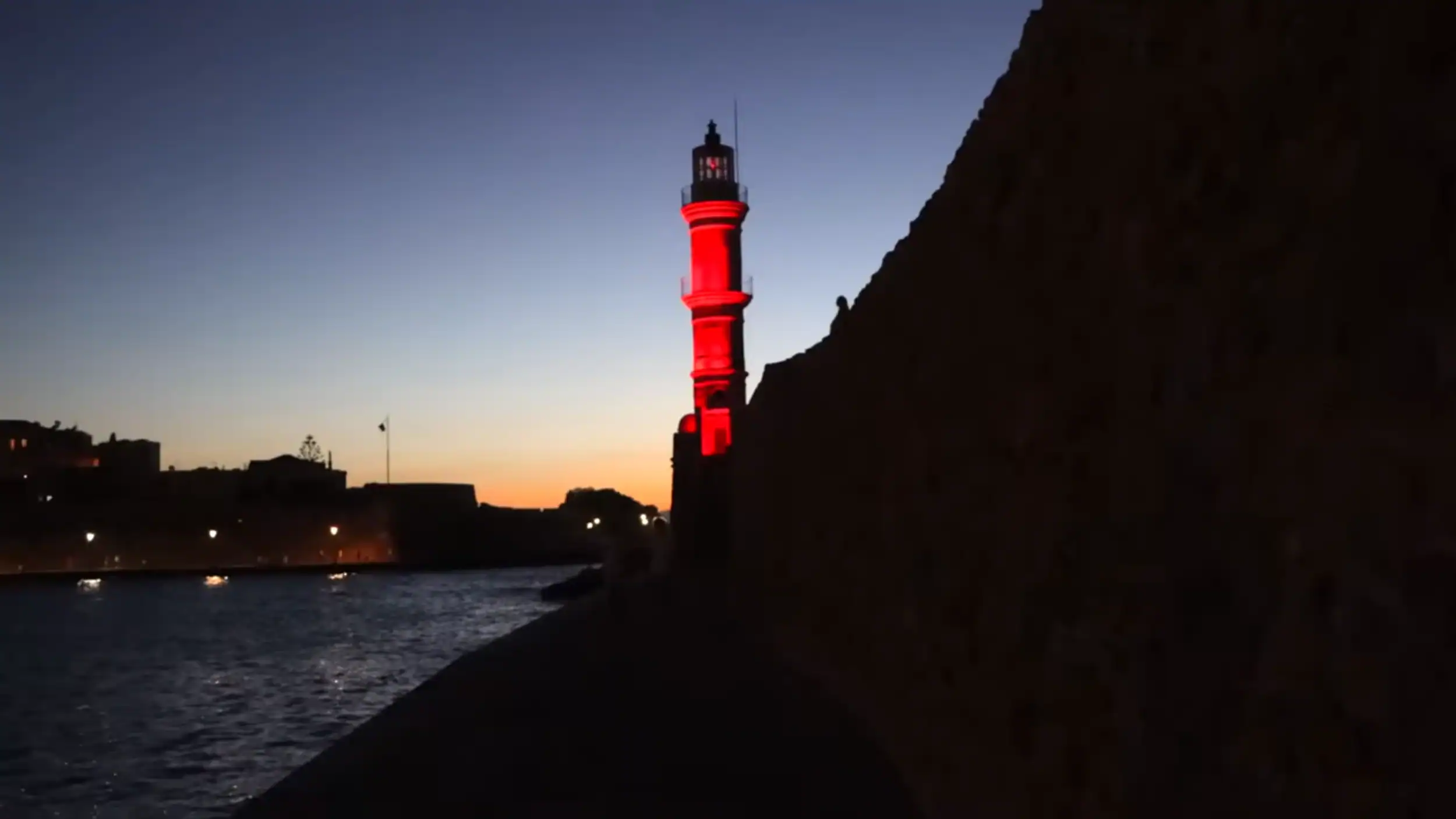
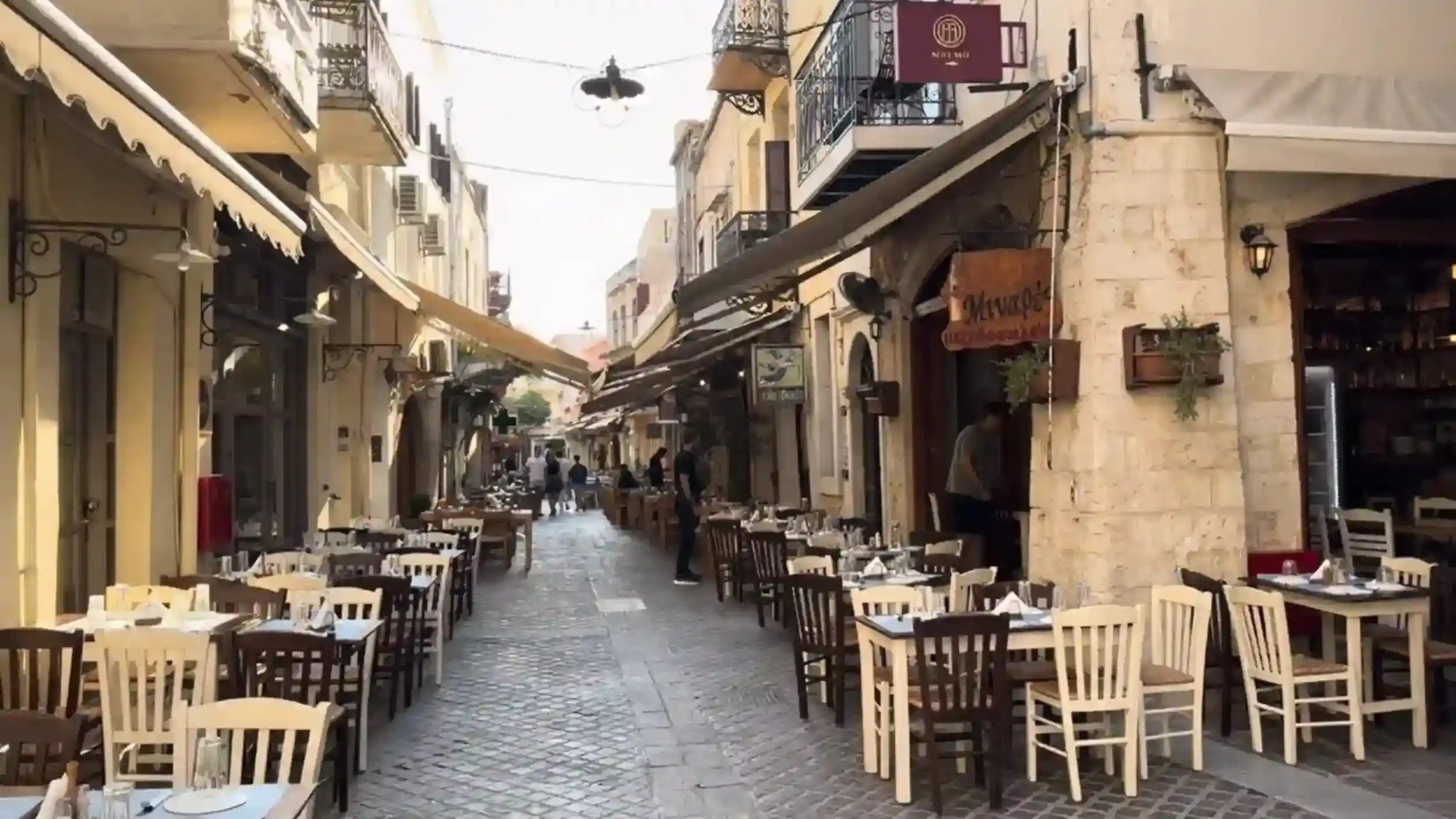
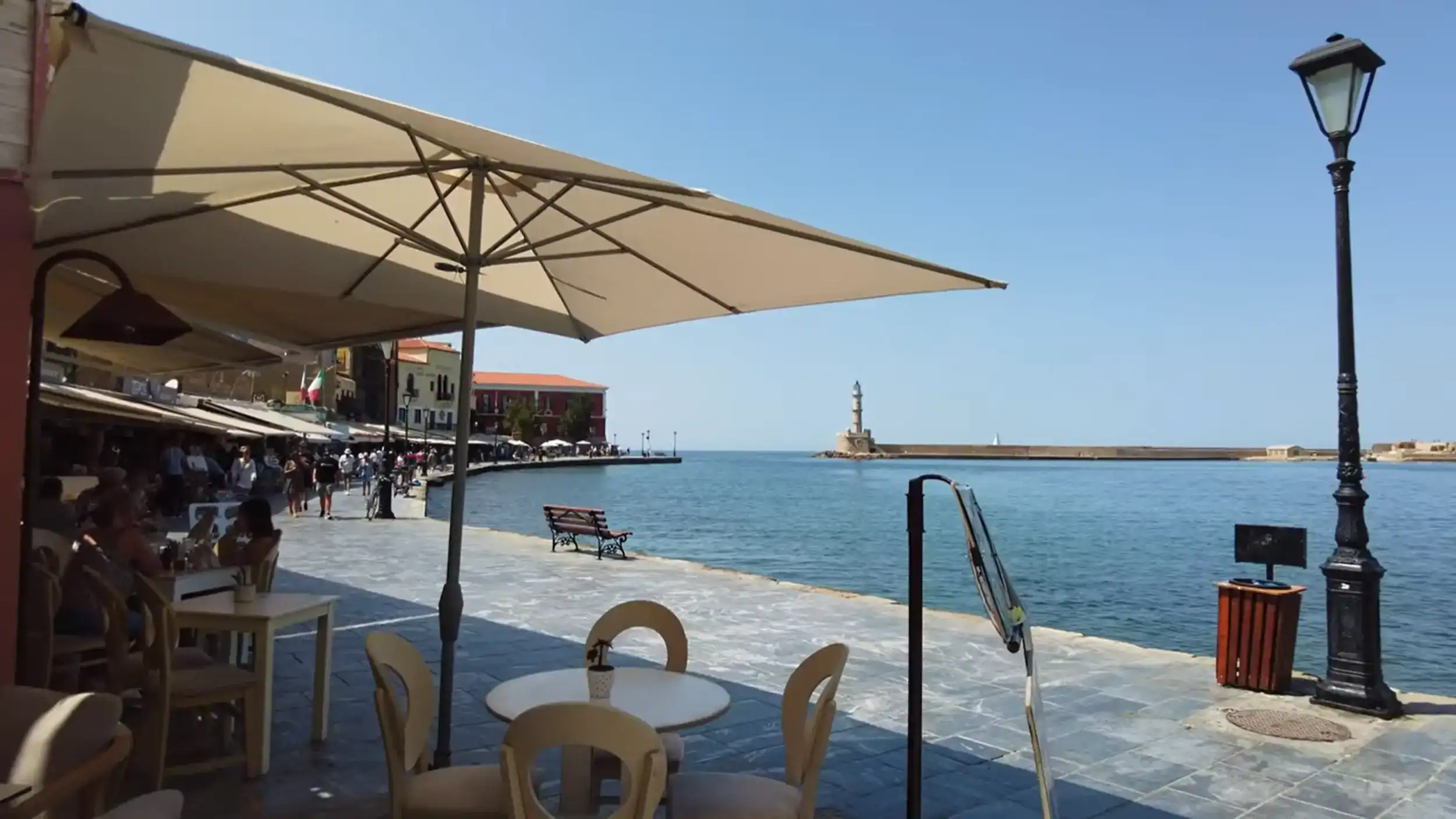
The Venetian harbour, lighthouse and surrounding lanes are where many trips naturally concentrate. I understood why. I could happily spend hours wandering those streets, particularly early in the morning or once the daytime crowds had eased.
But after a while, I became curious about what happened when I simply kept walking.
The City Changes Surprisingly Quickly
The farther I moved from the harbour, the more ordinary Chania became.
I don’t mean ordinary as a criticism. It was exactly what I wanted to see.
Tourist shops gradually gave way to neighbourhood cafés. I passed places where tables were occupied mainly by locals rather than visitors studying maps, and the feeling that everything around me existed for tourism began to disappear.
| Most visitors see | What I found farther out |
|---|---|
| 🏛️ Venetian harbour | 🌊 Local seafront neighbourhoods |
| 🍽️ Waterfront restaurants | ☕ Everyday cafés and tavernas |
| 🛍️ Tourist shopping streets | 🌿 Residential districts |
| 📸 Famous viewpoints | 🚶 Places discovered by wandering |
I found this contrast particularly useful because it stopped me thinking of Chania as simply a beautiful historic centre.
The Old Town deserves its reputation. I just don’t think it should become the boundary of the trip.
If you’re spending time there first, Wandering Chania’s Old Town explores the streets and quieter corners worth looking for before you start heading farther out.
🌅 Is Nea Hora Worth Walking to from Chania Old Town?
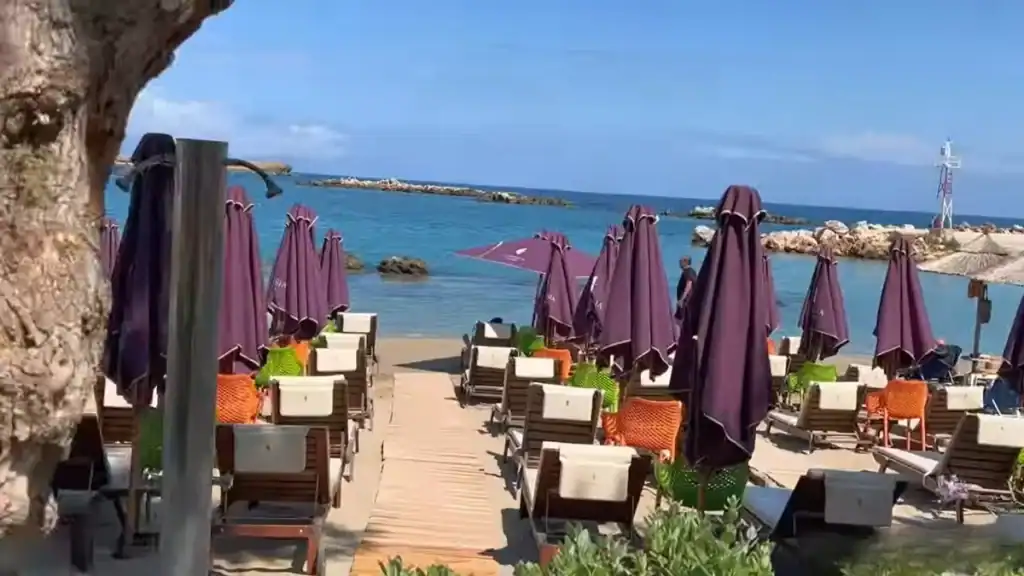
Yes. For me, walking west towards Nea Hora was one of the easiest ways to see another side of Chania without turning the day into an excursion.
Within about twenty minutes, I noticed the crowds thinning and the waterfront becoming much more local.
There is no dramatic moment when the tourist centre ends. It just gradually does.
Go Early and the Difference Is Even Clearer
I preferred this stretch in the morning.
Fishermen were preparing boats, cafés were slowly opening and the water was noticeably calmer. It felt surprisingly removed from the harbour despite being close enough to reach on foot.
Nea Hora itself isn’t a hidden beach. Local people clearly know and use it.
That was what I liked about it.
| Along the walk | What stood out to me |
|---|---|
| 🚶 Seafront promenade | A quieter alternative to the harbour |
| 🏖️ Nea Hora Beach | An easy local swimming stop |
| 🐙 Waterfront tavernas | Seafood and octopus drying outside |
| ☕ Beach cafés | Informal places without the harbour rush |
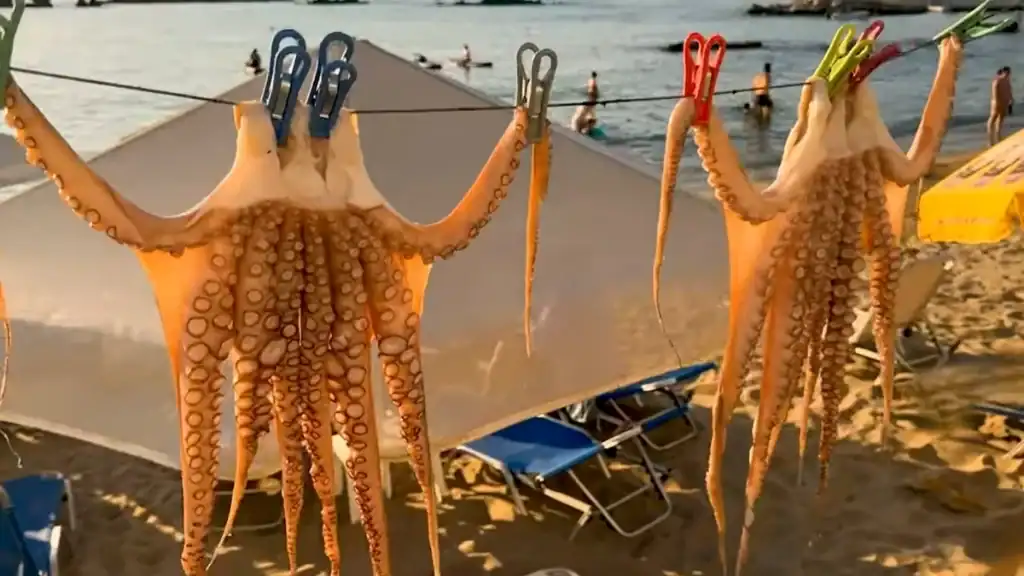
One detail stayed with me: octopus hanging outside the waterfront tavernas to dry.
It wasn’t staged as something for visitors to photograph. It was simply part of the working seafront, and those small details made Nea Hora feel more memorable to me than another polished attraction would have.
Nea Hora isn’t somewhere I would visit because it has a long sightseeing list. I would go because it shows you what happens when Chania stops performing for visitors.
That is exactly the sort of place I hoped to find beyond the Old Town.
😴 What Does Siesta Reveal About Everyday Life in Chania?
One of the more interesting things I noticed wasn’t a place at all.
It was a time of day.
For a few hours in the afternoon, Chania changed. The crowds didn’t vanish, but many local businesses closed and the city seemed to withdraw slightly from the intensity of the morning.
I initially thought of siesta as something I needed to plan around. Eventually, I realised it was something worth experiencing.
I Stopped Treating the Quiet Hours as Lost Time
Rather than trying to squeeze another attraction into the afternoon, I slowed down.
Without the constant movement around me, I noticed things I had walked past earlier: shutters closing, cats appearing in quiet lanes, strong shadows across the stonework and smells drifting from kitchens.
| During siesta | What changes |
|---|---|
| 🚶 Old Town lanes | Quieter and easier to explore |
| ☀️ Afternoon light | Stronger shadows and warmer colours |
| 🐈 Local life | Residents and cats replace some of the crowds |
| 🌆 Late afternoon | The city gradually comes alive again |
Then, a few hours later, everything changed again.
Restaurants filled, people returned to the waterfront and the harbour recovered the atmosphere most visitors associate with Chania.
Seeing both versions helped me understand the city much better than experiencing it only during its busiest hours.
Wandering Chania’s Old Town is particularly useful if you want to explore those streets when they are quieter rather than following the busiest daytime pattern.
🫒 Is It Worth Visiting an Olive Oil Factory Near Chania?
I found that leaving the coast revealed a completely different western Crete.
The harbour disappeared, roads wound between villages and olive trees began to dominate the landscape.
Seeing those groves was one thing. Watching olives being turned into oil gave them much more meaning.
A Working Factory Is Better Than a Polished Demonstration
What appealed to me was that the factory didn’t feel like a carefully constructed visitor attraction.
It was a working business.
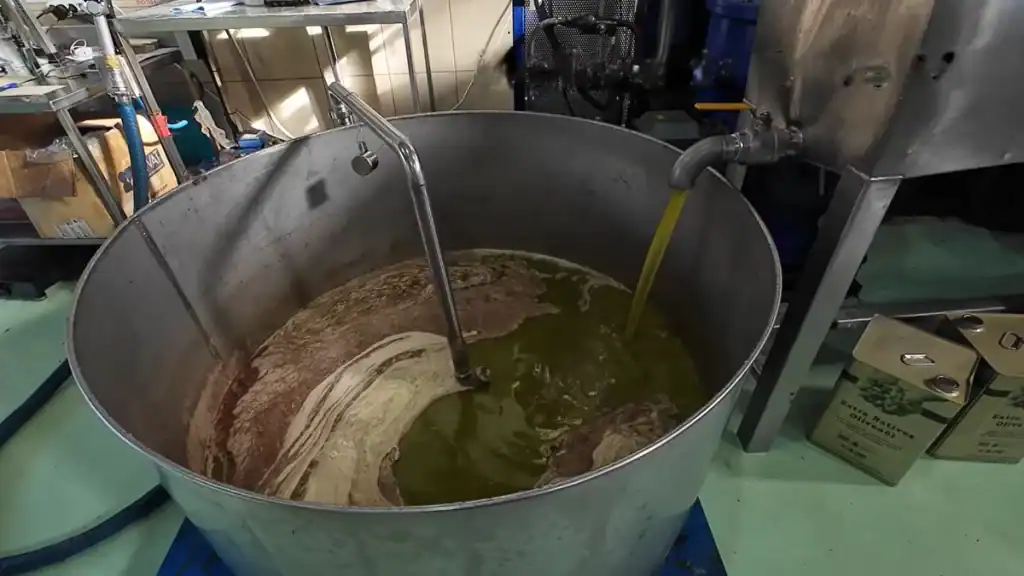
There was machinery, noise and the unmistakable smell of olives being processed. Watching the production line made something I had previously regarded as an everyday ingredient considerably more interesting.
I could see how quickly freshly harvested olives need to be handled and how much work sits behind a bottle of genuinely good extra virgin olive oil.
| At the factory | What I learned |
|---|---|
| 🌿 Fresh olives | Processing begins soon after harvesting |
| ⚙️ Machinery | Sorting and extraction happen quickly |
| 👃 Tasting | Aroma reveals more than I expected |
| 🫒 Local production | Olive oil is embedded in everyday Cretan life |
The tasting was particularly useful.
I had tasted plenty of olive oil before, but I hadn’t really considered what I was supposed to notice. Once someone explained the aromas and differences in quality, I started paying far more attention.
Seeing olive oil being produced made the endless groves outside Chania stop looking like scenery. They became part of the story of how people here actually live.
For me, that made the drive worthwhile.
🏝️ Is Elafonisi Really Like the Photographs?
Yes and no.
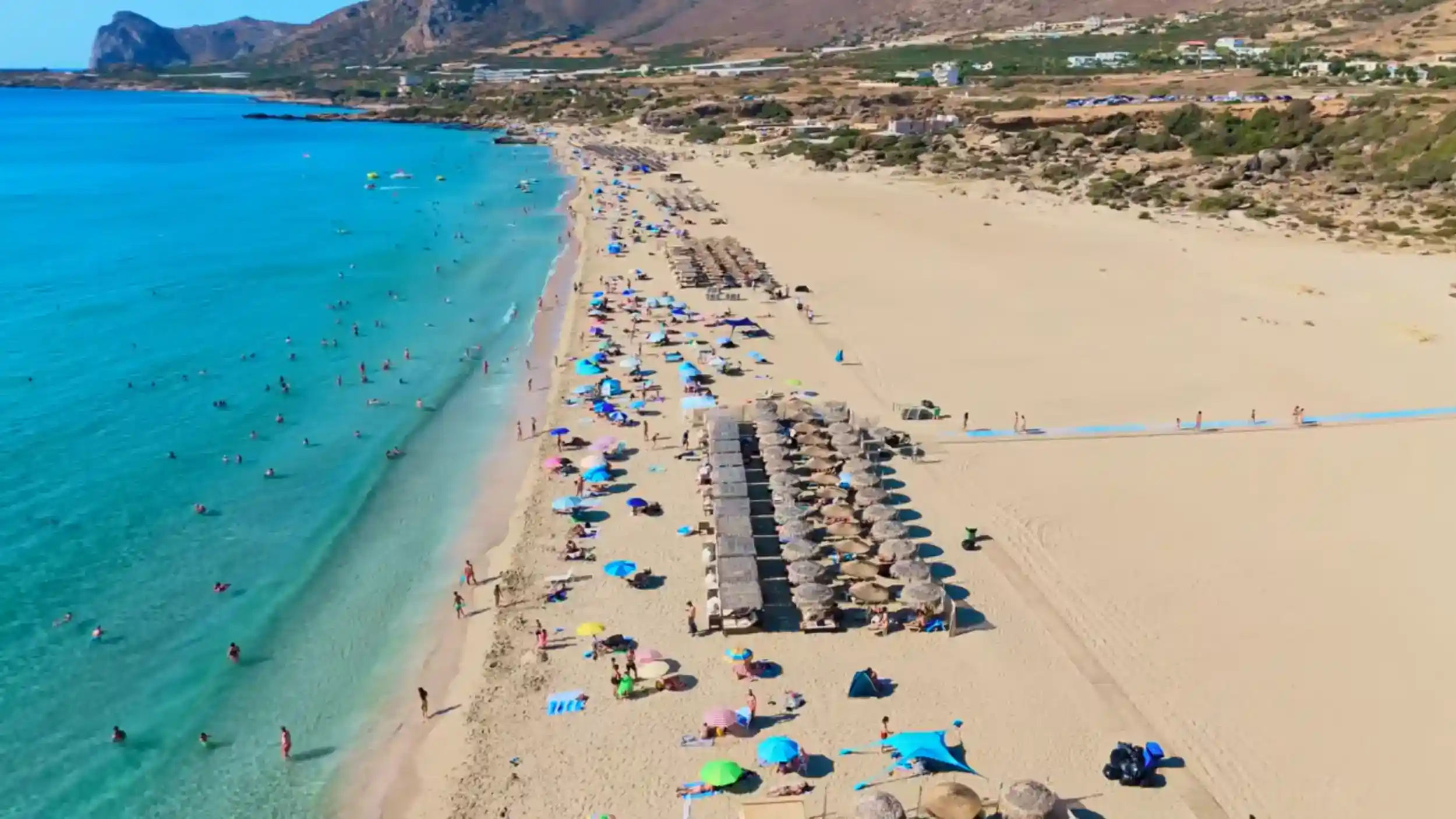
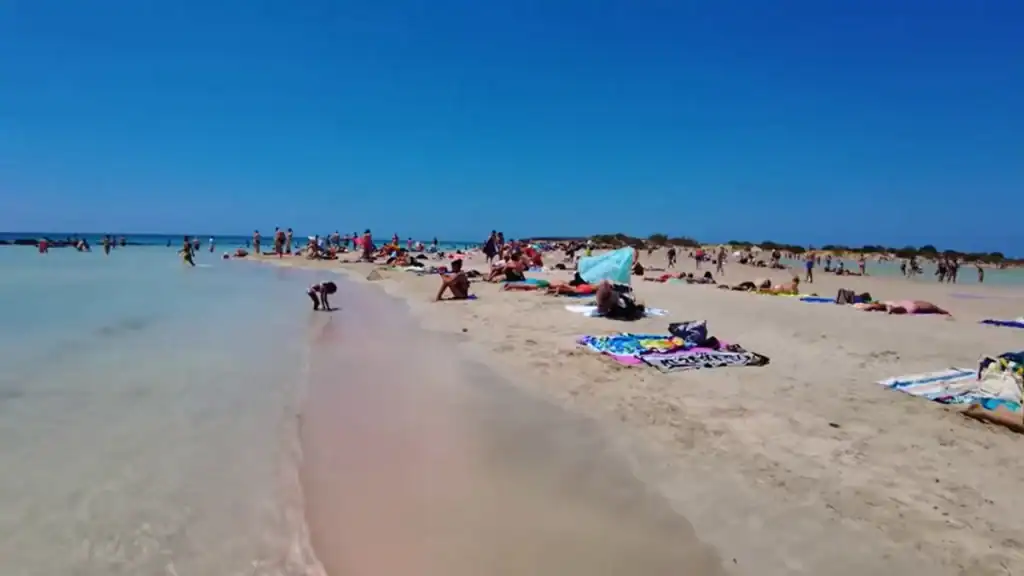
The colours are real. I found the shallow turquoise water, pale sand and pink tones every bit as distinctive as the photographs suggest.
What the photographs don’t show particularly well is the complete experience of being there.
The journey is longer than many visitors expect, the pink can be subtler than heavily edited images suggest and, in summer, the beach can become very busy.
My Experience Changed Completely with the Timing
This is somewhere I would make an effort to reach early.
Before the largest groups arrive, there is space to appreciate the shallow lagoons and unusual landscape. Later in the morning, the number of visitors can change the atmosphere substantially.
| Expectation | What I actually found |
|---|---|
| 🌸 Bright pink everywhere | Pink tones vary with the light |
| 🌊 Calm shallow lagoons | Beautiful water, often with a breeze |
| 📸 Empty beach photographs | Much busier later in the morning |
| 🚗 Quick beach excursion | A substantial journey from Chania |
I wouldn’t describe that as a reason not to go.
I would describe it as a reason to plan properly.
The drive takes around 90 minutes and passes through the White Mountains, so I wouldn’t treat Elafonisi as somewhere to squeeze between other activities.
If you’re driving yourself, Getting to Elafonisi from Chania covers the route, road conditions and why I think the journey deserves to be treated as part of the day rather than dead travelling time.
🏖️ Why Did Fassana Beach Stay With Me?
Fassana doesn’t announce itself as somewhere important.
There is no dramatic viewpoint demanding a photograph and none of the sense of arrival you get at Crete’s famous beaches.
That was precisely why I liked it.
There Isn’t Much to Do, and That’s the Point
I found clear water, a small beach, a seafront taverna and very little pressure to do anything else.
It was the sort of place where I stopped thinking about what should come next.
| What I found | What it meant |
|---|---|
| 🌊 Clear water | Easy, uncomplicated swimming |
| 🏖️ Small beach | Far less intensity than major resorts |
| 🐟 Seafront taverna | Somewhere simple to stop for food |
| 🌿 Limited development | Very little competing for attention |
Many independent travellers apparently drive straight past without realising the beach is there. I can understand why. It doesn’t have the visual drama that makes somewhere instantly famous online.
But that became part of its appeal for me.
I sat longer than I intended to. Lunch took longer. There was no urge to rush away because I wasn’t mentally ticking Fassana off a sightseeing list.
Some places are memorable because there is so much to see. I remember Fassana because there was so little demanding my attention.
That kind of stop is one of the reasons I think exploring beyond Chania’s best-known sights is worthwhile.
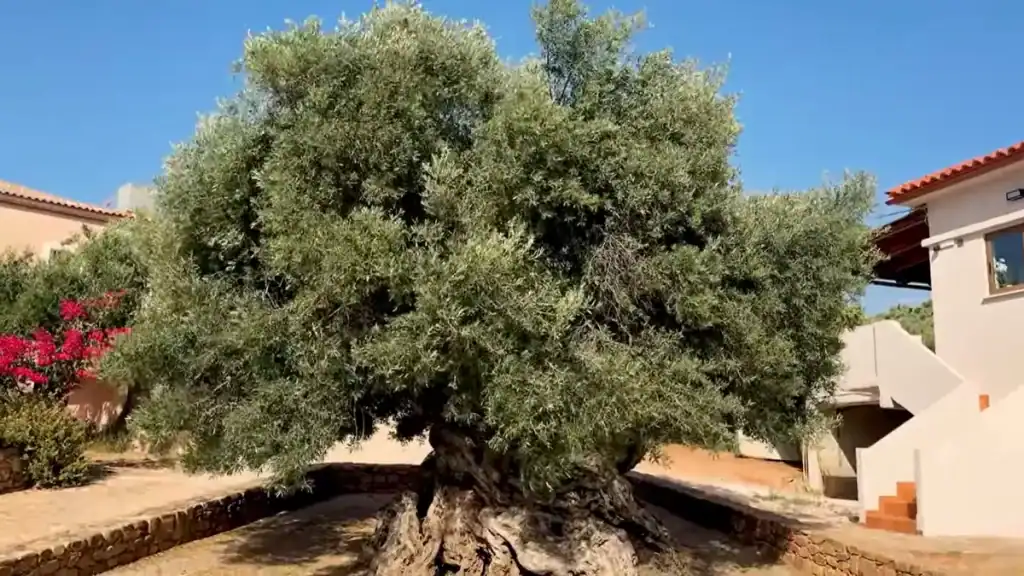
🌳 Is the Ancient Olive Tree of Vouves Worth Seeing?
I wasn’t expecting an olive tree to be one of the places that made me stop and think.
The ancient tree near Vouves is estimated to be several thousand years old and is still alive and producing olives.
That fact is impressive on paper.
Standing beside it was different.
The Trunk Is More Impressive Than Photographs Suggest
The extraordinary part for me wasn’t simply its size.
It was the trunk.
The wood has twisted into shapes that make the tree look almost sculpted, while the huge hollow centre gives you a much stronger sense of age than a number on an information board ever could.
| What makes it remarkable | Why it matters |
|---|---|
| 🌳 Ancient olive tree | Thousands of years old |
| 🫒 Still producing olives | Continues to fruit |
| 🪵 Twisted trunk | Centuries of growth are visible |
| 🏛️ Protected monument | Preserved as a Cretan natural treasure |
I also think the visit worked better because I had already seen olive oil being produced.
The factory showed me the modern process. Vouves then provided the historical perspective.
Seeing the two together connected the landscape, food and history in a way I hadn’t expected before the trip.
It turned an olive tree from something I might once have stopped to photograph into something I actually wanted to understand.
🚗 Do You Need a Car to Explore Beyond Chania Old Town?
Not for everything.
Nea Hora is easily reached on foot, and you can experience plenty of local life simply by walking beyond the harbour.
But once I wanted to explore the countryside, smaller beaches and olive-growing areas, having a car changed what was possible.
A Car Gives You the Freedom to Stop
For me, the biggest advantage wasn’t simply reaching distant attractions.
It was being able to stop somewhere I hadn’t planned.
Western Crete contains countless turnings, villages, viewpoints and stretches of coast that don’t necessarily justify an organised excursion of their own. With a car, they don’t need to.
You can simply pull over.
| Transport | What it works best for |
|---|---|
| 🚶 Walking | Nea Hora and neighbourhood exploration |
| 🚌 Bus | Major destinations without driving |
| 🚐 Organised tour | Elafonisi and structured day trips |
| 🚗 Rental car | Villages, countryside and spontaneous stops |
I wouldn’t hire a car purely to explore central Chania.
I would hire one if the intention was to make Chania a base for discovering western Crete.
That distinction matters because the harbour is compact enough to make a car unnecessary, while the landscape beyond it rewards exactly the flexibility a car provides.
🕰️ When Is the Best Time to Explore Beyond Chania?
There isn’t one perfect time because the experience changes with both the season and the hour of the day.
Summer brings long evenings and lively beaches. Spring and autumn make driving and sightseeing easier, while winter shifts attention back towards local life after tourism slows.
I would choose according to what I actually wanted from the trip.
Time of Day Matters Almost as Much as Season
This was something I underestimated.
The same place could feel completely different depending on when I arrived.
Nea Hora early in the morning was quiet and local. The Old Town during siesta felt calmer and more observant. The harbour in the evening became lively again.
| Season | What stands out |
|---|---|
| 🌸 Spring | Wildflowers, comfortable temperatures and quieter roads |
| ☀️ Summer | Long evenings and the liveliest atmosphere |
| 🍂 Autumn | Warm sea, fewer visitors and easier sightseeing |
| ❄️ Winter | Everyday local life becomes more prominent |
Rather than repeatedly visiting places at the same time of day, I found it much more rewarding to vary the rhythm.
Go somewhere early.
Use the hottest part of the afternoon differently.
Return to the waterfront when the evening begins.
That simple change made Chania feel like several different places rather than one destination experienced repeatedly in the same way.
For me, that is ultimately what Chania beyond the Old Town is about. It isn’t simply a collection of lesser-known attractions. It is what happens when you stop assuming the famous harbour is the whole destination and give yourself enough time to discover what lies beyond it.