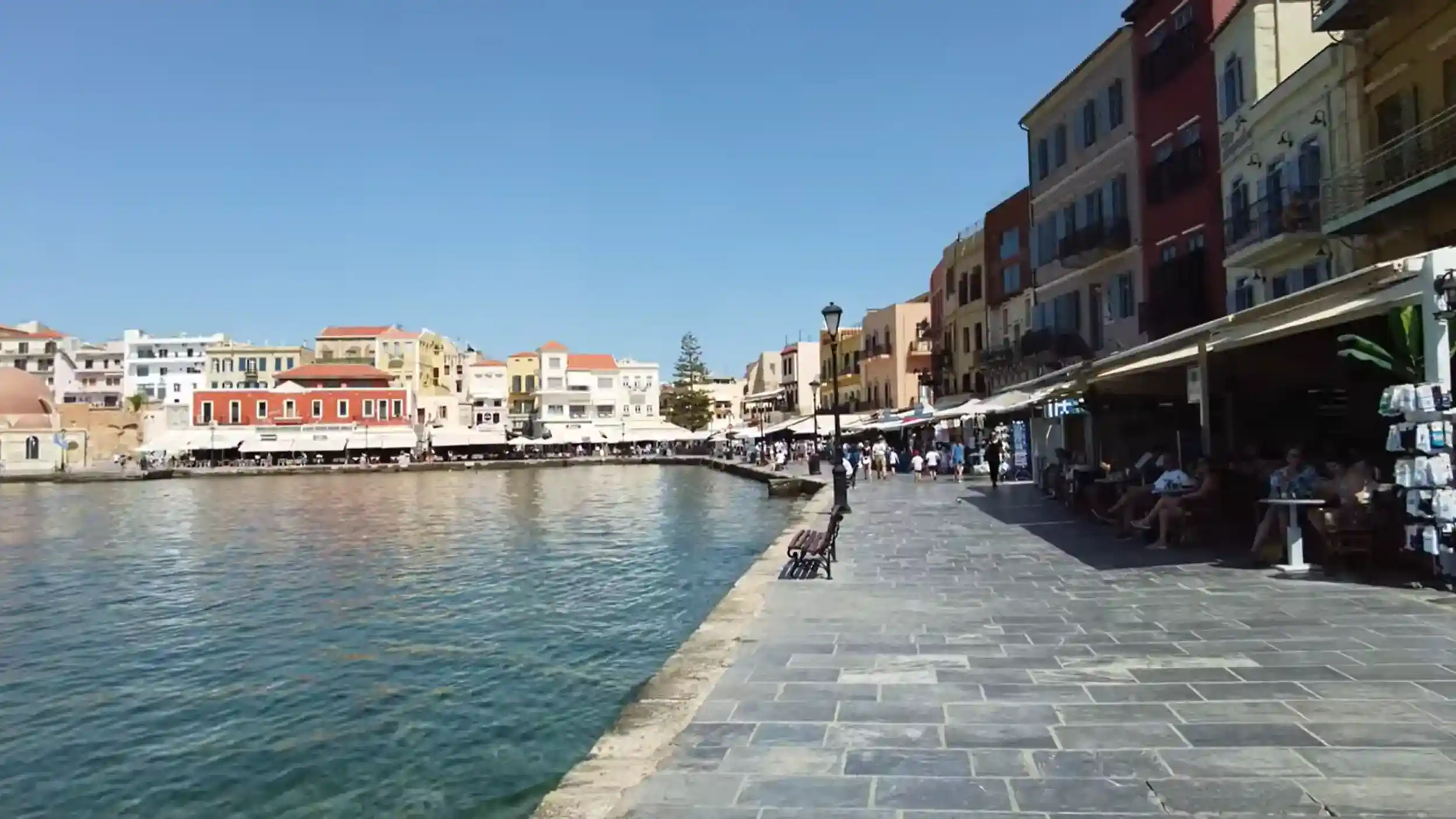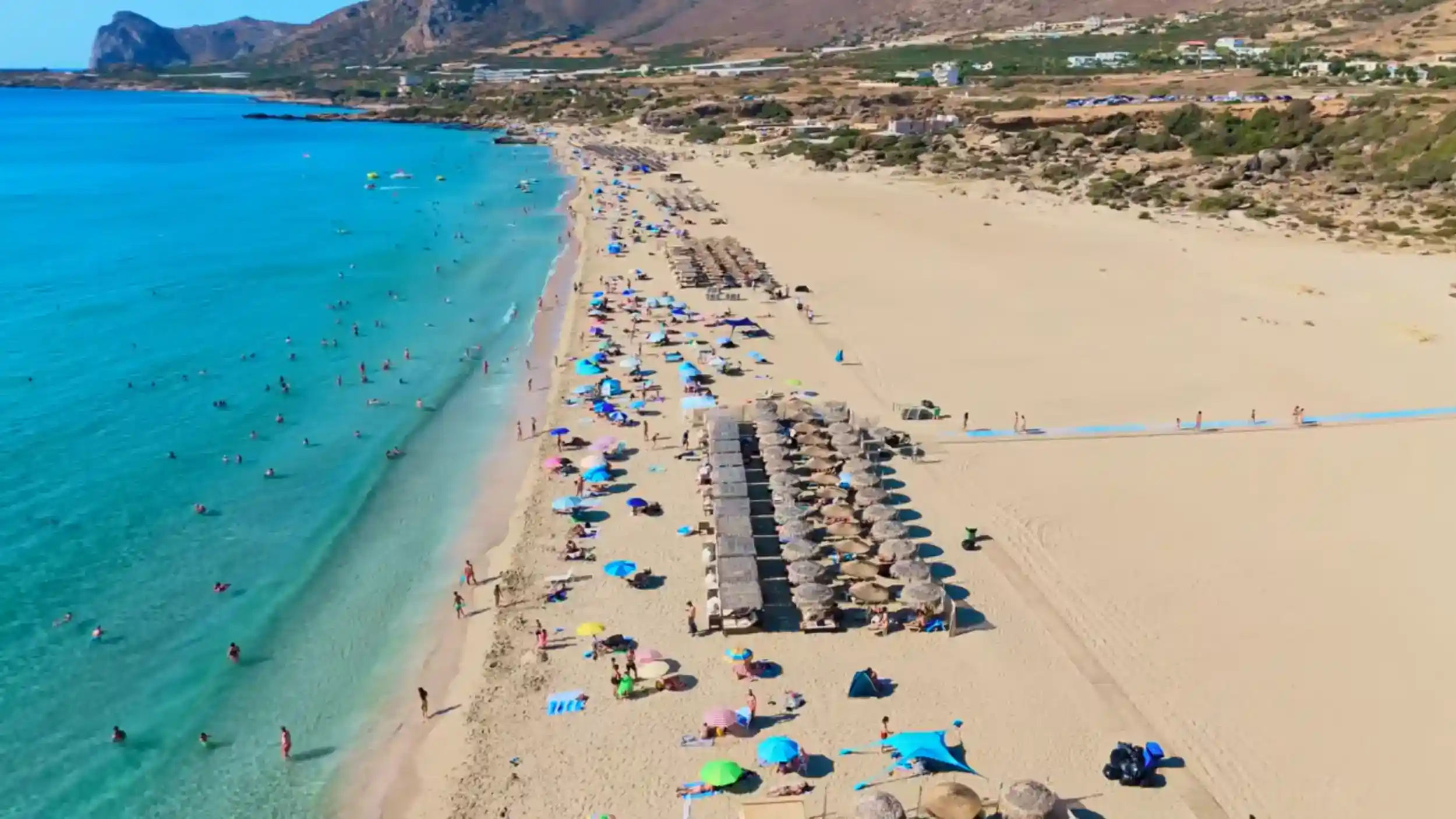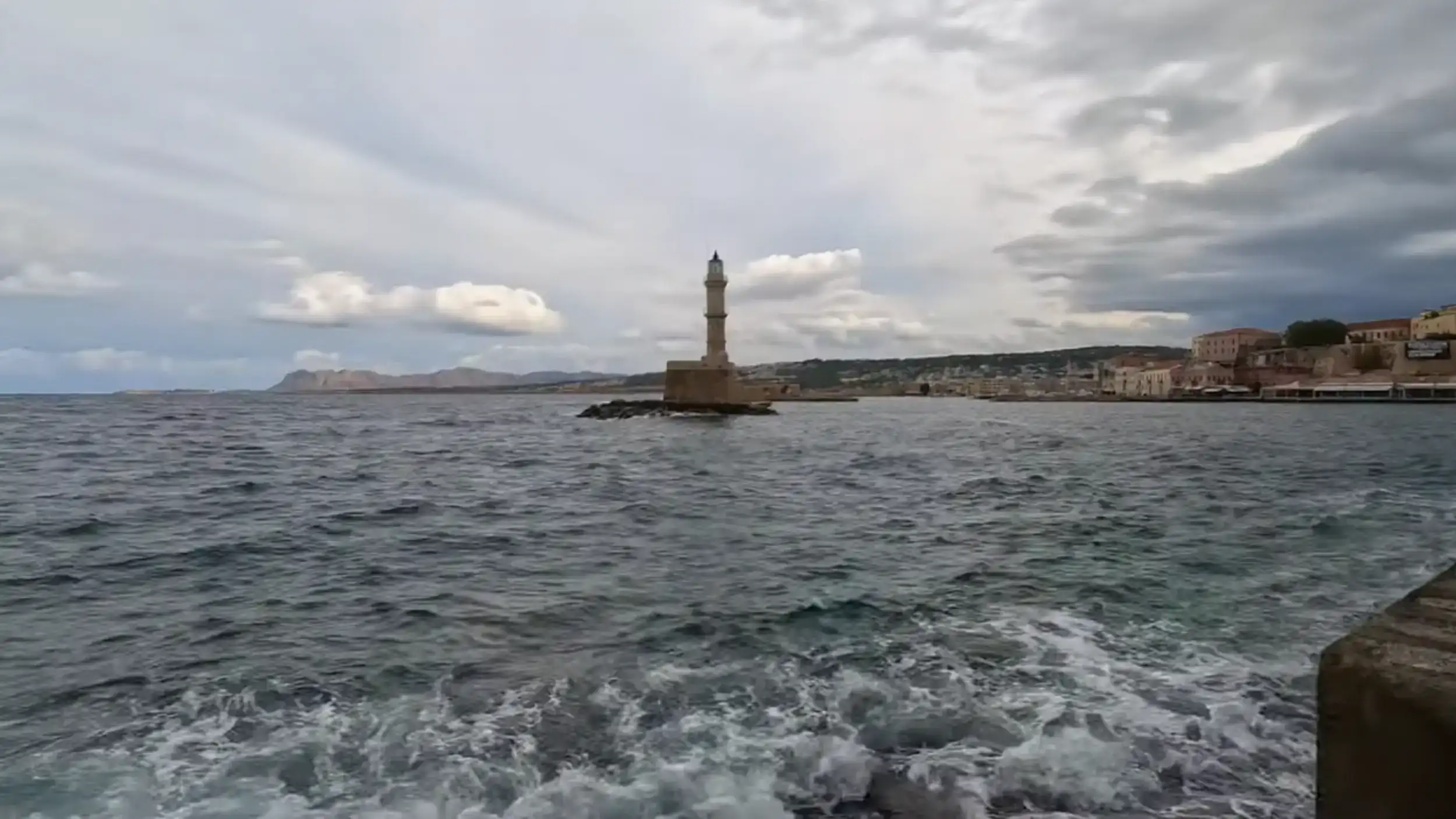
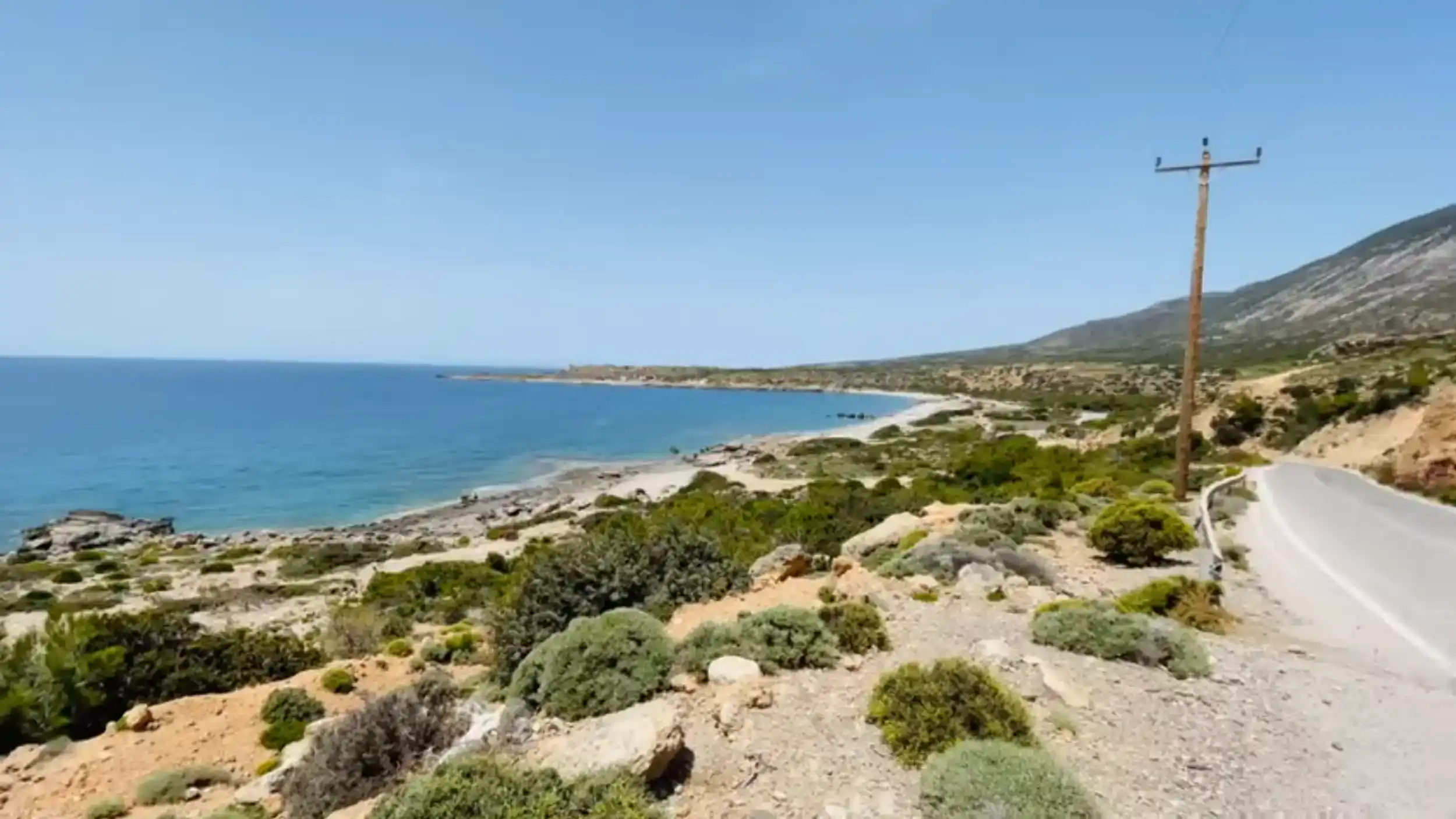
Elafonisi was not just a beach excursion from Chania for us. The drive became a significant part of the day, taking us through mountain roads, traditional villages and increasingly dramatic scenery before the famous lagoon and pale sands finally came into view.
What I enjoyed was the gradual transition. Chania felt increasingly distant as the roads became more rural and the landscape took over, so arriving at Elafonisi felt earned rather than like a routine drive to the beach.
🚗 Why We Chose to Drive from Chania to Elafonisi
We started from Chania, as most visitors to Elafonisi do.
The route was straightforward, although the final mountain sections demanded more attention than the distance alone had suggested to me.
We valued having a car because it let us stop in mountain villages and at viewpoints whenever we wanted. Public buses and organised tours are useful alternatives during the main tourist season, but they inevitably remove some of that freedom.
Is the Drive from Chania to Elafonisi Difficult?
I found the route more scenic than difficult.
| Travel option | What to expect |
|---|---|
| 🚗 Rental car | Around 1 hour 45 minutes with complete flexibility |
| 🚌 Public bus | Seasonal service taking about 2 hours |
| 🧳 Organised tour | Transport arranged with fixed departure times |
| 🚖 Taxi | Convenient but usually expensive for a return journey |
As we left the coast and climbed into western Crete’s mountains, small villages, olive groves and winding roads gradually replaced the wider highways. That change was what made the journey feel like part of the day rather than simply the road we had to endure to reach Elafonisi.
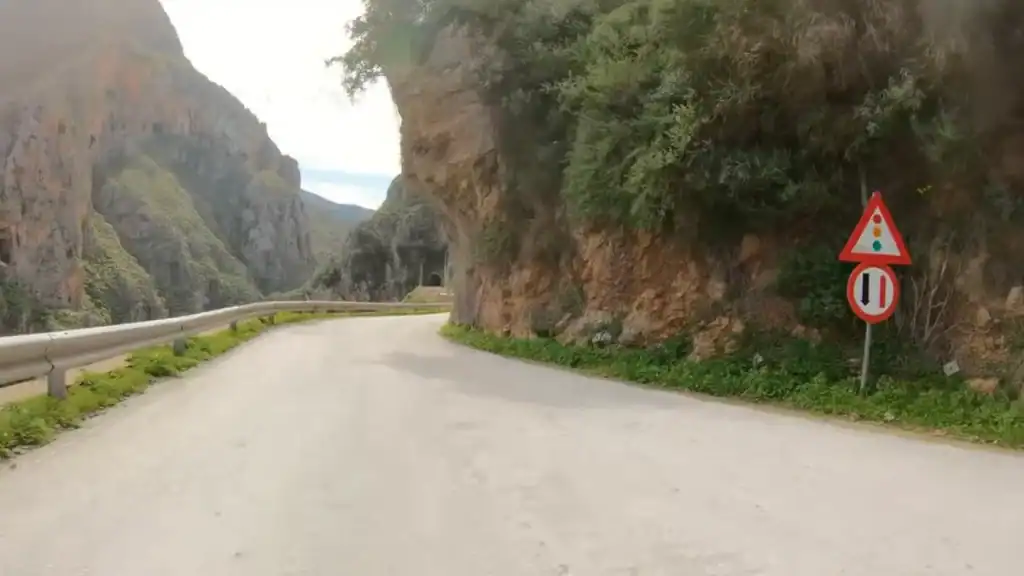
🛣️ What the Road to Elafonisi Was Actually Like
I expected the drive to be a transfer between Chania and the beach. It became one of the more memorable parts of the day.
For us, the scenery and changing roads justified allowing extra time rather than simply trying to reach Elafonisi as quickly as possible.
Once Chania was behind us, the landscape changed steadily from coastal suburbs to olive groves, mountain villages and winding roads. We were seeing a very different side of western Crete before we had even reached the coast again.
What Surprised Us About the Mountain Road?
What surprised me most was how continuously the scenery changed.
| Along the route | What you’ll experience |
|---|---|
| 🌿 Olive groves | Traditional farming landscapes beyond Chania |
| 🏘️ Mountain villages | Quiet communities with cafés and local tavernas |
| ⛰️ Topolia Gorge | Dramatic limestone scenery and narrow roads |
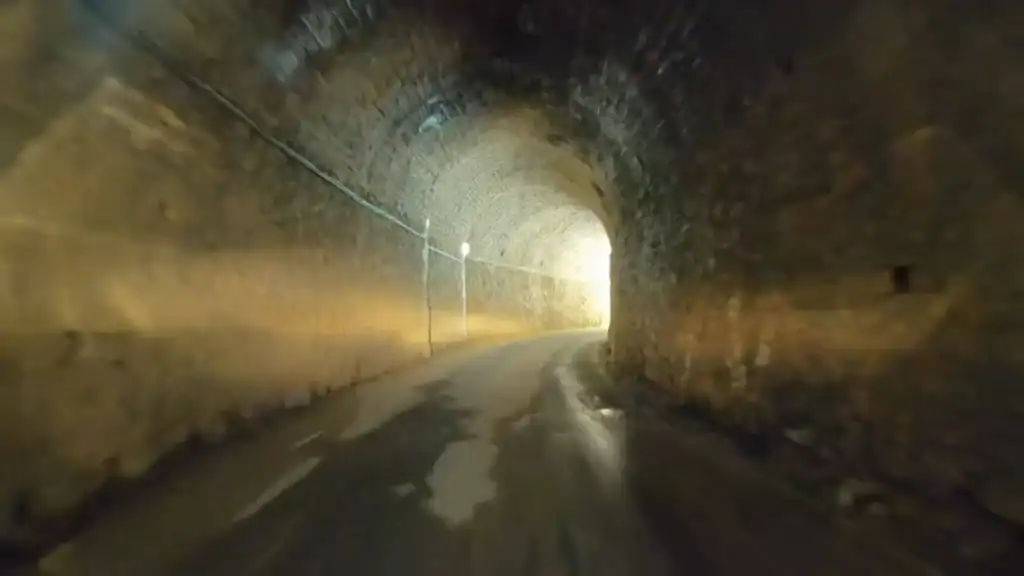
| 🚦 Rock tunnel | Traffic-light-controlled tunnel through the hillside |
The mountain roads were narrower than we were used to, but I never found them especially difficult. We drove steadily, paid attention through the tighter sections and let faster local traffic pass when it was safe. That kept the journey relaxed rather than turning it into something stressful.
Having a car also meant we could stop when somewhere looked interesting. Villages such as Elos offered an easy opportunity for coffee or lunch before continuing towards the coast. I would build at least one stop into the journey rather than treating the road as something to get through.
🏖️ Was Elafonisi Worth the Drive?
For us, the first view justified the journey.
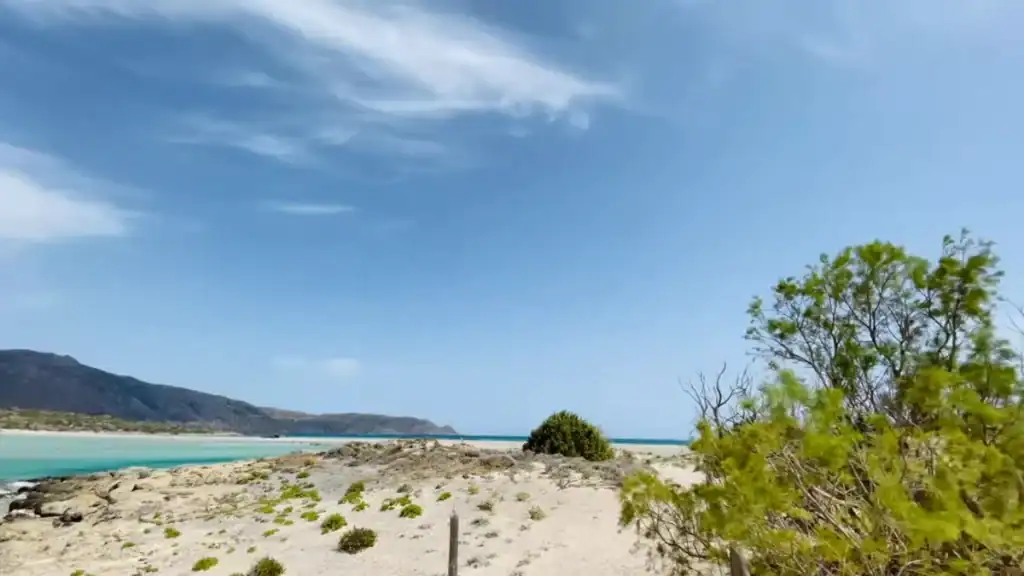
After the final descent, Elafonisi suddenly opened into a coastal landscape that felt completely different from the mountains we had just driven through.
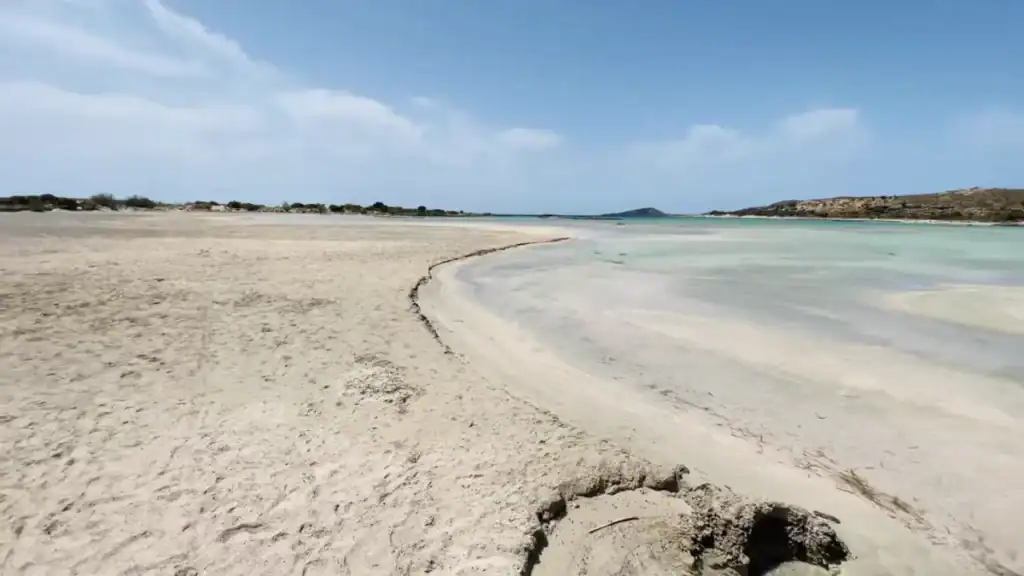
From the car park, we walked towards the lagoon and the familiar combination of shallow turquoise water, pale sand and the offshore islet. It is a heavily photographed scene, but seeing the scale of it in person made more impact on me than the individual colours.
What Did Elafonisi Feel Like Once We Arrived?
I had expected the lagoon to dominate the experience, but the beach offered more variety than I anticipated.
| Beach area | What you’ll find |
|---|---|
| 💙 Lagoon | Calm, shallow water ideal for paddling and swimming |
| 🩷 Pink sand | Most visible where wet sand catches the sunlight |
| 🌊 Open beach | More exposed to wind and gentle waves |
| ☀️ Facilities | Seasonal sunbeds, umbrellas and refreshments |
Although the lagoon attracted most of the attention, we enjoyed Elafonisi more once we walked beyond the busiest section. Crossing the shallow water towards the islet brought us to quieter stretches of sand and gave us a much better sense of the protected landscape. The further we wandered, the less Elafonisi felt like one famous beach viewpoint.
📅 Why Timing Matters So Much at Elafonisi
Timing changed our experience almost as much as the location itself.
I would think about both the month and the hour you arrive because Elafonisi can feel remarkably different as visitor numbers change.
The lagoon is the same landscape, but crowds, temperature and atmosphere are not. For me, arriving at the right time is one of the simplest ways to make the visit better.
What Is the Best Time to Arrive at Elafonisi?
I would favour spring or early autumn for the balance between warmer conditions and fewer visitors.
| Time of year | What to expect |
|---|---|
| 🌸 May to June | Warm weather, fewer visitors and comfortable swimming |
| ☀️ July to August | Peak crowds and the hottest conditions |
| 🍂 September to October | Warm sea with a more relaxed atmosphere |
| ❄️ Winter | Empty beaches but very limited facilities |
I would put an early arrival almost on the same level as choosing the right month. Before the organised tours arrive, parking is easier and the lagoon has a noticeably calmer atmosphere. Later afternoon can work too, as day-trippers begin heading back towards Chania, but an early start fitted our road-trip day better.
If you’re wondering what western Crete is like outside the summer season, Chania in December: What Changes and What Stays explains how the coastline and nearby attractions transform during the quieter winter months.
📝 What We Would Do on Another Elafonisi Day Trip
If we drove to Elafonisi again, I would plan the day around the journey rather than around a few hours on the beach.
The journey is long enough that treating Elafonisi as a quick beach stop would miss much of what made the day enjoyable for us.
I would leave Chania early, keep time available for at least one spontaneous stop and aim to reach the lagoon before its busiest period.
How Would We Plan the Elafonisi Drive Next Time?
The decisions that mattered most to us were surprisingly simple.
| Planning tip | Why it helps |
|---|---|
| 🌅 Leave Chania early | Quieter roads, easier parking and fewer crowds |
| 💧 Carry plenty of water | The beach has very little natural shade |
| 👟 Wear comfortable footwear | Useful for walking across the sand and rocky areas |
| 📷 Allow extra time | The drive deserves several scenic stops |
I would resist the temptation to rush Elafonisi. The mountain drive, changing scenery and lagoon all benefited from having enough time to stop and wander without constantly watching the clock. By the time we returned to Chania, the journey itself had become almost as memorable to us as the beach.
If you’re exploring more of western Crete, Balos Lagoon: Finding the Best Route for the Experience offers a fascinating contrast, showing how two of Crete’s most famous beaches deliver completely different experiences despite sharing the same coastline.