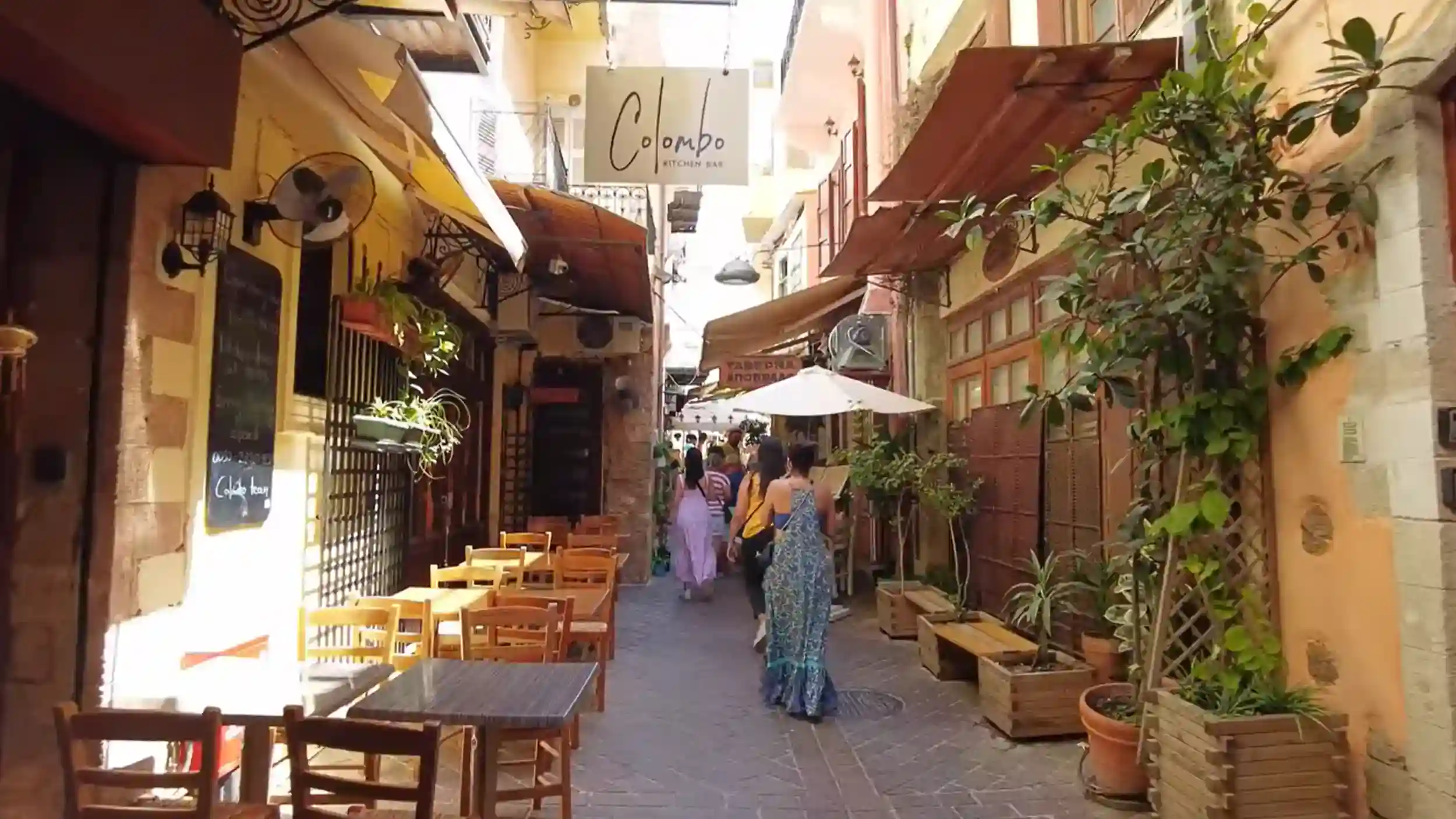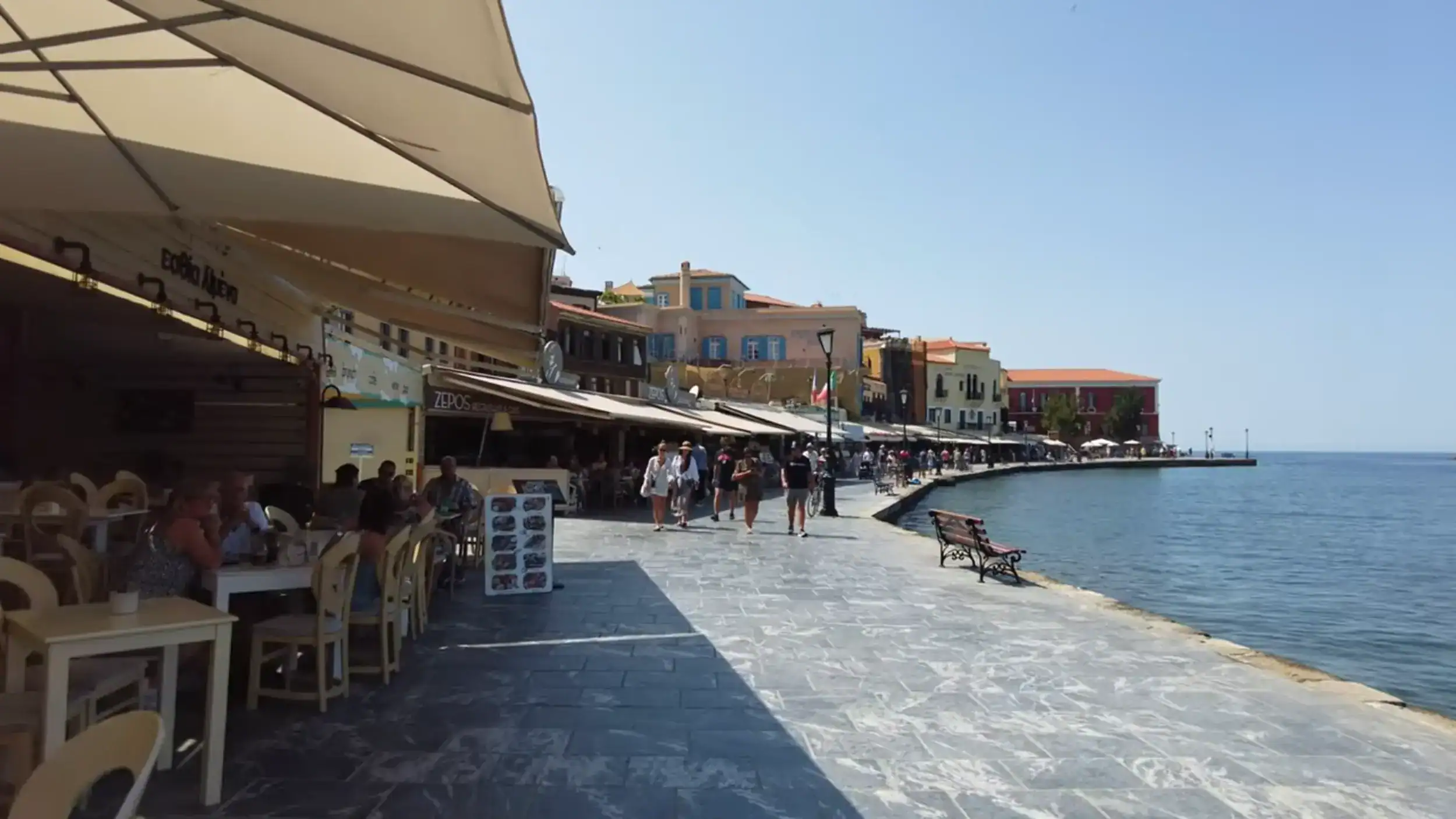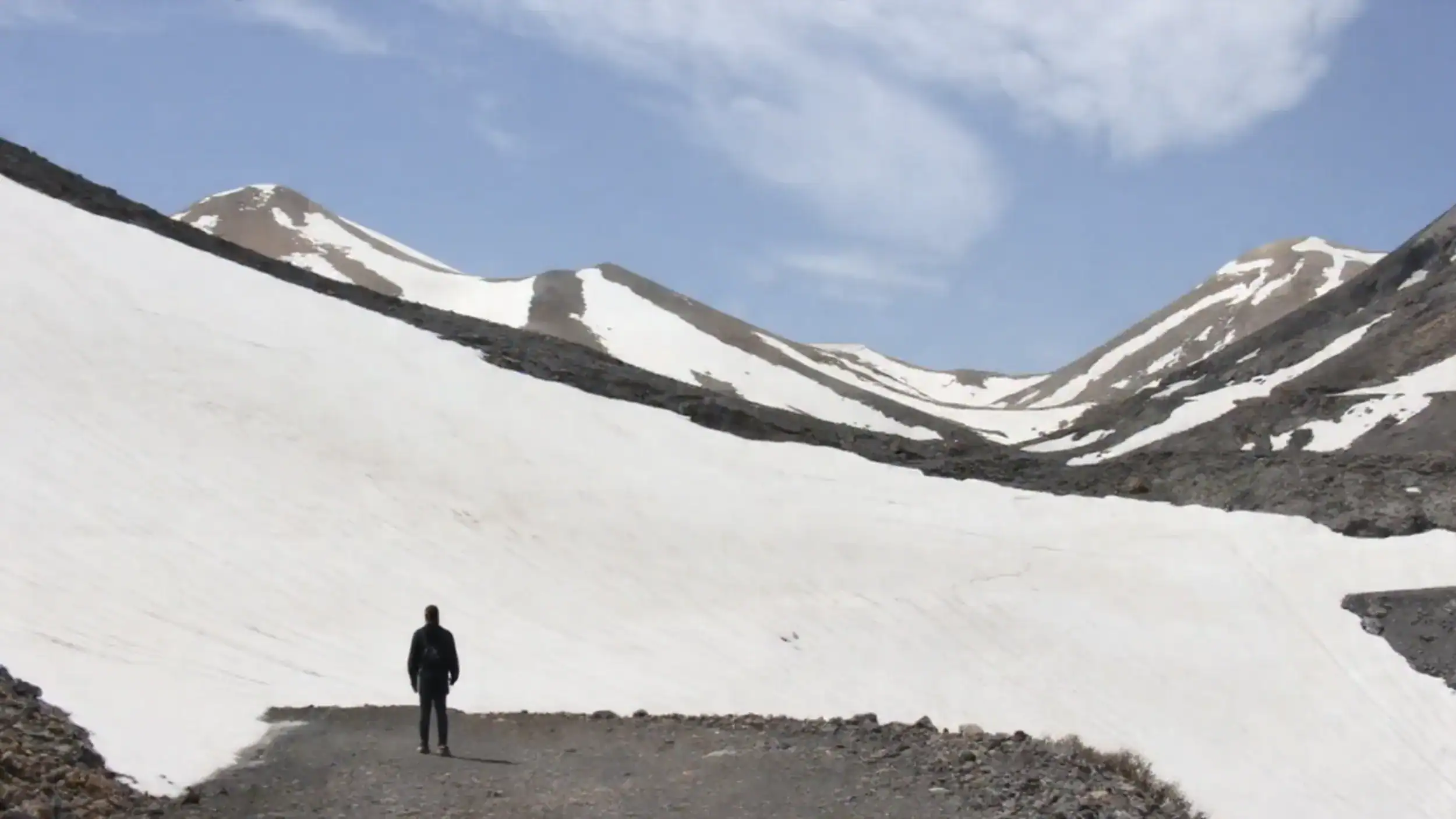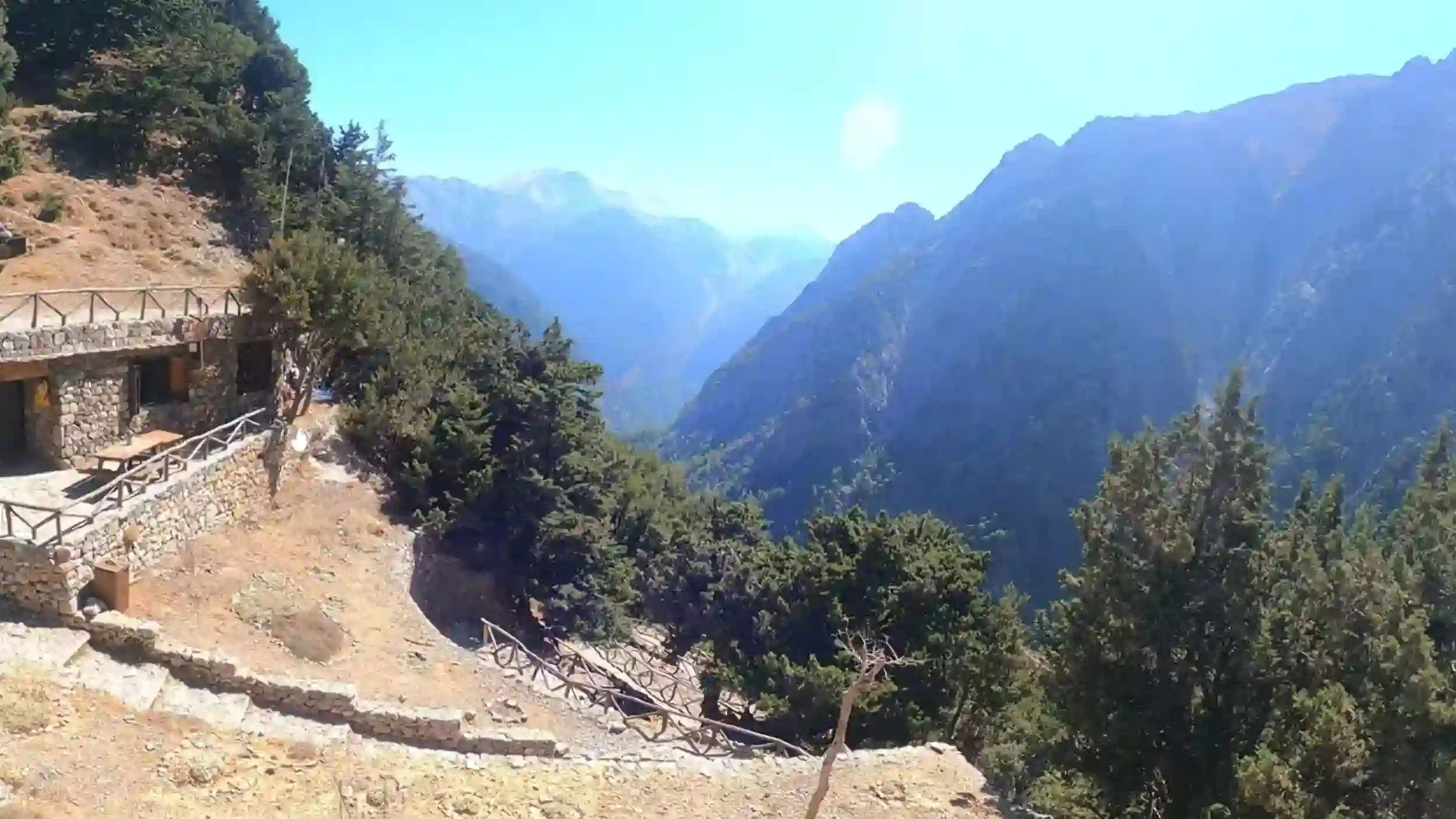
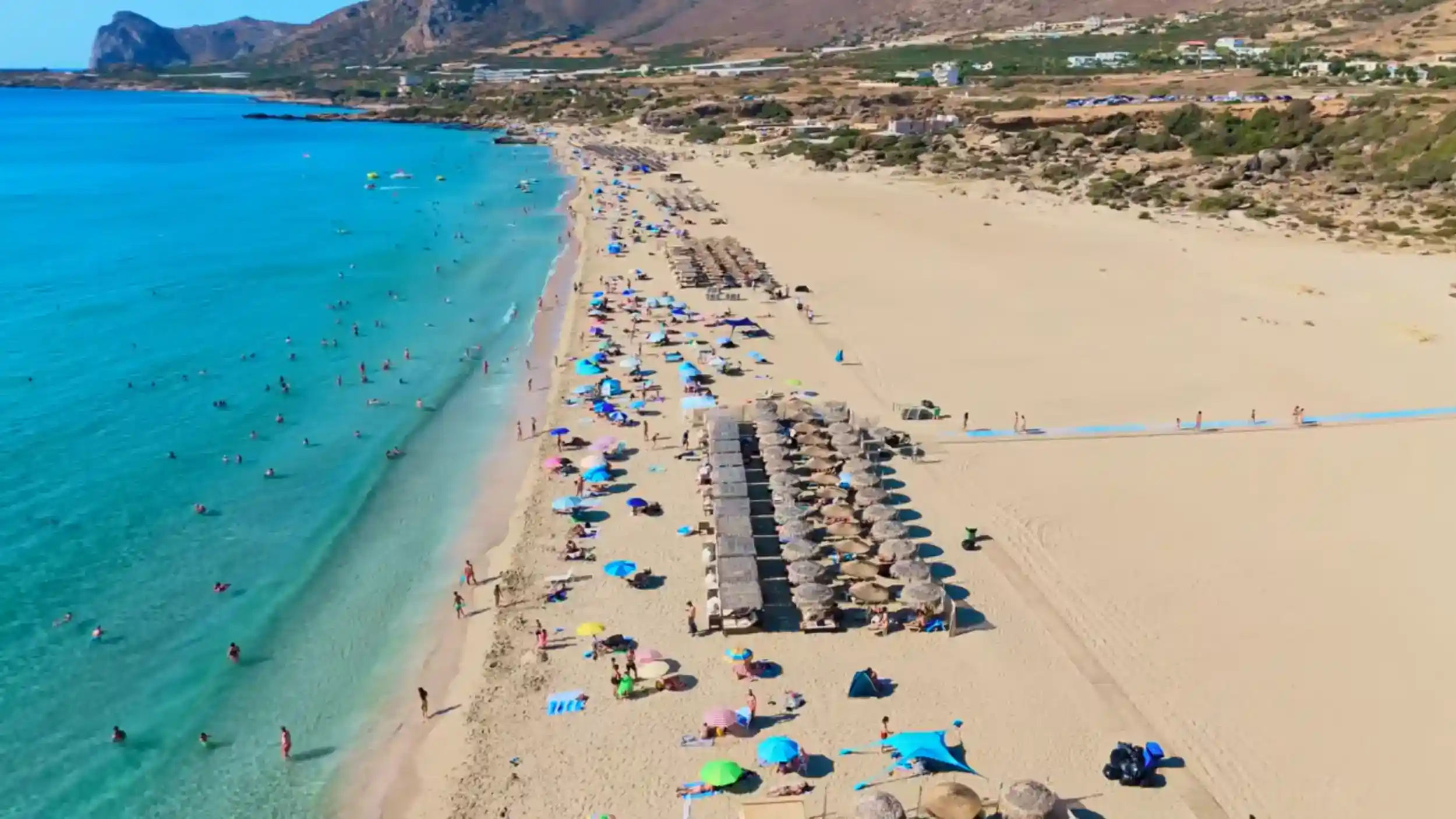
Chania to Falasarna took us around an hour by car and made one of the easiest beach day trips we did in western Crete. Falasarna sits on Crete’s west coast, in the Kissamos area of Chania prefecture, roughly 50–60 km west of Chania depending on the route and starting point. The drive was scenic, the water remarkably clear and the beach far broader than we expected, but it was staying for the evening light that made the day especially memorable.
We never felt that getting there was dead travel time. Once we left Chania, the road gradually shifted from mountain stretches and olive-covered countryside towards increasingly open coastal views.
If we did the trip again, I would keep the itinerary just as simple: give Falasarna most of the day, avoid trying to bolt on too many other stops and leave the return to Chania until after sunset.
🚗 What the Drive from Chania to Falasarna Was Like for Us
We found the journey itself one of the highlights of travelling from Chania to Falasarna.
After leaving the city, we followed the north-west coast through olive groves, small villages and rolling hills. What I liked was the gradual change rather than one dramatic viewpoint: the farther west we drove, the quieter western Crete began to feel.
Why We Would Drive Rather Than Rush the Journey
Driving gave us the flexibility that made the journey worthwhile.
| 🚗 Journey | 📌 What we would allow |
|---|---|
| 📍 Location | West coast of Crete, in the Kissamos area |
| 🚗 Distance | Roughly 50–60 km from Chania |
| ⏱️ Direct driving time | About 1 hour |
| 📸 Drive with scenic stops | Allow roughly 75–90 minutes |
| 🅿️ Beach parking | Large parking areas close to the main beach sections |
| 👀 Elevated views | Best seen from safe pull-ins on the final descent |
We could stop when the scenery caught our eye rather than treating the hour-long journey as something to complete as quickly as possible. Olive groves covered the hillsides, roadside tavernas appeared along the route and the coastal views became increasingly impressive before the final descent towards Falasarna.
If I were driving specifically for the coastal views, I would allow closer to 75–90 minutes rather than treating the normal hour as a target. The final approach is the part I would slow down for. As the road drops towards Falasarna, elevated stretches open across the broad bay and give you the clearest overview of the beach before you reach sea level.
Where Would We Stop for the Best View Over Falasarna?
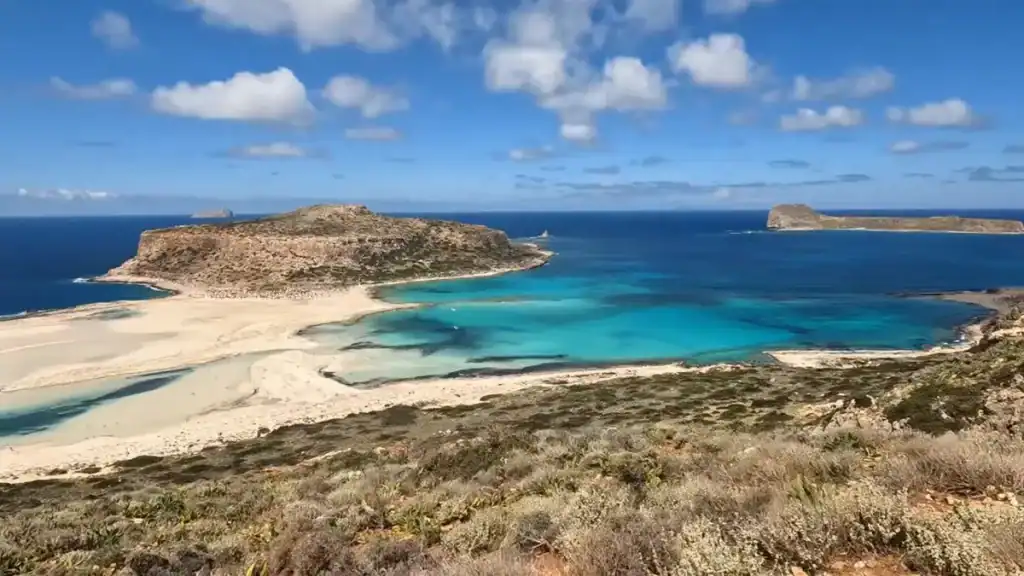
The approach road itself provides the most useful elevated views. I would look for a safe roadside pull-in on the descent rather than expect one formal, purpose-built viewing platform. From above, the scale of Falasarna becomes much clearer: the long pale beach, open water and agricultural plain sit below you in one wide coastal panorama.
Those views are accessible by car, which is one reason I prefer driving. Parking is straightforward once you reach the beach, with large parking areas near the main sections. Around the elevated approach, I would only stop where there is a proper safe space off the road rather than assume every scenic bend is somewhere to park.
If you prefer not to drive, organised excursions are an alternative, and some combine Falasarna with Balos Lagoon. We preferred having our own car because it meant the timing of stops, the beach and the return journey remained ours.
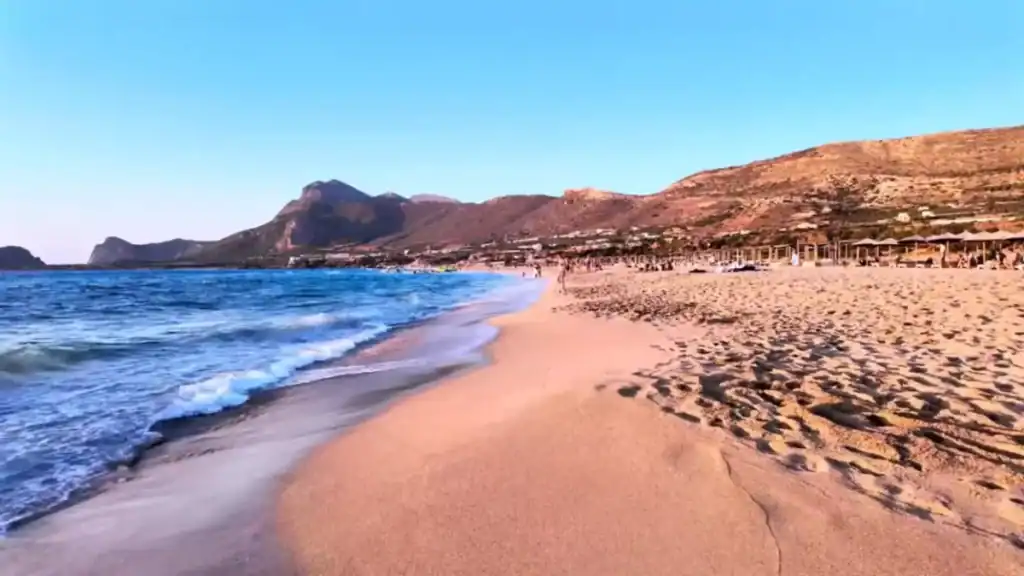
🏖️ Our First Impression of Falasarna Beach and the Water
The first thing that struck us was the colour of the water.
After the drive from Chania to Falasarna, the broad sweep of pale sand and clear turquoise water made an immediate impression on us. Just as important was the space. Falasarna felt open rather than hemmed in, which is a large part of why we enjoyed it so much.
Where We Would Spend Our Time on the Beach
We found enough variation along the beach that there was little reason to treat Falasarna as somewhere just to lie on the sand.
| Beach feature | What to expect |
|---|---|
| 🌊 Crystal-clear water | Excellent for swimming and snorkelling |
| 🏖️ Wide sandy beach | Plenty of space, even in summer |
| ☀️ Sunbeds and umbrellas | Available across the main beach |
| 🌬️ Afternoon breeze | Often welcome during hotter months |
The wind is worth knowing about before making the trip. Breezy afternoons are common, particularly in summer. We did not automatically see that as a negative because it can make the beach feel cooler when the rest of Crete is extremely hot. If we wanted a quieter spot, I would look towards the northern end; the main facilities are more useful for families wanting easier access and gently shelving sand.
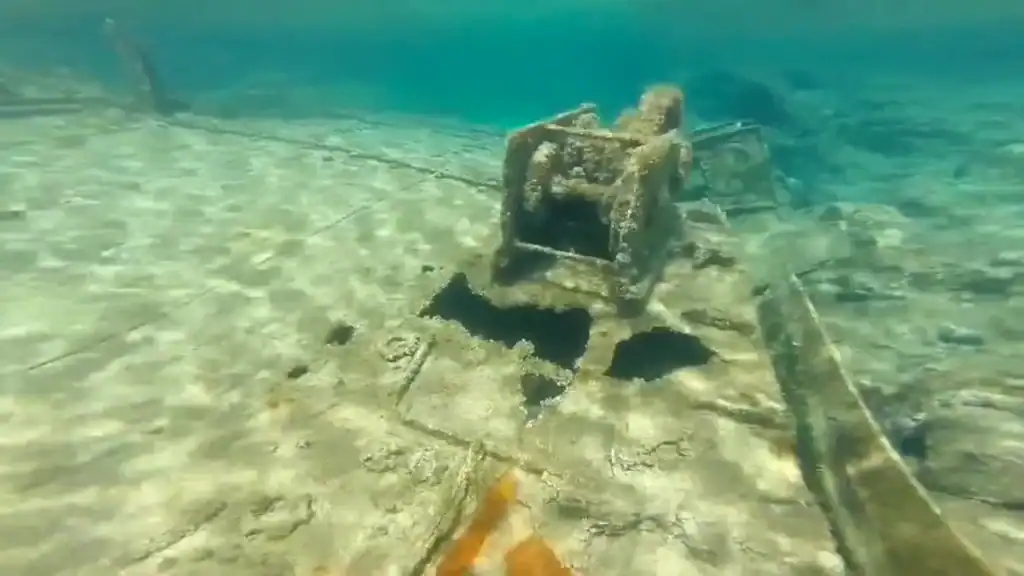
The remains of a shipwreck in shallow water just offshore gave us another reason not to rush away. In calm conditions it can be reached while snorkelling, adding something unexpected to a beach day that could otherwise have been entirely about swimming and the sand.
🌅 Why We Stayed at Falasarna for the Sunset
The beach would have justified the journey for us, but leaving before evening would have missed one of Falasarna’s strongest experiences.
Above the shoreline, the remains of the ancient city overlook the bay. Later in the day, the west-facing coastline gave us an uninterrupted view towards the setting sun. We had arrived primarily for the beach, but the changing evening light became one of the parts of Falasarna I remember most clearly.
What Made the Falasarna Sunset Different for Us
The simple reason the sunset works so well is that the beach faces directly west. Falasarna is particularly well known for sunset because there is open sea between the shoreline and the western horizon, so the sun can drop directly towards the water.
If coastal views were my priority, I would arrive well before sunset and keep the final 60–90 minutes of daylight free. Late afternoon softens the light across the bay, while golden hour brings out the contrast between the pale sand, turquoise water and dry western-Crete landscape. Midday gives the strongest water colour, but late afternoon into sunset gave us the more memorable overall view.
| Sunset feature | What to expect |
|---|---|
| 🌅 West-facing beach | Uninterrupted views of the setting sun |
| 🏛️ Ancient Falasarna | Archaeological remains above the coastline |
| 📷 Golden hour | Warm light across the sand and sea |
| 🚶 Evening strolls | Plenty of space along the shoreline |
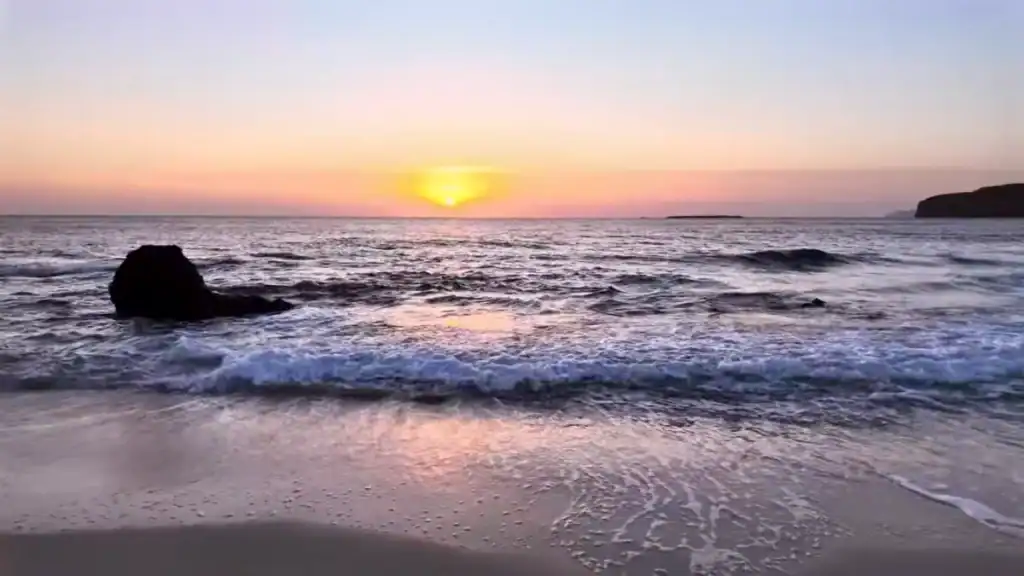
The archaeological remains also stopped the day feeling like nothing more than a beach visit. As the afternoon faded, we watched the colours across the bay become warmer and the atmosphere noticeably calmer. That transition was worth allowing time for rather than packing up as soon as the strongest beach hours had passed.
That scale is what makes Falasarna’s coastal views feel different from many other Cretan beaches we visited. It is not a small cove framed tightly by cliffs. The beach is broad, the horizon feels unusually open and the elevated approach lets you see the coastline as a landscape before you experience it from the sand. Balos is more dramatic and lagoon-like, while Elafonisi is defined by shallow water and sandbars; Falasarna’s appeal for us was space, open sea and western light.
We deliberately delayed our return to Chania so we could stay for sunset. I would do the same again. It meant driving back later, but for us the final hour on the beach added more to the day than squeezing in another attraction would have done.
🌊 Why We Would Keep Balos and Falasarna as Separate Trips
Our Chania to Falasarna day made us want to see more of western Crete, but it also convinced us not to try to combine every famous beach into one rushed itinerary.
Balos lies farther north and Elafonisi to the south, and each has a very different landscape. Although they can look close together when planning a trip, we think they work better as separate days because each is strong enough to deserve time rather than becoming another stop on a beach checklist.
| Western Crete destination | Why visit |
|---|---|
| 🩵 Balos Lagoon | Famous lagoon with shallow turquoise water |
| 🏖️ Elafonisi | Pink-tinged sand and broad lagoons |
| 🌅 Falasarna | Wide sandy beach and spectacular sunsets |
| 🚗 Scenic coastline | Mountain roads linking each destination |
We would plan Balos Lagoon as another north-west coast day rather than squeeze it into Falasarna, while Elafonisi from Chania works as a separate journey farther south. That approach gives each beach enough time to feel like a destination rather than a photo stop.
That is the way we would do it again: one western Crete beach day at a time, with enough space in the itinerary to enjoy where we actually are.
❓ Falasarna Coastal Views: Quick Questions
How Do We Get to Falasarna for the Best Coastal Views?
I would drive from Chania towards Kissamos and continue west towards Falasarna. Having our own car gave us the freedom to slow down on the final approach, use safe pull-ins for elevated views and stay until sunset without working around an excursion or bus timetable.
Is There a Viewpoint Overlooking Falasarna Beach?
There are elevated views from the road descending towards Falasarna rather than one viewpoint I would treat as the essential attraction. I would use only obvious safe pull-ins and never stop on a narrow bend simply for a photograph.
Can We Reach the Falasarna Coastal Views by Car?
Yes. That is one of the advantages of driving. The elevated approach views are seen directly from the road, and large parking areas are available once you reach the main beach. Parking at roadside viewing spots is more limited, so I would only stop where the vehicle can be completely clear of traffic.