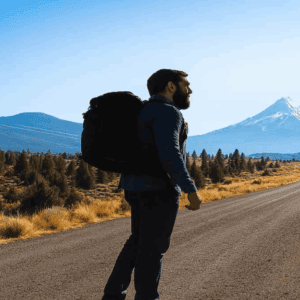
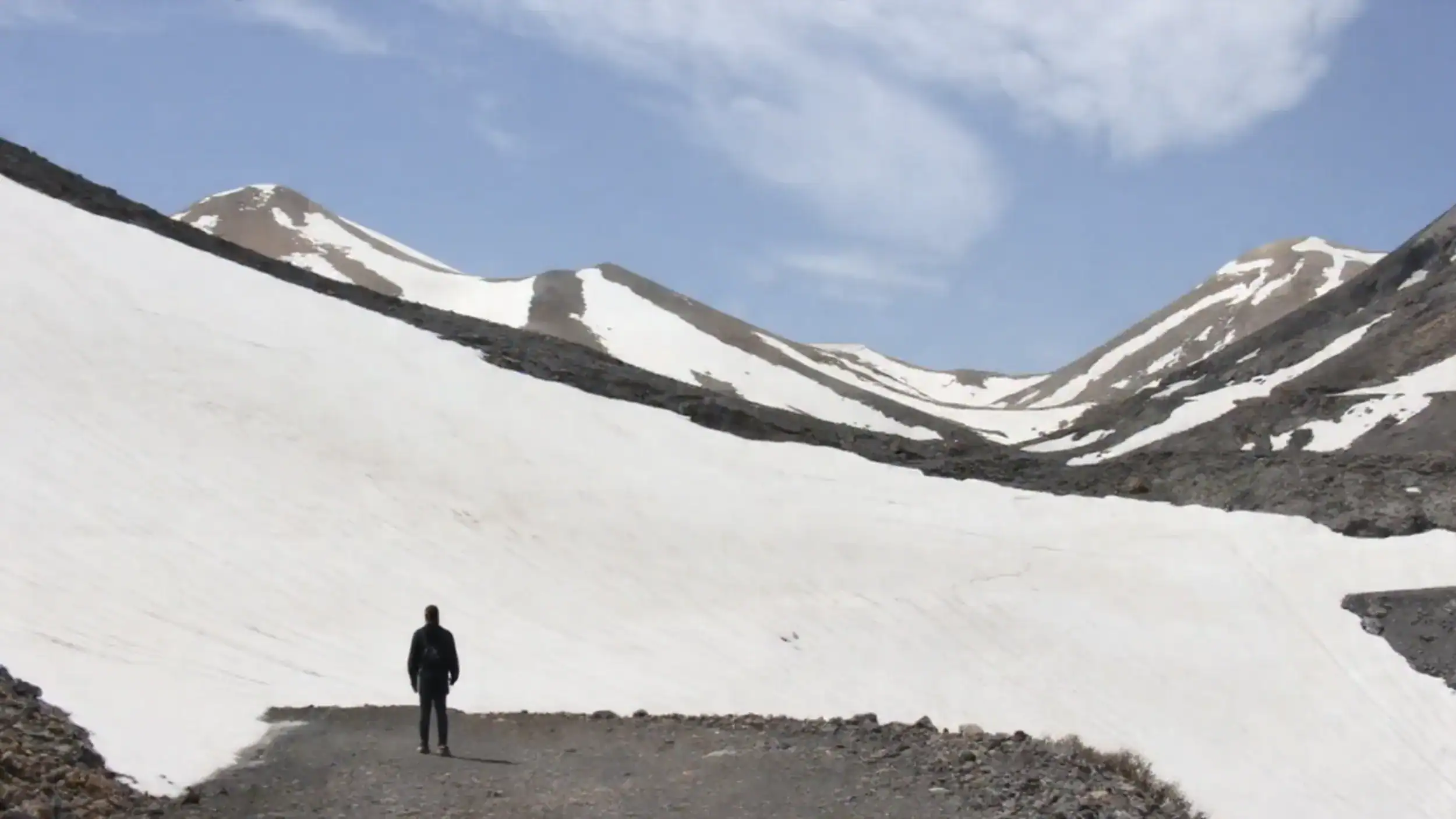
White Mountains of Crete showed us a dramatically different side of the island from its beaches. We travelled from the olive-covered foothills behind Chania towards high limestone peaks, deep gorges and isolated villages, and found the journey into Crete’s rugged interior every bit as rewarding as the better-known coast.
What surprised me was how little serious hiking was needed to experience that change. Within little more than an hour of leaving the coast, the roads narrowed, the settlements became smaller and the landscape felt completely removed from Chania.
🏔️ What the White Mountains of Crete Actually Feel Like
Before we headed inland, the White Mountains of Crete had mostly been a scenic backdrop to Chania. Once we travelled into them, that impression changed quickly.
The range forms the mountainous spine of western Crete, stretching south of Chania towards the Libyan Sea. From inside it, the scale is much easier to appreciate than it is from the coast.
Known locally as the Lefka Ori, or “White Mountains”, the range is dominated by pale limestone on its highest ridges. Snow often remains on the peaks into late spring, but it was the exposed light-coloured rock that made the name feel particularly appropriate as we climbed higher.
How Quickly Does the Landscape Change?
The change in altitude was one of the things we noticed most.
| Mountain feature | What to expect |
|---|---|
| ⛰️ Highest peak | Pachnes at 2,453 metres |
| 🪨 Landscape | Limestone ridges, rocky plateaus and deep gorges |
| ❄️ Winter | Snow on the highest summits |
| 🌿 Lower slopes | Olive groves, forests and traditional villages |
Within around an hour of leaving Chania, we had moved from the coastline through olive-covered lower slopes towards much barer mountain terrain. That rapid transition made the White Mountains of Crete feel less like a distant excursion and more like another layer of the Chania landscape. Pachnes reaches 2,453 metres, but you do not need to reach the summit to feel the effect of the altitude.
🥾 How We Experienced the Gorges and Trails
Walking was where the White Mountains of Crete became much more than scenery for us.
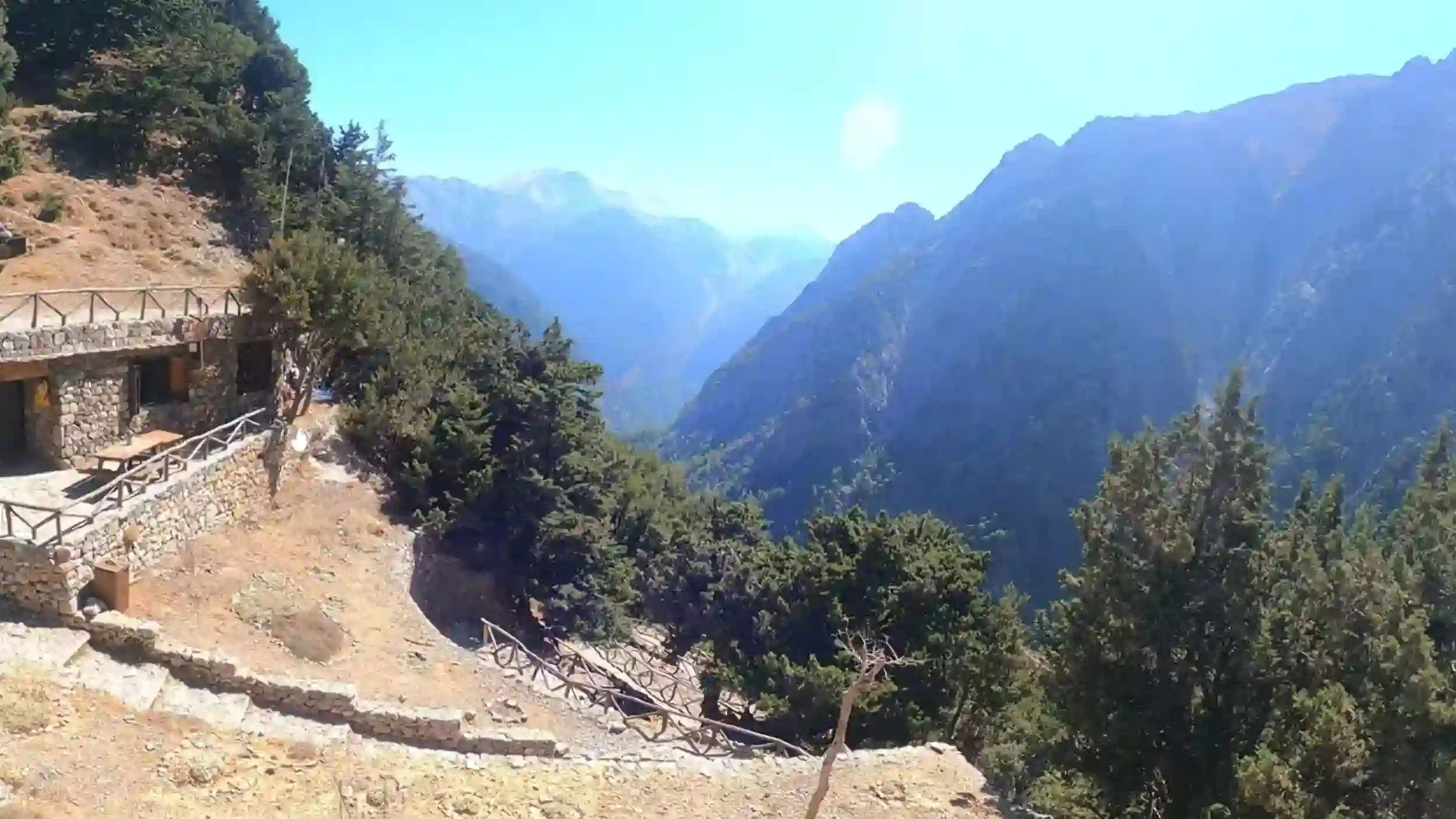
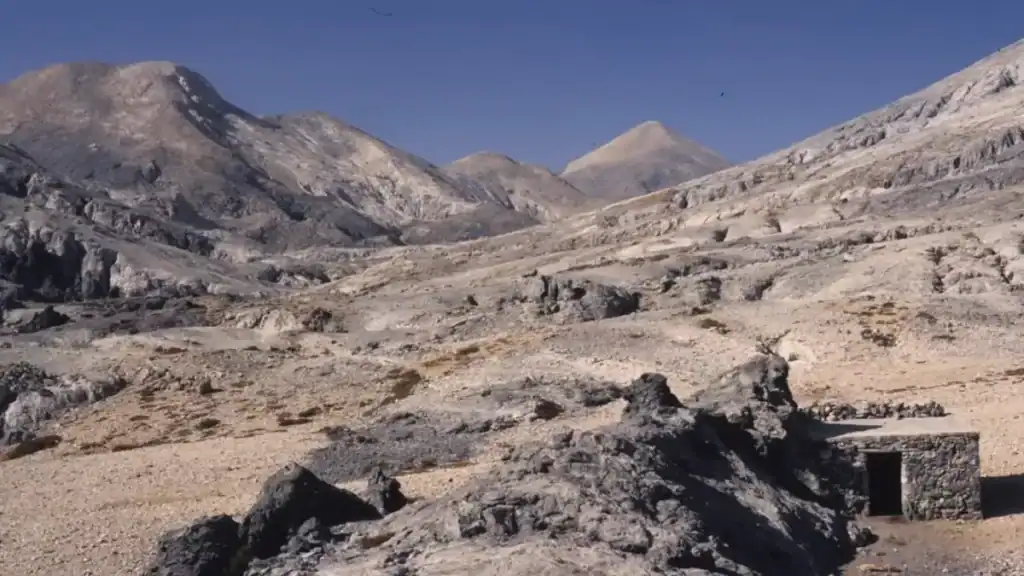
Across the range, water has carved dozens of gorges through the limestone, creating routes from gentler valley walks to demanding full-day hikes. The Samaria Gorge is the famous one, but we found it more useful to think of Samaria as one option within a much larger walking landscape rather than the reason to visit the mountains.
Which Gorge Would We Choose?
Samaria gives the strongest sense of scale, but I would not automatically choose it simply because it is the best-known gorge.
| Gorge | What to expect |
|---|---|
| 🥾 Samaria Gorge | Full-day descent through one of Crete’s most spectacular landscapes |
| 🌿 Agia Irini Gorge | Shorter, quieter and ideal for moderate walkers |
| 🪨 Aradena Gorge | A more technical route suited to experienced hikers |
| 📍 Omalos Plateau | Main gateway into the mountain trail network |
If I wanted a demanding full-day experience, Samaria would be the obvious choice. Agia Irini makes more sense for a gentler walk, while Aradena suits experienced hikers looking for something quieter and more technical. That choice matters because the White Mountains of Crete are not a single hiking experience; the difficulty and atmosphere change substantially from one gorge to another.
🥾 Where the E4 Becomes Serious Mountain Walking
The E4 was the point where I stopped thinking about the mountains in terms of casual walking and started treating them as serious mountain terrain.
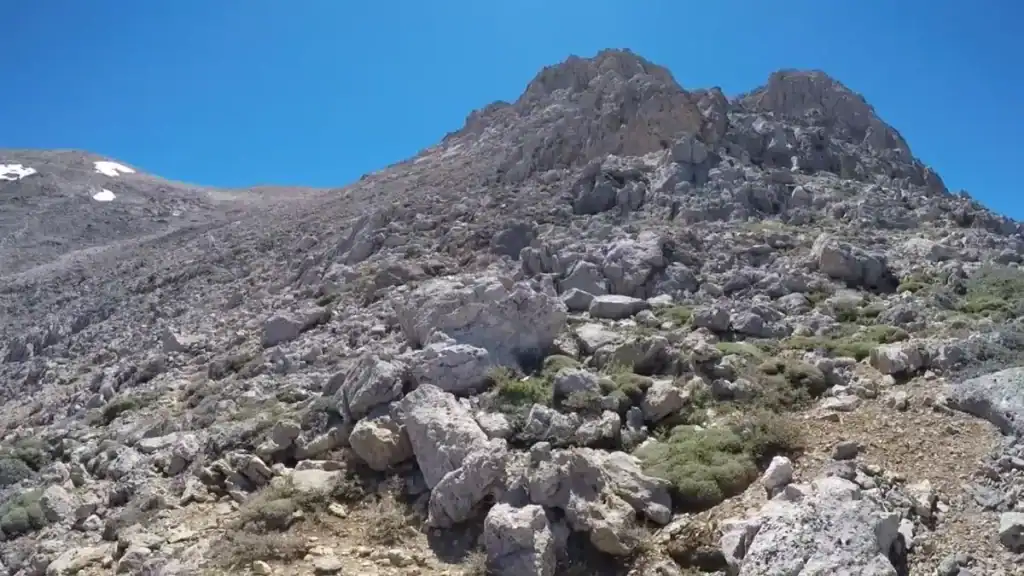
Part of the European long-distance hiking network, the route crosses high sections of the White Mountains of Crete through exposed landscapes that feel far more remote than the relatively short distance from Chania might suggest.
What stood out was the lack of the infrastructure you associate with easier visitor routes. On exposed limestone plateaus there can be little shelter and few facilities, so this is not somewhere I would treat preparation as optional.
Would We Attempt Pachnes as Casual Walkers?
Pachnes, at 2,453 metres, is the highest point in the White Mountains of Crete, but I would separate the idea of seeing the high mountains from actually attempting their highest summit.
| High mountain route | What to expect |
|---|---|
| 🏔️ Pachnes | Highest summit at 2,453 metres |
| 🥾 E4 Trail | Long-distance route across the mountain range |
| 🛖 Kallergi Refuge | Seasonal mountain hut for hikers |
| 🧭 Madares Plateau | Remote high-altitude limestone landscape |
The higher routes demand experience: navigation becomes harder, weather can change quickly and summer water sources are limited. We could appreciate the scale of this terrain without pretending it was casual walking. For experienced hikers, that remoteness is part of the reward; for everyone else, the lower routes and plateaus provide a much more forgiving way to experience the range.
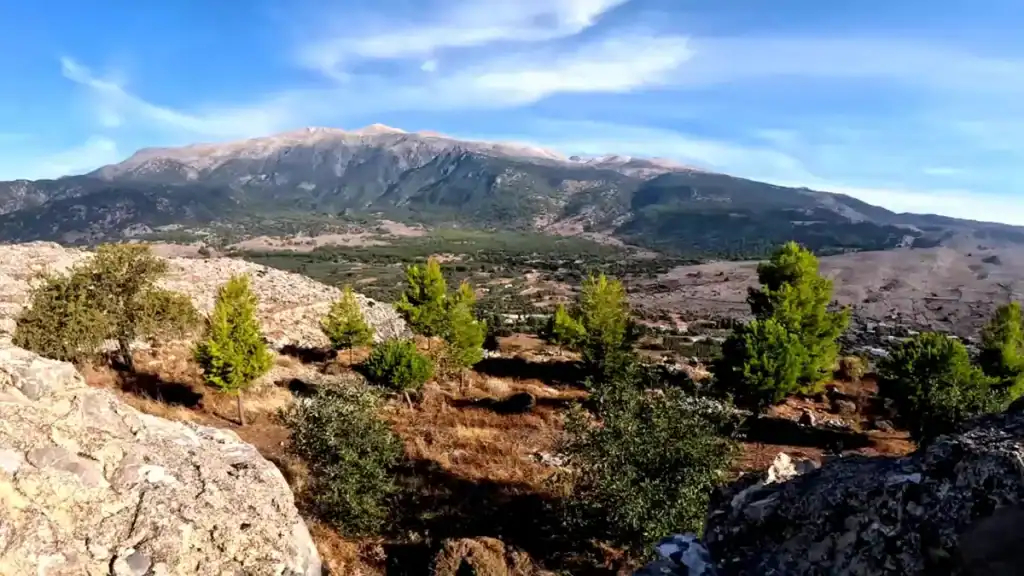
🏘️ Why We Would Not Rush Through the Plateau Villages
Some of what we enjoyed most about the White Mountains of Crete happened below the rugged peaks and deep gorges.
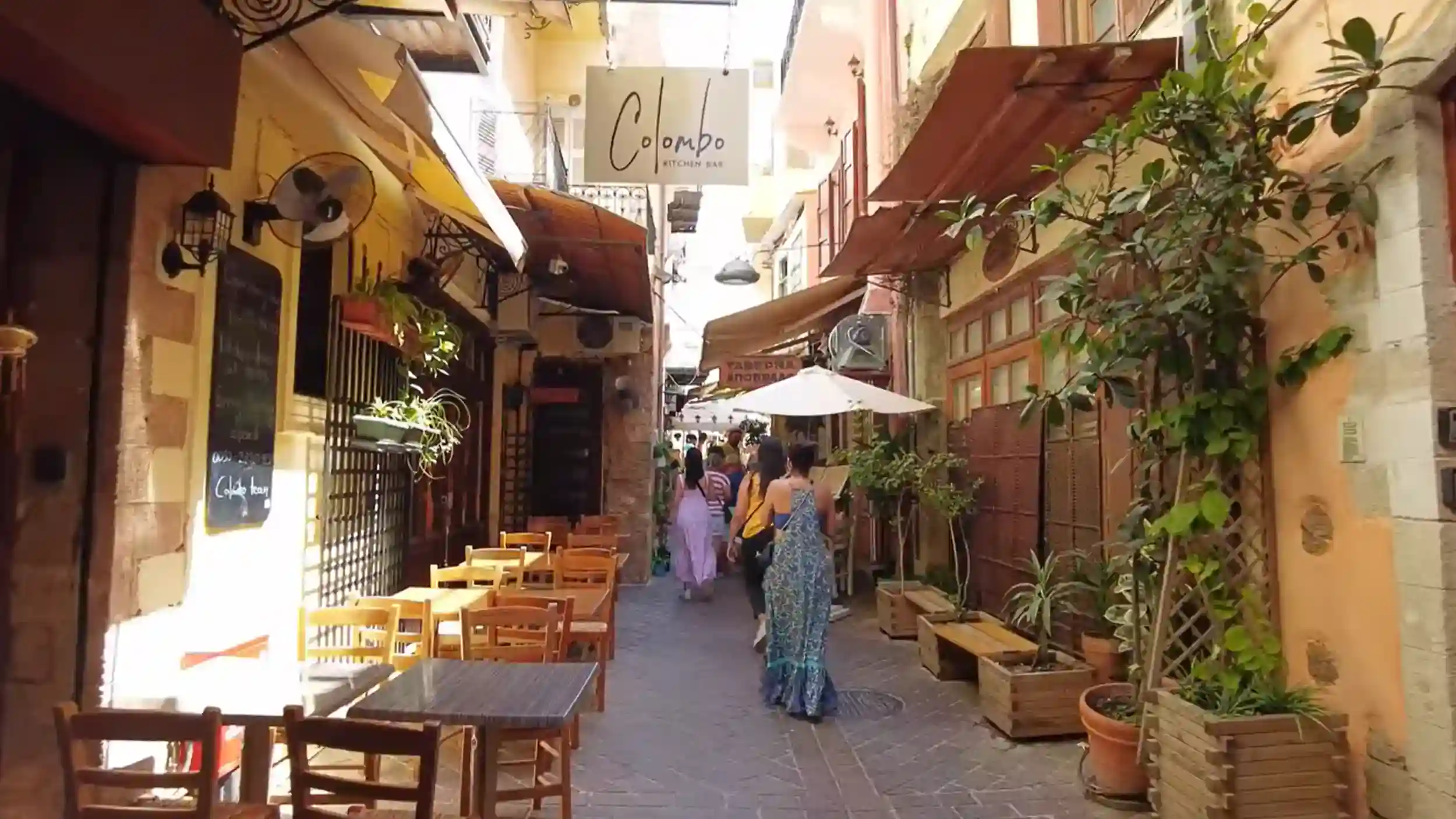
Between the coastline and the high ridges, we travelled through traditional villages, fertile plateaus and winding roads where the landscape felt more settled but no less interesting.
That transition is one of the reasons we think it is worth exploring beyond Chania. You can leave the harbour behind and, surprisingly quickly, find the city replaced by plateaus, mountain communities and agricultural landscapes.
| Mountain area | What you’ll discover |
|---|---|
| 🏘️ Askifou Plateau | Traditional villages surrounded by mountain scenery |
| 🌿 Anopolis | Historic village with strong links to Sfakia |
| 🍯 Mountain produce | Local honey, cheese and seasonal ingredients |
| 🍷 Lower foothills | Vineyards and olive groves beneath the peaks |
Askifou and Anopolis made us slow down rather than treat the villages as scenery between Chania and a trailhead. Stone terraces, old farmhouses and tavernas replace the exposed rock of the higher slopes. If we drove this way again, I would deliberately leave time for the middle-altitude landscape instead of building the entire day around a gorge.
🚗 What the Drive into the Mountains Was Like for Us
One of the biggest advantages we found in staying in Chania was how quickly we could exchange the harbour for mountain roads.
Within around an hour, we could leave the cafés and harbour behind for winding roads, traditional villages and the White Mountains of Crete. Our guide to Chania beyond the Old Town looks more widely at why we found those surrounding landscapes such an important part of staying in the city.
| Starting point | Typical journey |
|---|---|
| 🚗 Omalos Plateau | Around 1 hour from Chania |
| 🚌 Seasonal buses | Services to Omalos during the hiking season |
| 🚙 Askifou & Anopolis | Best reached by rental car |
| 🛣️ Mountain roads | Fully paved but narrow and winding in places |
We preferred the flexibility of travelling independently. It meant we could pause at viewpoints, stop in villages and let the changing scenery determine the pace rather than treating the road as a transfer to a trailhead. The roads are paved but narrow and winding in places, so I would allow time rather than trying to cover them quickly.
🏰 Why Frangokastello Changed Our View of the Mountains
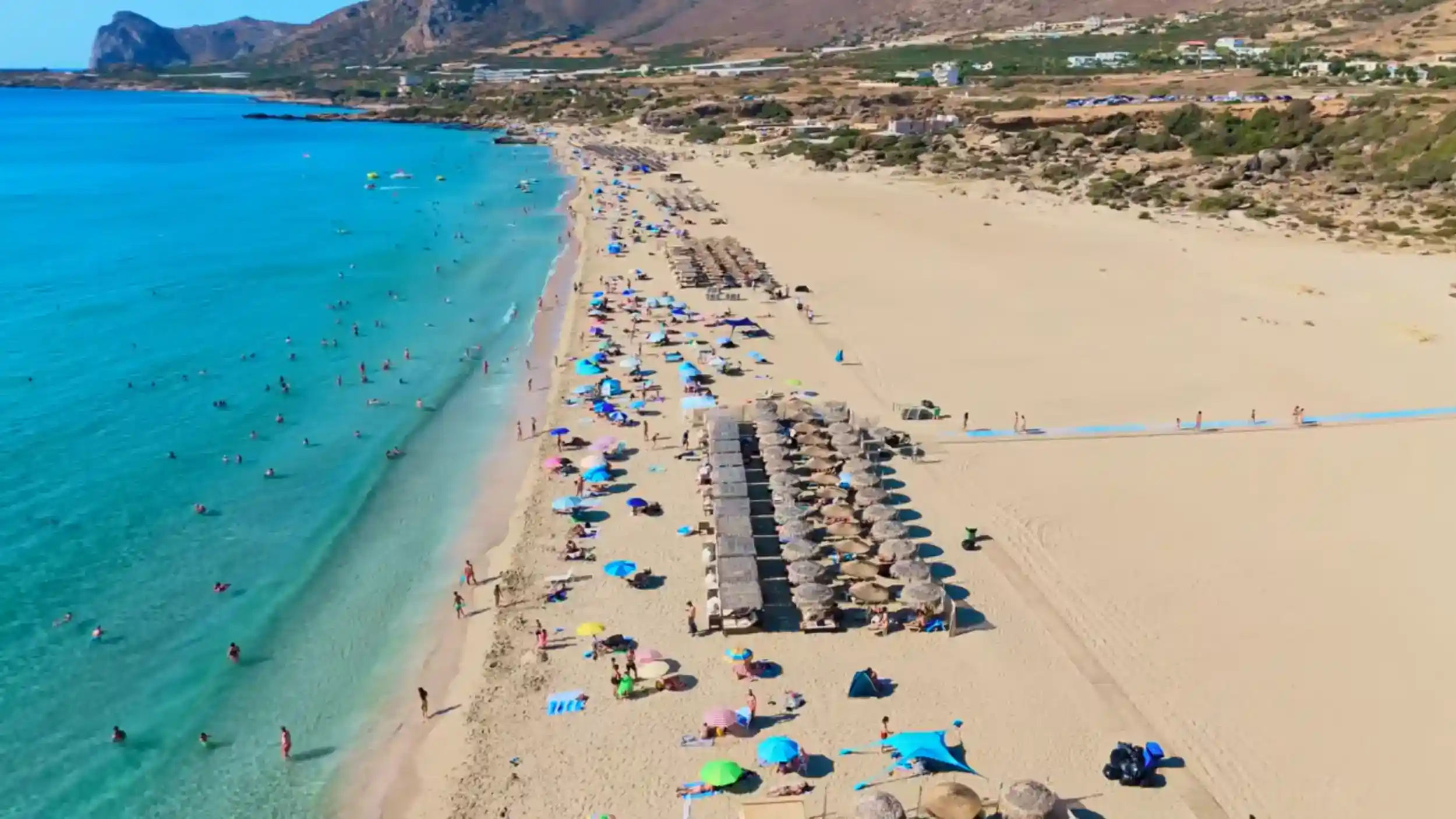
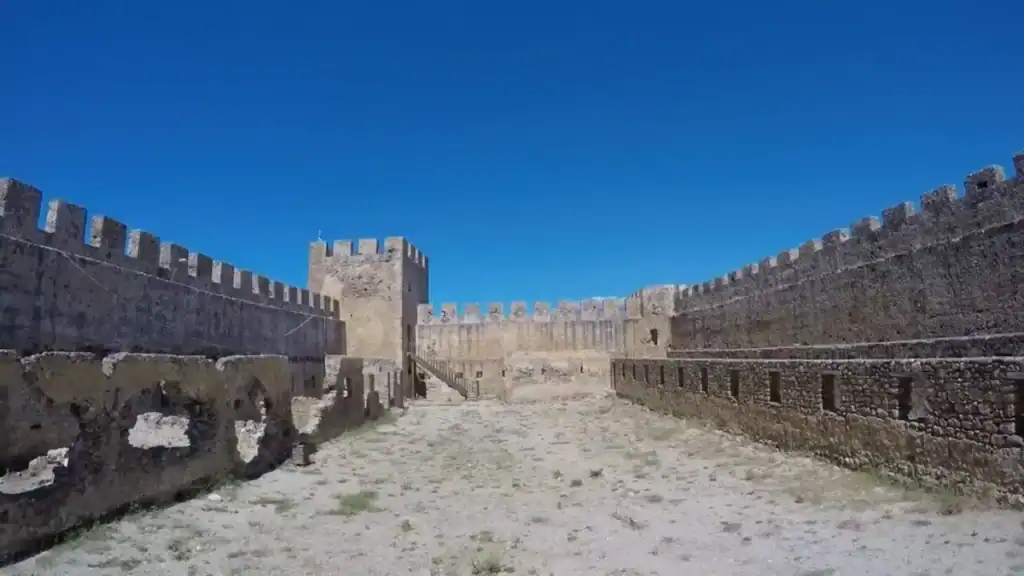
Frangokastello gave us a completely different way to understand the White Mountains of Crete.
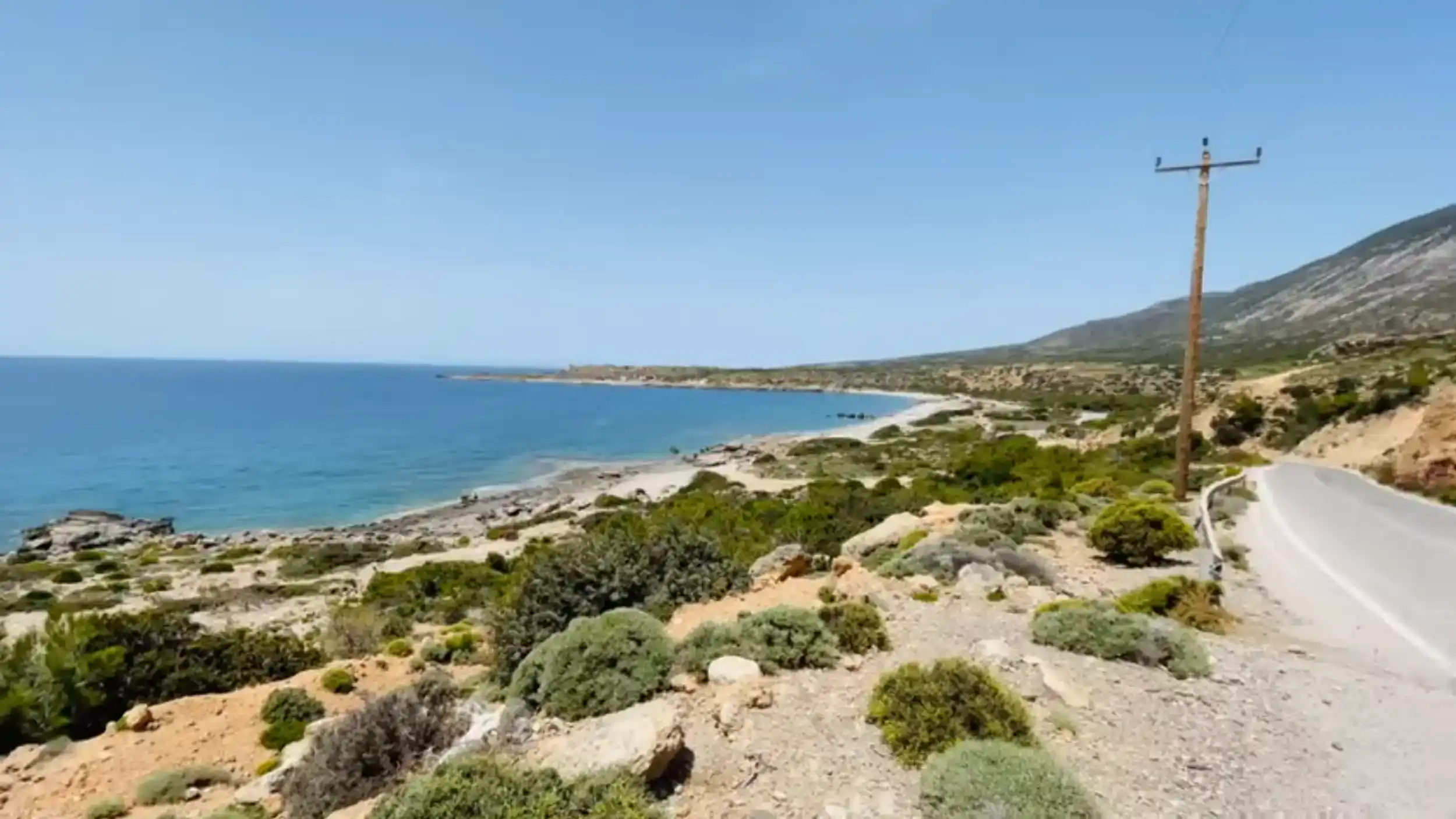
Here the steep mountain slopes run towards the Libyan Sea, with quiet beaches and isolated coastal villages below them. Standing around the Venetian fortress at Frangokastello, we could see the mountain backdrop and coastline together rather than experiencing them as separate parts of Crete.
| South coast highlight | What to expect |
|---|---|
| 🏰 Frangokastello | Fourteenth-century Venetian fortress beside the sea |
| 🏖️ Frangokastello Beach | Calm, shallow water ideal for swimming |
| ⛴️ Loutro | Road-free village reached by ferry |
| 🌊 Agia Roumeli | Southern exit point for Samaria Gorge hikers |
Looking north from Frangokastello was the perspective that stayed with me. From Chania, the mountains sit behind the city; here, they seemed to rise directly from the coast. It made their scale, and their connection with the south of the island, much easier to understand.
Farther west, walkers completing the Samaria Gorge hike emerge at Agia Roumeli on the Libyan Sea. For us, seeing the range from the south reinforced the same point: the mountains, gorges and coastline make far more sense when you experience them as one connected landscape.