Attractions in Cork City: Your Complete Guide
Attractions in Cork City: Overview Cork’s Victorian Quarter Highlights The Victorian Quarter stands as one of the most captivating attractions

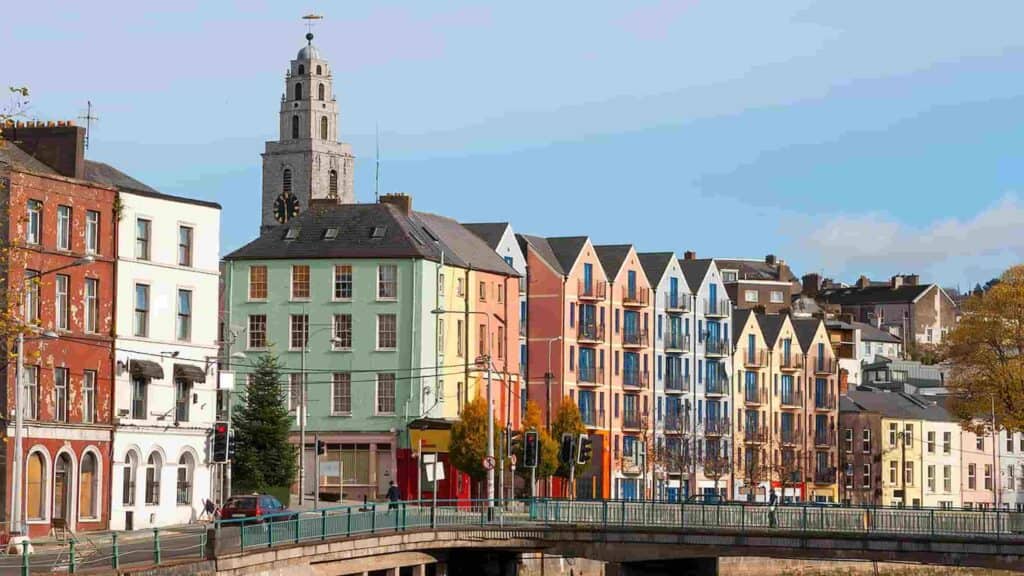
Cork sits on the River Lee in southern Ireland as the second biggest city with a rebellious history, English Market, and colorful row houses climbing hills on both sides of the water. The city center sits on an island between two channels of the river with bridges connecting neighborhoods. Cork people call it the real capital and take pride in their independent streak earning the rebel county nickname. The accent sounds musical and different from Dublin. Two to three days covers the compact center and nearby coastal towns. It’s cheaper and more authentic than Dublin with university students keeping energy high. The city works as a base for exploring the southern coast and Blarney Castle.
St Patrick Street is the main shopping boulevard curving through the center with department stores and chains. The street bends following the original channel filled in centuries ago. Grand Parade runs parallel with cafes and the entrance to English Market. English Market is the covered Victorian food hall dating from 1788 with butchers, fishmongers, cheese vendors, and prepared food stalls selling everything fresh. The farmhouse cheese selection impresses and locals shop here daily. The balcony cafe serves coffee overlooking the stalls. Queen Elizabeth visited in 2011 which locals mention with pride. St Fin Barre’s Cathedral sits south of the river with French Gothic spires and detailed stonework inside. The cork tree sculptures around the city reference the name though nobody knows the actual origin.
Shandon neighborhood north of the river climbs the hill with the butter museum showing Cork’s dairy export history and Shandon Bells church where you can climb the tower and ring the bells yourself playing tunes. The views stretch across red and grey rooftops. The neighborhood feels working class and real with old pubs and locals going about life. The waterfront along the Lee has walking paths and the new events center. Cork Opera House hosts performances. University College Cork campus west of center has Gothic revival buildings and the Honan Chapel with stained glass. Students fill the pubs around campus especially Washington Street.
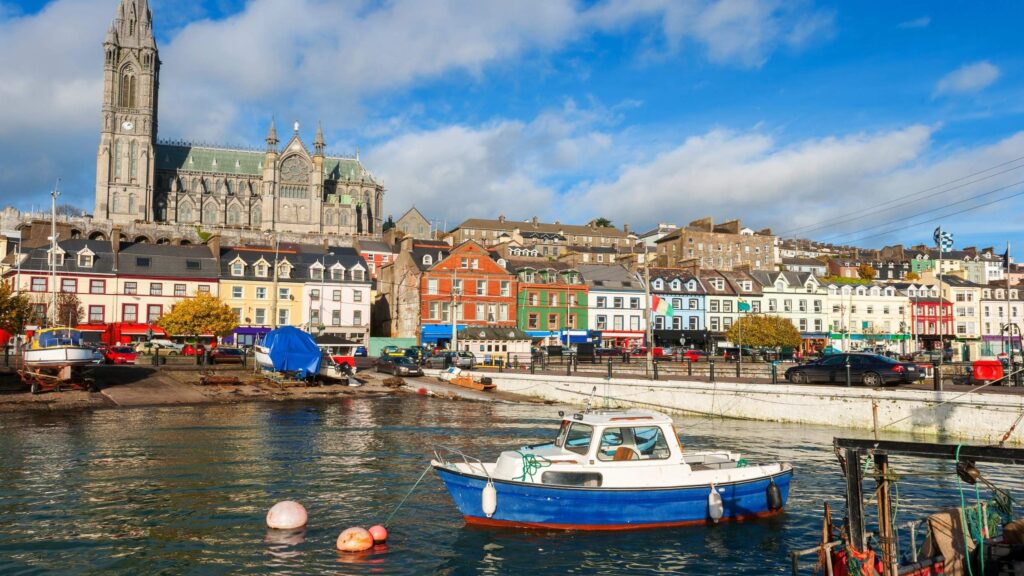
Blarney Castle sits 8 kilometers outside Cork with the famous Blarney Stone you kiss while hanging backwards over a drop for the gift of eloquence. The grounds have gardens and the castle keep to explore. It’s touristy but a tradition. Kinsale 30 minutes south is the gourmet capital with colorful houses on the harbor, yacht marina, and restaurants everywhere serving fresh seafood. Charles Fort overlooks the harbor. Cobh east of Cork is where the Titanic made its last stop with a heritage center telling emigration stories. The cathedral dominates the hillside town.
Food is spiced beef Cork specialty, drisheen blood sausage, tripe and drisheen traditional dish, fresh fish, Irish stew, soda bread, Murphy’s stout brewed locally, buttered eggs, seafood chowder.

Attractions in Cork City: Overview Cork’s Victorian Quarter Highlights The Victorian Quarter stands as one of the most captivating attractions

Is Cork City worth visiting? Absolutely – this vibrant Irish city offers historic streets, lively pubs, and cultural attractions that
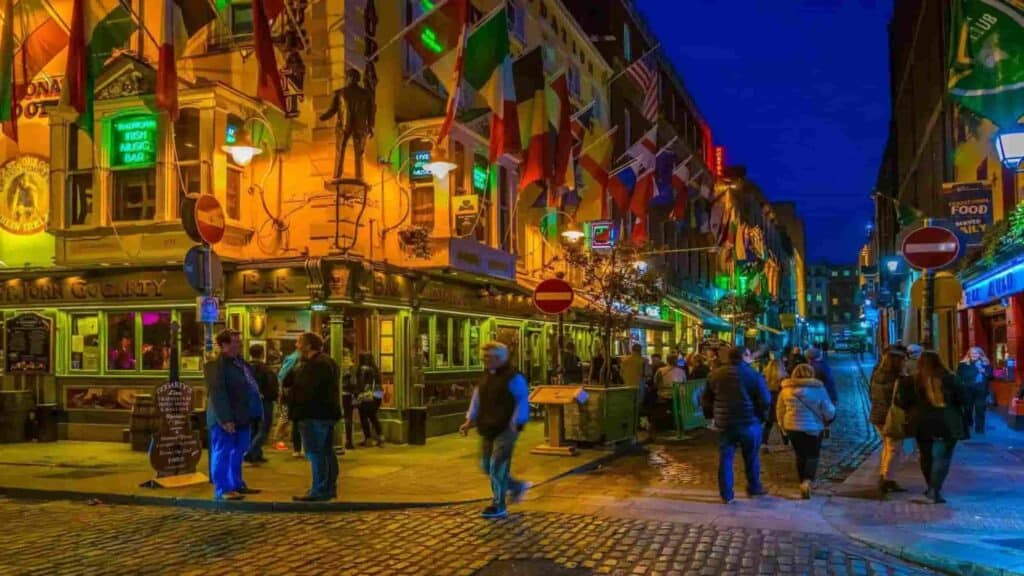
Cork or Dublin offers two very different Irish experiences: Dublin is bustling with historic landmarks, lively nightlife, and cultural attractions,

I’m a travel-obsessed guy who’s been chasing that perfect moment for more years than I can remember – still buzzing like a kid! One Greek island trip changed everything. Now I share travel secrets most tourists miss through Soft Footprints. Trust me: life-changing places aren’t all on TripAdvisor.
Subscribe to Soft Footprints!Â
Get updates on the latest posts and more from Soft Footprints straight to your inbox.
This website uses cookies to improve your experience. We'll assume you're ok with this, but you can opt-out if you wish. Read More