Post title or brief description

Soft Footprints
Travel Guides

Soft Footprints Travel Guides

Our Destinations:
Your Inspiration!

Rome

Rome sits on the Tiber River in central Italy as the capital with 3000 years of history layered on top of each other from ancient ruins to baroque fountains. The city sprawls massive and chaotic with the Colosseum, Vatican, and Pantheon drawing millions yearly. Traffic clogs streets, scooters zip between cars, and tourists overflow the centro storico. One week barely covers the highlights with museums and churches holding masterpieces everywhere you turn. Summer heat and crowds hit brutal levels while spring and fall bring pleasant weather. It’s expensive near monuments but side streets have trattorias with better prices. The metro connects major sites but walking reveals hidden piazzas and layers of civilization stacked together.

Ancient Rome and Forum

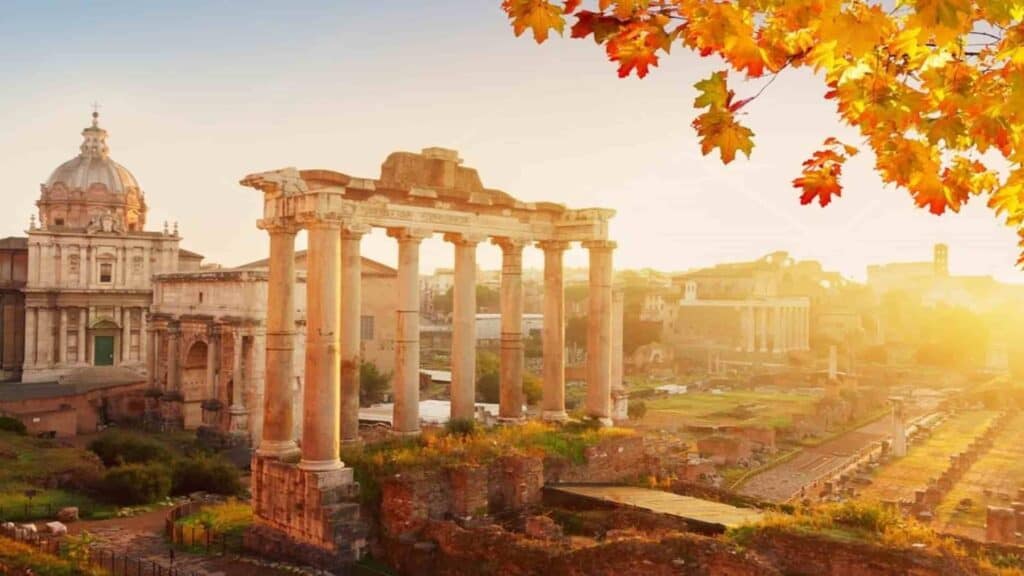
The Colosseum towers as the massive amphitheater built in 80 AD where gladiators fought and 50000 spectators watched executions and animal hunts. The exterior arches and interior passages show Roman engineering despite earthquake damage over centuries. Book skip-the-line tickets combining Colosseum, Roman Forum, and Palatine Hill to avoid hours waiting. The Roman Forum spreads below with temple ruins, arches, and the Via Sacra where Julius Caesar walked. You need imagination to picture the marble-covered buildings from the standing columns. Palatine Hill next door has emperors’ palace ruins and views over the forum. The Capitoline Museums on the adjacent hill hold Roman sculptures including the she-wolf nursing Romulus and Remus. Trajan’s Column near the forum has spiral reliefs showing military campaigns.

Vatican and Trastevere

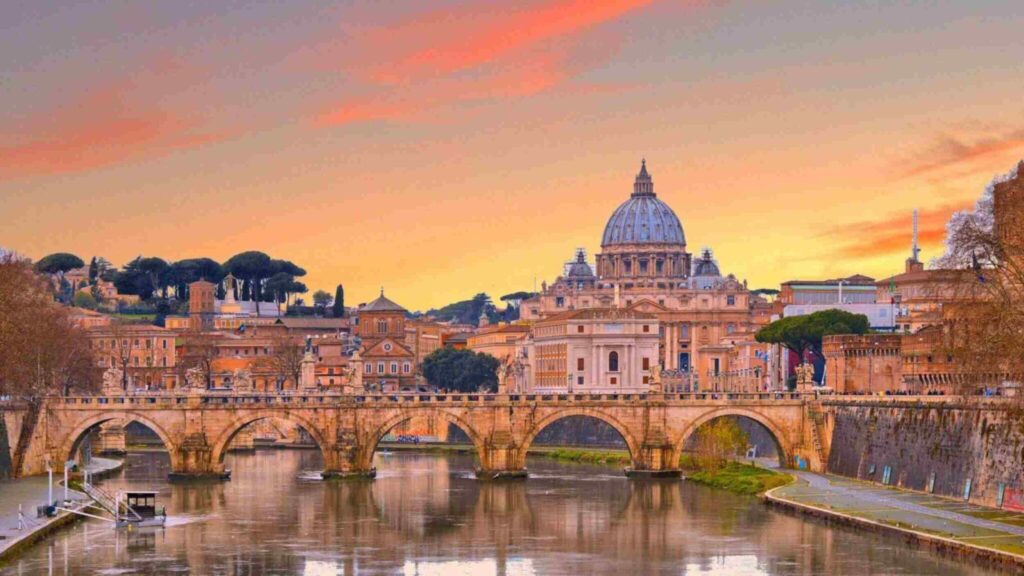
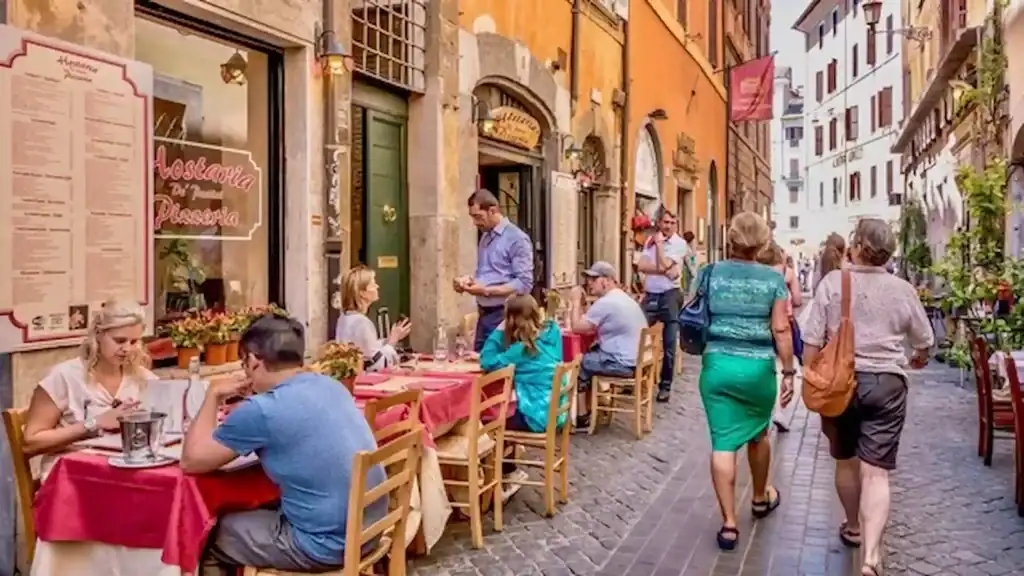
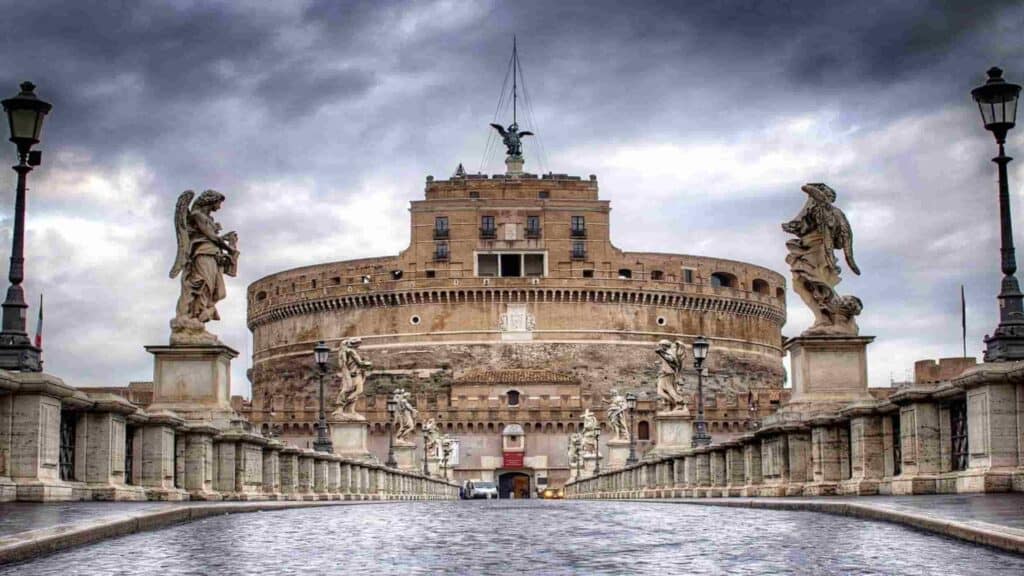
Vatican City is the world’s smallest country containing St Peter’s Basilica and the Vatican Museums with the Sistine Chapel. Book museum tickets weeks ahead for timed entry avoiding insane lines. The museums take hours walking through miles of galleries leading to Michelangelo’s Sistine Chapel ceiling frescoes. Guards shush people constantly as crowds pack in staring up. St Peter’s Basilica entrance stays free with security lines. The interior holds Michelangelo’s Pietà and Bernini’s bronze baldachin over the altar. Climb the dome for views across Rome worth the claustrophobic stairs. Castel Sant’Angelo fortress across the river was Hadrian’s mausoleum connected to Vatican by secret passage. Trastevere neighborhood south of Vatican has cobblestone lanes, ivy-covered buildings, and restaurants with Romans eating not just tourists. Santa Maria in Trastevere church has gold mosaics.

Piazzas and Fountains

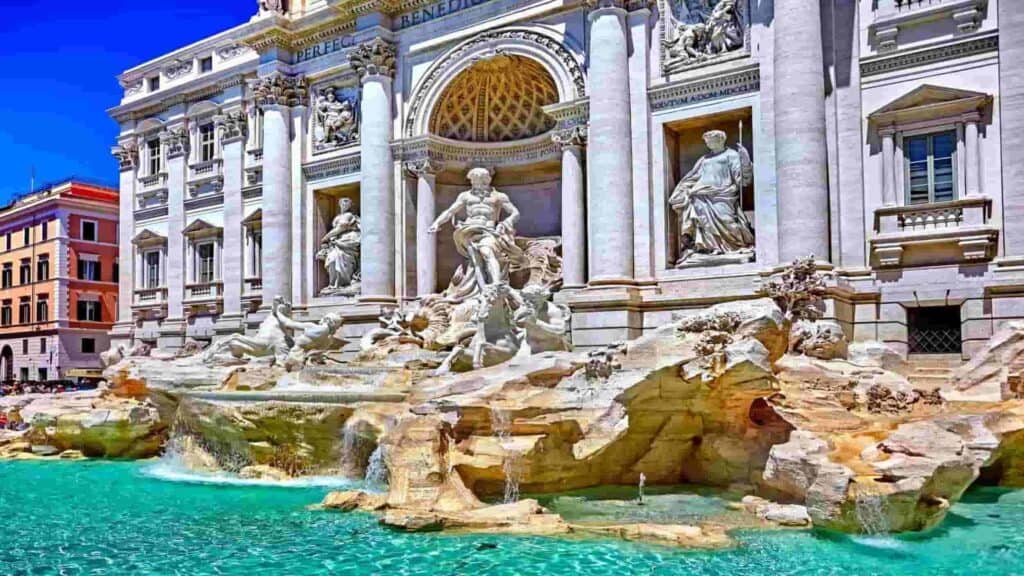
Trevi Fountain baroque masterpiece has Neptune and horses emerging from the palace facade with tourists throwing coins over their shoulders ensuring return to Rome. The fountain gets mobbed day and night making photos difficult. Spanish Steps connect Piazza di Spagna to Trinità dei Monti church with 135 steps where people sit despite new rules against it. The Pantheon survives perfectly preserved with the dome and oculus open to sky built in 126 AD. The building impresses more than any ruin showing Roman concrete technology. Piazza Navona has Bernini’s Four Rivers fountain and outdoor cafes charging tourist prices.

Food is carbonara with guanciale and pecorino, cacio e pepe, amatriciana, supplì fried rice balls, pizza al taglio by the slice, gelato, espresso standing at bars, Jewish artichokes, porchetta.

All Posts Written By
Ian Howes

I’m a travel-obsessed guy who’s been chasing that perfect moment for more years than I can remember – still buzzing like a kid! One Greek island trip changed everything. Now I share travel secrets most tourists miss through Soft Footprints. Trust me: life-changing places aren’t all on TripAdvisor.