Post title or brief description

Soft Footprints
Travel Guides

Soft Footprints Travel Guides

Our Destinations:
Your Inspiration!

Lisbon

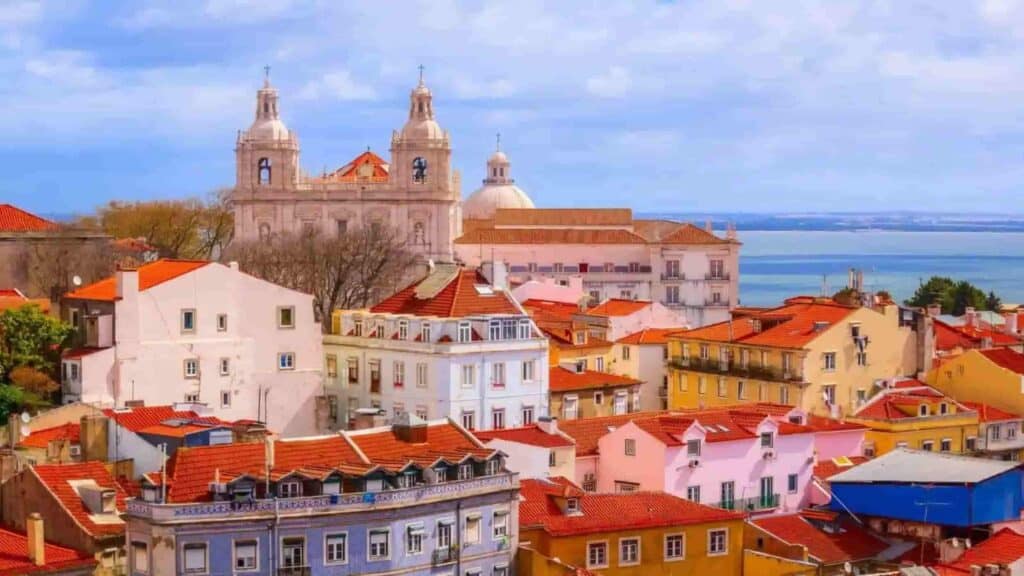
Lisbon spreads across seven hills along the Tagus River estuary in Portugal as the capital with colorful tiled buildings, vintage trams climbing steep streets, and melancholic fado music echoing through Alfama alleyways. It’s one of Europe’s sunniest and most affordable capitals with pastel de nata custard tarts, port wine, and seafood defining the food scene. The city mixes Moorish history, Age of Discovery monuments, and modern renewal after decades of dictatorship ended in 1974. Four to five days covers the neighborhoods from hilltop viewpoints to riverside districts. Summer brings heat and tourists while spring and fall stay pleasant. The hills challenge your legs but yellow Tram 28 rattles through narrow streets connecting neighborhoods and offering moving viewpoint tours.

Alfama and Castelo

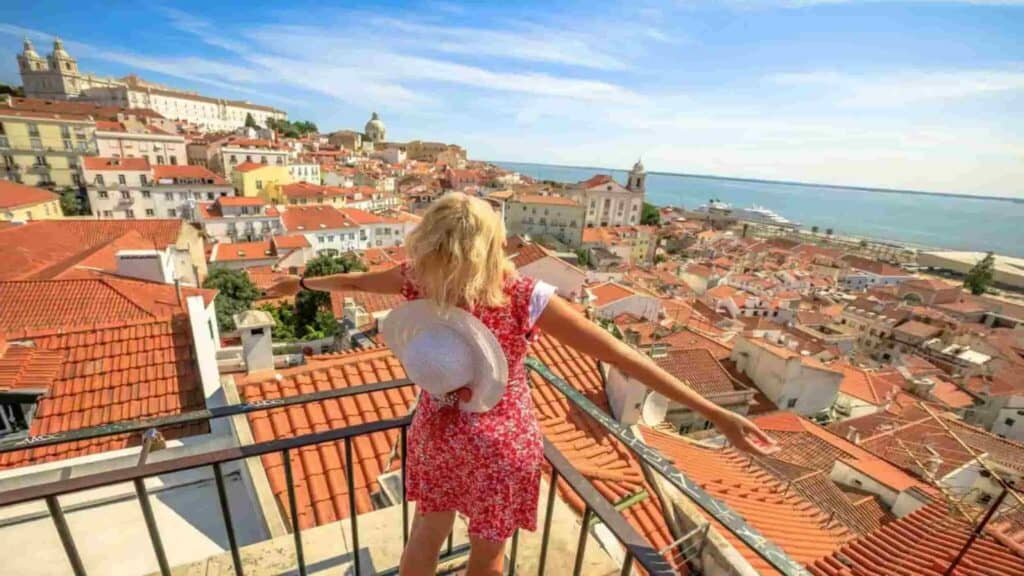
Alfama is the oldest neighborhood surviving the 1755 earthquake with narrow lanes zigzagging up the hillside, washing strung between buildings, and fado houses where singers perform traditional Portuguese songs about longing and loss. The neighborhood feels genuinely lived-in with locals sitting on doorsteps and small grocery shops. Castelo de São Jorge crowns the hill with Moorish castle walls, peacocks roaming the grounds, and panoramic views across terracotta roofs to the Tagus. The castle charges entry but wandering the ramparts and looking down on the city delivers value. Miradouro da Senhora do Monte nearby offers free sunset views locals prefer. Tram 28 clatters through Alfama’s tight streets with tourists hanging out windows and pickpockets working the crowds. Go early morning or late for space.

Baixa Chiado and Bairro Alto

Baixa downtown sits on flat reclaimed land rebuilt in grid pattern after the earthquake with grand Pombaline buildings, Rossio square with wave-patterned stones, and the Santa Justa Elevator lifting passengers to upper levels. The iron elevator designed by a student of Eiffel connects Baixa to Carmo ruins. Praça do Comércio opens to the river with yellow arcaded buildings and the triumphal arch leading to downtown. The square feels massive and impressive. Chiado neighborhood has bookshops, theaters, and A Brasileira cafe where Pessoa statue sits outside. Bairro Alto climbs west as the nightlife district with bars packed into old buildings and people spilling onto streets drinking ginjinha cherry liqueur. The area stays quiet during day transforming after dark.

Belém and Waterfront

Belém sits west along the river with monuments from the Age of Discovery when Portuguese explorers sailed from here. Mosteiro dos Jerónimos monastery has intricate Manueline architecture with maritime motifs carved in stone. Vasco da Gama tomb lies inside. The monastery took decades to build using spice trade wealth. Torre de Belém watchtower juts into the Tagus as the fortress protecting the harbor. The interior explores cramped but the exterior decoration impresses. Padrão dos Descobrimentos monument shows explorers on a carved ship prow. Pastéis de Belém bakery next to the monastery sells the famous custard tarts warm from ovens using the secret recipe since 1837. Lines stretch long but move fast.

Food is pastéis de nata custard tarts, bacalhau salt cod cooked 1000 ways, sardines grilled, bifana pork sandwich, caldo verde kale soup, seafood rice, ginjinha cherry liqueur, port wine, cheap beer.

All Posts Written By
Ian Howes

I’m a travel-obsessed guy who’s been chasing that perfect moment for more years than I can remember – still buzzing like a kid! One Greek island trip changed everything. Now I share travel secrets most tourists miss through Soft Footprints. Trust me: life-changing places aren’t all on TripAdvisor.