Post title or brief description

Soft Footprints
Travel Guides

Soft Footprints Travel Guides

Our Destinations:
Your Inspiration!

Sicily

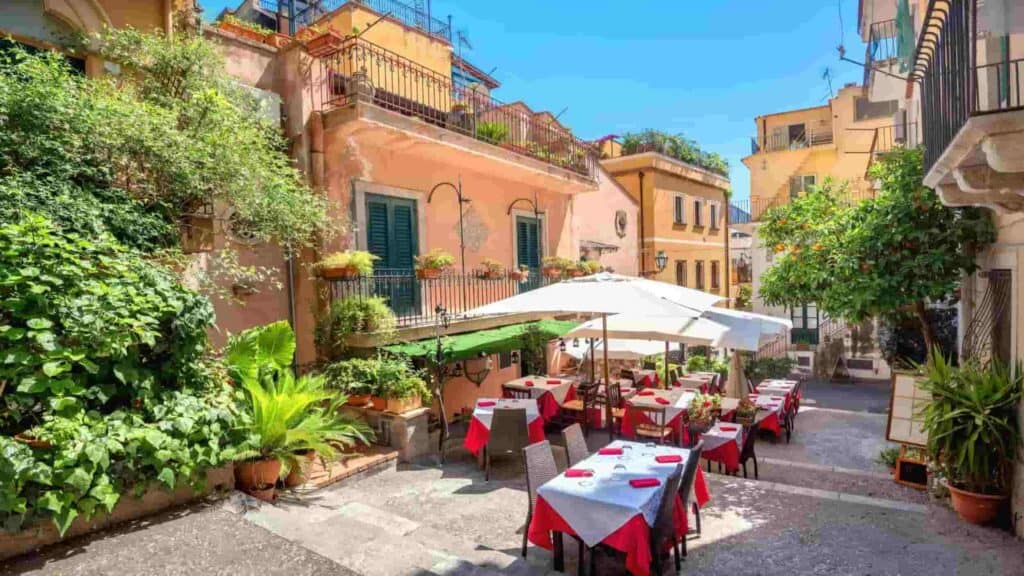
Sicily sits off the toe of Italy as the Mediterranean’s biggest island with Greek temples, Arab influences, active volcanoes, and beaches ranging from rocky coves to long sandy stretches. It feels more like North Africa or Greece than mainland Italy with distinct culture, dialect, and history shaped by countless invasions. Palermo is the chaotic capital while Taormina draws tourists and Catania rebuilds constantly from Etna eruptions. One to two weeks covers highlights but the island deserves longer with each region offering different character. Summer heat peaks brutal especially inland while spring and fall bring better temperatures. Rent a car to explore properly because public transit runs slow and infrequent. The food mixes Italian with Arab spices and Greek traditions creating unique Sicilian cuisine.

Palermo and Western Sicily

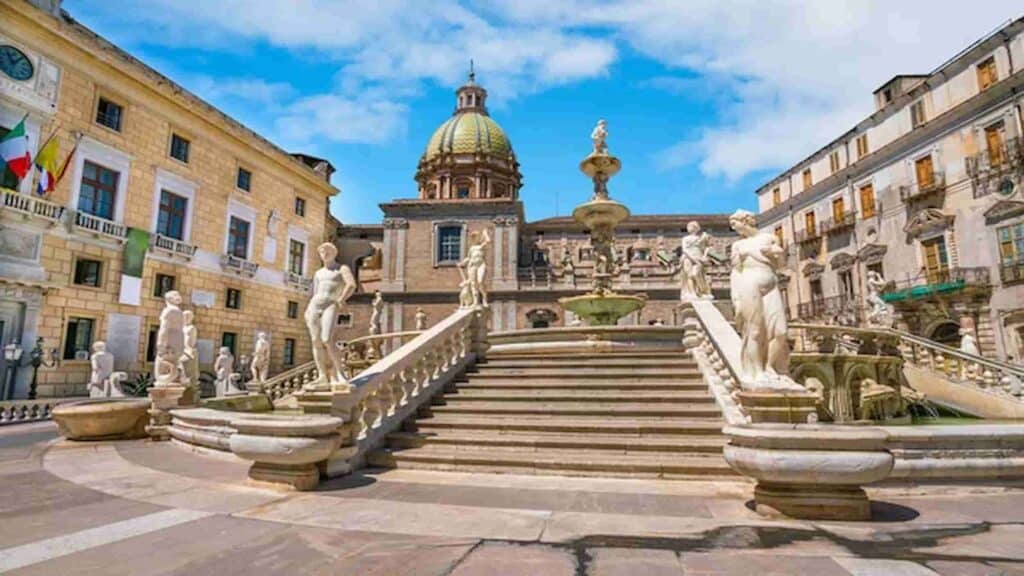
Palermo sprawls chaotic on the northwest coast with crumbling baroque palaces, street markets, and layers of Arab-Norman architecture. The city feels alive and rough with scooters weaving through traffic and street food vendors everywhere. Quattro Canti crossroads has baroque facades on all four corners. The Palatine Chapel inside the Norman Palace glows with Byzantine mosaics covering every surface in gold. Monreale Cathedral outside town has even more stunning mosaics showing biblical scenes. The markets Ballarò and Vucciria sell produce, fish, and street food with vendors shouting. Panelle chickpea fritters, arancini rice balls, and sfincione pizza define Palermo eating. The city stays gritty and authentic without polish. Cefalù east along the coast has Norman cathedral and beach below medieval streets. Erice hilltop town west has Phoenician origins and views to Tunisia on clear days. Trapani port connects ferries to Egadi Islands.

Eastern Sicily and Mount Etna

Taormina perches on cliffs above the east coast as the tourist magnet with Greek theater ruins framing Mount Etna and sea views. The main street Corso Umberto has designer shops and overpriced restaurants but the setting justifies crowds. The beach below Isola Bella connects by cable car. Mount Etna towers 3300 meters as Europe’s most active volcano constantly smoking and erupting. You can drive or take cable car partway up then hike to craters with guides. The black lava fields and lunar landscape impress. Catania below Etna has baroque center rebuilt after earthquakes and lava flows. The fish market near the port rivals Palermo for chaos. Syracuse south has Greek ruins on Ortigia island connected by bridge with the mainland archaeological park holding Greek theater and ear of Dionysius cave.

Valley of Temples and Southern Coast

Agrigento south coast has the Valley of the Temples with Greek ruins including the Temple of Concordia one of the best-preserved outside Greece. The temples line a ridge with views to the sea. The site takes hours wandering between structures dating from 500 BC. Scala dei Turchi white limestone cliffs near Agrigento step down to the sea like natural stairs. Ragusa and Modica inland have baroque towns rebuilt on hillsides after the 1693 earthquake. Modica makes chocolate using Aztec methods grinding cocoa with sugar creating grainy texture. The hill towns feel quieter than coast resorts.

Food is arancini rice balls, pasta alla Norma with eggplant, caponata, cannoli with ricotta, granita crushed ice dessert, swordfish, tuna, pasta con le sarde with sardines, cassata cake, Marsala wine.

All Posts Written By
Ian Howes

I’m a travel-obsessed guy who’s been chasing that perfect moment for more years than I can remember – still buzzing like a kid! One Greek island trip changed everything. Now I share travel secrets most tourists miss through Soft Footprints. Trust me: life-changing places aren’t all on TripAdvisor.