Post title or brief description

Soft Footprints
Travel Guides

Soft Footprints Travel Guides

Our Destinations:
Your Inspiration!

Mallorca

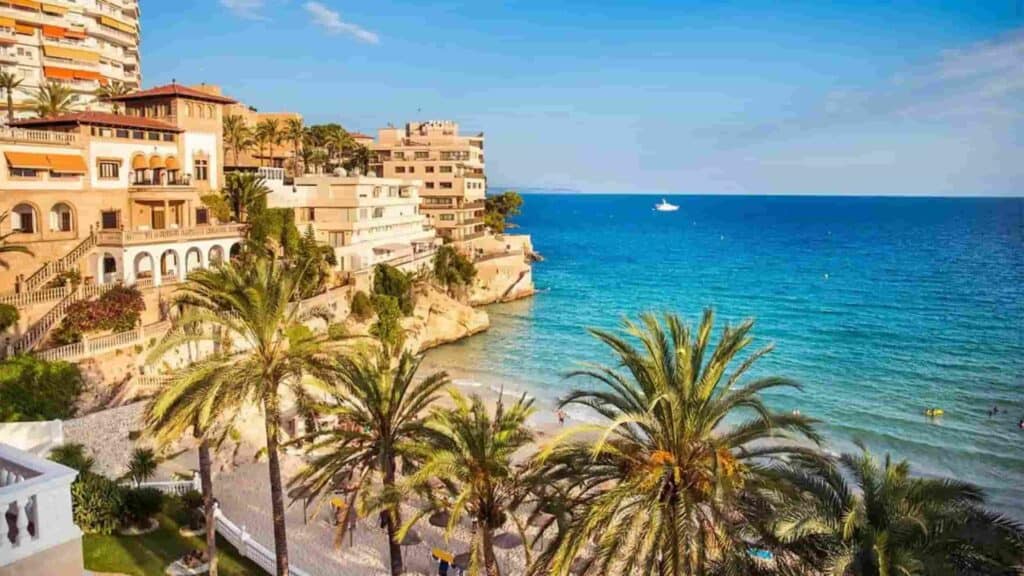
Mallorca sits in the Mediterranean as the largest Balearic island with dramatic mountain ranges, hidden coves, and party resorts drawing completely different crowds. The island splits between Magaluf’s package tourism chaos and the stunning Serra de Tramuntana mountains earning UNESCO status. Palma is the elegant capital with Gothic cathedral and yacht-filled harbor. One week covers beaches and mountain drives but you could stay longer exploring villages. Summer packs the island with European tourists and prices jump high. Shoulder seasons bring better weather for cycling and hiking. Germans dominate tourism especially in the northeast. Rent a car to reach the best coves because buses run limited.

Palma and Cathedral

Palma spreads along the bay with the Gothic cathedral La Seu dominating the waterfront. The cathedral took 400 years to build with buttresses rising above the sea walls. Gaudí worked on the interior early 1900s adding the canopy over the altar. The rose window floods the space with colored light. The old town behind has narrow lanes, Arab baths remnants, and the Almudaina Palace. The Passeig des Born boulevard runs from the cathedral inland with shops and cafes. The yacht harbor fills with superyachts and the promenade stretches west. Es Baluard modern art museum sits in the old fortifications with Miró and Barceló works. The Bellver Castle on the hill has the circular courtyard and views across the bay. Sunday market at Plaza Mayor draws locals.

Mountains and Northwest Coast

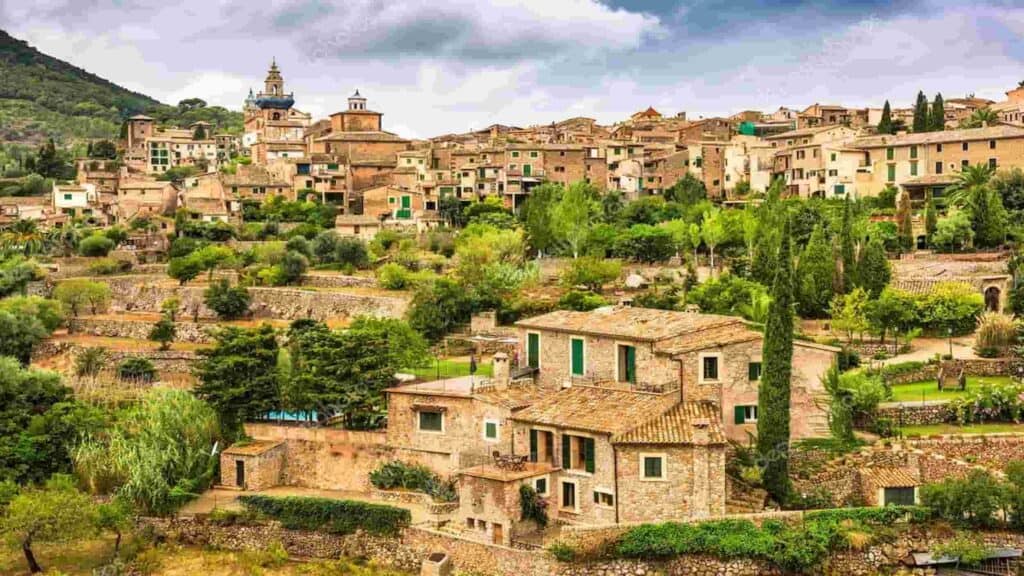
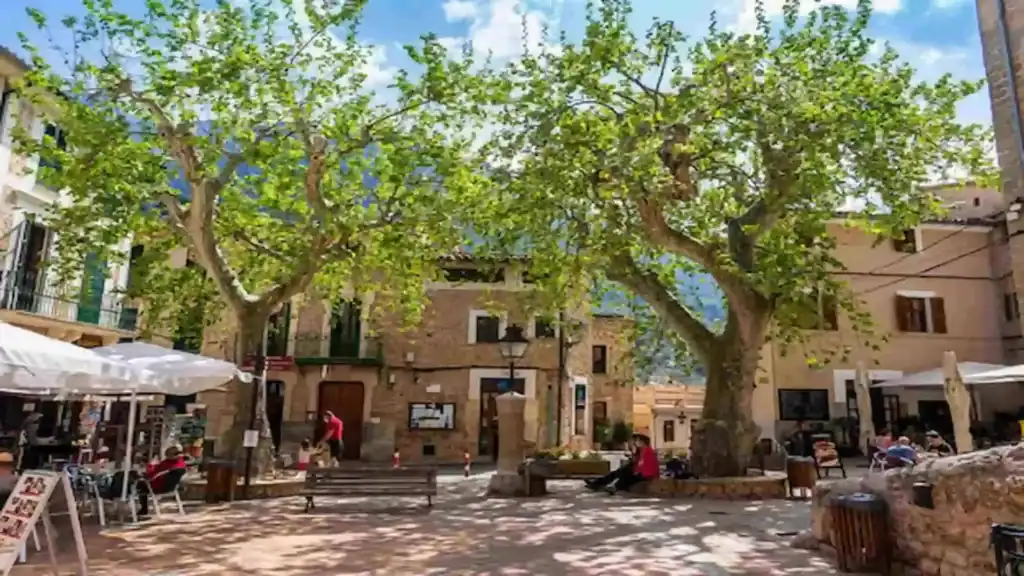
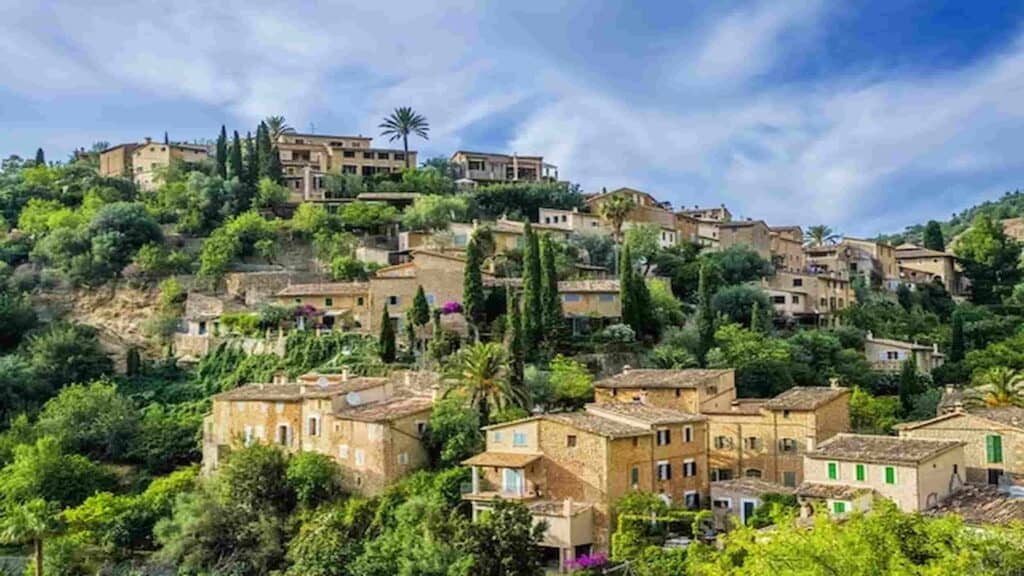
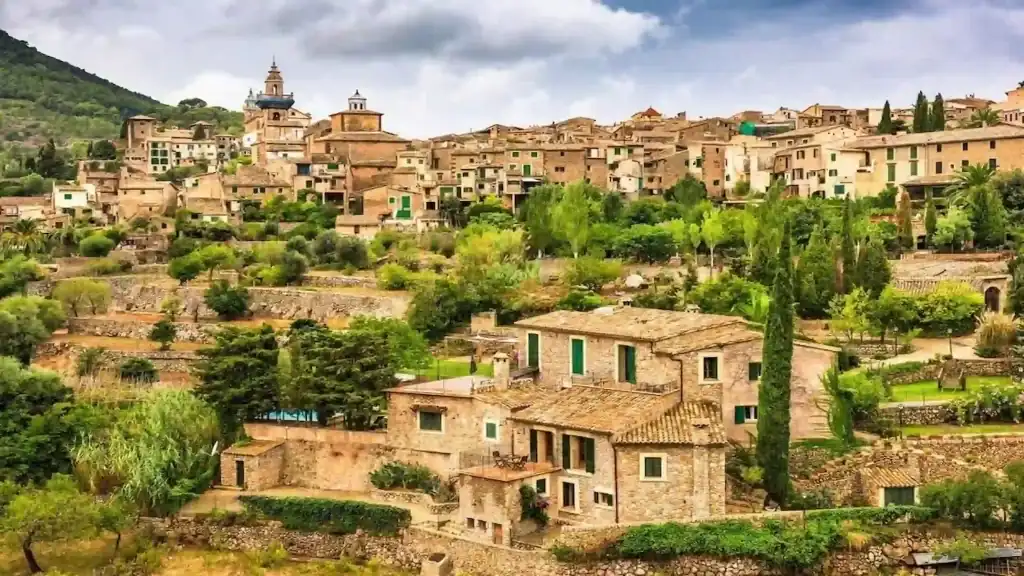
Serra de Tramuntana mountains run along the northwest coast with peaks reaching 1400 meters and stone villages clinging to slopes. The MA-10 road winds through Valldemossa where Chopin spent winter with George Sand. The monastery and village draw tour buses. Deià further north has artists and writers with steep lanes and Robert Graves’ house museum. The village attracts creative types with several galleries. Sóller sits in a valley with art nouveau buildings and vintage tram running down to Port de Sóller beach. The town has a good base for hiking. Sa Calobra on the coast requires driving down hairpin turns to a pebble beach where the Torrent de Pareis canyon meets the sea. The drive terrifies and thrills. Cap de Formentor at the northern tip has lighthouse and dramatic cliffs.

Beaches and East Coast

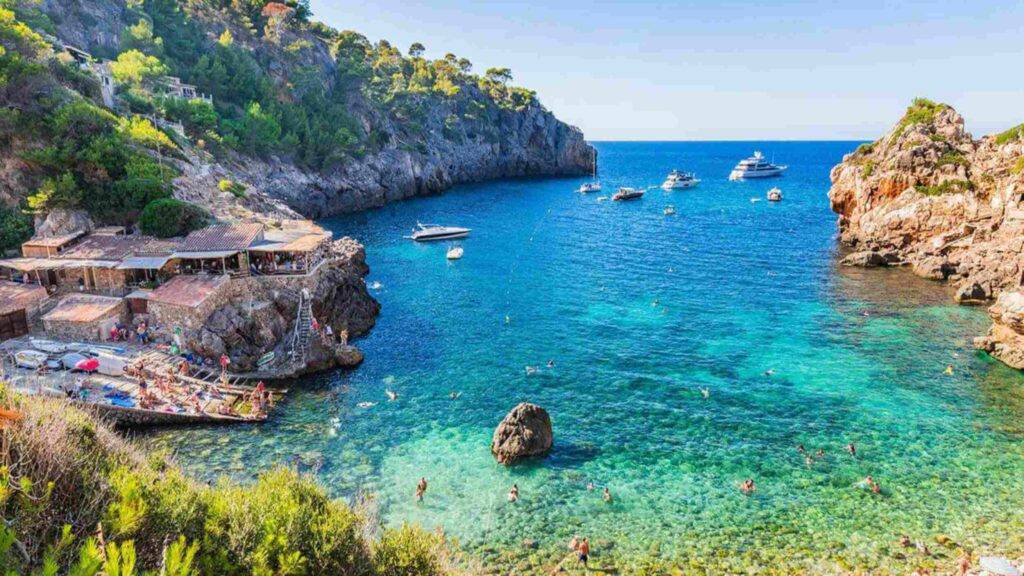
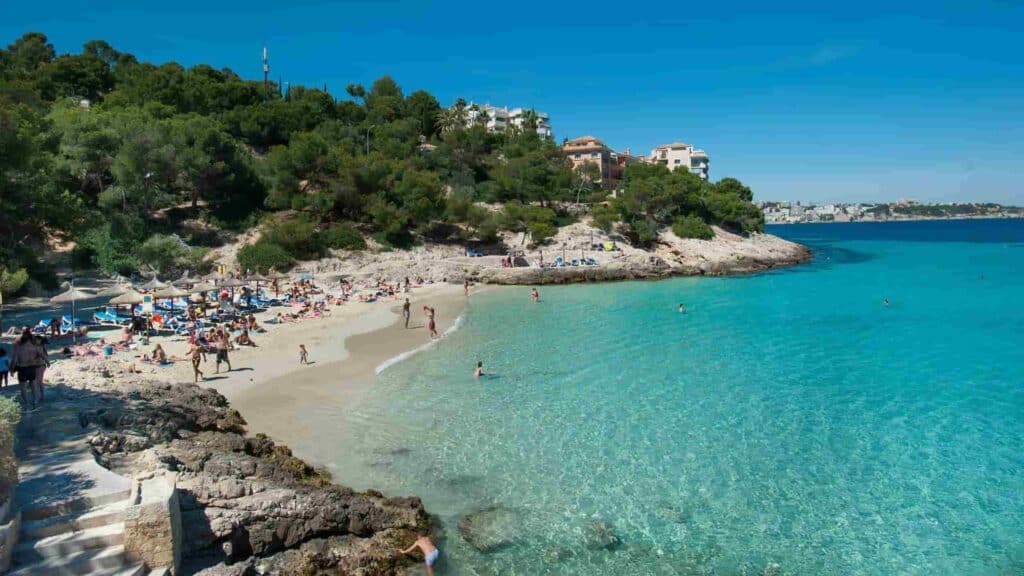
Cala Deià tiny cove below Deià village has rocky swimming between cliffs. Es Trenc beach south has white sand stretching long without development behind earning it Mallorca’s best beach reputation. The sand stays soft and water shallow. Cala Mondragó on the southeast has two protected bays with pine trees and turquoise water. Cala Figuera fishing village southeast has boats in a narrow fjord-like inlet with seafood restaurants. The east coast caves Coves del Drach have underground lakes with boat rides and concerts. Magaluf southwest is the British package tourism nightmare with drunk tourists and strip clubs. Avoid unless that’s your scene. Alcúdia north has Roman ruins and a long beach.

Food is sobrassada spicy sausage, ensaïmada sweet spiral pastry, tumbet vegetable dish, frito mallorquín offal stew, fresh seafood, pa amb oli bread with oil and tomato, local wines, hierbas herbal liqueur, coca flatbread.

All Posts Written By
Ian Howes

I’m a travel-obsessed guy who’s been chasing that perfect moment for more years than I can remember – still buzzing like a kid! One Greek island trip changed everything. Now I share travel secrets most tourists miss through Soft Footprints. Trust me: life-changing places aren’t all on TripAdvisor.