Valldemossa Mallorca: Travel Guide & Things To Do
Valldemossa Mallorca offers history, scenery, and a charming village atmosphere. This guide covers top attractions, the Carthusian Monastery, local food,


Soft Footprints
Travel Guides
Soft Footprints Travel Guides
Our Destinations:
Your Inspiration!
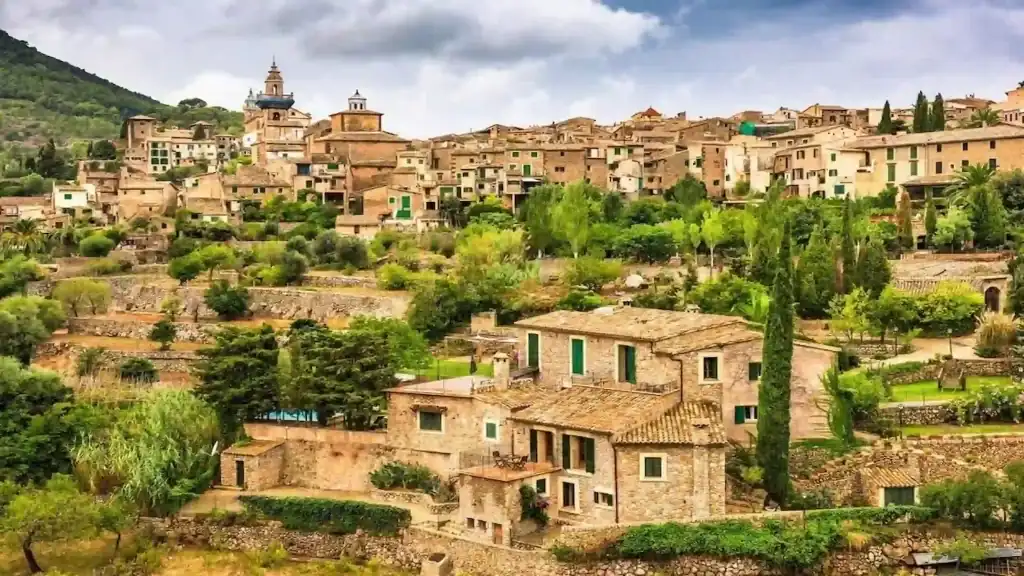
Valldemossa sits in the Tramuntana mountains north of Palma as the stone village where Chopin and George Sand spent winter 1838. The monastery where they stayed draws tour buses climbing the winding mountain road. The village has cobblestone streets climbing steep with green shutters on honey stone houses and terracotta roofs. It’s prettier than authentic now with tourism dominating. One day covers the monastery and village walks. Summer brings heat and crowds while spring and fall stay pleasant. The village empties late afternoon when buses leave back to Palma. Most visitors come for Chopin history but the mountain setting and architecture impress beyond the famous winter visit.
Real Cartuja de Valldemossa monastery sits at the village center where Carthusian monks lived from 1399 until government seizure in 1835. Chopin and George Sand rented cells here during the harsh winter writing and recovering from illness. The locals treated them coldly scandalized by the unmarried couple. Chopin composed preludes despite the damp cold and failing health. The monastery now operates as museum showing the cells where they stayed with Chopin’s piano and manuscripts. The rooms recreate the period with basic furniture. The pharmacy downstairs has ceramic jars and old medicine equipment. The church has frescoes and the cloisters open to gardens. The entry ticket includes a piano concert playing Chopin pieces in summer. Tour groups pack through quickly but the story of the difficult winter resonates.
The village streets radiate from the monastery climbing and descending between stone houses. Painted green ceramic tiles decorate doorways showing Santa Catalina Thomàs the local saint born here. Every house displays these tiles as protection. The main street has cafes serving coca de patata sweet potato pastry invented in Valldemossa. The pastry tastes dense and sweet dusted with sugar. Shops sell local products and tourist souvenirs. The streets stay atmospheric despite commercialization with flowers spilling from balconies. The village church Església de Sant Bartomeu stands separate from the monastery with baroque interior. The mirador viewpoint above the village overlooks red roofs dropping down the valley with olive terraces and mountains beyond. The view appears on every postcard.
Hiking trails connect Valldemossa to neighboring villages through mountain paths. The walk to Deià takes three hours descending through olive groves and following the old postman’s route. The trail shows traditional Mallorcan landscape with dry stone walls and ancient trees. The Arxiduc trail climbs from the village through pine forest to viewpoints. Archduke Ludwig Salvator of Austria loved the area and built the path in the 1800s. The cami des Correu postal path goes to Esporles. Son Marroig estate between Valldemossa and Deià has gardens and the white marble temple overlooking the sea. The archduke lived here collecting Mallorcan culture and building paths. The MA-10 mountain road passes through Valldemossa connecting coastal villages.
Food is coca de patata sweet potato cake, tumbet vegetable dish, arroz brut rice stew, sobrassada sausage, pa amb oli, local almonds, orange juice, traditional Mallorcan cooking, cafes selling pastries.
Valldemossa Mallorca offers history, scenery, and a charming village atmosphere. This guide covers top attractions, the Carthusian Monastery, local food,

I’m a travel-obsessed guy who’s been chasing that perfect moment for more years than I can remember – still buzzing like a kid! One Greek island trip changed everything. Now I share travel secrets most tourists miss through Soft Footprints. Trust me: life-changing places aren’t all on TripAdvisor.
Subscribe to Soft Footprints!
Get updates on the latest posts and more from Soft Footprints straight to your inbox.

This website uses cookies to improve your experience. We'll assume you're ok with this, but you can opt-out if you wish. Read More