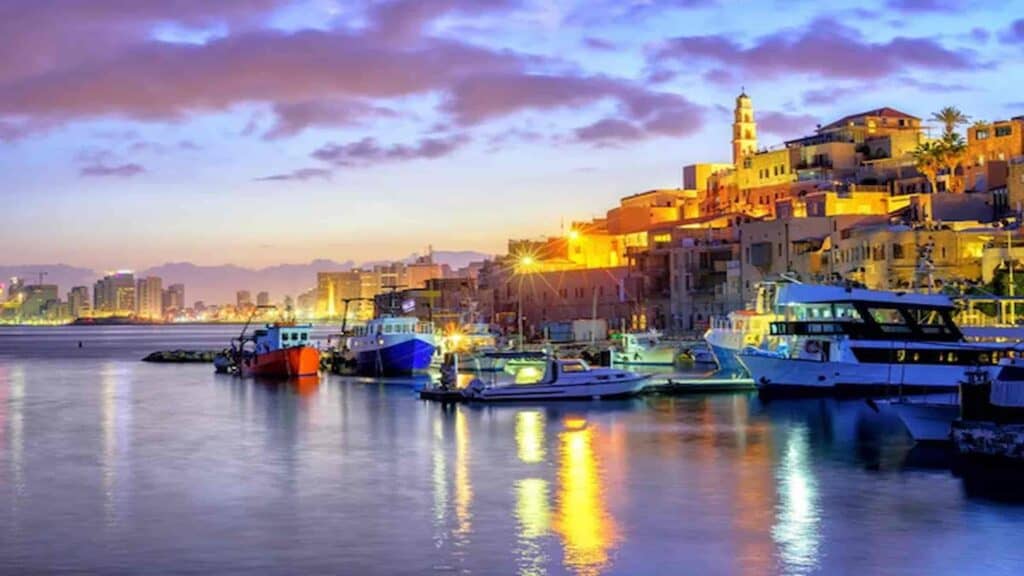
Jerusalem vs Tel Aviv: Guide for Visiting Israel
Jerusalem vs Tel Aviv showcases two very different Israeli cities. Jerusalem offers sacred sites and rich history, while Tel Aviv


Soft Footprints
Travel Guides
Soft Footprints Travel Guides
Our Destinations:
Your Inspiration!
Home » Middle East
The Middle East stretches from Egypt to Iran with deserts, ancient ruins, and diverse cultures shaped by thousands of years of civilization and religion. The region holds Jerusalem’s holy sites, Petra’s carved facades, and Dubai’s modern excess. Political instability affects parts with Syria, Yemen, and Iraq remaining dangerous for travel. Other countries like Jordan, UAE, Oman, and Israel stay relatively safe with tourism infrastructure. One to two weeks covers a country or two but the region sprawls large. Summer heat peaks brutal especially in Gulf states while winter brings pleasant temperatures. Conservative dress codes apply in most countries. The culture varies dramatically from cosmopolitan Dubai to traditional Saudi Arabia. Ancient history sites rival anywhere on earth.
Jordan offers the safest Middle East travel with Petra, Wadi Rum desert, and Dead Sea accessible easily. Petra has the Treasury carved into pink sandstone cliffs by Nabateans 2000 years ago. The Siq canyon entrance builds anticipation before the facade appears. The site sprawls with tombs, temples, and the Monastery requiring full day exploring. Wadi Rum desert has red sand, rock formations, and Bedouin camps where you sleep under stars. The landscape appeared in Lawrence of Arabia films. Amman capital has Roman ruins, citadel, and souks. The Dead Sea lets you float effortlessly in salt water. Jordan treats tourists well with visas easy and English widely spoken.
Dubai sits as the Gulf’s glitzy hub with the Burj Khalifa tallest building, artificial Palm Islands, and shopping malls with indoor skiing. The city feels artificial and over the top with superlatives everywhere. The old Dubai around the creek shows traditional dhows and souks. Abu Dhabi west has the Sheikh Zayed Grand Mosque and Louvre Abu Dhabi. Qatar has Doha with Museum of Islamic Art and desert dunes. Oman stays more traditional with Muscat capital having forts and souks. The fjords of Musandam Peninsula rival Norway. The Empty Quarter desert stretches endless. Bahrain has the ancient burial mounds and Formula One circuit. Kuwait City has modern architecture and war history. These Gulf states run wealthy from oil with expat populations and conservative Islamic culture underneath the glitz.
Israel packs history with Jerusalem holy to three religions. The Old City has Western Wall, Temple Mount, and Church of the Holy Sepulchre. Tel Aviv brings Mediterranean beaches and nightlife. Masada fortress and Dead Sea float experience connect. Egypt has the pyramids at Giza, Valley of the Kings tombs, and Nile cruises between temples. Cairo chaos contrasts with ancient monuments. Luxor and Aswan base southern exploration. Sinai Peninsula has Red Sea diving. Iran opens occasionally with Persepolis ruins, Isfahan’s mosques with tile work, and Shiraz gardens. Tehran has museums and mountains. The politics complicate travel with entry difficult for Americans and tensions affecting visas.
Food is hummus, falafel, shawarma, mezze platters, lamb and rice, fresh bread, dates, strong coffee, mint tea, kebabs, tabbouleh, baklava, mansaf in Jordan, fresh juices.
Jerusalem vs Tel Aviv showcases two very different Israeli cities. Jerusalem offers sacred sites and rich history, while Tel Aviv
I’m a travel-obsessed guy who’s been chasing that perfect moment for more years than I can remember – still buzzing like a kid! One Greek island trip changed everything. Now I share travel secrets most tourists miss through Soft Footprints. Trust me: life-changing places aren’t all on TripAdvisor.
Subscribe to Soft Footprints!
Get updates on the latest posts and more from Soft Footprints straight to your inbox.

This website uses cookies to improve your experience. We'll assume you're ok with this, but you can opt-out if you wish. Read More