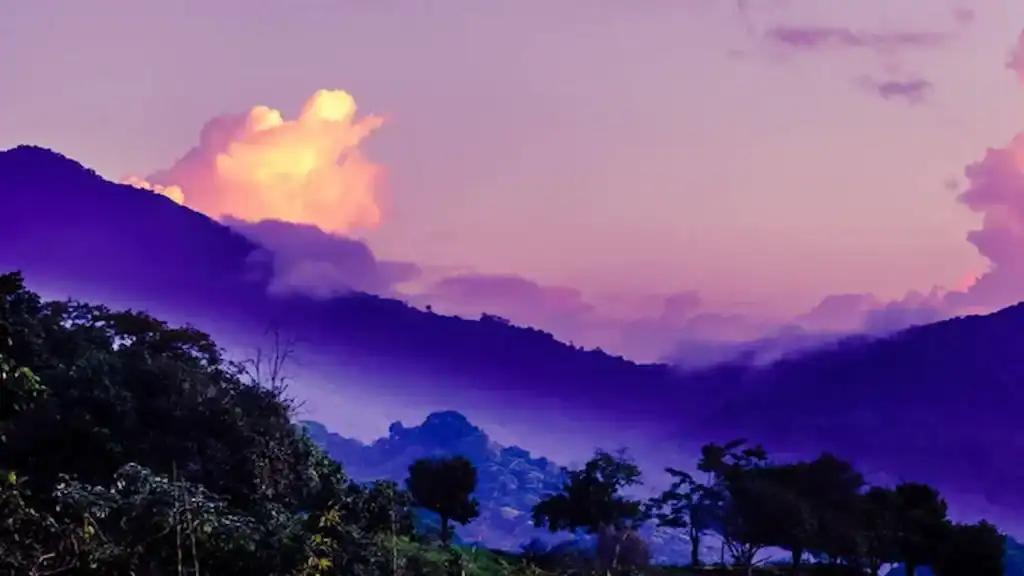
Minca Colombia: The Honest Guide (Bugs, Crowds & All)
Minca, Colombia is a charming mountain town perched at 600 meters elevation, just 15 kilometers from Santa Marta in the


Soft Footprints
Travel Guides
Soft Footprints Travel Guides
Our Destinations:
Your Inspiration!
Home » South America » Colombia
Colombia sits in South America’s northwest corner with Caribbean and Pacific coasts, Andean mountains, and Amazon jungle creating diverse landscapes across regions. The country transformed from narco violence in the 1990s to safe tourism destination with improved security especially in main cities. Cartagena draws visitors with colonial walls while Medellín shows urban renewal. Coffee plantations blanket green hills and beaches stretch undeveloped on both coasts. Two to three weeks covers main areas but the country deserves longer. Year-round warmth varies by elevation with Caribbean coast hot and muggy while Bogotá stays cool at 2600 meters. Spanish is the language with Colombian accent considered clearest in Latin America. The culture stays friendly and welcoming with locals proud their country opened for travel.
Cartagena sits on the Caribbean as the colonial gem with thick walls surrounding the old town built to defend against pirates. The walled city has cobblestone streets, balconies spilling bougainvillea, and plazas with churches. Getsemaní neighborhood outside the walls brings street art, salsa bars, and cheaper accommodations. The neighborhood gentrified quickly with backpackers and tourists filling hostels. The Castle of San Felipe de Barajas fortress sits massive on the hill with tunnels and views. Beaches on nearby islands Islas del Rosario have white sand and clear water reached by boat. The coast has Tayrona National Park with jungle beaches, hiking trails, and indigenous Kogi people. Santa Marta bases park visits. The Lost City Ciudad Perdida trek takes four to six days through jungle reaching pre-Columbian ruins older than Machu Picchu.
Medellín spreads through the valley as Colombia’s second city transformed from Pablo Escobar’s violent hub to innovative urban center. Metro cable cars connect hillside comunas to the city center improving access for poor neighborhoods. The transformation shows in public art, libraries, and Comuna 13 where street art covers walls telling stories of violence and renewal. Tours show the murals and escalators connecting the steep barrio. El Poblado neighborhood has restaurants, hostels, and nightlife. The city stays temperate year-round earning eternal spring nickname. Coffee region Zona Cafetera south has green hills covered in coffee plantations around Salento village. Jeeps transport visitors up rough roads to Valle de Cocora where wax palms tower 60 meters as the world’s tallest palm trees. Coffee farm tours show the process from bean to cup.
Bogotá sits high and cool as the sprawling capital with colonial La Candelaria old town, the Gold Museum holding pre-Columbian treasures, and Monserrate mountain overlooking the city. The cable car or funicular climbs to the white church on top. Usaquén north has Sunday flea market and restaurants in a former village absorbed by city growth. The city feels safe in tourist areas but sketchy neighborhoods exist. Graffiti tours show street art throughout. San Agustín south has mysterious pre-Columbian stone statues scattered across green hills with theories about the culture that carved them. The statues range from simple to elaborate with some showing shamanic figures. The southern Amazon jungle reaches from Leticia on the Brazil-Peru border with river trips and indigenous communities.
Food is arepas corn cakes, bandeja paisa massive platter with beans rice meat and egg, ajiaco potato soup, empanadas, tamales, fresh juice, coffee obviously excellent, tropical fruits, sancocho stew, lechona.
Minca, Colombia is a charming mountain town perched at 600 meters elevation, just 15 kilometers from Santa Marta in the
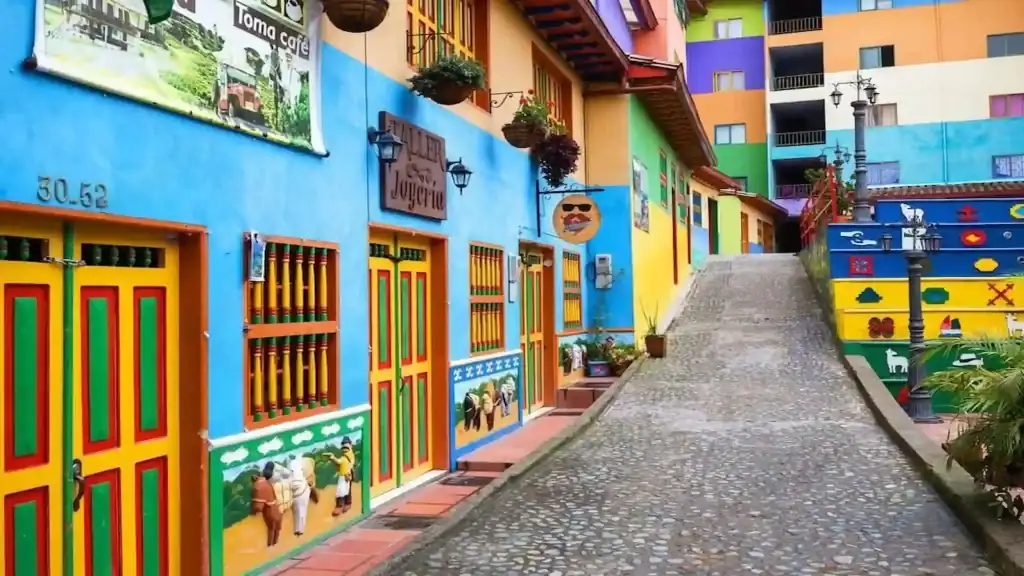
Guatapé town Colombia delights visitors with its colorful streets, scenic lake views, and the iconic El Peñol rock towering above
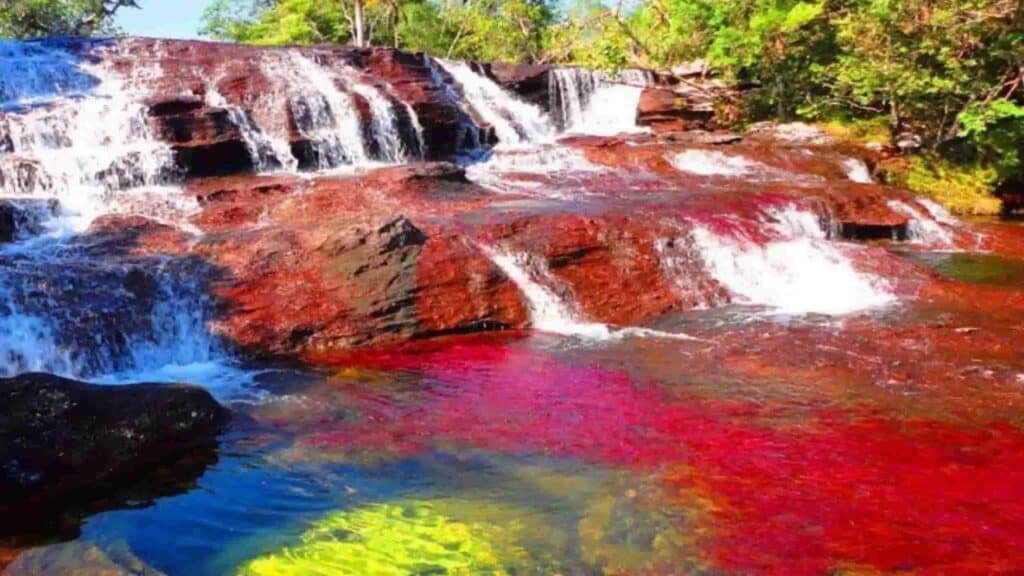
Fun facts about Colombia reveal a country filled with color, culture, and surprising diversity. From its unique wildlife to world-famous
I’m a travel-obsessed guy who’s been chasing that perfect moment for more years than I can remember – still buzzing like a kid! One Greek island trip changed everything. Now I share travel secrets most tourists miss through Soft Footprints. Trust me: life-changing places aren’t all on TripAdvisor.
Subscribe to Soft Footprints!
Get updates on the latest posts and more from Soft Footprints straight to your inbox.

This website uses cookies to improve your experience. We'll assume you're ok with this, but you can opt-out if you wish. Read More