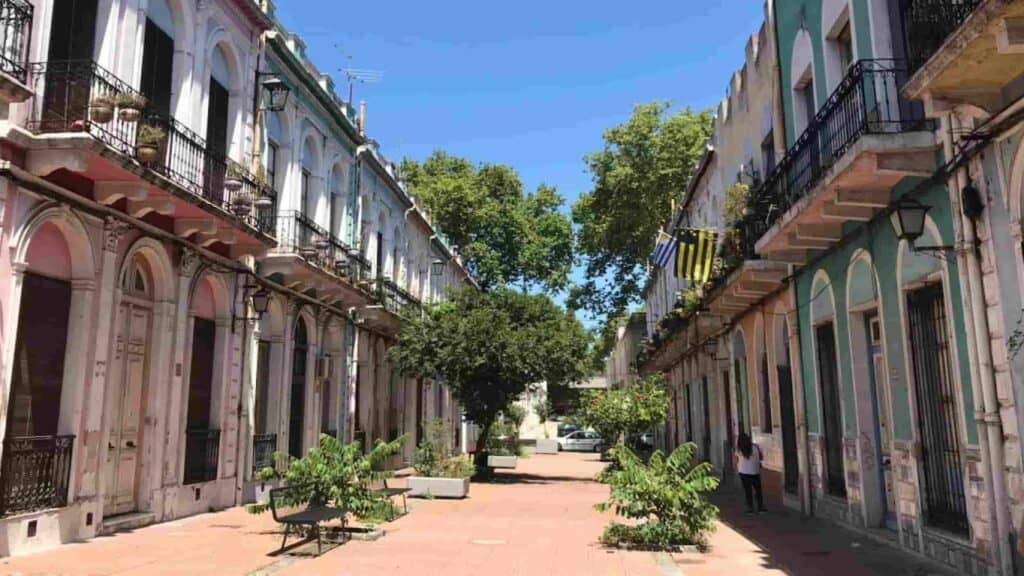
Things to Do in Montevideo: Guide to Uruguay’s Capital
Things to do in Montevideo include strolling along the Rambla, exploring historic neighborhoods, and enjoying local cuisine. From vibrant markets


Soft Footprints
Travel Guides
Soft Footprints Travel Guides
Our Destinations:
Your Inspiration!
Home » South America » Uruguay
Uruguay sits squeezed between Argentina and Brazil as South America’s smallest Spanish-speaking country with beaches, colonial towns, and progressive politics attracting expats. Montevideo is the laid-back capital while Punta del Este brings jet set beach resorts. The country feels safer and more organized than neighbors with stable democracy and legal marijuana. One week covers highlights though the relaxed pace tempts longer stays. Summer December to February brings warmth and crowds while winter stays mild. The population barely reaches 3.5 million with most living in Montevideo. Spanish is the language with Italian immigration influencing accent and food. It’s more expensive than other South American countries but still cheaper than Europe. The countryside has estancias ranches and gaucho traditions.
Montevideo spreads along the Río de la Plata with the Ciudad Vieja old town preserving colonial architecture between Plaza Independencia and the port. The plaza has the Palacio Salvo art deco tower and the statue of national hero Artigas with his mausoleum below. The Teatro Solís opera house offers guided tours. The Mercado del Puerto old market building has parrilla grills serving massive beef portions with local wine. The port area has converted warehouses with galleries and restaurants. The Rambla waterfront promenade stretches 22 kilometers along the coast with neighborhoods like Pocitos having apartment buildings facing beaches. Locals bike, jog, and drink mate watching sunsets. The beach culture stays strong summer with families setting up for the day. Parque Rodó has the lake, rose garden, and the national museum. Barrio Sur has candombe Afro-Uruguayan drumming traditions and carnival preparations.
Punta del Este sits on a peninsula as the upscale beach resort drawing wealthy Argentines and Brazilians summer. The town has two sides with Playa Mansa calm on the bay and Playa Brava rough with Atlantic waves. The Hand sculpture fingers emerging from sand at Brava beach gets photographed constantly. The port has yachts and seafood restaurants. Summer January and February see prices spike and beaches packed. The town empties and closes off-season. Casapueblo nearby has the white Mediterranean-style building turned museum and hotel built by artist Carlos Páez Vilaró. The sunset ceremony plays music as the sun drops. José Ignacio east is the boho chic village with galleries, restaurants, and beautiful people. The lighthouse sits on the point. Cabo Polonio further east has the isolated beach village with no electricity and sea lion colony on rocks. You reach it by truck through dunes.
Colonia del Sacramento sits across the river from Buenos Aires reached by ferry in one hour. The Portuguese founded the town in 1680 creating the UNESCO old quarter with cobblestone streets, colonial buildings, and the lighthouse. The historic barrio feels frozen in time with bougainvillea covering walls. Day trippers from Buenos Aires fill the restaurants and antique shops. Staying overnight lets you experience the quiet evenings. Carmelo north has vineyards producing Tannat the signature Uruguayan varietal. The wine region stays small but growing with bodegas offering tastings. The countryside has estancias traditional ranches offering stays with gaucho culture, horseback riding, and asados. The interior feels empty with rolling grasslands and cattle.
Food is asado beef barbecue, chivito massive steak sandwich, empanadas, milanesa breaded meat, choripán chorizo sandwich, dulce de leche everywhere, mate tea constantly, Tannat wine, craft beer, Italian-influenced pasta and pizza.
Things to do in Montevideo include strolling along the Rambla, exploring historic neighborhoods, and enjoying local cuisine. From vibrant markets
I’m a travel-obsessed guy who’s been chasing that perfect moment for more years than I can remember – still buzzing like a kid! One Greek island trip changed everything. Now I share travel secrets most tourists miss through Soft Footprints. Trust me: life-changing places aren’t all on TripAdvisor.
Subscribe to Soft Footprints!
Get updates on the latest posts and more from Soft Footprints straight to your inbox.

This website uses cookies to improve your experience. We'll assume you're ok with this, but you can opt-out if you wish. Read More