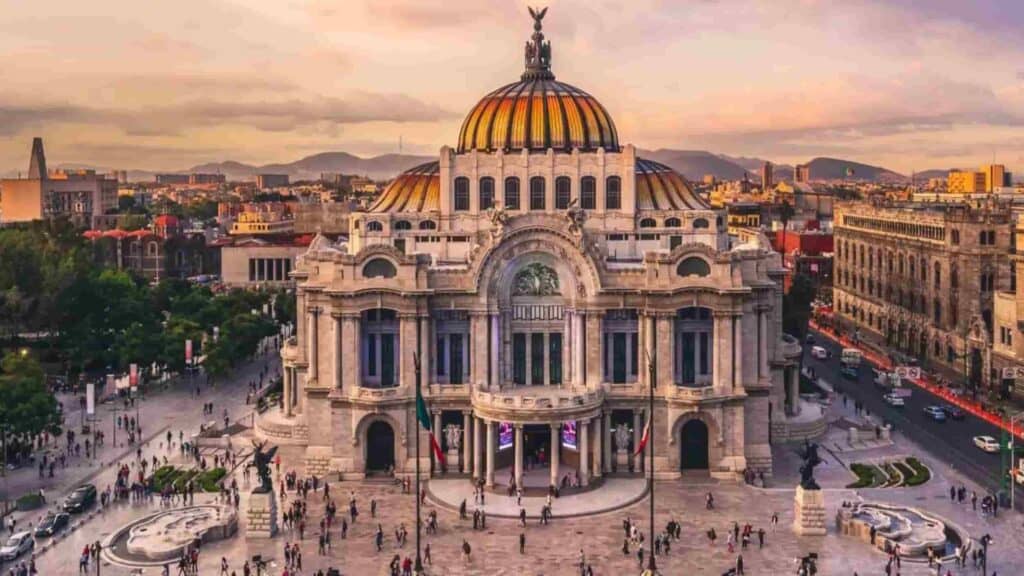
What to do in Mexico city: Best Things to Do in CDMX, Mexico
What to do in Mexico City includes historic walks, iconic museums, vibrant markets, and unforgettable cultural experiences. This guide covers

Home » The Americas » Mexico
Mexico sits south of the US border stretching from Pacific to Caribbean with ancient ruins, colonial cities, beaches, and food culture defining the character. The country mixes indigenous heritage with Spanish colonial history creating distinct regional identities from northern deserts to southern jungles. Mexico City dominates as the massive capital while beach towns like Tulum and Puerto Vallarta draw tourists. Two to three weeks covers a region or two but the country deserves months with each area offering different landscapes and traditions. Summer brings heat and rain while winter stays dry and pleasant. Spring break March and April packs beach towns with American college students. Spanish is the main language with indigenous languages spoken in communities. It’s affordable with street tacos costing dollars and hostels cheap outside resort areas.
Mexico City sprawls at 2240 meters as one of the world’s largest urban areas with 20 million people creating constant energy and chaos. The historic center has the Zócalo plaza, Metropolitan Cathedral, and National Palace with Diego Rivera murals showing Mexican history. The Templo Mayor ruins show Aztec foundations beneath Spanish buildings. The neighborhoods bring distinct character with Roma and Condesa having tree-lined streets, cafes, and galleries. Coyoacán south has Frida Kahlo’s Blue House and weekend markets. Chapultepec Park holds the castle, anthropology museum with Aztec calendar stone, and green space. The metro connects efficiently despite crowds. Teotihuacan pyramids sit an hour north with the Pyramid of the Sun climbed for valley views. Puebla southeast has colonial architecture, Talavera pottery, and mole sauce origins. The nearby volcanoes Popocatépetl and IztaccÃhuatl rise snow-capped when clear.
Oaxaca sits in the southern highlands with indigenous Zapotec and Mixtec cultures staying strong. The colonial center has churches, markets, and mezcal bars. The food scene impresses with seven varieties of mole sauce, tlayudas giant tortillas, and chapulines grasshoppers. Monte Albán ruins above town show Zapotec pyramids and ball court. Hierve el Agua has petrified waterfall formations and pools. The coast three hours away has Puerto Escondido for surfing and Mazunte for turtles. Chiapas southeast brings San Cristóbal de las Casas highland town and Palenque jungle ruins with Mayan temples emerging from rainforest. The region has indigenous Maya communities and Zapatista history. Sumidero Canyon has boat trips through narrow gorge. The southern states stay poorer and more traditional than the north.
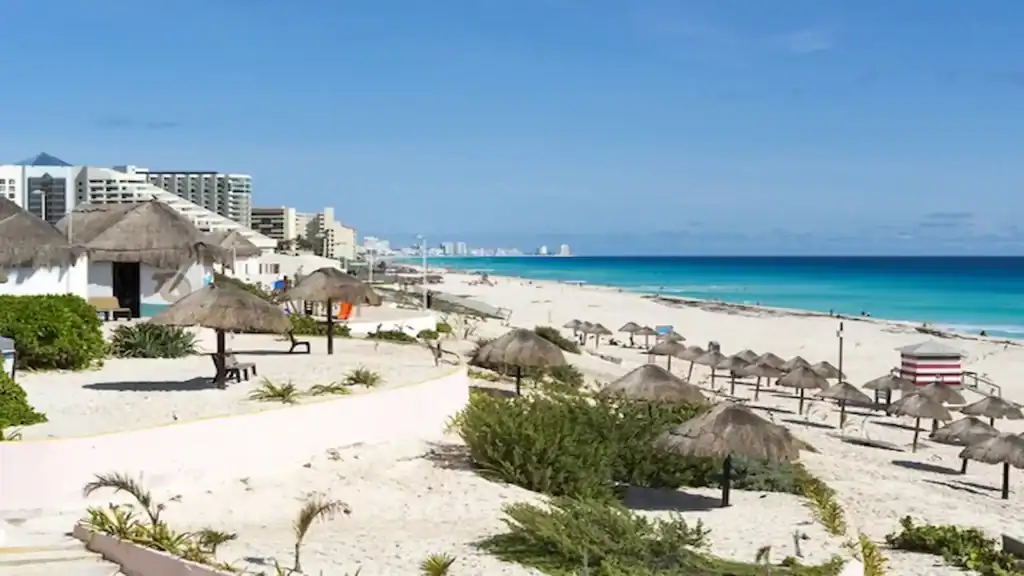
The Yucatan Peninsula juts into the Caribbean with Mayan ruins, cenotes sinkholes, and beach resorts defining the region. Cancún brings all-inclusive hotels and spring break crowds. Playa del Carmen south has a more relaxed vibe with ferry access to Cozumel island diving. Tulum combines ruins on cliffs above turquoise water with beach bars and wellness retreats. The town gentrified heavily with prices matching the US. Chichen Itza inland has the iconic pyramid El Castillo and ball court. Uxmal and Calakmul ruins see fewer visitors. Merida city has colonial architecture and food scene. The cenotes scattered across the peninsula offer swimming in crystal water inside limestone caves. Isla Holbox north has whale sharks May to September and low-key beach atmosphere.
Food is tacos al pastor, mole sauce, pozole hominy soup, tamales, ceviche, elote grilled corn, quesadillas, churros, fresh juice, Mexican hot chocolate, mezcal and tequila, endless regional varieties, street food everywhere.

What to do in Mexico City includes historic walks, iconic museums, vibrant markets, and unforgettable cultural experiences. This guide covers

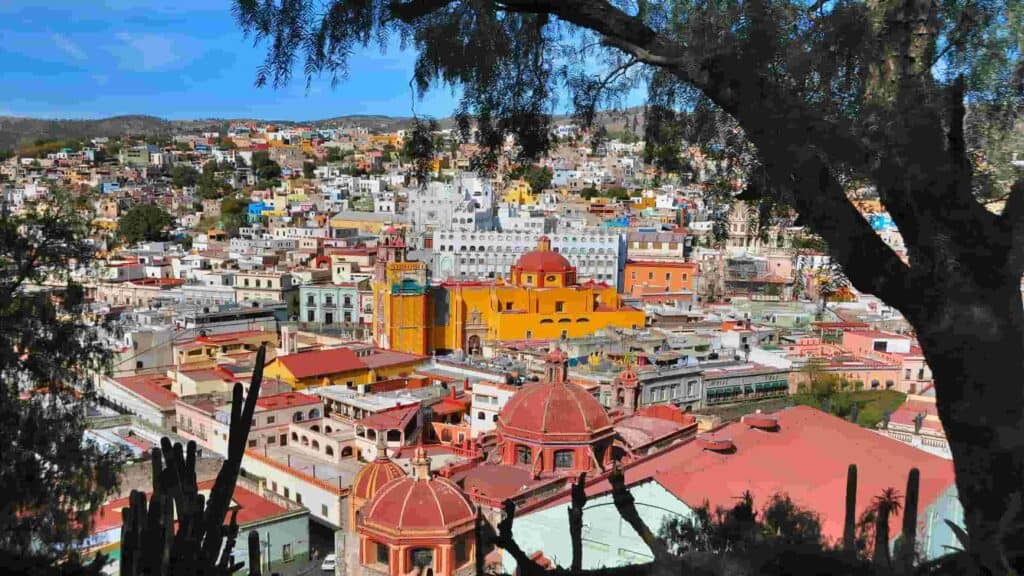
Guanajuato City captivates visitors with its colorful hillside homes, winding alleys, and rich colonial history. Known for its vibrant culture,
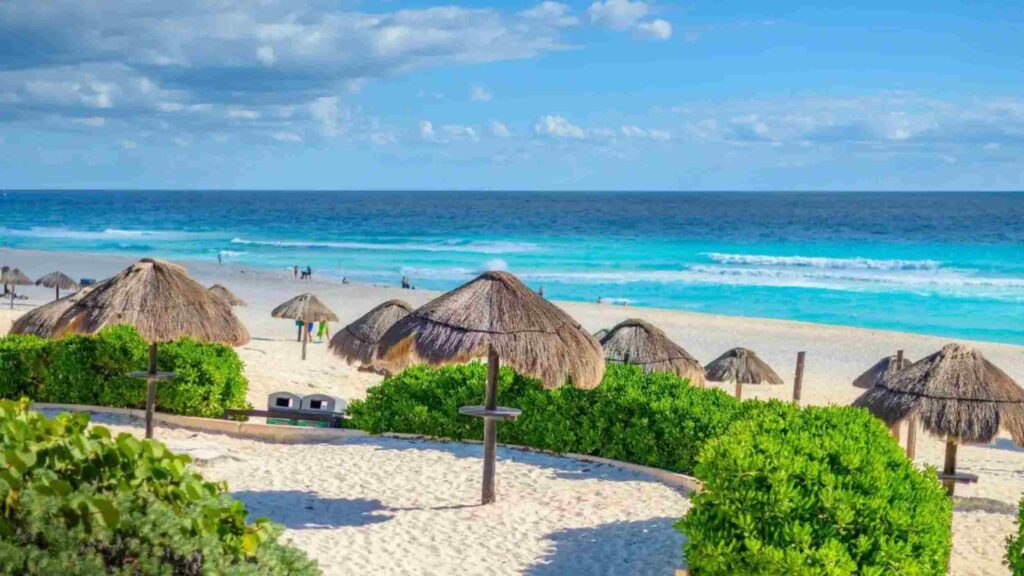
Is Cancun Mexico safe? Many travelers enjoy Cancun’s beaches, resorts, and cultural attractions with minimal issues, though like any tourist
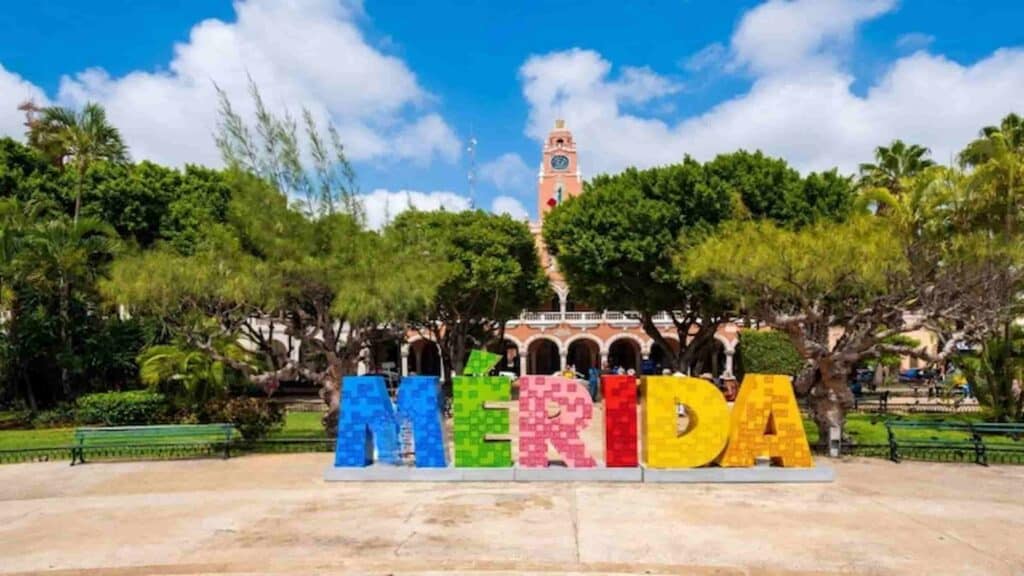
So you’re thinking about visiting the Yucatan Peninsula Mérida area? Honestly, best decision ever! This place completely blew my mind
Safest places in Mexico offer travelers comfort, culture, and vibrant experiences without sacrificing peace of mind. From calm beach towns
I’m a travel-obsessed guy who’s been chasing that perfect moment for more years than I can remember – still buzzing like a kid! One Greek island trip changed everything. Now I share travel secrets most tourists miss through Soft Footprints. Trust me: life-changing places aren’t all on TripAdvisor.
Subscribe to Soft Footprints!Â
Get updates on the latest posts and more from Soft Footprints straight to your inbox.
This website uses cookies to improve your experience. We'll assume you're ok with this, but you can opt-out if you wish. Read More