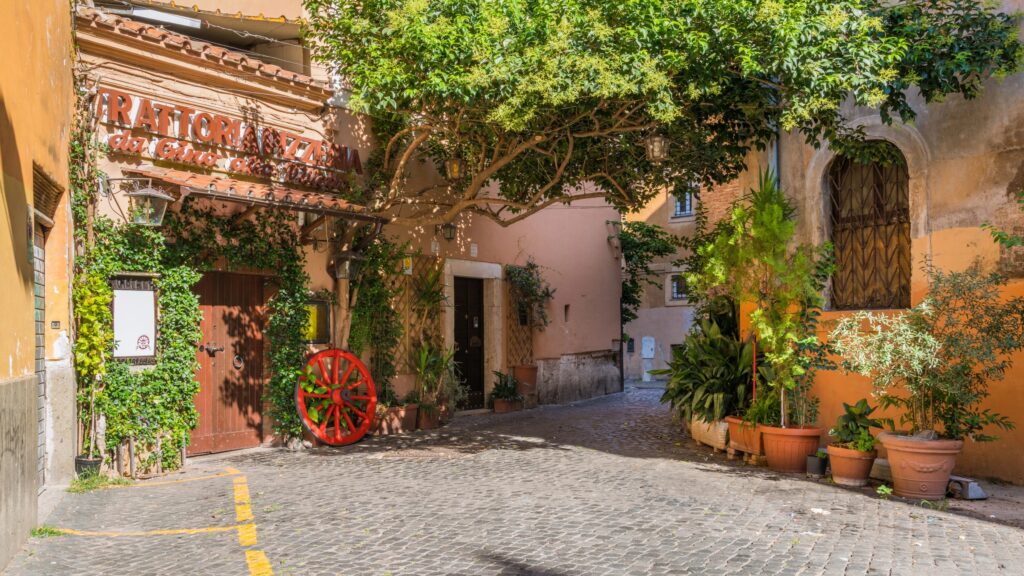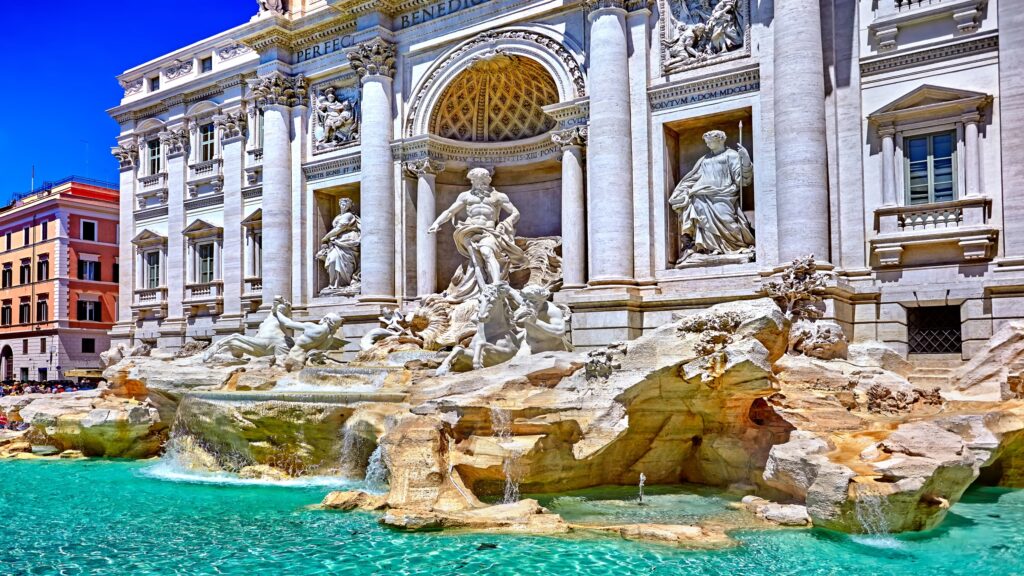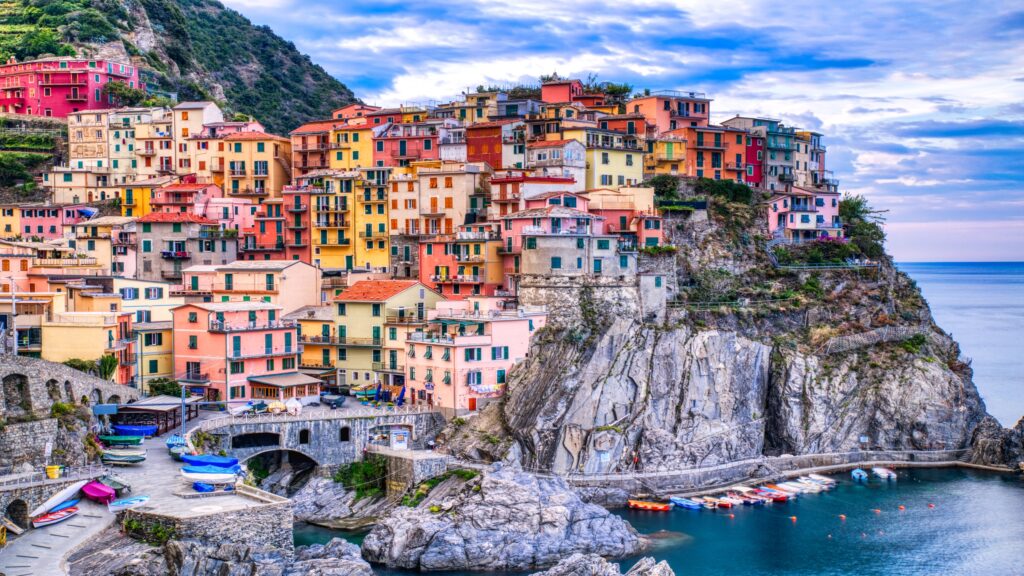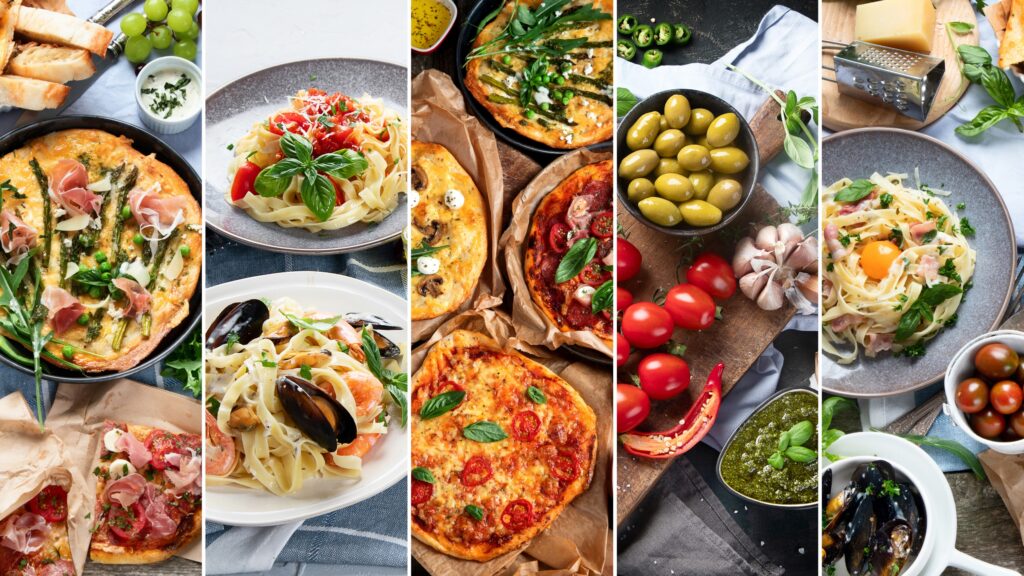

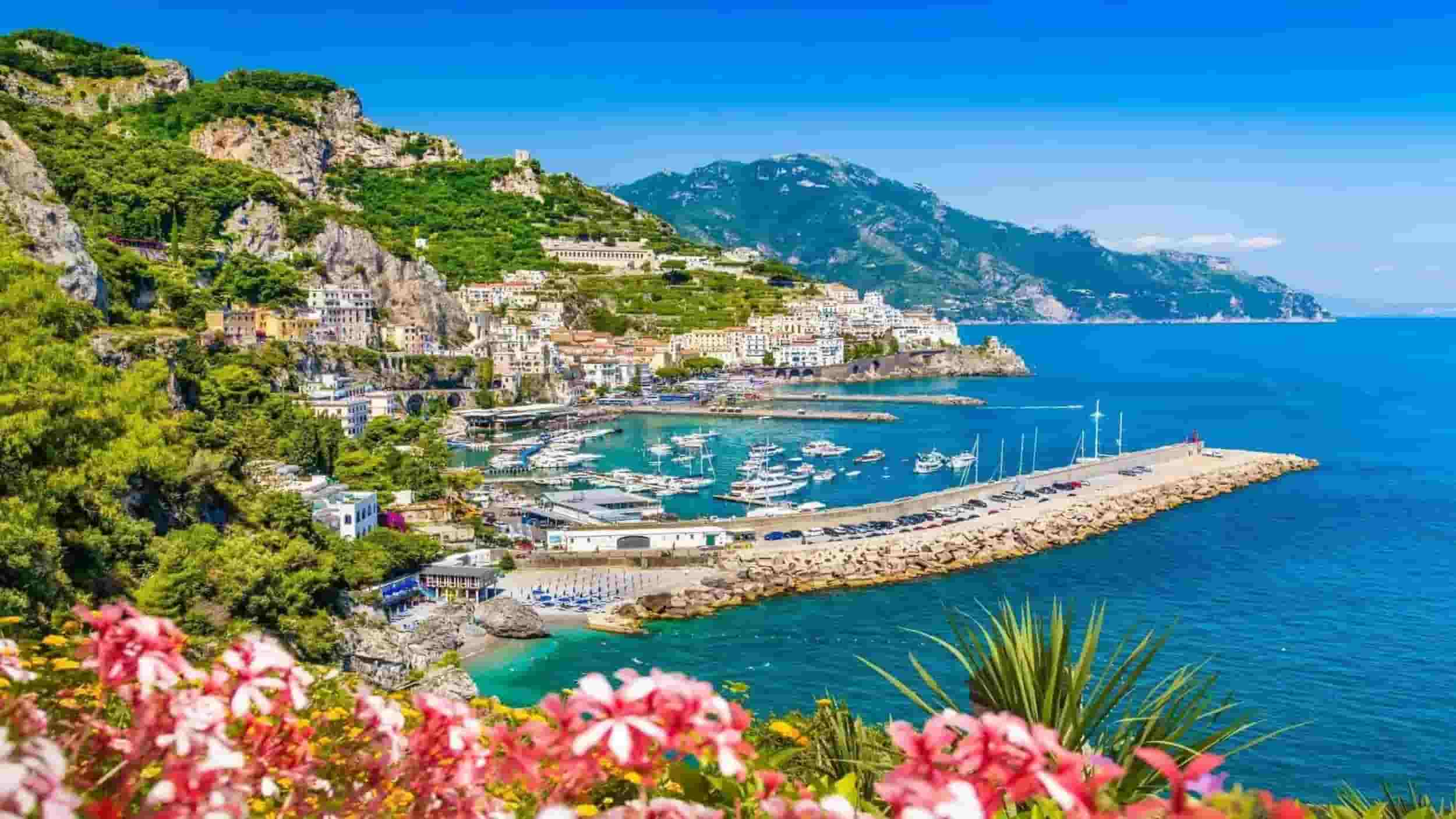
Italian customs and traditions reflect a rich blend of family values, regional culture, food rituals, and centuries-old celebrations. This guide highlights the traditions that shape everyday life in Italyfrom festivals and dining etiquette to social customs and regional differences – helping you understand what makes Itali – an culture so unique and enduring.
👀 At a Glance: Italian Customs and Traditions Quick Reference
🕐 Business hours: Most shops close 12:30-15:30 for sacred family lunch breaks
☕ Coffee culture: Never cappuccino after 11 AM – locals drink espresso standing at bars
🚶 Evening walks: Join the passeggiata between 5-8 PM for authentic social life
🍝 Dining times: Lunch is the main meal, dinner starts after 8 PM traditionally
🗣️ Greetings: Always say “Buongiorno” when entering shops – shows respect for local customs
🍷 Wine culture: Wine is always served with food, never alone in Italian tradition
🎉 Festivals: Book accommodation early during patron saint days – rooms fill quickly
🚗 Transport: Look for ZTL signs in historic centerswalking zones only for locals
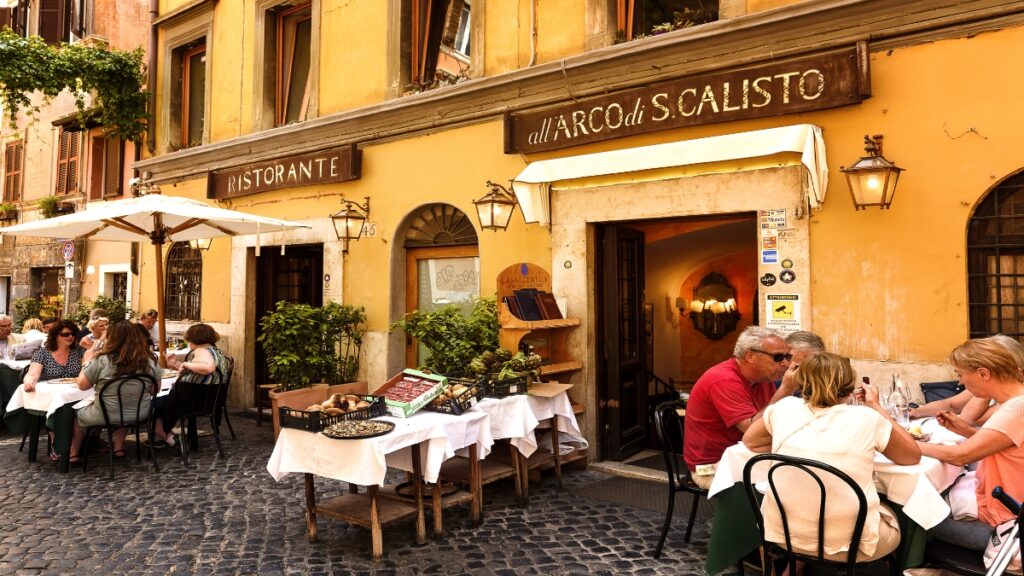
🌅 Traditional Italian Culture: Morning Gatherings in Italy’s Historic Centres
During my three months living in Florence, I discovered how Italian customs and traditions reveal themselves through swift yet meaningful social exchanges. Picture this – I’m watching marble-topped bars where the same customers meet every single morning. They share stories about Italian families and local gossip.
Here’s what I learned the hard way: these morning rituals aren’t just about caffeine. They’re the social glue of authentic local culture. Don’t make my early mistake of rushing through these connections. I can’t tell you how much these daily moments taught me about genuine life in Italy.
Top tip: Order your coffee at the bar and drink it standing up – I learned this from watching locals give tourists puzzled looks!
Discovering Authentic Local Coffee Culture
I still remember those golden mornings in piazza Santo Spirito, watching ancient customs flourish through natural rhythms. Most visitors hunt for Instagram-worthy breakfast spots, but I learned locals prefer their quick coffee rituals instead.
You absolutely must experience how friends gather at their neighborhood bars like clockwork – it’s pure magic. While some tourists prefer quiet café corners, I discovered locals absolutely love their animated morning conversations. These wonderful patterns became my daily routine.
Exploring Traditional Italian Food Culture and Southern Italian Pasta Traditions
My landlord in Naples taught me how Italian customs and traditions flow through well-practiced morning rhythms that locals treasure. I watched coffee flow freely while neighbors exchanged news about Italian families and community events with genuine enthusiasm.
The guidebooks never mention this, but I discovered traditional serving styles keep old customs vibrantly alive through daily practice. During my stay, I learned regulars visit their favourite bars daily without fail. You absolutely must understand how these morning rituals strengthen authentic community bonds.
Local attraction: Visit Caffè Florian in Venice – I spent hours there learning why it’s Italy’s oldest coffee house, established in 1720.
I learned to appreciate how morning time creates simple pleasures through coffee rituals and warm conversations between neighbors. Do yourself a favor and experience how these daily social moments strengthen community bonds through shared Italian traditions.
Most breakfasts surprised me with their lightness, yet they foster important connections naturally. During my time there, I watched regular customers greet each other warmly every single day. These cherished customs shaped my understanding of authentic Italian mornings perfectly.
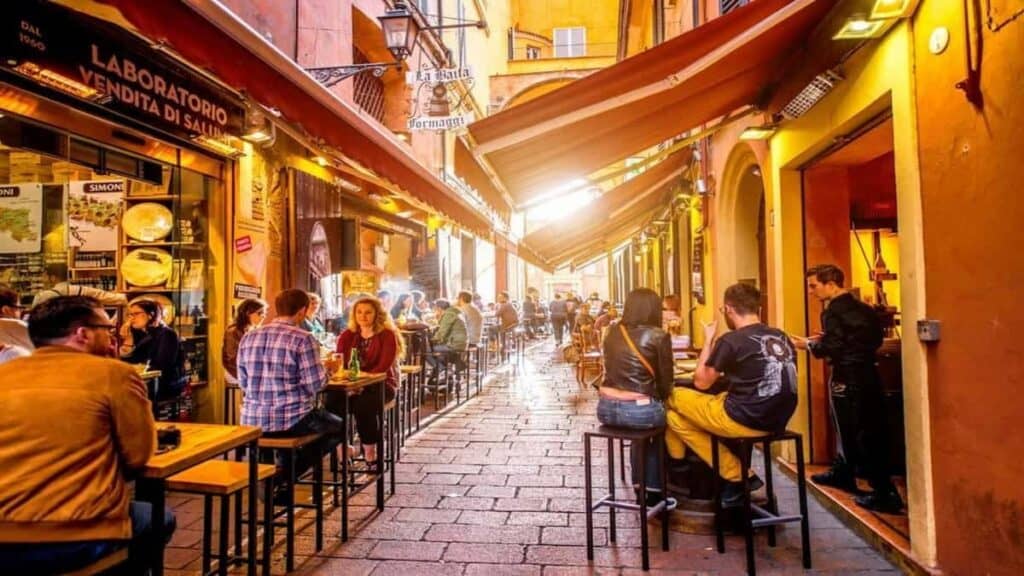
🏪 Business Hours and Midday Closures
I learned this lesson during my first week – Italian shops close for riposo between 12:30-15:30. Plan shopping using Camera di Commercio for official business hour guidelines and Confcommercio for current retail schedules across different regions and seasons.
Here’s the beautiful truth I discovered: these midday pauses protect something precious – family lunch time. During my stay with a local family in Turin, I witnessed something amazing. Shops close religiously so owners can share proper meals with their loved ones at home.
Understanding the Sacred Riposo Tradition
My neighbor in Parma showed me how shop owners maintain Italian customs and traditions through their dedication to midday breaks. Picture this – every day at 12:30, Signora Morelli closes her alimentari. She rushes home for lunch with her three generations of Italian families.
Most tourists completely miss how these practices shape the daily commerce patterns across Italy. Don’t overlook what I discovered – morning shopping brings the most lively social exchanges with locals. I can’t express how much these traditions taught me about authentic local culture flow.
Top tip: Plan your shopping between 9:00-12:30 or 15:30-19:30 – I learned this through many disappointed shopping attempts!
I used to think these schedules were inefficient until I experienced the genius behind them. Though some tourist areas bend the rules, I learned most local shops keep traditional hours religiously.
During my months exploring every region, I discovered Italians protect their lunch breaks more fiercely than anything else. While changes creep in slowly, these wonderful rhythms stay strong across Italy. These patterns taught me about true Italian priorities.
Modern Business Hours and Italian Traditional Practices
Daily life in Venice taught me how Italian customs and traditions work through careful time management that locals respect deeply. I watched local stores adapt their hours to balance tradition with modern needs each day thoughtfully.
I discovered that time-honored practices guide when shops open and close throughout Italy. During my travels, I learned merchants keep sacred time for Italian families always. You’re going to love how these cultural patterns shape business choices beautifully.
Local fact: Many family-run shops I visited have operated in the same location for over a century, passing down traditions.
I observed how business hours create natural rhythms that shape life in towns and cities with incredible consistency. Do yourself a favor and notice how these scheduled pauses help maintain important family connections through shared Italian meal experiences.
Shop owners taught me they close with careful timing to protect traditional breaks that honor centuries-old customs. During my time there, I learned owners value proper pauses for authentic Italian cuisine moments above profits. These customs keep Italian life beautifully balanced.
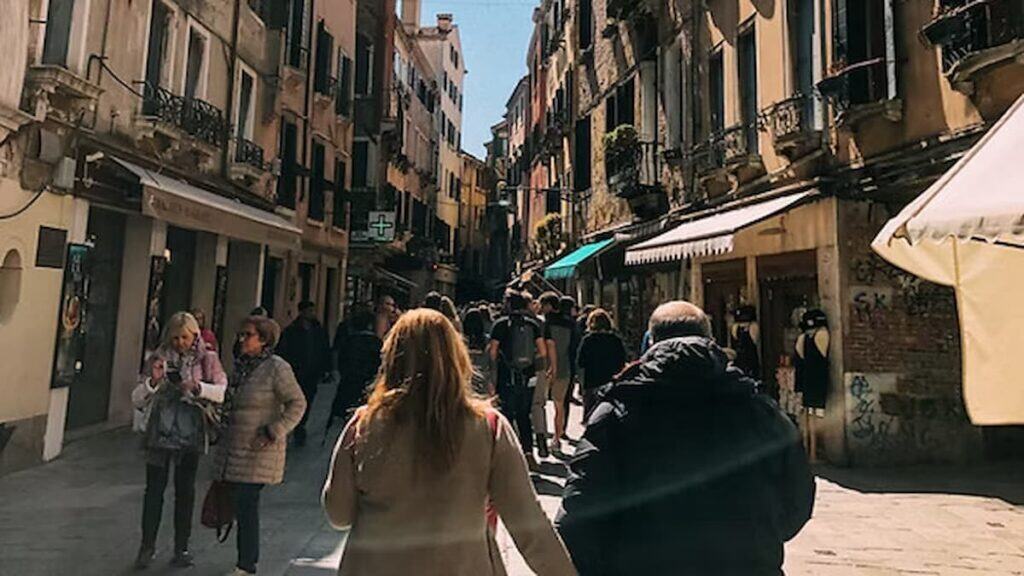
🏘️ Social Customs: Daily Life in Italian Communities
Living in Siena for two months showed me how Italian customs and traditions flow through each moment of genuine local culture. I watched people follow age-old schedules for work and rest naturally throughout charming medieval streets.
Trust me when I say life in Italy moves according to well-established patterns that I grew to love. Most locals arrange activities around these traditional times with respect that amazed me. You absolutely must understand how each day maintains these cultural rhythms.
Understanding the Evening Passeggiata Tradition
I’ll never forget discovering how Italian customs and traditions reveal themselves through carefully timed social gatherings. Picture this – every evening in my neighbourhood piazza, residents meet for walks and friendly conversation like clockwork.
Here’s what guidebooks never tell you: treasured rituals shape community bonds in ways that transformed my understanding of connection. Don’t make the mistake of thinking each area doesn’t keep its own special habits. I can’t tell you how these time-honored practices guided my daily routines.
Local attraction: Visit piazza del Campo in Siena – I spent countless evenings there watching the daily passeggiata unfold like pure magic.
Evening brought people together in streets and squares with warmth that still gives me chills. Though modern life creeps in, I witnessed how traditional social times stay strong and vibrant throughout every region.
I learned that Italians make sacred time for evening walks religiously, unlike anywhere else I’ve traveled. While some hurry home, most join these social hours with genuine enthusiasm that’s infectious. These moments build authentic community connections.
Daily Life Traditions in Modern Italian Culture
Street life in Perugia taught me how Italian customs and traditions shine through shared daily moments that locals treasure. I watched neighbors greet each other warmly during regular evening social times each day without fail.
I discovered that traditional gatherings live on through these special community moments beautifully. During my stay, I learned people pause for meaningful conversation always, even in rushed modern times. You’re going to love how these cherished practices strengthen social customs.
Interesting fact: The evening passeggiata tradition I experienced dates back to ancient times, connecting modern Italy with its rich history.
Each sunset signals treasured social hours in towns across Italy – I experienced this magic firsthand. Do yourself a favor and appreciate how these daily gatherings help maintain close connections between neighbors and friends.
I witnessed how people value these traditional social moments highly throughout every region I explored. During my travels, I learned Italians prioritize evening walks as essential daily ritual above almost everything else. These customs keep communities incredibly strong.

🗣️ Local Culture: Regional Communication Styles and Italian Language
I was completely unprepared for how Italian customs and traditions shine through unique regional communication styles. During my journey from Palermo to Verona, each region offers distinct cultural experiences. Discover authentic local attractions through ENIT Italy’s official tourism board, Regione Sicilia, and Veneto Region for verified cultural sites and opening hours.
Here’s what amazed me most: each area maintains its own social customs and gestures with fierce pride. Most regions add special touches to standard Italian language that I learned to recognize. Trust me, communication reflects deep cultural roots beautifully.
Mastering the Art of Italian Hand Gestures
My first week in Naples taught me how hand gestures show Italian customs and traditions through silent yet powerful expressions. Picture this – I’m watching Southern Italians use specific motions to add meaning to their Italian words. They do this with theatrical flair.
Guidebooks never mention how local traditions come alive through gesture and movement like living art. Don’t overlook what I discovered – each area develops its own special signals and expressions. Locals guard these jealously. I can’t express how these practices speak through motion.
Local fact: I learned Southern Italians typically use around 250 distinct hand gestures in daily conversation – absolutely mind-blowing!
Regional dialect shaped my understanding of how people express themselves in daily conversations throughout different areas of Italy. Though standard Italian prevails in business, I discovered local expressions add incredible cultural depth that enriches every interaction.
I noticed Central Italian regions differ dramatically from Southern Italy regions, which use more animated gestures naturally. While some gestures spread widely, others stay regional and unique to specific towns. These differences enrich Italian language communication magnificently.
Modern Communication Customs in Italian Heritage
Daily greetings in Naples and Bari taught me how Italian customs and traditions flow through warm social exchanges that locals adore. I learned local Italian phrases and gestures create unique patterns of daily communication beautifully.
I discovered that regional practices flourish through authentic local culture speech patterns. During my time there, I learned dialect brings people closer together more than formal Italian language ever could. You absolutely must understand how these cherished traditions preserve local culture.
Top tip: Always greet shop owners when entering and leaving stores throughout Italy- I learned this shows respect for social customs!
Each region keeps its own special ways of expressing thoughts and feelings with incredible pride that moved me. Do yourself a favor and notice how these varied communication styles help maintain distinct cultural identities throughout areas.
I witnessed how people value their regional expressions deeply throughout every region of Italy I explored. During my travels, I learned dialect marks authentic local culture pride more than anything else. These customs strengthen regional bonds beautifully.

🛍️ Italian Customs and Traditions: Service Culture
Shopping in Italy taught me how Italian customs and traditions shape every business interaction and service exchange throughout the country. In warm towns from Parma to Ravenna, I watched shopkeepers build lasting relationships with customers over generations.
Here’s what amazed me most: simple purchases become meaningful social occasions naturally through genuine care. Most local shops maintain personal connections over years that touched my heart deeply. Trust me, service creates authentic community bonds unlike anywhere else.
Experiencing Family Business Traditions
I watched shop owners demonstrate Italian customs and traditions through careful attention to each customer with incredible warmth. Picture this – in family businesses, owners remember preferences and Italian families connections across generations. They do this with photographic memory.
Guidebooks never explain how local culture practices flourish through daily commerce interactions like living theater. Don’t make the mistake of rushing through these personal touches that matter enormously. I can’t tell you how these service traditions strengthen community bonds.
Local fact: Many family-run shops I visited have served the same neighborhood Italian families for over four generations – incredible legacy!
Service means more than completing transactions in local shops and businesses throughout Italy – I learned this firsthand. Though modern life moves quickly, I discovered traditional courtesies remain incredibly important to locals always.
I learned that small shops prioritise relationships over speed in ways that transformed my shopping experience completely. While some adapt to the modern pace, most maintain treasured traditions religiously – traditions that warmed my heart. These values guide authentic Italian culture service.
Modern Service Culture in Italian Heritage
Daily exchanges in Pisa taught me how Italian customs and traditions work through thoughtful service rhythms that locals respect deeply. I watched local businesses balance efficiency with traditional social customs each day. They do this thoughtfully and skillfully.
I discovered that cherished practices live through careful service and attention in ways that impressed me constantly. During my shopping experiences, I learned personal attention matters most to Italians above efficiency. You’re going to love how these cultural values preserve authentic service.
Top tip: Take time to greet shop owners with “Buongiorno” or “Buonasera” – I learned this shows respect for local culture customs!
Each transaction I experienced builds relationships between shops and their regular customers with genuine care and attention. Do yourself a favor and appreciate how these service traditions help maintain strong community connections through daily exchanges.
I witnessed how people value unhurried, personal attention throughout every region of Italy I explored. During my travels, I learned service means meaningful conversation always, not quick commerce. These customs keep communities incredibly close.

🚶 Visit Italy: Transportation Etiquette and Expectations
Walking through Italian towns taught me incredible stories of tradition meeting modern needs beautifully. In busy streets from Modena to Padua, I followed locals on paths worn smooth by countless steps over centuries.
I discovered many residents choose bikes for longer trips across historic town centers naturally and efficiently. Most people prefer these time-tested ways through ancient streets with pride that inspired me. Trust me, old customs thrive magnificently in daily life.
Navigating Ancient Streets Like a Local
I watched people show Italian customs and traditions as they navigate through historic towns together with incredible grace. Cars remain rare in old town streets where shops line narrow cobbled ways beautifully – I learned this firsthand.
Most folks walk to complete their daily tasks and errands with purpose that amazed me constantly. The steady flow of feet and bikes fills piazza spaces at busy times naturally. These wonderful local culture ways shape how people travel each day magnificently.
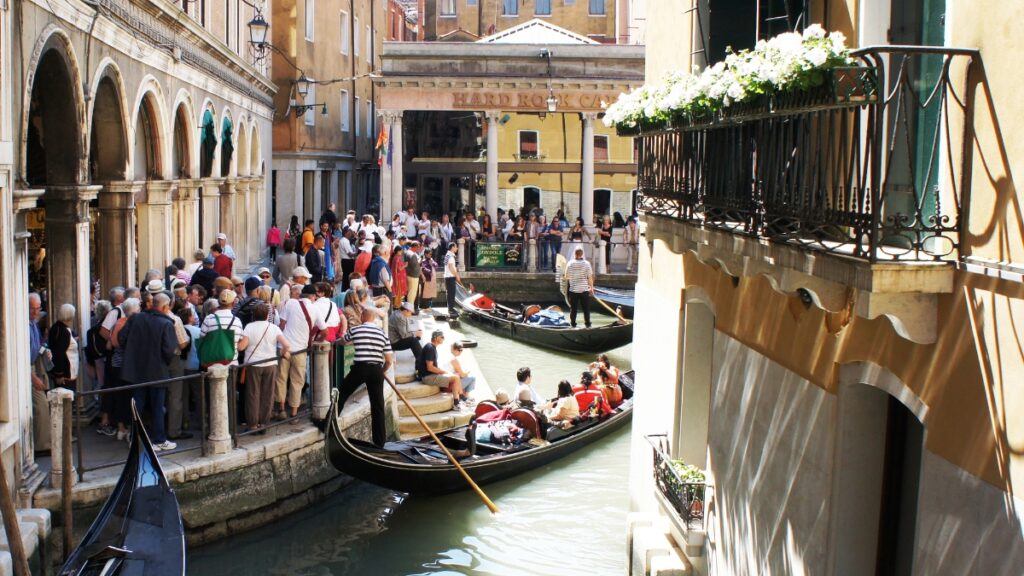
Local fact: Venice has over 400 footbridges connecting its 118 small islands – I crossed dozens during my stay there!
Streets buzz with life as groups walk to work and shops in Milan morning sunshine with energy that’s infectious. I watched friends pause for conversations on corners and in ancient market squares naturally and warmly.
Mopeds weave carefully past on the wider roads outside centers respectfully – I learned to appreciate this dance. Town layouts still work perfectly for walking and meeting neighbors daily. These patterns keep communities incredibly close.
Regional Transport Culture and Italian Traditional Practices in Sicily
Daily trips in Trieste taught me how Italian customs and traditions flow through well-worn paths that locals know intimately. I learned locals share knowledge of shortcuts through historic town centers with incredible pride and enthusiasm.
I often met friends for walks to shops and weekly markets together naturally during my stay. People choose routes that pass through quiet hidden courtyards with purpose that enchanted me. These journeys strengthen authentic community bonds beautifully.
Top tip: Look for ZTL signs in town centers – these restricted zones allow only residents’ vehicles. Check Trenitalia for train schedules and ATAC Roma or local transport authorities for current ZTL boundaries and public transport options in historic centers.
Moving through towns follows patterns created by generations of careful planning and respect for tradition that amazed me. Most people prefer walking to driving in historic Italian towns without question.
Busy markets bring neighbors together at regular times each week with excitement I loved experiencing. Children play safely in piazza squares free from traffic most days naturally. Life moves at a pace set by feet rather than engines.
🎉 Italian Christmas: Seasonal Celebrations and Christmas Traditions
I experienced how Italian customs follow seasonal rhythms that guide daily life. Plan activities using Servizio Meteorologico for official weather forecasts and Protezione Civile for safety updates during seasonal festivals and outdoor cultural events.
Here’s what I learned about timing: festivals and Christmas traditions follow nature’s pace beautifully and meaningfully. Most communities maintain seasonal celebrations year after year with incredible dedication that moved me. Trust me, customs mark time’s passage perfectly.
Understanding Religious Festival Traditions
Festival times showed me how Italian customs and traditions work through carefully planned seasonal events that bring communities together. Picture this – during summer months, I watched towns fill with evening festivals and outdoor gatherings. This happens naturally.
Guidebooks never capture how local celebrations bind communities together through shared experiences like living poetry. Don’t overlook what I discovered – each season brings its own special traditions and customs. Locals guard these protectively. I can’t express how these time-honored practices honor natural cycles.
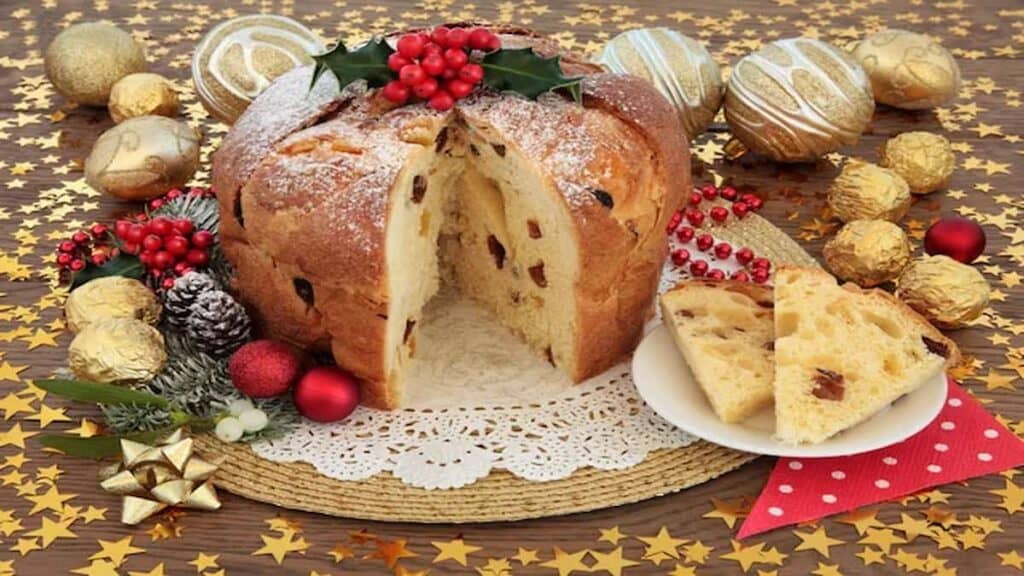
During Christmas Day celebrations, I witnessed families gather for elaborate Italian meal preparations that honor culinary heritage. Most celebrations involve multiple generations of Italian families sharing food traditions passed down through rich history.
Local fact: Many Italian towns I visited still celebrate harvest festivals that have continued unbroken for over 500 years – incredible tradition!
Seasonal changes guide how communities plan their daily activities and celebrations with incredible respect for tradition that inspired me. Though modern life brings changes, I witnessed how traditional timing stays strong across every region.
I learned that Italians embrace seasonal rhythms fully and naturally unlike anywhere else I’ve traveled. While some festivals grow, others stay intimate and authentic in ways that warmed my heart. These patterns mark genuine Italian culture life.
Modern Seasonal Practices and Italian Heritage Traditions
Local life in Vicenza taught me how Italian customs and traditions work through seasonal adaptations that honor the past beautifully. I watched communities adjust ancient customs to match current needs while honoring treasured traditions always.
I discovered that traditional practices evolve with natural rhythms in ways that fascinated me completely. During my seasonal visits, I learned activities follow natural patterns throughout areas of Italy. You absolutely must appreciate how these cherished rituals preserve seasonal wisdom.
During my time there, I attended an Italian wedding that showcased tradition and modernity blending beautifully. The ceremony honored patron saint blessings while incorporating contemporary elements that families treasured. These celebrations represent the essence of Italian celebration.
Top tip: Join the evening passeggiata (walk) between 5-8 PM – I experienced this authentic Italian culture social life magic!
Each season brings its own pace to daily life in towns across Italy with incredible consistency that amazed me. Do yourself a favor and notice how these seasonal rhythms help maintain balance between work and celebration.
I watched people plan activities around weather patterns throughout every region naturally and thoughtfully. During my time there, I learned nature guides timing for authentic Italian customs and traditions beautifully. These customs keep life perfectly balanced.
🎭Italian Customs and Traditions: Immersive Guide and Food Traditions
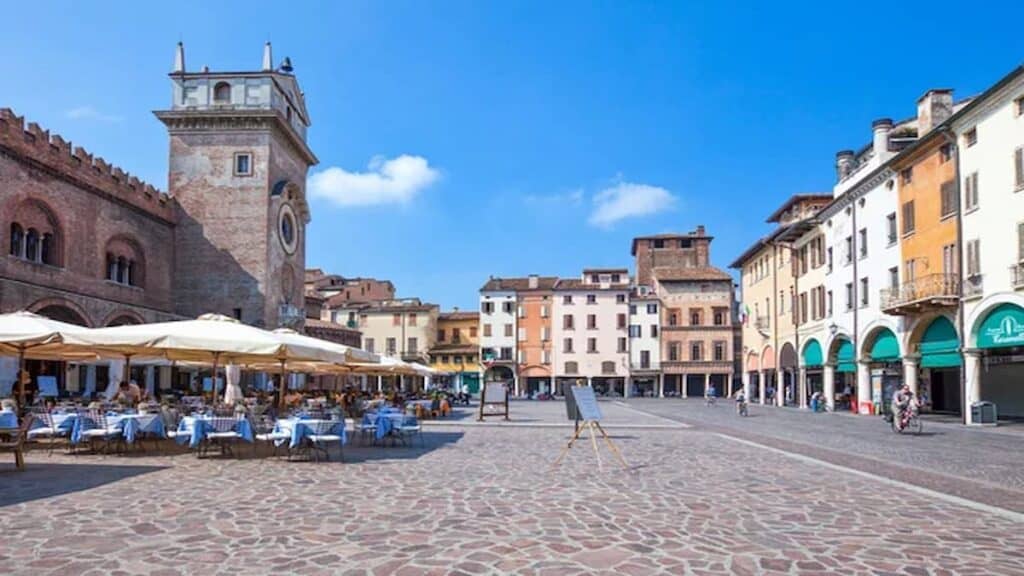
My best visits revealed Italian customs and traditions through careful planning and genuine local culture insight that transformed my understanding. In historic centers from Urbino to Mantova, I discovered festivals follow ancient calendars with incredible precision.
Here’s what I learned about timing: it shapes cultural experiences deeply and meaningfully in ways guidebooks never explain. Most towns celebrate special dates throughout the year with authentic enthusiasm that moved me. Trust me, planning helps visitors join real life in Italy.
Understanding Festival Italian Heritage Traditions and Religious Festivals
Local events taught me how timing shapes cultural experiences. Plan festival visits using Ministero della Cultura for official cultural calendars and Pro Loco for authentic local celebrations, saint day festivities, and advance booking requirements.
Guidebooks never explain how local celebrations welcome visitors naturally and warmly like family members. Don’t make the mistake of thinking each town doesn’t keep unique Italian traditions and customs that locals guard jealously. I can’t tell you how these festival practices need proper timing.
During religious festivals, I learned about the Day of the Immaculate Conception and Day of the Epiphany celebrations. These observances on January 6 and throughout Christmas time showcase the deep spiritual roots that guide Italian customs and traditions across Italy.
I discovered that celebrating the day of their patron saint creates community bonds that go back to ancient times. These traditions bring luck for the new year and honor saints that protect local communities with incredible devotion.
Local fact: Many Italian festivals I attended include historical parades with costumes that have remained unchanged for centuries – absolutely fascinating!
Festival planning requires understanding of local calendars and traditions that locals respect deeply throughout every region I explored. Though some events welcome spontaneous visitors, I learned others need advance booking unfortunately.
I discovered that real festivals follow old patterns with incredible authenticity unlike tourist shows. While big cities draw crowds, small towns stay genuine and welcoming in ways that captured my heart. These celebrations reveal true Italian culture.
Joining Local Italian Culture Activities
Town life in Viterbo taught me how Italian customs and traditions work through shared celebrations that bring people together magnificently. I learned local guides help visitors discover hidden festivals and gatherings each season with genuine enthusiasm.
I discovered that traditional festivals open doors to real experiences beautifully and meaningfully. During my festival experiences, I learned local events bring true culture and authentic connections unlike anything else. You’re going to love how these cherished celebrations reward careful planning.
During my travels, I met Italian American visitors exploring their cultural roots and discovering part of Italian American culture connections. These encounters showed how Italian roots transcend borders and create bonds across Italy and beyond.
Top tip: Book accommodation well in advance during festival dates when rooms fill quickly. Use Agenzia delle Entrate for verified tourist accommodation tax information and Federalberghi for officially classified hotels ensuring quality standards and legal compliance.
Each festival brings chances to join in age-old traditions and celebrations that locals hold dear to their hearts. Do yourself a favor and appreciate how these cultural moments help visitors understand Italian culture more deeply.
I witnessed how people welcome respectful guests at local events throughout areas of Italy naturally and warmly. During my festival experiences, I learned festivals show real tradition and authentic customs unlike tourist attractions. These experiences create lasting memories.
🍝 Italian Food: Authentic Italian Cuisine and Pasta Dining Experiences
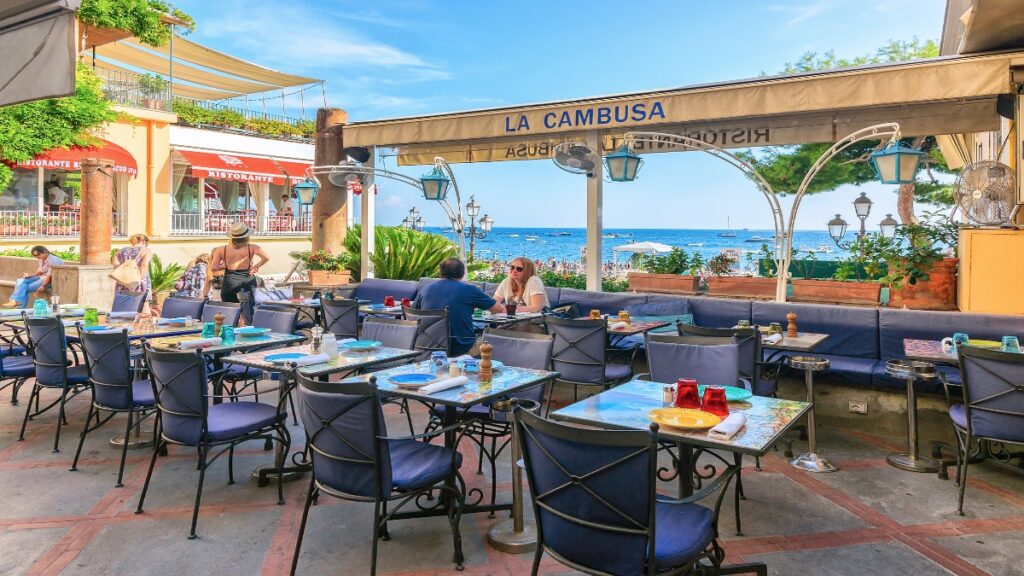
Living with Italian families taught me how daily rhythm of Italian meal customs follows traditions that shape life across every region beautifully. In historic towns from Brescia to Lecce, I watched eating bring people together at set times religiously.
Most Italian families hold firm to traditional mealtimes with incredible respect that amazed me constantly. I learned lunch remains the main Italian meal of the day always without exception. These wonderful patterns guide authentic daily life perfectly.
Understanding Traditional Meal Structure
Meal times taught me how Italian customs and traditions work through carefully planned courses and pacing that locals cherish deeply. I discovered locals never rush through meals with Italian families or friends – absolutely never under any circumstances.
Most dinners I experienced stretched over several relaxed hours with genuine enjoyment that transformed my understanding of eating. Italian food arrives in a specific order that honours tradition beautifully and meaningfully. These customs make meals special throughout every region I visited.
During my culinary heritage exploration, I learned how pasta preparation varies region to region with incredible precision. Each area guards unique Italian traditions for sauce pairings and cheese selections. Famous Italian chefs honor these religiously.
Local fact: The traditional Italian meal structure includes at least four courses: antipasto, primo, secondo, and dolce – pure culinary heritage!
Each course brings its own rules about timing and combinations of food that locals respect deeply and religiously. I learned people take time between courses for meaningful conversation and connection naturally.
Most restaurants I visited expected guests to linger and enjoy the experience fully without rushing. Meals build authentic connections between people throughout areas of Italy magnificently. These moments strengthen bonds beautifully.
Regional Dining Practices in Italian Cuisine
Local dishes in Cremona taught me how Italian customs and traditions shine through special recipes passed down through generations. I watched Italian families pass down cooking methods through generations with incredible pride and care.
Most regions guarded their Italian food traditions carefully and protectively in ways that impressed me constantly. Every town has signature dishes that mark local culture identity with fierce pride. These specialities mark authentic local culture pride beautifully.
I discovered that Northern Italian cuisine differs dramatically from Southern Italy preparations, with unique Italian dessert traditions specific to each region of Italy. The food culture reflects centuries of Italian history. It showcases the best time to visit various areas.
Top tip: Never order cappuccino after 11 AM – I learned this is considered strictly a breakfast drink in Italy through embarrassing experience!
Eating well meant following local customs about Italian food and drink pairings that locals respected deeply and religiously. I learned people choose dishes that match each season throughout every region naturally and thoughtfully.
Most meals I experienced ended with local digestive drinks that aided digestion beautifully and traditionally. Every region adds unique touches to traditional Italian cuisine preparation that fascinated me. These traditions define authentic Italian culture dining.
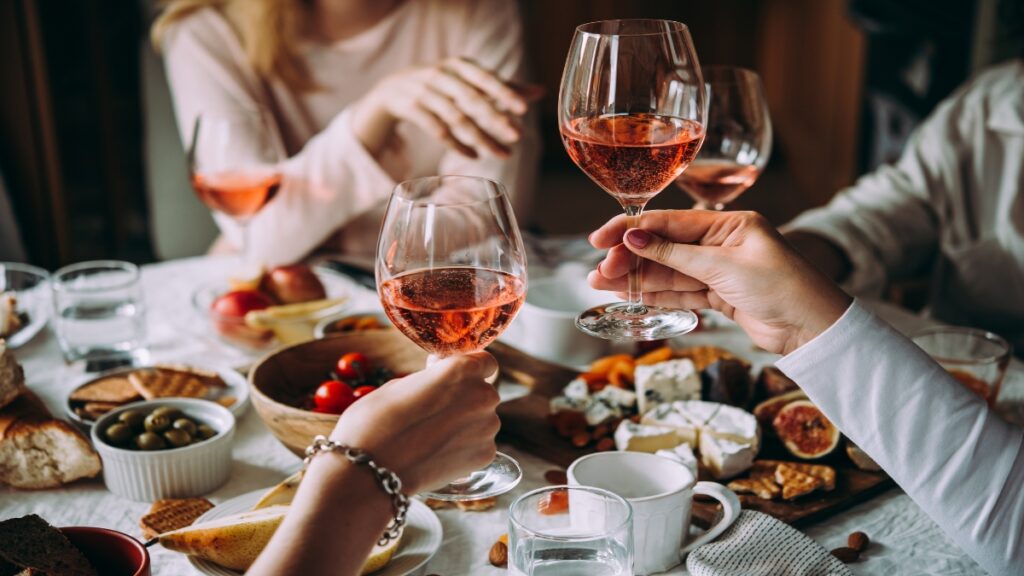
🍷 Italian Heritage: Wine Culture and Vineyard Social Gatherings
Exploring vineyards taught me how wine story of Italy flows through centuries of local culture customs and regional pride beautifully. In ancient towns from Barolo to Montepulciano, I discovered wine shapes daily life naturally and meaningfully.
Most locals knew their regional wines well throughout areas of Italy in ways that amazed me constantly. Vineyard landscapes mark the countryside with incredible beauty and tradition that captured my heart. These traditions guide wine choices magnificently.
Discovering Regional Wine Traditions
Wine choices taught me how Italian customs and traditions work through careful pairing with local culture food preparations beautifully. I learned people select wines based on regional cooking styles throughout every region with incredible expertise.
Most meals I experienced included local culture wine varieties that complemented dishes perfectly and harmoniously. I discovered Italian families often make their own wine using traditional methods passed down through generations. These practices preserve authentic wine culture magnificently.
During vineyard visits, I learned about the stroke of midnight harvest traditions and unique Italian traditions that guide wine production. The official language of wine appreciation varies region to region. This creates a rich tapestry of knowledge.
Local fact: Many Italian families I met still maintain small private vineyard operations that have been in their families for generations – incredible heritage!
Each region keeps its own rules about which wines match certain dishes best throughout areas of Italy religiously. I learned people acquire wine customs from early years through Italian families naturally and beautifully.
Most restaurants I visited serve house wines from nearby vineyard sources with incredible pride and passion. Local culture grapes tell regional stories through taste and tradition that moved me deeply. These choices reflect authentic tradition perfectly.
Modern Wine Culture and Italian Customs
Daily life in Montalcino taught me how Italian customs and traditions work through wine service that locals respect deeply and religiously. I discovered local culture bars serve wines at proper temperatures throughout every region consistently and skillfully.
Most people I met enjoy wine with Italian food only, never alone traditionally and respectfully. Every region guards its wine heritage with incredible pride and protection that impressed me. These habits shape authentic drinking culture beautifully.
I learned basic Italian wine terminology and Italian words that help appreciate the customary practices surrounding wine service. Understanding Italian phrases enhances the experience of visiting Peter’s Square area vineyards. It also enhances traditional establishments.
Top tip: Wine in Italy is traditionally served with food – I learned drinking wine alone is uncommon in authentic Italian culture!
Wine knowledge passes down through Italian families like precious family recipes with incredible care and respect that touched me. I witnessed people respect regional wine boundaries throughout areas of Italy. They do this naturally and meaningfully.
Most towns I visited claim special local culture varieties that mark their unique identity with fierce pride. Vineyard operations follow ancient methods that honor tradition beautifully and respectfully. These customs keep wine culture pure.
The Islands of Sardinia and Sicily produce unique wines that reflect their distinctive terroir and heritage. From Easter in Italy celebrations to Easter Monday gatherings, wine remains central to authentic social customs throughout the year.