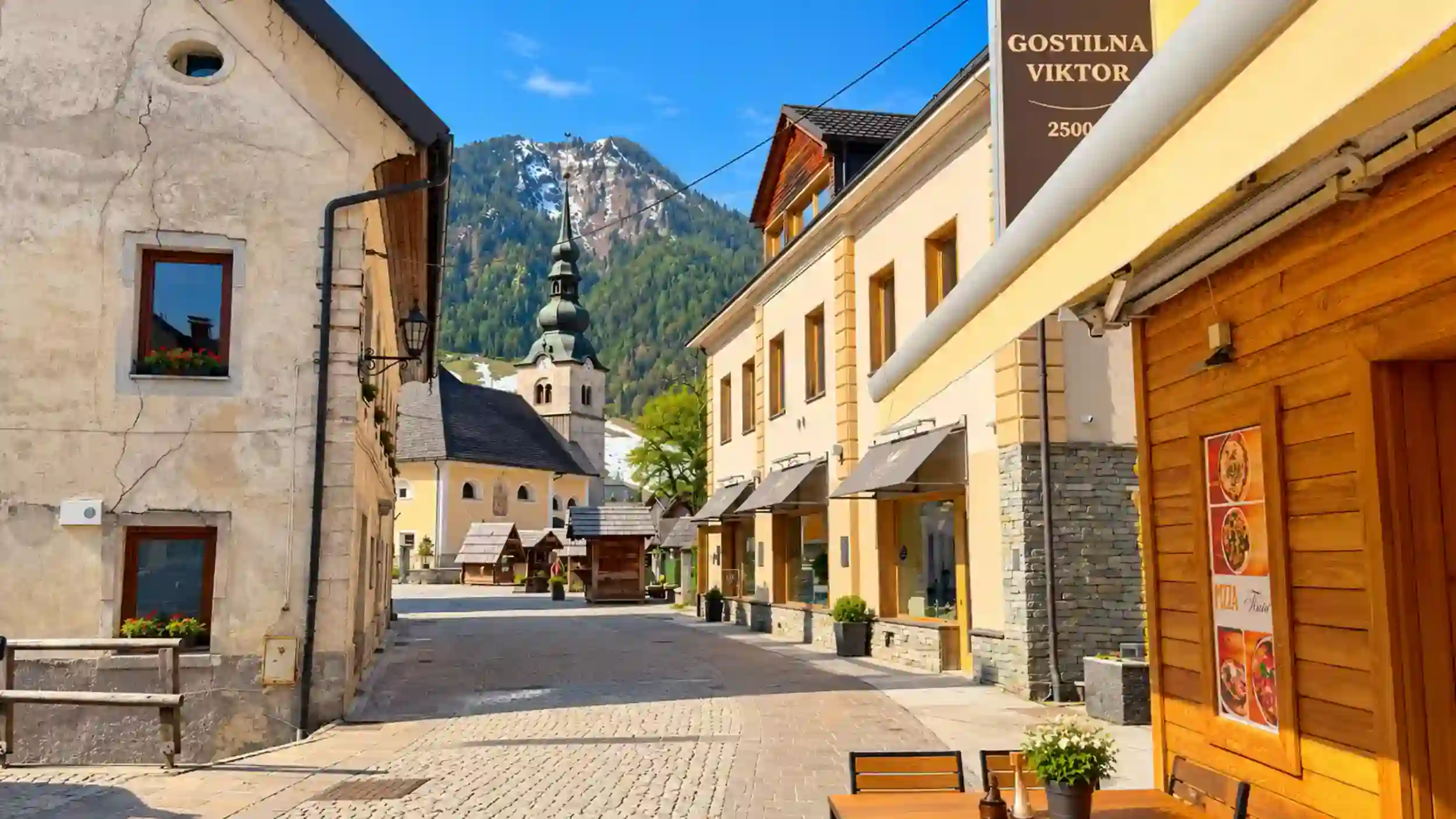
Do you need a car in Kranjska Gora? No, not if you stay centrally and mainly want to explore the village, Lake Jasna and nearby attractions. A car becomes much more useful for Vršič Pass, remote hiking trailheads and day trips across the wider Julian Alps, Italy or Austria.
I had expected a mountain holiday to make a car almost essential. Once we arrived, that assumption disappeared quickly. We walked around Kranjska Gora, headed out to Lake Jasna and left the keys behind far more often than I expected.
🚶 When Can You Visit Kranjska Gora Without a Car?
Yes. If you stay centrally and plan to explore Kranjska Gora, Lake Jasna and the immediate surroundings, I don’t think you need a car.
Once we had unpacked, the keys stayed put more often than I expected.
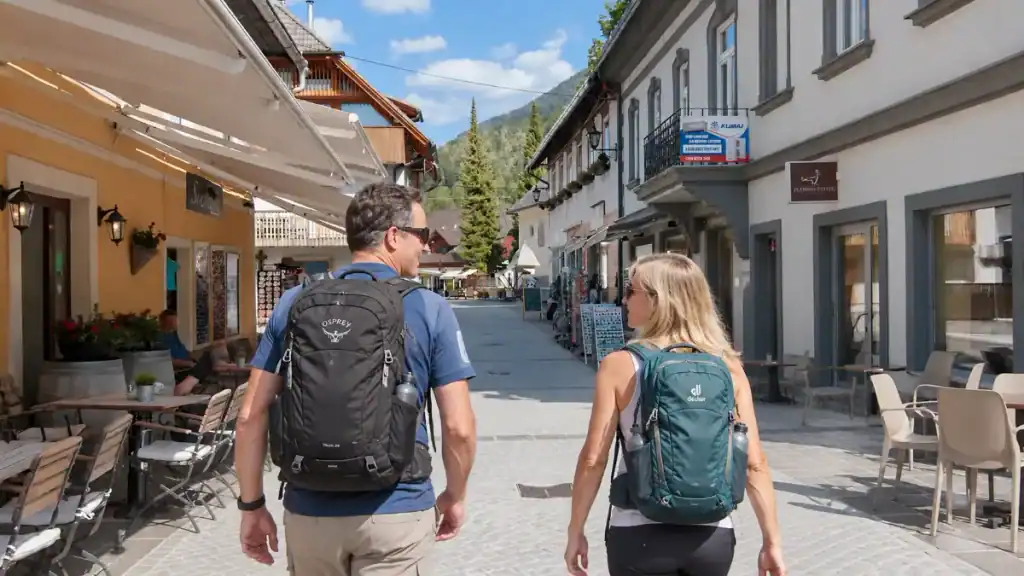
Restaurants, cafés and shops were close enough that driving around the centre felt unnecessary. After a day in the mountains, I liked being able to leave the car where it was and walk out again for dinner.
This matters particularly if you are staying centrally. A well-positioned accommodation base can put the village centre, restaurants and local walks within easy reach without private transport.
Walking also suited the place. Leaving the compact centre on foot meant the mountains and open surroundings gradually took over, rather than appearing only after we had parked somewhere else.
Can You Walk From Kranjska Gora to Lake Jasna?
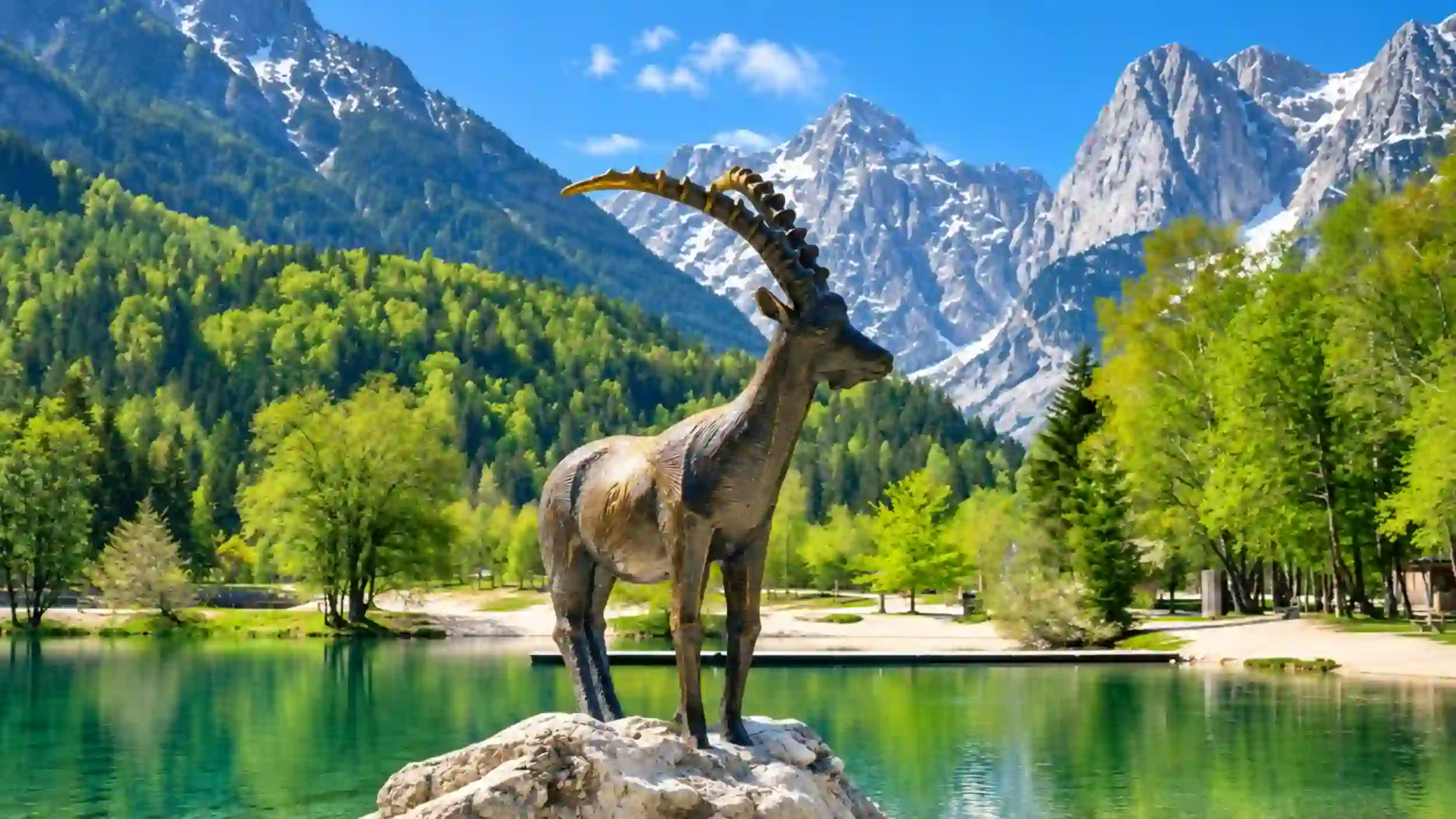
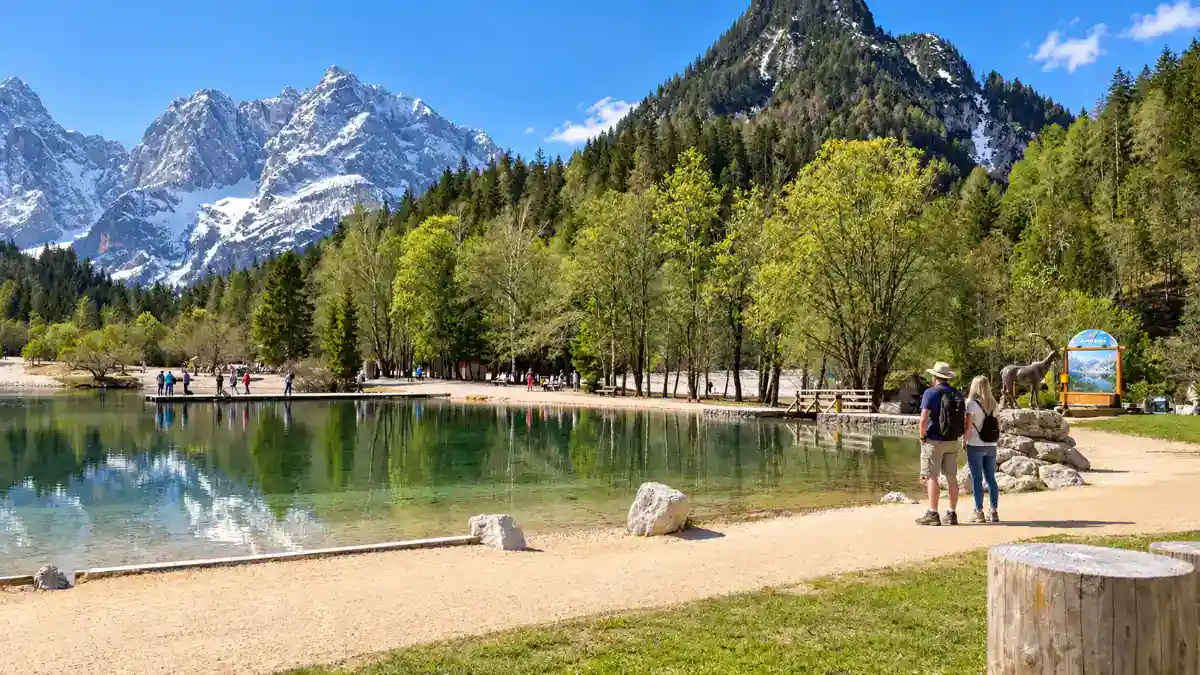
Yes. Lake Jasna is close enough to Kranjska Gora to make walking a realistic alternative to driving.
We walked out of the village and let the journey become part of the outing. No parking. No timetable. Just the road opening towards clear water and mountains.
Driving would have saved some effort, but I think it would also have made the visit feel more like another stop. That was when I realised a short break built around the village, Lake Jasna and local walking could easily leave a hire car sitting still for most of the holiday.
That changes once your plans begin spreading further along the valley and into the mountains.
My Quick Car-Hire Decision
| 🗺️ My Plans | 🚗 Would I Hire? |
|---|---|
| 🚶 Village + Lake Jasna | No |
| 🌿 Zelenci + Planica | Optional |
| 🏔️ Vršič + scattered trailheads | Probably |
| 🗺️ Wider Julian Alps day trips | Yes |
🚌 Can You Get Around Kranjska Gora Without a Car?
Yes, particularly if you stay centrally and keep most of your plans around Kranjska Gora. Walking covers the village and immediate surroundings, while buses and cycling can take you further without automatically needing a hire car.
Kranjska Gora does not have a railway station. The nearest is Jesenice, around 20 km away, where you can continue to Kranjska Gora by bus or taxi. Once we were there, everyday movement was the easy part.
I would not hire a car merely to get around Kranjska Gora itself. The calculation changes when several dispersed places, early starts or spontaneous changes become important to the same trip.
Summer makes travelling without a car easier. Seasonal buses extend the places you can reach, including services towards Planica, Zelenci, Mojstrana and Vršič. I would still check the current timetable before building an itinerary around them, as seasonal services do not run year-round.
You Lose Spontaneity Before You Lose Access
The weakness appeared when our plans stopped behaving themselves.
It was rarely a simple question of whether we could get somewhere. The irritation was losing control over when.
A clearing sky made us want to stay longer. A poor forecast made us want to leave earlier or change direction completely. That is when a timetable starts to feel less like transport and more like a restriction.
A relaxed traveller spending several days in the area may barely notice. Someone trying to combine several locations in a short stay is much more likely to.
Can You Get From Kranjska Gora to Lake Bled Without a Car?
Yes, so I would not hire a car solely for a trip to Lake Bled. I would check the current bus connections and treat it as a straightforward return journey rather than paying for a hire car just for that day.
The calculation changed when I imagined adding another stop or staying until the light improved. Then the car was no longer simply saving time; it was giving the day back to us.
🌿 Do You Need a Car for Zelenci and Planica?
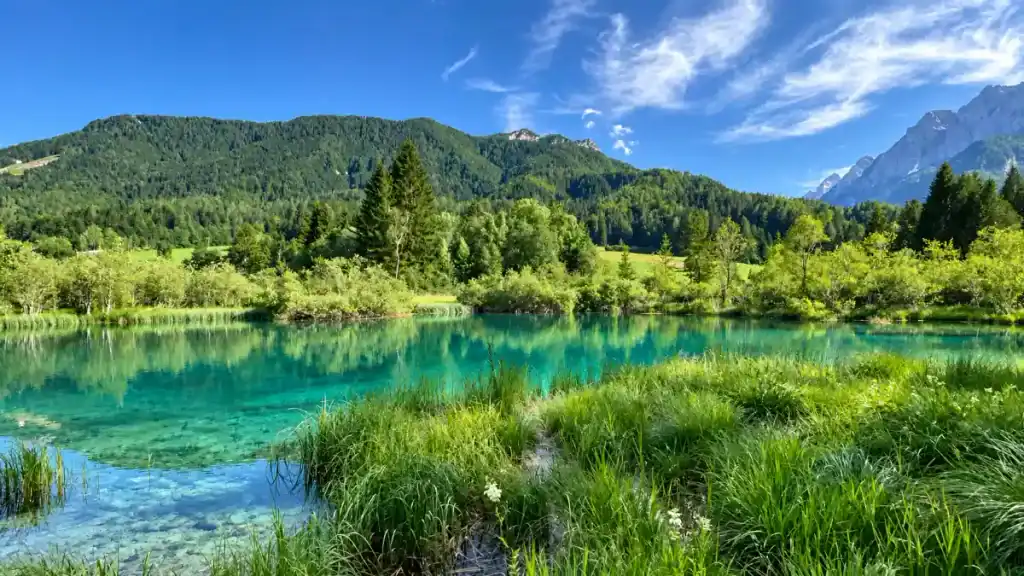
Not necessarily. Zelenci and Planica are both outside Kranjska Gora, but they are still manageable without a car if you are happy to walk, cycle or use available public transport.
On an unhurried day, I could happily make the journey part of the experience. Cycling or walking farther suited the landscape and made having a car feel less important.
On a tighter day, that changed. I wanted to arrive, explore and move on without organising the day around transport. Having the keys in my pocket suddenly mattered.
For me, that puts Zelenci and Planica somewhere between the easy car-free exploring around Kranjska Gora and the much stronger case for a car once you start heading towards Vršič and more scattered parts of the Julian Alps.
🚗 HOW THE CAR DECISION CHANGES
🚶 Kranjska Gora and Lake Jasna: a car is rarely necessary.
🌿 Zelenci and Planica: manageable without one, but a car gives you more flexibility.
🏔️ Vršič and wider regional exploring: having a car makes a much more noticeable difference.
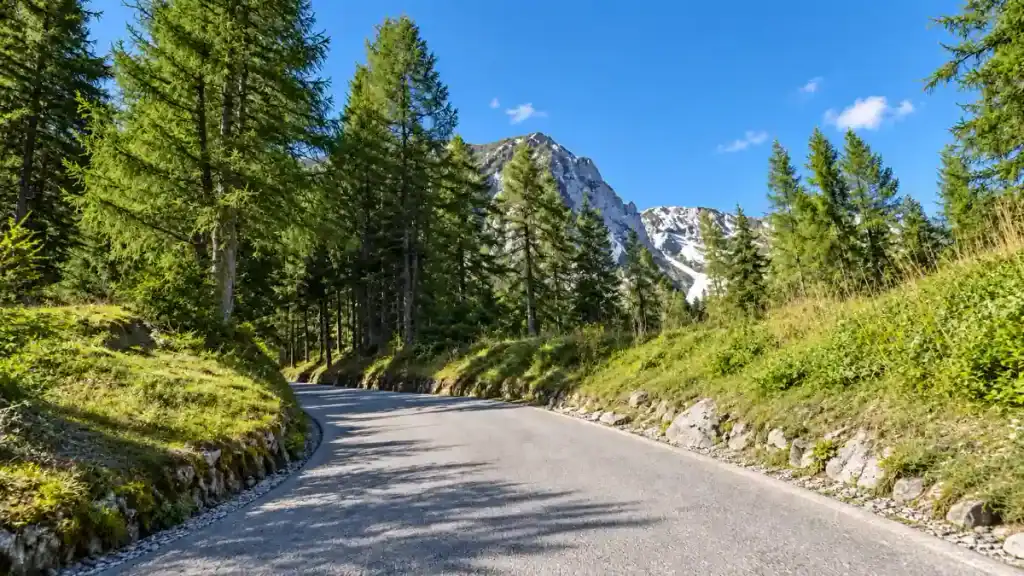
🏔️ Do You Need a Car for Vršič Pass?
No, a car is not essential for visiting Vršič Pass when seasonal public transport is running, but this is where I found having one considerably more useful.
Vršič is where the case for having a car becomes considerably stronger.
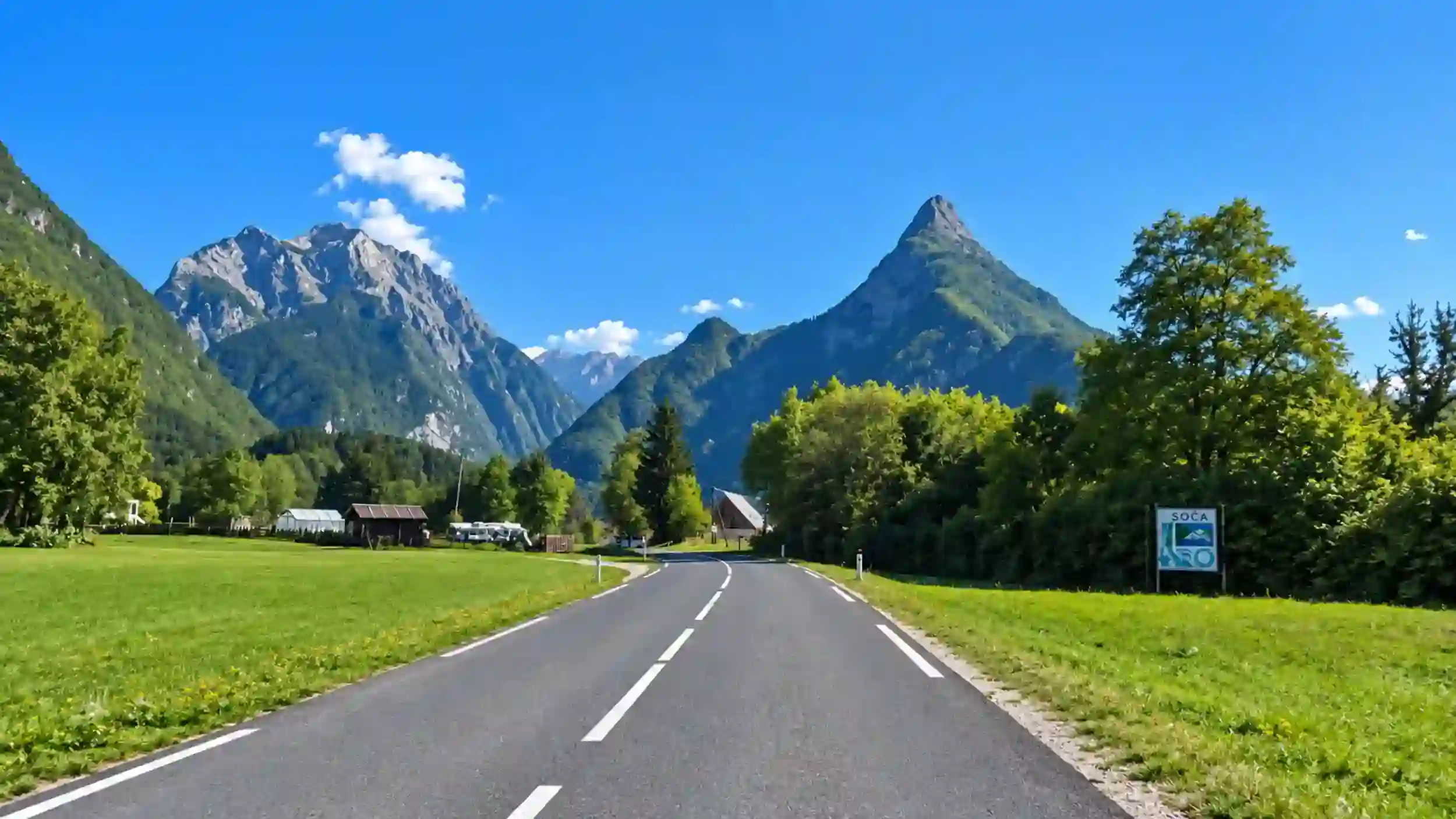
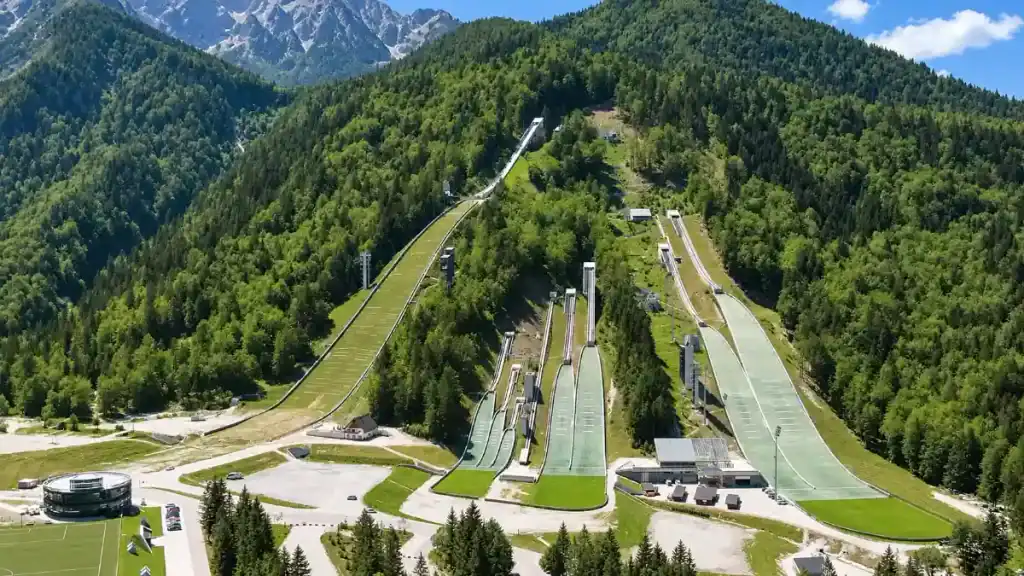
Vršič settled the argument more decisively. As we climbed away from Kranjska Gora, the resort disappeared behind us and the road itself became part of the experience. I kept wanting to stop whenever a view opened between the trees or another bend looked worth a pause.
For the first time, the car felt genuinely useful rather than merely convenient.
We stopped when something caught our attention and stayed when the conditions improved. Seasonal public transport can get you to Vršič, but it cannot provide the same freedom to stop along the mountain road or change your plans.
Driving has its own disadvantages. You take on traffic, parking, cyclists, mountain roads and seasonal road conditions yourself.
For me, the advantage wasn’t simply reaching Vršič Pass. It was being able to experience the journey at our own pace. The stops along the road are part of the attraction, which is why this is one outing where I would miss having a car most.
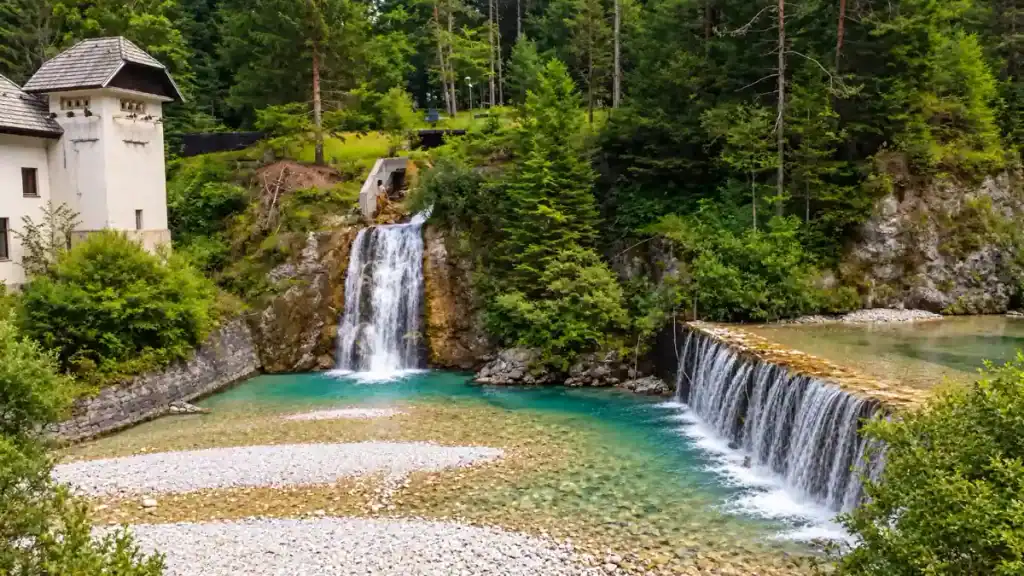
🥾 Do You Need a Car for Hiking in Kranjska Gora?
Not always. If most of your walks start in or close to Kranjska Gora, a car may add very little. Its value increases once your plans involve several different trailheads.
Early starts were useful, but I cared more about the end of the walk. I didn’t want the final bus sitting in the back of my mind while we were still enjoying the trail. When low cloud made one direction look miserable, having the car also meant we could change plans without losing the day.
That flexibility mattered more than I expected. A route that looked sensible over dinner could look pointless under low cloud at breakfast, and having a car gave us more options when mountain conditions changed.
A Car Does Not Remove the Practical Problems
Popular trailheads can become busy, particularly in summer, and arriving by car does not guarantee convenient parking.
🥾 THE HIKING TRADE-OFF
🚫 A car does not mean: easier hiking or guaranteed parking.
🚗 What it does mean: greater control over where and when you start, in exchange for taking responsibility for driving and parking.
For an itinerary involving several trailheads, I think a car offers a genuine advantage. If I were mainly doing walks from Kranjska Gora itself, I probably wouldn’t bother.
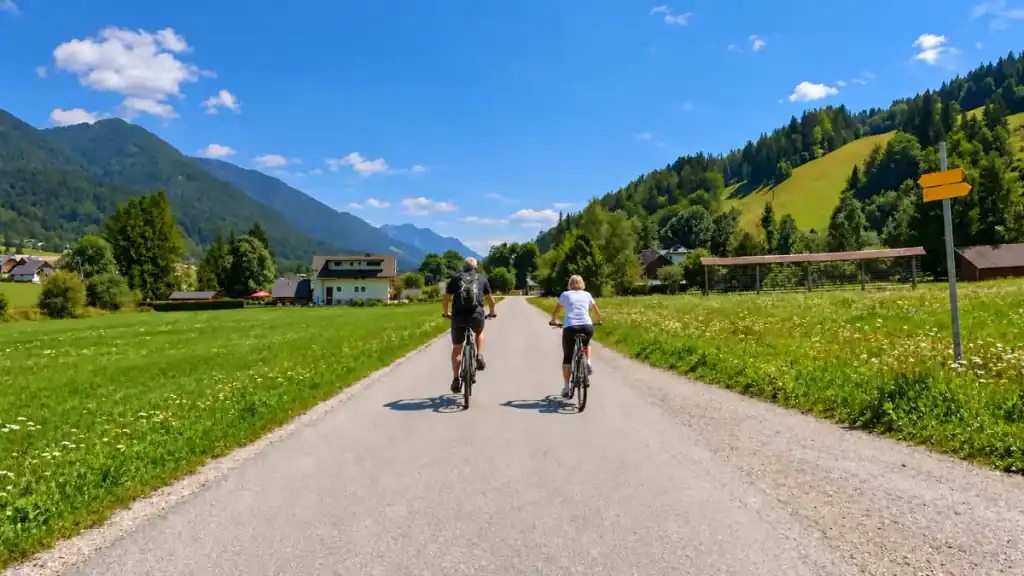
☀️ Why I Would Value a Car More in Summer
Summer was when I noticed the car earning its keep. Our plans kept spreading farther from the village.
Hiking, cycling, Vršič, nature reserves and regional day trips can all become part of the same stay. The more of those you combine, the more useful independent transport becomes.
A car adds flexibility for early starts, less frequently served places and days when you want to combine several locations rather than make one outing and return.
Cycling can partly offset that advantage.
For active travellers, journeys that would otherwise require transport can become part of the day’s experience. That makes a car-free summer holiday considerably more realistic than simply looking at distances on a map might suggest.
But the broader your itinerary becomes, the stronger the case for having your own vehicle.
How the Car Decision Changes by Season
| 🌦️ Trip Style | 🚗 My Car Verdict |
|---|---|
| ☀️ Active summer exploring | Much more useful |
| 🥾 Multiple hiking trailheads | Strong advantage |
| 🚲 Cycling-focused summer | Less essential |
| ❄️ Central ski holiday | Often unnecessary |
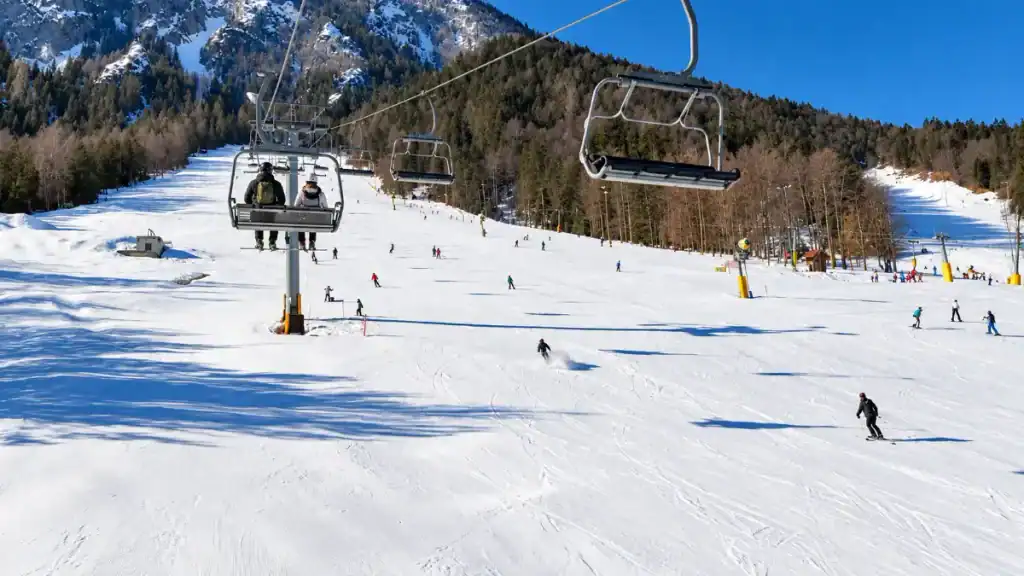
❄️ Why I Might Skip the Car on a Ski Holiday
Winter changes the calculation.
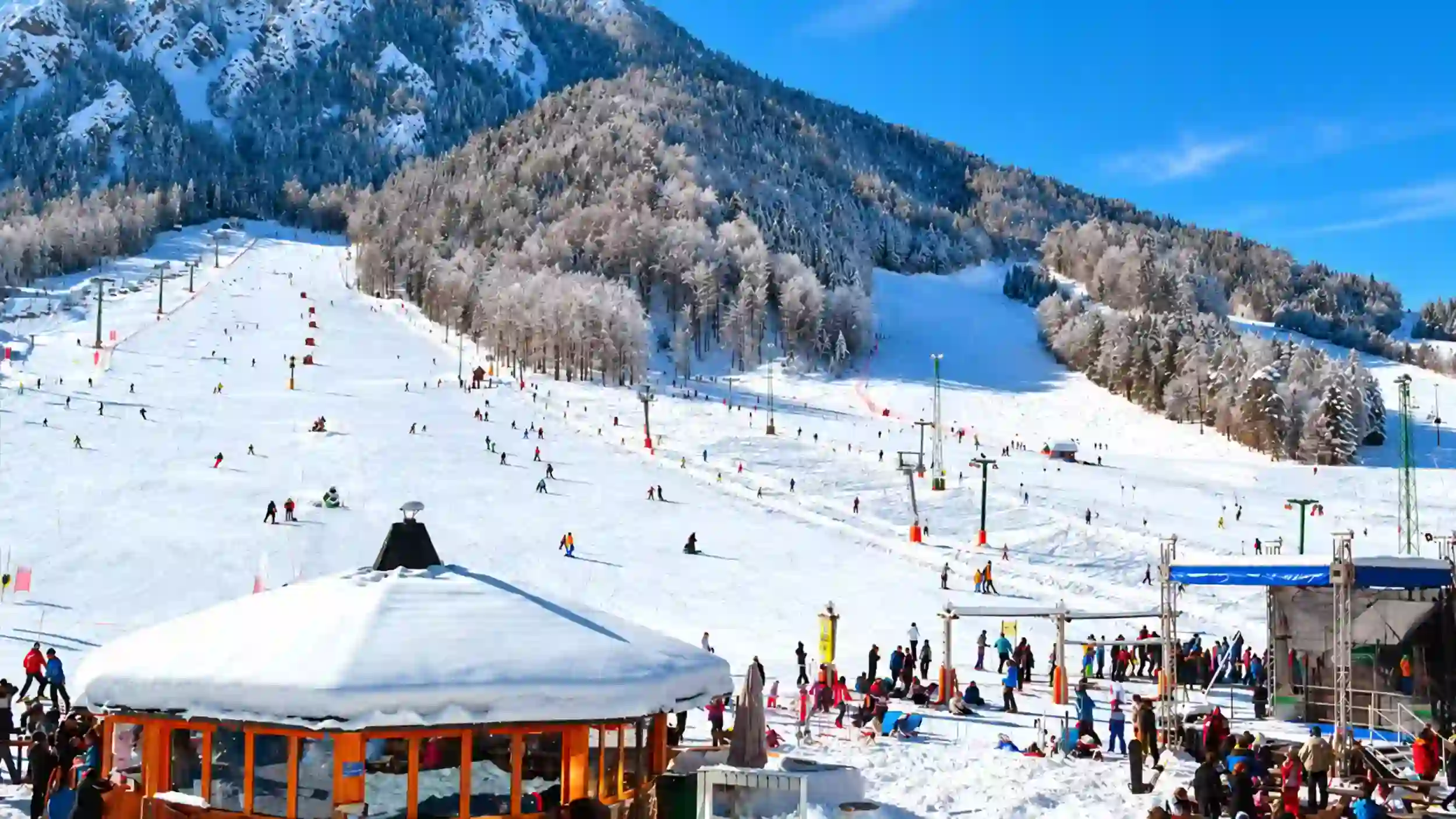
For a central ski holiday, I reached almost the opposite conclusion. If the slopes were the reason we had come, paying for a car to sit outside while we walked to the ski area made little sense.
I also would not miss scraping ice, thinking about snow or driving unfamiliar mountain roads in winter. In that version of the trip, not having a car could actually remove friction.
This is why accommodation location matters so much.
A skier staying close to the slopes may have very little use for a car during an ordinary day. Someone using Kranjska Gora as a winter base for exploring much further afield faces a different decision.
For a focused ski holiday, staying in the right place can be more useful than hiring a car.
For a central stay, I therefore would not hire a car simply to reach the Kranjska Gora ski slopes. Choosing accommodation within easy reach of the ski area removes much of the need for daily driving, parking and dealing with winter road conditions.
🅿️ What I Would Trade for the Freedom of a Car
The strongest case for hiring a car is not sightseeing within Kranjska Gora.
It is the flexibility I gain beyond it.
What If I Want Day Trips into Italy or Austria?
Italy or Austria would push me back towards hiring. Part of the pleasure for me would be the freedom to leave early, take a detour because something looked interesting and return when we were ready. Once a cross-border day starts being built around connections, it becomes a different sort of trip.
You can leave earlier, return later, combine several places and respond more easily when weather or plans change.
But every one of those advantages comes with the other side of having a vehicle.
You need somewhere to park. Busy seasonal periods can make popular locations more awkward. Mountain roads require more attention than ordinary town driving, and winter adds another layer of consideration.
I also learned not to confuse having options with needing them. If we spent most of the holiday walking around Kranjska Gora, a hire car would simply be an expensive object sitting outside the hotel.
That leads me to a better question than simply asking whether a car would be useful:
Will having one materially change what I can do?
If the answer were no, I would see little reason to hire one simply because Kranjska Gora is an Alpine destination.
🎯 Who I Think Actually Needs a Car
If I went back for a relaxed stay centred on the village, Lake Jasna and local walks, I would arrive without a car and not worry about it.
The same applies to many winter visitors staying close to the slopes.
I would hire once the itinerary depended on movement rather than simply benefiting from it.
Several different hiking trailheads, early starts, Vršič, wider Julian Alps exploration or trying to fit multiple locations into one day all strengthen the case.
Families carrying equipment may value the convenience more than a couple travelling lightly. Photographers wanting to be somewhere at a particular time may value it more than travellers happy to work around buses.
So there is no single traveller profile for whom a car is universally necessary.
What matters is how much control over my movements the holiday requires.
Would I Hire a Car as a Solo Traveller?
Travelling alone would not, by itself, persuade me to hire one. As a solo traveller staying centrally, walking and public transport can avoid the cost and responsibility of a car I may barely use. I would make exactly the same decision around the itinerary: local sights and nearby walks favour staying car-free, while remote trailheads, Vršič and frequent regional day trips favour hiring.
Who Would I Tell to Hire a Car?
| 👤 Traveller | 🚘 My View |
|---|---|
| 🎿 Central resort skier | Skip it |
| 🚶 Local walker | Probably skip it |
| 🥾 Ambitious hiker | Worth considering |
| 📷 Photographer chasing light | Very useful |
| 👨👩👧 Family carrying equipment | Useful convenience |
| 🗺️ Regional road-tripper | Hire one |
🏁 My Final Verdict: Do You Need a Car in Kranjska Gora?
No. That was one of the assumptions the trip overturned for me.
Staying centrally and walking to Lake Jasna showed me that being car-free here can feel simpler, not restrictive.
The balance shifts as you move outward.
Zelenci and Planica require a little more planning. Different hiking trailheads make independent transport increasingly useful. Put Vršič and wider Julian Alps exploration near the centre of your itinerary and a car starts delivering a genuine advantage.
By the end, my rule was geographical rather than ideological:
Inside Kranjska Gora and its immediate surroundings, I would rarely consider a car essential.
Beyond Kranjska Gora, I think it can become a major advantage.
That is a better basis for deciding than assuming that a mountain holiday automatically requires a hire car.