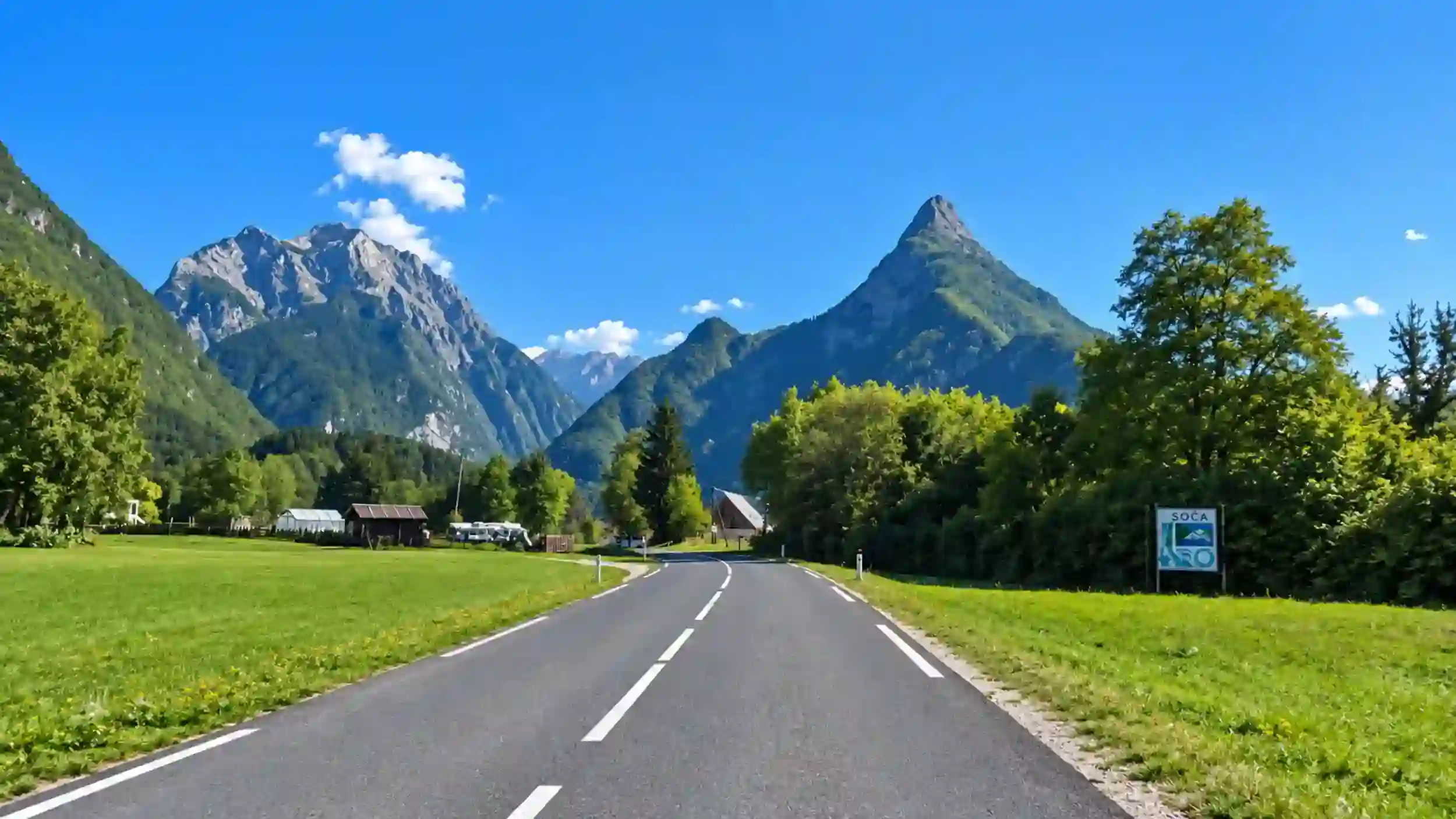
Is Vršič Pass worth visiting? Yes, especially for the mountain scenery, viewpoints and the drive itself. I would allow around half a day from Kranjska Gora, giving myself time to stop along the road and turn back if poor weather stripped away the views.
I had expected Vršič to be a scenic drive with one big payoff at the top. Instead, the forest thinned, the mountains closed in and every few bends gave us another reason to slow down. I soon realised the climb itself was as much a part of the experience as reaching the pass.
🏔️ The Road Started Earning the Trip Almost Immediately
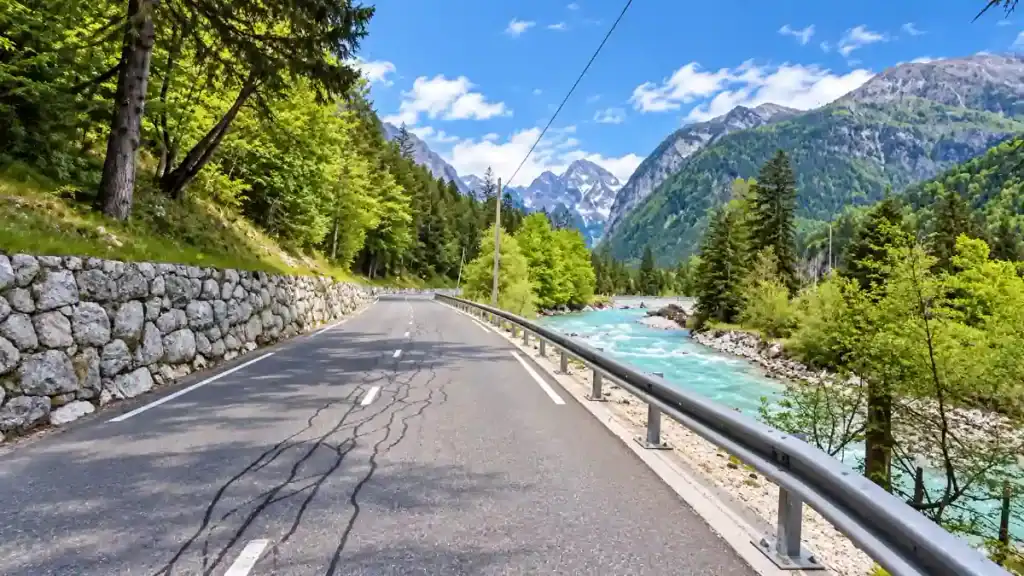
Leaving Kranjska Gora, I was surprised by how quickly the resort atmosphere disappeared. We had barely settled into the drive before the road began feeling properly Alpine rather than like a connection between two places.
That changed the way I judged the outing. Instead of asking whether the summit view would justify the time, I started noticing the sequence: forest, hairpins, steeper slopes and increasingly open mountain scenery.
For someone who enjoys mountain roads or photography, that progression is the reason to go. If I only had a few hours and no real interest in the journey itself, I would spend the time closer to Kranjska Gora instead.
🏔️ When I Would Go
📷 Clear weather: the changing views make the road worthwhile.
🚗 You enjoy mountain driving: the hairpins become part of the experience.
🌧️ Heavy cloud: I would wait if I had another opportunity.
😬 Mountain roads make you tense: I would take the bus or skip it.
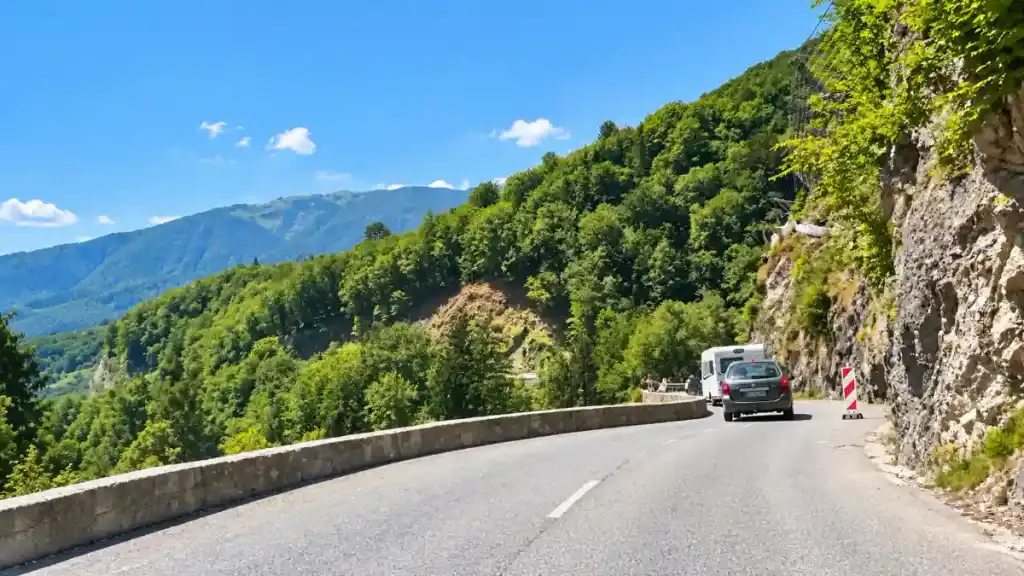
⏱️ Half a Day Gave the Road Room to Breathe
How long should you allow for Vršič Pass? I would give it around half a day. Two to three hours can cover the drive and a few selected stops, but that leaves less room for traffic, parking or simply staying somewhere because the view is better than expected.
I noticed how quickly small pauses added up. A stop at the Russian Chapel, another viewpoint, a few minutes outside the car because the mountains suddenly opened up. None felt like wasted time, but on a rushed schedule they would have.
That is why I would not try to squeeze Vršič into a precise two-hour slot. Half a day turns the interruptions into part of the experience instead of something I am constantly trying to recover from.
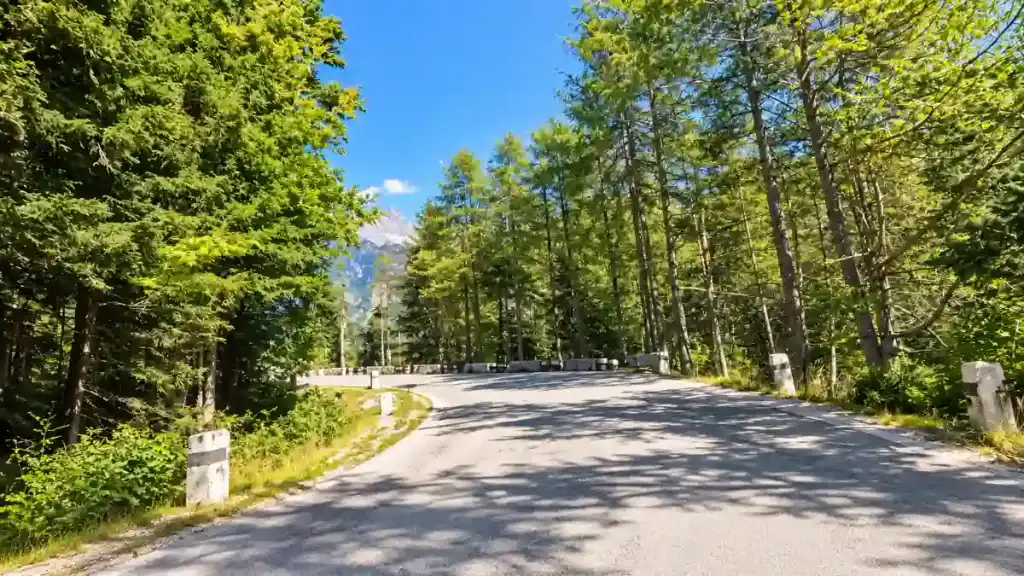
🔄 The Hairpins Changed From Novelty to Part of the Character
The famous 50 hairpins sound almost gimmicky before you drive them. On the road, they shape the whole rhythm of the climb.
I liked that. Each bend slowed the journey down and kept changing the angle of the landscape. It felt much more like a mountain road than a fast route to a viewpoint.
There is friction too. Cyclists, tight corners and slower vehicles demand attention, and anyone who dislikes steep roads could easily spend more time thinking about the next bend than looking at the mountains.
The road never felt like something that needed to be conquered. Driving patiently made more sense than trying to maintain a pace it clearly did not want.
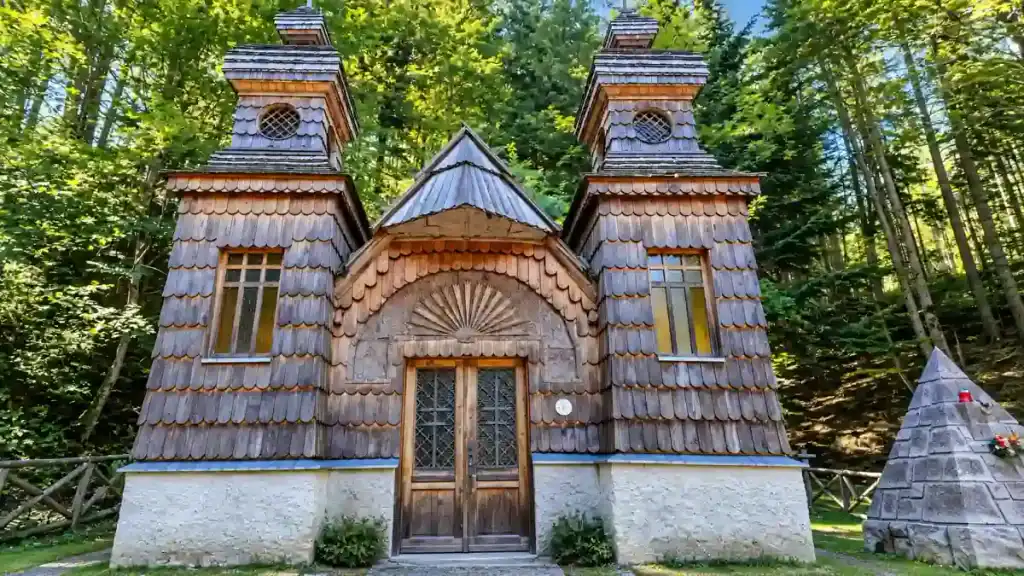
⛪ The Russian Chapel Worked Best as a Pause, Not a Box to Tick
The Russian Chapel is a stop I would make again, but not because every Vršič visit needs a checklist of attractions.
What I liked was the interruption. We got out of the car, slowed the climb and experienced the surroundings without a windscreen in front of us. That made the road feel less like continuous driving.
The same logic applied to viewpoints. I did not need to stop at all of them. A few good pauses were enough to make the changing landscape feel like something we had actually spent time in.
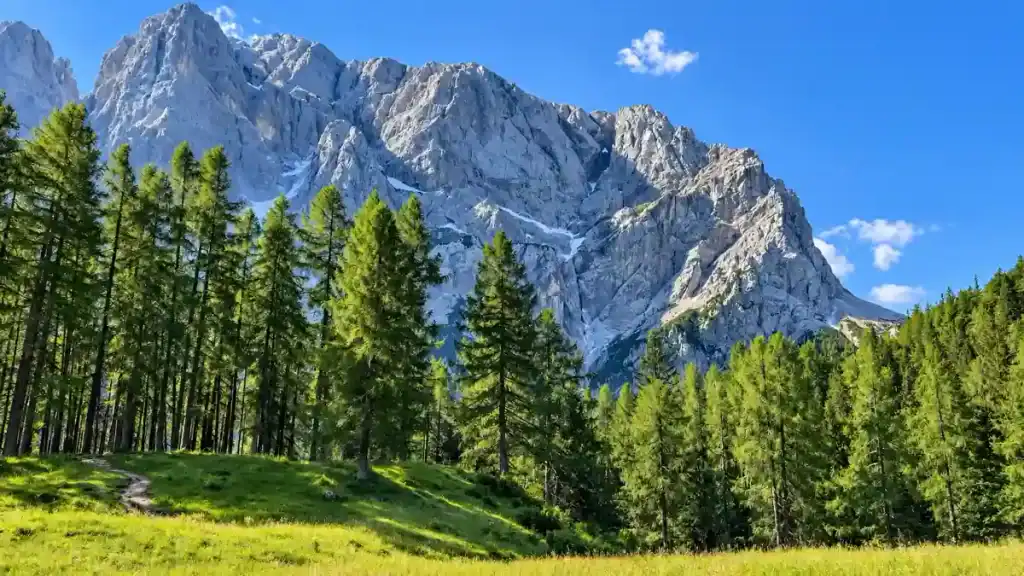
🚗 Driving Gave Me the Freedom the Road Deserved
Should you drive or take the bus to Vršič Pass? I would drive if mountain roads do not bother you. What I valued was not simply reaching the pass. It was deciding when to leave, where to stop and how long to stay.
That freedom mattered more than I expected. One viewpoint might be busy, another almost empty. A patch of cloud could lift. The light could improve. Having the car meant we could respond to those small changes rather than watch the timetable instead.
Can You Take a Bus to Vršič Pass?
I can see the bus being the better choice for a nervous driver. Someone else handles the bends, and travelling without a car does not make Vršič impossible.
The trade-off is spontaneity. I would accept that if the driving itself was going to make the day stressful.
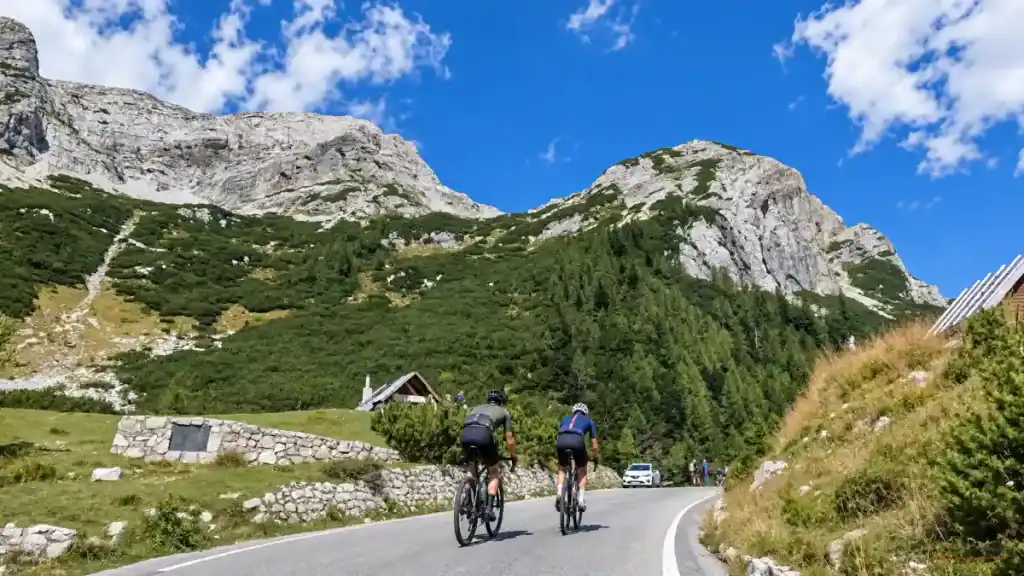
🚴 I Would Only Cycle Vršič Pass If I Wanted the Climb More Than the Views
Is Vršič Pass worth cycling? Yes, for a strong cyclist who wants a serious mountain ride. I would not choose a bike simply as an alternative way to sightsee.
The sustained ascent, traffic and weather make the climb demanding enough that fitness and confidence become part of the experience. For the right rider, reaching the pass under their own power could be the most satisfying version of the day.
If my main aim was to look around, take photographs and walk at the stops, the car or bus would make more sense. I would rather save my energy for the landscape than spend the whole climb proving something to myself.
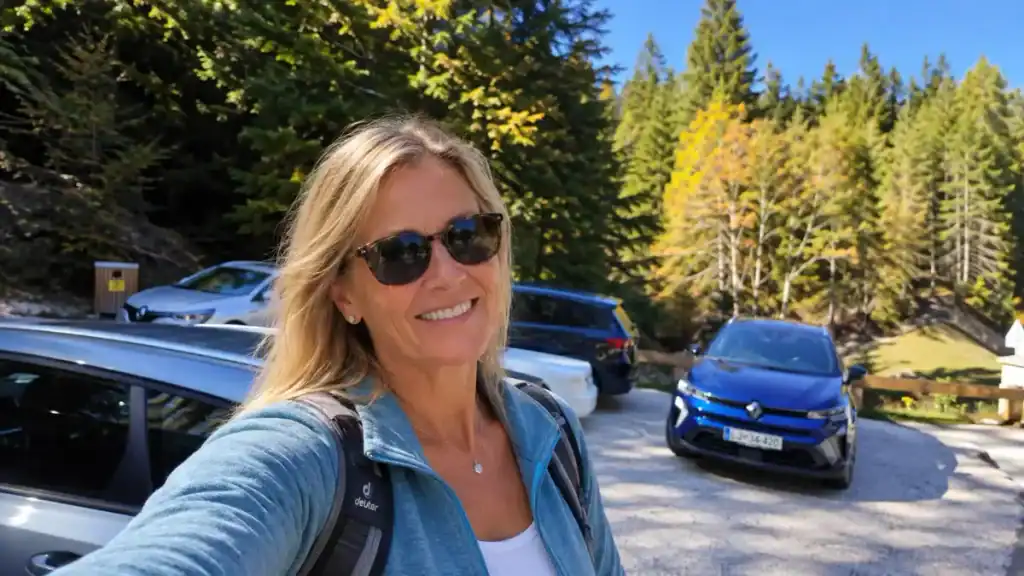
🅿️ Summer Crowds Were the Friction I Would Plan Around
Is Vršič Pass busy in summer? Yes, and that affects the experience more at the stopping places than on the road itself.
Everyone wants to do the same thing: pull over when the view opens up. That is where limited parking becomes noticeable.
Starting earlier makes more sense to me than trying to make the day faster. On a quieter morning, the road has more space to feel scenic. Later, part of my attention shifts from the mountains to finding somewhere sensible to stop.
The views do not suddenly become worse. The day simply requires more patience.
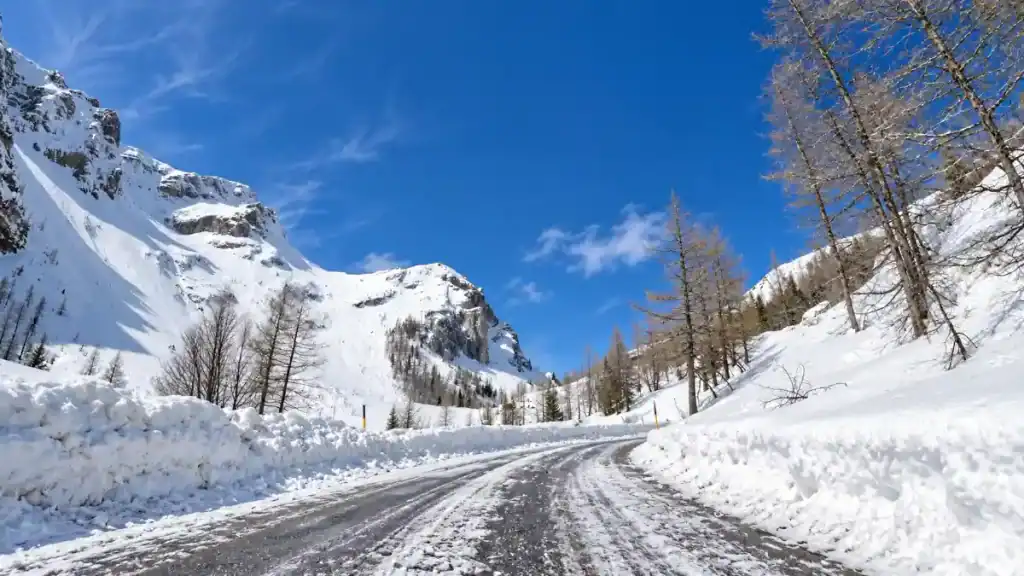
🌨️ Winter Is the One Time I Would Let the Road Decide
Is Vršič Pass open in winter? Not reliably. Snow and mountain conditions can restrict or close the road, so I would never build a winter itinerary around guaranteed access.
This is where I would resist the temptation to force the plan. The pass can look frustratingly close to Kranjska Gora on a map, but that distance means very little if conditions make the road unsuitable.
If Vršič was a major reason for my trip, I would think about the best time to visit Kranjska Gora before booking rather than hope the mountain behaved on one fixed winter day.
👨👩👧 With Kids, I Would Judge the Hairpins Before the Scenery
Is Vršič Pass worth visiting with kids? Yes, if they cope well with winding roads. I would break the drive with short stops rather than expect a child to appreciate a long scenic journey from the back seat.
The Russian Chapel and viewpoints help because they give the day shape. Get out. Stretch. Look around. Then continue.
A child who gets carsick would change the decision completely. Fifty hairpins can wipe out the value of the scenery very quickly. In that case, an easier outing near Kranjska Gora would probably give everyone a better day.
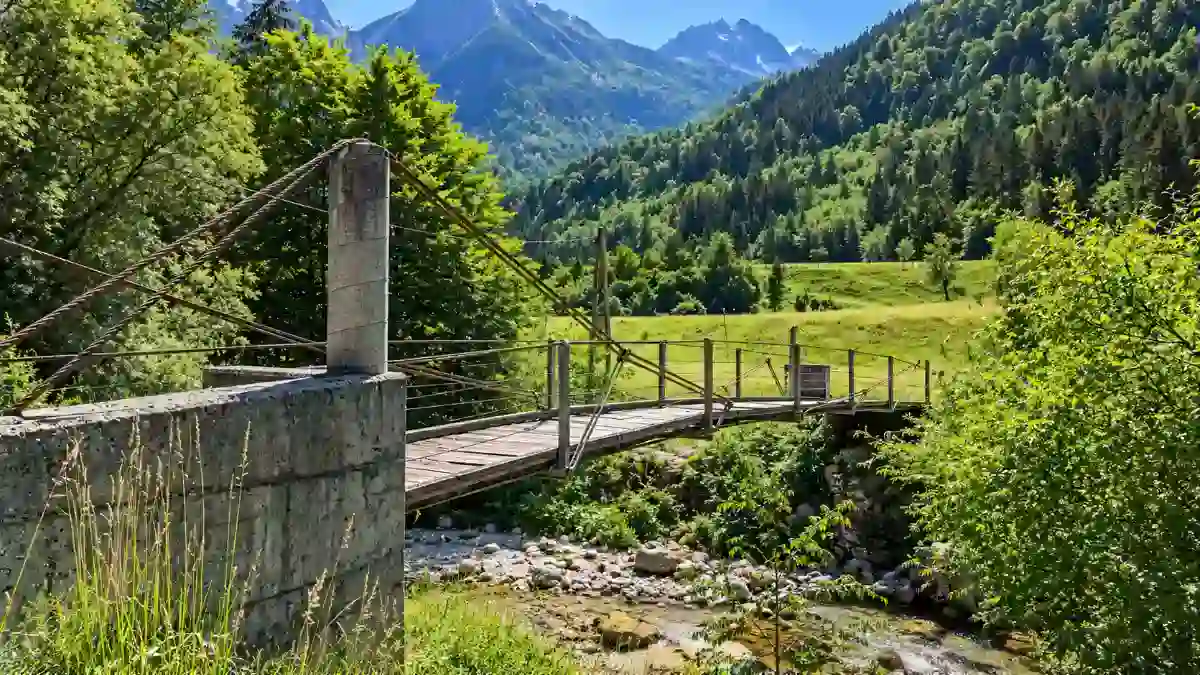
🌊 Continuing Into the Soča Valley Made Sense Only as a Deliberate Choice
Should you continue into the Soča Valley after Vršič Pass? I would if the valley was already something I wanted to experience. I would not carry on simply because the road continued.
Is It Worth Continuing From Vršič Pass Into the Soča Valley?
Turning around at the pass still gives the full climb, the hairpins, the changing scenery and the stops. For a half-day trip from Kranjska Gora, that is enough.
Continuing changes the scale of the day. Vršič becomes the gateway rather than the destination, and the drive starts asking for much more time.
I would keep going if the Soča Valley was high on my Slovenia list or fitted naturally into a road trip. If I was already tired of the bends, I would turn back without feeling that I had somehow failed to complete the route.
🤔 The Days I Would Skip Vršič Pass Altogether
Poor visibility is the easiest reason for me to postpone the pass. So much of the reward comes from the mountain scenery that heavy cloud can remove the very thing I came for.
I would also skip it on an extremely tight day or if mountain roads caused genuine anxiety. Taking the bus removes the driving pressure, but not the elevation or the bends themselves.
Vršič suits travellers who actively enjoy mountains, scenic roads and photography. I would not recommend it strongly to someone who is indifferent to scenery and simply wants another famous place to say they have seen.
🏁 My Vršič Pass Verdict
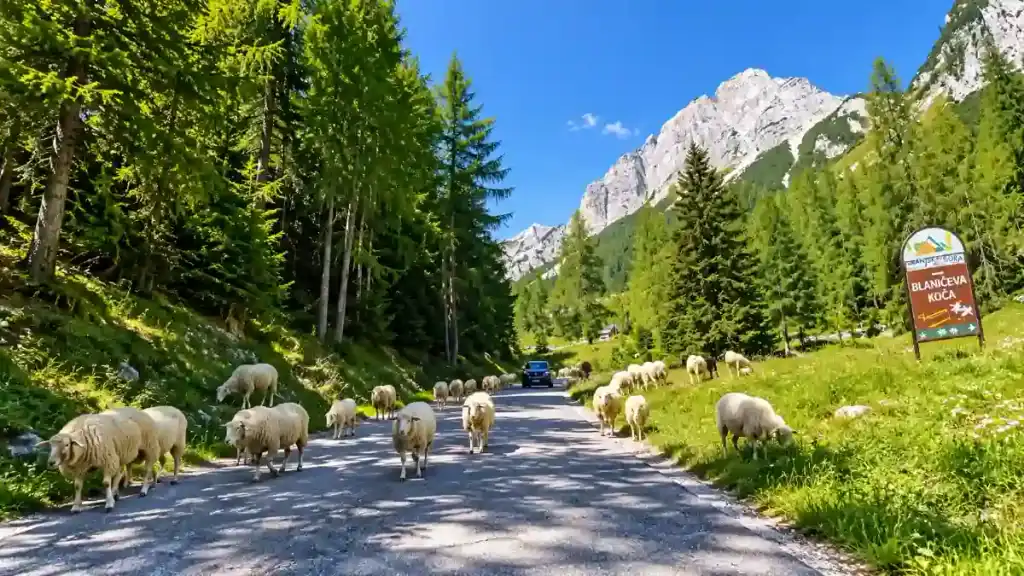
I would visit Vršič again because the road delivered far more than the summit I had originally pictured. The climb started rewarding us almost immediately, and the stops gave the day enough texture that reaching the top never felt like the only objective.
Half a day is the sweet spot for me. I would drive for flexibility, take the bus if the hairpins made driving stressful and cycle only if I genuinely wanted the physical challenge.
I would go in clear weather, start earlier in busy summer periods and never assume winter access. And if the Soča Valley was already part of the plan, I would let Vršič become the beginning of a longer mountain day rather than force it into a separate out-and-back trip.
The thing I would remember is not arriving at Vršič Pass. It is the road gradually making Kranjska Gora feel very far behind us.