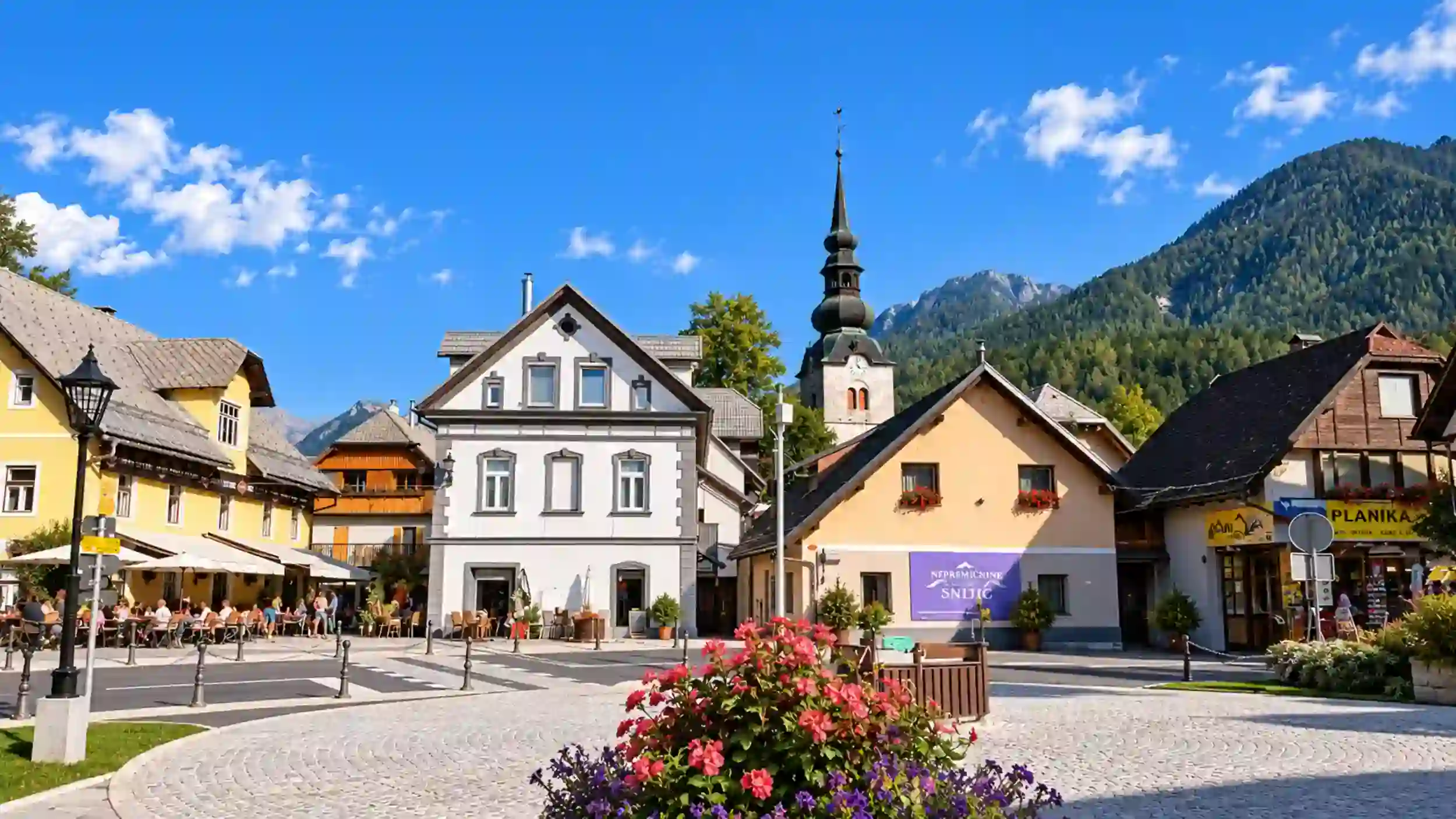
What is the best time to visit Kranjska Gora? I would choose June or September for the best balance, July or August for reliable access to the high mountains, and January or February for a ski trip. The best month really depends on what you want to do.
I had thought about Kranjska Gora in the obvious seasonal shorthand: winter meant snow, summer meant warmth. Once we started using the village as a base for lakes, cycling routes and Vršič, that felt too simple. A pleasant day in the village did not necessarily mean equally good conditions higher in the mountains.
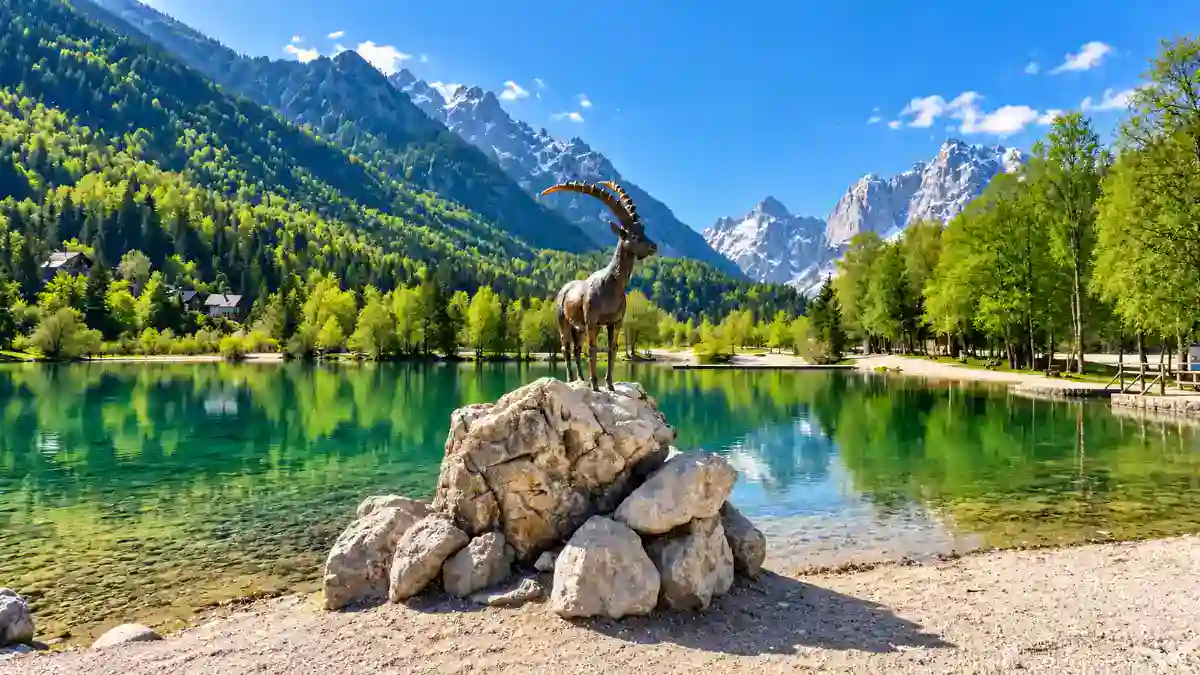
🏔️ Which Season Is Best for Kranjska Gora?
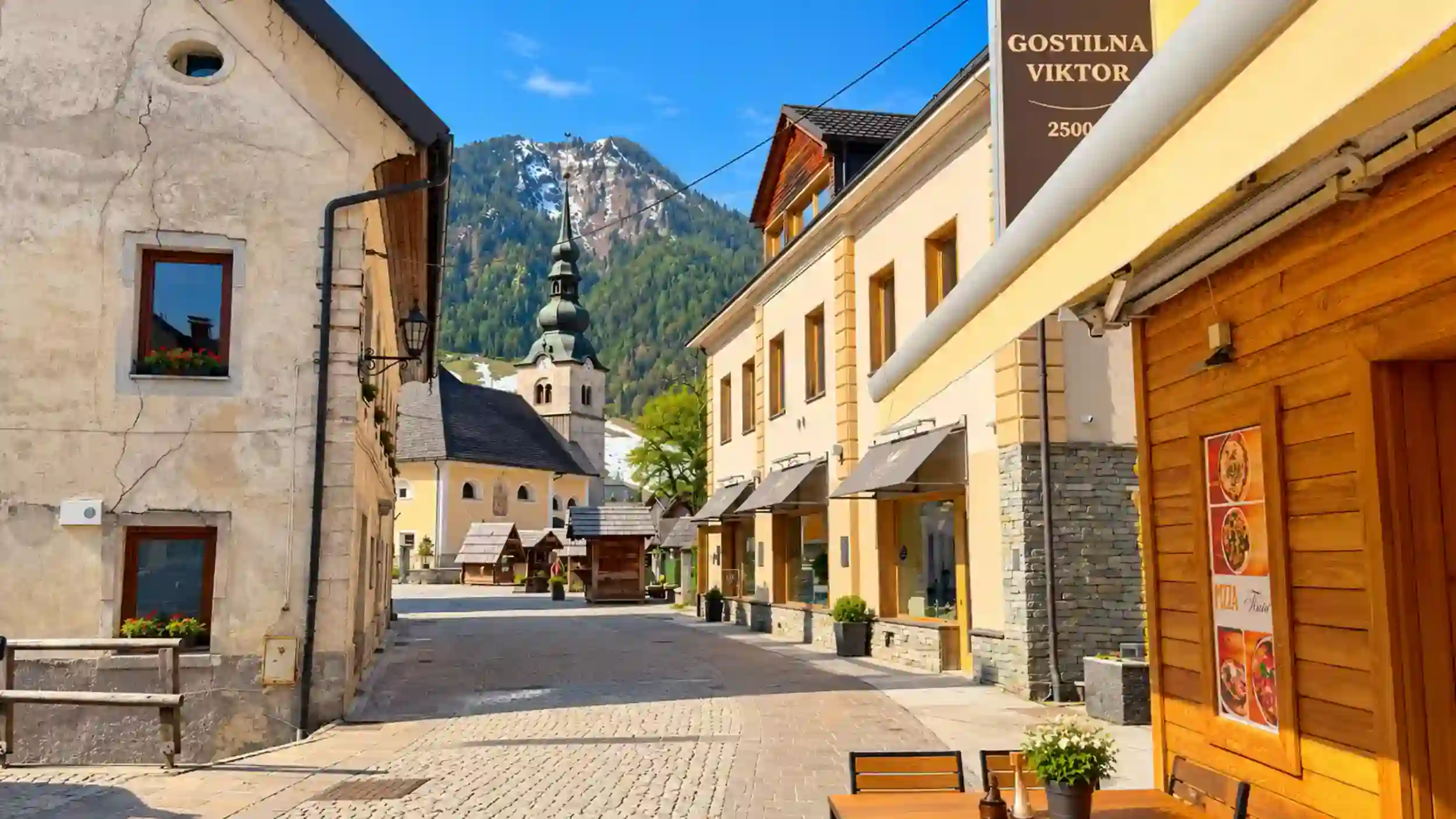
The right season depends on which version of Kranjska Gora you actually want. That became much clearer once we were there. The village was useful precisely because it let us keep leaving it: one morning towards a lake, another towards a valley, another climbing into the mountains.
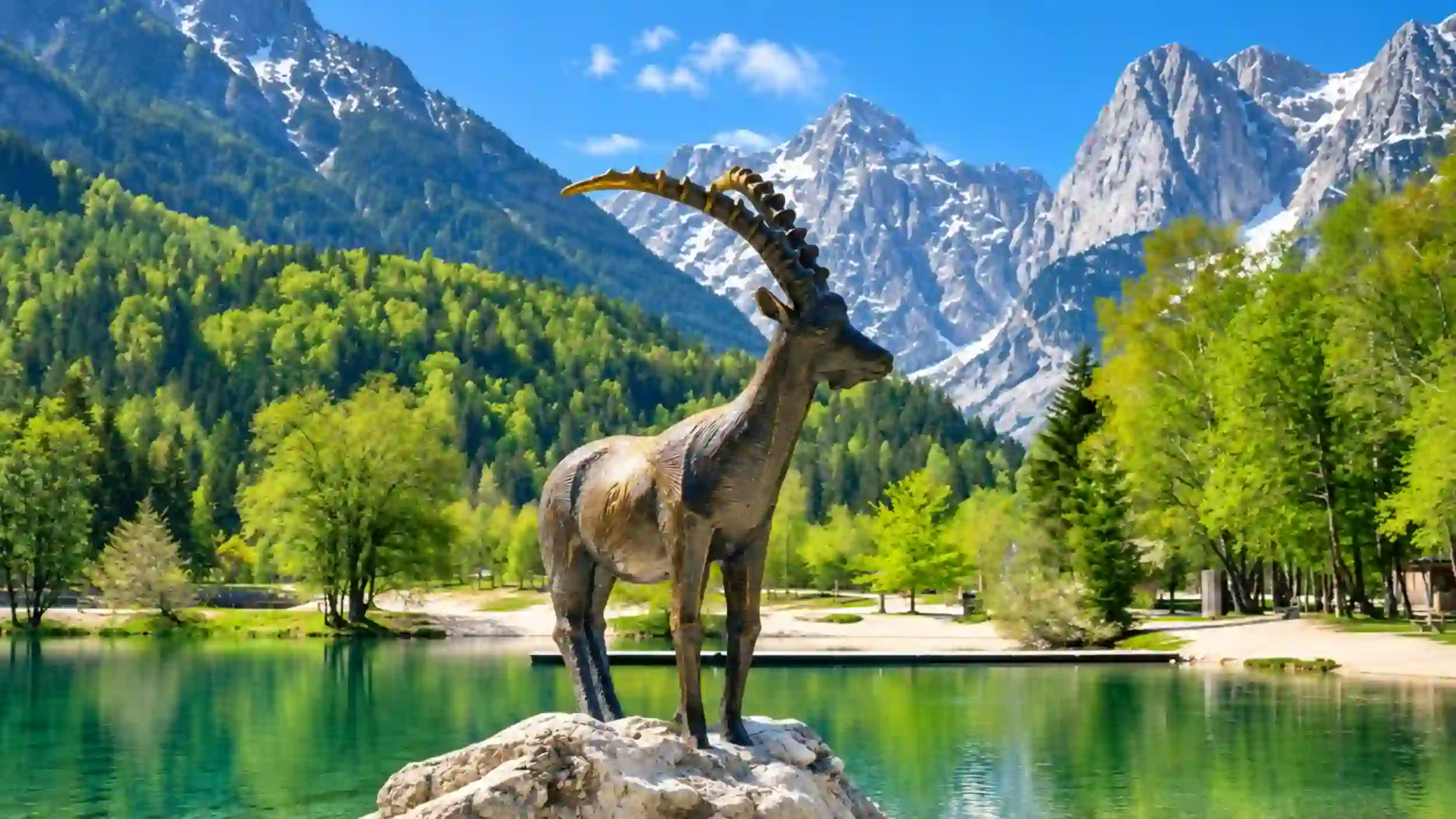
Summer made that freedom possible. Walking, cycling, Vršič and the wider Julian Alps could all compete for the next day rather than being ideas I had to rule out before breakfast. I had expected the resort itself to be more central to the stay. In reality, it worked better as the easy place we returned to after spending the day somewhere wilder.
That is also why spring and late autumn make me hesitate. Quiet streets are attractive, but not if I have bought them by losing the mountain days that made Kranjska Gora worth choosing in the first place.
🗓️ THE SEASON I WOULD CHOOSE
🎿 January or February: for a trip where skiing is the reason for coming.
🥾 July or August: when I would not want to compromise on high-mountain access.
🌿 June or September: my preferred trade-off between outdoor possibilities and peak-season pressure.
🌱 May or 🍂 October: only if quietness mattered more to me than keeping the mountain itinerary open.
🎿 Best Time for Skiing
For a ski-focused trip, I would start with January or February. I did not experience Kranjska Gora as a winter ski holiday, so I would not pretend otherwise. My judgement here comes from the trade-off I would make when booking: I would rather put a ski trip inside the core winter period than gamble on the edges of it for atmosphere, price or extra daylight.
December is tempting because an Alpine village at Christmas is easy to picture. March tempts me for the opposite reason, with longer days. Neither would persuade me to make snow less dependable if skiing were the point of the journey.
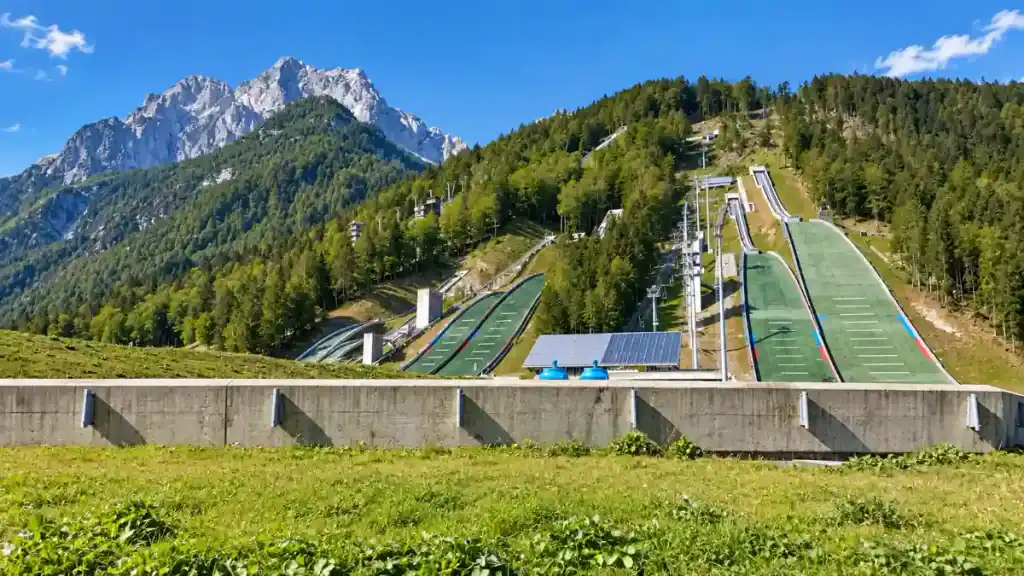
There is another complication I would now take more seriously after seeing how strongly the surrounding valleys shape a stay here. Major sporting events around Kranjska Gora and nearby Planica can alter traffic, crowds and accommodation demand quickly. For a beginner ski trip to Kranjska Gora, I would check the sporting calendar before committing to a week rather than discover that extra pressure after booking.
🥾 Best Time for Hiking
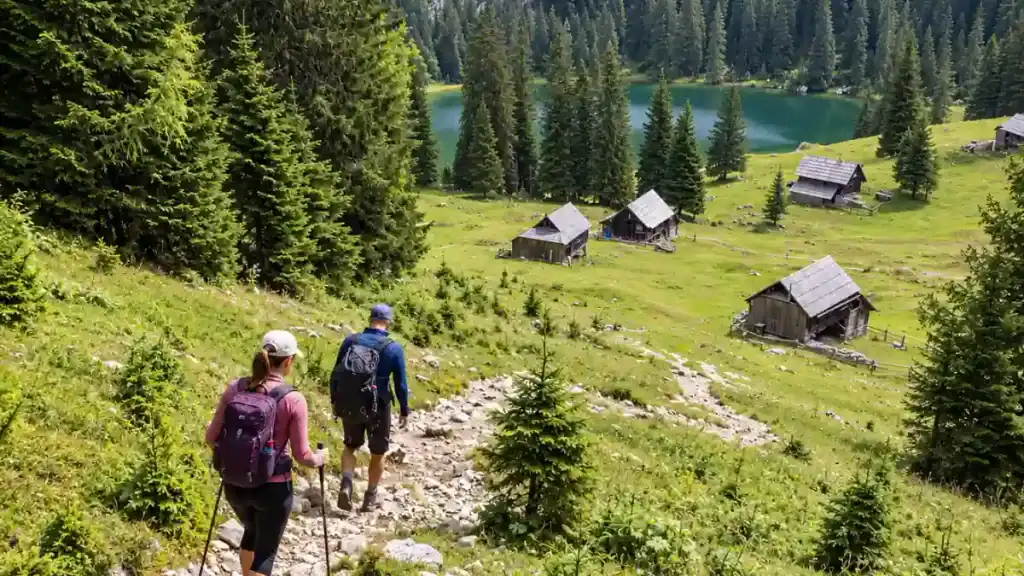
July and August give the cleanest answer for high-mountain hiking. Being there in the warmer season made me understand why. Kranjska Gora is at its most useful when the map feels open and we can decide in the morning whether the day belongs to a walk, a bike ride, a lake or a mountain road.
The drawback is that plenty of other people have made exactly the same calculation. The places that give summer its freedom, including popular roads, parking areas and trails, are also where that freedom starts to feel crowded.
August would still beat a quieter month for me if one high route mattered enough. That is not my normal instinct. I usually prefer to move away from the busiest period, but this is one of those trips where avoiding people can become a false economy if the season also removes the thing I came to do.
June is the compromise I would make
June interests me because it keeps much of what I valued about the summer trip: long days, cycling and an increasingly useful outdoor season, without automatically dropping us into the main holiday rush.
I would not confuse a warm valley morning with proof that every high route was ready. That was one of the useful lessons of being based below the mountains. Conditions can look settled from Kranjska Gora while the itinerary I care about is happening much higher up. Earlier in June, I would leave the ambitious day movable rather than force it into a fixed schedule.
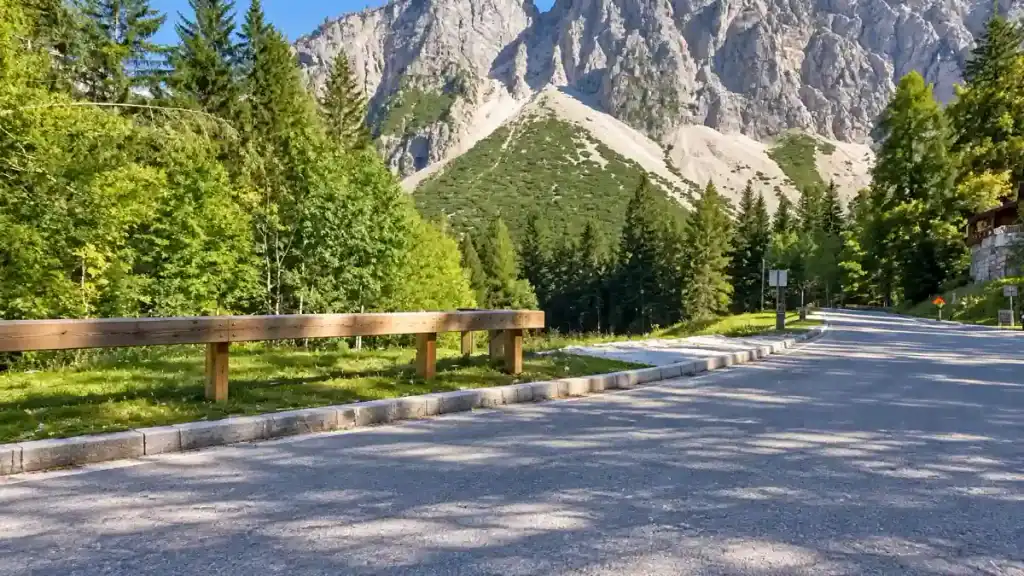
🚗 When Is Vršič Pass Open?
There is no fixed annual opening date I would build a trip around. Vršič was the place that made this more than an abstract planning rule for me. Leaving the polished resort behind and climbing towards the pass changed the scale of the day remarkably quickly.
That contrast was one of my favourite parts of staying in Kranjska Gora. We could start somewhere comfortable and easy, then not long afterwards be on a mountain road where snow and conditions genuinely mattered. It also exposed the weakness in checking only the village forecast.
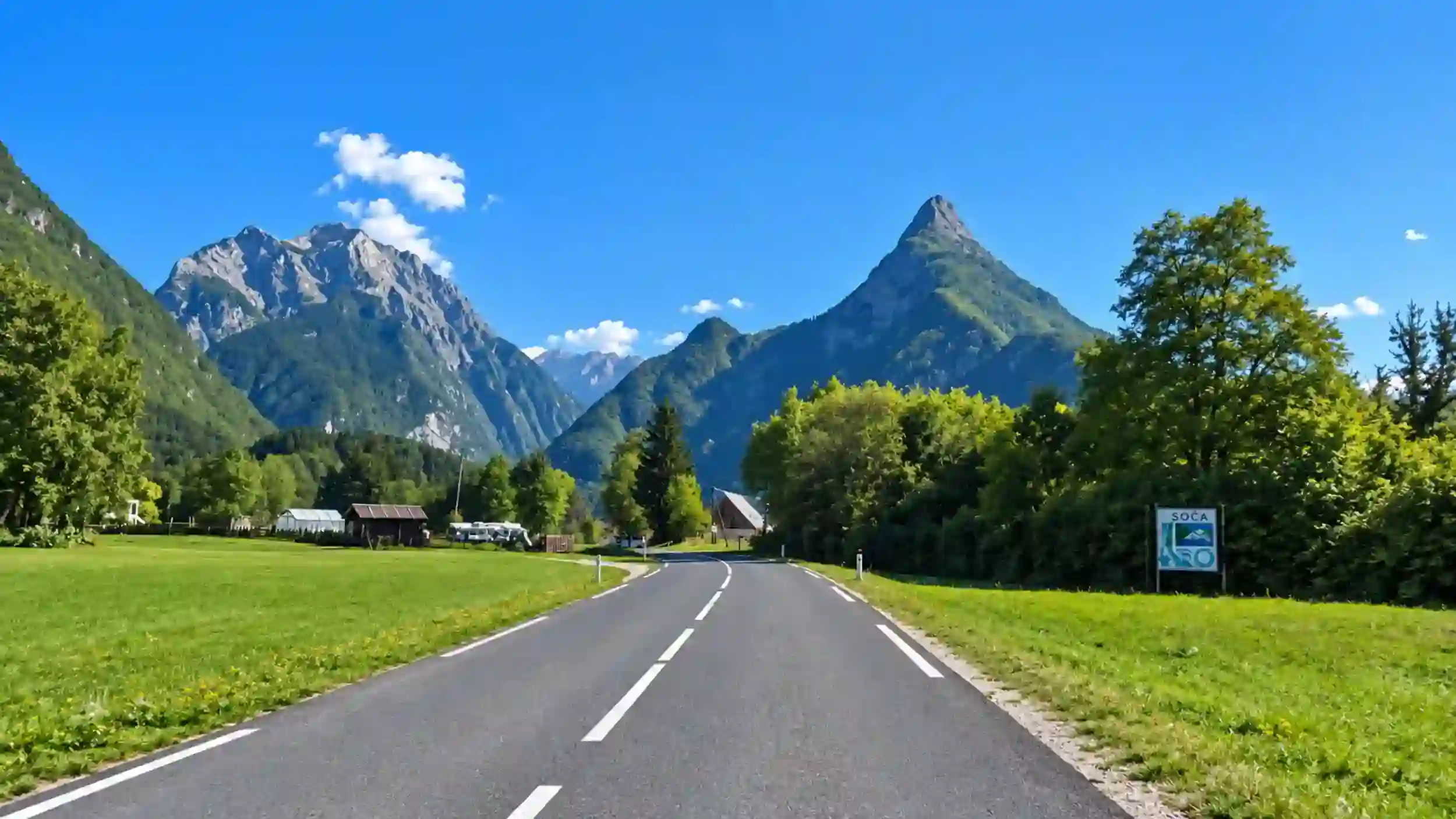
Vršič is important enough to influence when I would visit, especially if I wanted to continue towards the Soča Valley rather than simply climb to the pass and return. If that journey were non-negotiable, I would favour summer.
July and August give me the strongest planning window. June and September are the compromise months I prefer, but I would check the current road status before letting the rest of the trip depend on Vršič being accessible.
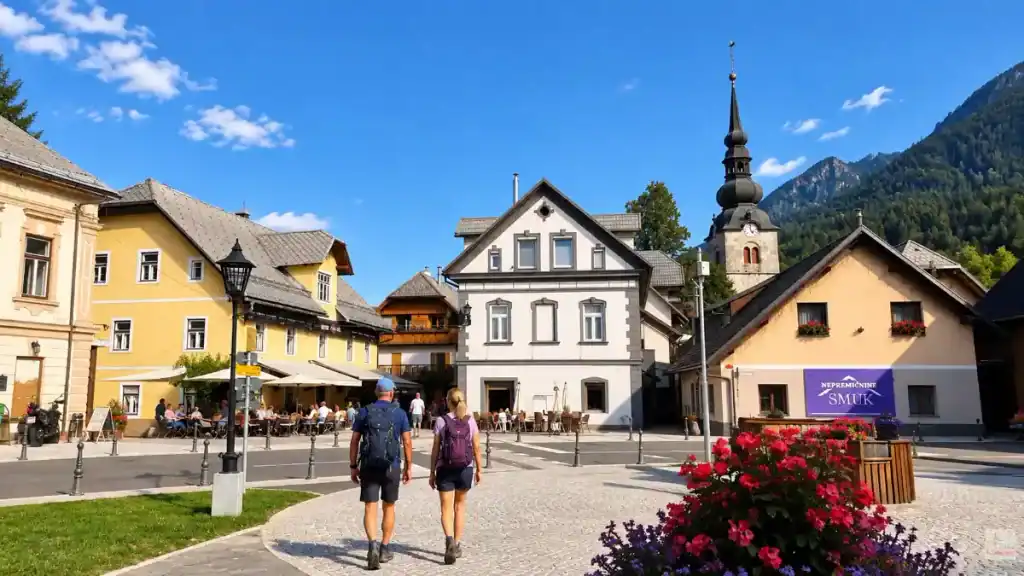
👥 When Is Kranjska Gora Quieter?
For the kind of active trip we took, June and September are the quieter periods I would target. I like travelling outside the busiest weeks, but Kranjska Gora taught me not to chase quietness as though it were automatically an upgrade.
The village itself was never the whole point. What mattered was being able to head out each morning and change the plan without the day collapsing. A longer walk could become a lake or valley day if conditions or tired legs intervened. That flexibility was worth more to me than having the emptiest possible streets.
May and October may remove more of the summer pressure, but they also make me more cautious about the higher mountains. I would tell someone who mainly wants gentle scenery and a quiet Alpine base to consider them. For a traveller arriving with a list of mountain routes, I would not make the same recommendation.
Winter has its own version of the problem. A week that looks quiet on the calendar can change character around an international event in Kranjska Gora or Planica. I would happily choose that atmosphere if the event were part of the reason for going. If I wanted uncomplicated skiing and quieter evenings, I would move the dates.
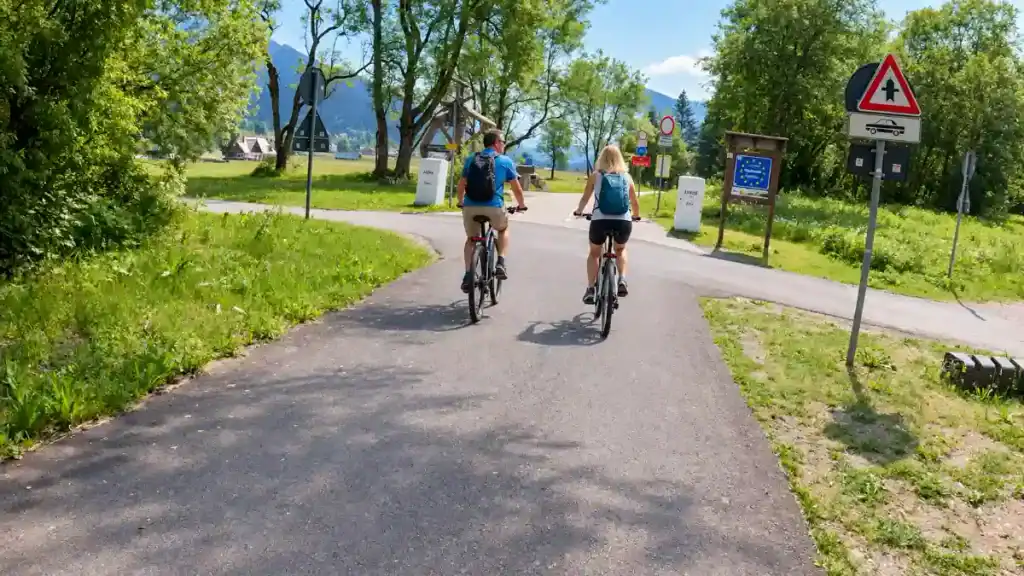
🍂 Is September a Good Time to Visit?
Yes. September is the month I would choose if I were repeating our summer-style trip. Hiking, cycling and mountain scenery could still determine the days, but I would be stepping away from the main holiday peak.
That choice comes directly from what worked for us. Kranjska Gora was best when the itinerary stayed loose. We did not need every day to demand the same amount of effort, so September would work in exactly the same way: keep the mountain days flexible, then let conditions decide their order.
Later in the month, the bargain becomes less generous. Shorter daylight, more changeable weather and greater uncertainty higher up all start taking something back. I would accept that. What I would not do is arrive with a rigid sequence of mountain days and then spend the trip fighting the conditions.
August gives more certainty. September gives me a version of the trip I prefer. That distinction only became obvious after experiencing how much Kranjska Gora rewards being able to change your mind.
🍂 WHY I WOULD GO BACK IN SEPTEMBER
🥾 I keep the important part: hiking and cycling can still shape the stay.
👥 I lose some peak pressure: without chasing quietness so far that the mountains become the compromise.
🌦️ I accept the uncertainty: weather, daylight and higher conditions need more attention.
🗺️ I change the planning: mountain days stay movable instead of being locked into a neat itinerary.
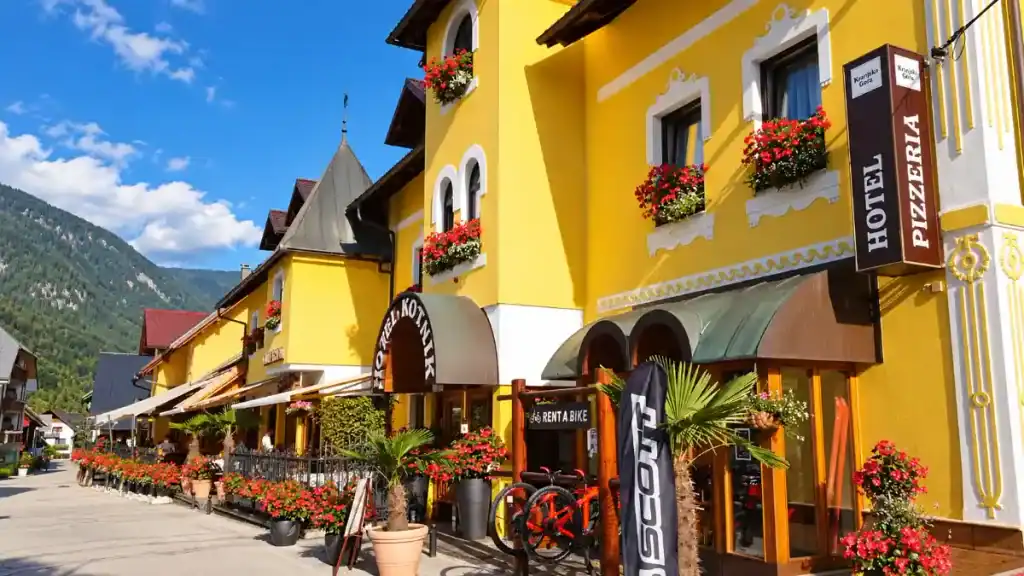
💶 When Are Prices Lower?
I would compare June and September with July and August rather than simply hunt for the cheapest month. Accommodation prices vary by property and exact date, and the busiest summer weeks, peak ski periods, school holidays and major sporting events can all change the calculation.
The trip made me less interested in saving money by pushing too far into the shoulder season. Kranjska Gora earned its place in our itinerary because it gave us access to several different Alpine days. A cheaper room in May or October would not feel like a saving if the mountain part of the trip became noticeably less dependable.
Vršič makes that especially clear. If the pass or higher hiking routes were central to the plan, I would pay for dates that gave them a better chance rather than redesign the holiday around a lower nightly rate.
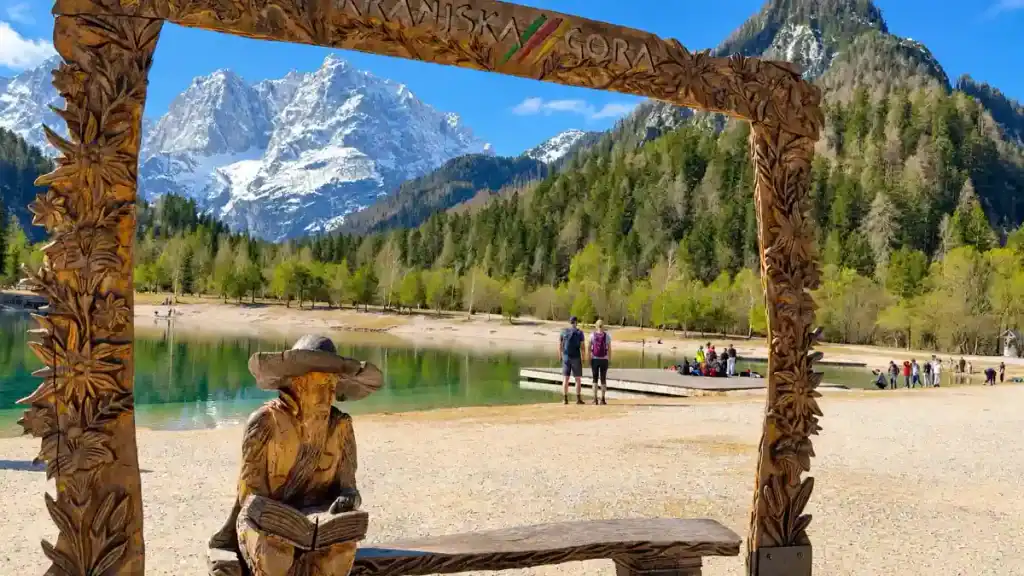
⚖️ Best Time to Visit Kranjska Gora: My Verdict
I would go back in September. Not because it wins every comparison, but because it best preserves the Kranjska Gora I actually enjoyed: an easy base with several very different outdoor days waiting beyond it.
If skiing were the purpose, I would switch completely and choose January or February. If one high mountain route mattered more than crowds, July or August would be the safer call. June is the alternative that tempts me when long days matter more than the slightly calmer feel I would expect from September.
For travellers who need every mountain day fixed before they leave home, I would steer towards peak summer. For someone happy to look at the conditions, move a walk by a day and occasionally replace a demanding plan with a lake or valley, September suits the way Kranjska Gora actually worked for us.
That is the judgement I brought home from the trip. The best month is not the one with the neatest weather summary. It is the one that leaves open the version of the mountains you travelled there to experience.