How many days do you need in Kranjska Gora? Two to three days is the best length for most first visits. One day is enough for the village and nearby Alpine scenery, while three days gives you time for a proper outdoor day. Add a fourth if Vršič Pass and the Soča Valley are important parts of the trip.
Before we arrived, I thought Kranjska Gora’s small size meant we wouldn’t need long. Once we started using it as a base, that changed. Lake Jasna, Zelenci, Planica and Vršič pulled us in different directions, and I realised the number of days depended less on the village itself than on how much of the surrounding mountains we wanted to explore.
🧭 Two Days Works; Three Days Changes the Trip
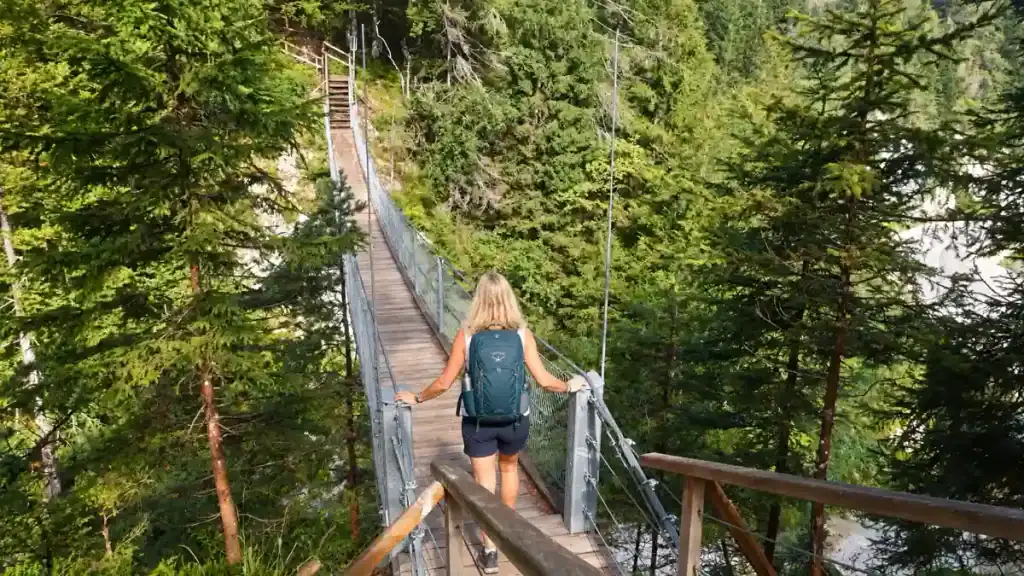
Two days was the point where our own stay stopped feeling like a quick look around. We could keep one part of it close to Kranjska Gora, then wake up the next morning knowing we did not have to leave: Zelenci, Planica, Vršič or a longer walk could have a proper place in the day.
By the time I thought about what a third day would have changed, the answer was obvious. It was not another day for the village. It was the freedom to spend hours in the mountains without mentally subtracting that time from everything else we still wanted to do.
⏱️ THE QUICK DECISION
1 day: enough for a scenic introduction.
2 days: a good first visit with some wider exploration.
3 days: my strongest all-round choice for an active first stay.
4+ days: worthwhile when hiking, skiing, cycling or regional exploration has a clear role.
⏱️ One Day Gives You the Scenery, Not Much Flexibility
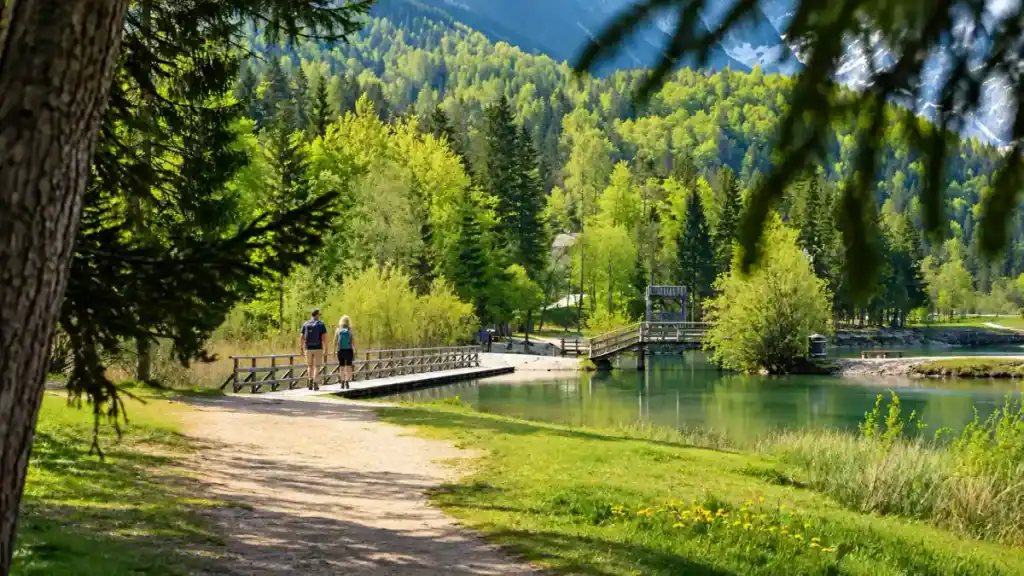
Looking back at what we actually did, I could compress Kranjska Gora into one day, but I would have to be ruthless about it: the village, Lake Jasna and one other nearby landscape. Anything more would turn the valley into the kind of stop-start sightseeing day I generally regret afterwards.
That still gives a strong introduction. What it does not give you is much freedom once you add a longer walk, cycling, Vršič or poor mountain weather. A single activity can begin to dictate the whole day.
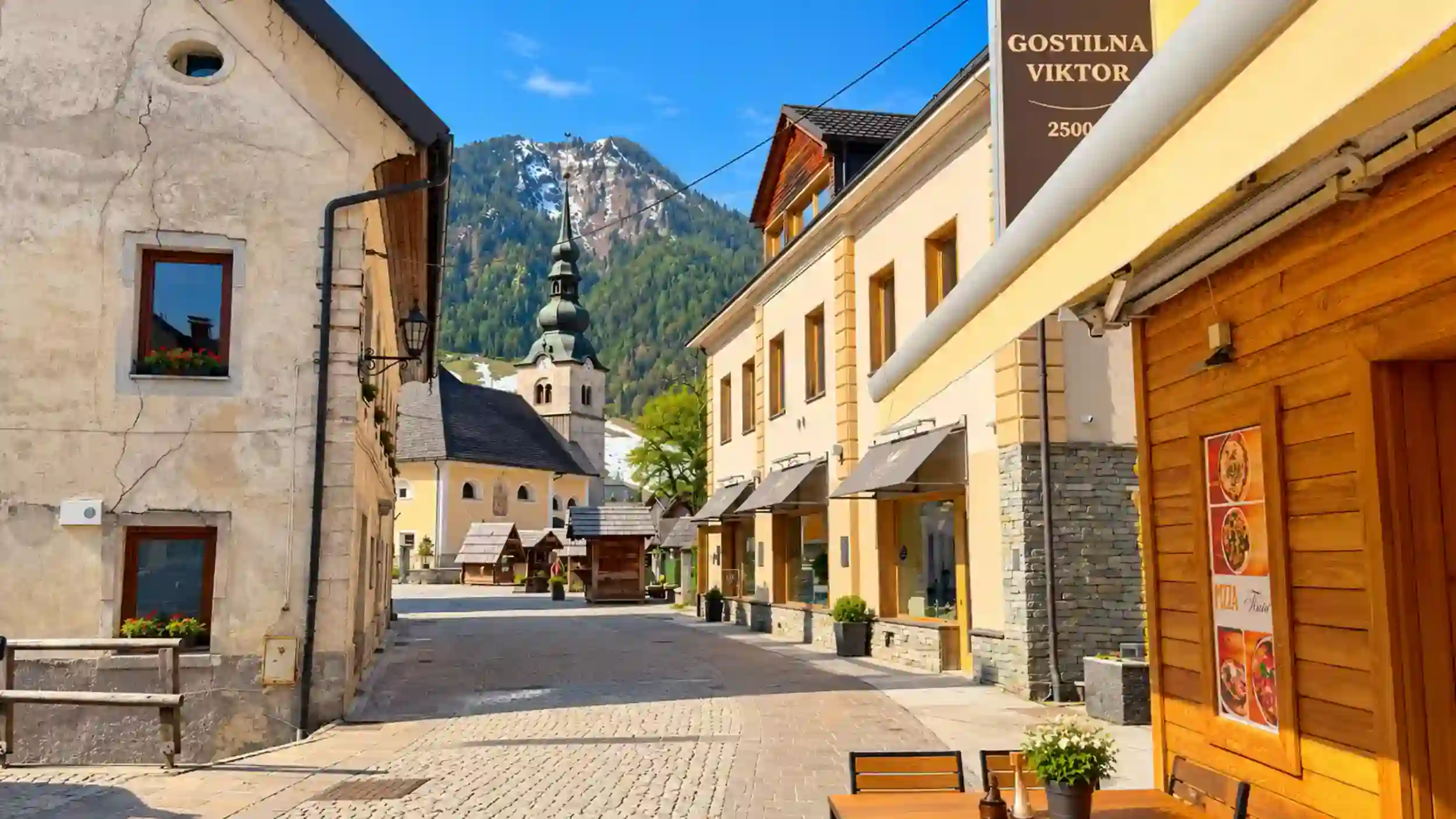
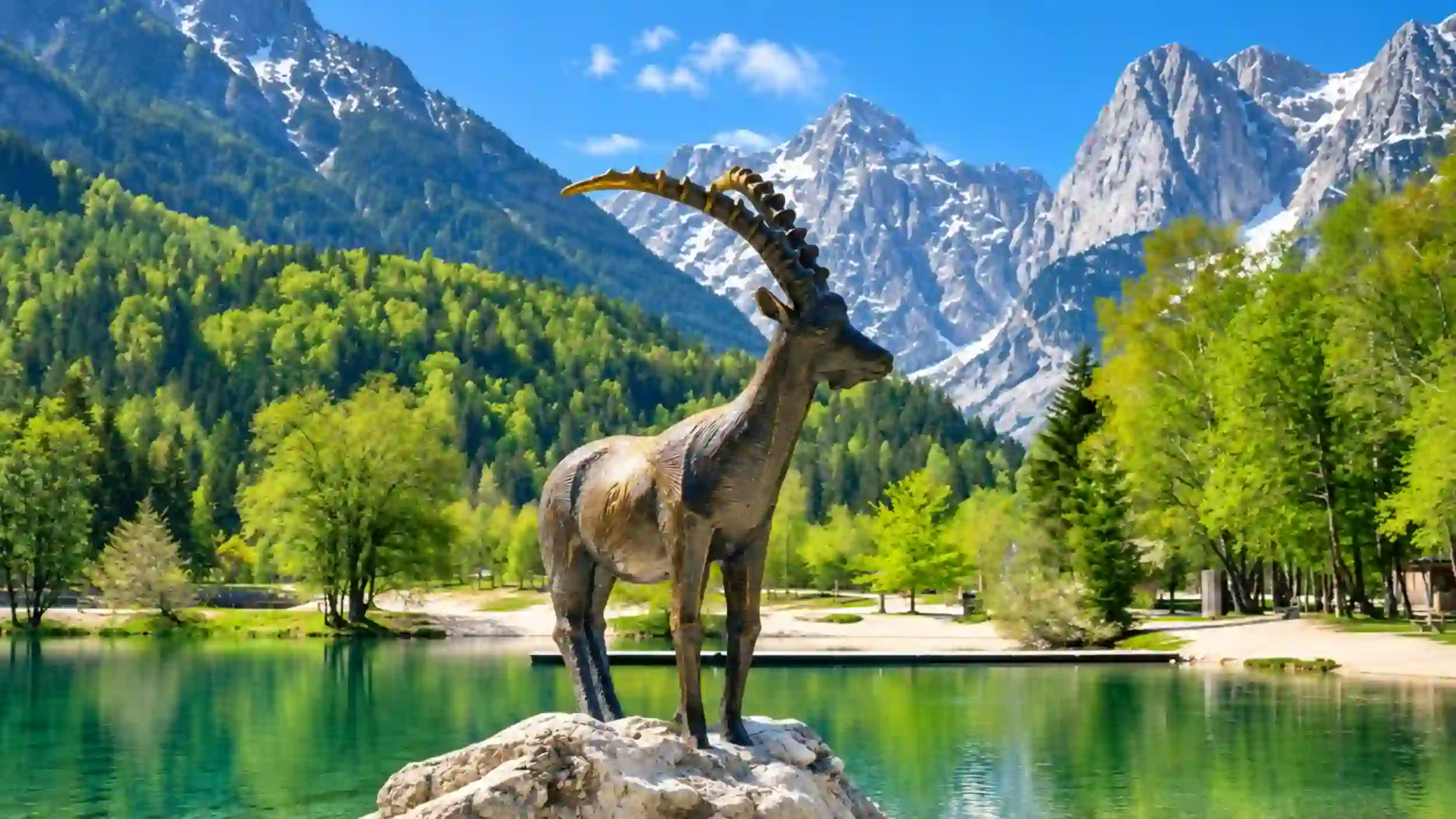
This is where the small size of Kranjska Gora can be deceptive. Lake Jasna, Zelenci and Planica are not extra streets to walk around in the same compact centre. They pull the trip outward.
That is why one day would still work for me on a fast Slovenia road trip. But if I had come for the Julian Alps themselves, leaving after that first evening would feel like turning around just as the trip was beginning to open up.
🌄 Two Days Is Enough for Most of the Obvious First-Visit Choices
Two days is enough for the kind of first visit we were trying to have. After time around the village and Lake Jasna, what I wanted next was not more of the centre but a day that stretched farther into the valley or mountains. That is what the second day buys.
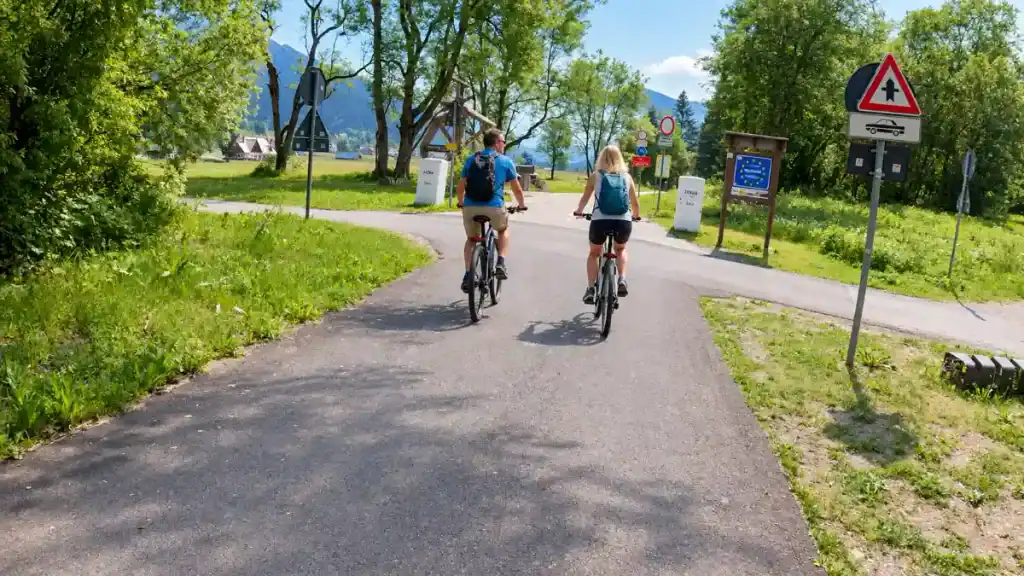
The second morning mattered more than I expected. Waking up already there removed the feeling that we were visiting an attraction between drives. We could choose the day according to what appealed then: a bike ride, a longer walk, Planica, Zelenci or the road towards Vršič.
There is also some room to react if conditions are not ideal. Mountain weather does not care how tightly the itinerary has been organised. With one day, the conditions you get largely become the experience you have. Two days at least gives you another opportunity to move plans around.
🥾 Three Days Is My Pick for a First Proper Stay
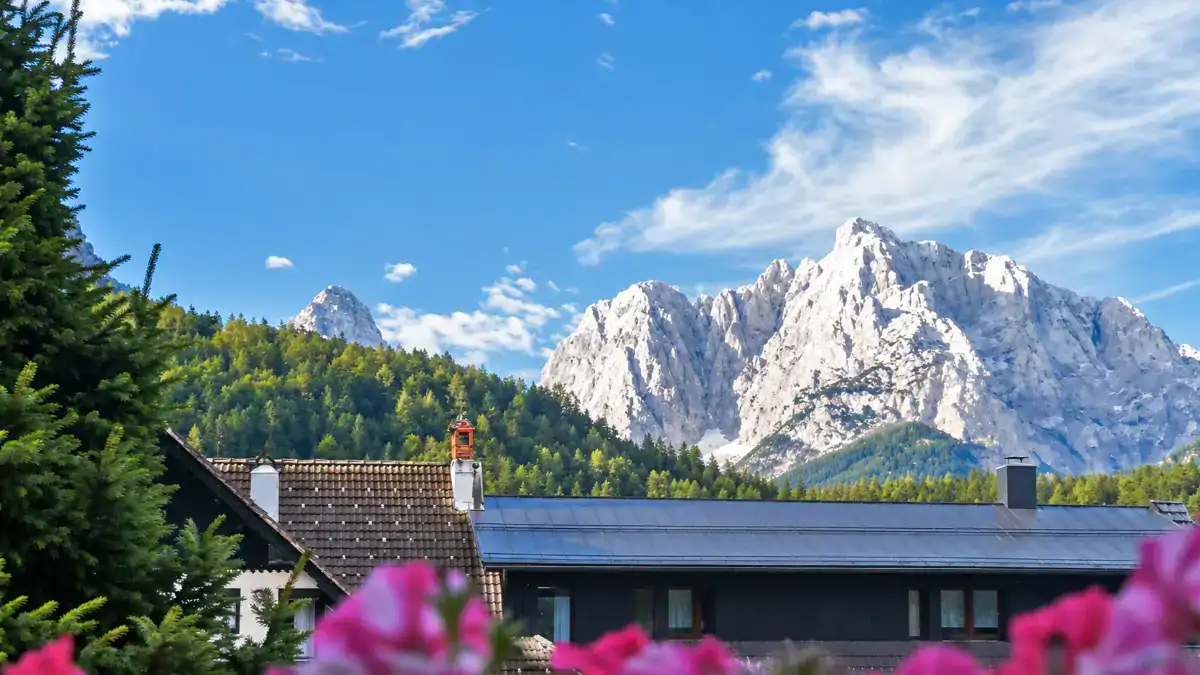
Booking the same trip again, three days would be my choice. Our time around the immediate scenery made me want a day when we could disappear into the mountains without checking what else still had to fit. A third day creates exactly that space, while leaving room for something farther afield.
The important change is pace. A hike no longer has to compete with every other reason for being there. Nor does an afternoon around Lake Jasna feel like time that should have been spent racing towards the next stop.
The mountains also made me less confident about planning every day tightly. Cloud or rain can make the day you imagined look very different once you step outside. With three days, I could swap the order rather than feel that one poor morning had taken an entire experience away.
For a first trip that mixes scenery, walking and wider exploration, three days is the point where Kranjska Gora starts functioning as a base rather than simply an attraction.
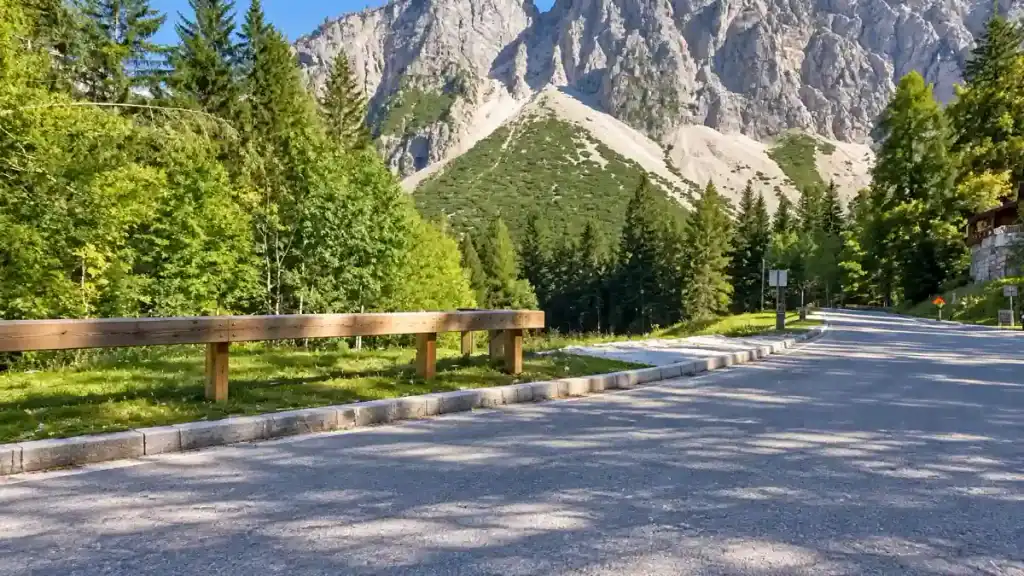
🚗 Vršič and the Soča Valley Are the Clearest Reason to Add a Day
Vršič changes the length-of-stay calculation because it can turn a local Kranjska Gora visit into a much wider Alpine journey.
Vršič was where my neat two-day calculation began to come apart. Reaching the pass is one thing; carrying on and giving the Soča Valley meaningful time is another. I could fit Vršič into two days when conditions cooperated, but trying to make Kranjska Gora, the pass and the valley all feel unhurried would be asking too much of the same short stay.
Once the Soča Valley becomes a priority, I would treat three days as the minimum and four as the more comfortable choice. Otherwise too much of the stay risks becoming movement between places rather than time in them.
The Mountain Route Makes Spare Time More Valuable
Vršič is a mountain route, so season and conditions can alter what is practical. A longer stay cannot solve that uncertainty, but it gives the itinerary somewhere to move if the original plan stops working.
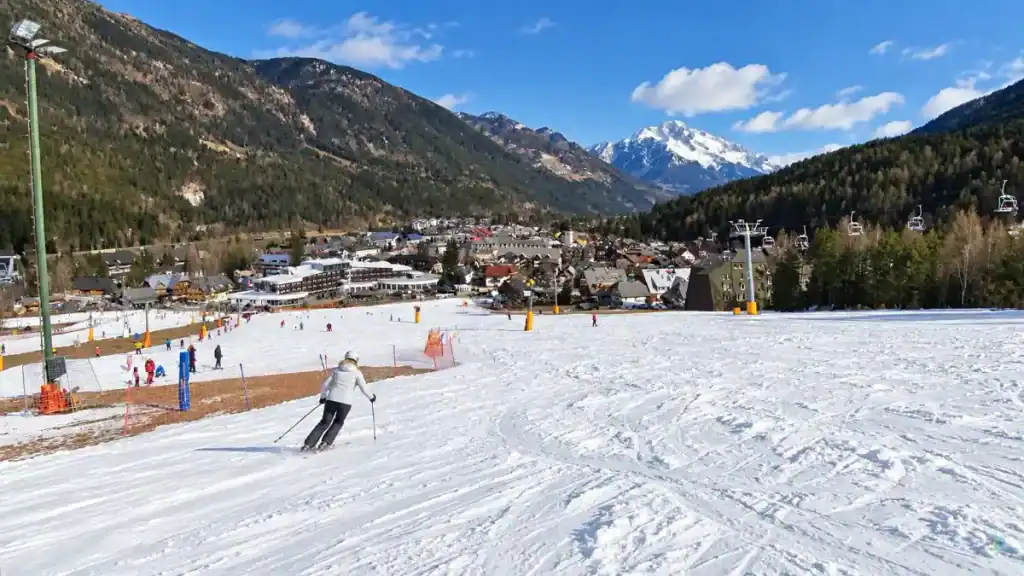
☀️❄️ Summer and Winter Need Different Calculations
I also found that the number of days only made sense once I pictured the season. Kranjska Gora in summer gave us too many competing reasons to be outside for the same calculation to work as a winter trip built around the slopes.
Summer creates competing possibilities: walking, hiking, cycling, lakes, Planica and wider mountain exploration. I would choose three days for a mixed summer visit and move towards four when hiking or cycling becomes central.
Winter is different. A visitor who mainly wants the snowy setting may still find two or three days sufficient, but a ski holiday is really a question of desired slope time. I would allow four to seven days when skiing is the main purpose, particularly for beginner skiing in Kranjska Gora, where every day does not need to be intensive.
Shoulder seasons make flexibility useful but do not automatically justify extra nights. I would first check whether the activities I wanted were actually practical at that time of year. The best time to visit Kranjska Gora and the right trip length are connected decisions.
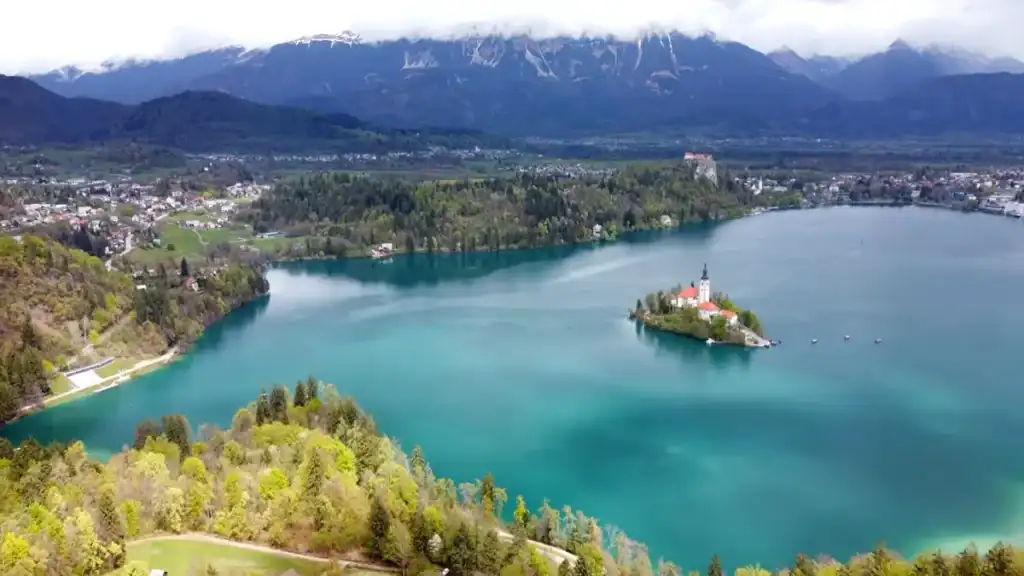
🏞️ I Would Split Bled and Kranjska Gora by What I Wanted to Do
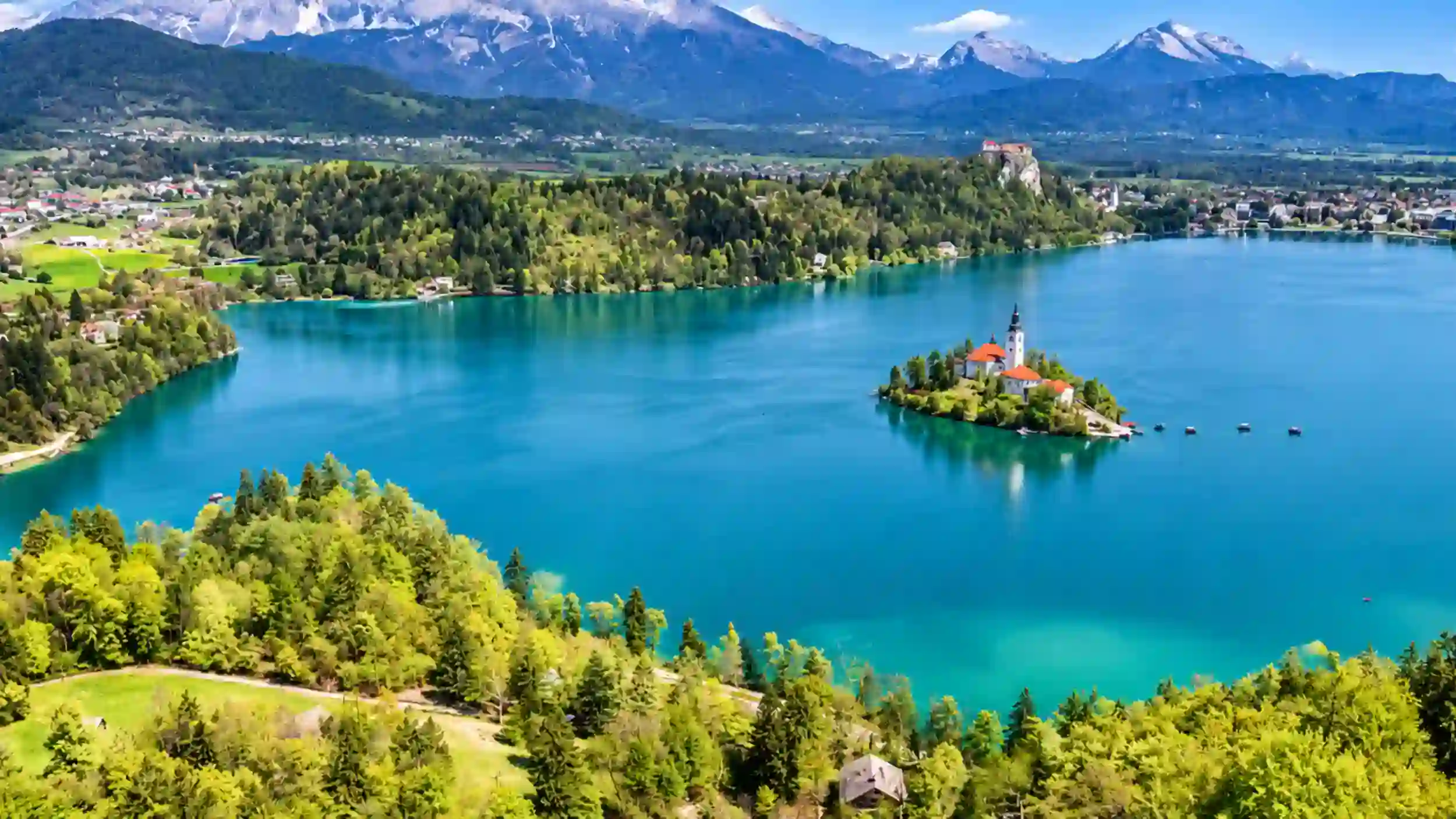
I had mentally grouped Bled and Kranjska Gora together before the trip as two scenic Slovenian bases. Being there made the difference clearer. Bled pulled my attention towards the lake and its landmarks; Kranjska Gora kept pulling us outward, towards walks, cycling and mountain roads. I would not divide nights between them as though they were interchangeable.
If I were already spending several nights at Bled and only wanted an introduction to Kranjska Gora, a day trip could be enough. I would concentrate on the village, Lake Jasna and one additional nearby landscape.
If I wanted to use Kranjska Gora properly as an outdoor base, I would give it one or two nights of its own rather than repeatedly travelling back to Bled. With five Alpine nights available, I would divide them according to the activities I valued rather than automatically giving the better-known destination the larger share.
That is why the full Kranjska Gora or Lake Bled choice comes down to more than sightseeing time.
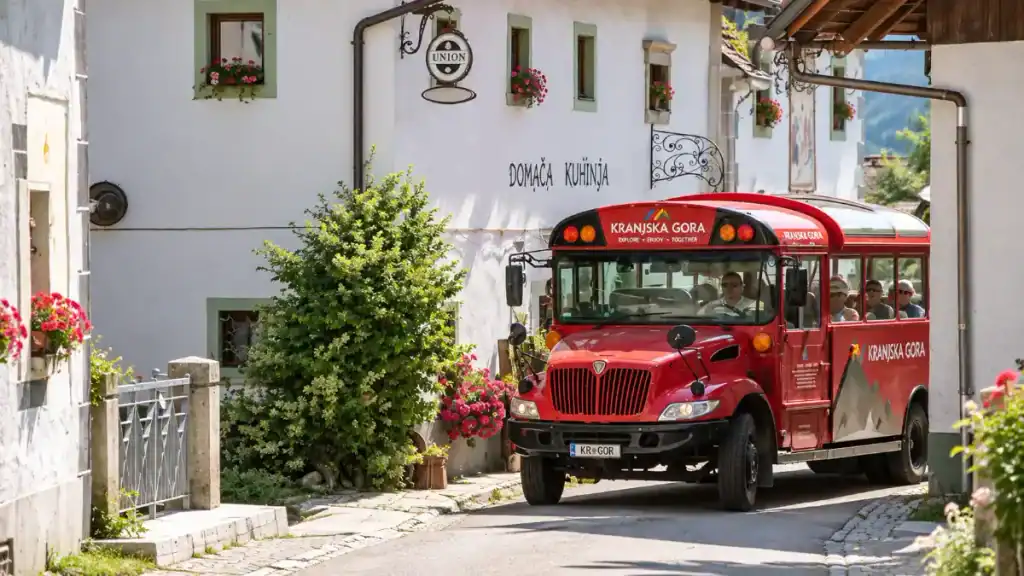
🚌 Without a Car, I Would Give the Itinerary More Breathing Room
A car did not feel important while we were moving around the centre or heading towards Lake Jasna. That part of the trip was easy enough to imagine doing without one, and I would still be comfortable with two days if those local experiences were the priority.
The pressure appears when several outlying places matter. Walking, cycling and public transport can make movement through the wider area less flexible than having a car available, and that matters more on a tightly compressed stay.
It was the farther-flung plans that changed my judgement. Without a car, I would add breathing room rather than assume every walk, bus or connection would line up neatly. Three days would feel safer than two if several outlying places mattered. I have done enough trips where a missed connection quietly eats an afternoon to know I would rather buy back the flexibility with time.
🎯 My Final Trip-Length Choice
After fitting the pieces of our trip back together, I keep arriving at the same answer: two or three days in Kranjska Gora. I would choose two when it sat inside a wider Slovenia itinerary. I would choose three when I wanted the mountains to dictate at least one day, rather than spending the whole stay moving briskly between scenic stops.
Additionally I would add a fourth day when Vršič and the Soča Valley matter, or when hiking, cycling and wider Julian Alps exploration are central to the trip. A longer ski stay can justify considerably more.
The village may be small, but that is not really what determines the answer. Two days is good, three days is better, and anything longer should have a clear purpose.