
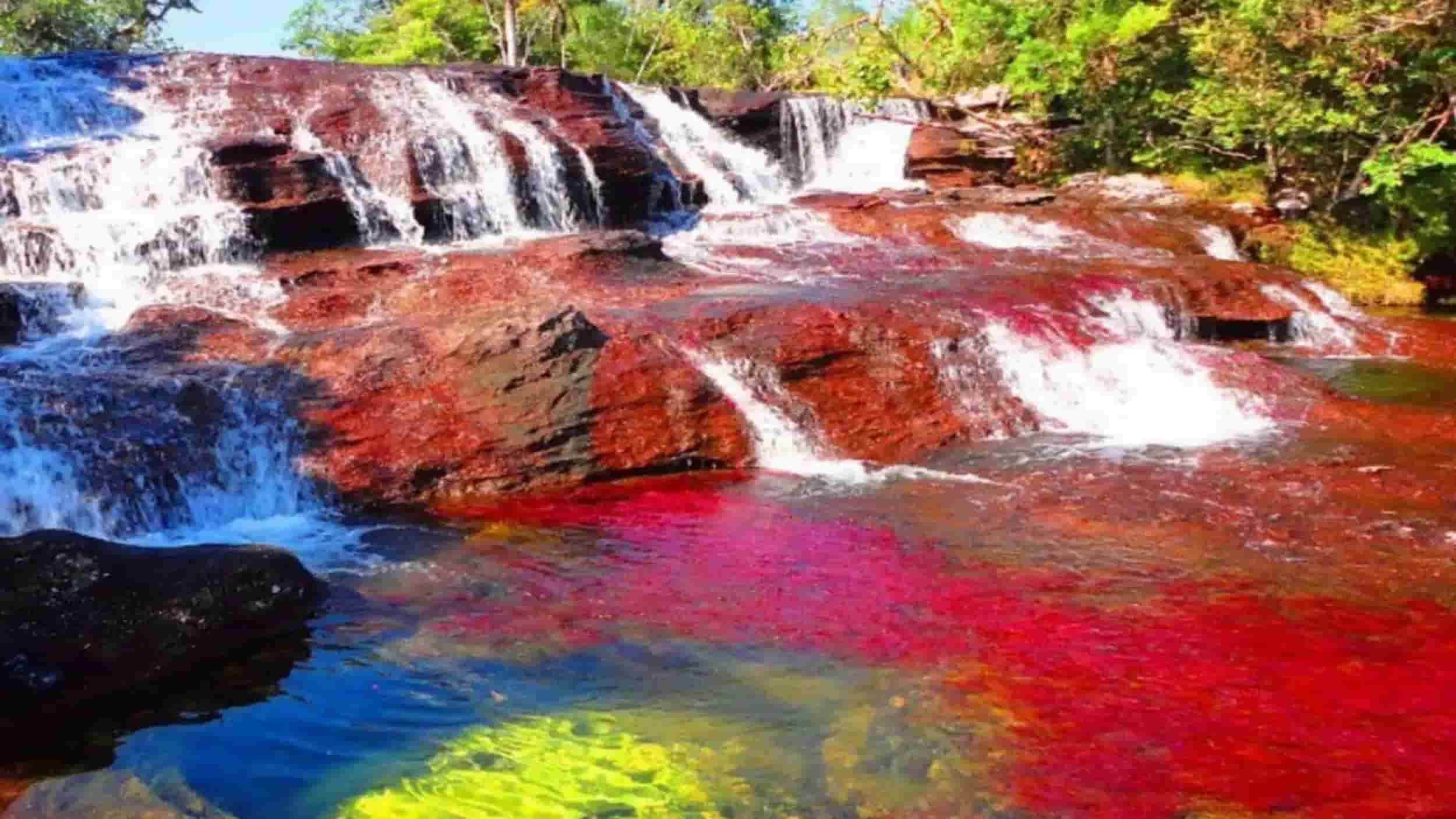
Fun facts about Colombia reveal a country filled with color, culture, and surprising diversity. From its unique wildlife to world-famous exports, there’s always something interesting to uncover. Exploring fun facts about Colombia helps travelers appreciate its history, traditions, and natural beauty, offering a deeper look at what makes this South American nation so captivating.
👀 At a Glance: Colombia’s Most Amazing Secrets
🌈 Caño Cristales: World’s only rainbow river (July-November viewing season)
☕ Coffee Paradise: Interactive theme park in Quindío region
💥 Tejo Sport: Ancient explosive game with gunpowder targets
🐷 Muddy Festivals: Greased pig chasing competitions (January-March)
🦛 Wild Hippos: 80+ descendants of Escobar’s escaped animals
👻 Haunted Hotels: Room 428 at Hotel Tequendama, Bogotá
🎵 Whistling Language: UNESCO-protected communication in San Basilio de Palenque
My trip there required careful timing during the brief viewing season when water levels drop. I can’t tell you how many talks with locals taught me that this amazing sight happens only during Colombia’s dry season.
Here’s what the guidebooks won’t tell you: fun facts about Colombia South America rarely capture how different this river looks during the year.
The Republic of Colombia stands ready to welcome you through ProColombia Tourism Board where you’ll find helpful visa info, safety updates, and trusted local guides. Their friendly team shares insider tips about this incredible biodiverse country while connecting you with legitimate tour operators who truly know their stuff.
Colombia has coastlines on both the Pacific Ocean and the Caribbean Sea, making this Latin American nation truly unique among places worldwide.
📌 Top tip:
Plan your visit between late July using Colombian Weather Institute seasonal forecasts that help you time your trip perfectly. Their weather experts share the best months for River Cristales viewing and regional climate tips that make all the difference for your Colombian adventure.
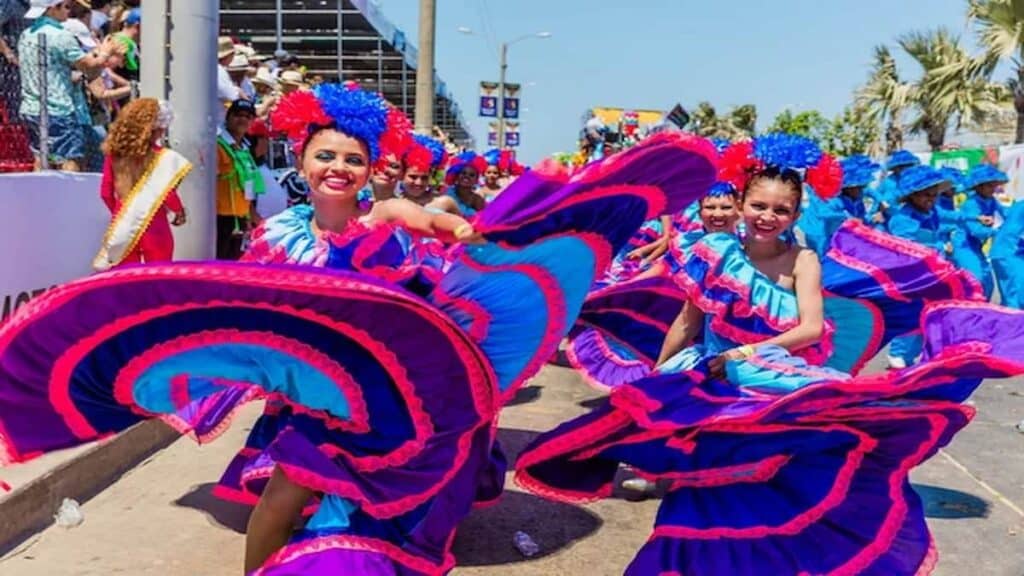
The science wonder behind this stunning sight involves a water plant that adapted to this specific habitat. Picture this: as I carefully followed our guide along marked paths, the striking red colors beneath clear waters left me speechless.
What Colombia is home to often includes coffee and emeralds, but this colorful river should be just as well-known. Colombia is the second most biodiverse country, with River in Colombia systems that support native species Found in Colombia’s diverse rainforest areas.
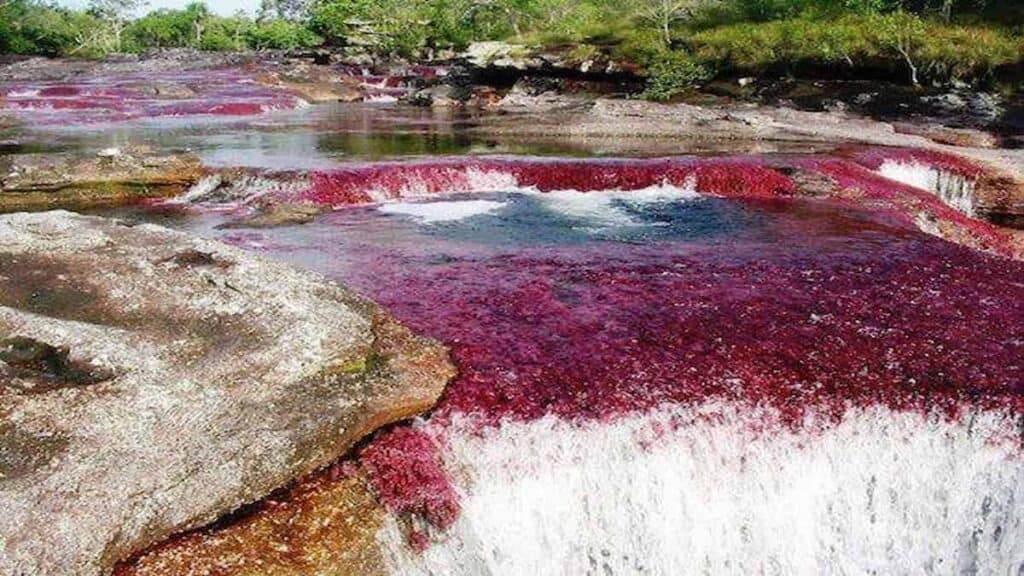
🌈 Fascinating Facts About Colombia’s Rainbow River Cristales
I watched sunlight dance across the vibrant Macarenia clavigera plants that create the famous red streaks seen nowhere else on Earth! Within minutes, our small group moved quietly through the protected landscape as guides explained conservation efforts.
Don’t make the mistake of doubting this – during my travels, Colombia fun facts like this rainbow river always rank among my most treasured finds worldwide.
Our trip lasted about six hours, letting us see various sections of this amazing protected area. Do yourself a favor and visit Colombia National Parks System to snag your River Cristales permits and learn conservation basics. You’ll discover the best viewing times, authorized operators, and how your visit helps protect this magical UNESCO site for future travelers to enjoy.
At first challenging despite jungle trails, every step brought us closer to Colombia culture facts shown in this natural wonder of epic size.
Local spot: El Mirador viewpoint offers wide views of the entire river system, giving perfect photo chances. You’ll capture the full range of colors dancing across the water below in the Andean region where Colombia shows its highest coastal mountain range diversity.
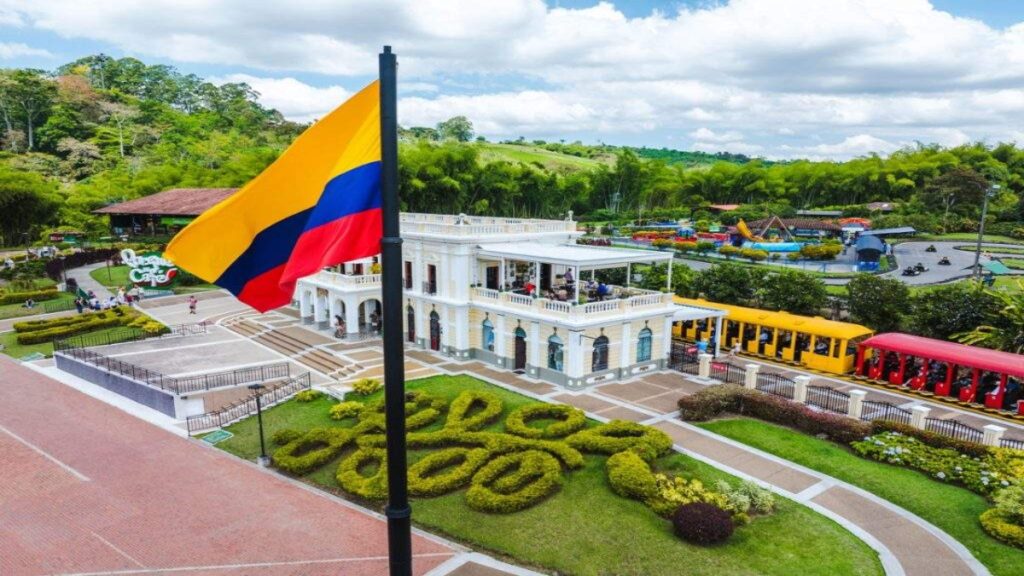
☕ Coffee Paradise: Mountain Range Heritage and Quindío Adventures
I first found this amazing coffee wonderland during my trip through Colombia’s green highlands near Cali and the stunning Cocora Valley. You’re going to love how this great theme park blends fun rides with hands-on learning displays showing the complete coffee journey.
Among key fun facts about Colombia, Parque del Café celebrates the nation’s rich coffee heritage in the most clever ways you can imagine from plantation to perfect brew.
Coffee lovers travel across continents just to find this one-of-a-kind spot nestled near Montenegro in the beautiful Quindío region of Colombia.
During the day, exciting theater shows display traditional harvesting methods used across Colombia’s diverse coffee areas. Here’s what most tourists miss – this spot offers real insights into the cultural backbone of the nation where the Colombian national anthem echoes.
Amazing find: Inside the park’s huge plantation, visitors can see more than 10 distinct coffee types growing at the same time. Each type has unique traits that add to Colombia’s legendary coffee reputation worldwide.
The cultural importance goes far beyond simply enjoying the drink to include complete hands-on experiences. Trust me, this unique theme park shows just one aspect of coffee’s deep influence on daily Colombian life in this South American country.
You totally must get chances to join expert-led tastings where skilled baristas explain subtle regional flavor differences during these learning sessions.
Colombia Facts: Finding the Second Most Biodiverse Country’s Coffee Heritage
Expert local guides lead curious visitors through carefully recreated traditional villages that show how coffee growing shaped Colombia’s cultural identity over time. During tours, hands-on exhibits show each critical making stage from selective cherry harvesting to special roasting methods.
Without question, fun facts about Colombia should highlight this great combination of learning value and entertainment appeal found nowhere else in Latin American countries.
The stunning vistas reveal beautiful mountain range adorned with precisely arranged coffee plants extending toward distant horizons. In my experience, tours through active working plantations perfectly complement the themed rides by giving real farming shows.
Through complete exploration, visitors finally grasp why Colombian coffee always keeps its worldwide reputation for great quality and unique taste.
Recommended activity: Join seasonal coffee production experiences where you can harvest your own beans directly from the plants – it’s hands-on learning that transforms how you’ll forever appreciate your morning cup.
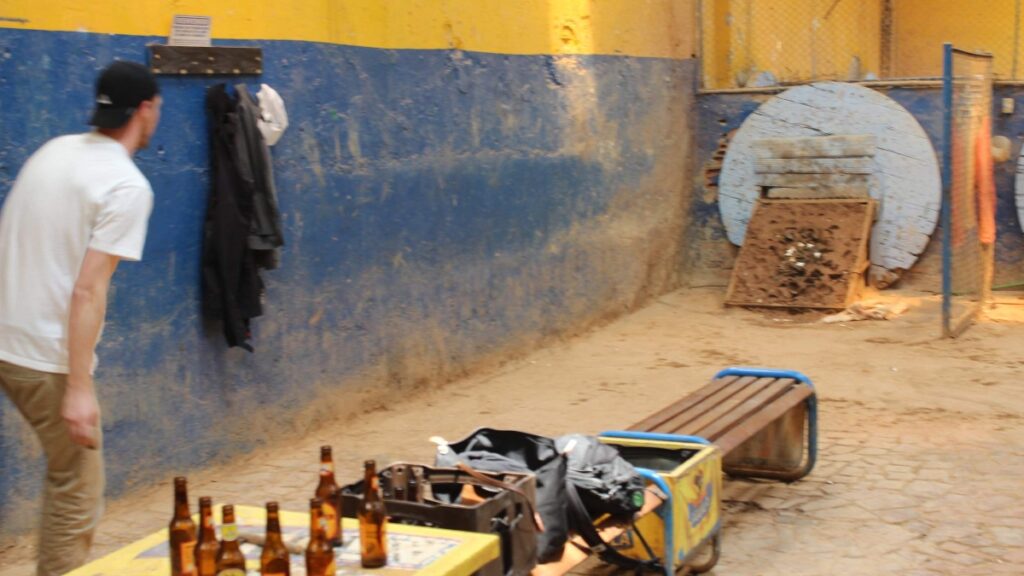
💥 Tejo Traditions: The National Sport of Colombia’s Explosive Heritage
I recently found Colombia’s most thrilling native pastime during my adventures across this diverse country in the world. Upon arrival, this amazing ancient game blends precise targeting skills with the unexpected excitement of small explosions embedded within clay-based targets.
You know that feeling when you find something amazing? Fun facts about Colombia seldom reveal how this explosive sport actually started centuries before Spanish colonizers ever reached South American shores.
The vibrant atmosphere surrounds traditional Tejo courts where locals eagerly gather, creating social hubs while launching metal discs toward strategically placed targets across the playing field.
In such places, cold refreshing beers and delicious Colombian food flow freely as participants engage in spirited matches nationwide. At first appearing daunting, yet within moments, visiting travellers typically receive warm invitations to join games from friendly residents.
Amazing insight: Tejo competitions strictly regulate equipment, requiring metal pucks weighing precisely 680 grams – this standardization ensures fair play across Colombia’s diverse playing venues and regional tournaments in this happiest country in the world.
My personal encounters with Colombia fun facts always surprise fellow travellers who stumble upon this amazing national sport during their journeys across this amazing South American country.
Here’s what locals know – the unique combination of technical precision, social interaction, and controlled explosions creates an unmatched sporting environment. Beyond expectations, fun things about Colombia include the amazing ease with which tourists can participate in authentic matches.
Facts About Colombia: Tejo Heritage and Colombian National Traditions
Watching expert players target tiny triangular gunpowder packets produces spectacular small explosions upon successful impact with the metal discs. At each venue, clay-covered playing surfaces extending roughly three meters feature precisely positioned targets arranged for optimal scoring opportunities.
Without doubt, fun facts about Colombia should emphasize how this pre-Hispanic tradition has endured through countless generations while gradually incorporating contemporary elements from modern Colombian culture.
The complex scoring rewards great accuracy by granting nine points when competitors successfully strike the central target causing an explosive reaction that echoes across the venue.
During my travels, regional variations emerged across different Colombian departments where communities maintain slightly modified rules or playing dimensions depending on local customs.
Key experience: Beginning players should seek introductory Tejo lessons readily available at La Primera in Bogotá’s Teusaquillo neighbourhood – the friendly instructors there make learning this explosive sport surprisingly easy for nervous newcomers.
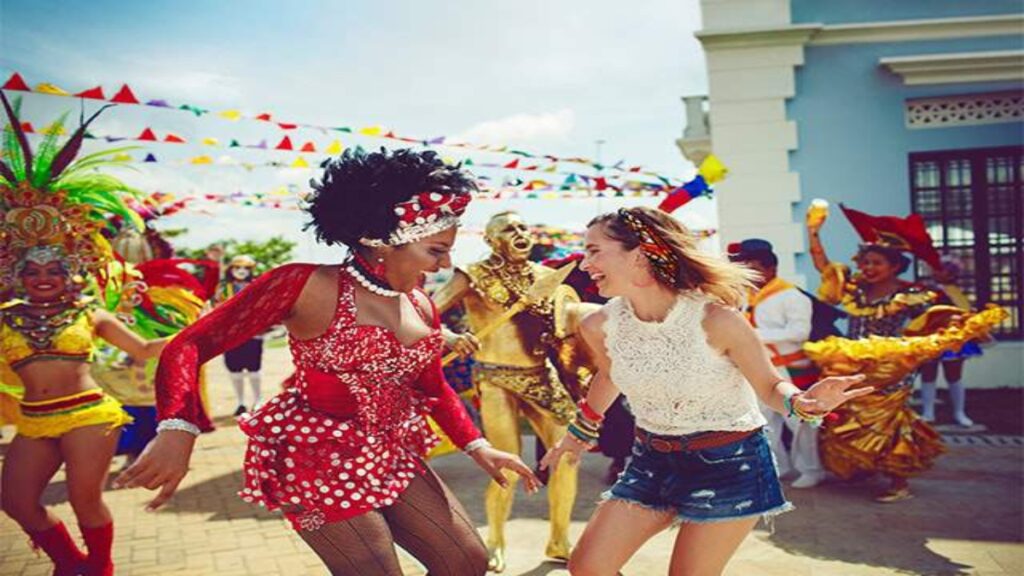
🐷 Carnival Celebrations: Indigenous Roots and Greased Pig Traditions
I once found myself knee-deep in mud watching Colombia’s most peculiar rural carnival unfold before my eyes. Quite amazingly, this annual festival features eager contestants chasing slippery greased pigs through specially constructed muddy arenas in various countryside villages.
Through direct experience, fun facts about Colombia rarely mention how these lively traditions date back several centuries to colonial Spanish influences that shaped modern celebrations.
The local communities prepare eagerly for months by carefully selecting appropriate animals and building temporary competition spaces for these unique events. During these gatherings, traditional music fills the air while delicious regional cuisines tempt spectators between main events.
In many ways, Colombia fun facts often highlight how these muddy celebrations strengthen important community bonds across multiple generations of Colombian families.
Key advice: Pack clothing you’re willing to sacrifice – mud stains from these festivals prove nearly impossible to remove, and trust me, you’ll want to dive right into the muddy chaos without worrying about your wardrobe!
The cultural importance echoes deeply as fun facts about Colombia’s festivals show their central role in rural identity in this Latin American nation. At each event, physical challenges blend with communal laughter and ancient agricultural traditions connecting modern Colombians with their heritage.
These celebrations honor history where Slavery was abolished in Colombia, creating inclusive festivities across the Ocean and the Caribbean Sea coastal regions where Colombian people gather.
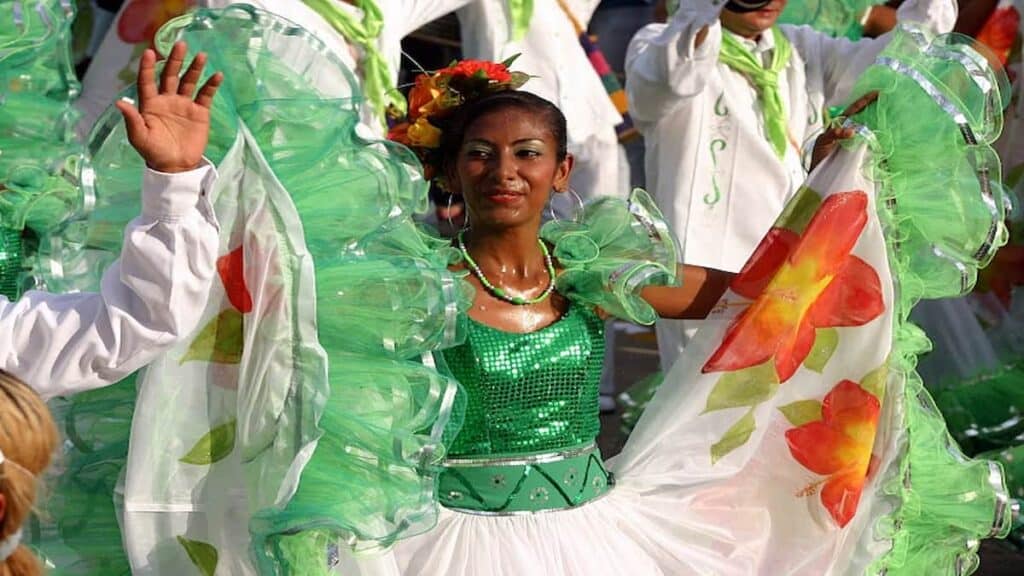
Fun Facts About Colombia: Caribbean Coastline Festival Calendar
These vibrant celebrations typically occur between January and March across small towns in Colombia’s picturesque countryside regions where families have celebrated for generations.
Around every corner, local food stalls serve regional specialties like lechona, fresh arepas, and tropical fruit juices to hungry onlookers seeking authentic Colombian food experiences.
In historical context, fun facts about Colombia should note how these festivals intentionally align with important harvest seasons in farming communities. The national anthem echoes across festival grounds where Colombian people celebrate their heritage with pride.
Tourist participation has increased dramatically as international travelers discover these authentic cultural experiences in this South American country.
Based on personal experience I’d advise that you arrange transportation well in advance through Colombia Transport Ministry trusted operators who know the best routes to remote destinations. Their certified drivers and updated road conditions help you explore Colombia’s hidden gems safely while enjoying the journey through this spectacular country.
Through careful observation, these events provide unmatched insights into Colombia’s genuine rural traditions rarely seen in typical tourist settings across Latin American countries.
Must-visit spot: The charming town of La Vega hosts what many consider the most spectacular greased pig festival in the country – their January celebration draws eager participants from across Colombia for three days of muddy mayhem.
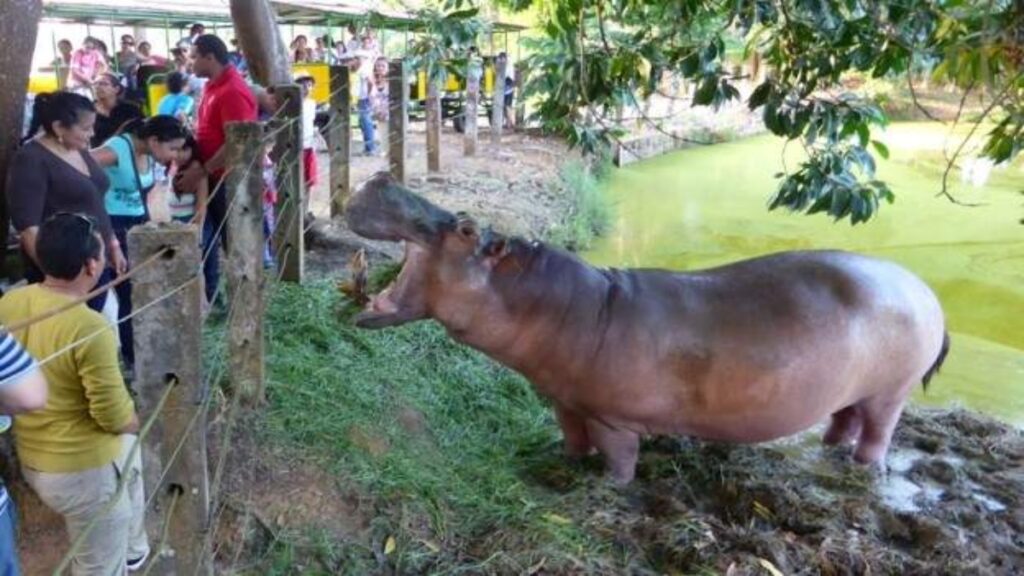
🦛 Escobar’s Legacy: Surprising Hippo Problem Outside Africa
I recently witnessed Colombia’s most unexpected wildlife sight while exploring rural waterways near Puerto Triunfo. During my visit, these enormous mammals – descendants of just four hippos imported by infamous narcotrafficker Pablo Escobar – now number more than eighty individuals freely roaming local rivers.
Among startling fun facts about Colombia, the country now holds the unusual distinction as home to the largest wild hippo population anywhere outside African territories.
Environmental officials share fascinating hippo research through Colombian Environment Ministry updates and safety guidelines. You’ll learn about these unexpected Colombian residents while discovering safe spots to observe them during your adventure through this amazing country.
They sometimes endanger humans residing near their expanding territories. Unlike their situation in Africa, these hippos enjoy virtual freedom from natural predators in their adopted Colombian environment.
Surprising find: Colombian hippos reproduce significantly faster than their African counterparts thanks to perfect year-round climate conditions – what started as four animals has exploded into a population exceeding eighty individuals within just decades!
My conversations with locals revealed Colombia facts that astonish most international visitors regarding how these creatures initially escaped from Escobar’s abandoned estate decades ago across this Republic of Colombia.
According to current research, wildlife biologists predict population numbers could potentially reach several hundred within the next decade without substantial intervention efforts from the Colombian government.
In conservation circles, fun facts about Colombia seldom address the serious ecological challenges presented by these unexpected permanent residents in this second most biodiverse country.
Colombia Has the Most Endemic Species: Exploring Hacienda Napoles’ Unusual Inhabitants
The transformed estate currently functions as a tourist attraction where visitors safely observe certain managed hippos from designated viewing areas in this unique facility.
While exploring, knowledgeable guides detail the complicated history behind Escobar’s exotic animal collection and its subsequent environmental consequences. From historical perspectives, Colombia fun facts frequently begin with this peculiar connection between wildlife management challenges and the country’s complex criminal past.
Dedicated scientists conduct extensive ongoing research examining potential solutions ranging from comprehensive sterilization programs to carefully controlled population management strategies across Colombia’s diverse ecosystems.
At policy levels, Colombian government officials confront difficult decisions balancing legitimate animal welfare considerations against critical ecological protection priorities. Through careful analysis, these discussions highlight the unanticipated long-term ramifications stemming from Escobar’s criminal activities extending beyond his lifetime.
Recommended experience: Join specialized boat excursions along the Magdalena River offering responsible opportunities to observe wild hippos from completely safe distances – these guided tours provide fascinating insights into this unique conservation challenge while ensuring visitor safety.
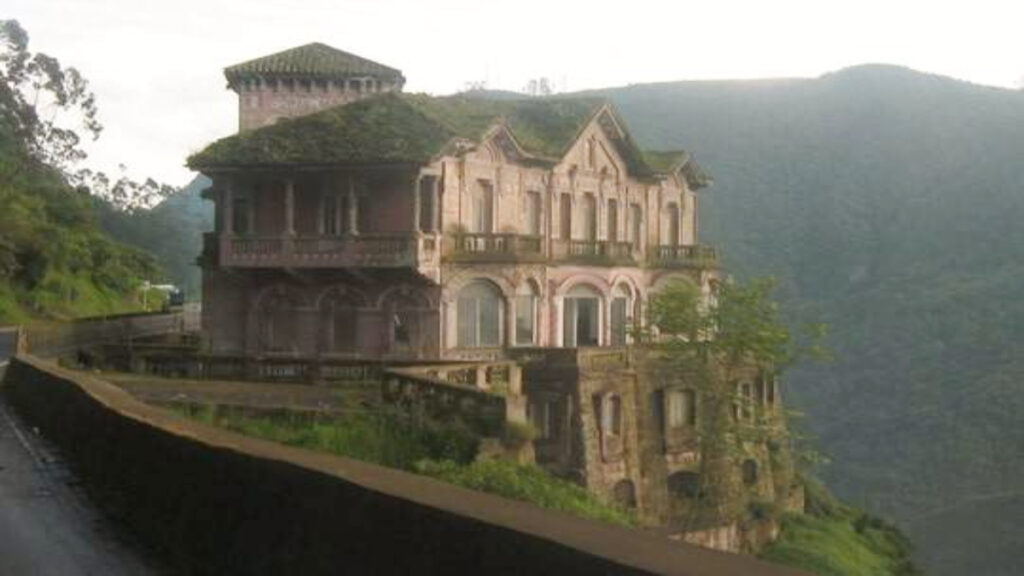
👻 Supernatural Colombia: Haunted Locations From Bogotá’s Capital City
I spent several unforgettable nights exploring Colombia’s most infamous haunted establishment, the abandoned Hotel del Salto at Tequendama Falls, where centuries-old ghost stories persist in this historic structure.
During my visit, locals reported mysterious sounds, cold spots, and shadowy figures appearing throughout the historic structure. Among notable fun facts about Colombia, these chilling tales attract paranormal enthusiasts from across continents seeking supernatural encounters.
Ancient stories describe restless spirits of colonial-era residents and tragic souls who met their end at this clifftop location overlooking the spectacular waterfall.
Despite eerie occurrences, the hotel now operates as a museum while embracing its supernatural reputation through specialized ghost tours and themed events. At first skeptical, many visitors change their minds after experiencing unexplainable phenomena themselves.
Insider tip: Visit during foggy conditions when the waterfall’s mist creates the most atmospheric experience – local guides consistently identify these moments as having the most frequent supernatural manifestations, though be prepared for spine-tingling encounters!
Beyond natural wonders, Colombia fun facts encompass these bone-chilling supernatural elements that fascinate visitors in this Latin American nation. In historical context, the nation’s complex past of conquest, conflict, and cultural blending creates perfect conditions for ghost stories to flourish.
Through cultural evolution, fun facts about Colombia often reveal how native beliefs blend with European ghost traditions creating unique folklore in this South American country.
Facts for Kids: Caribbean Sea Ghost Stories and Historic Mysteries
Wandering through numerous colonial towns reveals countless historic buildings with their own spectral residents in Colombia’s historic regions. In my experience, Cartagena’s walled city contains particularly active sites where guides lead evening ghost tours through narrow streets.
Quite unexpectedly, visitors often report feeling invisible hands touching them inside certain historic buildings in the Caribbean Sea coastal areas of this amazing country.
The rich combination of native practices, Spanish influences, and African traditions creates Colombia’s unique supernatural landscape in this culturally diverse Republic of Colombia. Upon conversation, locals often discuss ghostly encounters matter-of-factly as normal aspects of life in historic areas.
Through these perspectives, these spiritual narratives provide fascinating insights into Colombia culture facts spanning several centuries of this Latin American nation’s complex history.
Must-visit spot: The historic Teatro Amira de la Rosa in Barranquilla regularly hosts paranormal investigation tours for brave visitors – these evening experiences combine theater history with spine-tingling encounters that showcase Colombia’s supernatural heritage in unforgettable ways.
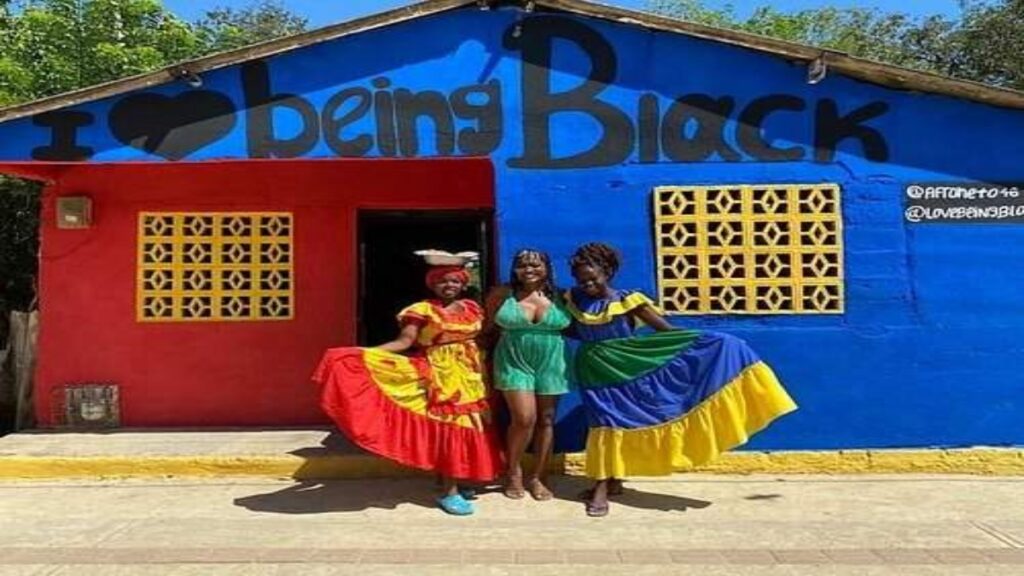
🎵 Shakira’s Homeland: Ancient Whistling Language and Musical Heritage
I recently visited the amazing community of San Basilio de Palenque where residents communicate through elaborate whistled patterns across mountain valleys.
During my stay, locals exchanged complex messages without spoken words, using only whistling techniques.This UNESCO-recognized cultural practice thrives through UNESCO Colombia Office community programs that you can respectfully experience firsthand.
You’ll discover authentic cultural exchanges, traditional workshops, and meaningful ways to support local communities while learning about their incredible heritage.
Master whistlers transmit nuanced information including emotions, tone, and specific details that outsiders cannot comprehend. Through historical necessity, this system developed when enslaved Africans needed secret ways to communicate without Spanish overseers understanding.
Despite technological advances, many community members still prefer whistling for certain communications.
Amazing find: The whistles can communicate up to two kilometers away across low areas – this incredible range made the system invaluable for coordinating activities and sharing information across vast plantation territories during colonial times.
My guide shared Colombia fun facts about this town being the first free African settlement in the Americas. Through local tours, visitors can experience demonstrations where community members teach whistling communication techniques.
In historical context, fun facts about Colombia emphasize how this language represents resilience and cultural preservation against oppression. This UNESCO site also hosts an annual Salsa Festival celebrating Colombia’s rich musical heritage including famous artists like Shakira.
Sierra Nevada de Santa Marta: Salsa Festival Traditions and Cultural Heritage
Academic researchers travel from universities worldwide to study this rare whistling language before potential extinction. Meanwhile, younger generations receive formal instruction in whistling traditions alongside standard Colombian education.
I can’t tell you how amazing it is to witness this UNESCO treasure being passed down through generations with such dedication and pride.
Cultural tourism provides economic opportunities while helping preserve this endangered communication method. Through thoughtful planning, community leaders balance tourism interest against potential exploitation of their heritage.
As a result, visitors gain authentic experiences while contributing to the preservation of this amazing linguistic tradition.
Unforgettable experience: Participate in whistling language workshops where instructors teach basic communication patterns to interested visitors – these hands-on sessions provide incredible insights into this UNESCO-recognized cultural treasure while supporting its preservation for future generations.