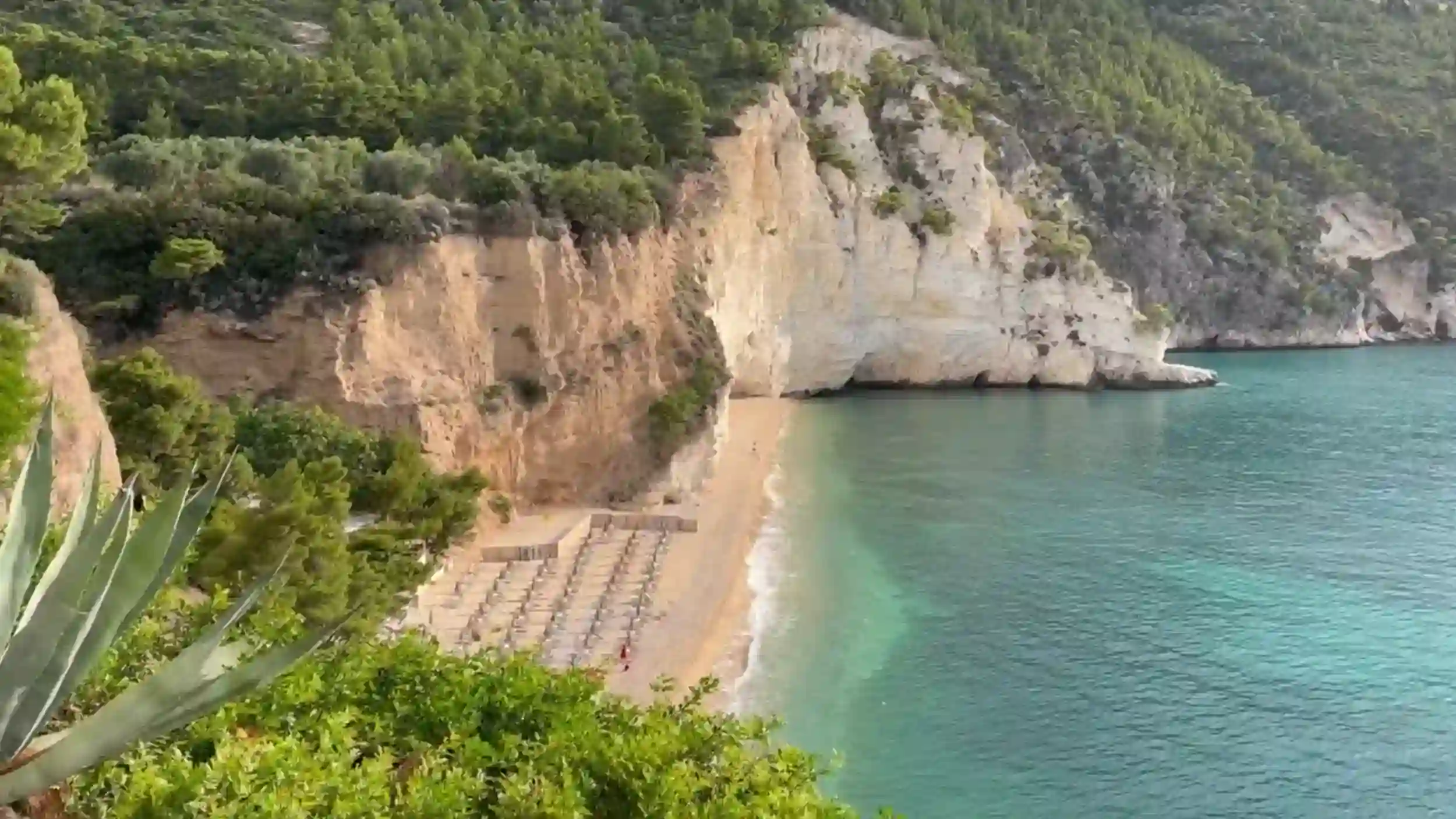
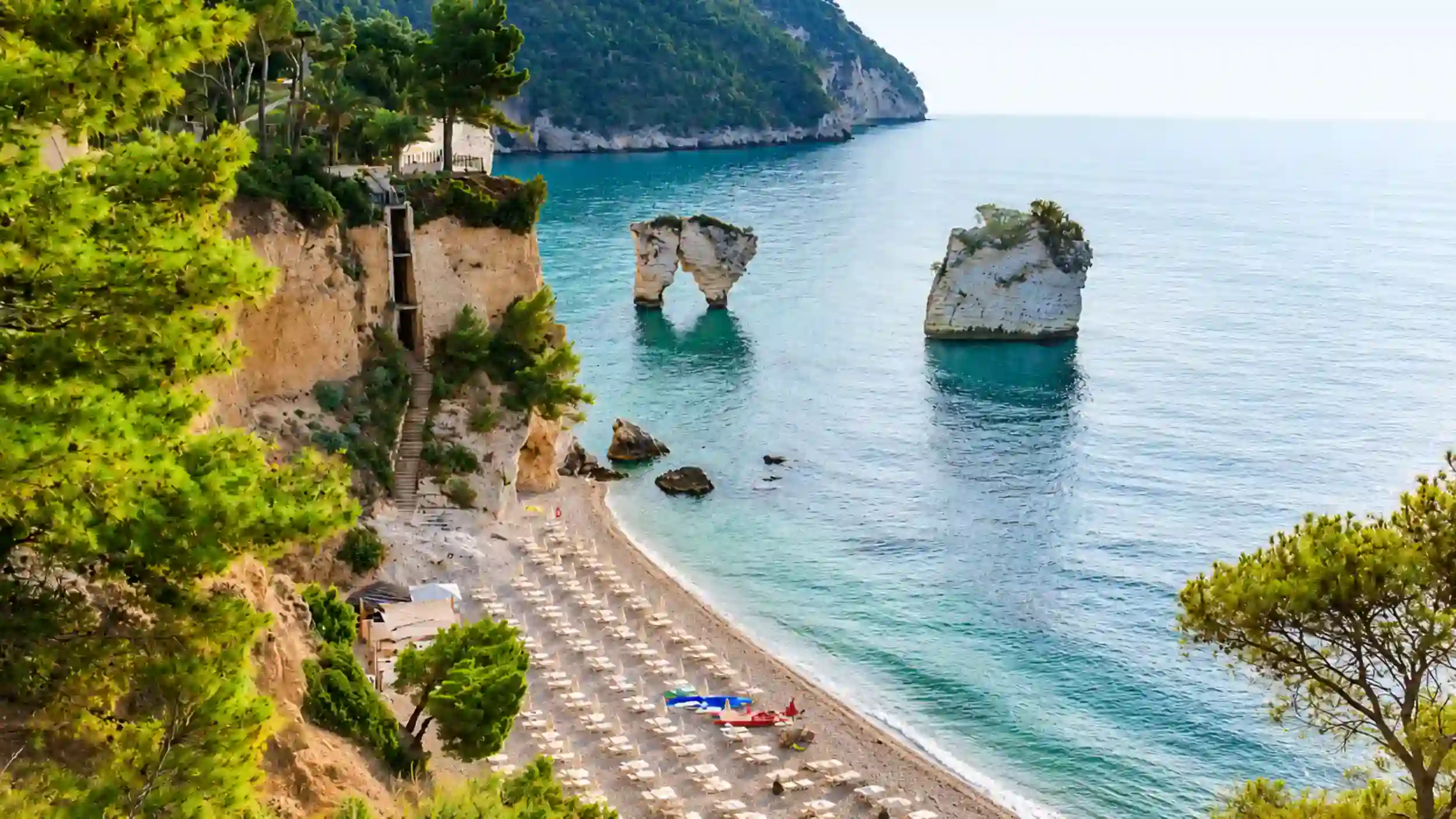
Wind can completely change which Gargano beach works best, even when the forecast is warm and sunny. I found exposed beaches could become uncomfortable as the wind built, while a bay protected by a headland remained much calmer. The most useful approach was to keep the itinerary flexible, use calmer conditions for swimming and boat trips, and move inland when the coast became less inviting.
That changed the question I asked each morning. Instead of deciding whether the weather was “good”, I started deciding where that particular weather would work best. It saved me from driving to a favourite beach and then stubbornly trying to make the wrong stretch of coast work.
🌤️ How Should You Use the Weather Forecast in Gargano?
I would use the forecast to choose where to go rather than simply decide whether it was a beach day. At first I looked mainly at temperature, but that proved too simplistic. Wind direction, sea state and how exposed a particular section of coastline was often mattered more.
Sunshine did not guarantee calm water. A breezy forecast did not automatically rule out swimming either.
Can the Weather Differ Between Gargano Beaches?
Gargano’s headlands and curving bays create noticeably different levels of shelter. Once that became obvious on the ground, a rougher-looking first choice stopped feeling like a failed beach day. I could move to another part of the coast, look for a more protected bay or simply bring an inland plan forward.
- 🏊 Calm morning: prioritise swimming, snorkelling or the beach you most want to experience.
- 🚤 Best sea window: give it to a boat trip rather than an activity that works in any weather.
- 🌬️ Wind building: look for a sheltered bay or shorten the beach day.
- 🌲 Coast too exposed: move inland rather than waiting for the beach to improve.
The forecast became a location tool rather than a simple sunshine check. That was a much more useful way to plan the peninsula.
🌤️ WHAT I WOULD CHECK
Wind direction, sea state and how exposed the beach is, not just the temperature or sunshine symbol. A warm forecast can still produce the wrong conditions for the stretch of coast you had planned.
🏖️ How Much Does Wind Affect Gargano Beaches?
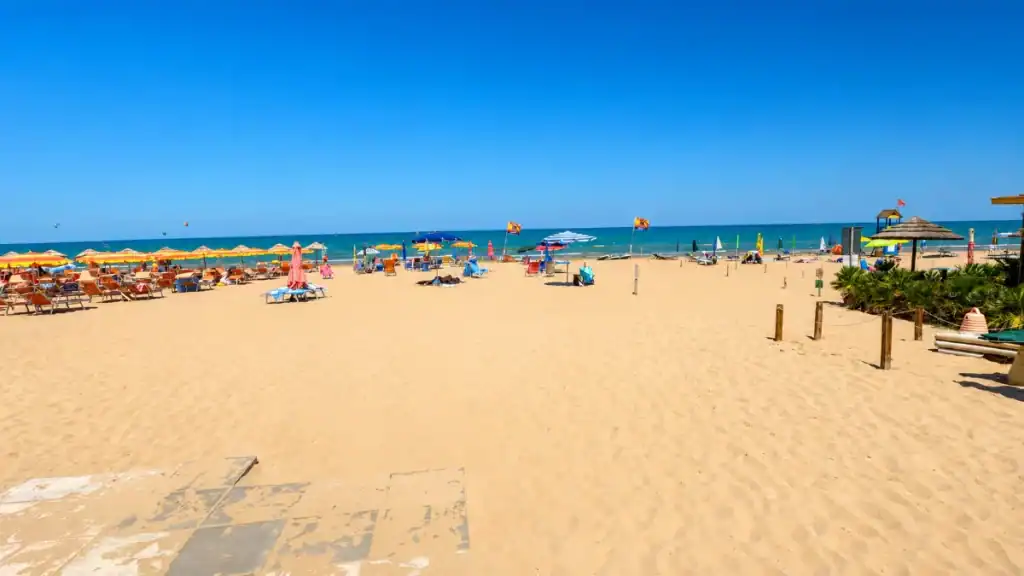
Enough to make two nearby beaches feel completely different. One open stretch could have choppier water and moving sand, while a bay protected by a headland only a short drive away remained far more comfortable.
Can Another Beach Be Calmer Nearby?
I stopped treating Gargano’s beaches as interchangeable. If the first choice was taking the wind directly, waiting there rarely made sense when another bay offered more shelter. Keeping two or three possible beaches in mind made the final decision easier once I could see what the morning was actually doing.
That was one of the smallest changes I made to the trip, and one of the most useful.
🏖️ MY BEACH RULE
Keep two or three possible beaches in mind. If the first is taking the wind directly, I would move rather than wait for an exposed stretch to become comfortable.
🌬️ What Is the Best Time of Day for Gargano Beaches?
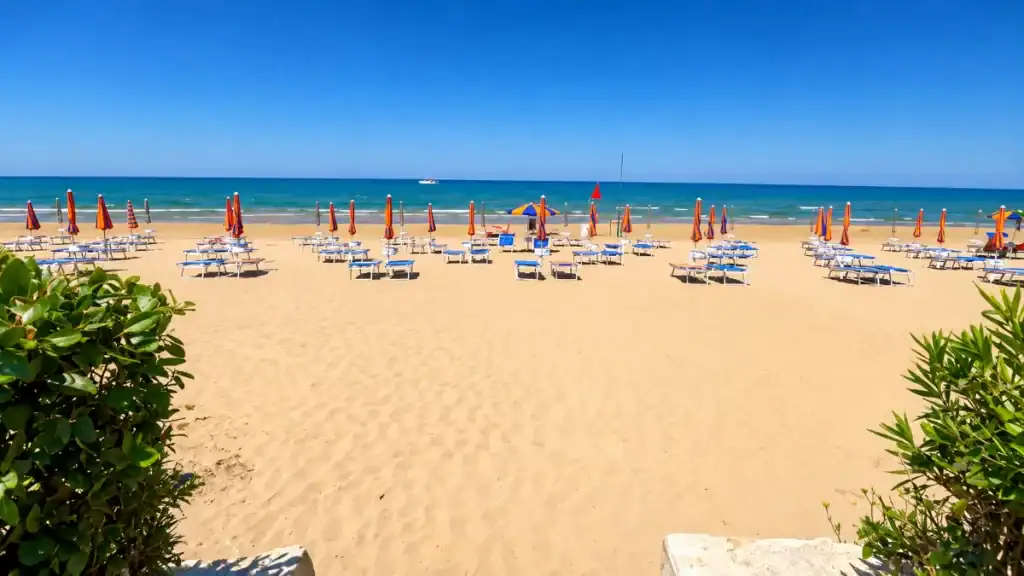
Morning was the safer window for me when swimming mattered most. There was no single clock time when Gargano’s wind suddenly arrived, but exposed stretches often felt easier earlier, with the wind becoming more noticeable later in the day.
The change was visible before I needed a weather app to confirm it.
How Can You Tell When the Wind Is Building?
Towel corners started lifting. Umbrellas needed adjusting. Sand began moving across bags and sunbeds, and swimmers spent less time in the water. Families often packed first, then smaller groups gradually followed. There was rarely a dramatic moment when the beach day ended; it simply became less comfortable until leaving made more sense than staying.
That experience reinforced why starting Gargano beach days earlier can make such a difference. Earlier was not automatically better every day, but it gave me more chance of using the calmer part of the day before conditions changed.
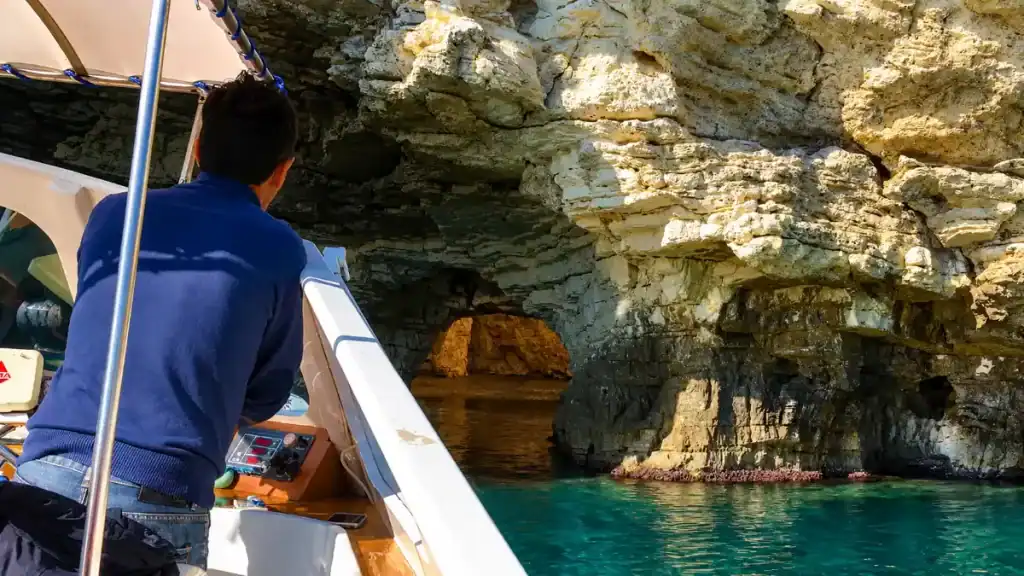
🚤 What Weather Is Best for a Gargano Boat Trip?
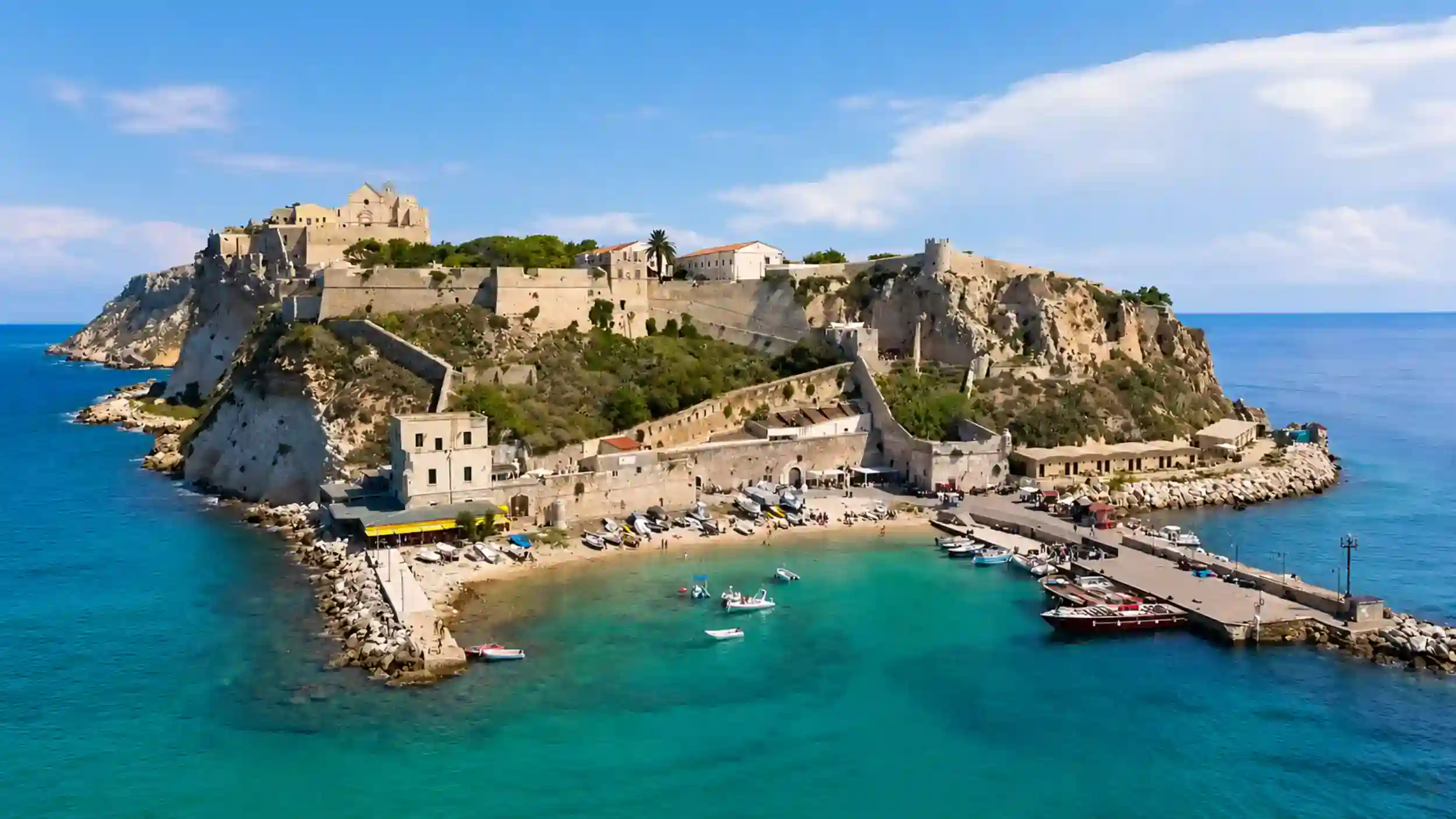
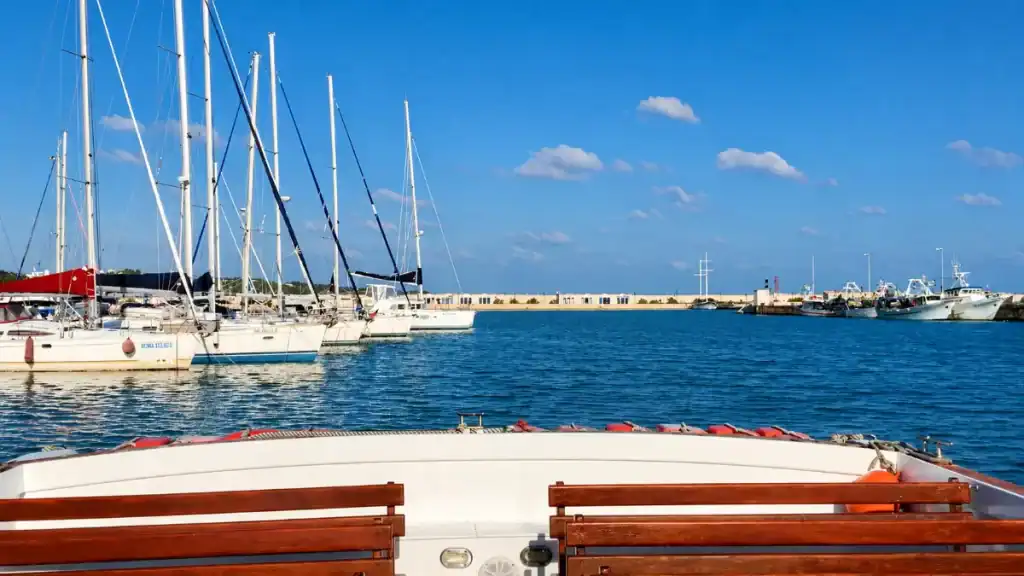
Boat trips were the activity I least wanted to force into a fixed schedule. Excursions from Vieste and trips towards the Tremiti Islands depend on sea conditions in a way that a drive or inland day simply does not.
A warm, sunny forecast could still coincide with uncomfortable movement once the boat left the shelter of the coast. For time on the Adriatic, I paid much closer attention to wind and sea state than to temperature.
Can Wind Affect a Boat Trip Even If It Still Runs?
Rougher water can make the journey less comfortable, reduce swimming opportunities or affect access to smaller sea caves. More unsettled conditions can lead to route changes, delays or cancellations. So if a genuinely calm day appeared, I would move an inland plan before sacrificing that weather window.
🚤 MY BOAT-DAY RULE
Keep the excursion movable until the forecast becomes useful, then give the calmest realistic day to the sea.
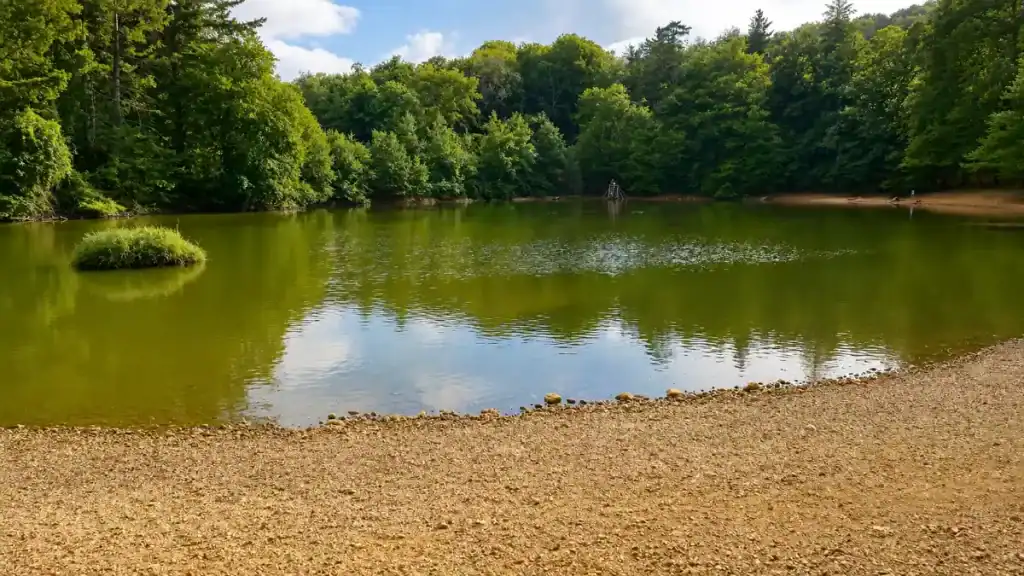
🌲 What Can You Do in Gargano on a Windy Day?
I would move inland rather than spend hours trying to rescue an exposed beach day. Monte Sant’Angelo, Vico del Gargano, Foresta Umbra, agriturismos and forest roads gave me strong alternatives rather than consolation prizes.
A windy forecast changed the direction of the day rather than ending it.
Is Inland Gargano a Good Alternative to the Beach?
After several coastal days, cooler woodland and hill towns provided a contrast I probably would not have prioritised if every beach day had been perfect. The weather effectively forced more variety into the itinerary, and I was glad it did.
This was particularly useful in Gargano in October, when changeable conditions made a coast-only plan unnecessarily restrictive. Inland Gargano was strong enough to deserve time regardless of what the sea was doing.
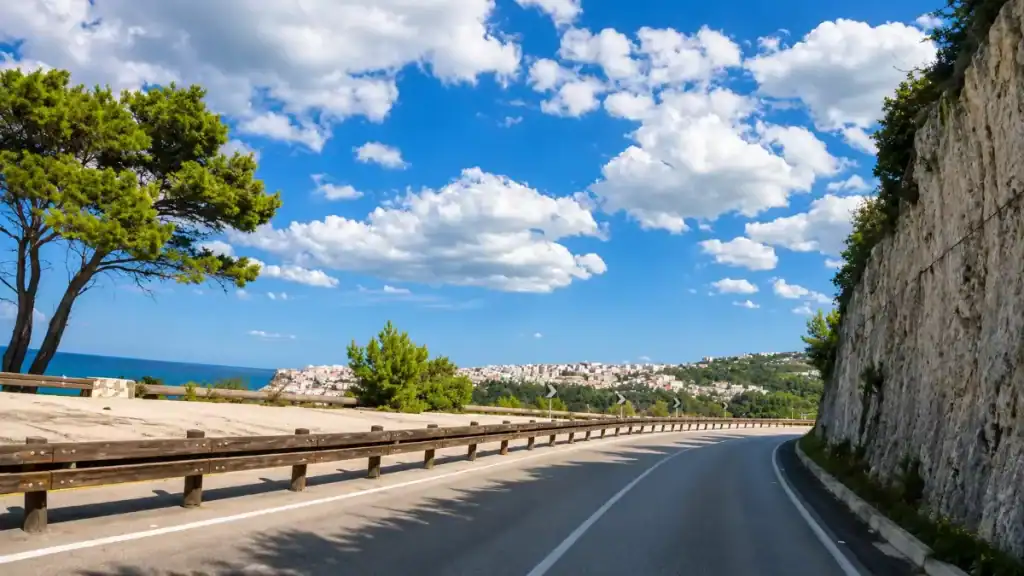
🚗 Does Strong Wind Affect Driving in Gargano?
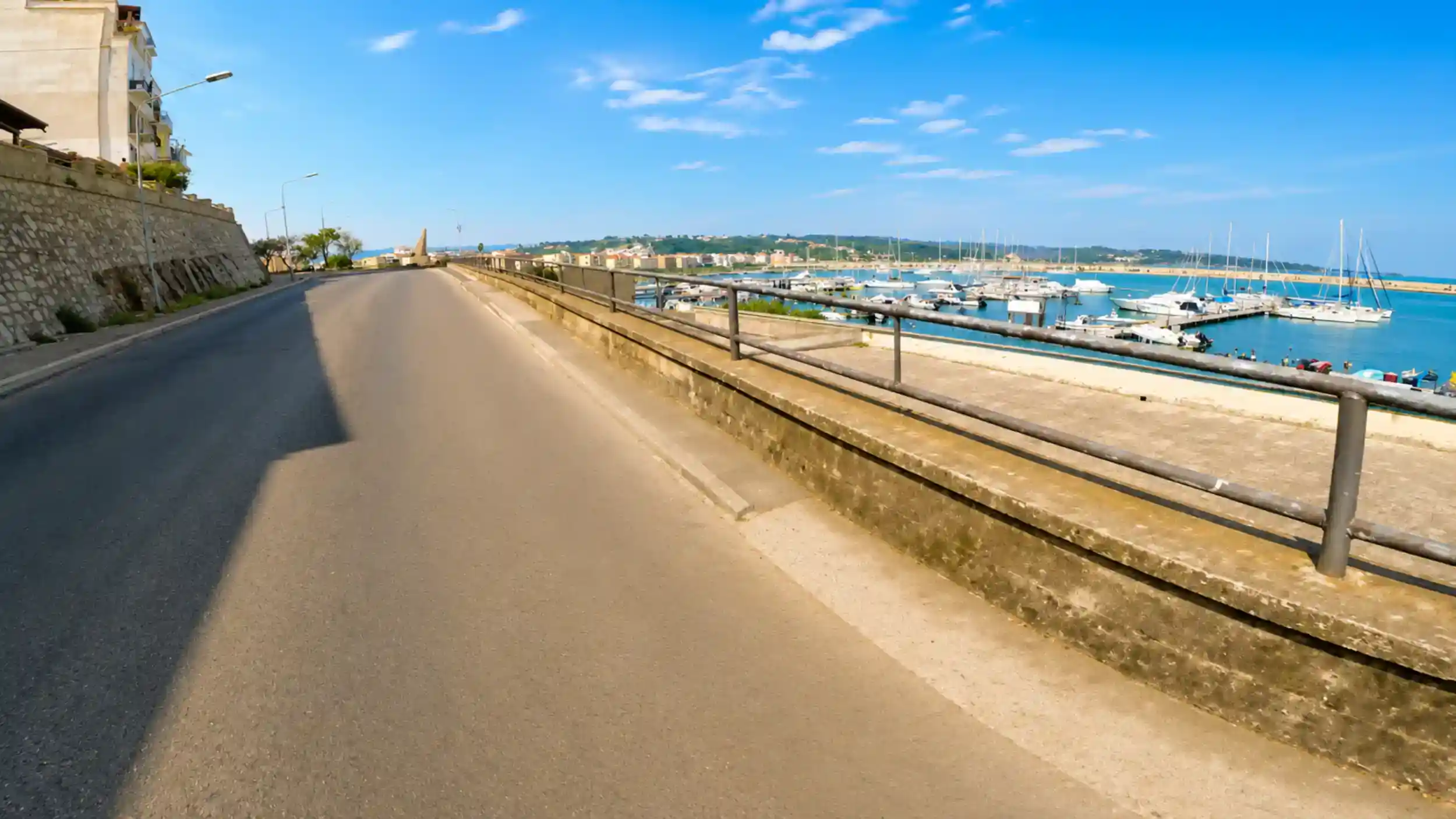
Weather affected more than beaches and boats. On calm days, I was happy to stop repeatedly at exposed viewpoints and linger above the coast. Stronger gusts shortened those stops, and on higher or more open sections the driving itself demanded more concentration.
Is the Coastal Road Difficult in Windy Weather?
That distinction mattered. I was not avoiding the coastal road because it had suddenly become unsafe in ordinary windy conditions. I was recognising that sustained gusts on bends and exposed sections made a long scenic driving day more tiring than the same route in calmer weather.
At clifftop viewpoints, the effect was simpler: I got out, took in the view and returned to the car sooner. The scenery had not become less impressive. The rhythm of the drive had changed.
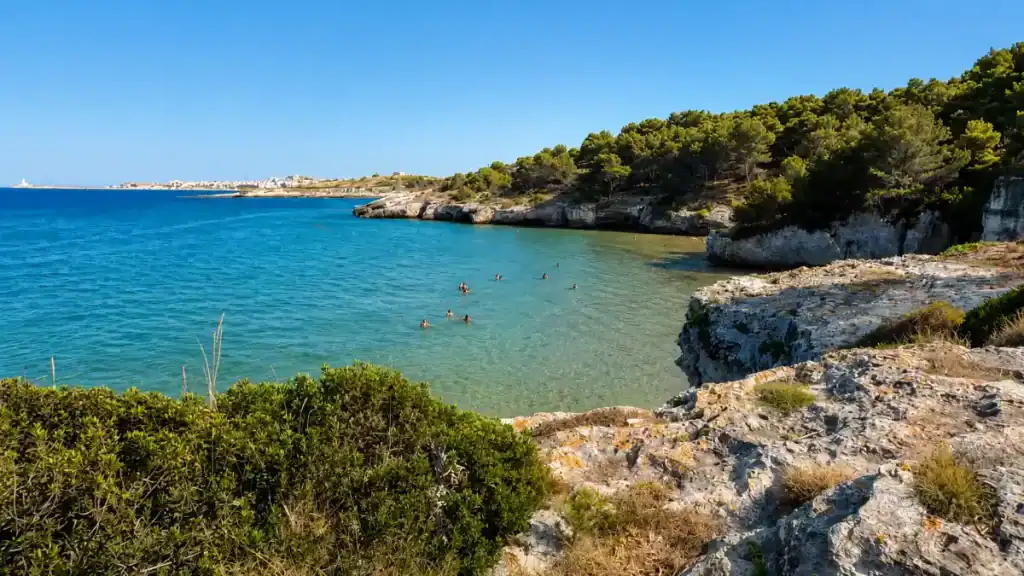
🧭 How Flexible Should a Gargano Itinerary Be?
I would keep the order flexible while still knowing which beaches, drives, towns and boat trips I wanted to do. The most useful change was stopping myself from assigning every activity to a fixed day before the forecast had earned that level of confidence.
Calm conditions went to the coast. Windier days could go inland. A beach choice could change that morning without disturbing the rest of the week.
How Would I Plan Around the Forecast?
That approach worked because Gargano offers genuinely different experiences within the same peninsula. I could exchange a beach for forest roads or a hill town, then return to the water when calmer conditions came back. Nothing needed to be cancelled emotionally just because it moved by a day.
For me, that produced the better-balanced trip. The forecast still mattered, but it stopped being something that could ruin the itinerary. It simply decided which version of Gargano made the most sense that day.
🧭 THE APPROACH I WOULD USE AGAIN
Calm sea for swimming or boats, stronger wind for inland Gargano, and enough flexibility to swap the order without treating a changed plan as a lost day.