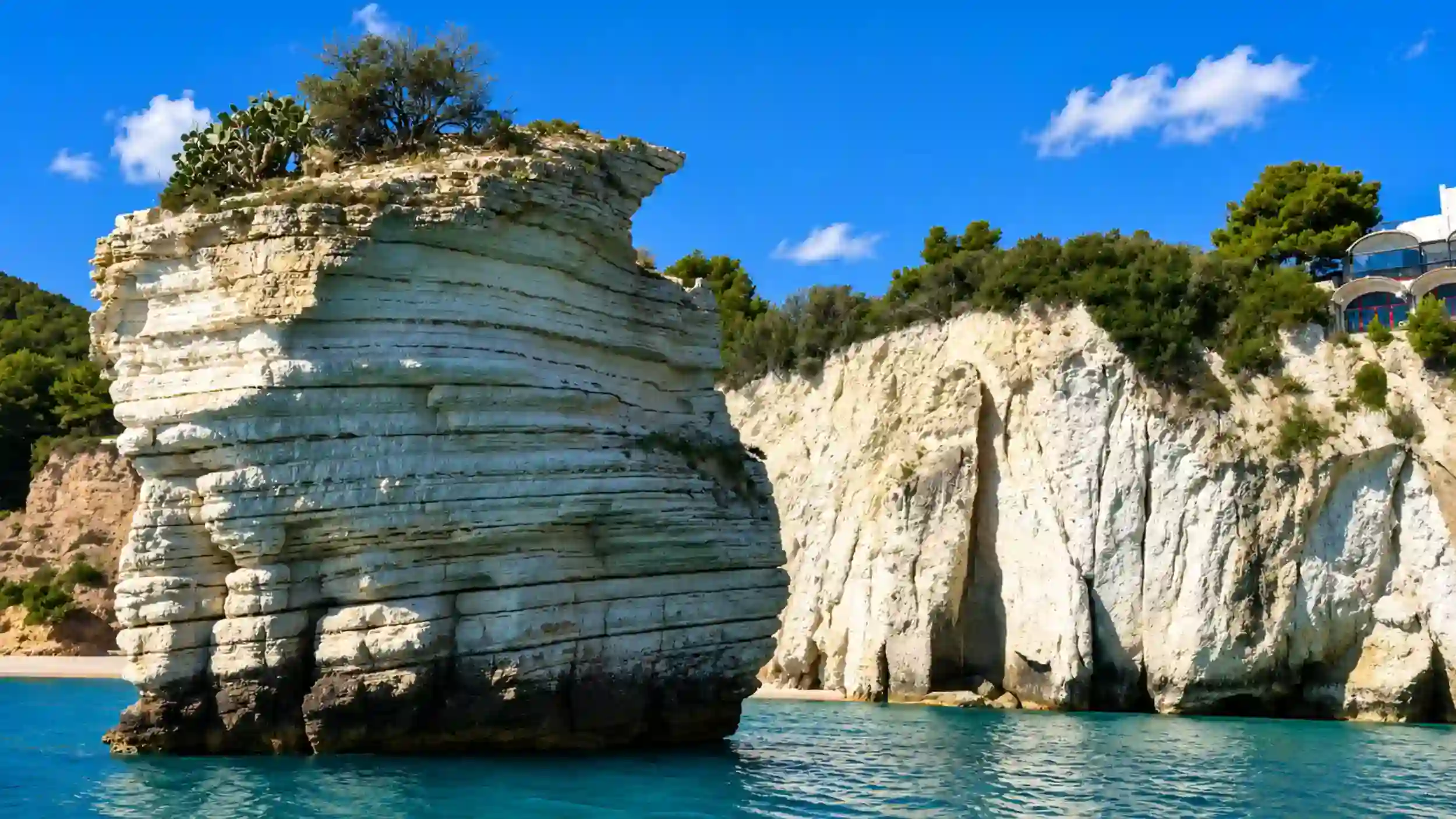
🌍 East or North Gargano: Which Side Should You Choose?
East vs North Gargano is a choice between an easier beach holiday and a more varied road trip. I would choose East Gargano for the stronger overall experience, but North Gargano makes more sense if long sandy beaches, easier driving and relaxed days by the sea matter most.
What surprised me most was how little the two sides felt like variations of the same coast. Moving between them changed the rhythm of the trip as much as the scenery, enough that where you base yourself can shape the whole holiday.
Who Is North Gargano Best For?
I would choose North Gargano for travellers who want straightforward beach days, easier driving and a more predictable pace. The broader beaches and simpler access make it particularly well suited to families and anyone planning a relaxed seaside holiday.
Who Is East Gargano Best For?
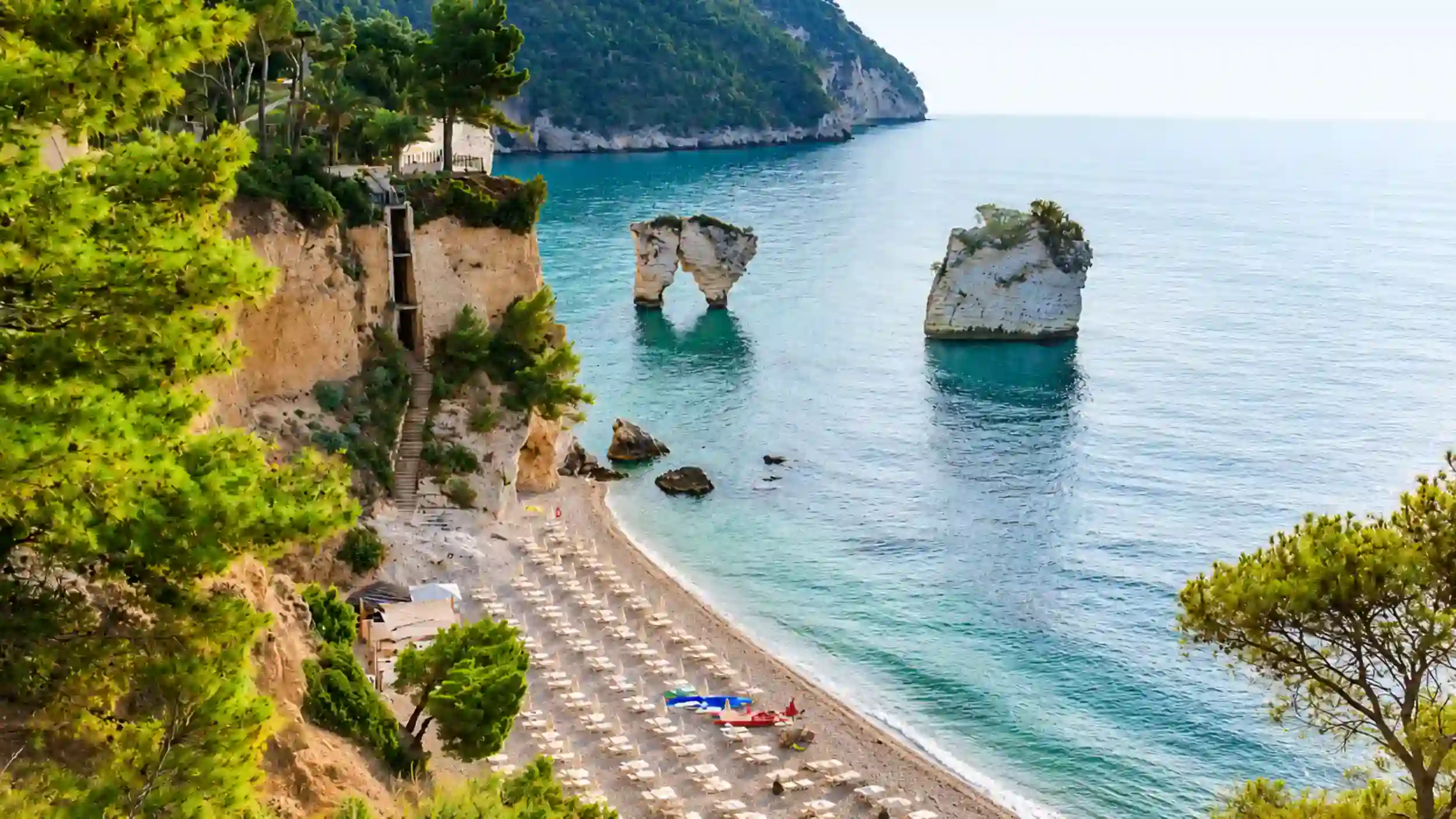
I would choose East Gargano for travellers who enjoy the journey as much as the destination. The coastline kept changing between cliffs, sea stacks, hidden coves and elevated viewpoints. Driving took longer, but that was often where the day became memorable.
| 🌍 East vs North Gargano | 🌅 East Gargano | 🏖️ North Gargano |
|---|---|---|
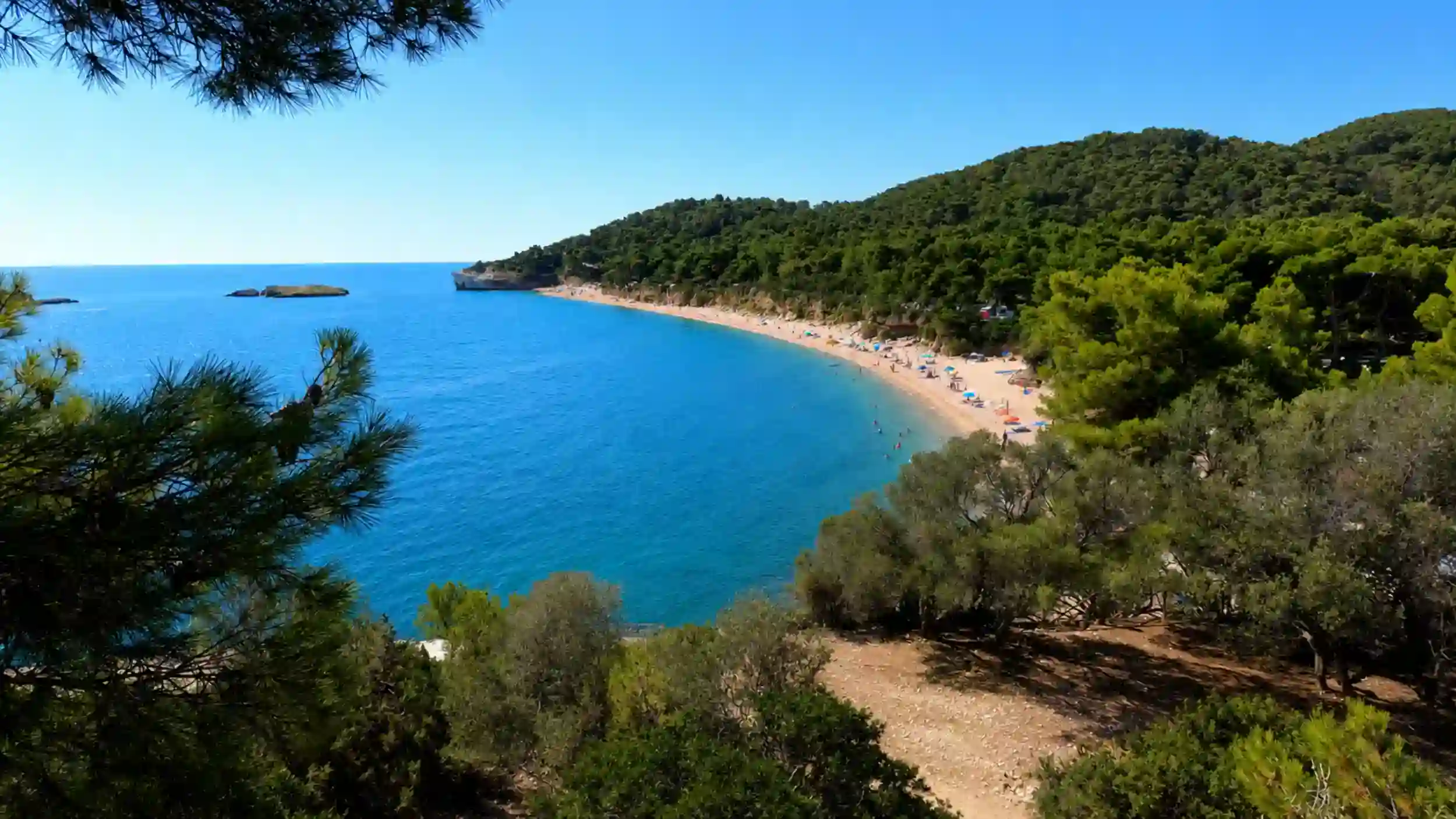
| 🌄 Landscape | Dramatic cliffs and coastal scenery | Flatter coastline with long sandy beaches |
| 🚗 Driving | Scenic but slower | Easier and more direct |
| 📸 Views | Frequent panoramic viewpoints | More open coastal landscapes |
| 🏊 Beach style | Small coves and clear water | Wide, sandy beaches |
| 😌 Holiday feel | Adventure and exploration | Relaxed and uncomplicated |
If your priority is easy beach access and a slower-paced holiday, North Gargano is likely to be the better fit. If you enjoy dramatic scenery, memorable drives and discovering hidden viewpoints along the way, East Gargano offers a much more varied experience.
📌 QUICK CHOICE
Choose North Gargano for easier beach days and simpler driving. Choose East Gargano for scenery, road-trip variety and easier links with the interior.
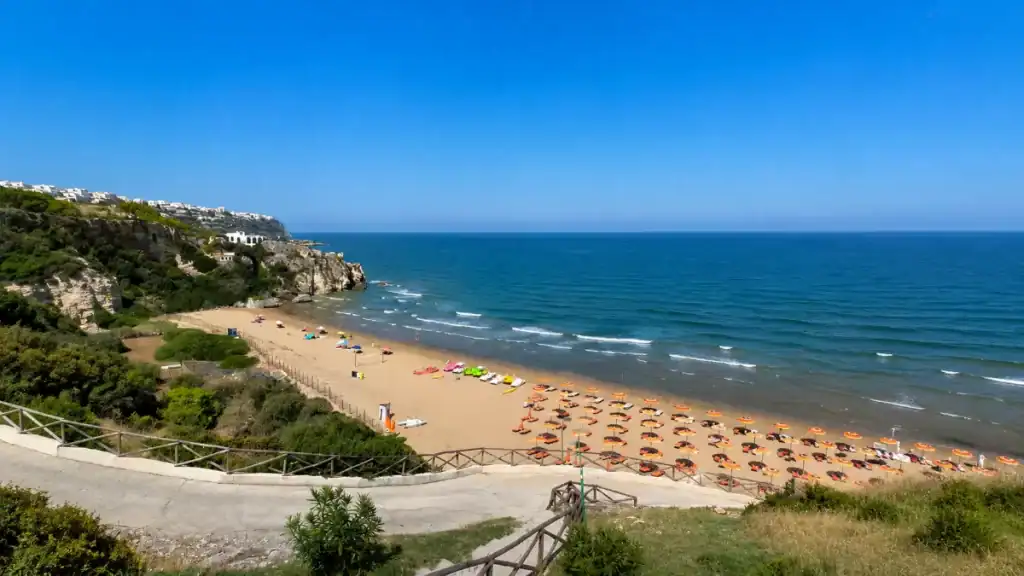
🧭 Is North Gargano Better for an Easy Beach Holiday?
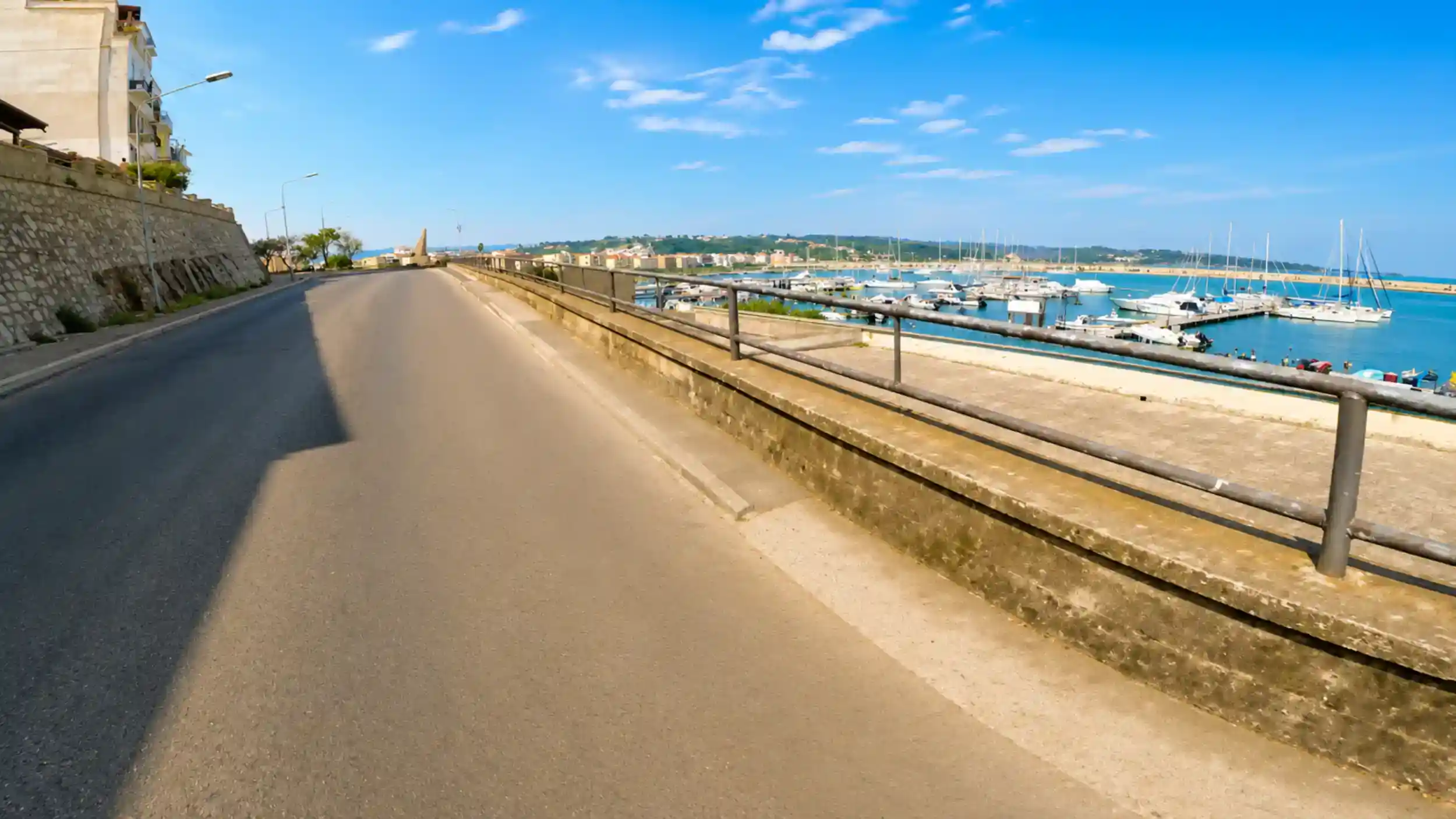
Yes. North Gargano felt easier almost immediately. Straighter roads, flatter terrain and beaches close to the coastal towns meant I spent less of the day negotiating the journey. If your priority is a relaxed seaside holiday with minimal driving effort, that simplicity is a genuine advantage.
What Makes North Gargano Easier?
Beach days are easy to plan and the pace of the holiday feels predictable. Rather than navigating winding cliff roads or stopping regularly at viewpoints, most journeys focus on reaching the beach before settling in for the day.
Families, couples and anyone looking for a traditional seaside break often appreciate this straightforward approach to exploring the peninsula.
That convenience is one of North Gargano’s biggest strengths, but it also shapes the overall experience. Once you’ve settled into the rhythm of beach, lunch and another beach, the days can begin to feel quite similar, particularly if you’re spending a week or more exploring this part of the peninsula.
For some travellers that’s exactly what they want. For others, it’s the point where East Gargano starts to become the more rewarding choice.
- 👨👩👧👦 Families: North is usually the easier fit.
- 🏖️ Beach-first holidays: North keeps the days simpler.
- 🚗 Explorers: East makes the journey part of the experience.
- ⛰️ Coast plus inland: East connects more naturally with the peninsula’s interior.
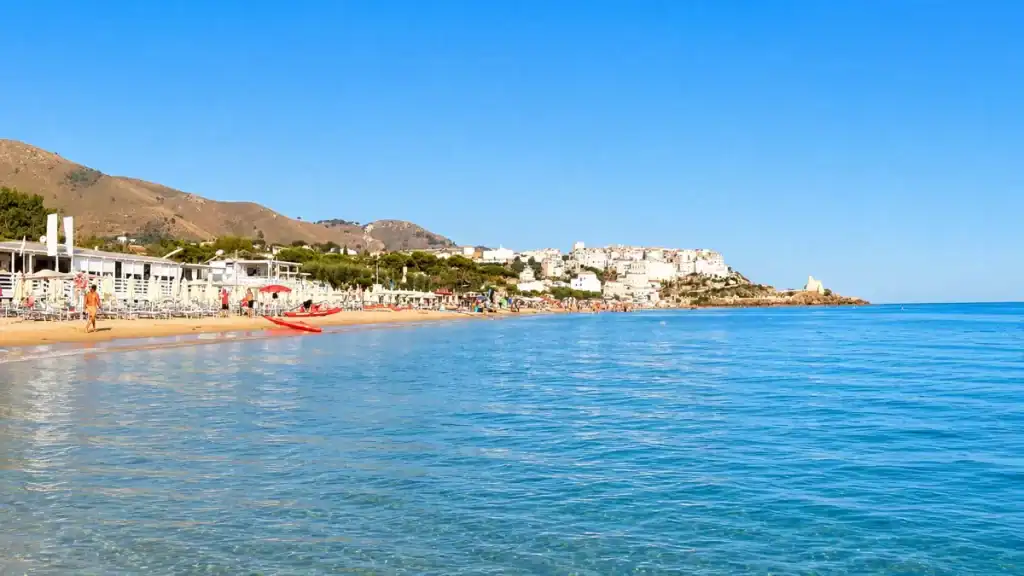
🏖️ Does North Gargano Become Repetitive?
It can, particularly on a longer beach-first stay. North Gargano has some of the peninsula’s best beaches, so this isn’t a criticism of the coastline itself. The difference is that Gargano beach days can start following the same rhythm. They are easy to reach, comfortable to spend time on and often encourage staying close to the coast for most of the day.
What Did the Daily Rhythm Feel Like?
After several days, I could feel the pattern becoming familiar.
Beach. Parking. Swim. Lunch. Another beach. Return to town.
That consistency makes North Gargano an excellent destination for travellers looking to unwind, but during longer stays the days can begin to merge together because the overall rhythm changes very little.
The longer sandy coastline naturally encourages staying beside the sea rather than exploring inland. Over time, many visitors begin making shorter beach stops instead of spending an entire afternoon in one place.
An hour here. Another stop further along the coast. A quick swim before moving on.
The beaches remain attractive throughout, but unless you deliberately introduce inland excursions or time on the water, the holiday can start to feel more repetitive than it does on the eastern side of the peninsula.
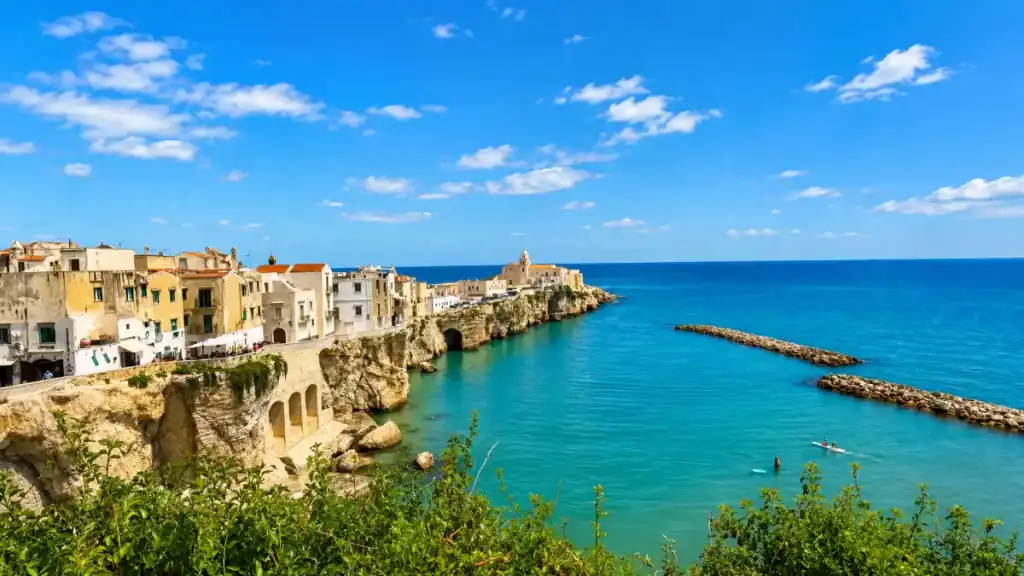
🌄 Is East Gargano Better for a Road Trip?
Yes, if you enjoy road trips rather than simply using the car to reach a beach. The biggest difference for me wasn’t simply the scenery. It was the way the day unfolded. Winding roads, cliffs and changing viewpoints kept interrupting my plans in a good way, so the journey became part of what I remembered rather than dead time between beaches.
What Makes the East Coast Drive Different?
I never settled into the same driving rhythm on the east coast. One stretch opened above limestone cliffs; the next dropped towards a cove, disappeared through pine-covered sections or exposed another wide Adriatic view.
The slower pace wasn’t simply about traffic. I kept stopping because another viewpoint, beach turn-off or stretch of coastline appeared around the next bend. Those interruptions made estimated driving times increasingly irrelevant.
East Gargano is ideal for travellers who enjoy discovering places rather than simply reaching them. If you’re happy to spend longer behind the wheel in exchange for spectacular scenery and a greater sense of exploration, the eastern coastline is likely to leave the stronger impression.
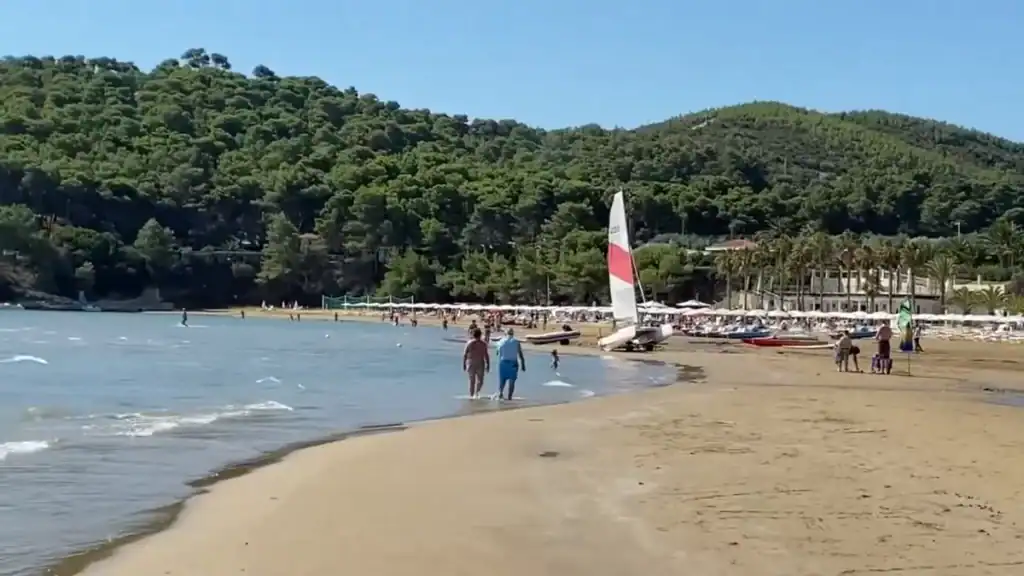
📸 How Much Longer Can East Coast Drives Take?
One of the biggest differences between East vs North Gargano is how often the landscape encourages you to stop. The eastern coastal road constantly changes direction, climbing above the Adriatic before dipping inland and revealing another stretch of dramatic cliffs or sparkling coastline.
Unlike the north, where many journeys simply connect one beach to the next, driving on the east coast quickly becomes part of the day’s experience.
Why Do East Coast Drives Take Longer?
Some viewpoints were obvious and signposted; others were little more than widened pieces of roadside. I found myself pulling over at places I had never planned to stop, and those unplanned pauses became some of the most memorable parts of the east-coast drive.
That was the clearest lesson from the driving: a twenty-minute drive can quietly turn into two hours once beaches, viewpoints and small detours begin stacking together.
Rather than feeling like a delay, those interruptions become part of what makes East Gargano so memorable. Every stop reveals another perspective, making the coastline feel more exploratory and far less predictable than the northern side of the peninsula.
The terrain naturally pulls you away from the shoreline, whether it’s towards an elevated viewpoint, a hillside village or an unexpected inland road. That’s one of the reasons East Gargano rewards travellers who enjoy exploring without feeling tied to a strict itinerary.
🚗 WHAT CHANGED FOR ME
Once I stopped treating east-coast driving time as dead time, the slower road became much less frustrating. The unplanned viewpoints and beach detours were part of the day rather than delays to it.
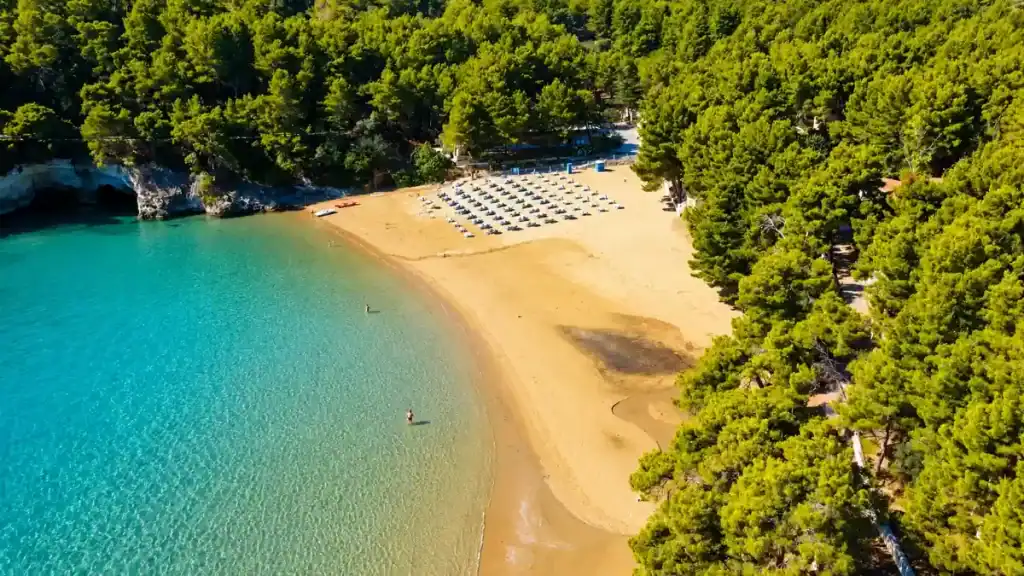
🌊 Are East Gargano Beach Days Less Predictable?
Yes. East Gargano asked for more flexibility because swimming conditions could change through the day. The northern coastline felt more predictable, with long sandy beaches and gentler water creating a more reliable setting for relaxed beach days.
The eastern coast is much more influenced by the weather, making every visit feel slightly different.
How Much Can Wind Change the Beach?
Many of the east coast’s beaches are tucked beneath dramatic cliffs or surrounded by rocky headlands. They can look calm and inviting in the morning, yet become noticeably rougher later in the day as Gargano weather changes beach conditions.
That doesn’t mean swimming is poor. It simply means conditions can change much faster than they do on the northern coastline.
Changing sea conditions naturally encourage a different style of holiday. Rather than spending an entire day on one beach, many visitors enjoy a swim before continuing along the coast to another viewpoint, café or secluded cove.
That variety is part of East Gargano’s appeal. While the north rewards visitors looking for consistency, the eastern coastline rewards those who enjoy adapting their plans and discovering somewhere new as the day unfolds.
🌬️ KEEP THIS FLEXIBLE
On the east coast, I would avoid locking the whole day to one beach. Let the wind and sea conditions decide whether you stay, move to another cove or head inland.
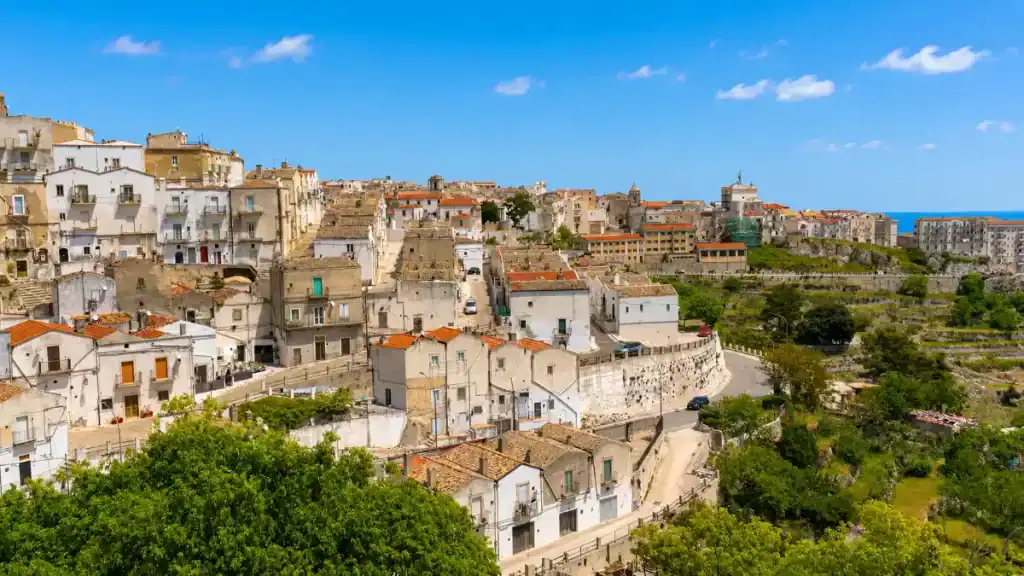
⛰️ Is East Gargano Better for Coast and Inland Trips?
Yes. One of East Gargano’s biggest advantages for me was how naturally the coastline blended into the mountainous interior. Instead of feeling like a separate excursion, Monte Sant’Angelo fits naturally into an East Gargano itinerary, with roads climbing steadily away from the Adriatic towards one of Gargano’s most distinctive hill towns.
Can You Combine the Coast and Mountains?
The landscape makes it easy to combine different experiences without feeling like you’re constantly changing plans. A morning by the sea can naturally become an afternoon exploring mountain roads, panoramic viewpoints or historic streets before returning to the coast later in the day.
On the northern coast, beach days often remain focused on the shoreline unless you deliberately plan an inland excursion. In East Gargano, the changing landscape naturally encourages you to leave the coast, even if it wasn’t part of your original plan.
That combination of beaches, mountain roads and historic hill towns gives the eastern side of the peninsula a greater sense of variety, particularly during longer holidays when many visitors are looking for something different beyond another day on the beach.
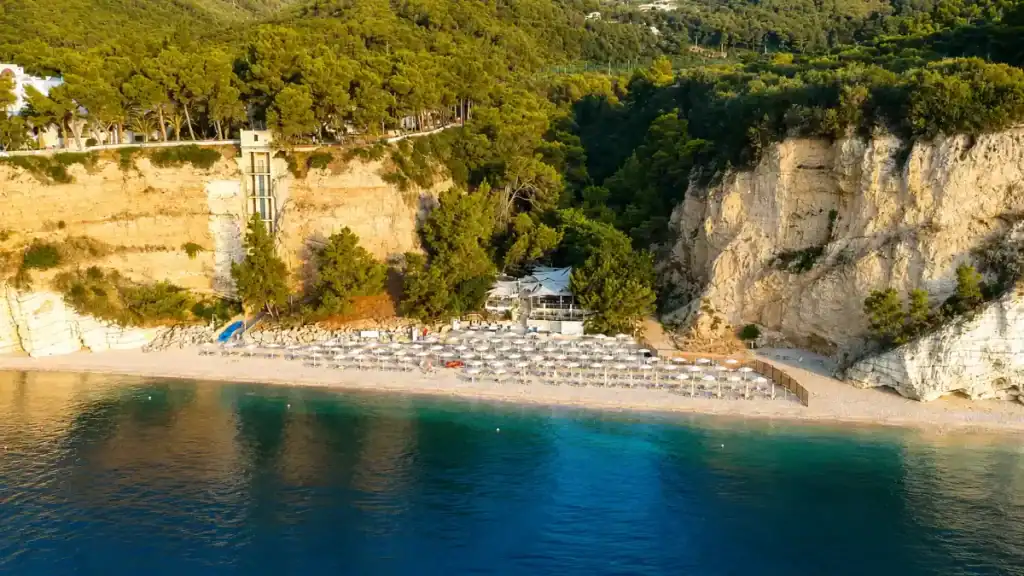
🧭 THE SIMPLE VERSION
North is the easier holiday. East is the more varied one.
✅ Which Side of Gargano Would I Choose?
For me, East Gargano wins if I have to choose only one side. It gave the trip more variety and made the driving itself worthwhile. I would choose North Gargano instead for a deliberately easy beach holiday where convenience matters more than constant exploration.
If your priority is relaxing by the sea with straightforward driving and predictable beach days, North Gargano is likely to suit you better. If you enjoy dramatic landscapes, scenic drives and discovering somewhere new every day, East Gargano offers a more varied experience.
Choose North Gargano If…
North Gargano is usually the better option if you:
- 🏖️ Prefer long sandy beaches.
- 👨👩👧👦 Are travelling with young children.
- 🚗 Want easier, more direct driving.
- ☀️ Enjoy spending full days at the same beach.
- 😌 Prefer a slower, less demanding holiday.
Choose East Gargano If…
East Gargano is likely to be the better choice if you:
- 🌄 Love dramatic coastal scenery.
- 📸 Enjoy stopping at viewpoints and photo locations.
- 🚗 See driving as part of the holiday experience.
- 🏊 Prefer discovering hidden coves rather than staying on one beach.
- ⛰️ Want to combine the coast with hill towns and inland attractions.
| 🌍 East vs North Gargano | 🌅 East Gargano | 🏖️ North Gargano |
|---|---|---|
| 🌄 Scenery | Dramatic cliffs and changing landscapes | Long sandy coastline |
| 🚗 Driving | Slower but highly scenic | Easier and more direct |
| 🏊 Beach style | Small coves and varied swimming | Wide beaches with more consistent conditions |
| 📸 Exploration | High | Moderate |
| 👨👩👧👦 Family beach holidays | Good | Excellent |
| 🔄 Variety over a week | Higher | Lower |
Which Side Left the Stronger Impression?
For a classic beach holiday, North Gargano is difficult to beat. Its broad sandy beaches, easier driving and relaxed pace make it an excellent base for visitors who simply want to unwind.
East Gargano left the stronger impression on me. The changing coastal roads, viewpoints, coves and easier transition towards the mountainous interior meant one day was less likely to resemble the next.
If you only have time to explore one side of the peninsula, choose the one that best matches how you like to travel. If you have a week or more, experiencing both offers the most complete picture of Gargano, as each coastline showcases a very different side of this remarkable region.