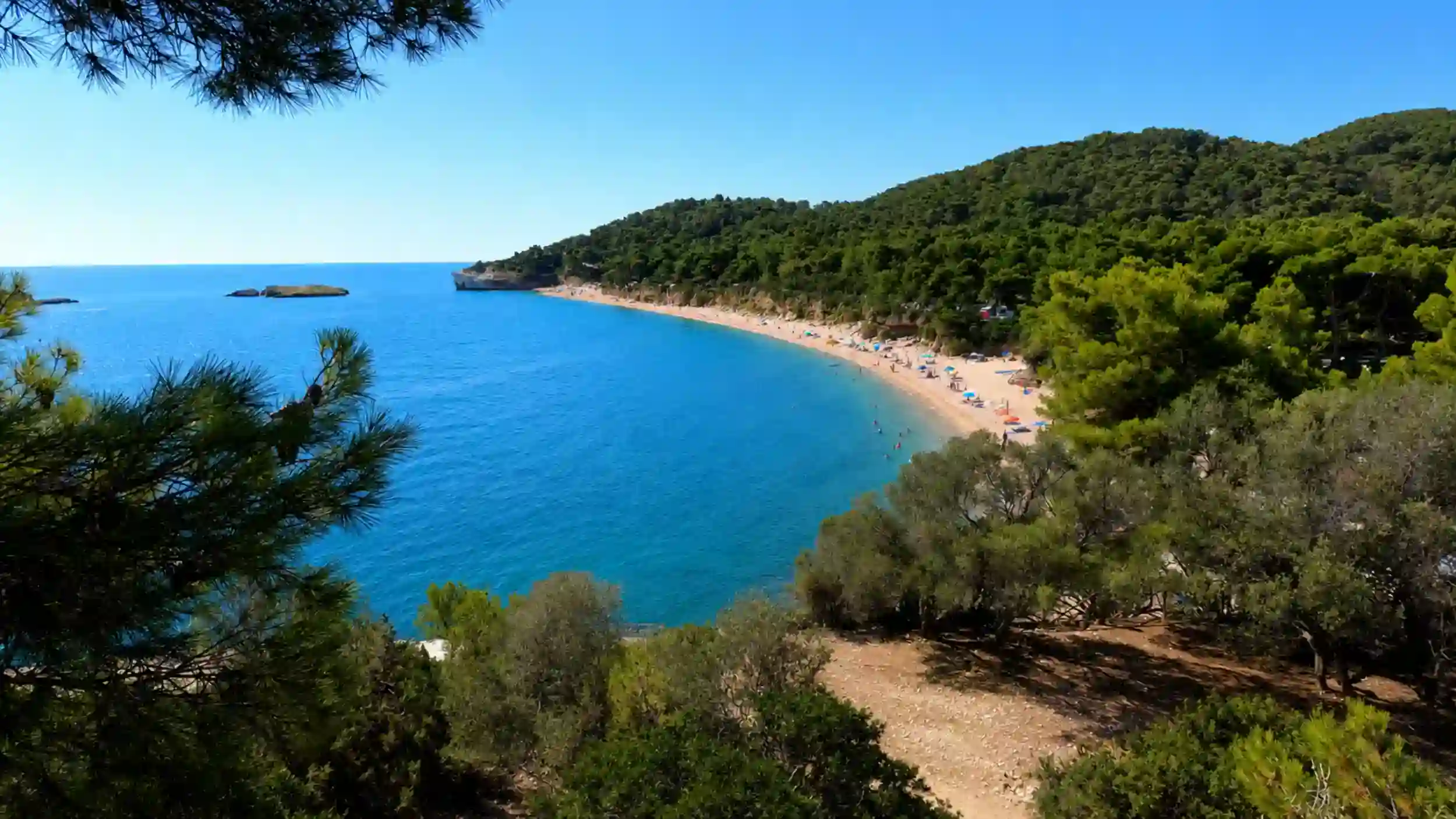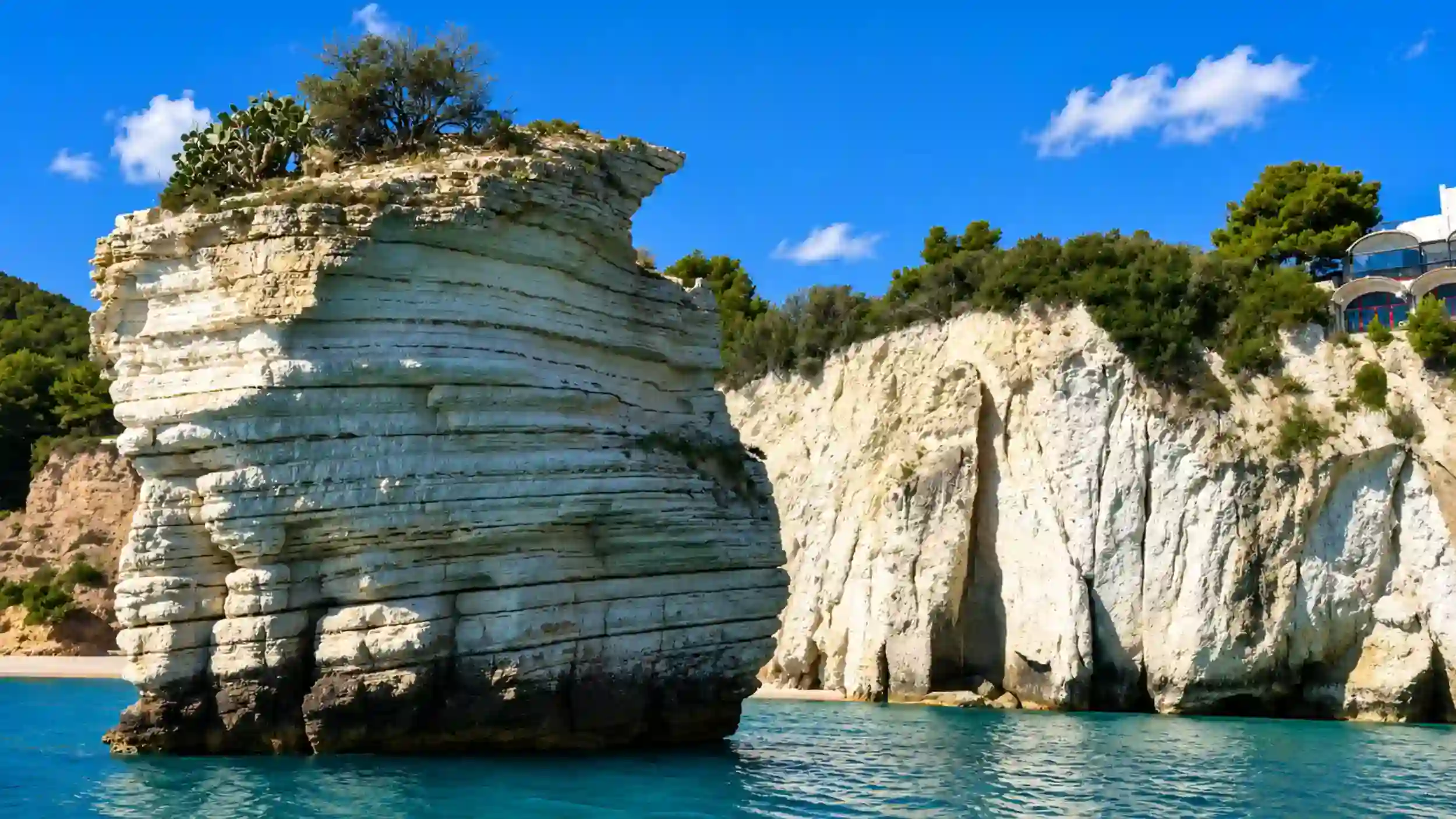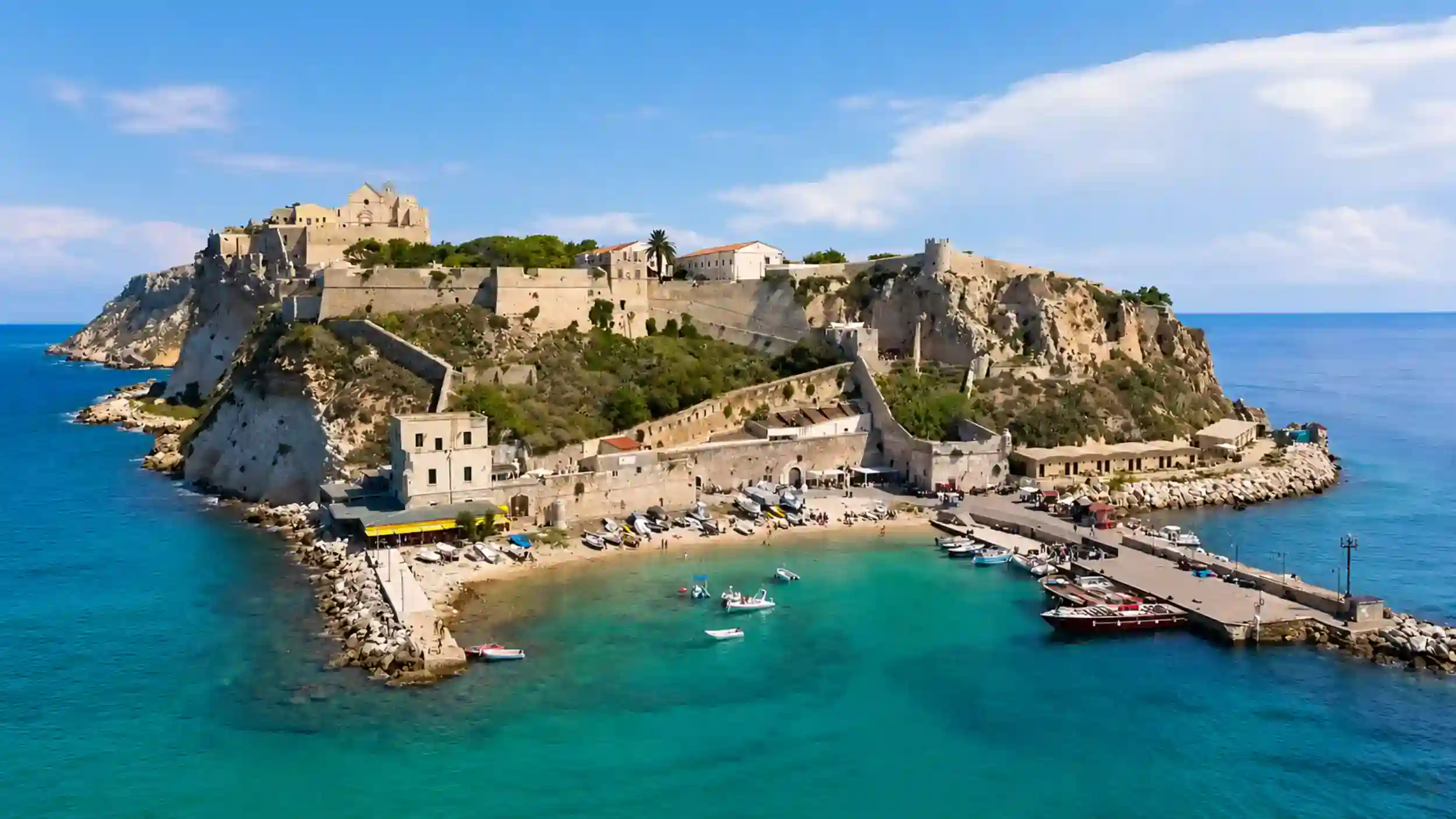
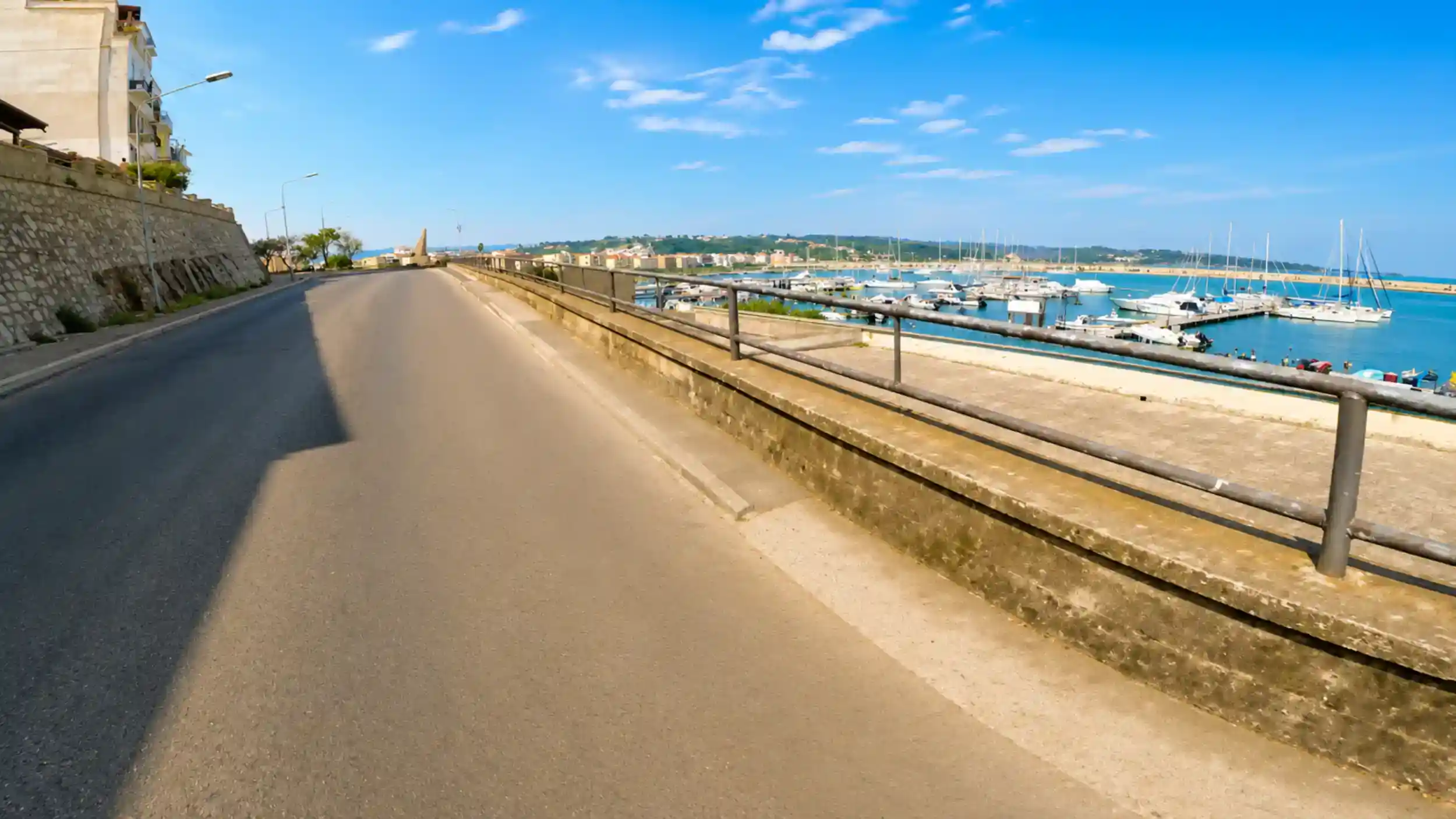
The Vieste to Peschici drive takes around 25 minutes without stopping, but I would allow at least a couple of hours if you want to enjoy it properly. I found the viewpoints, beach turn-offs and changing Adriatic scenery far more memorable than the short distance suggests.
I would treat it as a scenic drive rather than a transfer. The route works best when you can pull over, follow an interesting beach road or simply stop when the coastline gives you a reason.
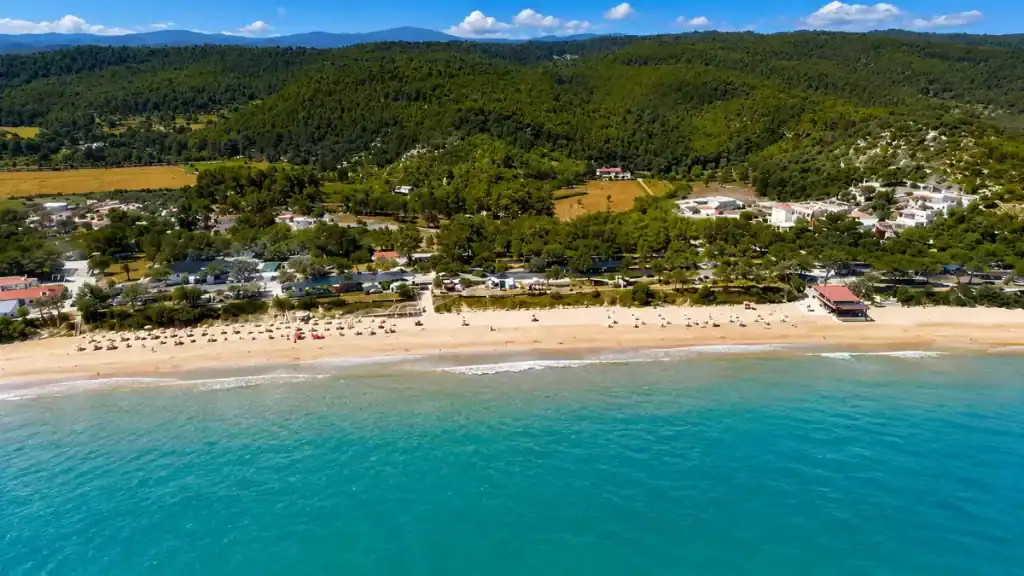
🌊 How Long Does the Vieste to Peschici Drive Really Take?
On paper, this is a short drive. In practice, I found that the coast kept stretching it. The delay was not usually traffic; it was seeing another viewpoint, beach sign or open view across the Adriatic and deciding it was worth stopping again.
That is what changed the journey for me. Vieste and Peschici stopped feeling like the only points that mattered.
Why Did I Keep Stopping?
Every few minutes, something seemed to compete for my attention. A panoramic view opened across the Adriatic, a sign pointed downhill towards a beach, or a lay-by revealed another section of blue water that looked worth a closer look.
It did not take long for my original timetable to become irrelevant.
How Much Time Would I Allow?
I would allow two to three hours for an unhurried drive with viewpoints and one beach stop, and longer if you want a proper swim or lunch. You can still drive it directly, but that misses much of what made this stretch of Gargano enjoyable for me.
⏰ HOW MUCH TIME I WOULD ALLOW
About 25 minutes if I simply needed to get there. Two to three hours for the drive I would actually recommend, with viewpoints and one worthwhile beach stop.
🛣️ What Is the Vieste to Peschici Road Like to Drive?
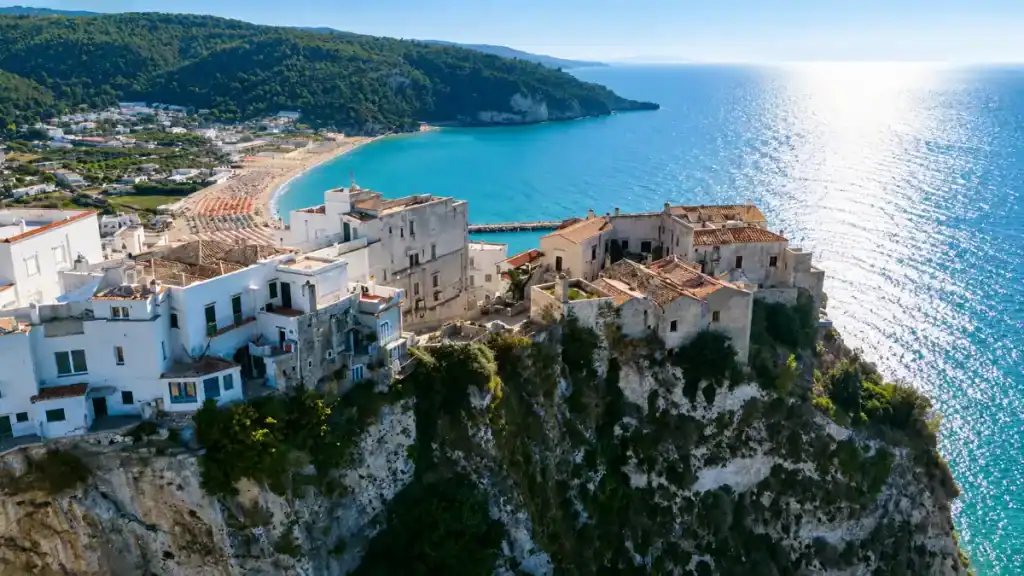
Leaving Vieste, I found the road immediately began climbing, bending and opening towards the sea. It never became a long, effortless cruise. One moment I was enclosed by pine trees; the next, the road opened onto limestone cliffs and bright Adriatic water.
It is scenic, but it also needs proper concentration.
Is the Road Difficult?
I would not call the road difficult, but I would not drive it on autopilot either. Gentle curves are followed by tighter bends, slower vehicles can appear unexpectedly and cars may brake for scenic pull-ins with little warning.
Why Is It Better Not to Rush the Drive?
I enjoyed the road much more once I stopped thinking about arrival time. The bends, changing views and short interruptions are part of the experience. Rushing would only make a scenic road feel like a frustratingly slow one.
📸 Are the Viewpoints Worth Stopping For?
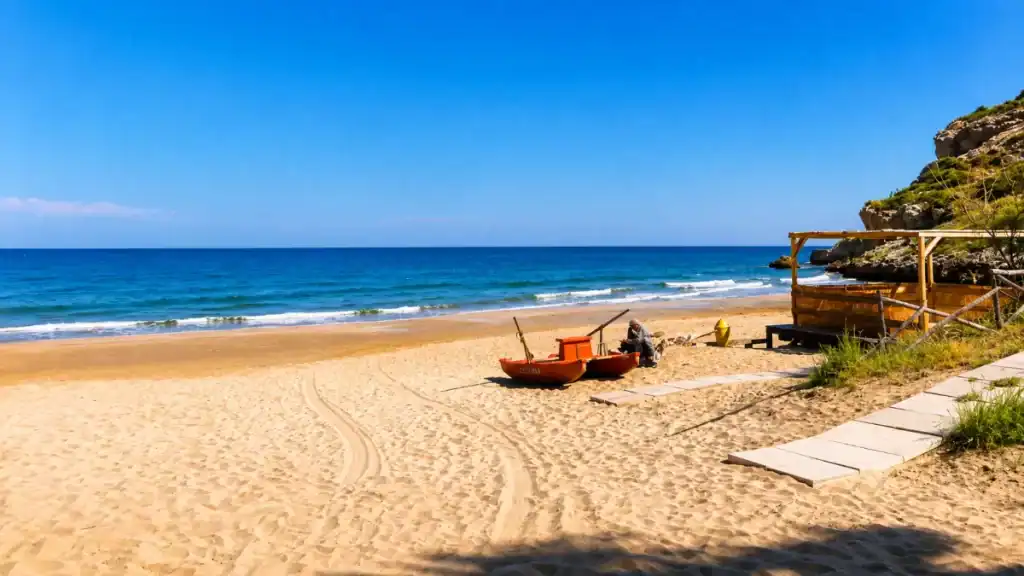
Yes. The viewpoints were one of the main reasons my drive took longer than expected. Some had obvious parking space; others were little more than widened roadside pull-ins. I quickly stopped assuming that the next view would be similar to the last.
That made the journey feel deliberately broken into short scenic sections.
What Are the Viewpoints Like?
I kept stopping because the coastline genuinely changed. One pull-in looked across limestone cliffs, another exposed a small cove, while the next gave a much longer view along the Adriatic. After a while, I became more selective, but I never felt the views were exact repeats.
I preferred the route earlier in the day, when stopping felt easier and the coast was generally calmer. Later, Gargano’s changing beach weather can make exposed sections feel noticeably different.
How Many Viewpoints Should You Stop At?
I would not try to stop at every lay-by. Once I had seen several viewpoints, choosing the strongest-looking stops made the drive feel less fragmented and left more time for a beach or Peschici itself.
The important thing is to leave enough flexibility that a worthwhile stop does not feel like a problem.
📸 MY VIEWPOINT RULE
Stop when the view genuinely changes, not simply because another lay-by appears. One or two memorable pull-ins left me more time for the coast itself.
🏖️ Which Beach Stops Are Worth Adding to the Drive?
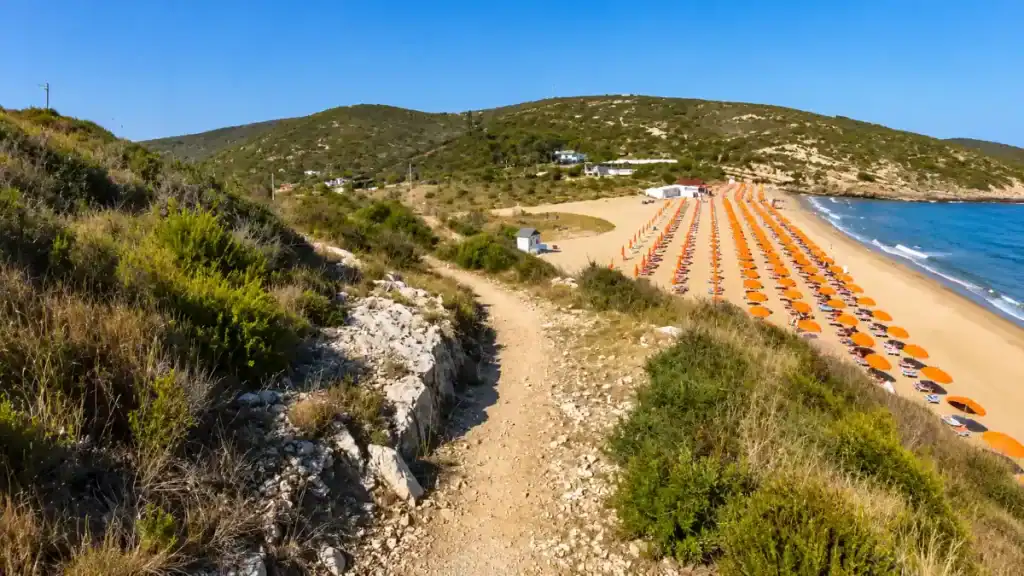
Beach stops need more time than the map suggests. I found that leaving the main road could mean a winding descent, finding somewhere to park and then walking before I even reached the water. A beach that looks like a five-minute detour can easily become a much longer stop.
Individually, none of those delays feels significant.
Combine two or three of them and the short coastal transfer has disappeared.
Which Beach Stop Would I Prioritise?
I found it better to choose one main beach rather than chase every sign. Sfinalicchio worked well for the kind of proper swim that justified leaving the road for longer, while smaller coves made more sense as shorter scenic detours. Because Gargano beaches often work better in the morning, I would decide on the priority stop before leaving Vieste.
How Much Time Does a Beach Stop Add?
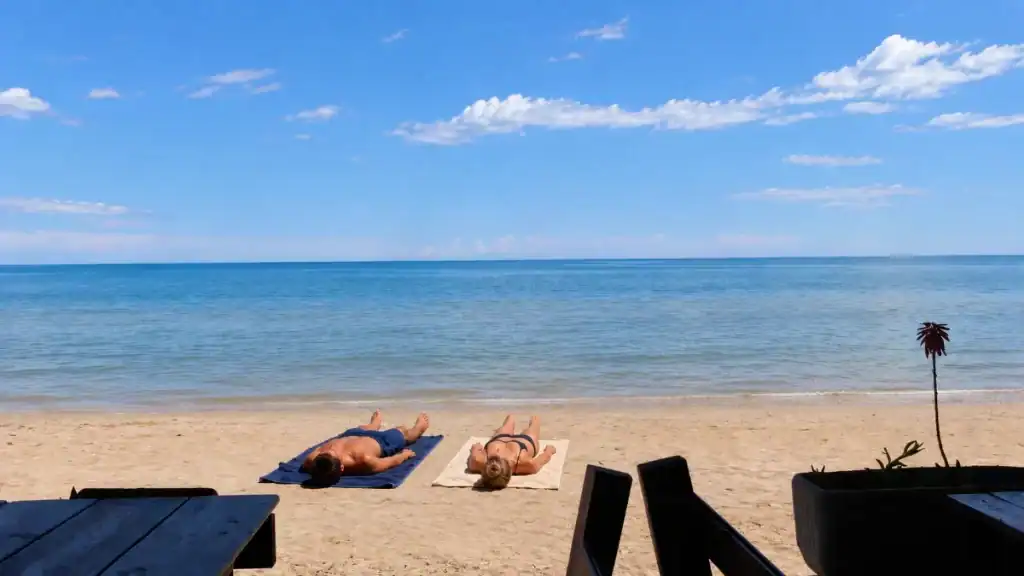
A proper swim can easily add an hour or more once parking, the walk down, time in the water and the return to the road are included. Once I stopped for one, I no longer treated the journey as a short drive. The beach became a genuine part of the day rather than a quick roadside detour.
That is not a drawback. It is one of the reasons I remember the route so clearly.
🌲 Should You Take an Inland Shortcut to Peschici?
I would stay on the coastal route unless reaching Peschici quickly is the only priority. Inland alternatives can look tempting on the map, but saving a few minutes means giving up the sea views and stops that make this drive worth doing in the first place.
For a sightseeing day, that trade-off made little sense to me.
🌲 COAST OR INLAND?
I would take the coast when the journey is part of the day. I would only use the inland road when reaching Peschici quickly matters more than the viewpoints and beach stops.
Why the Shortcut Is Not Automatically Easier
The inland roads climb away from the sea through forested and narrower local sections before reconnecting with the coast. A shorter line on the map does not necessarily translate into effortless progress when bends, gradients and lower speeds are involved.
When Would I Use the Inland Road?
I would use an inland road only if I needed a functional transfer or specifically wanted to explore inland Gargano. For the journey itself, I would choose the coast every time because the scenery is the point, not an obstacle between the two towns.
🌅 Is Morning or Afternoon Better for the Vieste to Peschici Drive?
I would choose morning. The road itself does not suddenly become harder later in the day, but after beach stops, sightseeing and repeated coastal driving, I found the same bends demanded more effort in the afternoon.
A short transfer can feel much longer when it comes at the end of an already full day.
Why Did the Afternoon Drive Feel More Tiring?
After several days in Gargano, I noticed the cumulative effect of scenic bends, viewpoint stops and repeated transfers. That was also part of why repeated Gargano beach days began to feel familiar: another coastal drive required more concentration than it had at the start of the trip.
Busier parking areas and stronger sunshine added to that feeling. The road had not changed, but my experience of it had.
Why Would I Leave Vieste Earlier?
Leaving earlier gave me more freedom to stop without feeling that every detour was eating into the evening. It also meant I reached beach access points and viewpoints before the day felt rushed.
I would still happily drive the route in the afternoon, but given the choice, I would start in the morning and let the journey expand naturally.
📍 Where Would I Stop Between Vieste and Peschici?
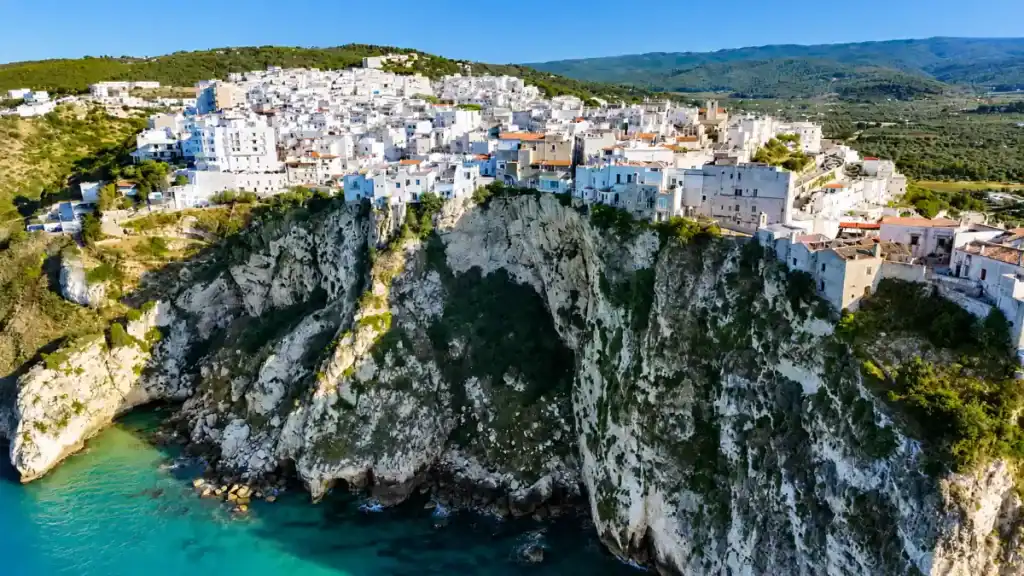
I would keep the plan to three things: one or two strong viewpoints, one proper beach stop and enough time for the first clifftop view of Peschici. Stopping every few minutes sounds tempting on such a scenic road, but too many pull-ins made the journey feel fragmented.
The aim is to stay flexible without turning the route into a checklist.
How Would I Plan the Stops?
I would start early, choose one beach in advance and leave the other stops flexible. On a Gargano trip in October, quieter roads can make that approach even easier because there is less pressure around viewpoints and beach parking.
That gave me enough structure to avoid wasting time while still leaving room for an unexpected viewpoint or cove.
| 📍 Stop | 🧭 How I would use it |
|---|---|
| 🌅 Panoramic viewpoint | Choose one or two strong pull-ins rather than stopping at every view |
| 🏖️ One main beach | Allow enough time for parking, the walk down and a proper swim |
| ☕ Optional café stop | Useful if you want a longer break from the road rather than another viewpoint |
| 📸 Peschici viewpoint | Save time for the first clifftop view of the town before finishing the drive |
Should You Plan Every Stop?
Some of my favourite moments on this road came from stopping simply because the view looked good. That is why I would plan the important stop but not every stop.
The Vieste to Peschici drive is memorable because the journey keeps competing with the destination. Peschici is worth reaching, but I would never rush the road just to arrive there sooner.
🛣️ MY VERDICT
Drive it in the morning, stay on the coast and give yourself two to three hours. The road is short enough to rush, but the stops are the reason I would choose it.