
How safe is Morocco depends on the region and the type of travel you plan. Overall, Morocco is generally safe for tourists, especially in major cities and popular tourist areas. This guide covers local safety tips, common scams to avoid, transportation advice, and cultural considerations to help ensure a secure and enjoyable visit.
🗺️ How Safe Is Morocco: What Travelers Should Know
Morocco received more than 10 million tourists in 2019 and ranks as the fifth safest country in Africa. So how safe is Morocco compared to other destinations you might consider visiting? Morocco is generally safe with relatively low crime rates compared to other destinations. Violent crime against tourists is rare. From Marrakech to Chefchaouen to Essaouira, it’s safe to travel to Morocco with basic awareness.
The Moroccan authorities take tourism seriously and strengthen security across popular destinations. Police presence in Marrakech, Fes, and Casablanca helps maintain safety in Morocco. Tourist police in major cities including Tangier and Agadir specifically assist travelers. The local authorities respond quickly when issues arise.
Travel advisories from governments rate Morocco as requiring increased caution due to terrorism threats. Terrorists may be plotting possible attacks in Morocco, though there hasn’t been a major terrorist attack since 2011. Whether visiting Rabat, Meknes, or coastal towns, the threat exists but remains low. Moroccan authorities regularly monitor and prevent threats.
👀 At a Glance:
- 🗓️ Best time: Spring (March-May) or fall (September-November) for ideal weather
- ⚠️ Safety level: Generally safe with standard travel precautions
- 💡 Insider tip: Download offline maps before exploring medinas
- 🚌 Getting around: Use official taxis and settle on price first
- 💰 Budget range: Affordable destination with options for all budgets
🏙️ Safety in Morocco: Marrakech and Major Cities
How Safe Is Morocco in Marrakech and Casablanca
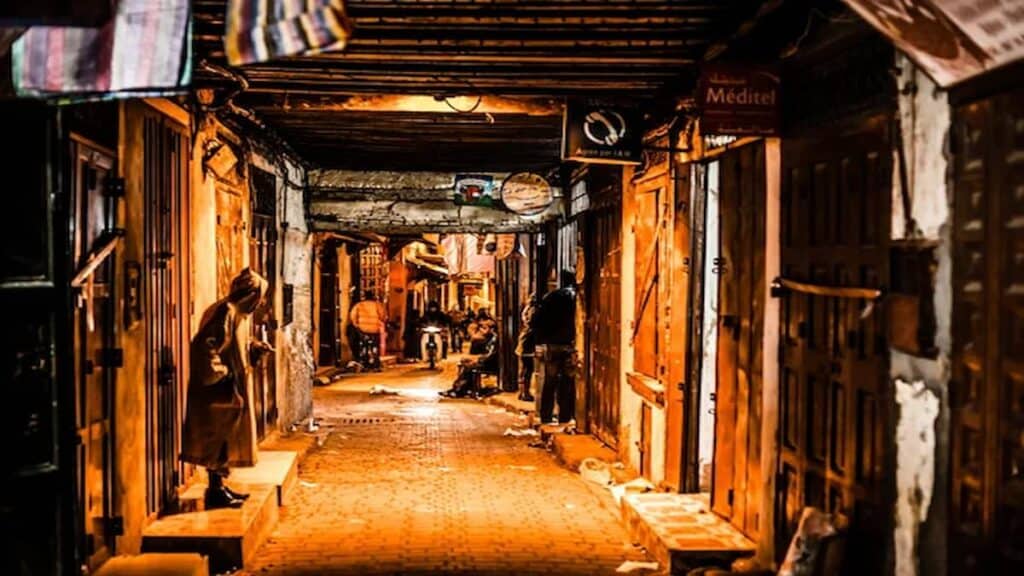
Major cities like Marrakech, Fes, and Casablanca are considered safe overall with normal precautions. When travelers ask how safe is Morocco’s cities, the statistics show encouraging results. Marrakech has lower crime rates than London according to safety indexes. The famous Jemaa el-Fnaa square attracts millions safely each year. You’ll find helpful Moroccans and amazing food, but petty crime like pickpocketing happens when visitors get distracted.
Casablanca serves as Morocco’s largest city and economic hub. Tourist spots like the Hassan II Mosque stay safe, though some neighborhoods need caution after dark. The Visit Morocco website lists safe districts and travel advice for travelers. Check it before visiting different parts of Morocco.
Safety and Security in Essaouira and Tangier
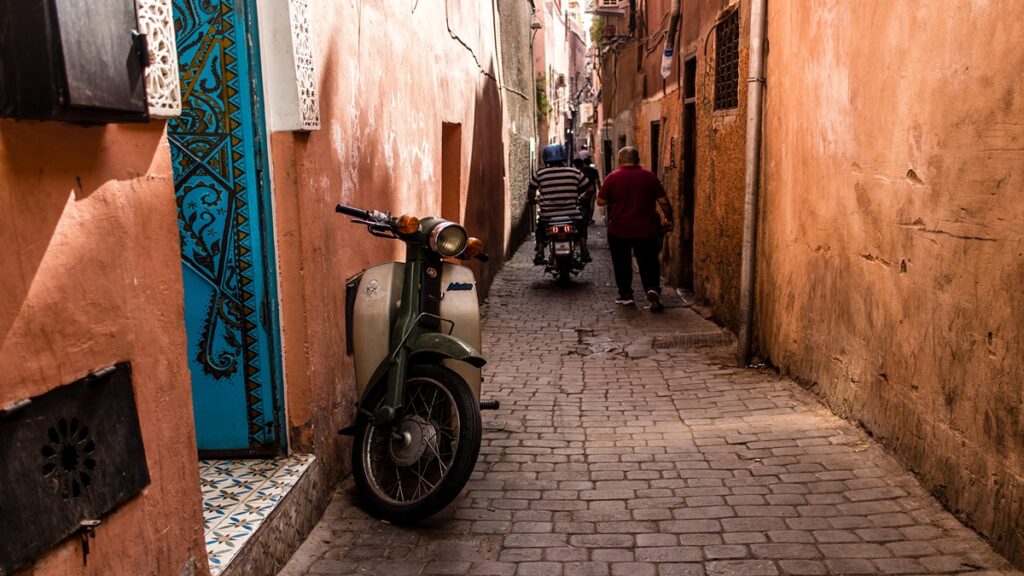
Fes offers one of the world’s oldest medinas, where getting lost feels like time travel. The medina can confuse even experienced travelers pretty easily. Some locals offer to guide you out for money. Exercise caution in crowded places and politely decline help from people without official badges.
Rabat stands out as Morocco’s calm capital with lower crime than other major cities. The Kasbah of the Udayas and Hassan Tower areas feel relaxed and secure. Government facilities and embassy presence add extra safety for tourists visiting here. It’s a great base for exploring northern Morocco.
Tangier offers a gateway city experience with higher pickpocket threats than other areas in Morocco. The medina and Cap Spartel areas remain generally safe with normal precautions. Stay aware of your surroundings at all times when walking through crowded tourist spots.
👩 How Safe Is Morocco for Female Travelers
How Safe Is Morocco for Solo Female Travel
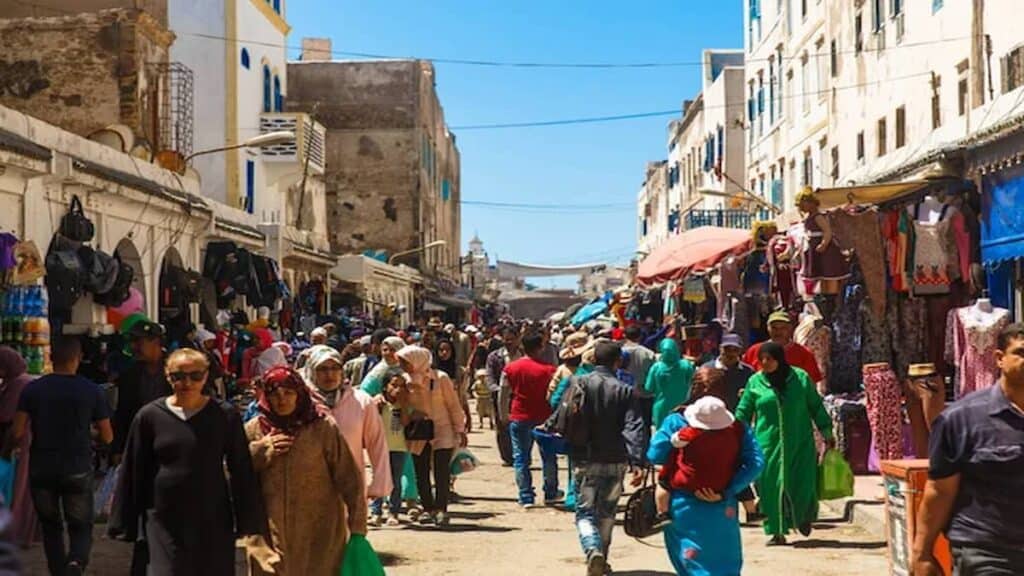
Solo female travelers can visit Morocco safely, but you need to understand the risks first. Many women specifically research how safe is Morocco for solo travelers before booking trips. Morocco is a conservative Islamic country where female travelers should expect some harassment. Street harassment does happen to women traveling in Morocco pretty regularly. Some men may make comments or follow you around.
Dress modestly to avoid unwanted attention in this Islamic country and show cultural respect. Cover your shoulders and knees throughout Morocco whenever possible. While there’s no strict dress code, modest clothing really helps reduce problems. Local women wear traditional clothing in smaller towns and rural areas across Morocco.
Staying Safe: Travel Advice for Female Travelers
Many women travel Morocco successfully alone each year without major incidents happening. Solo female groups and adventure travel companies run great trips for women. Experienced female travelers find Morocco manageable though not ideal as a first solo destination. Coastal towns like Essaouira feel more relaxed than inland cities like Fes.
Exercise increased caution when traveling alone at night in any Moroccan city or town. Use official taxis only and stay in well-reviewed places with other travelers. Connect with other travelers for safety and share your plans with them. Tell people you’re meeting someone even if you’re not actually doing so.
🏔️ Adventure Travel and Mountain Safety in Morocco
Terrorism and Security Concerns After 2018
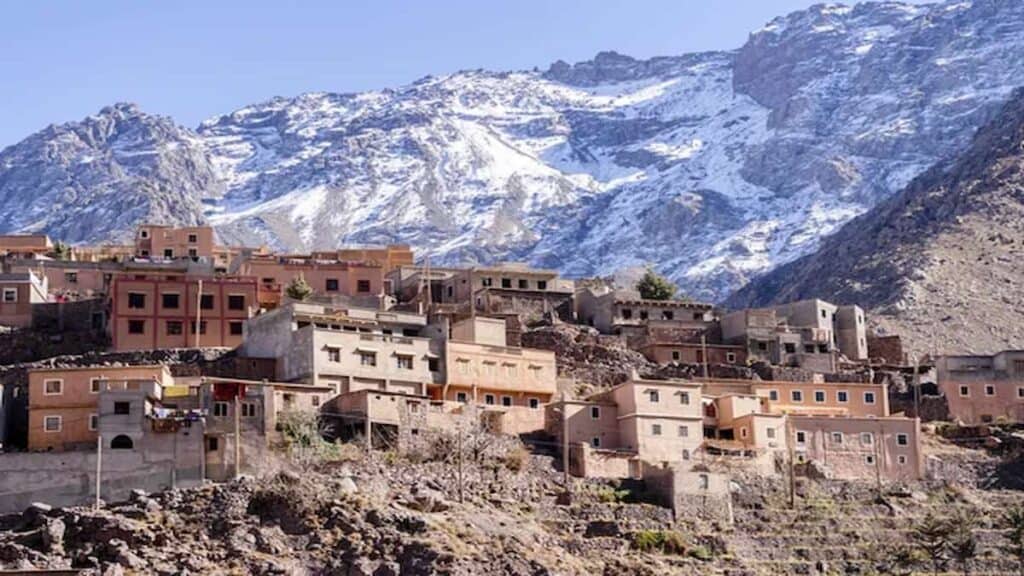
The Atlas Mountains offer amazing hiking from Imlil village to Mount Toubkal at 4,167 meters. In December 2018, two Scandinavian tourists were killed near Imlil in a terrorist attack. This incident made many people question how safe is Morocco for mountain trekking activities. Moroccan authorities described the perpetrators as ISIS sympathizers acting as lone wolves without outside help.
Official guides became mandatory after that sad incident to protect future travelers. Since 2018, you must hire local guides for Toubkal treks from Imlil village. Checkpoints at Aremd village and Refuge du Toubkal verify guides have proper identification cards. This protects travelers and supports local Berber communities who depend on tourism for income.
Latest Travel Advisories for Morocco Mountains
Natural hazards pose real dangers beyond security concerns in these high mountains. Weather changes dramatically at high altitude, and trails get slippery with steep drops. Pack proper gear including warm layers and rain protection for changing conditions. Know the terrain before attempting any mountain treks in this area.
The village of Imlil serves as the main Toubkal base for climbers and hikers. Guides cost around $50-100 for two-day treks through the official Bureau of Guides. Other destinations like Setti Fatma also need guides for longer mountain trips. Book through established companies with good reviews for your mountain adventure in Morocco.
Summer brings better conditions for high-altitude treks while winter snow makes trails really dangerous. The Moroccan National Tourist Office provides current mountain conditions and safety information regularly. Check their website before planning any adventure travel in Morocco’s mountain regions.
⚠️ Common Scams and Petty Crime
Pickpocketing and Fake Guides
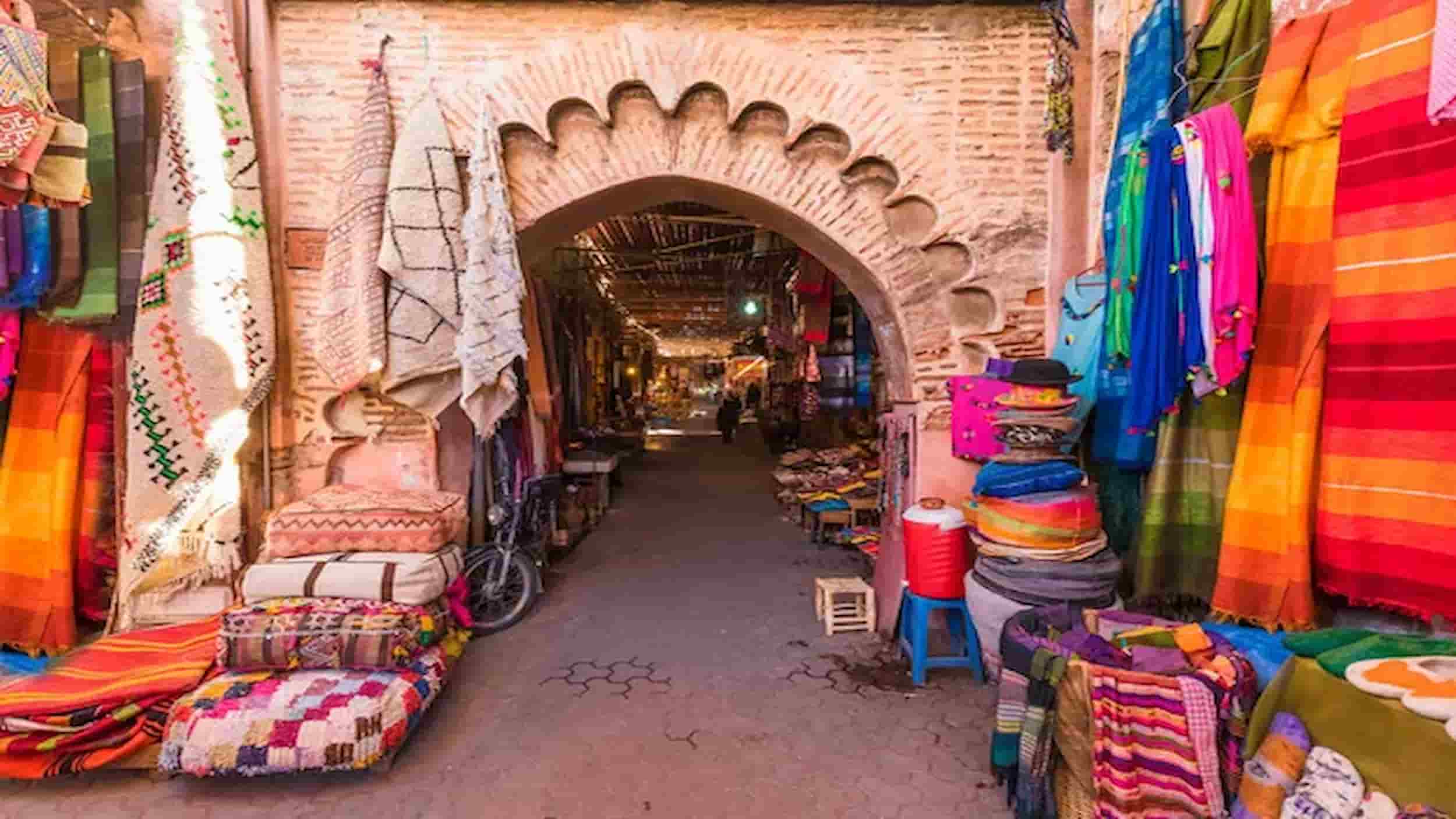
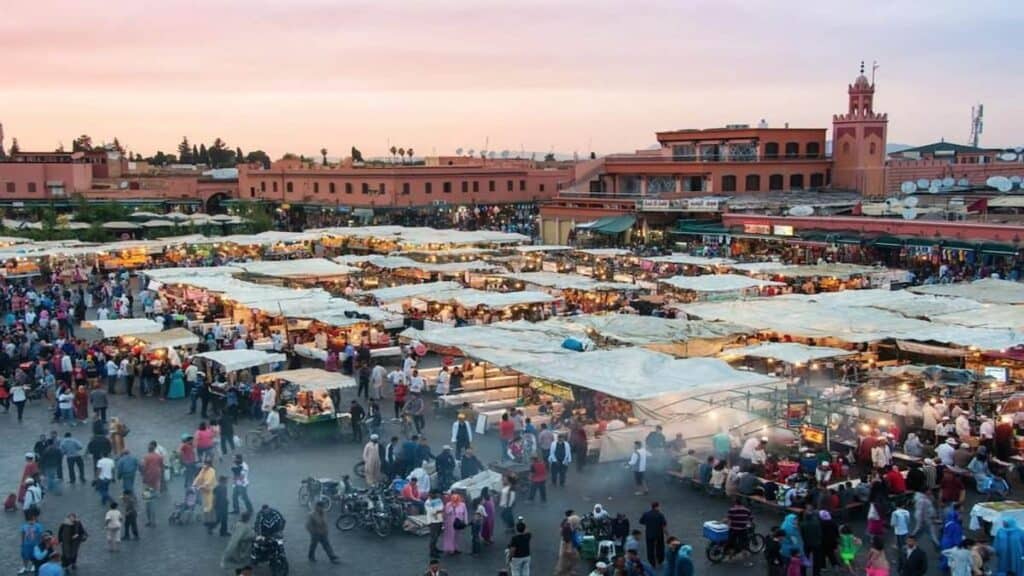
Petty crime ranks as the biggest safety concern in tourist areas throughout Morocco. Pickpocketing and bag snatch theft target travelers in crowded places like markets. Jemaa el-Fnaa in Marrakech and Fes medina see lots of this activity. Markets, bus stations, and tourist sites attract thieves looking for easy targets.
Fake guides approach tourists constantly in medinas offering help finding hotels or showing attractions. They’re not official tourist guides with proper badges from the city. They lead you to shops for commissions or demand payment after helping you. Say no thank you firmly and keep walking without stopping to engage them.
Taxi and Shopping Scams
Taxi drivers sometimes claim broken meters or take long routes to inflate fares. This scam frustrates many visitors in cities like Marrakech and Casablanca. Always insist on using the meter or agree on a price before getting in. Write it down if needed to avoid arguments when you arrive somewhere.
Shop sellers use pressure tactics inviting you for tea then pushing really hard for sales. They claim special prices or family connections to make you feel obligated. Don’t feel bad about just browsing and leaving without buying anything at all. Walk away if you feel uncomfortable with the pressure they’re putting on you.
The embassy in Morocco helps with serious problems like major theft or legal issues. Crimes against foreigners get pursued seriously and quickly since tourism drives Morocco’s economy. Register with your embassy when you arrive in the country for the first time. Keep their contact information saved in your phone just in case you need help.
🏥 Travel Health and Safety Precautions
Essential Health Preparations
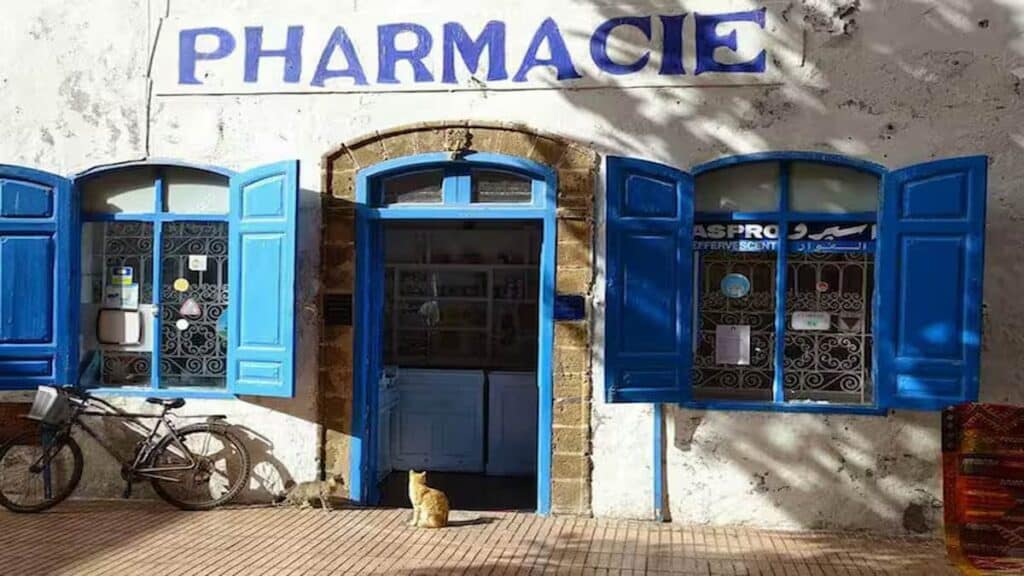
Travel insurance isn’t optional when you travel to Morocco for any length of time. You need coverage that includes medical evacuation in case something goes really wrong. Healthcare in major cities like Marrakech costs money, while rural areas have limited facilities. Financial protection matters a lot if emergencies occur during your Morocco travel adventure.
Food safety requires attention but don’t let it scare you away from trying things. Street food tastes amazing and most vendors run clean operations you can trust. Consider getting a Hepatitis A vaccination before traveling to be extra safe. Avoid raw vegetables washed in tap water and peel your own fruit when possible.
How Safe Is Morocco Regarding Health Risks
Water pollution affects some coastal areas unfortunately, which is disappointing for beach lovers. People often wonder how safe is Morocco’s beaches for swimming and water activities. Taghazout and other beach towns report contamination issues that affect swimmers sometimes. Swimmers get stomach problems or skin reactions from the water in some areas. Public beaches in major cities are often polluted and not great for swimming.
The Sahara desert presents unique health challenges you need to plan for carefully. Extreme heat causes serious problems in summer months across the desert regions. Dehydration sneaks up on you really fast in the dry desert air. Bring way more water than you think you’ll need for any desert trip. Cover your skin from sun exposure since it’s intense out there.
Monitor local media for health alerts during your trip to stay informed about issues. The U.S. Embassy in Morocco posts health updates covering all regions of the country. Check their website before and during your visit to Morocco for latest travel advice. They provide good information about current health concerns travelers should know about.
🚨 Terrorism and Travel Advisories for Morocco
Understanding the Terrorist Threat
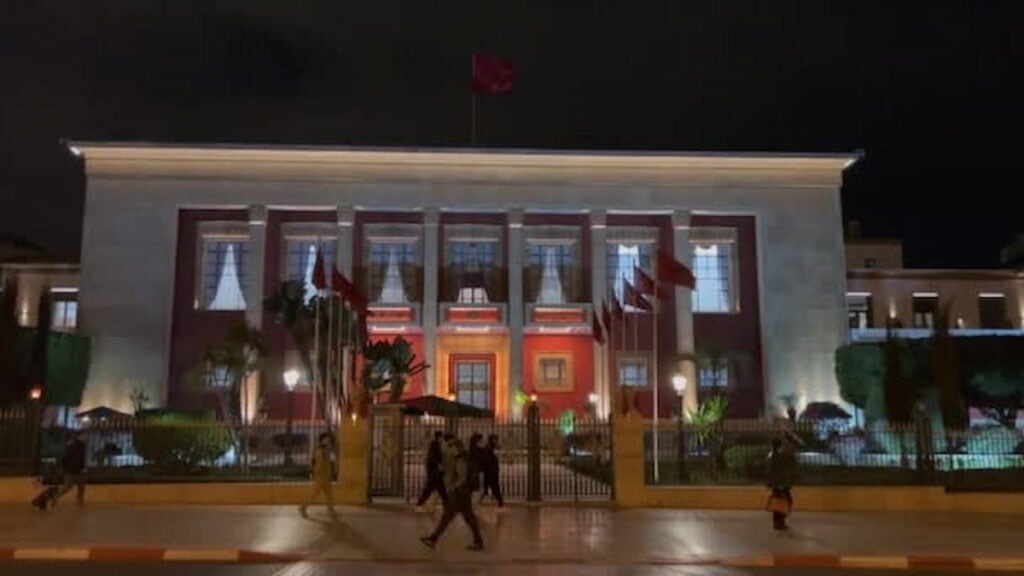
The threat of terrorism exists in Morocco like it does in many countries today. Terrorist groups continue plotting possible attacks in Morocco according to intelligence reports. Terrorists may attack with little or no warning in crowded public places. They target tourist locations, transportation hubs, markets, and government facilities across the country. Security forces work constantly preventing incidents from happening through monitoring and arrests.
The 2011 Marrakech bombing killed 17 people at Argana Cafe in Jemaa el-Fnaa square. The 2018 murders near Imlil village involved ISIS sympathizers attacking two young tourists. There hasn’t been a successful terrorist attack since 2011 though, which shows progress. Security forces effectively stop most threats before they happen through good intelligence work.
Security Measures and Precautions
Stay alert in tourist spots where crowds gather throughout the day and evening. Note exit locations when you enter buildings in case you need to leave quickly. This is just smart travel anywhere honestly, not just in Morocco specifically. Avoid demonstrations and protests which can turn unpredictable even when they start peacefully. Don’t photograph military or police installations anywhere in Morocco since it’s illegal.
Moroccan authorities regularly update security measures protecting visitors and residents across the country. The Central Bureau handles terrorism investigations and works hard to prevent future attacks. Cooperate with security checks at major attractions even when they seem excessive. These steps help keep everyone safer when traveling in Morocco’s popular tourist areas.
Western Sahara remains disputed territory with ongoing political tensions in the southern region. Travel advisories suggest avoiding this region and the Algerian border areas completely. It’s not a typical tourist destination anyway, so you won’t miss much. Stick to established routes in recognized parts of Morocco for your personal safety.
🛡️ Staying Safe: Practical Travel Advice
Personal Safety Basics
Stay aware of your surroundings at all times when traveling anywhere in Morocco. This prevents most problems whether you’re exploring medinas or visiting popular tourist attractions. Trust your gut feelings about situations that don’t feel quite right to you. If something feels unsafe or off, leave immediately without worrying about being polite.
Your passport needs maximum protection since losing it creates huge headaches for travelers. Keep it in your hotel safe when possible and only carry photocopies. Carry a photocopy for walking around cities instead of your actual passport. Travel in pairs when possible and avoid walking alone late at night. Stay away from isolated areas after dark in any Moroccan city or town.
Split your cash between different bags and pockets so you don’t lose everything. Don’t flash expensive cameras, phones, or jewelry in crowded public places. Use hotel safes for valuables you’re not carrying with you that day. Carry just what you need daily and leave the rest locked up safely.
Transportation and Communication
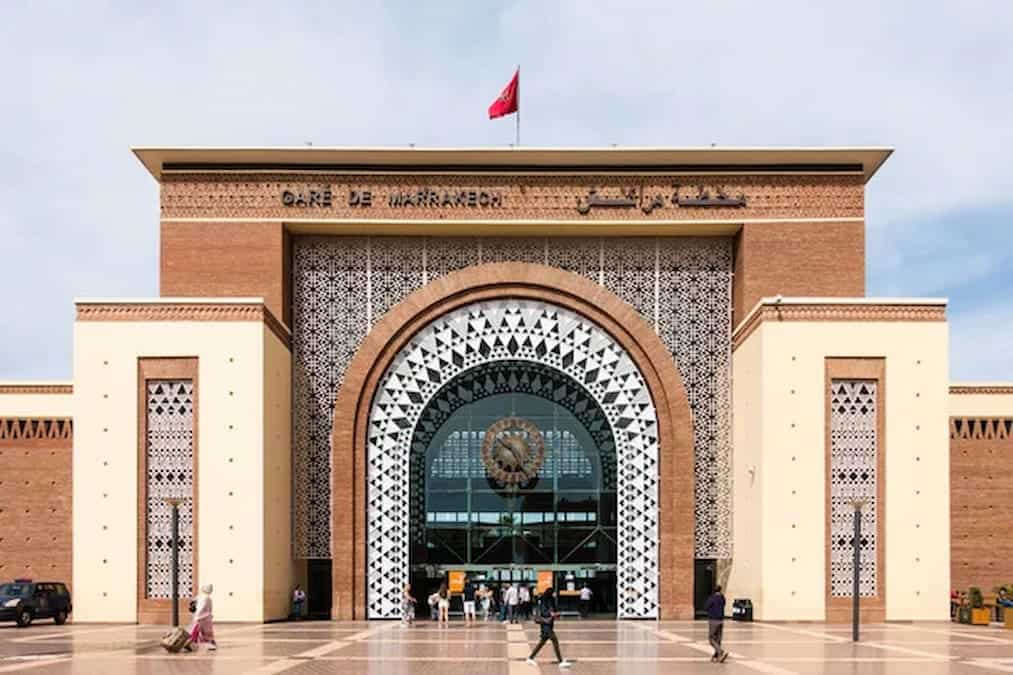
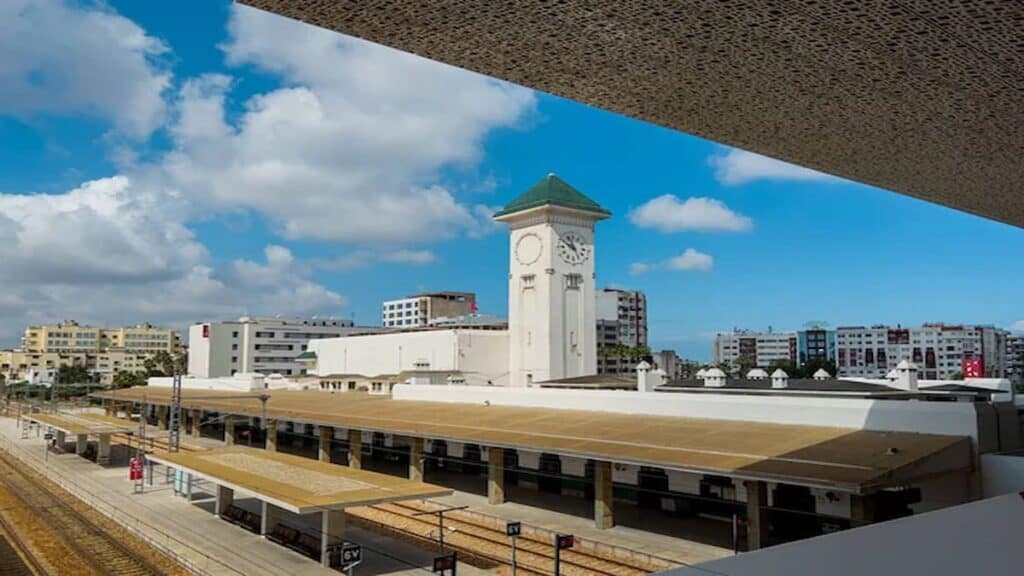
Trains run safely between major cities like Marrakech, Casablanca, Rabat, and Fes regularly. Buses work fine through reputable companies like CTM or Supratours for longer routes. Taxis need the caution we mentioned earlier about meters and agreed prices. Rental cars let you explore freely but Moroccan driving can be pretty intense. Mountain roads especially require extra careful driving at all times.
Learn basic Arabic or French phrases before you go to help with communication. La shukran means no thank you in Arabic, and you’ll use it a lot. You’ll use it often with persistent sellers trying to get your attention constantly. Save important numbers in your phone including your embassy and hotel contacts. Know your hotel address written in Arabic to show taxi drivers easily.
Check the UK Foreign Office Morocco page before trips for current safety information. Advisories for Morocco change based on current events and security situations happening there. Register your travel plans with your embassy so they know you’re in Morocco. Share your itinerary with family back home in case they need to reach you. Monitor local media during your stay to know what’s happening around you.
🌙 Safety During Ramadan and Cultural Considerations
Religious and Cultural Respect
Ramadan changes daily life when Muslims fast from sunrise to sunset each day. Restaurants close during daytime in many areas, though some stay open for tourists. Tourists can still eat but you should show respect for people who are fasting. Avoid eating or drinking publicly on streets during fasting hours across Morocco. This shows you respect the local culture and religious practices happening around you.
Morocco is a conservative Islamic country with cultural rules affecting how visitors should behave. Modest dress helps everywhere, especially outside tourist zones where locals aren’t used to tourists. Women should cover shoulders and knees in most public places across the country. Men should avoid wearing shorts in religious areas and more conservative neighborhoods. Following these simple norms prevents uncomfortable situations and shows respect for local customs.
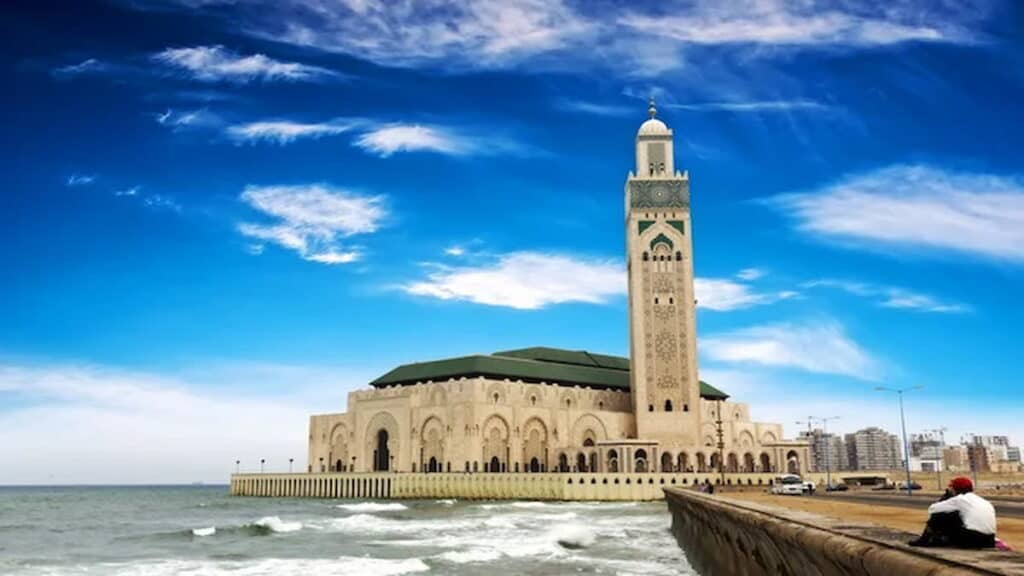
Mosques remain closed to non-Muslims except the beautiful Hassan II Mosque in Casablanca. Don’t try entering others even if the doors look open or inviting. Respect prayer times five times daily when you hear the call to prayer. Lower your voice near mosques during prayers throughout Morocco out of basic respect.
Alcohol and Social Customs
Alcohol availability is limited compared to Western countries where it’s sold everywhere. Some hotels and tourist restaurants serve it in areas like Marrakech and Essaouira. But public drunkenness is illegal and really offensive to locals in this country. Don’t drink on streets or beaches since this can get you in trouble. Morocco is a conservative country where alcohol isn’t part of daily culture at all.
Friday prayers bring big crowds to mosques around midday each week without fail. Streets near major mosques get really busy with people coming and going. Traffic slows down significantly during this time in cities throughout the country. Plan your schedule around this weekly pattern if you want to avoid crowds. It’s actually pretty cool observing community life from a respectful distance during this time.
Most Moroccans appreciate when tourists make an effort to respect their traditions and culture. Understanding local customs makes your trip smoother and more enjoyable for everyone involved. A little cultural awareness goes a long way toward staying safe in Morocco. It also helps you have better interactions with locals you meet along the way.
📱 Emergency Contacts and Resources
Essential Emergency Numbers
Know these numbers before you need them in any emergency situation while traveling. Police emergency is 19 throughout Morocco. Ambulance is 15 for medical emergencies. Fire department is also 15 if you need them quickly. Save these in your phone right when you arrive in the country. Tourist police operate in major cities helping visitors with problems that come up.
Your embassy contact information is critical for serious problems like arrests or hospital stays. American citizens should register with the U.S. Embassy in Rabat when they arrive. British travelers should register with the UK Embassy for the same reasons. Other embassies assist with lost passports, legal troubles, or emergencies you might face. Keep this information easily accessible in your phone and written down somewhere safe.
Tourist police stations exist in Marrakech, Fes, Casablanca, and other destinations throughout Morocco. They speak multiple languages including English, French, and Spanish usually. They handle theft reports, scams, and harassment complaints from tourists visiting the country. Don’t hesitate seeking their help when you need it for any reason at all.
Support Services and Connectivity
Travel insurance companies provide 24-hour emergency hotlines you can call from anywhere. Keep this number separate from your policy documents in case you lose them. They coordinate medical evacuations, hospital payments, and emergency travel changes when things go wrong. Call them immediately for serious health or safety issues requiring professional help right away.
Hotels and riads can connect you with local doctors or police when you need assistance. Staff usually speaks English and knows how to handle tourist emergencies since they deal with them. They want you to stay safe because tourism is their livelihood and business. Ask reception for help navigating local systems if you’re confused about anything.
The Canadian Embassy in Morocco and other diplomatic missions maintain updated safety information on their official websites. Check their sites regularly for latest advisories for Morocco covering all regions. They post alerts about demonstrations, weather emergencies, and security concerns happening in real time. Bookmark these pages before your trip for easy access when you need information.
Buy a local SIM card for mobile data so you can stay connected anywhere. Access maps, translation apps, and emergency contacts from wherever you are in Morocco. Staying connected improves your safety significantly when traveling in Morocco’s cities and remote areas. It helps you navigate, communicate, and get help if something goes wrong during your trip.
🌟 So, How Safe Is Morocco Really?
How Safe Is Morocco: The Overall Safety Picture
Morocco is safe for most travelers who use common sense and take basic precautions. Yes, risks exist like they do anywhere else in the world today. But millions visit Morocco annually without any incidents happening to them at all. The country welcomes visitors since tourism drives the economy in major cities. Moroccans generally want you to have good experiences and come back again someday.
Understanding potential risks helps you prepare properly for your trip to avoid problems. When people ask how safe is Morocco honestly, the answer depends on your preparation. Petty crime happens but it isn’t aimed at physically hurting you in most cases. Scammers want money, not violence, so they won’t attack you physically usually. Terrorism remains rare despite the scary headlines you might read in the news.
Different Experiences for Different Travelers
Different travelers may feel unsafe in different situations depending on their personal experience levels. Solo female travelers face harassment that bothers some women more than others do. Conservative dress codes and social norms require adjustment from typical Western standards. Adventure travel in remote areas needs fitness and preparation that not everyone has. Know your own comfort levels before booking trips to challenging destinations in Morocco.
The parts of Morocco tourists visit are generally safe and well-traveled by millions yearly. Major cities, imperial cities like Marrakech and Fes, and coastal towns like Essaouira welcome visitors. Mountain villages like Imlil and beach towns like Taghazout also see many tourists. Stick to established routes initially when you first arrive in the country. Save exploring less touristy areas for later when you know Morocco better personally.
How safe is Morocco: Final Verdict
Travel advice consistently rates Morocco as safe with normal precautions from official government sources. It’s not a dangerous war zone that you should avoid completely like some places. It’s not crime-free paradise either where you can let your guard down completely. Think of it like any big international destination when planning your Morocco travel. Use the same street smarts you’d use in Barcelona, Istanbul, or Mexico City.
So is Morocco safe for your upcoming trip you’re planning to take soon? Yes, absolutely, with good preparation and awareness of potential risks you might face. The reward of experiencing this amazing country far outweighs the small risks involved. Take sensible precautions and stay alert but not paranoid about every single interaction. You’ll probably have an amazing time exploring Morocco and come home with awesome stories. Share them with friends and family who might o visit Morocco themselves.