
Fun facts about Norway reveal its stunning landscapes, rich culture, and unique traditions. This guide highlights interesting tidbits, including fjords and midnight sun, Viking history, innovative design, and quirky customs, giving travelers a glimpse into what makes Norway such a fascinating and memorable destination.
👀 At a Glance: Norway Facts About Norway
🏔️ Fjords: Over 1,000 dramatic cliff-lined waterways formed by glacial erosion
🌌 Northern Lights: Best viewing September-March in Tromsø and Alta
☀️ Midnight Sun: 24-hour daylight above Arctic Circle (May-July)
🏖️ Beaches: Tropical-looking white sand shores despite Arctic location
👑 Royal Family: Actually descends from Denmark, not ancient Norwegian kings
☕ Coffee: World’s second-highest consumption at 9.9kg per person annually
⚡ Electric Cars: Highest per-capita adoption globally with government incentives
🎭 Constitution Day: Children’s parades instead of military displays (May 17th)
🧀 Brown Cheese: Sweet caramelised brunost unlike any cheese you’ve tasted
💰 Oil Fund: $1.9 trillion sovereign wealth fund making citizens theoretical millionaires
Ready to uncover the most astonishing Norwegian trivia? I can’t tell you how excited I am to share this comprehensive collection of Norway’s most extraordinary aspects.
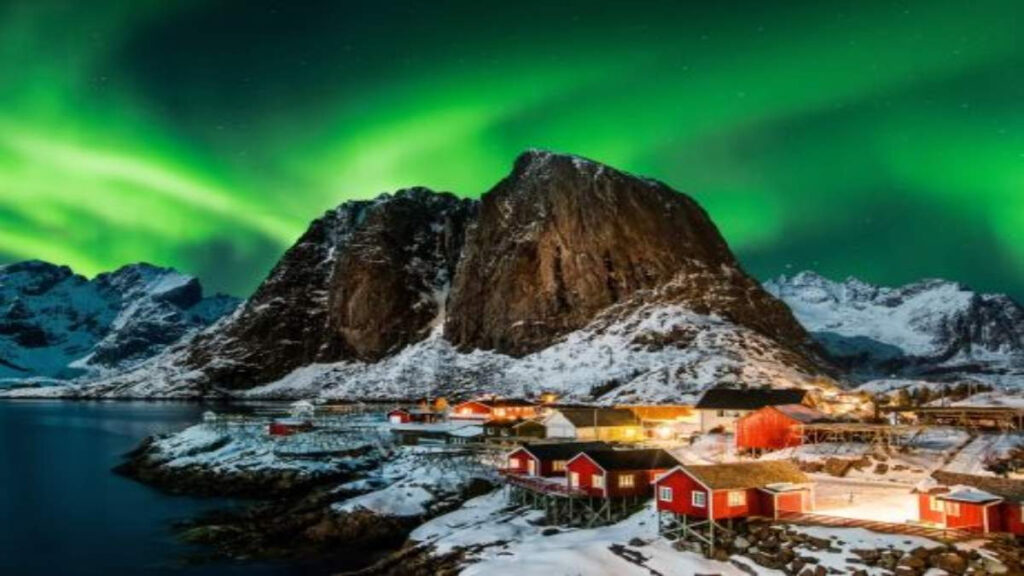
🏔️ FUN FACTS ABOUT NORWAY: Natural Wonders and Northern Lights
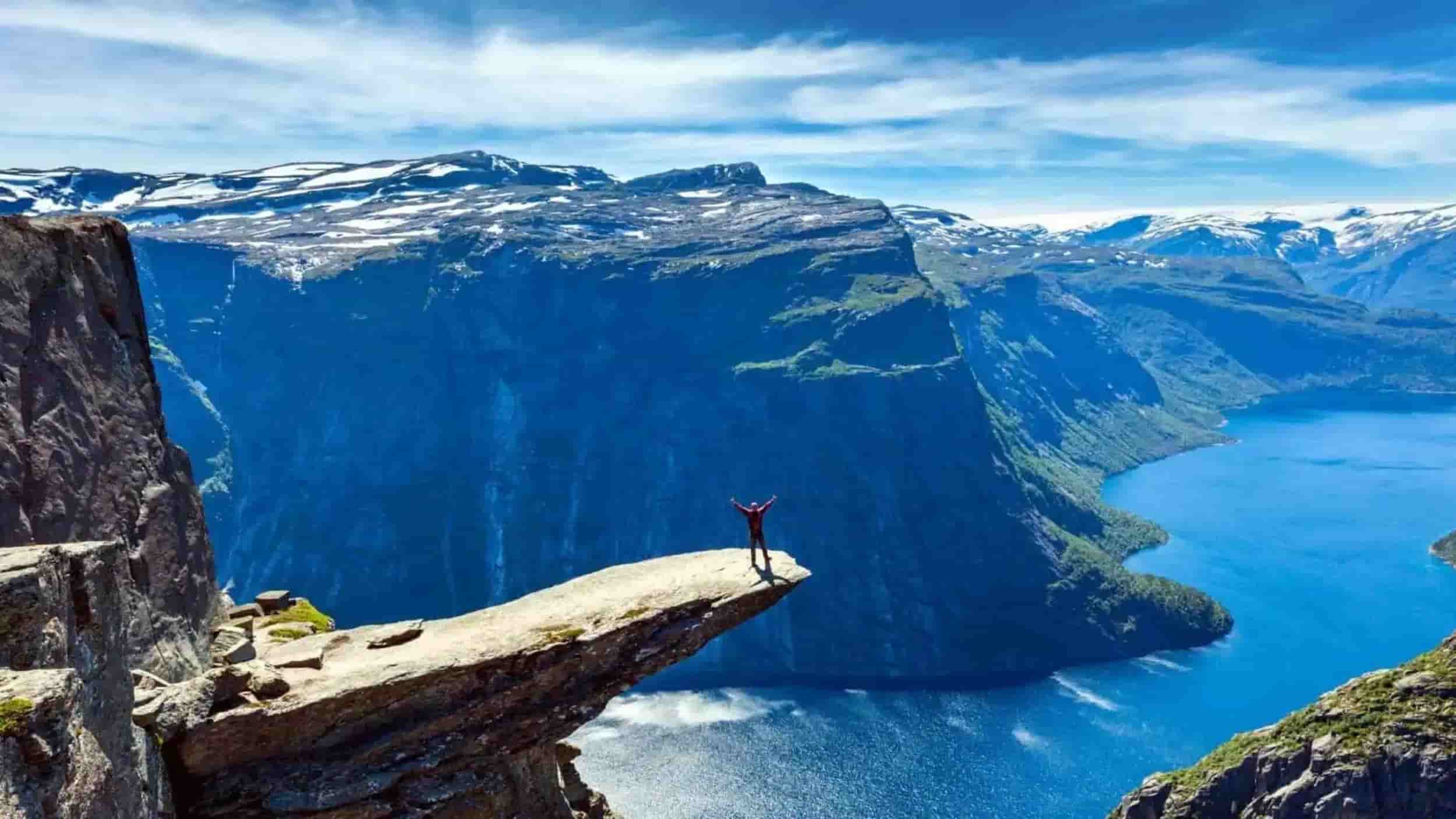
Towering fjords create some of Earth’s most jaw-dropping landscapes with cliff faces rising dramatically from sea level. These magnificent natural formations count among the most fascinating fun facts about Norway. They formed during ice ages through glacial erosion processes.
Bergen serves as your gateway to spectacular fjords while Flåm offers that famous railway journey. Plan adventures using Visit Norway for official tourism information and Innovation Norway for verified accommodation, transport schedules, and seasonal activity availability.
Northern lights dance across Arctic skies during winter months creating the most ethereal displays of green, purple and blue. Visitors travel thousands of miles hoping to witness this extraordinary natural light show. Every single mile is worth it.
The Most Incredible Aurora Experience
The incredible experience you’ll have will stay with you forever. Tromsø provides ideal aurora viewing conditions with minimal light pollution for witnessing extraordinary displays. Plan visits using Norwegian Meteorological Institute for aurora forecasts and Visit Norway for official northern lights viewing guidance and optimal timing recommendations.

NORWAY’S COASTLINE: Things About Norway That Connect to Finland
Midnight sun phenomenon transforms daily rhythms during summer months above the Arctic Circle in the most incredible way. This natural occurrence creates extraordinary opportunities for hiking, photography, and wildlife observation regardless of time. It allows continuous activities.
Most importantly, this extended daylight period gives visitors unprecedented access to outdoor adventures. These would be impossible during conventional day-night cycles anywhere else on Earth. Bodø experiences weeks of perpetual daylight while Svalbard enjoys constant sun.
Norway’s coastline measures over 100,000 kilometres when including all fjords and islands. This makes it longer than Earth’s circumference. This creates unique connections with neighbouring Scandinavian countries according to official Norwegian government data.
The border between Norway and Finland stretches across pristine Arctic wilderness. This creates shared cultural traditions and similar natural phenomena. Both countries celebrate and protect these together through cooperative environmental and cultural initiatives.
Unusual beaches defy every expectation with their striking beauty despite Norway’s northern spot and cold climate. These shores feature white sand and turquoise waters that appear tropical. They challenge preconceptions about Arctic coastal environments.
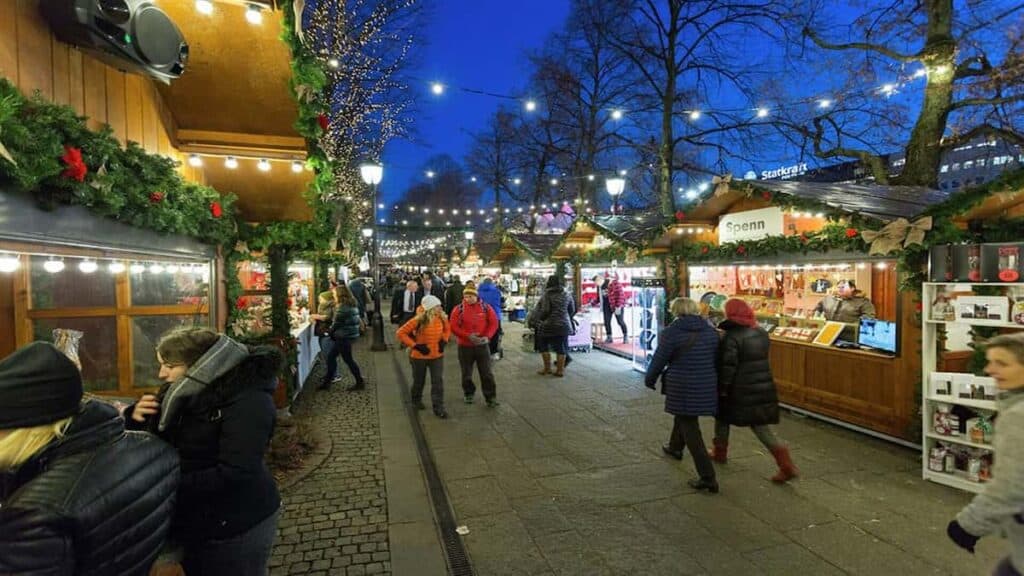
🎭 INTERESTING FACTS ABOUT NORWAY: Cultural Traditions and Norwegian Language
Ancient customs persist throughout contemporary Norwegian society despite technological advances and global influences. These constantly reshape other cultures. Winter celebrations revealing unusual fun facts about Norway continue thriving in modern times.
Oslo maintains traditional Christmas markets filled with authentic crafts and local delicacies while Røros preserves centuries-old holiday customs. These take place in its gorgeous UNESCO-protected town centre. It transports visitors back through time.
Though seemingly contradictory, these time-honoured traditions thrive alongside Norway’s progressive social policies in perfect harmony. This creates a unique cultural balance that fascinates sociologists. Visitors study how traditional and modern elements coexist.
Ancient Folklore in Modern Norway
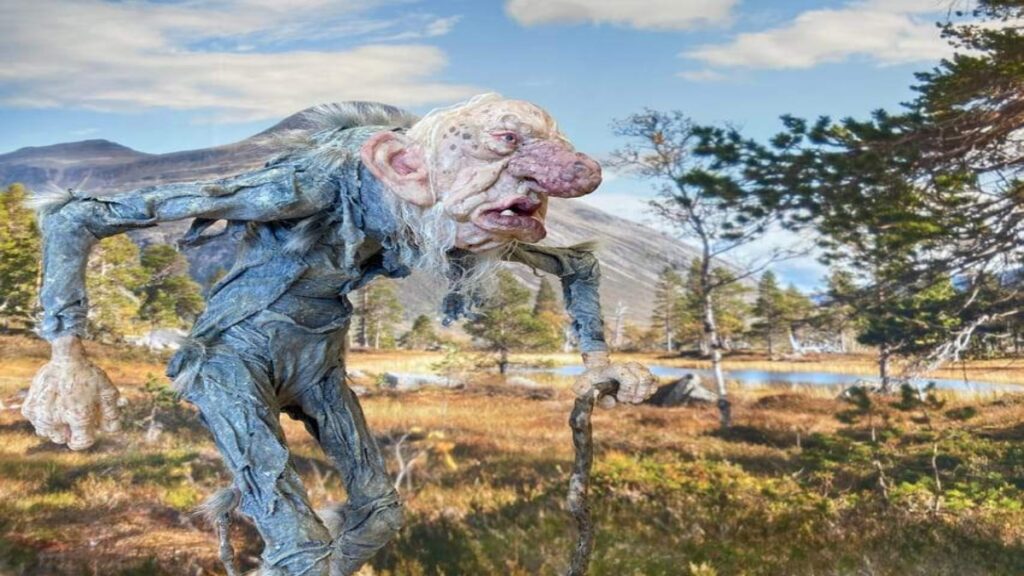
Troll folklore remains deeply embedded in Norwegian cultural identity across generations and regions throughout the entire country. These mythical creatures appear in literature, art, and countless tourist souvenirs. Visitors treasure these as authentic cultural artifacts.
These mythical beings influence everything from children’s tales to modern marketing campaigns. Trondheim features troll-themed attractions and Ringebu maintains storytelling traditions. As a result, these interesting things about Norway continue shaping national identity surprisingly.
NORWEGIAN LANGUAGE: What Norwegians Speak and Norway Facts for Kids
Norwegian language evolution created distinctive regional dialects despite Norway’s relatively small population size compared to other European nations. Language politics played crucial roles in national identity formation. These still influence contemporary society.
Language politics influenced independence movements and cultural development in ways that still shape society today. Bergen preserves unique dialect characteristics while Kristiansund maintains coastal traditions. These reflect centuries of maritime cultural development.
What Norwegians speak includes two official written forms of Norwegian called Bokmål and Nynorsk, plus multiple Sami languages. This reflects complex cultural heritage and linguistic diversity throughout the Kingdom of Norway. This surprises many visitors.
Norway facts for kids include that children learn about their Viking heritage, traditional folk tales about trolls. They also learn why their Constitution Day features children’s parades. These educational elements help preserve cultural continuity across generations of Norwegian families.
Children in Norway also learn about their country’s role in preserving peace through the Nobel Peace Prize ceremony. This ceremony is held annually in Oslo. This makes these some of the most inspiring Norway facts. They connect local identity with global responsibility.
The official language of Norway includes provisions for Sami languages in northern regions. Indigenous Sami people maintain their traditional languages alongside Norwegian there. This linguistic diversity reflects Norway’s commitment to preserving indigenous cultural heritage.
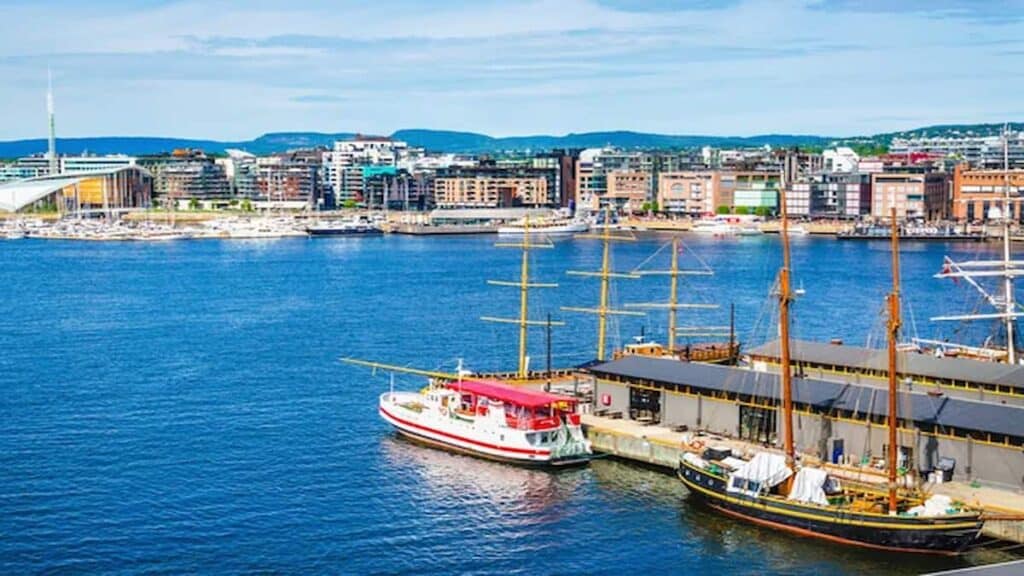
📍 OSLO FACTS: Capital of Norway and Royal Family History
Oslo serves as the capital housing many important cultural institutions, government buildings, and historical sites. Access information through Oslo Municipality for city services and The Royal House of Norway for official royal site visits and ceremony schedules.
The royal family currently ruling Norway actually descends from Denmark rather than ancient Norwegian lineage. This surprises many visitors who expect direct historical continuity. This unique heritage reflects the complex political relationships that shaped Scandinavian royal succession.
Norway’s Royal Heritage
Harald Fairhair became the first king of Norway in the 9th century. He unified various tribal kingdoms into one nation and established royal traditions. These foundational moments continue influencing modern Norwegian monarchy in ways that maintain cultural authenticity.
King Olav V ruled Norway during much of the 20th century. He became beloved for his down-to-earth approach to monarchy. He often used public transportation and skied with ordinary citizens. This established traditions of accessible royal leadership.
The current King Harald continues this tradition of accessible monarchy while Queen Sonja supports arts and culture throughout Norway. This approach makes the royal family genuinely popular among Norwegians. They appreciate their authentic connection to everyday life.
Oslo also houses the Nobel Peace Prize ceremony each December. The Prize is awarded in Oslo rather than Stockholm like other Nobel Prizes. This honors Norway’s commitment to peace and demonstrates the nation’s special role in international diplomacy.
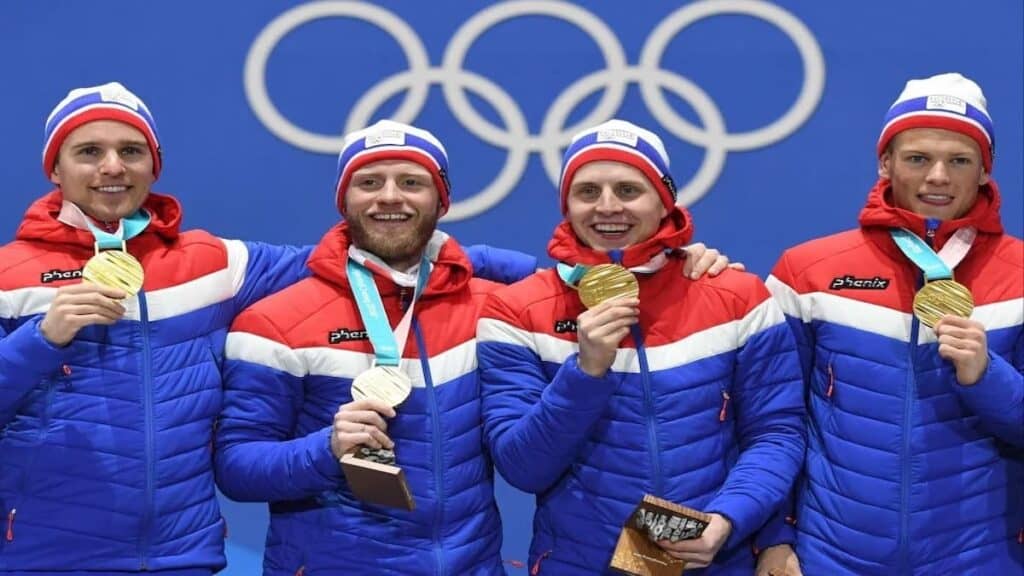
🏠 WINTER OLYMPICS: Interesting Norway Facts About Daily Life and Ski Culture
National contradictions emerge when examining everyday Norwegian social patterns and behaviours. These fascinate sociological observers who study how societies actually function. Understanding these paradoxes provides fascinating fun facts about Norway for anyone interested in social dynamics.
Though Norwegians value independence highly and prize individual achievement, their social systems emphasize collective responsibility and community welfare. This creates harmonious balance between personal freedom and social solidarity. Other nations attempt to replicate this unsuccessfully.
Norway’s Athletic Excellence
Unusual sports capture national enthusiasm with activities completely unfamiliar to most non-Scandinavians who visit this remarkable country. This extends far beyond winter skiing associations. Ski culture represents merely the beginning of Norway’s distinctive athletic traditions that surprise visitors worldwide.
Norway has won more medals per capita at Winter Olympics than any other nation. Access facilities through Norwegian Olympic Committee for training centers and Norwegian Ski Association for official ski facilities, competitions, and equipment rental locations.
LIFE IN NORWAY: How People in Norway Live Day to Day
Coffee consumption reaches extraordinary levels throughout Norwegian society with per-capita rates among the world’s highest. This transcends mere beverage preference to become genuine cultural institution. This caffeine enthusiasm creates sacred social rituals rather than simple refreshment opportunities.
Most importantly, coffee breaks represent essential daily rituals that bring people together for meaningful conversations. They enable relationship building, and community connection. Trondheim features numerous specialty coffee roasters while Ålesund maintains traditional coffee-centred social gatherings. Visitors often underestimate these.
Work schedules follow distinctive patterns with shorter hours yet higher productivity than many other developed nations manage to achieve. The typical workday ends earlier with limited overtime expectations. This surprises international business visitors from cultures emphasizing longer hours.
Before visiting, travellers should note that many businesses close earlier than in other European countries. This reflects cultural priorities that value personal time. Fredrikstad businesses exemplify family-friendly policies while Moss companies demonstrate standard approaches to work-life balance.
People in Norway enjoy some of the world’s highest living standards. They have excellent healthcare, education, and social services funded through responsible management. These benefits result from oil revenues and progressive taxation. This ensures broad prosperity across all social classes.
📜 ROALD DAHL: Charlie and the Chocolate Factory Author’s Norwegian Roots
Ancient vikings left remarkable legacies beyond their fearsome warrior reputation and seafaring skills that dominate popular culture. Archaeological discoveries throughout Norway showcase complex legal systems, artistic traditions, and extensive trade networks.
Though often mischaracterised in popular culture as simple raiders, Viking society featured remarkable sophistication in governance, commerce, and cultural expression. These achievements influenced European development for centuries while Tønsberg claims status as Norway’s oldest town with continuous settlement.
Norway’s Constitutional History
Constitutional anomalies reveal unexpected political development through Norway’s fascinating journey to modern democracy. The nation’s constitution ranks as world’s second-oldest still operating. The nation’s constitutional history amazes scholars worldwide, with Eidsvoll housing the historic constitutional assembly building.
Norway remained neutral during the First World War. This avoided the devastating conflicts that affected most European nations and allowed continued development. This neutrality permitted democratic institutions and social progress to flourish while other nations focused resources on warfare.
ROALD DAHL: Charlie and the Chocolate Factory Connection
Roald Dahl, the beloved author of Charlie and the Chocolate Factory, had strong Norwegian roots through his parents. They emigrated from Norway to Wales. His childhood summers visiting Norway influenced his writing style and imaginative storytelling throughout his remarkable literary career.
Charlie and the Chocolate Factory reflects some Norwegian storytelling traditions, with magical elements and moral lessons that echo Scandinavian folk tales. The connection between Norwegian culture and Dahl’s magical worlds appears in his appreciation for nature. It also appears in winter traditions, and family values.
Roald spent childhood summers visiting Norway and learning about his Norwegian heritage. These experiences influenced his writing style and imaginative storytelling. Norway also inspired other aspects of Dahl’s work through its dramatic landscapes, long winters, and rich folklore traditions.
Many visitors don’t realise this connection when they read his books. This makes it one of the most surprising literary fun facts about Norway’s cultural influence. The connection demonstrates how Norwegian storytelling traditions continue influencing global literature through diaspora communities worldwide.
NORWAY DURING THE SECOND WORLD WAR: Neutral Attempts and Resistance
Norway declared neutrality at the beginning of the Second World War. The country hoped to avoid devastating conflicts engulfing Europe and maintain peaceful democratic traditions. However, Nazi Germany invaded Norway in April 1940, ending neutrality and beginning five years of occupation.
The Norwegian resistance became legendary for its courage and effectiveness. This included sabotage operations against heavy water production that potentially prevented German nuclear weapons development. King Haakon VII and the government escaped to London, maintaining democratic legitimacy throughout occupation.
After liberation in 1945, Norway became a founding member of NATO. This abandoned traditional neutrality to ensure collective security against future threats. Western Norway served as particularly important areas for resistance activities. Fjords and mountains provided natural hideouts.
🍽️ NORWAY INTRODUCED SALMON SUSHI: Culinary Innovations and Traditions
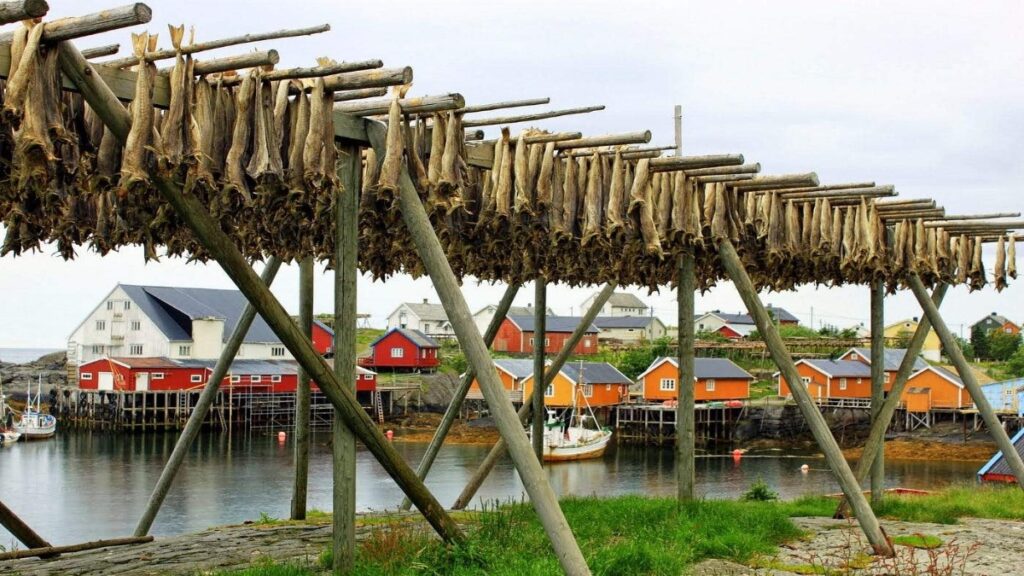
Preserved fish traditions continue throughout modern Norwegian cuisine despite global culinary influences. These constantly reshape other food cultures. Traditional preservation methods represent essential survival strategies. Stockfish and lutefisk represent some of the most unusual culinary experiences for international visitors.
Bodø maintains traditional fish-drying racks visible throughout the coastal landscape. Ålesund offers authentic stockfish processing demonstrations that showcase centuries-old techniques. These methods were passed down through fishing families. They developed sophisticated preservation methods for harsh Arctic conditions.
Norway’s Unique Cheese Culture
Cheese varieties include some of the world’s most distinctive types with flavours completely unfamiliar to most international palates. This particularly applies to brown cheese that presents unique caramelised characteristics. Brown cheese called brunost features sweet-savoury profiles unlike any typical cheese you’ve ever tasted.
The cheese slicer was invented in Norway by Thor Bjørklund in 1925. This revolutionised how people around the world slice cheese. It became one of Norway’s most practical contributions. This simple but effective design demonstrates Norwegian innovation focused on solving everyday problems with elegant solutions.
How Norway Changed Japanese Cuisine
Norway introduced salmon sushi to Japan in the 1980s through a remarkable marketing campaign called Project Japan. This convinced Japanese consumers to try Norwegian Atlantic salmon. This campaign required overcoming cultural resistance and food safety concerns through persistent marketing and quality demonstration.
Salmon sushi wasn’t traditional in Japan because Pacific salmon contained parasites. Norwegian farmed Atlantic salmon was safe to eat raw and became incredibly popular worldwide. The campaign’s success demonstrates Norwegian innovation in seafood industry and international trade. It created global culinary phenomenon.
This marketing success story demonstrates Norwegian innovation in seafood industry and international trade. It turned Norwegian salmon into a global culinary phenomenon worth billions annually. Today, salmon sushi is one of the most popular types worldwide. Norwegian salmon remains the premium choice.
Norway’s success in introducing salmon sushi shows how small countries can create global impact. This happens through quality products, smart marketing, and understanding international consumer preferences. This achievement transformed both Norwegian fishing industry and global sushi culture permanently.
CHRISTMAS TREE TRADITION: How Norway Supplies London Each Year
Seasonal celebrations feature distinctive food traditions that reflect Norway’s agricultural and cultural history in the most charming ways. Specific dishes are served only during holiday periods. Christmas meals include traditional specialties that families guard jealously across generations, maintaining cultural continuity.
Norway supplies London with a magnificent Christmas tree each year for Trafalgar Square. This continues a tradition that began in 1947 as thanks for British support. The Christmas tree comes from Norwegian forests and represents continuing friendship between Norway and Britain.
This Norwegian spruce stands as a symbol of peace and international cooperation. It’s decorated with traditional Norwegian lights and draws thousands of visitors throughout holiday season. The tradition continues because it represents genuine gratitude and friendship between nations. This makes it heartwarming international custom.
🐾 NORWAY IS HOME: Reindeer Herding and Arctic Wildlife
Arctic adaptations showcase remarkable evolutionary strategies developed by animals surviving extreme northern conditions. Most creatures couldn’t handle these conditions. This provides fascinating insights into biological resilience. These specialised adaptations create some of the most interesting wildlife experiences for nature enthusiasts discovering unique animals.
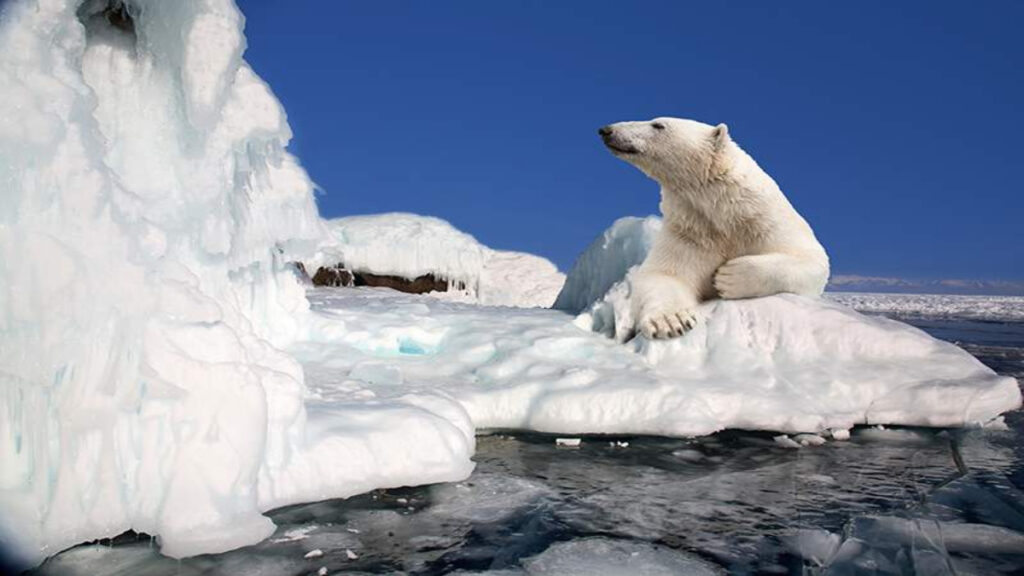
Longyearbyen on Svalbard offers polar bear viewing opportunities during specific seasons. Andenes serves as whale watching headquarters for the entire northern region. Salmon migration routes span from ocean depths to mountain streams through some of the world’s most pristine river systems.
These fish demonstrate incredible navigation abilities that scientists still don’t fully understand. They return to exact birth locations after years spent in ocean environments. Alta features famous salmon rivers with traditional fishing opportunities. Lærdal preserves traditional salmon fishing methods passed down through generations.
FUN FACTS ABOUT NORWAY: Traditional Sami Culture in Northern Norway
Reindeer herding continues as living cultural tradition among indigenous Sami people across Northern Norway. This represents sustainable practices that balance tradition with modern conservation needs. Semi-domesticated reindeer maintain their natural migration patterns under human stewardship. This respects traditional ecological knowledge.
Kautokeino serves as important Sami cultural centre showcasing reindeer herding traditions throughout northern regions. Learn more through Sami Parliament for cultural information and Finnmark County for indigenous heritage sites and traditional activity permissions.
The Sami people have herded reindeer for thousands of years across the Arctic Circle. They developed sophisticated knowledge about animal behaviour, weather patterns, and sustainable land management. Reindeer provide meat, milk, fur, and transportation for traditional Sami communities. They also serve important cultural and spiritual roles.
FUN FACTS: Species That Live in Norway’s Wilderness
Unusual species thrive throughout Norwegian territories from deep fjords to mountain plateaus and Arctic islands. This demonstrates remarkable biodiversity despite harsh northern conditions that surprise visitors. The Arctic fox changes coat colour completely between summer and winter seasons through remarkable adaptations.
Norway is home to brown bears, wolverines, lynx, and wolves across its vast wilderness areas. These large predators remain elusive and require patience. Svalbard archipelago hosts unique Arctic wildlife including polar bears, Arctic foxes, Svalbard reindeer, and various seabird species. These are adapted to extreme northern conditions.
The Lofoten Islands provide nesting sites for millions of seabirds each summer. This creates spectacular wildlife viewing opportunities for visitors who time their visits during breeding seasons. After learning these amazing facts about Norwegian wildlife, visitors often express amazement at biodiversity present in harsh environments.
🚀 WORLD’S LONGEST ROAD TUNNEL: Norwegian Inventions and Engineering
Technological adoption rates consistently rank among the world’s highest across all population demographics. Innovation patterns reveal surprising insights about digital transformation in traditional societies. These innovation trends provide fascinating insights for technology observers. They study how nations balance technological advancement.
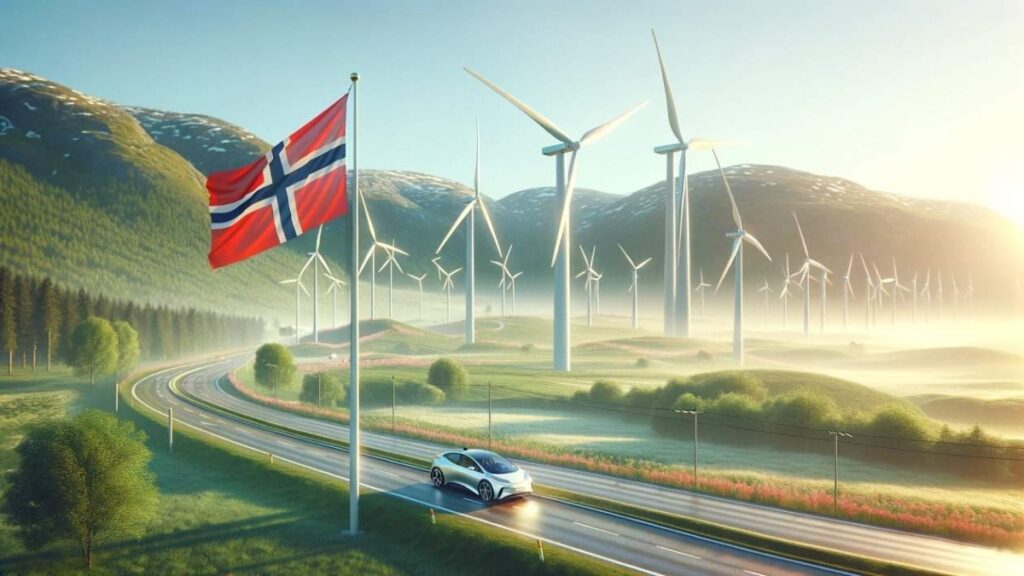
Trondheim houses the Norwegian University of Science and Technology fostering innovation. Kongsberg maintains cutting-edge technology firms that lead global development in various sectors. Electric vehicle usage leads global statistics with the highest per-capita adoption of zero-emission transportation anywhere on Earth.
Tesla vehicles have become commonplace rather than luxury status symbols. This amazes visitors from other countries where electric vehicles remain expensive and rare. Oslo features extensive charging infrastructure throughout the metropolitan area. Stavanger demonstrates how oil-producing regions can successfully transition toward sustainable transportation.
CHEESE SLICER: Engineering Marvels Invented in Norway
Norway has the world’s longest road tunnel called Lærdal Tunnel stretching 24.5 kilometres through mountains. Check conditions through Norwegian Public Roads Administration for tunnel status and Statens Vegvesen for road safety updates and travel advisories.
This engineering marvel took five years to complete and demonstrates Norwegian expertise in tunnel construction. The country now has more road tunnels per capita. Norwegian engineers also invented the aerosol can and modern ski bindings. This shows how practical Norwegian innovation focuses on solving everyday problems.
The Freia Chocolate Factory in Oslo has produced beloved Norwegian chocolates since 1916. This became so culturally important that many consider it essential Norwegian identity. Time in Norway moves differently because of extreme seasonal light variations. This leads to innovative solutions for maintaining circadian rhythms.
NOBEL PEACE PRIZE: Why the Prize is Awarded in Oslo
Social innovations extend beyond technology to progressive policies that frequently surprise international observers. They study social systems and governance models worldwide for inspiration. Parental leave policies grant extensive time for both mothers and fathers with newborns. Other countries envy these policies.
Bærum consistently ranks among the world’s best places for families. Asker demonstrates exemplary work-life balance systems, with successful implementation of policies. Many nations consider these impractical. The Nobel Peace Prize ceremony takes place in Oslo each December because Alfred Nobel specifically designated Norway.
Norway became responsible for awarding the Peace Prize in 1901. The Norwegian Nobel Committee selects recipients based on their contributions to peace, human rights, and international cooperation. The Prize is awarded in Oslo at a ceremony attended by Norwegian royal family, government officials, and international dignitaries.
Sovereign wealth management represents global benchmark through Norway’s trillion-dollar oil fund investment strategy. Economists worldwide study this as a model for resource management. This financial innovation secures prosperity beyond fossil fuel dependency. It ensures future generations benefit enormously from current natural resource extraction.
Stavanger houses petroleum industry headquarters while Bergen develops alternative energy technologies. These lead global renewable innovation, with leadership in renewable energy despite vast fossil fuel resources. Norway still maintains its commitment to environmental protection and sustainable development. This demonstrates how oil-producing nations can transition toward clean energy.
Norway also leads in electric vehicle adoption, renewable energy development, and environmental protection. This shows how wealthy nations can take responsibility for global climate action. Know that Norway represents a unique model of sustainable development. Other nations study and attempt to replicate this successfully.