
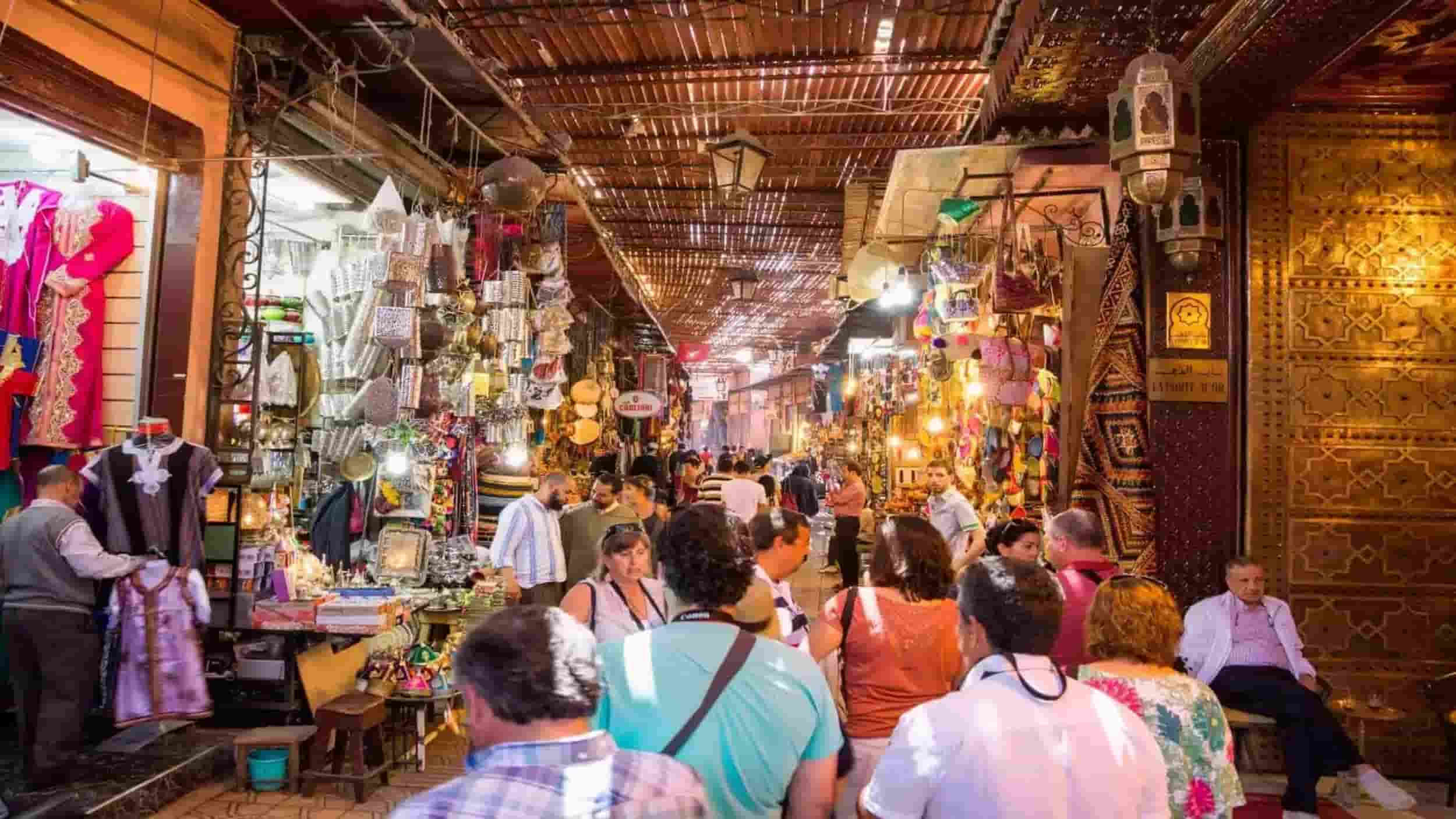
Is Marrakech Morocco safe? Generally, yes – most travelers enjoy the city’s vibrant markets, historic sites, and rich culture without major issues. Like any busy destination, it’s wise to stay aware of your surroundings, especially in crowded areas. Exploring Marrakech Morocco safely allows visitors to experience its colorful streets, local traditions, and unique attractions with confidence.
👀 At a Glance: Marrakech Safety Essentials
🛡️ Safety Level: Very safe for tourists who use common sense
📍 Best Areas: Medina district, Jemaa el-Fnaa square, Gueliz
📊 Crime Rate: Low violent crime, occasional petty theft
👩 Solo Female Travel: Safe with cultural awareness
🌙 Night Safety: Well-lit areas recommended, community watching
🚨 Emergency Number: Tourist Police: 0524-38-46-01
🚨 Why I Spent My First Day Convinced Everyone Was Plotting Against Me
My paranoia started before I even left Marrakech airport. The taxi driver quoted me 200 dirhams to the medina…that’s within the official airport rate range of 70-200 MAD depending on taxi type and exact destination.
So every conversation felt loaded with hidden meaning. My hands were literally sweating when we reached the city center. I’d forgotten to charge my phone properly, which made everything worse. I couldn’t even pretend to look busy scrolling through messages like a normal person.
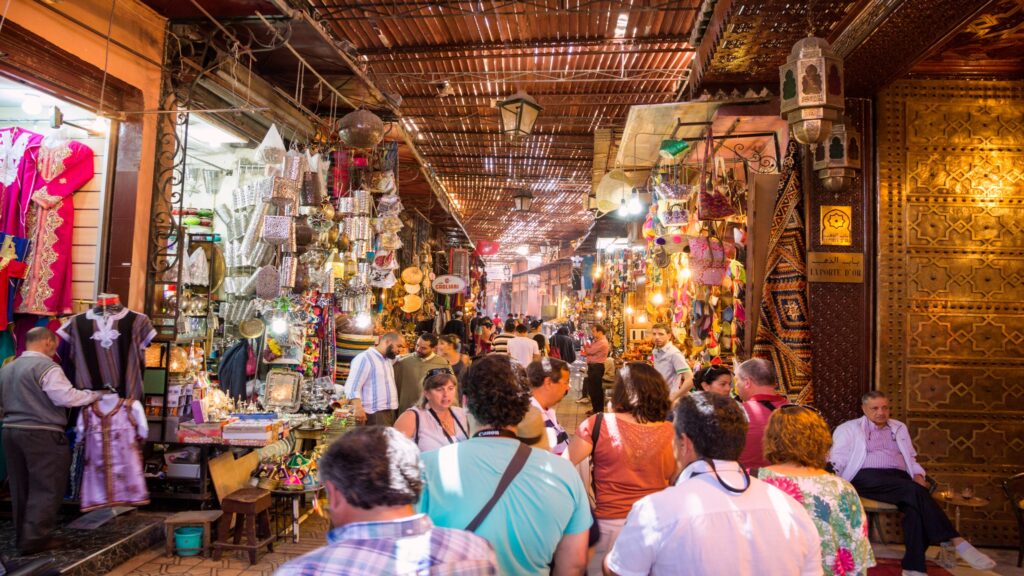
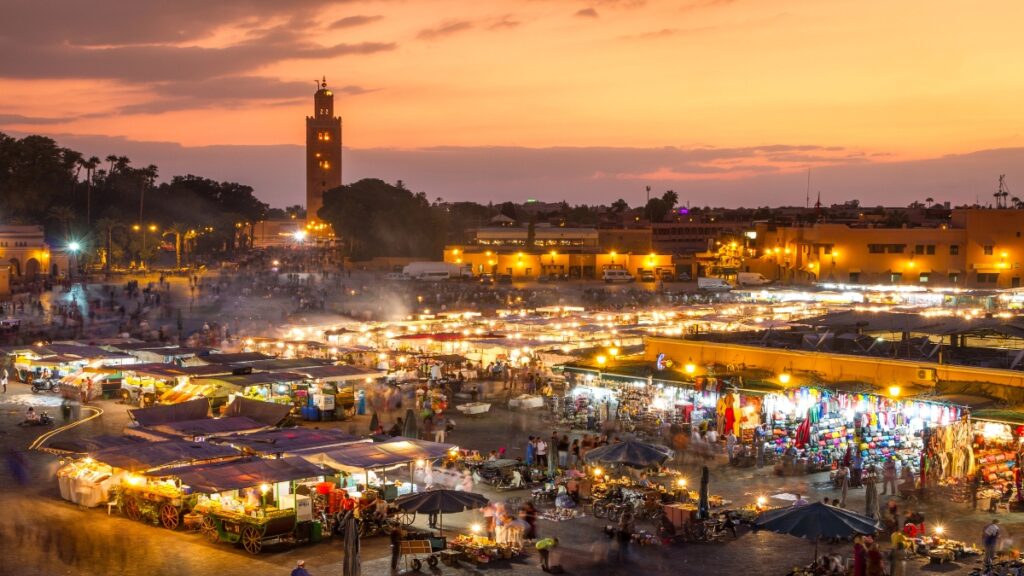
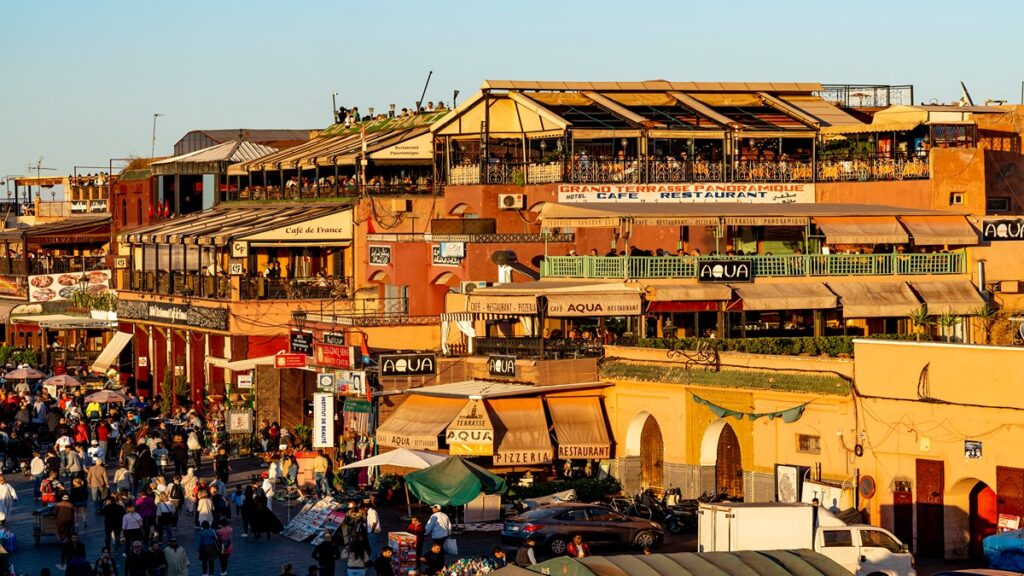
Walking through Jemaa el-Fnaa square that first night, I was convinced every person who glanced at me saw a walking target. The snake charmers seemed menacing rather than entertaining. The henna ladies calling out to me were obviously running elaborate scams designed specifically for gullible tourists like myself.
I must have been tempting fate with my obvious tourist paranoia. Also, why is everyone so unnaturally good at guessing exactly where you’re from? This guy knew I was British before I even opened my mouth. Still bothers me, honestly.
How Anxiety Distorts Your Safety Radar as a Tourist
Here’s what I learned about anxious travelers like myself: we create danger where absolutely none exists. That man following me for three blocks? He worked at my hotel and was ensuring I didn’t get lost again. The teenager who kept trying to get my attention? He’d found my dropped guidebook and was attempting to return it.
My face went crimson when I realized how completely wrong I’d been. I apologized profusely to the hotel guy, which made everything more awkward. He didn’t speak much English, so I was essentially apologizing for… existing? Not my finest moment of cultural sensitivity, I’ll admit.
If you’re someone who imagines worst-case scenarios in every unfamiliar situation, Marrakech will feel overwhelming initially. It’s like someone cranked your emotional volume to maximum when you’re accustomed to peaceful quiet. The prayer calls, motorcycle horns, and conversations in Arabic and French trigger your fight-or-flight response even when there’s zero actual danger.
I kept checking my pockets every five minutes like pickpockets were inevitable. Spoiler alert: they weren’t. I was creating my own stress based on absolutely nothing but overactive imagination and too much preparation reading worst-case travel blogs.
🎭 Safety Tips: The Personality Test Marrakech Gives Every Visitor
What I realized by day three is that is Marrakech Morocco safe depends entirely on your travel personality. It’s like an emotional lie detector that strips away all your pretenses about how “adventurous” you think you are. It reveals whether you’re someone who finds energy in controlled chaos or someone who needs structure to feel genuinely secure.
If you’re naturally trusting and adaptable, you’ll probably feel safe in Marrakech within hours. On the other hand, if you’re like me – someone who needs to understand all the unspoken rules before feeling comfortable – expect a longer adjustment period. And that’s perfectly fine, honestly.
Why Different Personalities Experience Different Safety Levels
Extroverted travelers who love constant interaction will thrive here. The street vendors become entertainment rather than annoyance. Their calls and jokes feel like friendly banter instead of aggressive sales tactics. You’ll find yourself looking forward to these daily social exchanges.
Introverted travelers might find the social intensity exhausting rather than unsafe. It’s not about actual danger – it’s about emotional capacity. The constant attention and interaction can drain your social battery faster than you’d experience in quieter destinations.
Control-oriented people struggle initially because Marrakech operates on organized chaos rather than predictable systems. Everything functions perfectly, but not in ways that make immediate sense to visitors accustomed to linear, structured environments.
Spontaneous travelers adapt quickly because they embrace the unexpected turns and cultural surprises. They see the unpredictability as part of the adventure rather than a source of stress or potential danger.
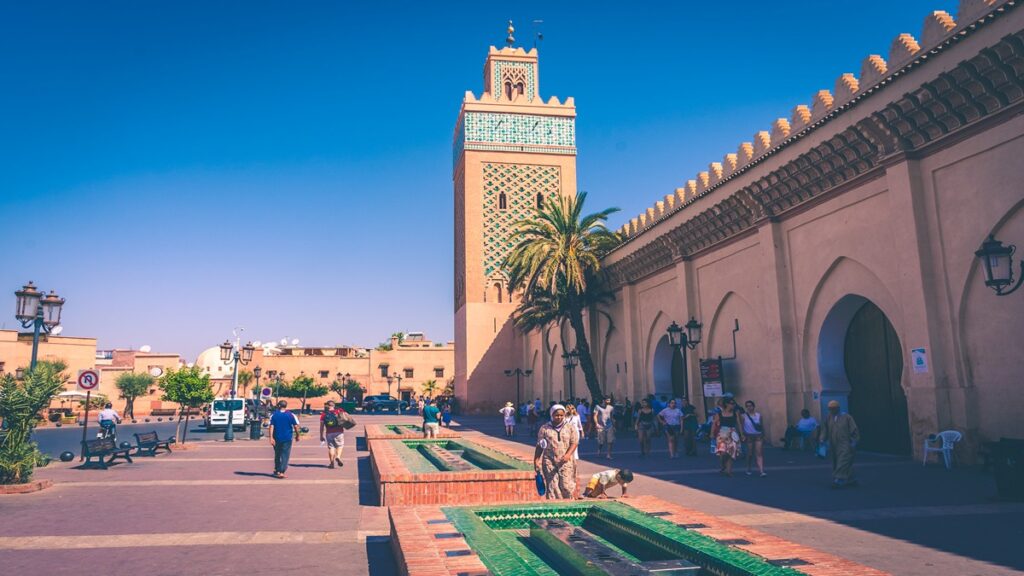
💭 What Marrakech Taught Me About My Own Prejudices Around Safety
I’ll admit something embarrassing: before visiting Morocco, I harbored hidden prejudices about what made a Muslim country “safe” for Western tourists. These prejudices were based on literally nothing except sensationalized media stories and my own ignorance. Talk about being a walking cliché.
I’d also watched that Liam Neeson film the week before traveling. That definitely didn’t help my mental state going in. My imagination was already running wild with completely unrealistic scenarios that had zero basis in reality.
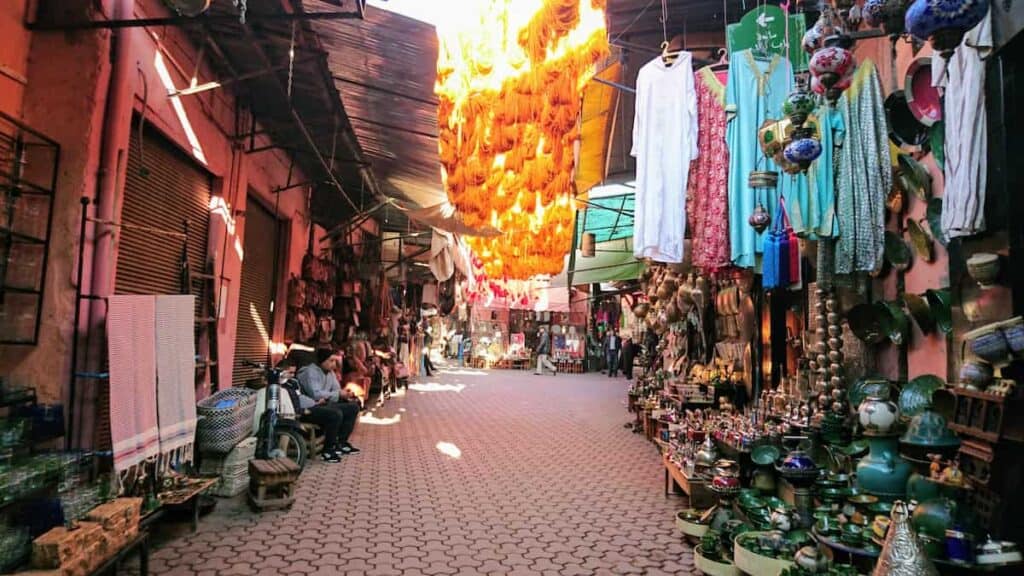
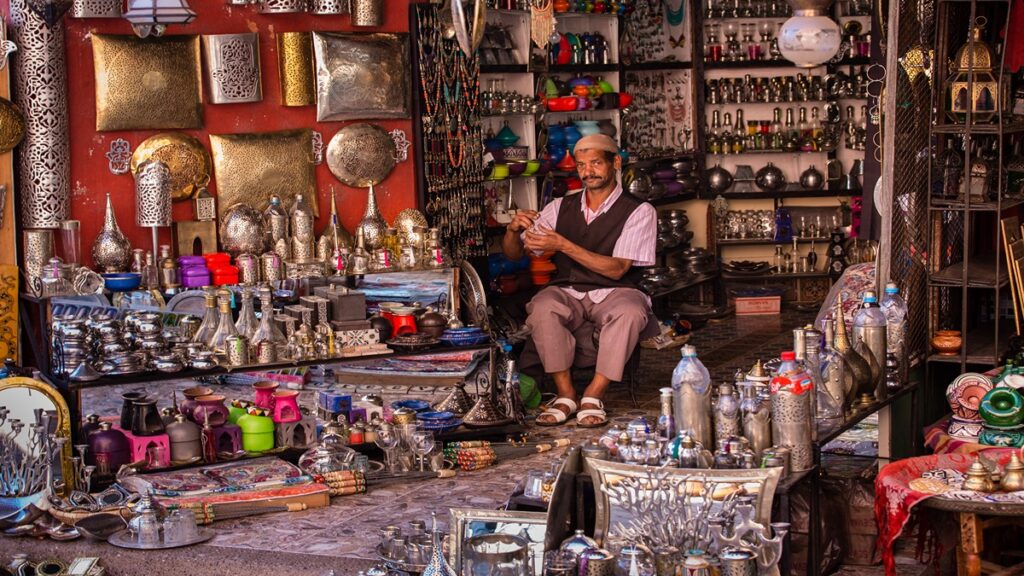
My first lesson came when I got hopelessly lost in the medina souks. The place smelled like leather and spices, plus this mysterious sweet scent I never identified. Instead of using my confusion against me, three different Moroccan men stopped to help me find my way back to the main square.
It was like being lost in a shopping mall where every store owner knows your situation and genuinely wants to help you find the exit. No one asked for money. No one tried leading me into their cousin’s carpet shop. They just helped because that’s what you do for lost tourists.
When Your Assumptions Get Challenged By Reality
The biggest challenge to my preconceptions came during my second night. People warned me about thieves and scams, so when a young Moroccan man approached me at a café, I was immediately suspicious. My defensive walls went up instantly.
We talked for two hours about football, university life in Rabat, and his dreams of seeing London. He paid for my mint tea and wouldn’t let me reimburse him. When I left, he gave me his WhatsApp number and said to message if I needed help anywhere.
That conversation taught me more about Marrakech safety than any guidebook could. The real threat to my security wasn’t crime – it was my own prejudices preventing genuine connections with kind, generous people who simply wanted to share their culture.
How Your Background Shapes Your Safety Concerns
If you grew up where strangers don’t talk to each other in public, Marrakech’s social norms can feel intrusive or threatening. Street vendors calling out to you isn’t aggressive behavior – it’s how business operates here. Understanding this cultural difference is crucial for feeling comfortable.
Similarly, if you’re from a place where bargaining doesn’t exist, the negotiation process in markets might feel confrontational. But it’s normal commerce, almost like a friendly game. You need to understand this cultural difference to feel safe and comfortable. Trust me on this – it changes everything.
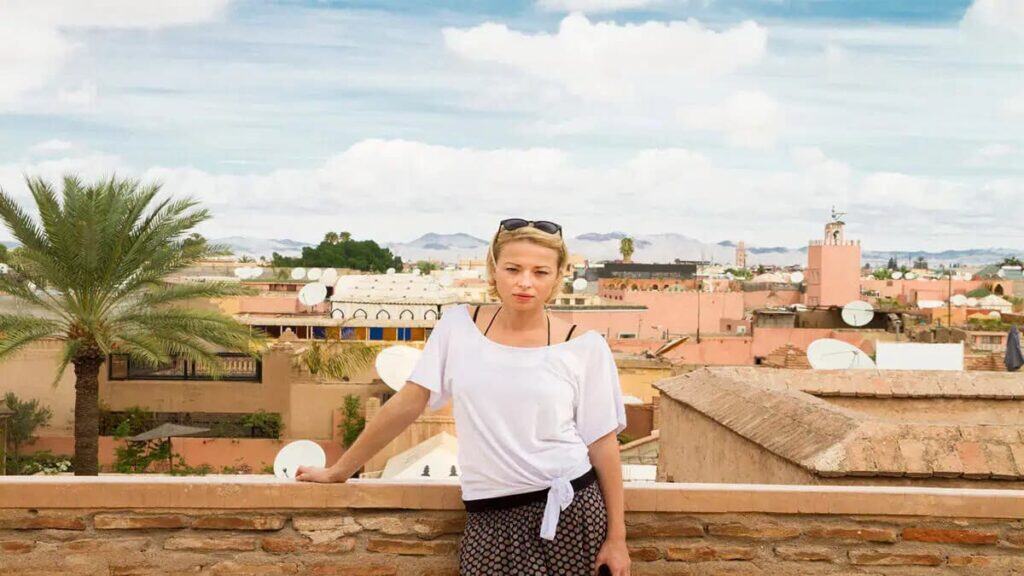
💖 Why I Love Marrakech More After Being Genuinely Scared There
Let me tell you about the night I was actually frightened in Marrakech – and why it ended up being one of my favorite travel memories. I got lost in the medina at night while trying to return from a restaurant. The narrow paths all looked identical, my phone died, and I could hear my mother’s voice warning me about exactly this scenario.
For about twenty minutes, I experienced genuine fear. Not the manufactured anxiety of my first day, but real concern about being lost in an unfamiliar city after nightfall. This was the moment I’d been dreading since booking my flight.
The Moment Everything Changed
That’s when I heard English being spoken from a small café tucked away down a side street. Inside, I found a British couple and two Australian backpackers sharing tagine with the café owner and his family. The place smelled like cinnamon and smoke from the tagine pot.
They welcomed me in and helped me locate my position on the map. They insisted I stay for dinner. The café owner refused payment from any of us, saying we were his guests. His wife brought out extra plates, and his children practiced their English by asking us about our countries.
What initially scared me – being lost and vulnerable – led to the most authentic cultural experience of my entire trip. I learned that my fear was blocking me from the exact experiences I came to Morocco to have.
Why Controlled Fear Can Enhance Your Travel Experience
Here’s something surprising I discovered: being slightly scared in Marrakech made me more observant, more present, and ultimately more open to genuine connections. It’s like the city gave me emotional X-ray vision – suddenly I could see through my own defensive layers to what was actually happening.
When you’re hyper-aware of your surroundings (which fear creates), you notice details you’d otherwise miss. The way vendors look out for each other in the souks. How families naturally include tourists in their evening routines. The informal network of people ensuring lost visitors find their way home safely.
If you’re someone who learns from being slightly uncomfortable, Marrakech provides the perfect amount of challenge without real danger. It pushes you just enough to grow without creating genuinely threatening situations.
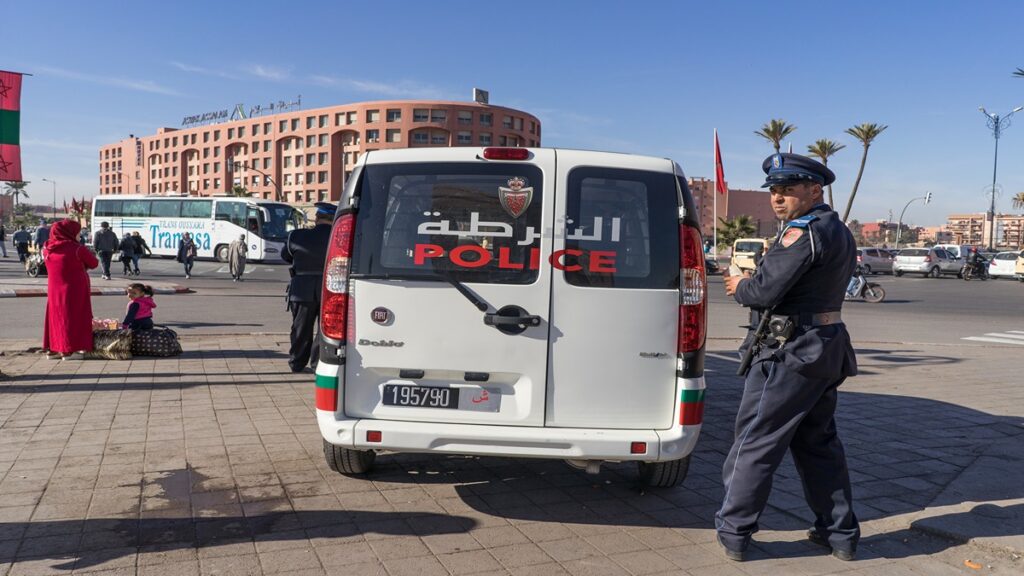
🎯 How Safe Is Marrakech for Tourists Who Need Control?
This is the most crucial question for determining if Marrakech suits you. If you get stressed when plans change unexpectedly, you need different preparation than other travelers. If you can’t relax when you can’t predict what happens next, same thing.
I learned this by observing other tourists during my week there. The ones who seemed most relaxed and happy were those who embraced surprises. The ones who seemed most stressed were trying to force their usual travel approach on a city that doesn’t operate that way. It wasn’t pleasant to watch.
Stay Safe: The Control Person’s Guide to Marrakech
If you need structure to feel safe, here’s what worked brilliantly for me: Book your accommodation early. Choose somewhere in or near the medina but with clear directions from the main square. Having a safe base you can always return to provides the security anchor you need.
Learn basic Arabic phrases for “thank you,” “no thank you,” and “I’m not interested.” This gives you polite ways to end conversations you don’t want to continue. It significantly reduces anxiety about getting trapped in unwanted interactions.
Set a daily budget for shopping and tourist activities. Then leave your credit cards at the hotel safe. When you know exactly how much you can spend, bargaining becomes enjoyable instead of stressful.
Safe for Tourists: Why Some People Thrive Here and Others Struggle
If you’re someone who gets energized by talking to people and don’t mind being the center of attention, Marrakech will feel like one big, welcoming party. Street vendors will joke with you, kids will practice English with you, and locals will offer advice about everything.
But if you’re more introverted or prefer observing rather than participating, the constant social interaction can feel overwhelming. This doesn’t make Marrakech unsafe – just exhausting for certain personality types.
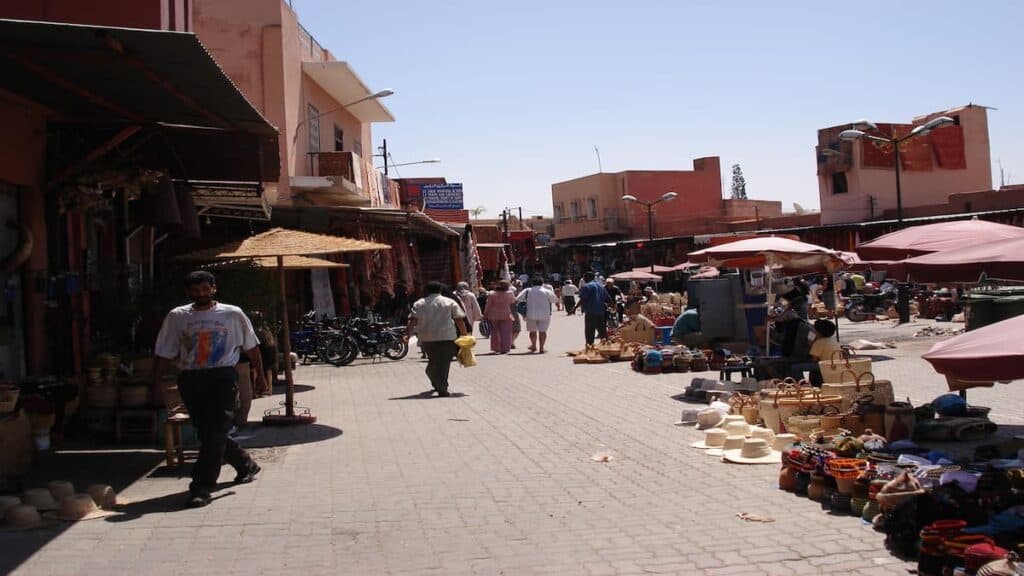
🏛️ Is the Medina District in Morocco Safe?
The medina in Marrakech is like a live psychological test that reveals everything about your travel personality. It’s like being dropped into an emotional obstacle course designed by someone who studied your deepest fears. The real question isn’t if it’s safe (it absolutely is) but whether you can handle its organized chaos.
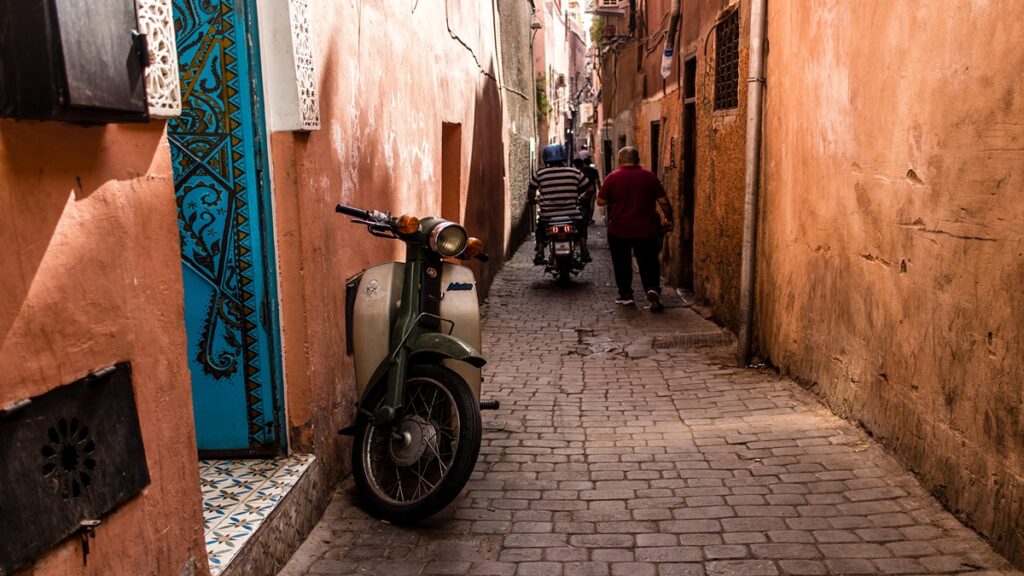
On my first walk through the souks, I was convinced the whole system was completely random. Motorbikes weaving between pedestrians, vendors calling out from every direction, the maze-like streets that seem designed to confuse tourists – it felt like pure chaos.
By day four, I started recognizing the underlying order. The motorbike drivers know exactly how to navigate around people without accidents. The vendor calls follow unspoken territorial rules. Even the confusing street layout serves a purpose – it slows everyone down and creates opportunities for interaction.
How Different Personalities Navigate Organized Chaos
If you’re good at pattern recognition and comfortable with ambiguity, you’ll love the medina. You’ll start seeing the hidden systems that make everything function smoothly. You’ll feel like you’re solving a fascinating puzzle that gets more interesting each day.
But if you need clear rules and predictable outcomes to feel secure, the medina might feel threatening initially rather than exciting. The key is understanding that there are rules – they’re just different from the ones you know.
Safety and Security: The Hidden Lessons in Plain Sight
What I found most fascinating is how the medina’s apparent chaos actually creates multiple layers of informal security. Because everyone knows everyone else’s business, unusual behavior gets noticed immediately. It’s like having thousands of informal security guards watching out for everyone.
When I was obviously lost that first day, three different shop owners offered directions without being asked. Meanwhile, when a vendor was being overly aggressive with a tourist couple, other vendors quietly intervened. The community polices itself in ways that aren’t obvious to outsiders.
This taught me that safety in Marrakech comes from the social dynamics that initially made me uncomfortable. The constant observation and interaction that felt intrusive was actually a protective network.
🌙 Is Marrakech Safe for Female Travelers at Night?
Here’s something that genuinely surprised me. After a few days of adjustment. I felt safer walking around Marrakech alone than in many major European cities – safety data shows Marrakech’s crime index (41.85) is lower than London’s (64.61). This wasn’t what I expected before visiting, based on all the dire warnings I’d read online.
The difference is about visibility and community support. In Marrakech, you’re never truly alone on the streets. It’s like living in a small village where all the doors are always open. There’s always someone nearby watching out for you – vendors, café owners, people heading to prayer, families walking together.
Compare this to walking through certain areas of London or Paris late at night. You might not see another person for blocks. The social fabric in Marrakech creates a natural safety net I hadn’t anticipated.
Safe at Night: The Paradox of Safety Through Visibility
What I learned is that being constantly visible to others can actually increase your safety rather than decrease it. In the medina, antisocial behavior would be immediately noticed and addressed by the community. This community oversight extends to tourists because local people want visitors to feel welcome.
Bad experiences for tourists hurt everyone’s income, so there’s a built-in incentive for the community to look out for visitors. However, this same visibility can feel invasive if you’re someone who values privacy and anonymity while traveling.
Female Travelers: Street Harassment Reality Check
Let me be clear about this: street harassment does happen in Marrakech for female travelers. But from what I witnessed and discussed with women I met there, it’s less malicious than what they experience in their home countries.
The harassment is more commercial than sexual – vendors trying to sell you things rather than men making inappropriate comments. This doesn’t make it less annoying, but it changes how you should respond and how concerned you should be. The harassment includes both commercial and other forms – UK government guidance
Morocco is a traditional country where most interactions remain respectful within cultural boundaries.
📚 What This Place Teaches You About Reading People vs Reading Guidebooks
Before visiting Marrakech, I researched everything obsessively. I read every safety guide available, memorized common scam warnings, and thought I was prepared for any situation I might encounter. What I discovered is that guidebook knowledge and real-world people skills are completely different things.
It’s like the difference between studying swimming techniques and jumping in the deep end. All my research couldn’t teach me how to distinguish between genuine friendliness and calculated manipulation. That skill only comes through experience and observation, plus being willing to look foolish sometimes.
The Limitations of Generic Safety Advice
Most travel safety advice treats all interactions with locals as potentially dangerous. This creates a defensive mindset that prevents you from having authentic experiences and making genuine connections. In Marrakech, this approach would mean missing some of the best aspects of the city.
The spontaneous conversations, unexpected invitations, and cultural exchanges that happen when you’re open to meeting people. I learned to trust my instincts about individual people instead of being suspicious of everyone. This shift from rule-based to intuitive safety assessment made my trip infinitely more enjoyable.
How to Develop Cultural Intelligence Quickly
Here’s what worked brilliantly for me: instead of trying to avoid all uncomfortable situations, I used them as learning opportunities. Each interaction taught me something about local social norms and helped me calibrate my responses appropriately.
For example, when vendors in the souks called out to me, instead of ignoring them completely, I made brief eye contact and said “La, shukran” (No, thank you) with a smile. This acknowledgment satisfied their social expectations while clearly communicating my lack of interest.
🧭How Marrakech Changes Based on Whether You’re a Worrier or a Wanderer
The most fascinating thing I observed during my week in Marrakech was how dramatically different people had completely different experiences based on their approach to uncertainty and risk. The “wanderers” – travelers who embrace surprises – seemed to have magical experiences everywhere they went.
Spontaneous invitations to family dinners, impromptu tours led by local students, serendipitous discoveries in hidden corners of the medina. The “worriers” – like myself initially – had more controlled but often less memorable experiences. We stuck to recommended restaurants, pre-booked tours, and generally followed the well-worn tourist path.
Why Your Travel Personality Determines Your Safety Experience
What I realized is that both approaches can be equally safe, but they create completely different relationships with the city. Worriers experience Marrakech as something that happens to them. Wanderers experience it as something they participate in.
This doesn’t mean worriers should completely change who they are. Most importantly, understanding your natural approach helps you make better decisions about when to push your comfort zone and when to stay within safe boundaries.
The Growth Opportunity Hidden in Discomfort
For anxious travelers like me, Marrakech offers a chance to practice being comfortable with uncertainty in a relatively safe environment. The risks aren’t actually that high – worst-case scenarios usually involve paying too much for a carpet or eating at a touristy restaurant. Not genuine danger.
This makes it an ideal place to experiment with being more spontaneous and open to surprises. Because of the safety net of easily accessible help – hotel staff, tourist police, other travelers – you can push your boundaries without taking serious risks.
What changed for me was realizing that my anxiety was preventing me from the experiences I traveled so far to have. Sometimes the scary thing is exactly what makes the trip worth remembering. Even though current UK and US government warnings mention terrorism and safety risks with Level 2 advisories, Marrakech remains relatively safe for visitors who use common sense.
🏁 The Final Verdict: Is Marrakech Morocco Safe?
So is Marrakech Morocco safe? The answer depends entirely on whether you can handle a city that challenges your assumptions and rewards you for embracing uncertainty. If you can accept that challenge, you’ll discover a city that’s not just safe, but genuinely life-changing.
Terror concerns and petty crime exist like anywhere else, but they’re not the real story here. The real adventure is discovering how secure you feel when you step outside your comfort zone. I’m still figuring this out myself.
But here’s what I know for certain: Marrakech taught me that safety isn’t just about avoiding danger. It’s about being open to the magic that happens when you allow yourself to be vulnerable in a new place. And that’s the most valuable lesson any destination can teach you.
📋 QUICK REFERENCE: Marrakech Safety Checklist
✅ Research accommodation in advance with clear directions
✅ Learn basic Arabic greetings and polite refusals
✅ Set daily spending limits and use hotel safes
✅ Keep copies of important documents separately
✅ Stay in well-lit, populated areas after dark
✅ Trust your instincts about individual people
✅ Embrace the organized chaos – it’s safer than it looks
Remember: Your biggest safety tool in Marrakech isn’t pepper spray or hidden money belts. It’s your willingness to adapt, observe, and connect with the incredible people who call this magical city home.
📋 FAQs
🛡️ Is it safe to go to Morocco?: Morocco is mostly safe. Check warnings first.
💡 What should I know before I go?: Learn local ways. Watch around you. Big cities need this like Casablanca & Essaouira.
🚶♀️ Is it safe for a foreigner to travel alone in Marrakech: Marrakech is safe. Alone travelers stay alert. Avoid bad areas.
⚠️ What safety issues should I know?: Learn about terror threats. Terrorists may target tourists.
✅ How can I make sure my trip to Marrakech is safe?: Buy travel insurance. Learn health rules.
📍 Are there specific areas of Morocco that are safe?: Tourist areas are safe. Atlas Mountains too. Stay alert.