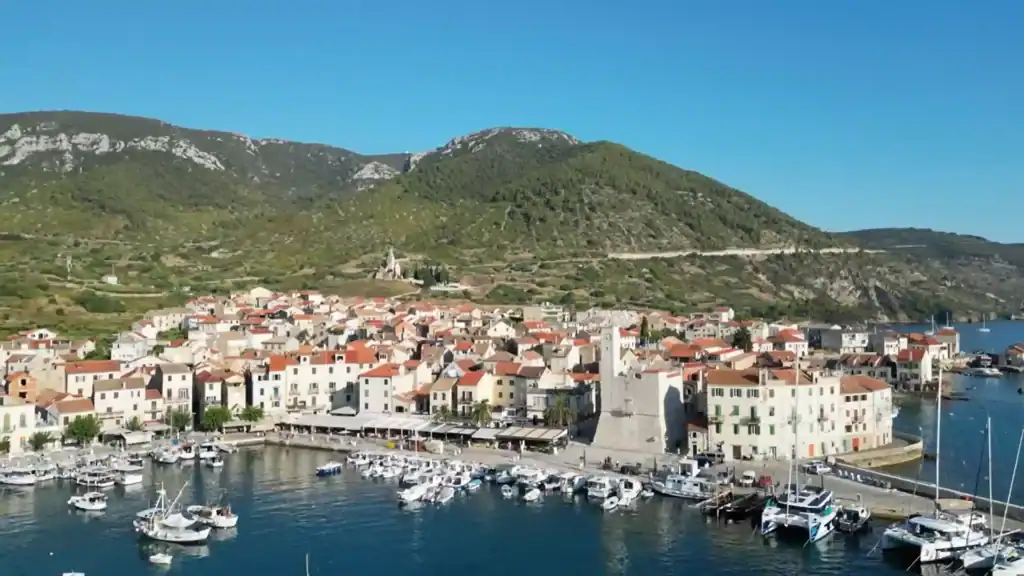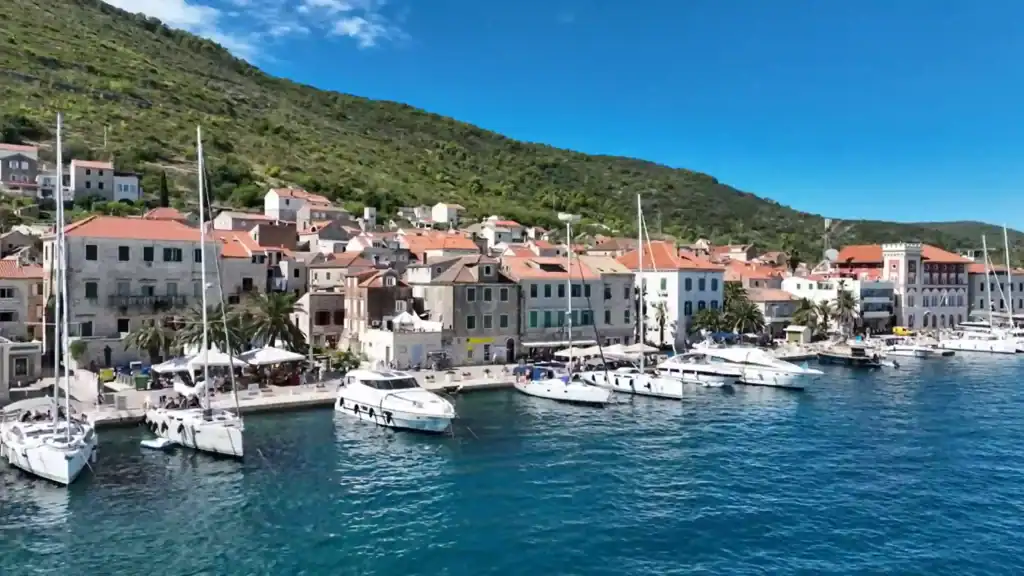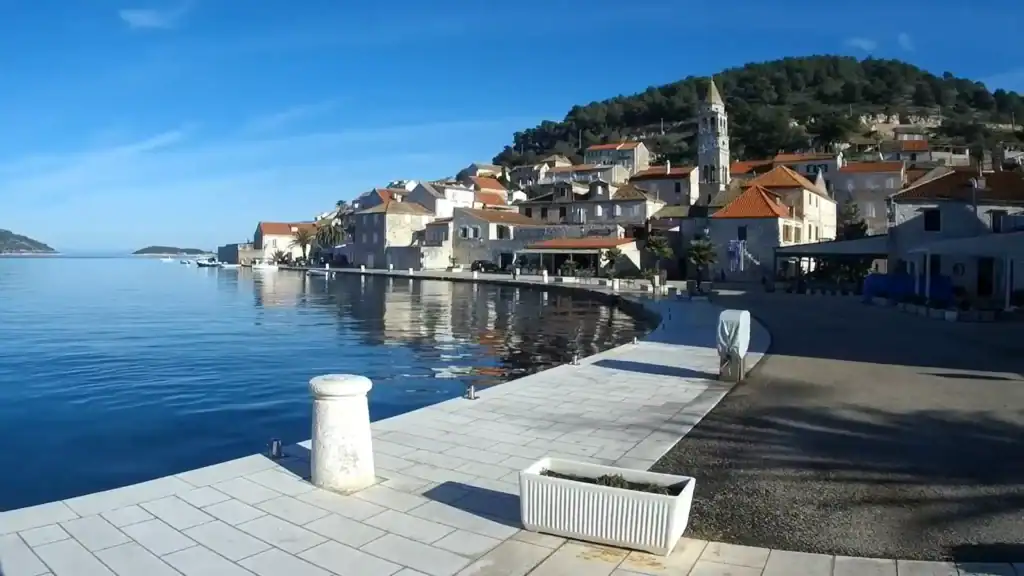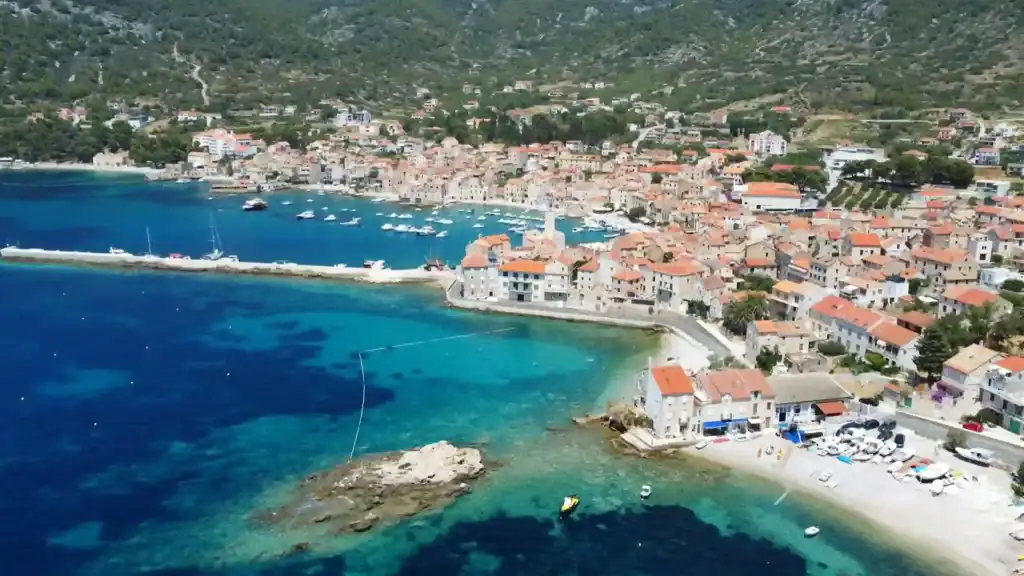

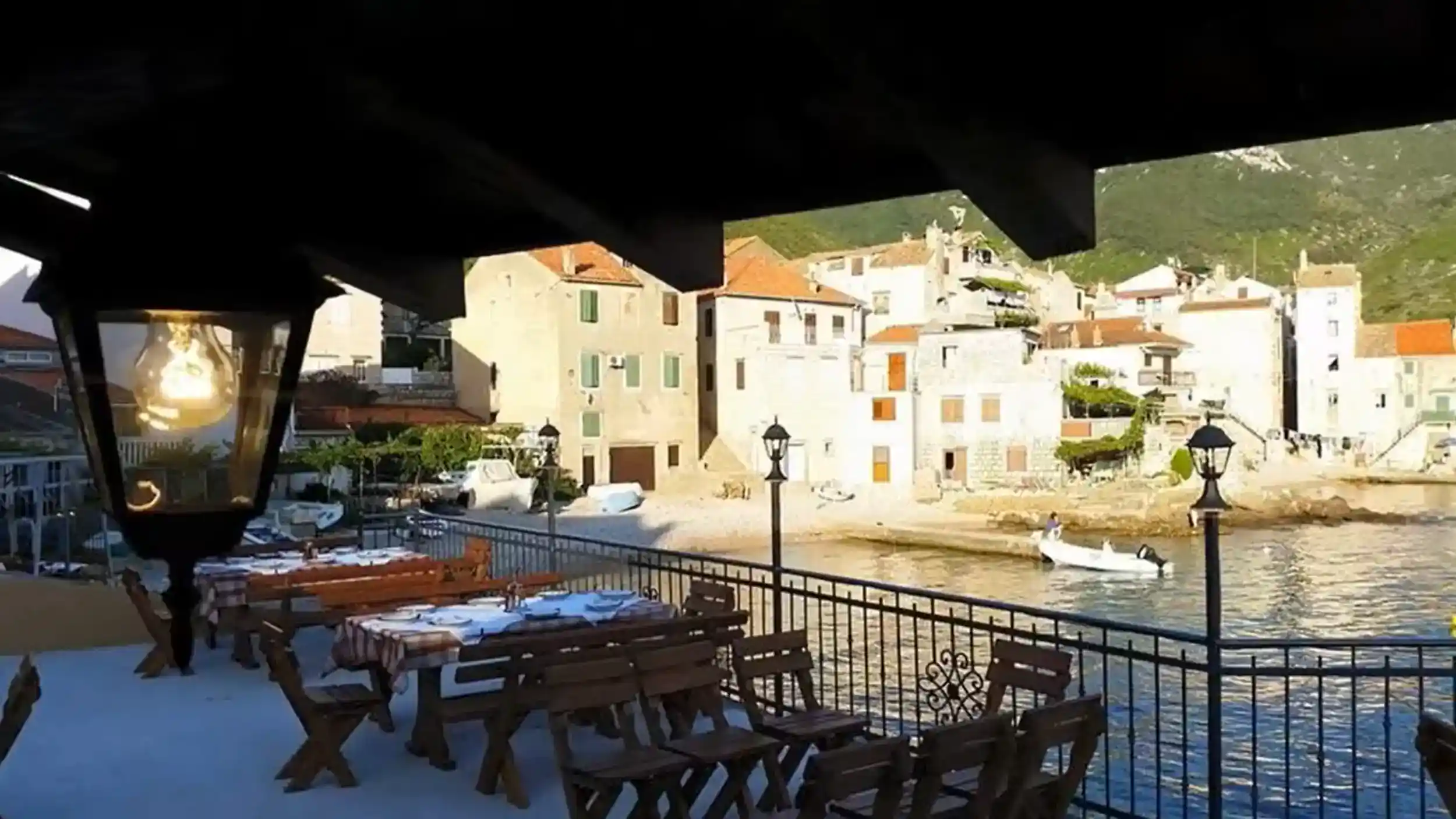
Is Vis island worth it? Absolutely, for travelers seeking Croatia’s most unspoiled destination with Stiniva Beach (UNESCO-protected cove), Blue Cave on Biševo Island, and authentic fishing villages like Komiža and Vis Town. Located 45 kilometers offshore (2.5-hour ferry from Split), expect fewer crowds than Hvar, fresh seafood at konobas averaging €15-25 per meal, historic military tunnels with €5 entry, and crystal-clear waters ideal for diving.
👀 Is Vis island worth it: At-a-Glance
🏝️ Remote island 2.5 hours from Split by ferry
💰 Expensive – limited accommodation drives prices up
🚗 Car essential – poor public transport between villages
🌊 Blue Cave access – closest island to Biševo’s main attraction
🍷 Wine heritage – indigenous Vugava grape only grows here
📵 Digital detox – patchy WiFi makes remote work challenging
🎭 Zero nightlife – last bar closes by midnight even in summer
🏛️ What Vis Offers Beyond Quiet
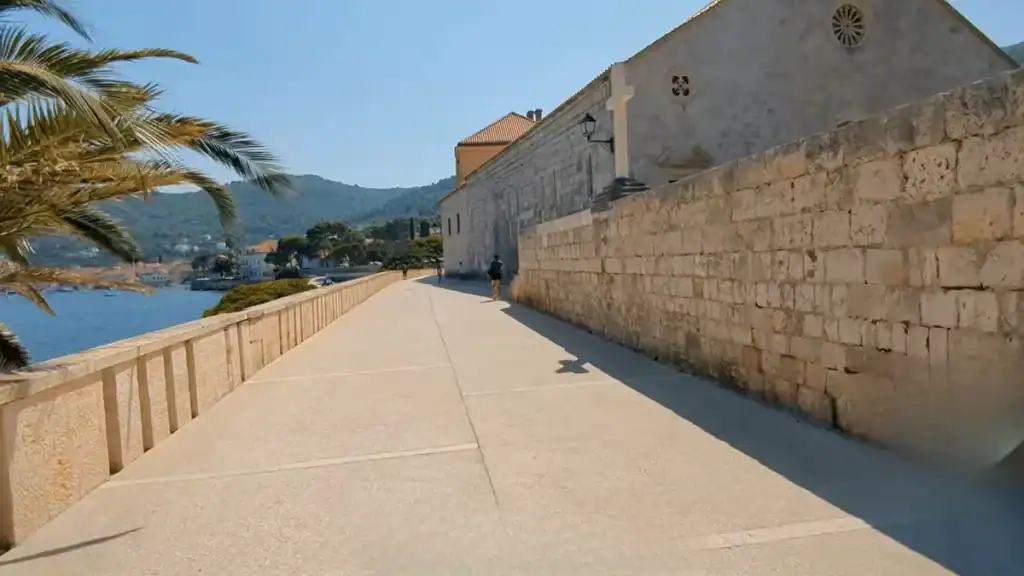
Vis delivers what Instagram can’t capture. This island spent 50 years as a Yugoslav military base. That isolation saved stone villages and underwater sites. Other Croatian islands destroyed theirs with concrete hotels.
The Blue Cave sits 30 minutes offshore. Tour boats from Hvar charge €60 and arrive when crowds peak. Vis departures cost €45 and reach Biševo by 9am.
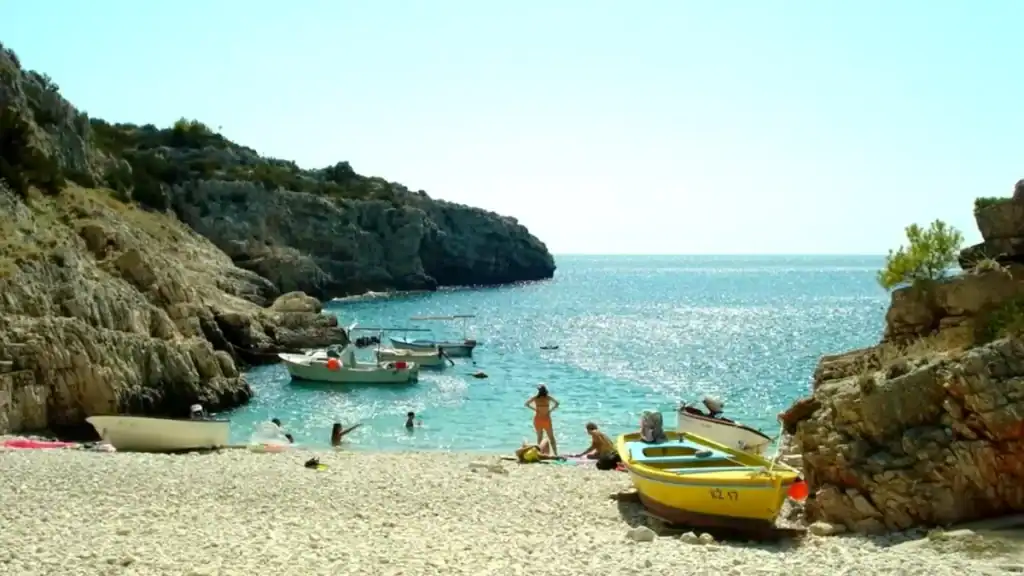
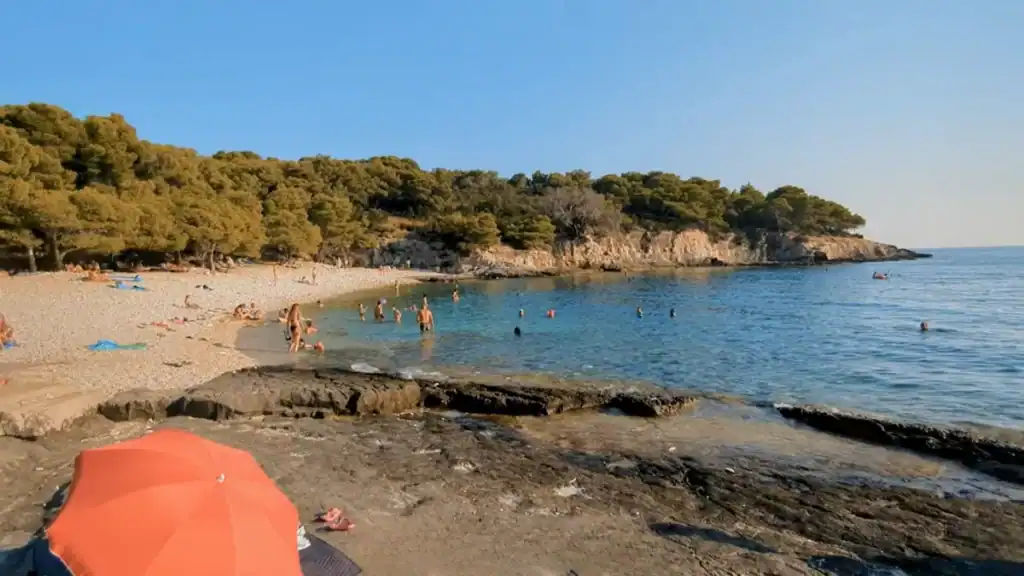
Stiniva Beach won European Beach of the Year. It requires a 20-minute cliff descent. The 10-meter-wide cove gets direct sun for only three hours daily. Most visitors leave disappointed by the effort-to-beach-time ratio.

Military History, Blue Cave, and Unique Beaches
Fort George overlooks Vis town from 587 feet. British forces built it in 1813. Yugoslavian bunkers and tunnels fill the surrounding hills. None offer official tours or safety rails.
Stončica Beach has pebbles, not sand. Clear water drops to 15 feet within three meters of shore. Families with young children struggle here. Experienced swimmers find it ideal.
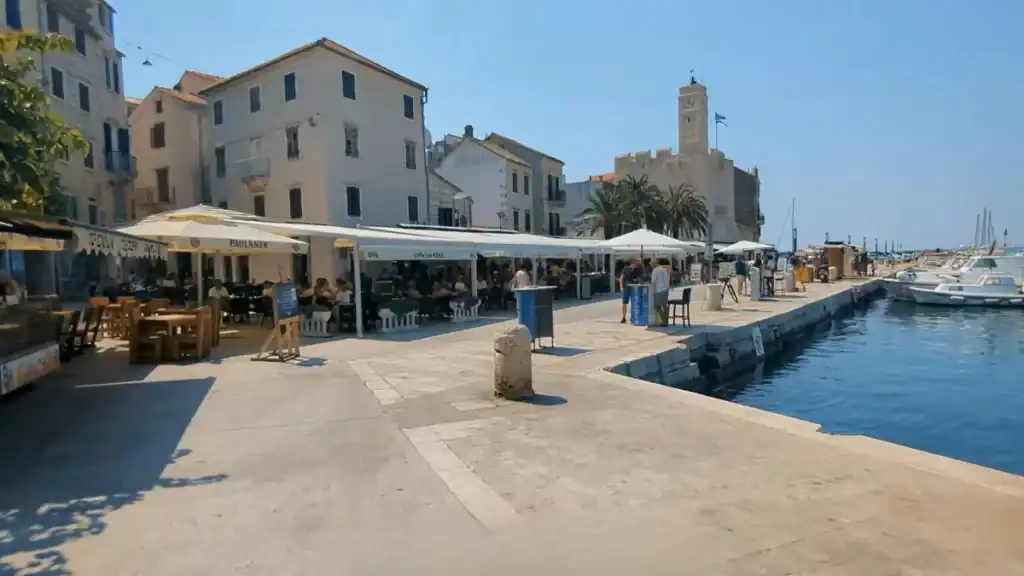
Vis town vs Komiža presents a real choice. Vis town has ferry connections and slightly more restaurants. Komiža offers better sunset views and sits closer to the Blue Cave. Neither has late-night entertainment.
💸 Is Vis Island Worth It? The Costs
Accommodation starts at €80 per night for basic rooms in July. Airbnb studios reach €120 during peak weeks. Hotels average €180 and book out by May for August stays.
Ferry costs add up quickly. Split to Vis return tickets cost €22 per person. The catamaran saves 30 minutes but charges €35. Families of four spend €88-€140 just reaching the island.
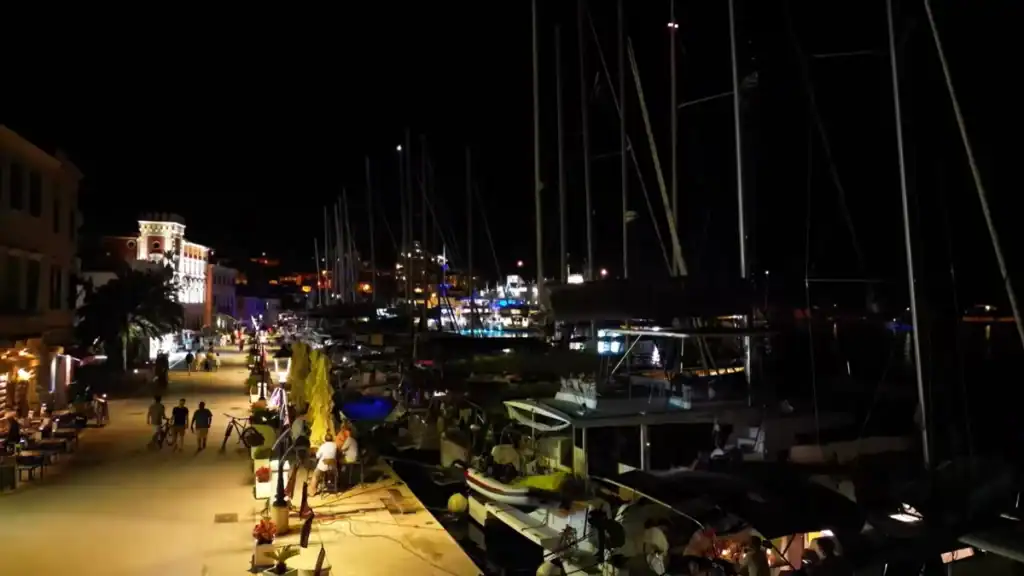
Restaurant meals cost 20% more than Split prices. A simple konoba dinner runs €25-€30 per person. Supermarkets exist but stock limited fresh produce. Most ingredients arrive by the same ferry tourists use.
Why Vis Island Punishes Budget Travelers
Vis island without a car means using two daily buses. They run between Vis town and Komiža only. The 14km journey takes 35 minutes. Buses don’t serve beaches or the interior. Taxis charge €25-€30 for the same route.
Scooter rentals cost €35-€45 daily. Steep coastal roads and poor signs make them risky. Car rentals start at €60 daily with a three-day minimum in summer.
Hidden costs include beach parking at €5-€10. Blue Cave tours cost €45-€60. Kayak rentals run €25 for half a day. A five-day Vis trip easily exceeds €800 for couples before flights.
❌ Who Should Skip Vis Entirely?
Party seekers find nothing after 11pm. Vis has three cocktail bars. All close by midnight except Friday and Saturday in July-August. Younger crowds leave after two nights feeling stranded.
Families with toddlers struggle with pebble beaches and steep beach access. No playgrounds exist outside Vis town center. Changing facilities are basic or absent at most beaches.
Spontaneous travelers can’t wing it here. August accommodation books months ahead. Restaurants fill by 7pm without reservations. The ferry sells out on summer weekends.
Is Vis Island Worth It Without Nightlife?
Digital nomads asking about Vis island remote work should reconsider. WiFi rarely exceeds 10mbps outside town centers. Power cuts happen monthly. Coworking spaces don’t exist.
Vis island in October brings beautiful weather but closed businesses. Half of restaurants shut after September 15th. Ferry schedules drop to just three weekly departures. Beach clubs and tour operators close entirely.
Accessibility matters. The island has no wheelchair-friendly beaches. Most restaurants have steps. Taxis can’t take mobility scooters. Medical facilities offer only basic first aid.
⚖️ Is Vis Island Worth It vs Hvar?
Hvar offers better infrastructure at higher prices. Beaches like Dubovica rival Vis’s best. Nightlife, regular ferries, and diverse rooms suit more travelers. Hvar feels polished. Vis feels raw.
Brač provides middle ground. Zlatni Rat beach beats anything on Vis for families. Ferry connections run hourly from Split. Prices undercut both Vis and Hvar. Brač lacks Vis’s mystique but gives practical advantages.
Combining islands works if you have 10+ days. Start with Hvar’s energy, then decompress on Vis. The catamaran between them runs thrice weekly in summer. Each island suits different moods.
Island Hopping vs Focused Trip: What Works
Five days on Vis alone feels long. You need to genuinely seek isolation. Three nights let you see highlights without boredom. Seven nights suits travelers who embrace slow travel and limited dining options.
Split-Hvar-Vis makes sense for two-week itineraries. Allocate four nights to Hvar, three to Vis. Use Split as bookends. This balances social atmosphere with quiet escapes.
Skip island hopping if traveling in shoulder season. Reduced ferries and closed businesses make multi-island trips frustrating. Focus your time on one island with reliable September or October services.
✅ The Honest Verdict on Vis Island
Is Vis island worth it? Yes, if you value untouched landscapes over convenience. Vis rewards travelers who accept higher costs and limited infrastructure for real isolation.
It’s not worth it for budget travelers or families with young children. It disappoints anyone expecting Hvar-level amenities at lower prices. Vis demands patience and planning that mainstream tourists won’t enjoy.
The island succeeds as a two-to-three night escape within longer Croatian trips. It fails as a budget destination or party island. Understanding this prevents disappointment and helps you decide if Vis matches your travel style.
Vis Wins If You Value Isolation Over Convenience
Vis delivers on its promise of remoteness. You’ll find fewer tourists, preserved architecture, and genuine island culture. You’ll also find higher prices, limited transport, and early bedtimes.
Choose Vis when you want to disconnect and explore military history. Accept the logistical challenges that come with it. Choose Hvar when you want reliable infrastructure, diverse dining, and social energy. Both islands justify their reputations for different travelers.
For more Vis tourist information, check out: Vis Tourism