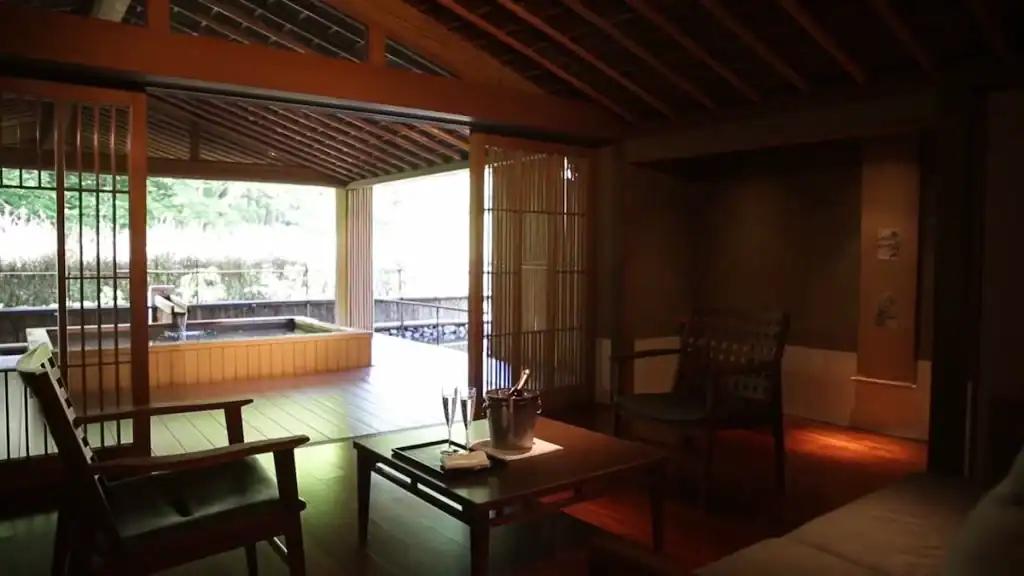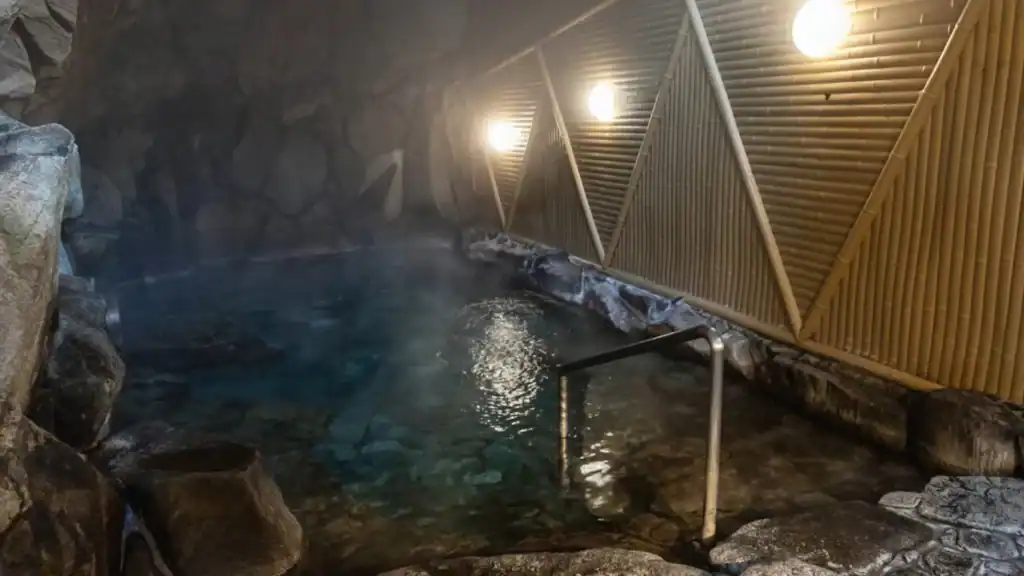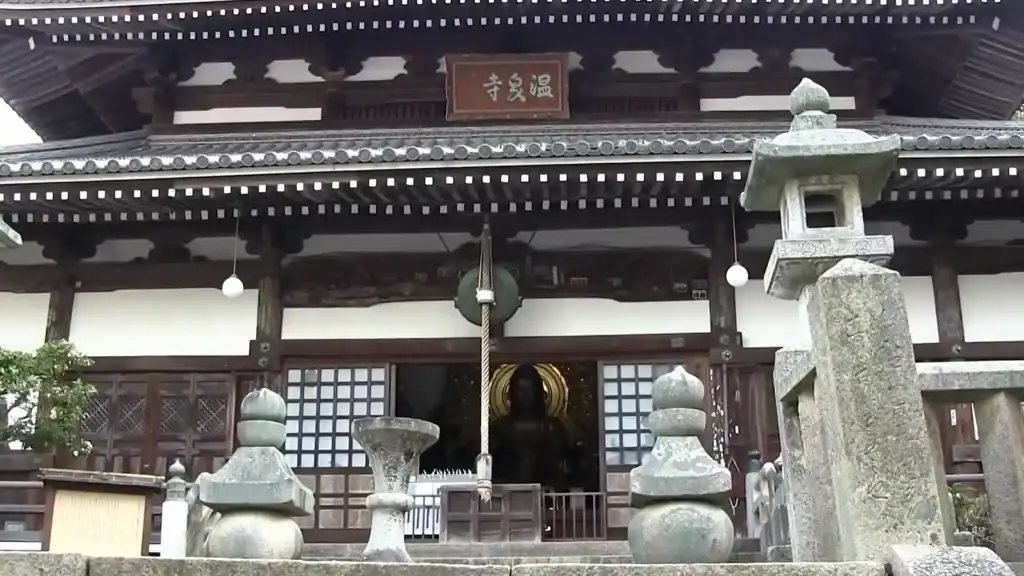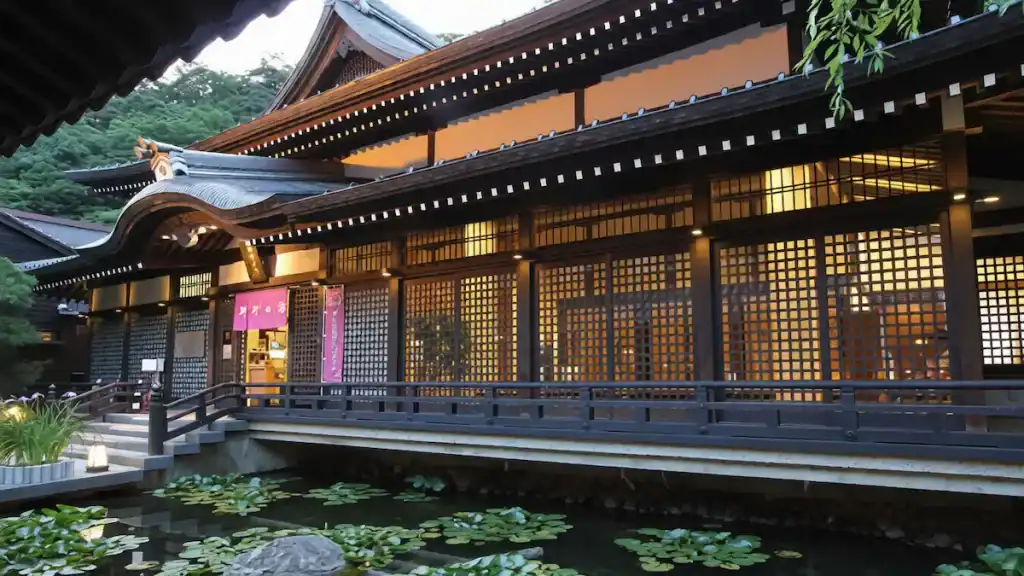

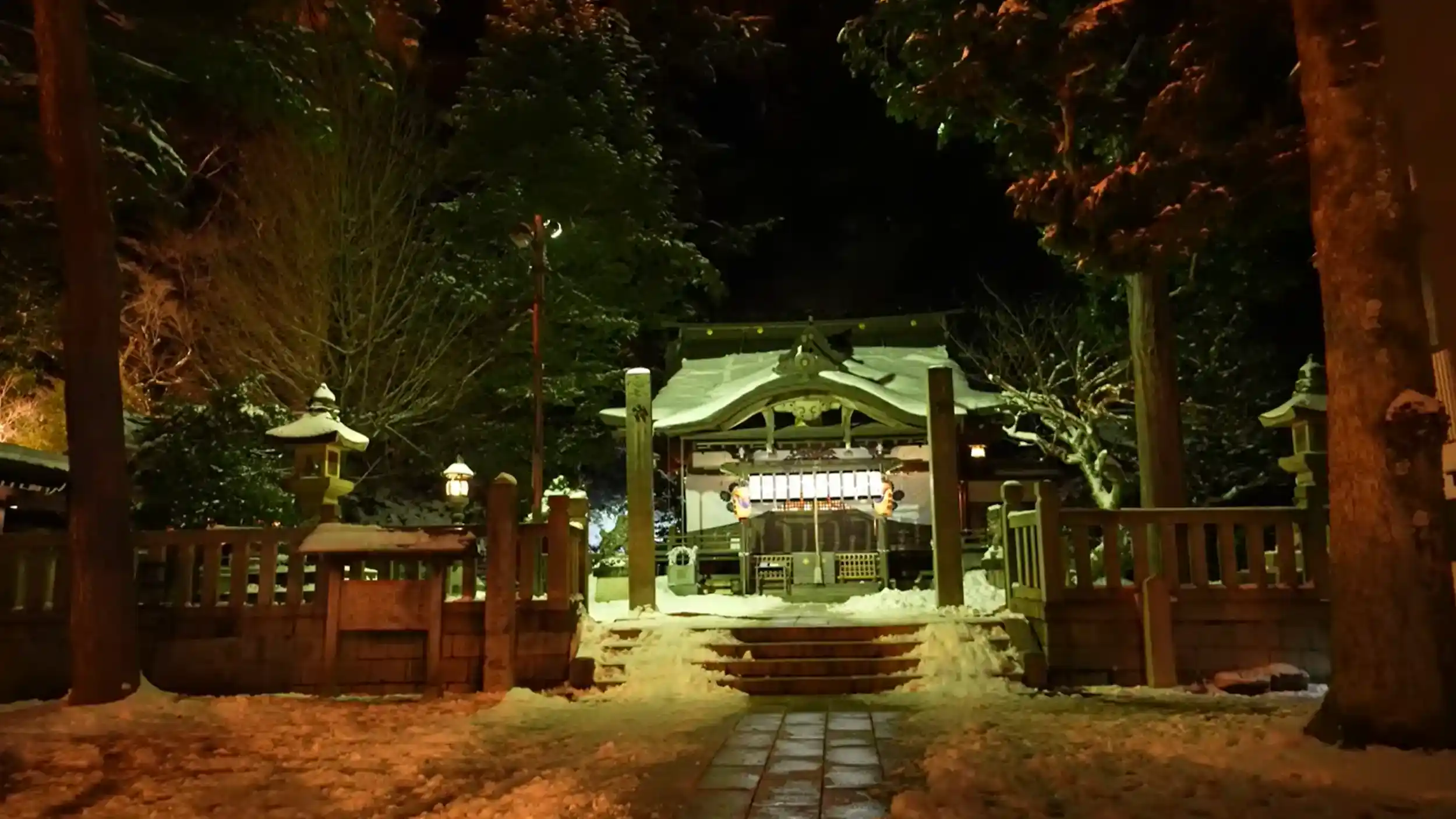
Is Kinosaki Onsen worth it? Yes – Kinosaki Onsen is absolutely worth visiting for travelers seeking Japan’s most authentic hot spring town experience. With seven public bathhouses connected by scenic streets, traditional ryokans, and a 1,300-year history of onsen culture, Kinosaki perfectly blends relaxation, heritage, and hospitality – making it one of Japan’s top onsen destinations.
👀 Kinosaki Onsen Worth It: At a Glance
📌 Travel time: 2.5 hours each way from Kyoto or Osaka
👥 Seven public bathhouses: Free pass included with ryokan stays
⏱️ Minimum stay: 2 nights recommended to experience all baths
🌤️ Best season: November-March for snow crab kaiseki dinners
💰 Ryokan costs: ¥40,000-60,000 per person with meals included
⚠️ Tattoo policy: All seven public baths welcome tattooed visitors
🚫 Skip if: You have less than 4 days total in Kansai region
🤔 Why Travelers Question If Kinosaki Onsen Is Worth It
Most travelers debate whether Kinosaki Onsen is worth visiting because the journey eats up two full days of their limited Japan itinerary. The 2.5-hour train ride from Kyoto means you’re dedicating half a day just getting there and another half returning. For a 10-day Kansai trip, that’s 20 percent of your time spent on a single onsen town.
The math gets uncomfortable fast. If you’re trying to cover Kyoto, Osaka, Nara, and Hiroshima, adding Kinosaki means sacrificing an entire day somewhere else. That temple in Kyoto you wanted to see or that food tour in Osaka gets cut. The Japan National Tourism Organization promotes onsen culture extensively, but they don’t mention the opportunity cost of choosing one town over exploring three cities.
Two full days for one onsen town experience
Distance creates the first problem. Kinosaki sits on the Sea of Japan coast in northern Hyogo Prefecture, far from the main Kansai circuit. The JR Limited Express Kinosaki requires mandatory seat reservations and runs only four times daily from Kyoto. Miss your train and you’re waiting hours, not minutes.
Accommodation compounds the time issue. Ryokan check-in starts at 3pm and checkout ends at 10am, boxing you into rigid timing. You can’t arrive at 6pm after sightseeing elsewhere or leave at noon to maximize your next destination. The system forces you to commit two nights minimum to properly experience the seven bathhouses, or you’ll spend your entire stay rushing between onsens instead of actually relaxing.
✨ What Makes Kinosaki Onsen Worth It
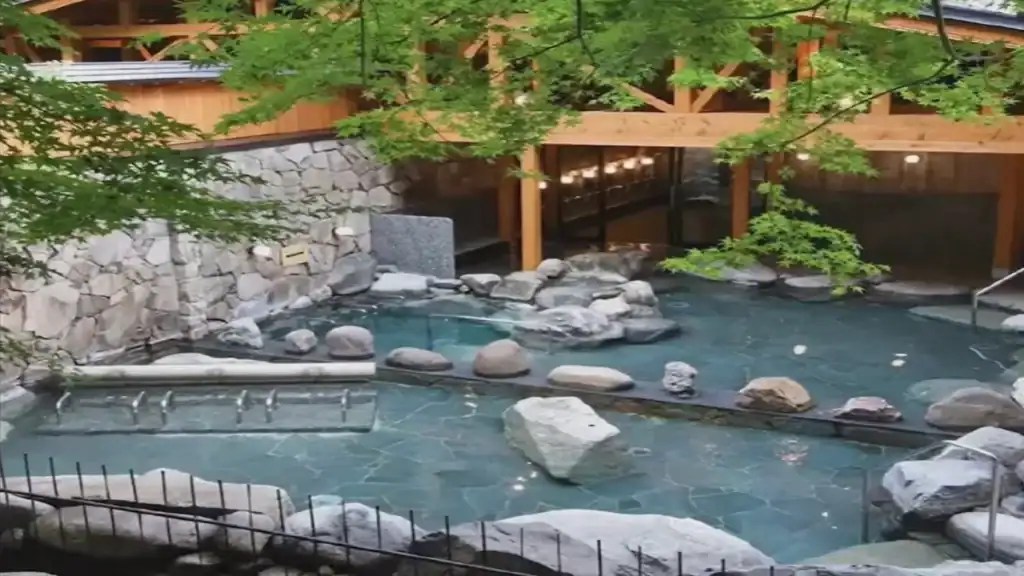
The seven-bath circuit creates an experience you won’t find anywhere else in Japan. Most onsen towns have one or two famous bathhouses. Kinosaki built its entire culture around bath-hopping between seven distinct public onsens, all included free with your ryokan stay. Each bathhouse offers different mineral compositions, architectural styles, and atmospheres.
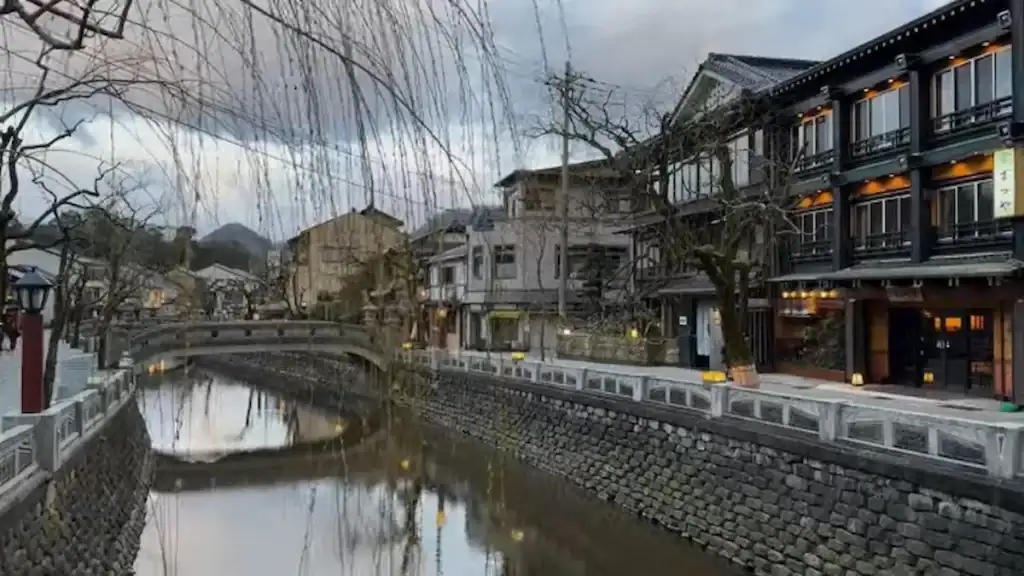
Walking between bathhouses in your yukata and wooden geta creates the magic. The clip-clop of sandals on stone streets, willow trees lining the Otani River, couples strolling hand-in-hand in matching robes – it feels like stepping into historical Japan. The Japan Onsen Association confirms that Kinosaki’s “one town, one ryokan” concept is unique among Japan’s 3,000 onsen destinations.
Traditional bath-hopping culture versus modern resorts
Modern onsen resorts keep you inside one building all day. You check in, use their private bath, eat dinner in your room, and leave the next morning. Convenient but sterile. Kinosaki flips this model completely by turning the entire town into your ryokan.
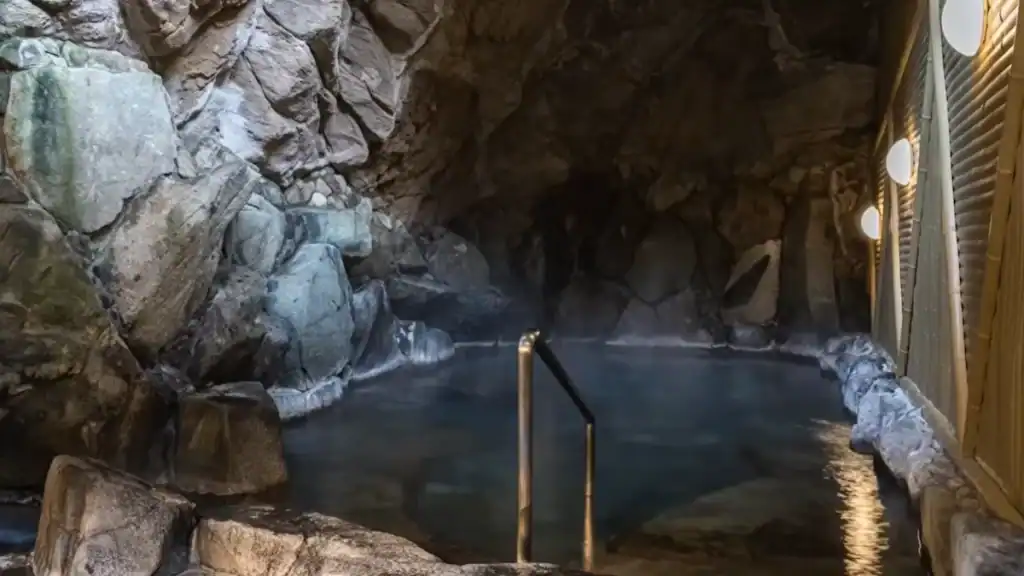
The seven public bathhouses become your private collection. Soak in Satono-yu’s cave-like atmosphere, then walk five minutes to Kouno-yu’s outdoor mountain-view bath. Try Ichino-yu’s morning session, then Jizo-yu’s late-night soak. Each bathhouse has different opening hours and closing days, creating a treasure hunt vibe. Tattoo-friendly policies at all seven bathhouses make Kinosaki especially welcoming for international visitors, unlike the strict no-tattoo rules at most Japanese onsens. Your ryokan provides the free Yumepa pass valid until 10am on checkout day, giving you 43+ hours of unlimited access.
🎯 When Kinosaki Onsen Is Worth It: Your Travel Style
Onsen culture matters more to some travelers than others. If Japanese hot spring bathing ranks in your top three Japan experiences, Kinosaki delivers the definitive version. The 1,300-year-old town has refined onsen hospitality into an art form, with 74 family-run ryokans maintaining traditions across multiple generations.
First-time Japan visitors face a tougher calculation. You’ll likely want to see Tokyo, Kyoto temples, Osaka street food, Nara deer, and Mount Fuji. Adding Kinosaki means cutting something significant from that list. The U.S. State Department Japan travel information recommends travelers plan realistic itineraries rather than cramming too many destinations into short trips.
Onsen enthusiasts versus first-time Japan visitors
Bath-hoppers should book immediately. If you’ve visited onsen towns before and want the premium version, Kinosaki is worth every hour of travel time. The kaiseki meals featuring Matsuba snow crab from November to March alone justify the trip. Tajima beef served at local restaurants uses the same cattle that create famous Kobe beef.
First-timers should honestly assess their priorities. Can you sacrifice half a day in Kyoto’s temples for hot spring baths? Will you regret missing Osaka’s Dotonbori nightlife to spend evenings soaking? If Japan’s primary draw is its cities, shrines, and modern culture, the math favors staying in the main Kansai circuit. But if authentic cultural immersion tops your list, Kinosaki’s traditional atmosphere beats any museum exhibit about old Japan.
🚆 Closer Alternatives If Kinosaki Onsen Feels Doubtful
Arima Onsen eliminates the time problem entirely. Located just 60 minutes by bus from Osaka Umeda Station or 30 minutes from Kobe, Arima offers Japan’s oldest onsen culture without the travel sacrifice. The Hyogo Prefecture tourism board promotes Arima as one of Japan’s three most famous hot springs, with 1,400 years of documented history.
The trade-off comes in atmosphere. Arima feels more like a modern hot spring resort town with some traditional elements. You won’t experience Kinosaki’s magical yukata-clad street wandering or the same bath-hopping culture. Arima has gold and silver spring varieties instead of seven distinct bathhouses. It works better as a day trip or single-night add-on to your Osaka itinerary.
Arima Onsen saves half the travel time
Highway buses run hourly from Osaka and Kyoto to Arima, taking 60-75 minutes versus Kinosaki’s 2.5-3 hour journey. That’s four hours saved round-trip that you can spend actually sightseeing instead of watching countryside pass by train windows. You can leave Kyoto at 9am, enjoy Arima’s onsens until 4pm, and return for dinner in Osaka.
Location flexibility makes Arima more practical for tight itineraries. Many travelers combine it with Kobe sightseeing since you pass through anyway. Visit Himeji Castle in the morning, Arima Onsen in the afternoon, and Kobe’s waterfront for dinner. The Kansai Wide Area Pass covers Arima access, stretching your rail pass value further. However, if you want the immersive traditional onsen town experience, those saved four hours of travel come at the cost of Kinosaki’s unique bath-hopping culture that has defined Japanese onsen traditions for 13 centuries.