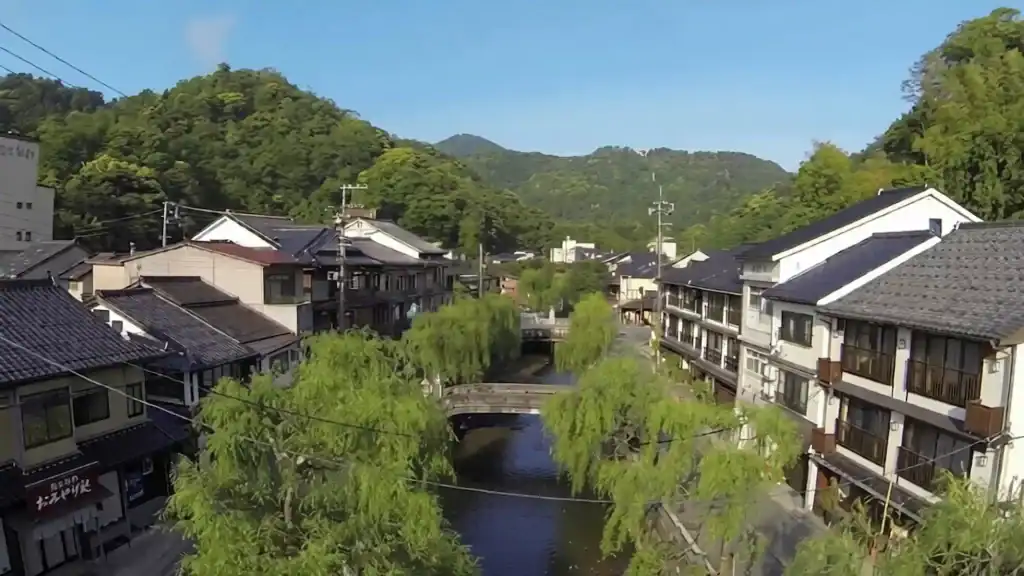

Kinosaki vs Arima Onsen fundamentally differs in atmosphere and accessibility: Kinosaki offers seven public bathhouses along a 1.2-kilometer willow-lined canal street ideal for yukata strolling, located 2.5 hours from Osaka, while Arima provides Japan’s oldest documented hot springs with gold (kinsen) and silver (ginsen) mineral waters just 30 minutes from Kobe. Kinosaki excels in traditional ambiance and sotoyu-meguri bathing culture; Arima delivers superior therapeutic mineral content and urban convenience.
👀 Kinosaki vs Arima: At a Glance
📌 Travel time: 90 minutes to Arima versus 2.5 hours to Kinosaki from Osaka
👥 Atmosphere: Kinosaki offers traditional walking town, Arima provides upscale resort
⏱️ Price range: Arima averages ¥40,000-60,000+ versus Kinosaki’s ¥20,000-50,000
🌤️ Accessibility: Arima sits within Kobe city limits, Kinosaki requires dedicated trip
💰 Public baths: Kinosaki has seven hopping options, Arima has two main facilities
⚠️ Time commitment: Arima works for short trips, Kinosaki demands overnight stays
🚫 Skip if: You only have 3-4 hours between Osaka and Kyoto sightseeing
⏰ Travel Time Reality in Kinosaki vs Arima Decision
Arima Onsen takes 90 minutes from Osaka or Kyoto by direct bus or train combination. Located within Kobe’s city limits on Mount Rokko’s slopes, this proximity to major Kansai hubs makes it Japan’s most accessible premium hot spring town. The Kobe City tourism website confirms express buses depart hourly from Osaka Station to Arima Onsen Station. You can visit Arima, soak in the gold and silver waters, and return to your Osaka hotel the same day without sacrificing evening plans.
Kinosaki Onsen requires substantial travel investment regardless of your Kansai starting point. The JR Limited Express Kinosaki from Kyoto takes exactly 2 hours and 29 minutes covering 158 kilometers to Japan’s northern coast. From Osaka, expect 2 hours and 45 minutes on the Limited Express Hamakaze or Konotori. These aren’t frequent commuter trains running every 20 minutes. Four direct services depart Kyoto daily, with the last convenient departure leaving at 1:25 PM.
90 Minutes to Arima Versus 2.5 Hours to Kinosaki
The travel time difference shapes entirely different trip structures. Arima fits effortlessly into multi-city Kansai itineraries as a morning or afternoon detour. Travelers staying in Osaka commonly visit Arima Onsen mid-morning, enjoy lunch and public bath visits, then take the ropeway up Mount Rokko before returning by evening. The Japan National Tourism Organization recommends this combination for travelers with limited time who want onsen culture without overnight commitment.
Kinosaki’s distance from Osaka and Kyoto eliminates day-trip viability for most visitors. The 5-hour round-trip travel time consumes too much of a Japan itinerary to justify brief onsen visits. Travelers universally stay overnight in Kinosaki, converting the journey into a dedicated two-day experience. You depart Kyoto mid-afternoon, arrive around 4 PM for check-in, onsen hop until late evening, sleep in traditional futon, morning bath, then catch the 10:34 AM return train. The town’s seven public bathhouses and atmospheric canal walks specifically cater to overnight guests wearing yukata between onsens after dark.
🏘️ Atmosphere Differences Between Kinosaki vs Arima Towns
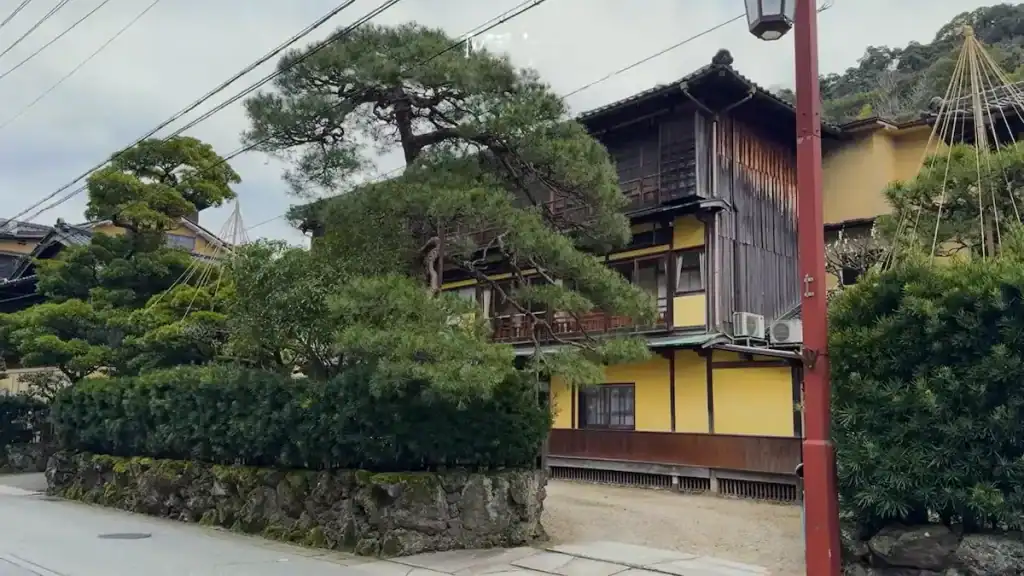
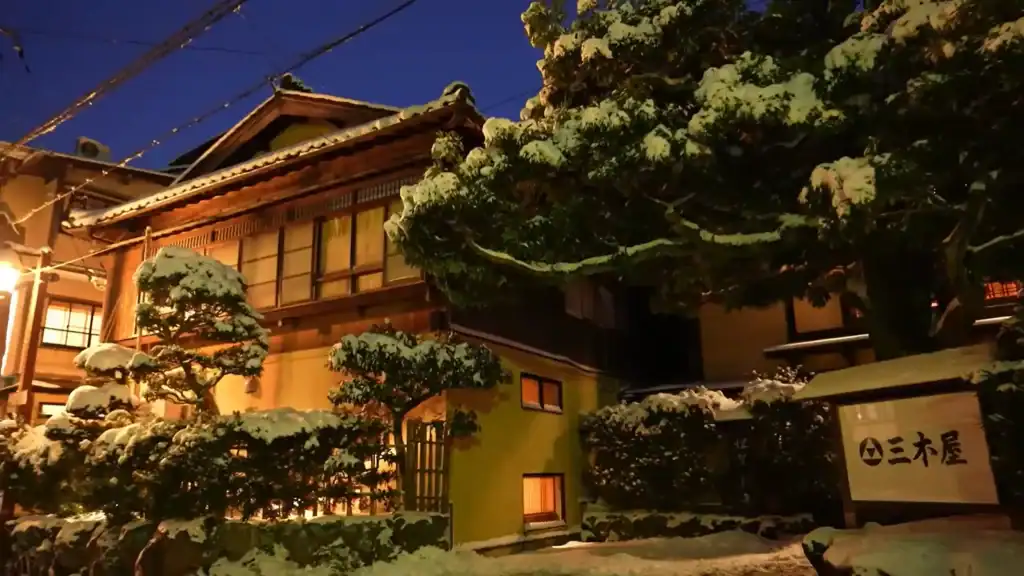
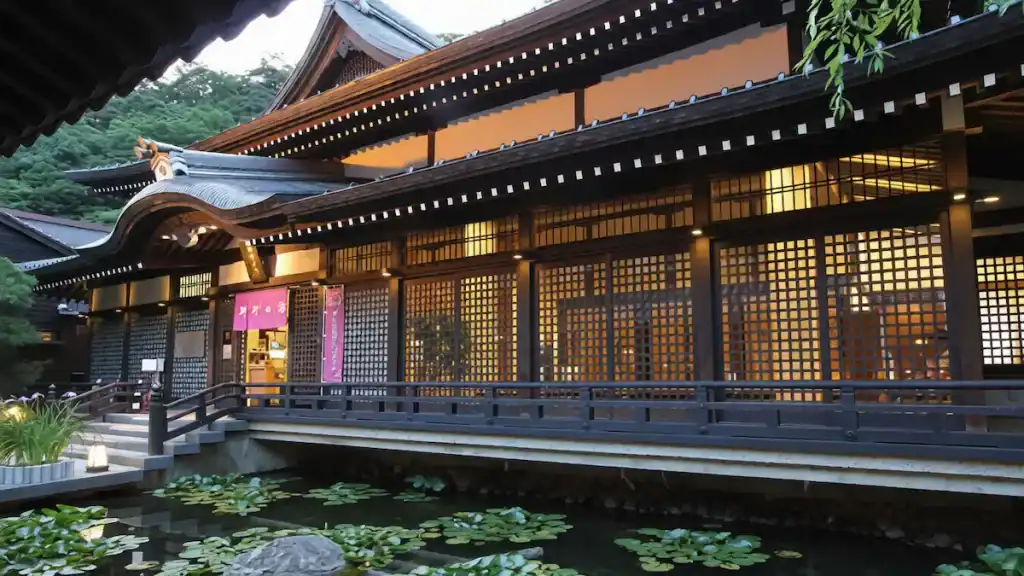
Kinosaki Onsen delivers the quintessential Japanese onsen town fantasy tourists picture. This 1,300-year-old settlement along the Maruyama River preserves traditional wooden architecture, willow-lined canals, and foot bridges connecting seven public bathhouses scattered throughout the compact town center. Everyone wears yukata and wooden geta clacking along pedestrian streets lined with craft shops and seafood restaurants. The Hyogo Prefecture tourism data reports 78% of Kinosaki visitors describe the evening yukata walk between bathhouses as their most memorable Japan experience.
Arima Onsen feels more like an upscale mountain resort enclave than a historical hot spring village. Modern concrete hotels dominate the hillside above narrow shopping streets. While some preserved wooden buildings and temples remain, the overall aesthetic skews contemporary luxury rather than Edo-period nostalgia. Toyotomi Hideyoshi favored Arima in the 16th century, and today’s visitors favor it for proximity and premium accommodations rather than atmospheric immersion. You won’t see crowds of visitors wandering in yukata here.
Traditional Walking Town Versus Upscale Resort Enclave
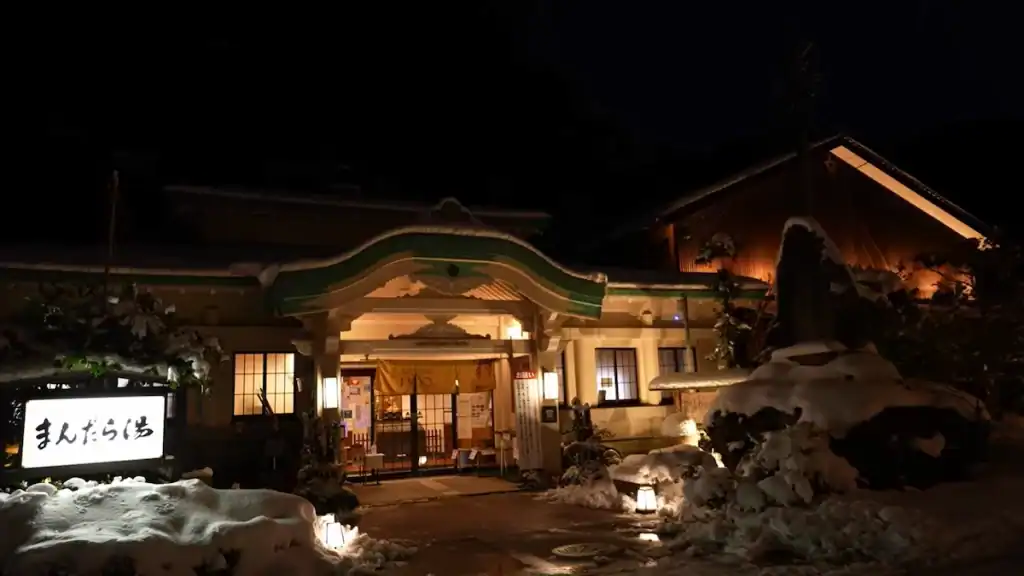
Kinosaki’s entire economy revolves around the seven public bathhouse circuit. Ryokans provide guests with free passes to Kouno-Yu, Mandara-Yu, Goshono-Yu, Ichino-Yu, Yanagi-Yu, Jizou-Yu and Satono-Yu. The town designed these bathhouses within 20-minute walking distance specifically to encourage yukata-clad hopping. Goshono-Yu features temple architecture with waterfall views, while Satono-Yu offers multi-level European and Japanese bath options near the station. The experience centers on public communal bathing as social activity, not private luxury.
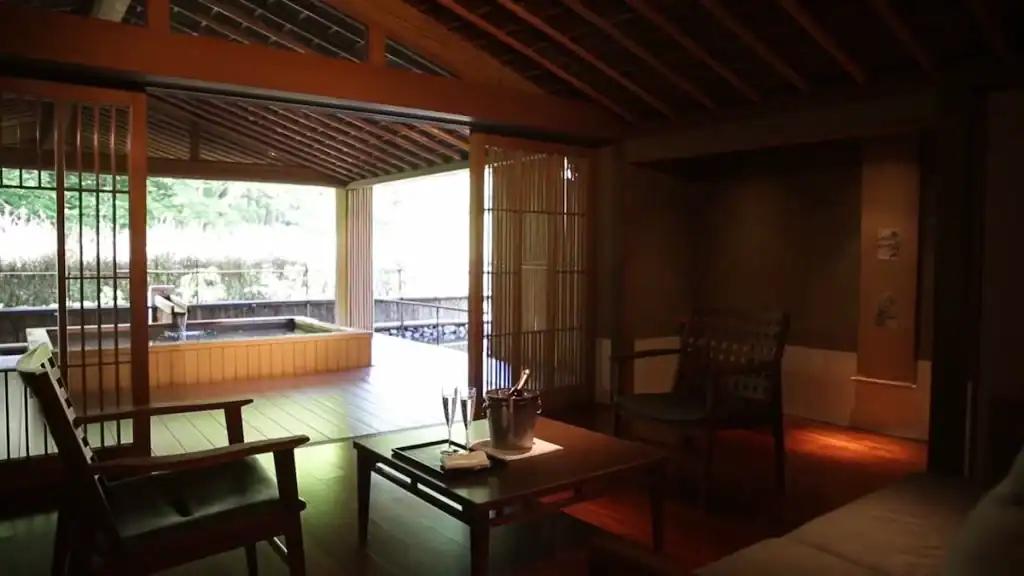
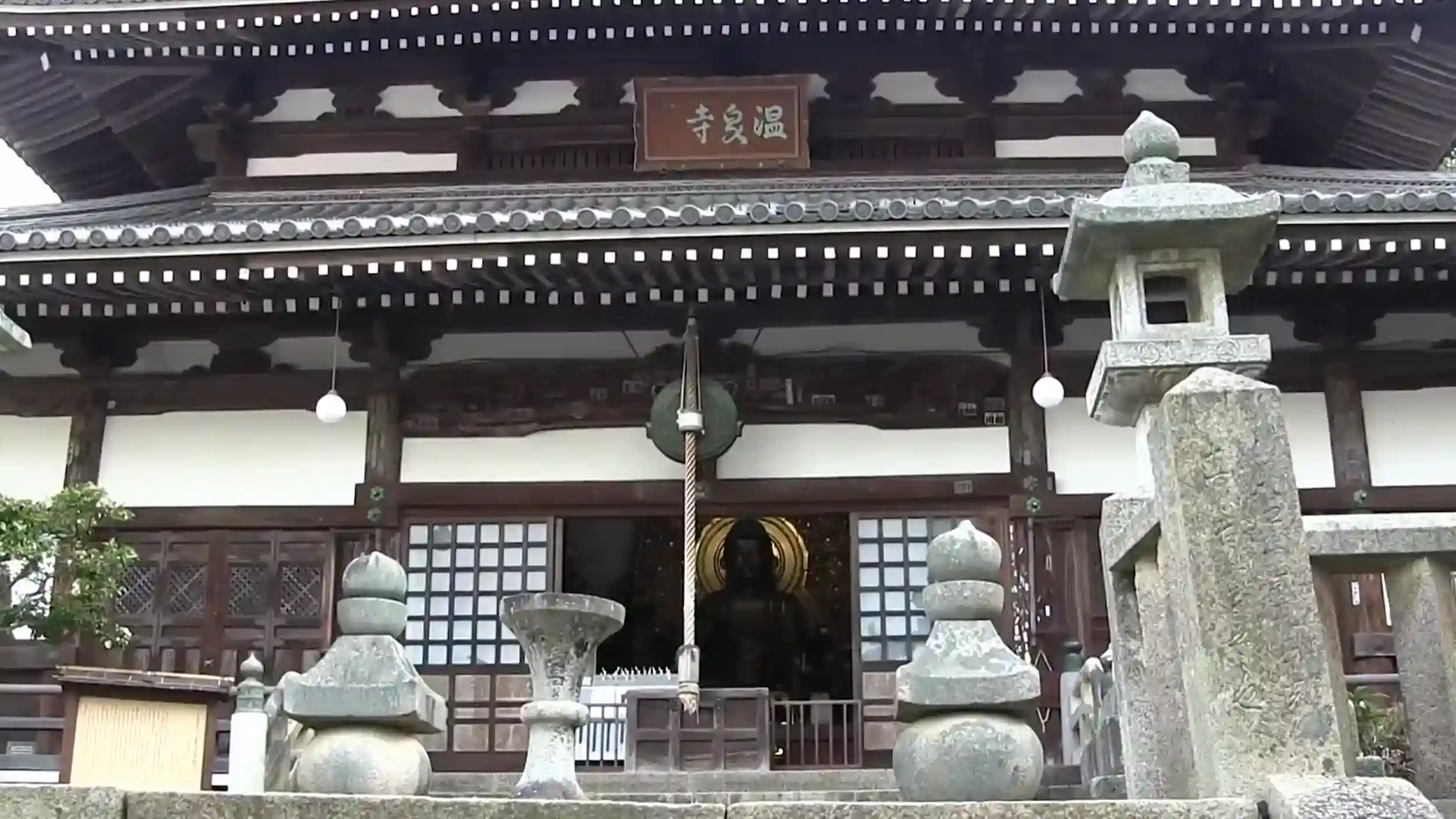
Arima’s two public bathhouses serve locals and day-trippers rather than defining the town’s identity. Kin-no-Yu and Gin-no-Yu charge ¥650-800 for basic access to indoor pools of famous gold and silver mineral waters. The Ministry of Land, Infrastructure, Transport and Tourism regulates these facilities as public utilities. Most overnight guests at premium ryokans like Taketoritei Maruyama or Arima Grand Hotel never visit the public baths, instead enjoying private rotenburo attached to ¥50,000+ per night rooms. Arima sells exclusivity and refined kaiseki dining, not yukata adventures through streets.
💭 Choosing Between Kinosaki vs Arima for Your Trip
Time-constrained travelers between Osaka and Kyoto with 4-6 hours available should choose Arima. You cannot experience Kinosaki properly in half a day, but Arima’s compact layout and proximity deliver authentic onsen culture without overnight commitment. Visit the gold water Kin-no-Yu bathhouse, walk the narrow temple streets, ride the ropeway to Mount Rokko’s summit, and return to your Kyoto hotel by dinner. This works particularly well for travelers uncomfortable with ryokan etiquette or communal bathing nudity who want controlled exposure to onsen culture.
Travelers with flexible itineraries seeking iconic Japanese experiences should prioritize Kinosaki despite the travel time investment. The seven-bathhouse circuit, atmospheric canal walks in yukata, and traditional ryokan hospitality represent what most people imagine when they picture Japanese hot spring towns. Kinosaki appears in countless travel documentaries and Instagram feeds for good reason. The extra 90 minutes each way pays dividends in cultural immersion that Arima’s modern resort atmosphere cannot match.
Time Constraints Versus Authentic Onsen Culture
Arima makes sense when you’re visiting Kobe, Himeji Castle, or exploring western Kansai and want to add onsen without backtracking. The U.S. State Department Japan travel information notes Arima’s historical significance and accessibility from Osaka. Day visitors can soak in mineral-rich kinsen, explore Zuihoji Park, and visit the Arima Toys and Automata Museum within 4-5 hours total. This efficiency appeals to first-time Japan visitors covering Tokyo-Kyoto-Osaka golden route on limited vacation days.
Kinosaki demands overnight investment but rewards with unforgettable experiences you cannot replicate elsewhere. The clip-clop of wooden geta on stone paths after 9 PM, steam rising from outdoor rotenburo under stars, multi-course crab kaiseki dinners in tatami rooms, and the ritual of bathing in seven different waters all require the slower pace of a two-day stay. You cannot rush Kinosaki. Travelers consistently describe their Kinosaki night as a highlight of multi-week Japan trips, while Arima visits blend into the broader Kansai sightseeing blur.
💰 Price Comparison for Overnight Stays
Kinosaki ryokan pricing ranges ¥18,000-60,000 per person with half-board meals depending on season and property tier. Mid-range properties like Morizuya Ryokan charge ¥25,000-35,000 including dinner and breakfast during spring and fall. Nishimuraya Honkan, Kinosaki’s most prestigious 150-year-old ryokan, commands ¥50,000-70,000 for rooms overlooking private gardens with kaiseki featuring Matsuba crab and Tajima beef. Winter crab season (November-March) increases all rates 40-60% across the board. Budget travelers find room-only rates around ¥15,000-20,000 at simpler accommodations like Sinonomesou.
Arima’s reputation as premium onsen drives prices higher across all categories. Mid-range ryokans start ¥35,000-45,000 per person with meals, while luxury properties like Hyoe Koyokaku or Taketoritei Maruyama easily exceed ¥60,000-80,000. The Japan Tourism Agency attributes Arima’s premium pricing to Kobe beef availability, 1,300 years of historical prestige, and wealthy Osaka clientele willing to pay for proximity. Day-trip visitors paying only public bath fees (¥650-800) experience tremendous value, but overnight guests pay significantly more than comparable Kinosaki accommodations.
Arima Premium Costs Versus Kinosaki Range
Arima’s high-end bias means fewer budget options exist compared to Kinosaki’s diverse price spectrum. Travelers seeking authentic ryokan experience under ¥25,000 per person struggle to find suitable Arima properties. The town caters to affluent Japanese taking weekend breaks from Osaka and Kobe who expect premium service, Kobe beef dinners, and refined aesthetics. This creates unfortunate situations where travelers pay ¥40,000 for experiences they could access in Kinosaki for ¥28,000.
Kinosaki’s wider range accommodates backpackers through luxury seekers within the same seven-bathhouse ecosystem. Budget travelers staying at ¥18,000 room-only properties access identical public baths as guests paying ¥60,000 at Nishimuraya Honkan. The democratic bathhouse system means your accommodation budget affects room quality and meal excellence, but everyone enjoys the same gold-standard onsen hopping experience. Arima lacks this egalitarian structure since most experiences happen within individual high-priced ryokans rather than shared public spaces.