


Lions Head South Africa is a popular hiking destination offering panoramic views of Cape Town, Table Mountain, and the Atlantic coastline. Known for its striking shape and sunset vistas, it attracts both casual walkers and adventure seekers. Exploring Lions Head South Africa provides an unforgettable outdoor experience filled with natural beauty and scenic photo opportunities.
👀 At a Glance:
- 🗓️ Best time: May-September for cooler weather and fewer crowds
- ⏰ Duration: 2-3 hours round trip at moderate pace
- 🎯 Must-see: 360-degree views from the summit
- 💡 Insider tip: Start weekday hikes early to beat crowds
- ⚠️ Safety note: Check wind speeds before attempting chains
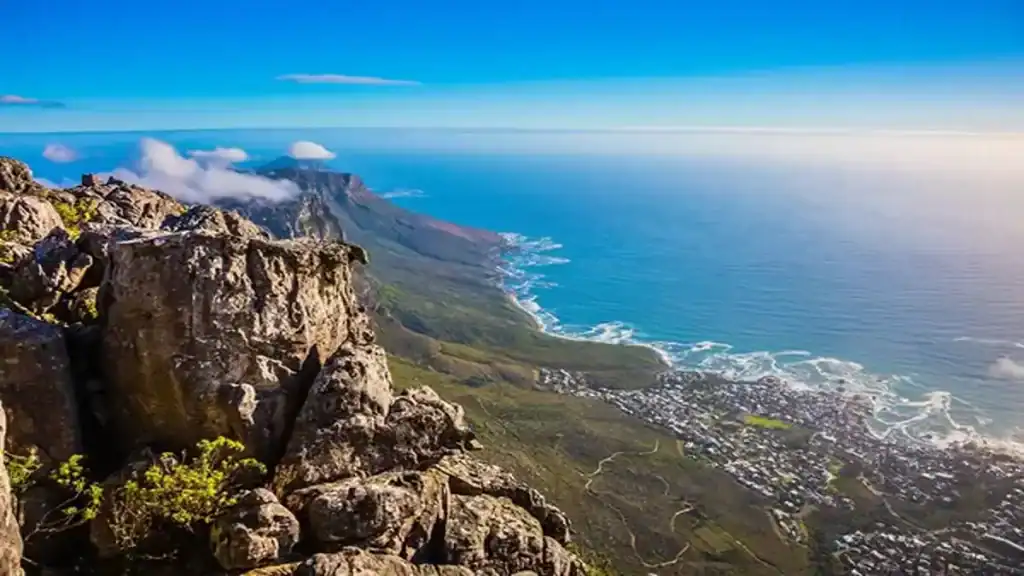
🏔️ What Makes Lions Head South Africa Special
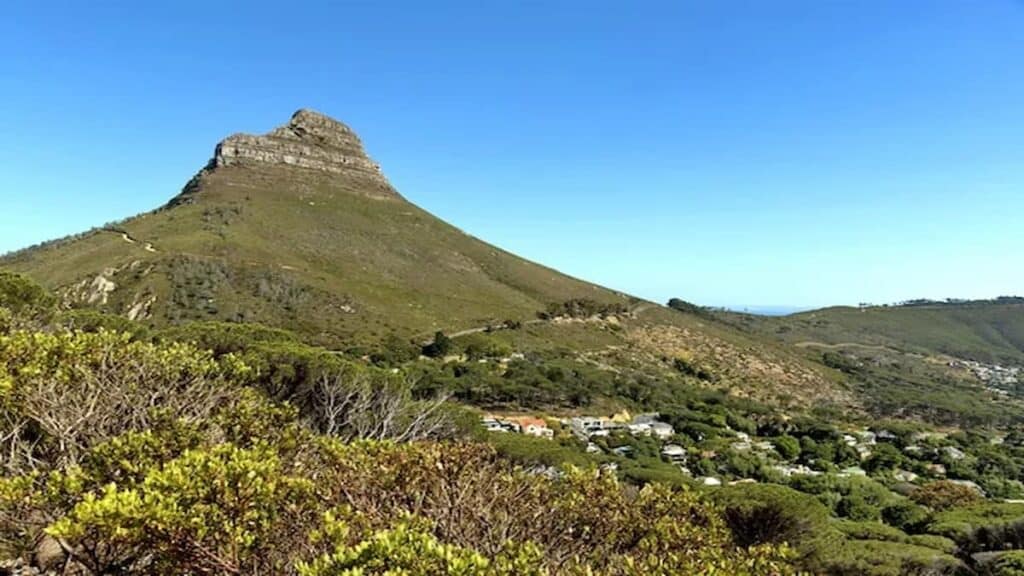
Lion’s Head really holds its own beyond what you’d expect. At 669 meters above sea level it’s not the tallest around. That’s Table Mountain’s job next door. But it offers something its bigger neighbor can’t give you. Pure access with serious wow factor makes this spot amazing.
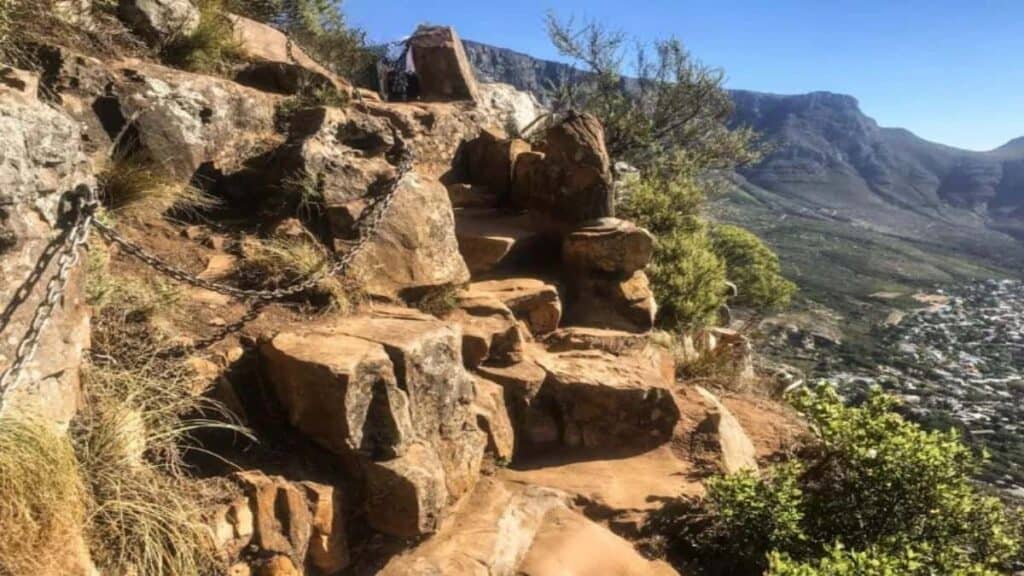
Here’s what you need to know about this Cape Town gem. The trail starts easy enough on Signal Hill Road. Then it gets interesting about halfway up when chains appear. It’s slightly scary if you’re afraid of heights. But the stunning views make it worth every step.
The views of Cape Town though – my jaw stayed open the whole time. You get Table Mountain on one side rising high. The Atlantic Ocean stretches forever on the other side. The city of Cape Town sprawls below like a perfect postcard. Signal Hill sits nearby while the Twelve Apostles create this dramatic backdrop across the Western Cape.
From the top of Table Mountain next door you get different views. But Lion’s Head offers something special with views all around. You can spot Robben Island floating in Table Bay. Devil’s Peak rises to the east of Table Mountain. The Atlantic Seaboard stretches from Sea Point down to Camps Bay below. These landmarks make views of Table Mountain truly special.
Sunset Views
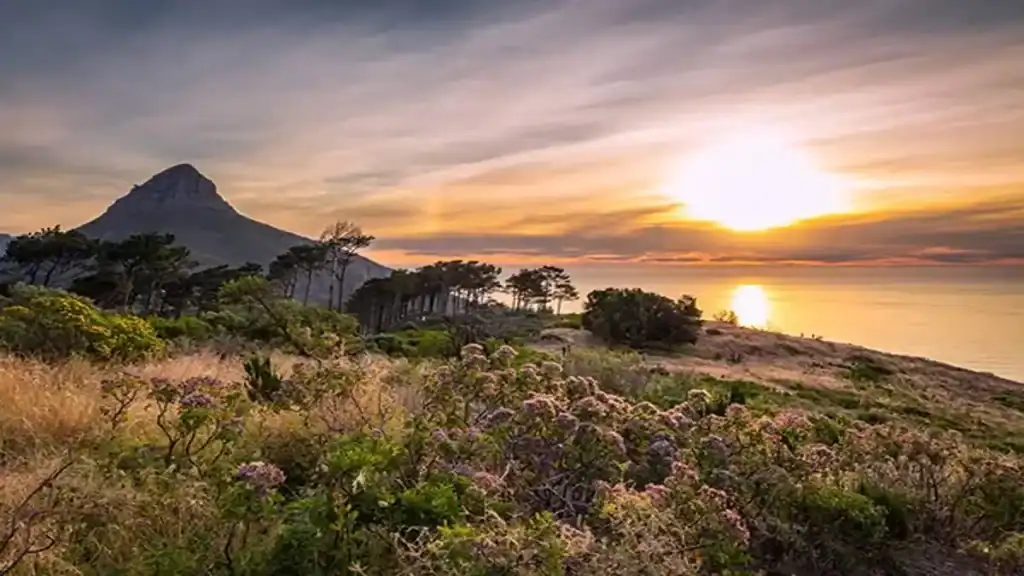
The sunset from the top isn’t just pretty – it’s truly special. Watching the sun dip below the horizon is pure magic. It paints the sky in colors you won’t forget. The Atlantic Ocean turns into liquid gold right before your eyes. Many experienced hikers say Lions Head South Africa offers some of the best sunset views in the Western Cape.
The crowds definitely know this secret too at this popular spot. During peak season you’ll share this experience with many other hikers. Even with the crowds the moment stays special. There’s something about watching natural beauty together that brings people close. The views from here are unforgettable.
🥾Lions Head Hiking Difficulty and What to Expect
Let me be honest about the hike to the top here. It’s moderate overall for most people. But there are definitely times that will get your heart racing. Not just from the exercise either on this trail.
Lions Head South Africa Trail Terrain Changes
The first section starts with easy walking through fynbos plants. You might think this is an easy hike for roughly 30 minutes. Then the path gets rockier as you gain height. You start to see why everyone talks about proper hiking boots. The terrain changes fast on this trail.
Around the halfway point you’ll meet the famous chains and ladders. These aren’t technical climbing routes for experienced hikers only. They’re not your average walking path either though. You’ll use chains to pull yourself up steep rocky parts. Metal staples are bolted into the rock face too. It’s fun once you get the hang of using chains.
Fitness Requirements for Lions Head South Africa
Your fitness level matters but you don’t need to be an athlete here. Moderate fitness works fine for most people on this hike. Some scrambling experience helps but newbies are welcome to hike Lion’s Head. The afraid of heights thing might be challenging though. Many people feel nervous using the chains and ladders at first.
The thing is the hike to the top isn’t just about physical fitness. It’s about mental prep too for Lion’s Head. When you’re hanging onto chains with the city 500 meters below trust matters. You need to trust yourself up there. The spiral route offers an alternative path without chains. Kasteelspoort nearby provides another challenging option for experienced hikers seeking variety.
The climb takes different people different amounts of time on the trail. Most hikers finish the round trip in 2-3 hours total. Sunset hikes take longer because you’ll want to stay up top. The descent happens in darkness so bring that headlamp always. Platteklip Gorge on Table Mountain takes similar time for comparison. The head hike rewards you with amazing views either way.

🌅 Best Time to Hike Lions Head South Africa
Timing your hike is super important for this adventure. I learned this the hard way my first time. My first attempt was at midday in summer heat. Don’t make that mistake. I nearly melted into the rock face up there.
Winter Hiking in Cape Town
Winter months from June to August are great for hiking here. The weather is way cooler for hiking in Cape Town. The crowds are smaller than summer too at this spot. The visibility is often better for those views all around. You can clearly see Robben Island, Table Bay, and even Cape Point on clear winter days. Cape Town’s winter offers wonderful views.
Summer Season in South Africa
Summer runs from December to February with longer days ahead. It brings warmer weather across the Western Cape region. But it means crowds too at this popular mountain. If you’re doing a sunset hike you’ll start around 4 PM. This gives you plenty of time to reach the top safely. Camps Bay beach below becomes a perfect post-hike spot. A sundowner at the summit is magical.
Best Times for Lions Head South Africa
Sunrise hikes start super early at 5 AM in winter here. Summer sunrise hikes begin at 4:30 AM instead on Lion’s Head. Morning hikes with a 7 AM start give you cooler conditions. You’ll see fewer people on the trail too. Go early to beat the crowds and heat. Lion’s Head is part of Table Mountain National Park which maintains these trails year-round for visitor safety.
Full moon hikes are really popular with the hiking community here. They require headlamps and extra safety gear though. The views of Cape Town under moonlight are wonderful from above. You can see the city lights twinkling from Sea Point to Muizenberg. The V&A Waterfront creates a beautiful focal point when lit up. But using chains becomes trickier in lower light. Sunrise or sunset times remain the most popular choices.
Check the weather forecast like your life depends on it. Cape Town weather can change super quickly up here. You don’t want to get caught on chains in strong winds. That’s a dangerous situation on Lion’s Head. Wind speeds over 30 km/h mean postponing your hike. The Cape Doctor wind affects Signal Hill and Twelve Apostles similarly. Strong winds make this challenging even for experienced hikers.

🎒 Essential Gear for Your Lions Head Hike
My overpacking problem is famous among my friends always. But for Lions Head South Africa I’ve learned exactly what you need. Versus what you just think you need up there. This makes the hike up Lion’s Head much better.
Footwear and Hydration
Proper hiking boots are a must for this hike in South Africa. I once saw someone attempt the chain sections in flip-flops. Seriously that happened on the trail. It didn’t end well at all for them. You need ankle support for these rocks and steep sections. Brands like Salomon or Merrell work great here. Good boots help with the climb up and descent down equally.
Water is everything on this trail in Cape Town. I always bring at least 2 liters even on shorter hikes. The Cape Town sun is no joke up here. There’s no water available anywhere on the trail. You’re on your own for hydration needs completely. Pack more if you’re hiking to nearby Devil’s Peak afterward. The round trip requires proper hydration always.
Clothing and Protection
Layer your clothes because weather changes quickly on the mountain. A sun hat is essential even during winter months. Sunscreen with SPF 30 or higher is a must always. The sun reflects off the rocks making burns worse. Sunglasses protect your eyes and help with visibility clearly. A light windbreaker handles the strong Cape Doctor winds. Table Mountain and Signal Hill need similar gear prep.
Lighting and Extras
A headlamp becomes crucial if you’re doing sunset hikes here. You’ll start in daylight for sure on Lion’s Head. But you’ll definitely hike down in darkness later. Pack extra batteries too just in case of problems. The descent requires good visibility for safety on chains. Petzl or Black Diamond headlamps work reliably for night hiking. Using chains and ladders in darkness needs good lighting.
Hiking poles help on the way down the mountain. They’re great if your knees are questionable going down. They get awkward during the chain sections though. Snacks matter more than you’d think too. I always pack energy bars from Woolworths or Pick n Pay. Some fruit helps maintain energy levels throughout the hike. A small first aid kit with blister treatment is smart too. The hike to the top demands proper prep.

⚠️ Safety Tips for Lions Head South Africa
Here’s where I get serious for a moment about hiking. Lions Head might look friendly from below in Cape Town. But it demands respect from every hiker always. I’ve seen too many people underestimate this mountain badly. It never ends well when that happens here.
Cape Town Weather Safety
Cape Town’s weather can change from perfect to dangerous in minutes. Strong winds are your biggest enemy on Lion’s Head. If wind speed hits over 30 km/h seriously consider postponing. Rain makes the rocks slippery and actually dangerous up there. Check conditions at nearby Signal Hill and Table Mountain as indicators. If there’s any chance of rain pick another day. The head views are amazing but safety comes first always.
Emergency Preparedness on Lions Head South Africa
Let someone know your plans before you head out hiking. Share your route and expected return time with them. Bring a whistle just in case of emergencies on the trail. Phone signal is generally good but don’t rely on it completely. Have Cape Town emergency services saved at 107 for any mountain problems. Wilderness Search and Rescue also operates in Table Mountain National Park. A tour company can provide guided support if needed.
Technical Safety on Chains
The chain sections require extra attention from every hiker on Lion’s Head. Take your time and test each handhold carefully here. Don’t rush through these steep sections ever on the trail. One slip can cause serious problems up high. Using chains correctly keeps you safe up there always. The metal staples and ladders and chains need three-point contact always. Chains to climb safely require proper technique throughout.
Group and Solo Hiking Safety
If you’re hiking with others establish a pace that works. The slowest member sets the speed here on the hike. This hike up Lion’s Head isn’t a race at all. The views are just as beautiful whether you take 2 hours or 3 hours total. Great views wait for everyone at the summit. Groups hiking to Platteklip Gorge or India Venster should follow similar pacing rules. One of Cape Town’s best safety tips is patience.
Solo hikers should be extra careful during less popular times. I’ve done solo hikes on Lions Head before safely. I always make sure someone knows my plans though. Stick to busier times when possible for safety. The hiking community up there is supportive to others. Consider joining a guided tour for added security on your first visit. But you need backup plans just in case always. Table Mountain and Lion’s Head both require this caution.
🗺️ Step-by-Step Trail Guide
Let me walk you through exactly what to expect when hiking Lions Head South Africa. Knowing what’s coming helps with both confidence and pacing. This is one of Cape Town’s most popular mountains to hike. It’s part of Table Mountain National Park system. The head hike follows a clear path.
Getting to the Lions Head South Africa Trailhead
The trailhead for Lions Head is on Signal Hill Road. You can drive there with limited parking available nearby. Or take an Uber from Cape Town city center easily. It costs about R80-120 depending on time of day. Getting there from Sea Point takes 10 minutes. From Camps Bay it’s about 5 minutes drive. From the V&A Waterfront expect 15 minutes travel time. Head to Signal Hill Road for the start.
The Initial Ascent
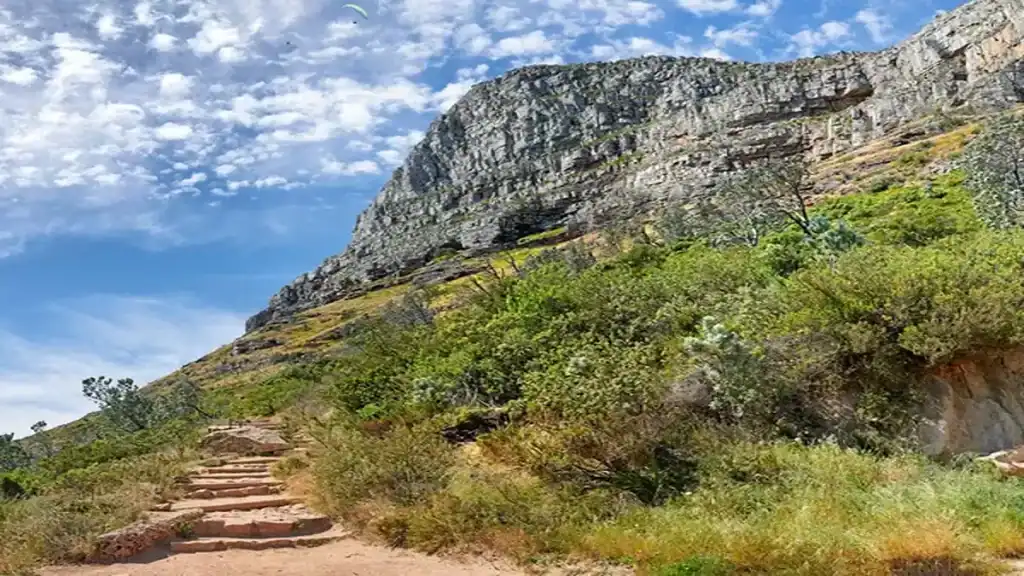
The first 30 minutes bring easy walking through fynbos plants. You’ll gain height gradually while getting used to terrain. This section is wide and well-marked for everyone hiking. It’s perfect for warming up your legs here. The path stays gentle as you start climbing Lion’s Head. You’ll pass rock formations and indigenous plants unique to Table Mountain National Park. This easy walking section feels manageable for most people.
Mid-Trail Challenges
Minutes 30-60 bring rockier terrain that gets narrower too on the trail. You’ll start getting glimpses of the amazing views ahead. Take your time here since the terrain changes quickly. Your footing becomes way more important now on rocks. The hiking trail gets more challenging as you climb higher. Views open up toward Clifton beaches, Camps Bay, and Twelve Apostles range. Views of the city start appearing below you.
The Chain Section
Minutes 60-90 mark where the chain section begins on the mountain. This is where Lion’s Head shows its real personality. The chains help you up steep rocky parts safely. Don’t panic because they’re secure and well-maintained by rangers. Take your time and think about each move carefully. Three-point contact keeps you safe here. The alternative spiral route veers left avoiding chains completely. Using chains requires care but most people manage fine.
Final Push to Summit
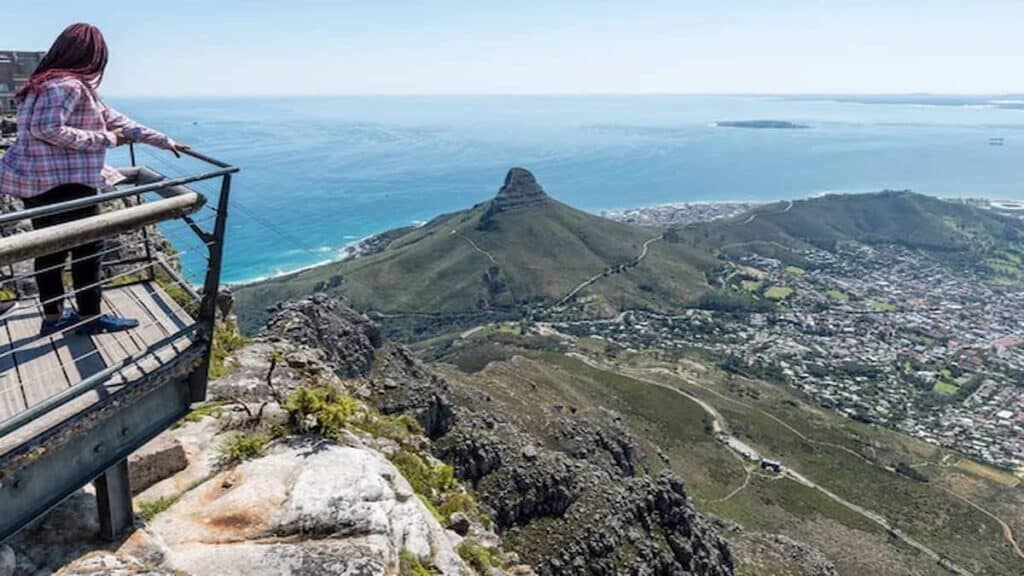
The final push to climb to the top involves scrambling over rocks. Nothing too technical happens here though for most hikers. Then suddenly you’re at the top looking around amazed. The view hits you like a wave from above. Table Mountain dominates one side while the Atlantic Ocean stretches west. Cape Town sprawls below in all its glory perfectly. You can spot Green Point Stadium, V&A Waterfront, and Robben Island clearly. Views of Table Mountain from here are stunning. Devil’s Peak rises majestically to the east of Table Mountain. One of the oldest mountains in the world surrounds you here.
🌄 The Summit Experience
The summit experience on Lions Head South Africa is truly unforgettable. It’s not huge at all up top but perfectly positioned for views. You’ll understand why this Cape Town hike is so popular. The moment you catch your breath you’ll appreciate looking around completely. The fabulous views justify every step.
Views Toward Table Mountain
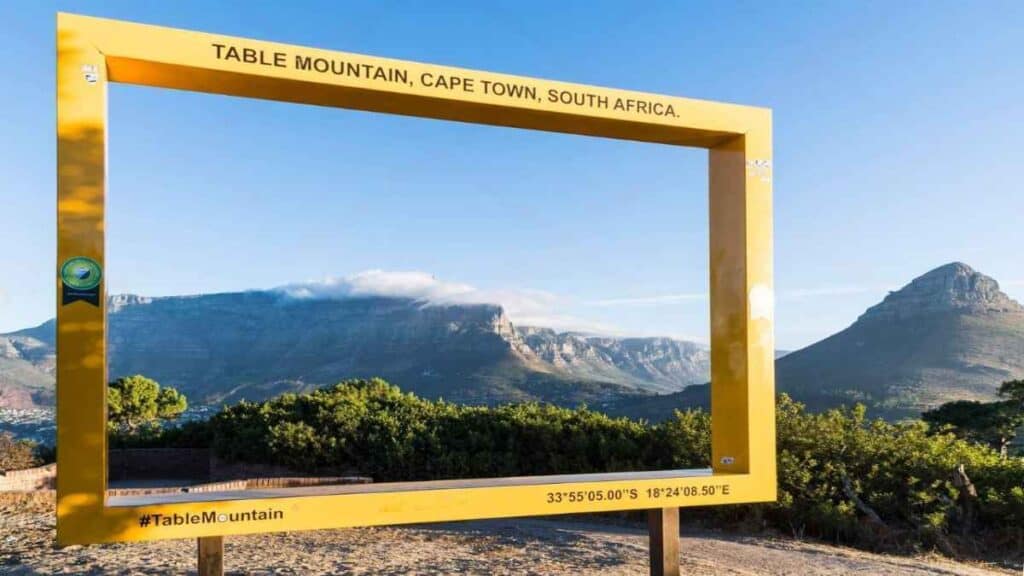
To the east Table Mountain dominates the whole skyline majestically. From this angle you can see the cable car route clearly. You can often spot tiny figures of people up top. Devil’s Peak rises beside Table Mountain creating Cape Town’s iconic backdrop. It’s a humbling reminder of scale out here. Platteklip Gorge cuts visibly up Table Mountain’s face from this viewpoint. The top of Table Mountain looks totally different from this spot.
Western and Northern Perspectives
Westward the Atlantic Ocean stretches to the horizon line beautifully. On clear days you can see Robben Island floating offshore. Sometimes you’ll spot ships in the distance too out there. The color changes throughout the day constantly on water. Sunset transforms it into liquid gold before your eyes always. Clifton’s four beaches line up perfectly below you. Camps Bay curves beautifully beneath the Twelve Apostles peaks. Views of Cape Town’s Atlantic Seaboard are wonderful.
Northward you can see Signal Hill stretching out toward the Atlantic. Green Point and V&A Waterfront create urban patterns below. The Cape Town Stadium stands out clearly on the coastline. Table Bay spreads wide with ships entering the harbor. Sea Point’s high-rises line the coast northward beautifully. Towards Signal Hill the views extend for miles across the city.
Photography and Crowds
The golden hour before sunset is pure magic for photos. Every angle offers something different to capture here on Lion’s Head. The city lights begin to twinkle below Cape Town. Table Mountain catches the last light beautifully behind you. The ocean reflects the sky’s colors back up perfectly. Even phone cameras capture great views from up here easily. The views all around are truly spectacular.
Peak sunset season from December to February means sharing space. You’ll be with many other people at the top. It sounds crowded but there’s magic in it always. Watching the sun sink into the Atlantic together feels special. The sundowner vibe brings everyone together nicely at this popular spot. One of Cape Town’s best experiences happens right here.
Winter months give you more space up top for sure. But you need to dress warmly for conditions then. Temperature drops fast once the sun sets here. The wind can be strong at the summit too. Those views all around make it all worth it though. The fabulous views stretch from Cape Point to Table Bay. You can see all the way to Muizenberg on clear days. These wonderful views show why Lion’s Head is one of Cape Town’s most popular mountains. The stunning views never disappoint any hiker.

📅 Planning Your Lions Head Adventure
Getting your timing right makes all the difference here. It separates a good hike from an unforgettable experience. Here’s how to plan your adventure right for Lions Head South Africa. Maximum enjoyment comes from smart planning ahead always. Add this to your bucket list today.
Seasonal Planning Strategies
Summer planning from October to March means hot conditions ahead. It brings busy trails with lots of hikers daily. Start sunset hikes 2.5-3 hours before sunset to avoid rushing. Water needs double in summer heat out there. I carry 3 liters during really hot months here. The hike up Table Mountain nearby gets hot too. Platteklip Gorge becomes especially challenging in summer heat. The Atlantic Seaboard beaches below offer cooling afterward.
Winter advantages run from April to September with cooler temps. Clearer air helps visibility for those stunning views always. Smaller crowds make it more peaceful up there. Shorter days mean earlier sunsets though in winter. Weather can be more unpredictable in winter months. Check forecasts carefully before heading out to hike. Towards Signal Hill the wind picks up fast always. The cable car often closes due to wind affecting hiking plans. Table Mountain and Signal Hill face similar conditions.
Weekly Timing Tips
Weekends expect crowds especially for sunset hikes at this spot. Weekdays have fewer people but still get busy here. Public holidays bring very crowded conditions to trails always. School holidays increase family groups and tourists everywhere in Cape Town. One of Cape Town’s most popular spots stays busy often. But the wonderful views make it worth sharing completely. Consider hiking Devil’s Peak or Silvermine as quieter alternatives on busy weekends. Cape Town’s many options give you choices.
Cape Town sunset times change a lot throughout the year. During winter the sun sets as early as 5:45 PM. Summer sunsets happen after 7:30 PM instead here. Check exact times online first before your hike. Plan your start time accordingly for best light. This affects your whole hiking experience significantly on Lion’s Head. The hike timing matters greatly.
Combining with Other Cape Town Attractions
Many people pair Lion’s Head with other Cape Town spots. You might hike in the morning here first. Then visit Table Mountain in the afternoon using the cableway. Or explore Camps Bay beaches after your hike down. The beach is perfect for cooling off completely. Kirstenbosch Botanical Gardens offers beautiful walks afterward too. The V&A Waterfront provides dining and shopping options nearby. Cape Town Tourism provides detailed information about combining Lion’s Head with other popular attractions. One of Cape Town’s best features is how close everything sits together.
🔍 Local Insights Around Lions Head South Africa
After dozens of hikes here I’ve discovered some real secrets. Most tourists miss these spots completely on their visit. These local insights can transform your Cape Town mountain experience. Timing and knowledge make all the difference here always. Lion’s Head is one of those spots with hidden gems.
Signal Hill Alternative
Signal Hill offers a gentler option if Lion’s Head feels challenging. It’s part of the same mountain range nearby. It doesn’t require any chain sections at all. The views are still amazing especially for sunrise photos. Head to Signal Hill for easier walking paths always. You can drive almost to the top too making access simple. It’s one of Cape Town’s hidden gems for sure. Noon Gun fires daily from Signal Hill at exactly 12 PM. The views of Cape Town remain spectacular from there.
Photography Secrets
The best photography spots hide halfway up the main trail. There’s a rocky outcrop perfect for Table Mountain shots. Most hikers rush past this spot without stopping here. It offers cleaner compositions than the crowded summit completely. Early morning light hits the mountain beautifully here always. Winter months bring the best light for photos from this angle. Kasteelspoort ravine below provides dramatic foreground elements for photographers. Views of Table Mountain look stunning from this angle.
Weather Patterns and Wind
Cape Town locals know Lions Head creates its own weather patterns. Even when the city stays calm the summit gets windy. When Cape Town has clouds Lion’s Head sits above them. The views above the clouds are absolutely breathtaking from there. Wesgro, the official Western Cape tourism agency, offers comprehensive guides to hiking trails across the region. The Western Cape offers amazing hiking throughout.
The Cape Doctor wind picks up during summer afternoons here. It’s a south-easterly wind that gets strong fast always. If you’re planning sunset hikes during windy times start earlier. This helps you avoid the worst wind conditions up high. Strong winds make using chains section way harder too. Experienced hikers know to check wind forecasts first always. The Twelve Apostles and Devil’s Peak experience similar wind patterns worth monitoring. Strong winds affect most Western Cape peaks.
Other Nearby Hikes in South Africa
Hidden gems around Lion’s Head include the Pipe Track below Twelve Apostles. This easier coastal path offers spectacular views without chains. Slangolie Ravine provides a challenging scramble for experienced hikers seeking adventure. Kloof Corner nearby offers quick sunset views in just 20 minutes hiking. These alternatives give you options when Lion’s Head feels too crowded. Table Mountain and Signal Hill provide more options too.

🎯 Making the Most of Your Experience
Your hike can be just another tourist activity here. Or it can be something that really changes you. Here’s how to create memories that last forever on Lions Head South Africa. The right approach makes all the difference up there completely. Lion’s Head is one of those special places.
Appreciating Natural Beauty
Slow down and actually enjoy the journey to the top. The fynbos plants are unique to this whole region. You won’t see these plants anywhere else worldwide at all. Stop regularly and turn around to look back down. The views behind you change as you gain height on Lion’s Head. Silverleaf proteas bloom beautifully in winter months. Red disa orchids appear in shaded spots during summer. Cape sugarbirds feed on the fynbos creating photo opportunities. One of the oldest mountains in the world hosts unique plants.
Cultural and Historical Context in South Africa
Lions Head has deep significance beyond just hiking trails. The Khoi and San peoples knew these mountains long ago. Before European settlement they lived here for generations across the area. The mountain looks like a lion’s head from certain angles. That’s how it got its name over time. Signal Hill beside it was called Lion’s Rump historically. Together they resembled a crouching lion to Dutch settlers. South African Tourism shares more about this history and cultural significance. South African heritage runs deep here.
Photography Tips
Golden hour photography on Lion’s Head is truly legendary. But don’t spend the entire sunset behind a camera. Set up your shots early in the day first. Then put the camera down and experience it fully. The best photos happen during the hike itself anyway. Capture the chains and ladders sections and other hikers helping each other. These images tell your adventure story better than summit shots. Table Mountain provides the perfect background for portraits. Camps Bay curves below creating stunning compositions naturally. The amazing views photograph beautifully always.
Creating Lasting Memories
Take mental snapshots too of the whole experience here. The feeling of reaching the top stays with you. That shared moment when the sun touches the horizon. The friendship with fellow hikers matters most always. These memories last longer than any photograph ever could. This is one of Cape Town’s most special places to visit. The great views create lasting impressions.
Lions Head South Africa isn’t just another hike at all. It’s a Cape Town experience that challenges and rewards you. Whether it’s your first time or your tenth visit here. This mountain always makes each trip feel special somehow. The combination of access and adventure creates magic always. Add in those stunning views and you’ve got perfection. It’ll test your comfort zone during chain sections definitely. But the payoff is worth every heart-racing moment completely. One of Cape Town’s true highlights waits for you.
Ready to tackle this adventure on your bucket list now? Check the weather forecast carefully first always. Pack that water you’ll definitely need up there. Lace up proper boots for the trail ahead. Get ready for one of the most rewarding hikes ever. Your future self will thank you for pushing through nerves. Those pre-hike nerves disappear fast once you start climbing. This hike becomes an amazing story you’ll tell forever to friends. The hike to the top delivers on every promise made.