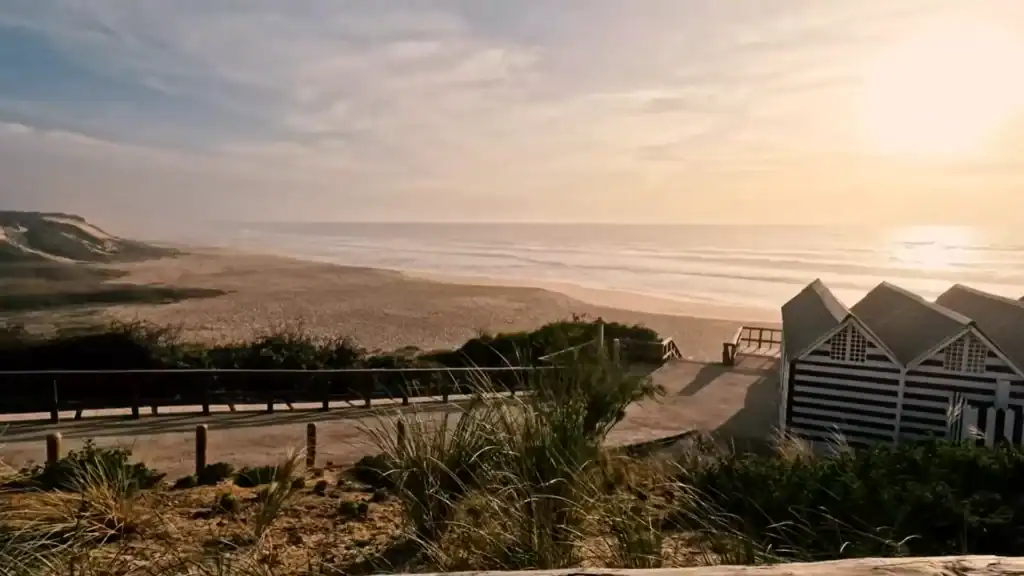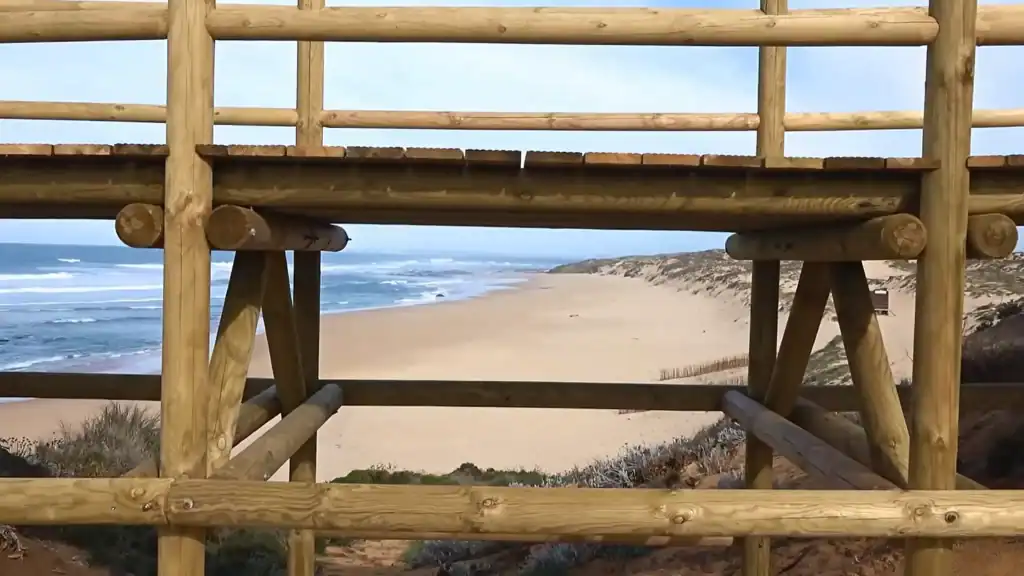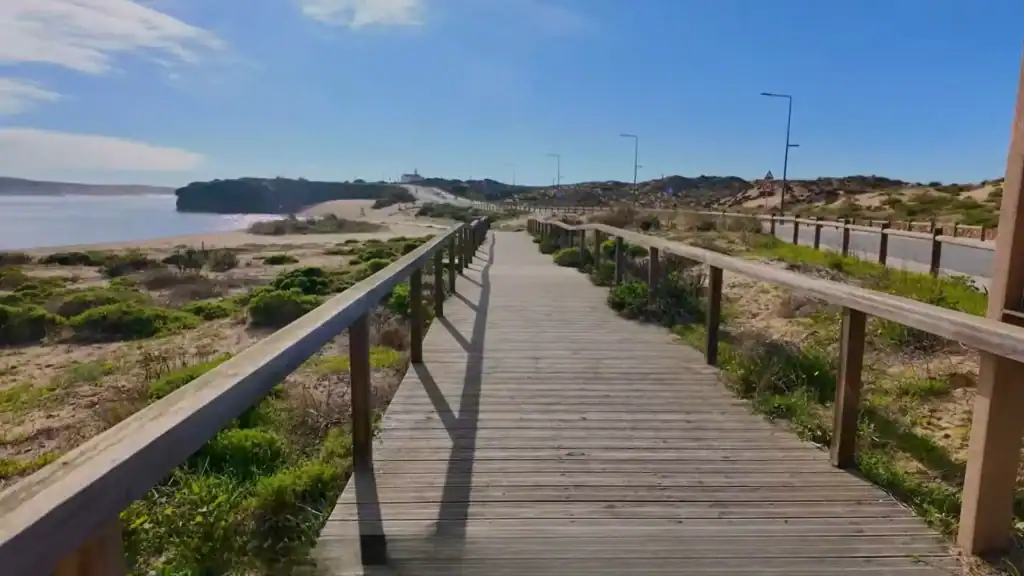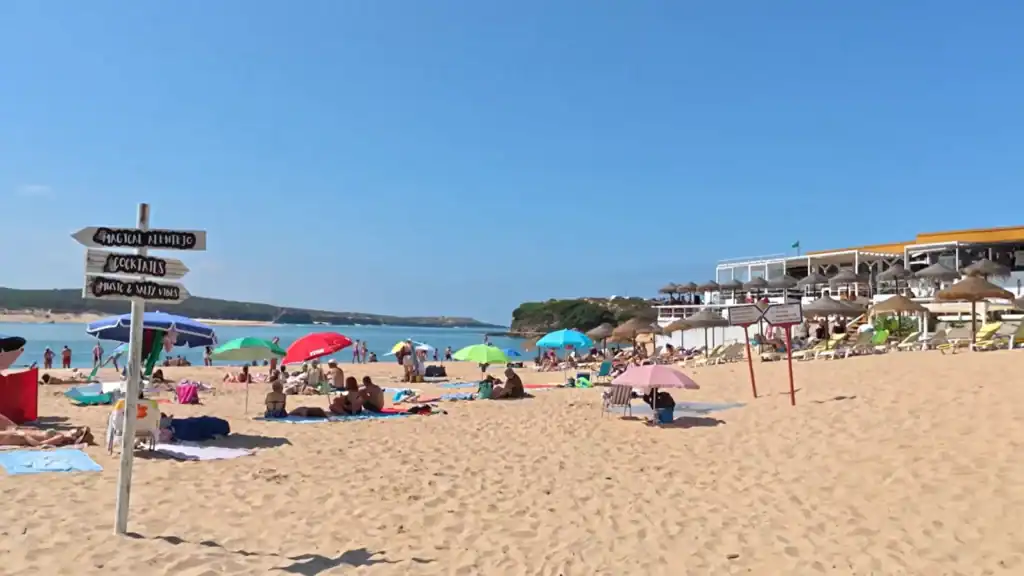

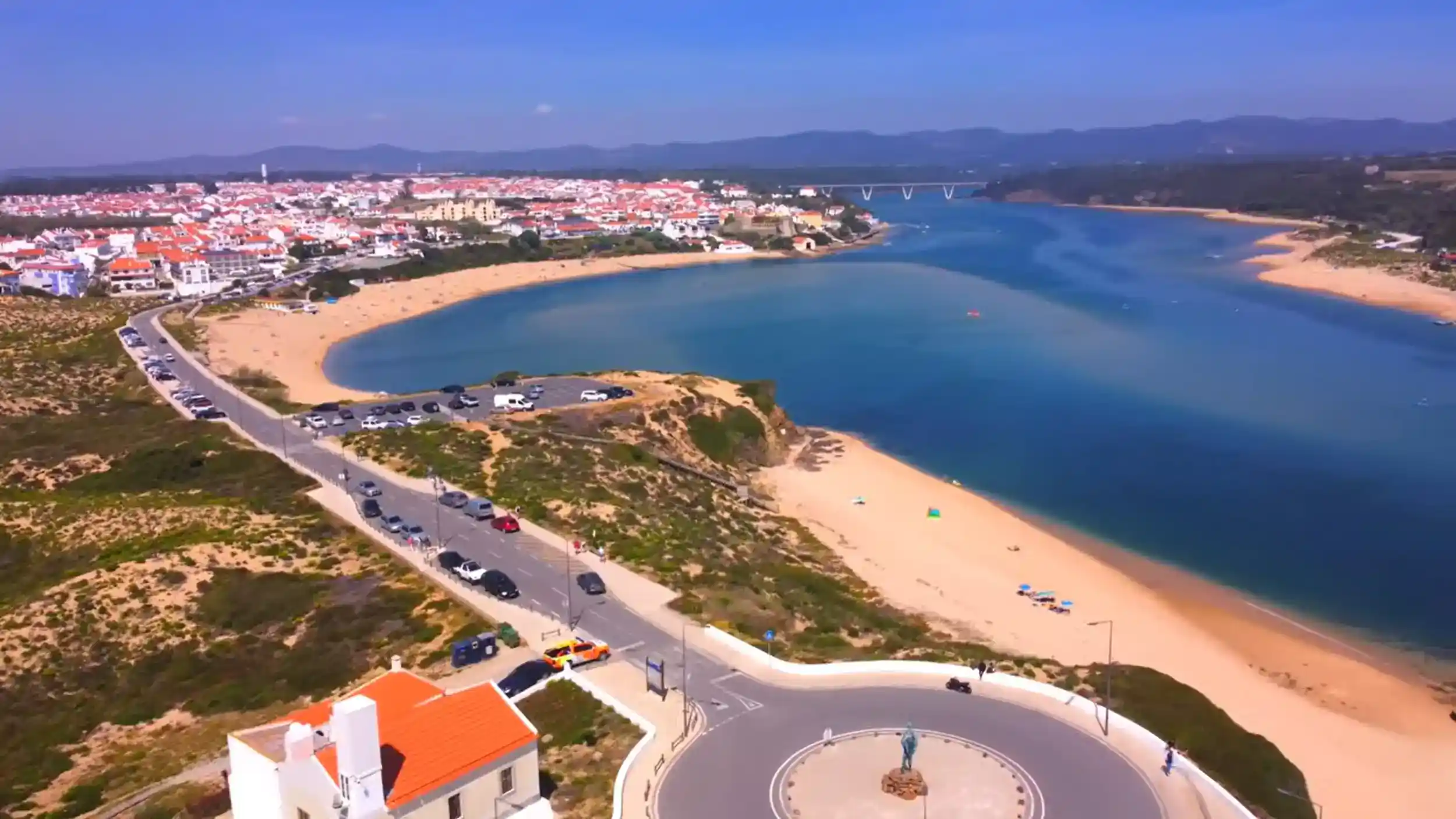
Milfontes as a base provides ideal access to Costa Vicentina’s 120-kilometer coastline, positioned 15 kilometers from Porto Covo, 20 kilometers from Zambujeira do Mar, and 35 kilometers from Odeceixe. The town offers direct connections to Rota Vicentina’s Historical Way and Fishermen’s Trail, plus beaches like Malhão and Furnas within 5 kilometers, combining river kayaking on the Mira with Atlantic surfing and coastal hiking.
👀 Milfontes as a Base: At a Glance
🏖️ Coastal location – Milfontes sits on Alentejo’s coast, great for beaches but 90 minutes from inland towns like Évora
🚗 Short day trips – Porto Covo (20 min), Zambujeira (25 min), and local beaches are easy. Longer trips eat your whole day
🛒 Basic shops – Two supermarkets, fuel stations, and a pharmacy cover daily needs year-round
🗺️ Far from interior – Évora takes 2 hours each way. Monsaraz takes 2.5 hours. Too far for easy day trips
⚖️ Not central – Sines is closer to main roads. Lagos has better connections. Milfontes works best for beach trips
🏡 Split your stay – Use Milfontes for beaches (3-4 days), then move to Évora for inland sites (2-3 days)
⏰ Stay 3-4 days – Enough time for local beaches and the town without getting bored
🗺️ Day Trip Radius: What’s Actually Reachable
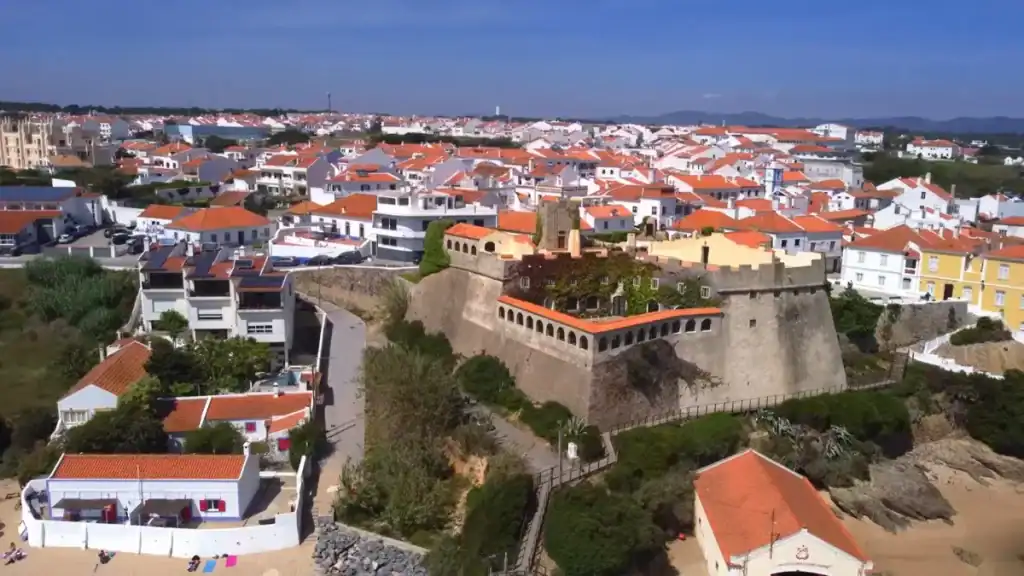
Milfontes as base is perfect for the coast. It sits where the Mira River meets the Atlantic. You can reach beaches and fishing villages in 30 minutes. The beaches are stunning. The cliffs are dramatic.
Going inland is harder. Portugal’s roads spread out from Lisbon, not from small coastal towns. From Milfontes, you use narrow country roads. Things that look close on maps take much longer to reach.
The 1 Hour Round Trip Rule: Porto Covo and Zambujeira
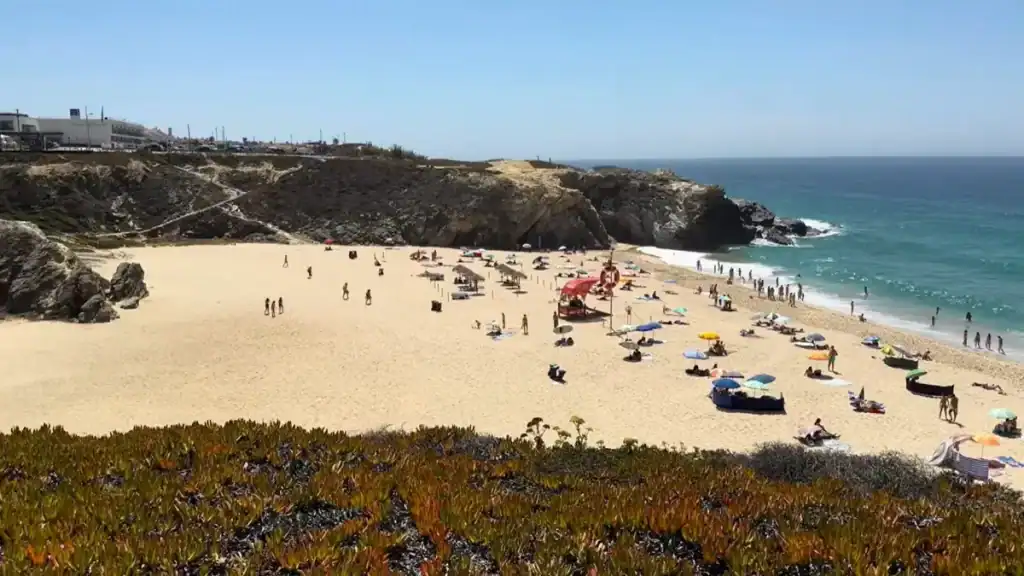
Porto Covo is 20 minutes north. It’s a white fishing village with calm beaches. The seafood is excellent. You pass Ilha do Pessegueiro island on the way. Get there before 11am in summer. Parking fills up fast.
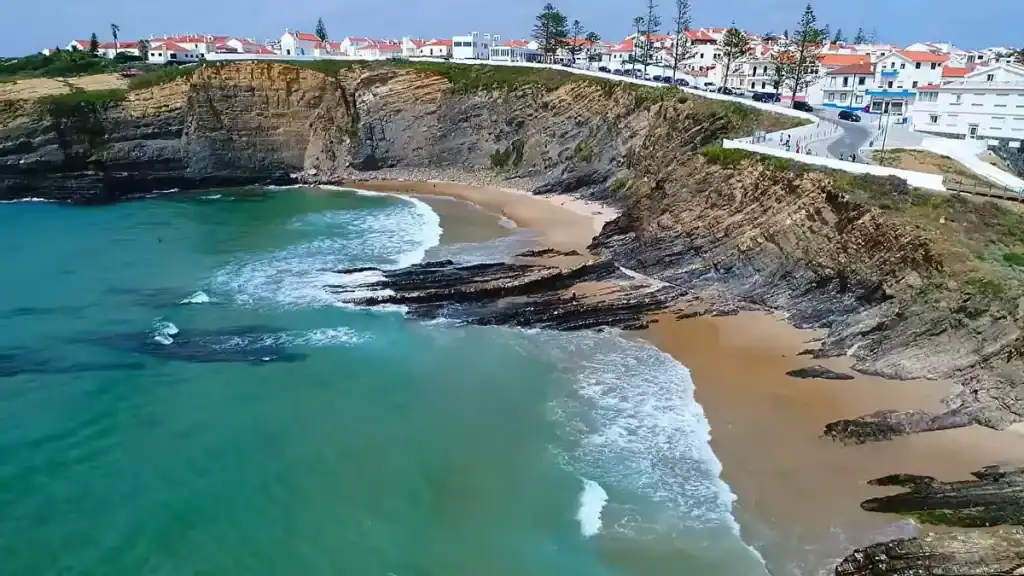
Zambujeira do Mar sits 25 minutes south. It’s built on red cliffs above wide beaches. The town hosts a big music festival in August. The rest of the year it’s quiet. The clifftop walks feel remote and peaceful.
These coastal spots are your best day trips. You drive up to 30 minutes, keeping to the round trip 1 hour rule! You get a full day at your destination. Go further and you spend too much time in the car. Less time at the beach.
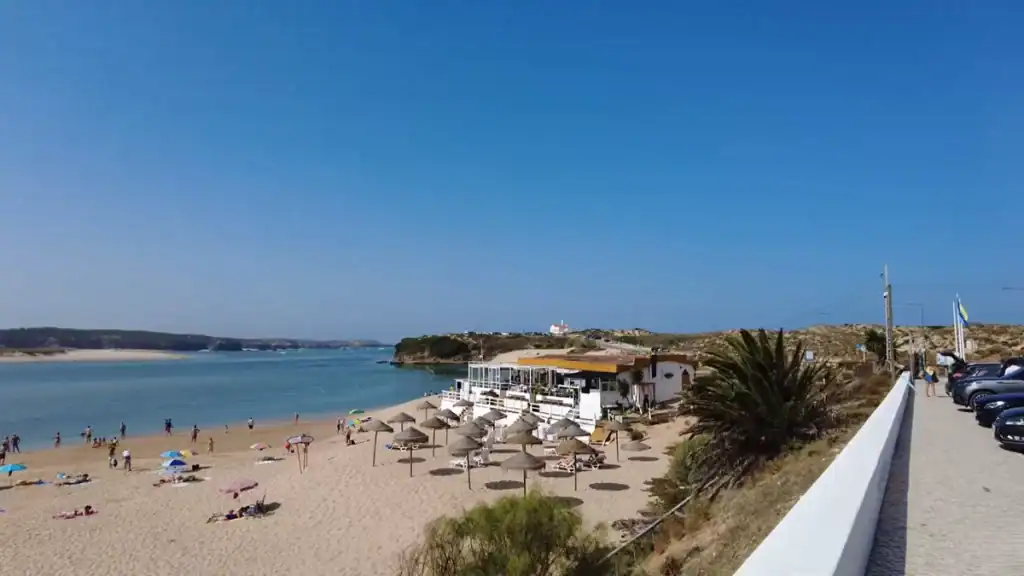
🏘️ Daily Infrastructure: Practical Realities of Staying Put
Milfontes has enough shops for a week’s stay. Two Intermarché supermarkets sell food, wine, bread, and basics. Prices are 10-15% higher than Lisbon. Similar to other beach towns. The bigger store near the marina opens until 9pm daily.
No banks remain in town. ATMs work at both supermarkets and the post office. They’re reliable. Carry €200-300 cash anyway. Smaller restaurants and beach bars prefer cash. Phone coverage is good in town. It gets weak on remote trails.
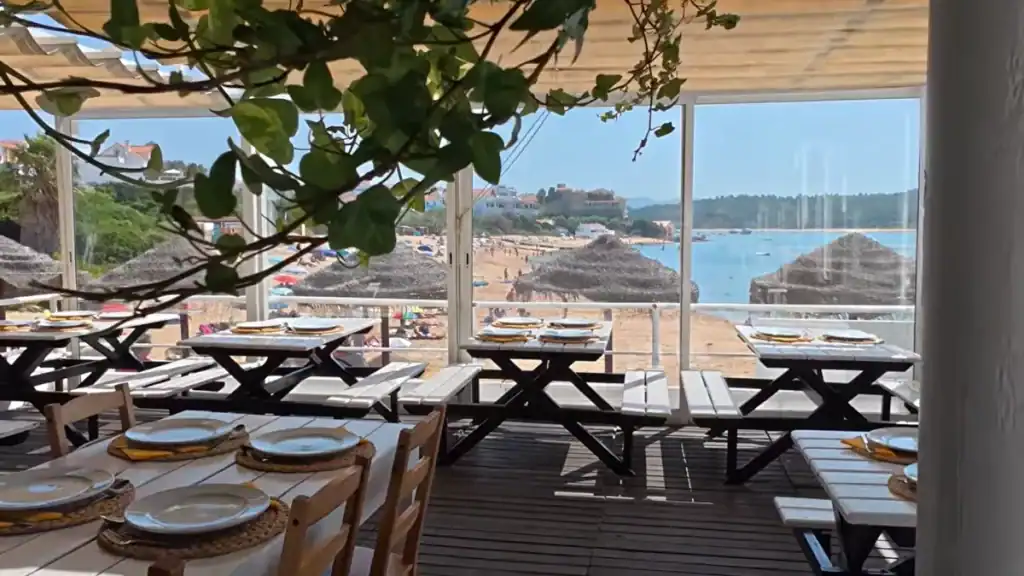
Eating, Grocery Shopping, Fuel, and Essentials
Most restaurants cluster near the marina and old town. Simple fish taverns to fancy seafood places. Many close November to March. They reopen at Easter. Supermarkets stay open all year. You can cook your own meals in winter when Milfontes or Comporta restaurant choices shrink.
Two fuel stations serve the town. Both sit on the main road from the north. BP and Repsol charge €0.05-0.08 more per liter than Lisbon. Fill up before beach trips. The next big station is 30 minutes away in Odemira.
One pharmacy operates on Rua Custódio Brás Pacheco. It sells common medicines, sunscreen, and first aid supplies. For basic healthcare, use Centro de Saúde de Vila Nova de Milfontes. Serious emergencies need the hospital in Beja. That’s 90 minutes away.

🚙 The Drive To The Interior of The Alentejo Region: Is It Worth It?
Interior Alentejo means lots of driving from Milfontes. The coastal road (N120) meets IP8 near Ourique. Then it goes to Beja and beyond. Roads are good but often single lane. You can’t pass slow cars easily. Add 20-30 minutes to GPS times. Farm equipment slows you down during harvest.
Traffic isn’t bad. Distance is the problem. Évora is 120 kilometers east. That’s two hours minimum each way. Monsaraz is 30 minutes past Évora. Mértola is 90 minutes southeast. These aren’t quick day trips when you want to relax at the beach.
Évora, Monsaraz, and Mértola: Using Milfontes as a Base for Inland Trips
Évora needs a full day. The Roman temple, cathedral, and bone chapel take time. The old center is worth exploring slowly. Leave Milfontes at 8am. You get there at 10am. You’ll have five hours before driving back at 3pm. You arrive home tired. Four hours driving for five hours sightseeing.
Monsaraz needs even more time. This castle village is 150 kilometers from Milfontes. You go through Évora or take back roads past Alqueva reservoir. The village deserves sunset views and wine tasting. Rushing there from Milfontes ruins the experience.
Mértola is closer at 90 minutes each way. It sits where two rivers meet. The Moorish castle and Islamic museum are interesting. The drive goes through pretty but boring landscape. Only go if you’ve seen all the beaches. Only if you want to see Milfontes how many days inland contrast rather than making it a must-see stop.
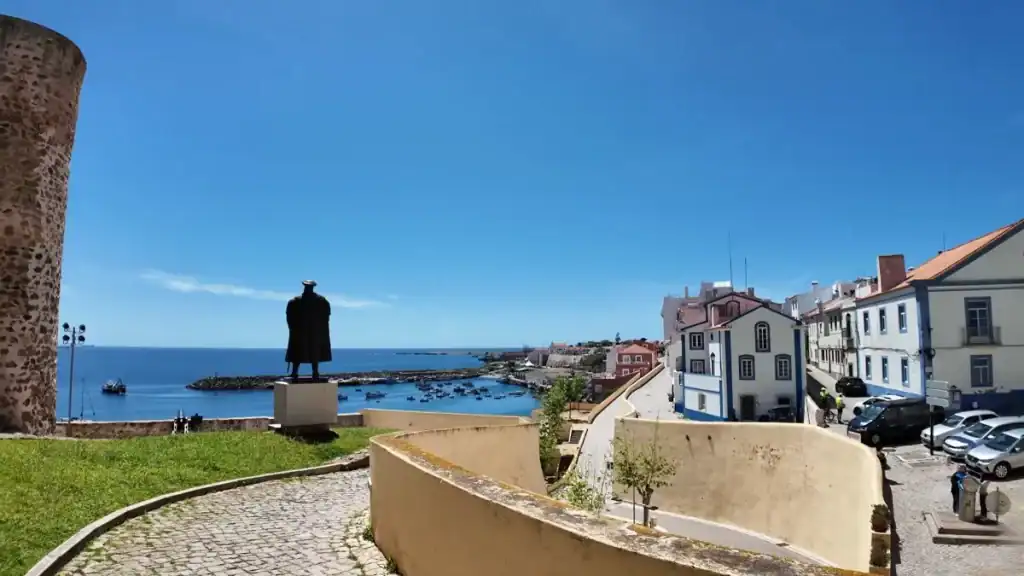
⚖️ Compared to Other Bases: Lagos, Sagres, or Sines
Lagos has better infrastructure and options. Ten times more restaurants than Milfontes. Better buses and trains. Closer to both west Algarve beaches and east coast towns. Lagos sits near the A22 motorway. Inland towns are easier to reach. You lose authentic Alentejo character. You gain practical benefits.
Sagres feels more remote than Milfontes. But it has dramatic scenery and surf culture. The southwest tip of Portugal offers powerful ocean views. Great seafood. Easy access to Costa Vicentina beaches. Like Milfontes, Sagres works for coastal stays. Not for touring the region. Pick it for rugged coastline. Not cultural sites.
Central Location Myth: Why Milfontes as a Base Feels Remote
Maps make Milfontes look central between Algarve and Lisbon on the coast. This isn’t true in practice. The town sits at the end of a road. It’s not on a through route. No major highways pass nearby. Going north toward Comporta means backtracking inland first. That adds 20-30 minutes.
The IP8 highway runs 30 kilometers inland. It connects Sines port with Spain. It wasn’t built for coastal tourism. Getting there from Milfontes means country roads through Odemira. Sines has better highway access. It keeps coastal character. It has less attractive beaches. But many people prefer it as a base for touring.
This explains where to stay in Milfontes questions. The town rewards beach seekers. Not regional tourists. The remoteness is a feature. Not a bug. Plan for that. Milfontes delivers great beach experiences. Just don’t expect it to work as a touring hub for interior Alentejo.
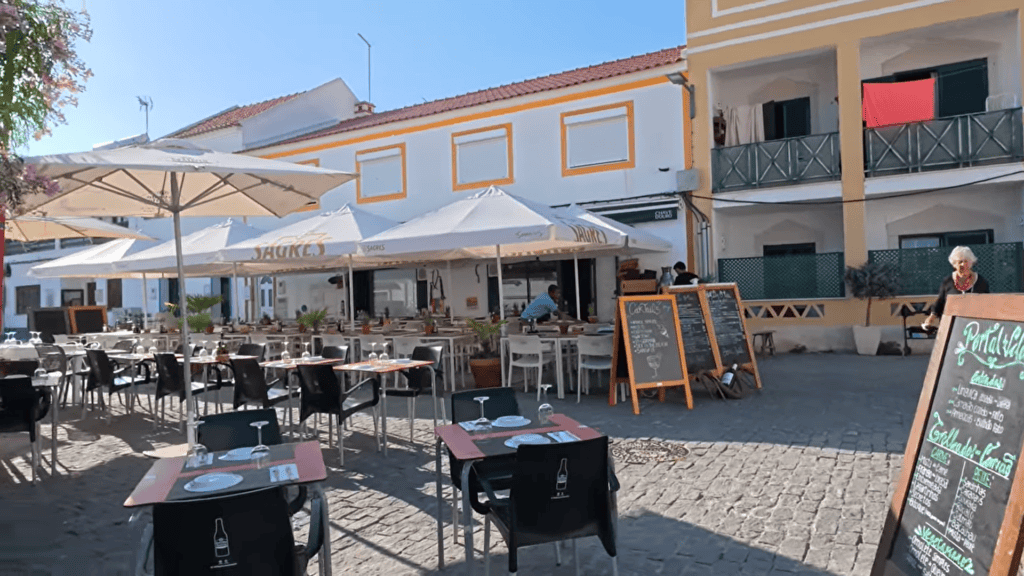
🏡 The Two-Base Strategy: When to Split Your Stay
Smart visitors split Alentejo between two bases. Don’t try to see everything from one town. Spend 3-4 days in Milfontes for beaches and seafood. Then move to Évora for 2-3 days exploring villages and ruins. This cuts driving time. It maximizes each region’s strengths.
The move works smoothly. Milfontes to Évora takes two hours. That’s reasonable for a base change. Pack beach gear in the car. Check out after breakfast. Arrive in Évora for lunch. You’ve changed bases without exhausting drives or rushed touring. Many people reverse this. They start inland, finish at the coast.
Why Milfontes as a Base Works Best for Coastal Focus
Milfontes shines when you embrace beaches. Spend mornings at different spots. Malhão for surfing. Furnas for families. Farol for solitude. Afternoons bring clifftop walks or river kayaking. Or just read under umbrellas. Evenings mean grilled fish and Alentejo wine. Watch fishing boats return at sunset on the Mira River.
This rhythm needs staying put. Not constant driving. Is Milfontes worth it depends on your priorities. Beach lovers seeking authentic Portuguese coastal life? Absolutely yes. Cultural tourists wanting hilltop villages and Roman ruins? No. Balanced visitors using two bases? Milfontes makes the perfect coastal half of your Alentejo trip.
Most people ask how long to stay. Three days feels right. You see multiple beaches. You establish a relaxed routine. I guarantee you won’t get bored. Four or five days works if you love repetition. If you truly want to disconnect from touring pressure. The town doesn’t demand constant exploration. It rewards slowing down.
For additional tourist information, check out: Visit Portugal.