
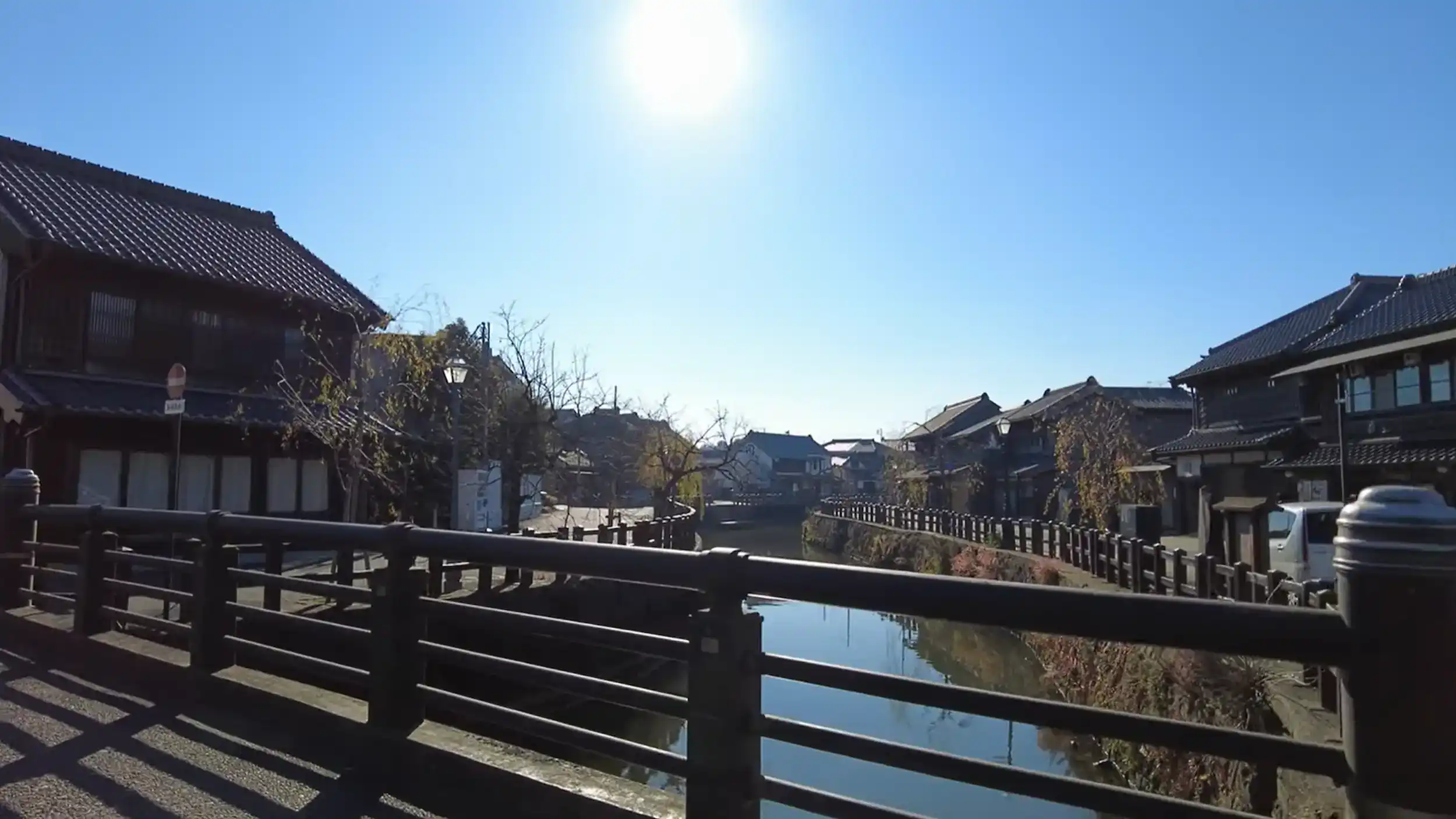
Narita Airport Sawara itinerary: A well-planned half-day trip from Narita Airport to Sawara offers a seamless way to experience Japan’s preserved Edo charm. With efficient train connections and walkable canalside streets, travelers can explore Sawara’s historic district, enjoy local cuisine, and return to Narita within hours – an ideal itinerary for culture-focused layovers.
👀 Narita Airport Sawara Itinerary: At a Glance
📍 Distance: 20 kilometers northeast of Narita Airport
🚂 Transit time: 1 hour minimum (airport → Narita Station → Sawara)
⏱️ Sweet spot: 6-8 hour layovers or arrival-day planning
💴 Transport cost: ¥680-1,180 round trip
🎒 Luggage: Airport storage ¥500-800/day or ship ahead
⚠️ Train frequency: JR Narita Line runs 1-2 trains/hour (not frequent)
🚫 Skip if: Layover under 5 hours, evening departure, heavy luggage with no storage plan
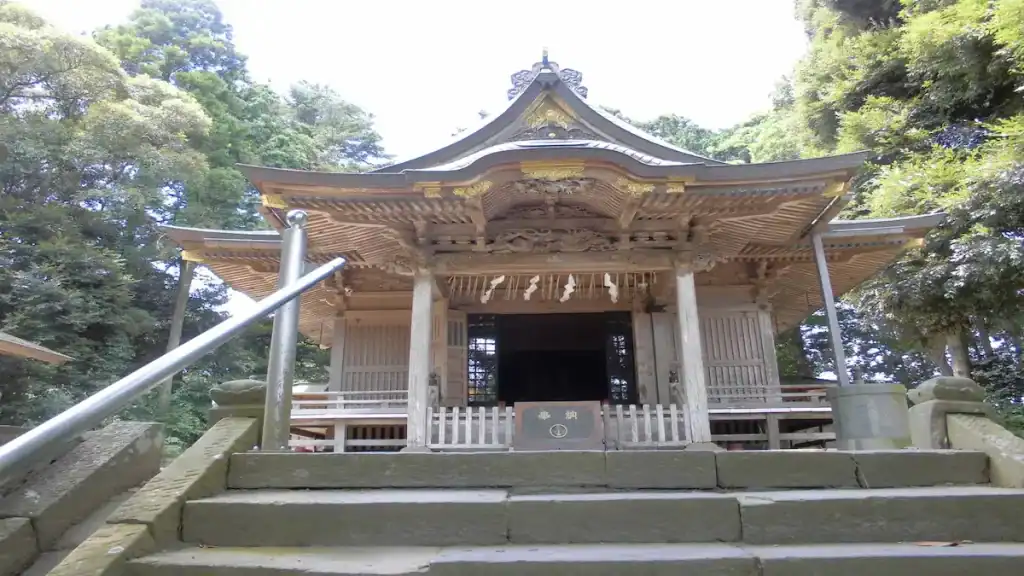
🤔 Why Travelers Consider a Narita Airport Sawara Itinerary
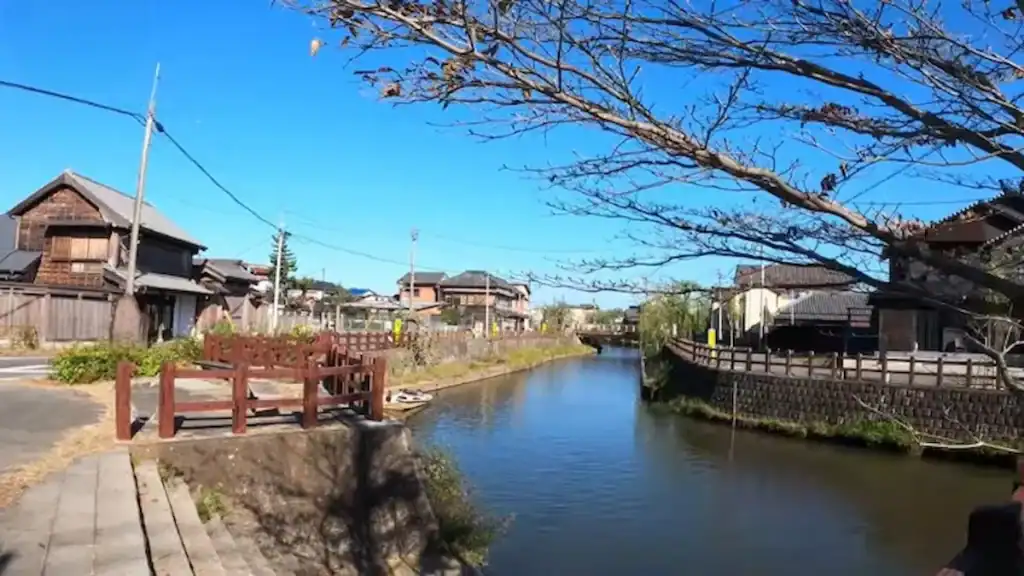
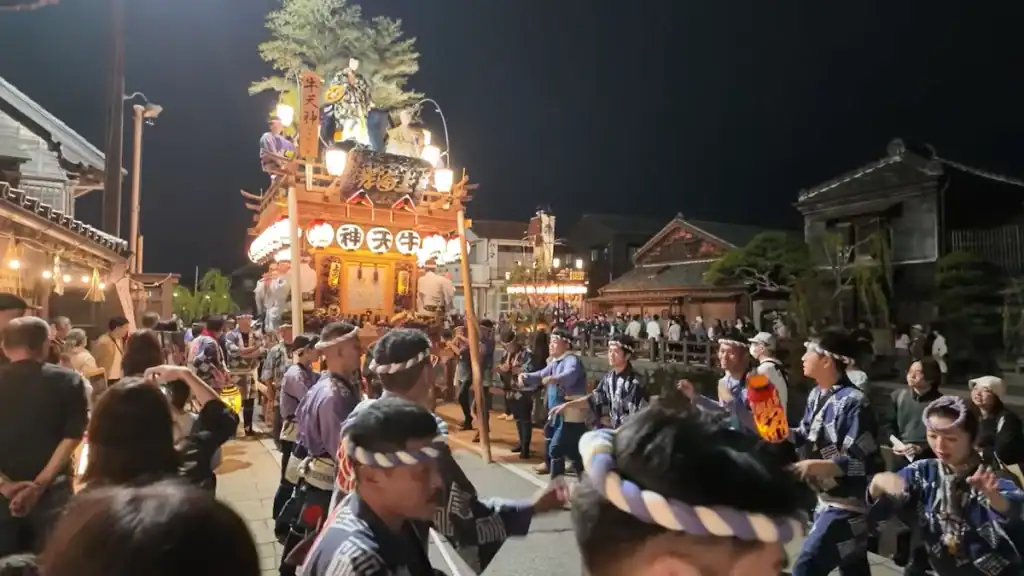
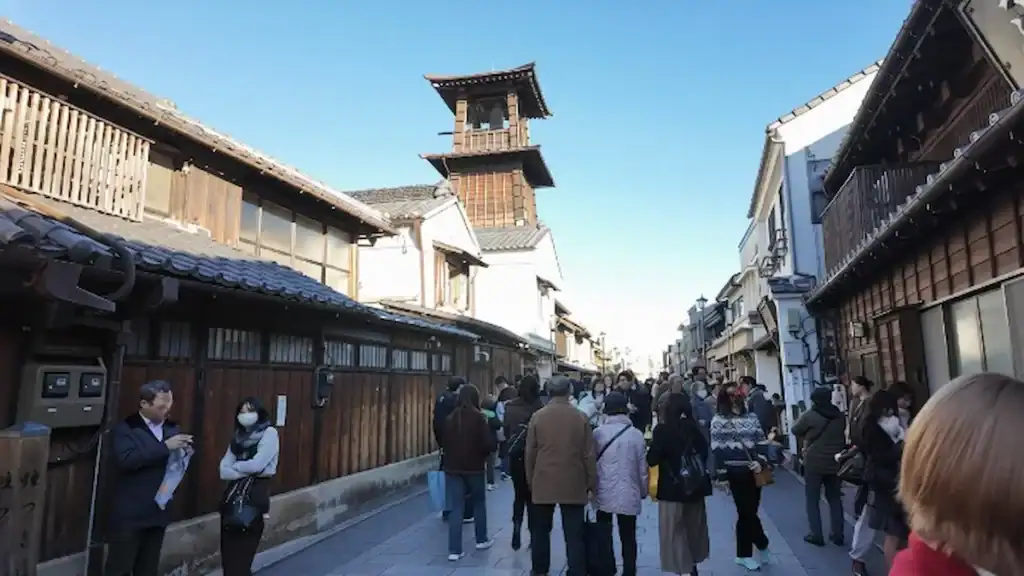
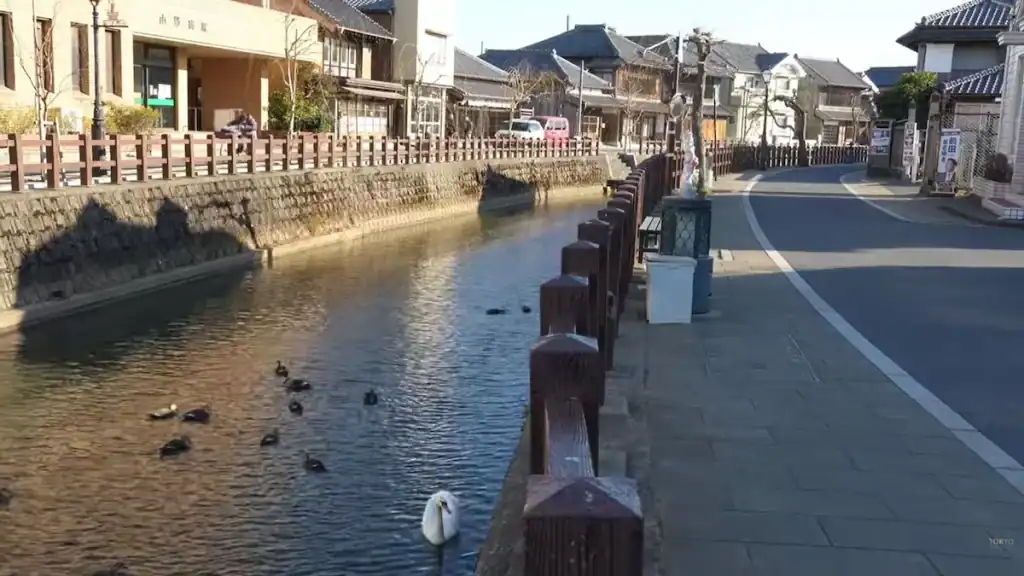
People stumble onto this idea when googling “what to do near Narita Airport” and discover Sawara’s canal-lined streets just 20 kilometers away. The appeal is obvious: authentic Edo-period architecture, zero crowds, and a boat ride through Little Edo while killing time before a flight or on arrival day.
The logic sounds bulletproof. You land at Narita or have a long layover, stash your bags, hop a train to this preserved merchant town, wander the willow-lined Ono River for a few hours, then return to catch your flight refreshed instead of airport-zombified. Tour operators even market this as the perfect “airport day trip.”
Layovers and Arrival-day Logic
But timing reveals the friction immediately. From landing to boarding a Sawara-bound train requires clearing customs (30-60 minutes), finding luggage storage or shipping (15-30 minutes), navigating to the airport train station (10-15 minutes), riding to Narita Station (10 minutes), and waiting for the JR Narita Line connection. According to U.S. State Department Japan travel information, all visitors provide fingerprints and photos upon arrival, adding processing time.
Sawara sits five stops past Narita Station on the JR Narita Line, a 30-minute local train ride. The kicker: trains run just 1-2 times per hour compared to urban lines with 5-minute frequencies. Miss one train and you’ve blown 30-60 minutes standing on a platform.
🚂 Transport Realities for a Narita Airport Sawara Itinerary
Getting there involves a two-train sequence that sounds simple on paper but carries hidden time taxes. The Narita Express or Keisei Skyliner whisks you from the airport terminals to Narita Station in 10 minutes for ¥340-510. Transfer to the JR Narita Line toward Sawara costs another ¥510 one-way.
Total transport cost runs ¥680-1,180 round trip depending on your airport terminal and route. The problem isn’t the money or the transfers themselves, it’s that every connection point introduces waiting time you cannot control.
Trains, Timing, and Friction
The JR Narita Line’s infrequent schedule creates a domino effect. Arrive at Narita Station two minutes after a Sawara train departs and you’re stuck for 30-60 minutes. The line serves rural areas where 1-2 trains per hour is standard, not the 5-10 minute frequencies Tokyo commuters expect. Check JR East official timetables before committing to this itinerary.
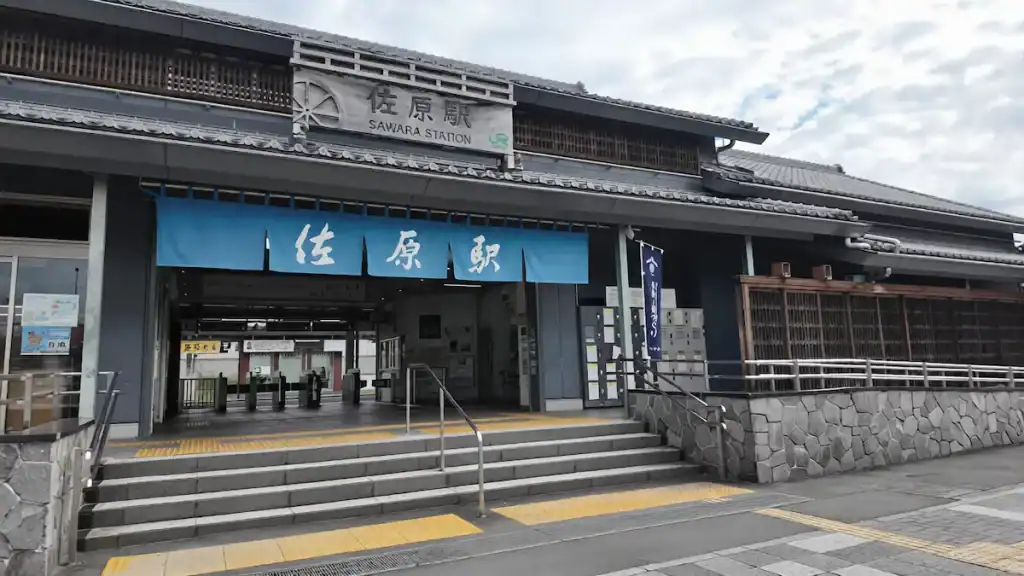
Sawara Station sits a 10-15 minute walk from the historic canal district. Factor another 10-15 minutes to orient yourself, find the Ono River, and actually start experiencing the town. From the moment you leave Narita Airport’s baggage claim to standing beside Sawara’s willow trees: 90-120 minutes minimum if everything aligns perfectly.
⏰ How Much Sawara You Actually See
Let’s do the math for a 7-hour layover, which sounds generous. Subtract 2 hours for airport security, check-in, and buffer time before your departure. Subtract 2+ hours for round-trip transit (airport ⇄ Sawara). You’re left with 3 hours maximum in Sawara itself.
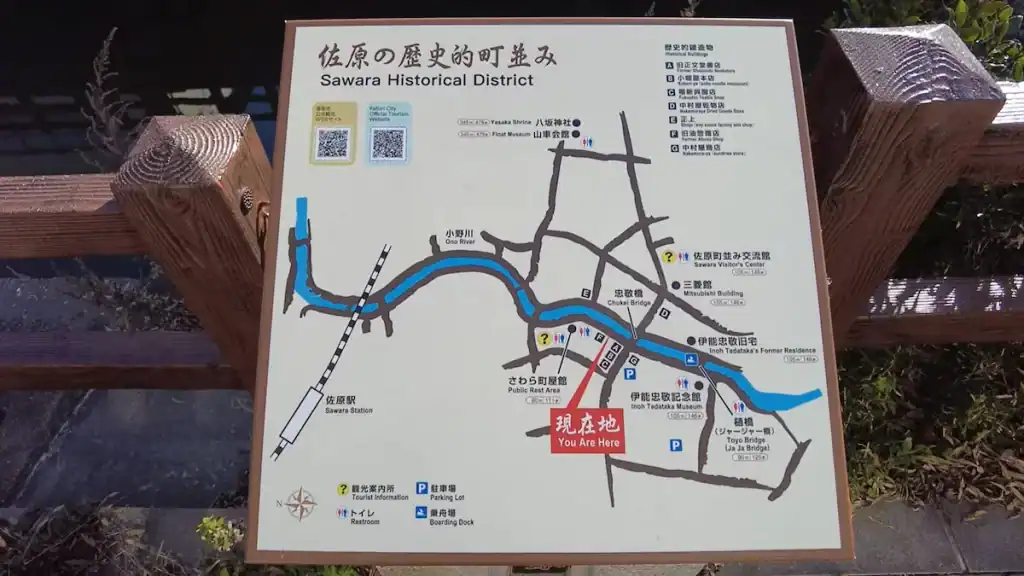
Three hours allows a canal boat ride (30 minutes), lunch at a traditional unagi restaurant (60-90 minutes), and a quick stroll past Edo-period merchant houses and the Ino Tadataka Museum. You’ll get the essence of Sawara, taste the famous eel, snap photos of the Ja Ja Bridge waterfall, but you won’t have time to explore sake breweries, rent a kimono, or visit the iris garden 15 minutes away.
Tradeoffs in Compressed Visits
This isn’t leisurely immersion in traditional Japan; it’s a calculated time sprint. You’ll constantly watch the clock to avoid missing return trains. The 10-15 minute walk back to Sawara Station eats into exploration time. If you linger too long over lunch or the boat ride runs late, suddenly you’re sprinting through town calculating whether you’ll catch the next train.
For travelers arriving on morning flights planning to ship luggage ahead to Tokyo hotels, Sawara works better. Drop bags at the Narita Airport baggage service counter for next-day delivery (¥2,510-3,000), then spend 4-5 hours in Sawara guilt-free before taking the evening Narita Express into central Tokyo. You’re not racing a departure deadline.
✅ When This Itinerary Works and When It Fails
This combo succeeds under specific conditions only. It works for travelers with 6-8+ hour layovers who ship or store luggage efficiently, arrive during midday hours when trains run more frequently, and accept that Sawara will be sampled not savored.
It works brilliantly for morning arrivals planning onward travel to Tokyo. Land at 10:00 AM, clear customs by 11:00 AM, ship bags forward, reach Sawara by 1:00 PM, explore until 5:00 PM, catch the evening Narita Express to Tokyo refreshed instead of exhausted. Check the Narita Airport Transit Program for guided tour options.
Risk Factors to Account For
This itinerary collapses if trains run late, luggage storage is full, or you underestimate transit buffers. Evening departures amplify risk because missing the last comfortable return train forces an expensive taxi (¥8,000-10,000) or a mad scramble onto the final Narita Express.
Flight delays happen. The JR Narita Line occasionally experiences service interruptions. Sawara Station has limited English signage. If you’re carrying full-size luggage without a storage plan, forget it entirely. Japanese trains lack dedicated luggage space, and dragging a 24-inch suitcase through narrow Sawara streets defeats the purpose of visiting.
The honest answer: most travelers attempting this combo end up either cutting Sawara dangerously short or experiencing low-grade anxiety about making their flight. It works for the disciplined planner who builds 60-90 minute safety buffers and treats Sawara as a bonus, not the main event. If Sawara is your primary Japan destination, base yourself there overnight instead of force-fitting it around an airport schedule.