
The prettiest villages in the Cotswolds enchant with honey-colored stone cottages, winding streets, and scenic countryside. From Bourton-on-the-Water to Bibury, each village offers timeless charm. Exploring the prettiest villages in the Cotswolds provides a peaceful, picturesque glimpse of rural England..
👀 At a Glance:
- 🗓️ Best time: March to May or September to October for fewer crowds
- ✈️ Getting there: Train to Moreton-in-Marsh or Kemble, then local buses
- ⏰ Duration: Plan 3-4 days to explore multiple villages properly
- 💡 Insider tip: Visit early morning before tour buses arrive at 10am
- 🎒 Packing essential: Comfortable walking shoes for cobblestone streets
🏞️ Discovering the Prettiest Villages in the Cotswolds Region
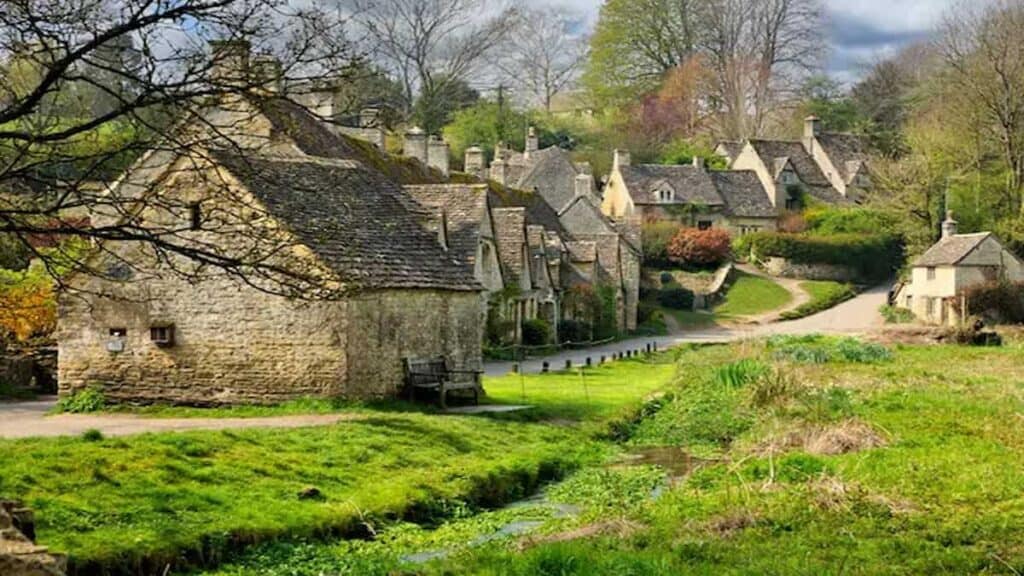
The Cotswolds stretches across six counties in southwest England. This Area of Outstanding Natural Beauty covers almost 800 square miles of rolling countryside. Honey-coloured Cotswold stone defines every building here. The same limestone has built cottages, manor houses, and churches for centuries.
The wool trade created all this wealth and beauty. Medieval merchants made fortunes selling English wool across Europe. They built grand stone houses and paid for magnificent churches. Market towns in the Cotswolds grew up around the trade routes. Now these charming villages attract visitors instead of wool buyers.
Traditional craftsmanship shows everywhere you look in this part of the Cotswolds. Stone walls follow ancient field boundaries across the hills. Each quaint village maintains strict building rules to preserve its character. Modern additions must blend invisibly with centuries-old architecture made from local Cotswold stone.
The region’s prettiest villages cluster in the heart of the Cotswolds. Small rivers like the River Windrush, River Eye, and River Coln wind through valleys. Ancient footpaths connect villages across farmland where sheep still graze. The highest point is Cleeve Hill at 1,083 feet near Cheltenham.
🎨 Bibury: One of the Prettiest Villages in the Cotswolds
Arlington Row: The Most Photographed Village in the Cotswolds
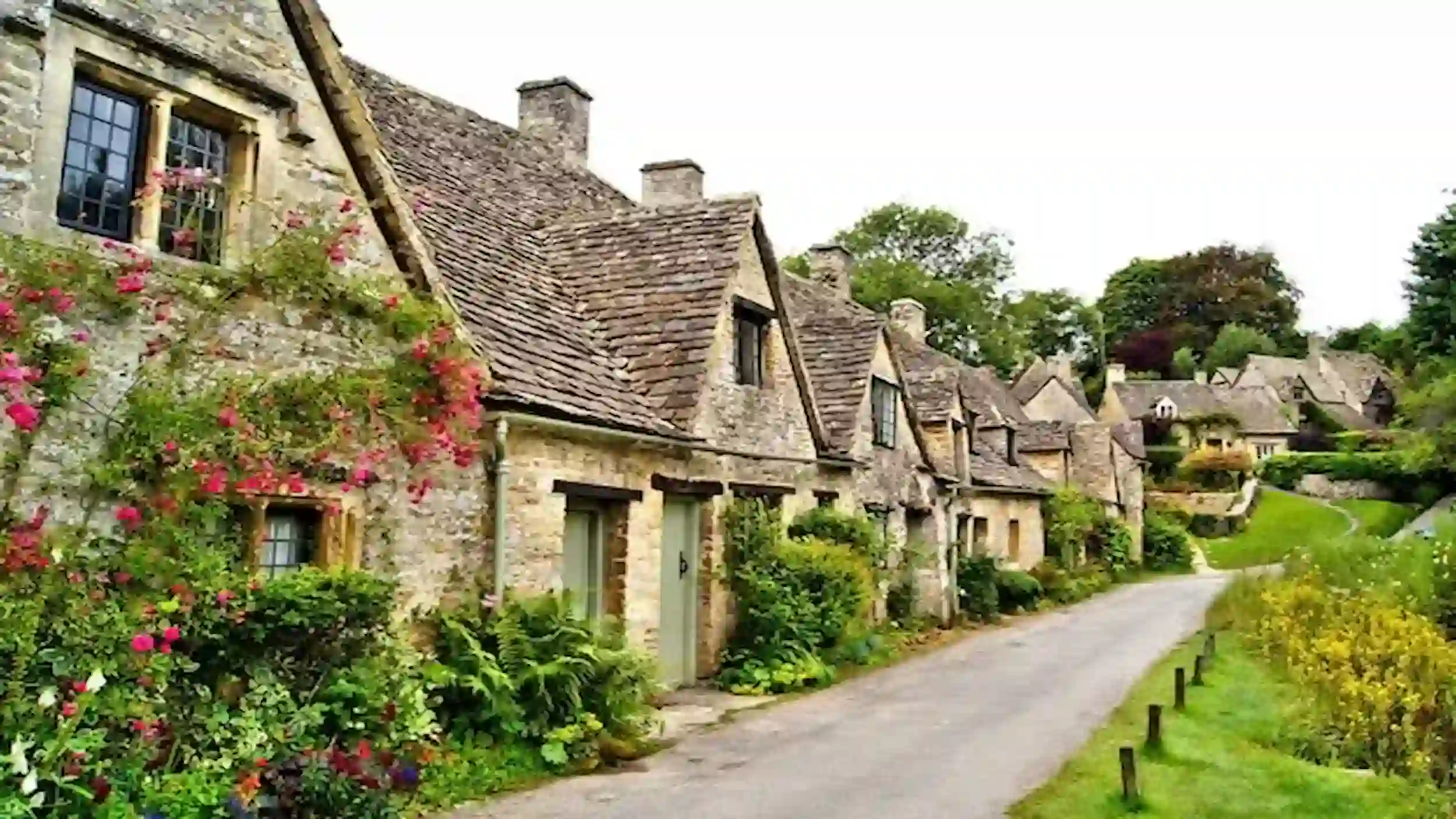
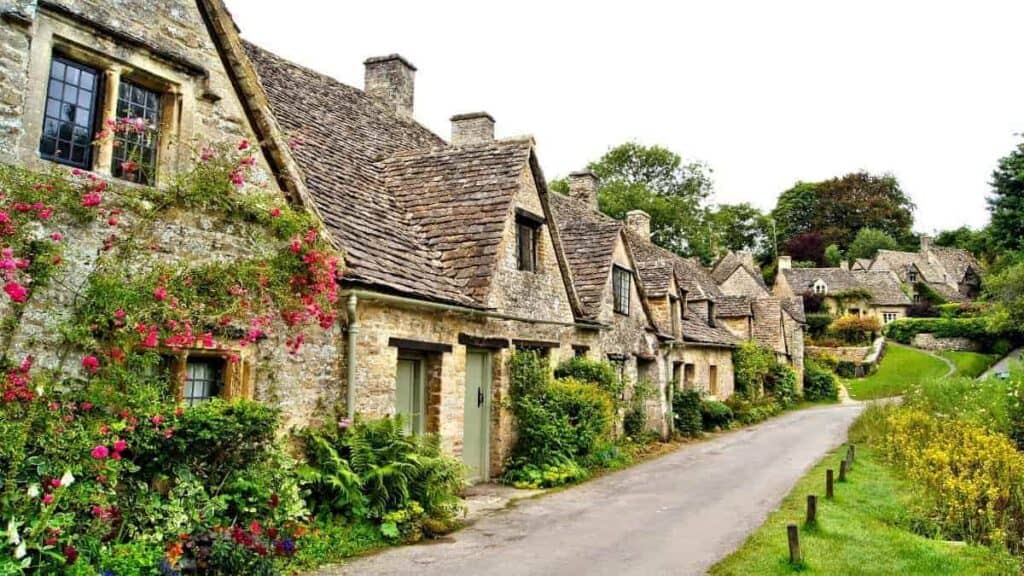
Arlington Row stops people in their tracks every single time. These weavers’ cottages date back to 1380 when monks built them as a wool store. Workers later converted them into homes for weaving cloth in the 17th century. The National Trust protects these Grade I listed buildings now.
What is the most photographed village in the Cotswolds? Bibury wins this title easily. Arlington Row features on the inside cover of UK passports. Morning light makes the honey-coloured stone glow golden above the River Coln. Photographers arrive at dawn to capture perfect reflections in the water.
William Morris called Bibury the prettiest village in England during the late 19th century. He visited and never changed his mind about this statement. This beautiful village sits just off the main road, hidden in a peaceful Coln Valley. Visit early to avoid crowds that arrive by mid-morning for a quick visit.
Picturesque Places to Visit Around the Cotswolds Village
Rack Isle sits across from Arlington Row as a protected water meadow. This area stays green all year from underground springs that feed the land. Birds gather here, especially in early morning when it’s quietest. Mallards, coots, and moorhens make this National Trust wildfowl reserve their home.

Bibury Trout Farm was founded in 1902 by naturalist Arthur Severn. It’s England’s oldest working trout farm and covers 15 acres beside the village. Up to 10 million rainbow trout are spawned here each year. You can watch fish feeding, catch your own trout, and use on-site barbecue areas.
The River Coln runs crystal clear through this picturesque village in the Cotswolds. Stone bridges connect different parts of the village to each other. The Church of St Mary the Virgin dates from around the 8th century. Walk along the river and you’ll smell wild mint growing on the banks.
🏰 Castle Combe: Charming Cotswolds Village to Visit
The Medieval Village in the Cotswolds
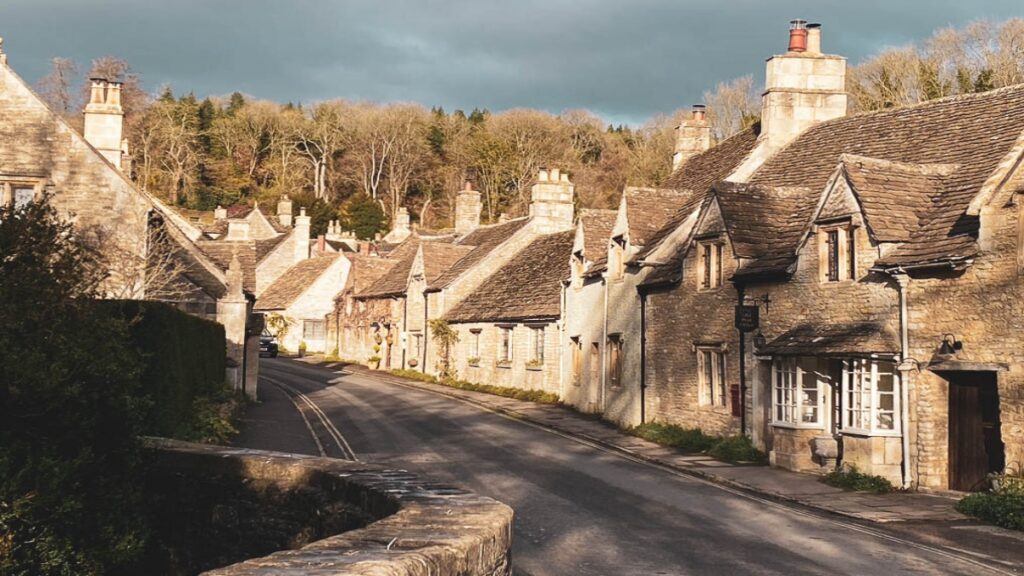
What is the most beautiful village in the Cotswolds? Castle Combe claims this crown without any competition. This village hides in a wooded valley surrounded by trees. The approach road winds down steeply through the countryside to reveal the scene. Then suddenly you see it below, looking exactly as it did 600 years ago.
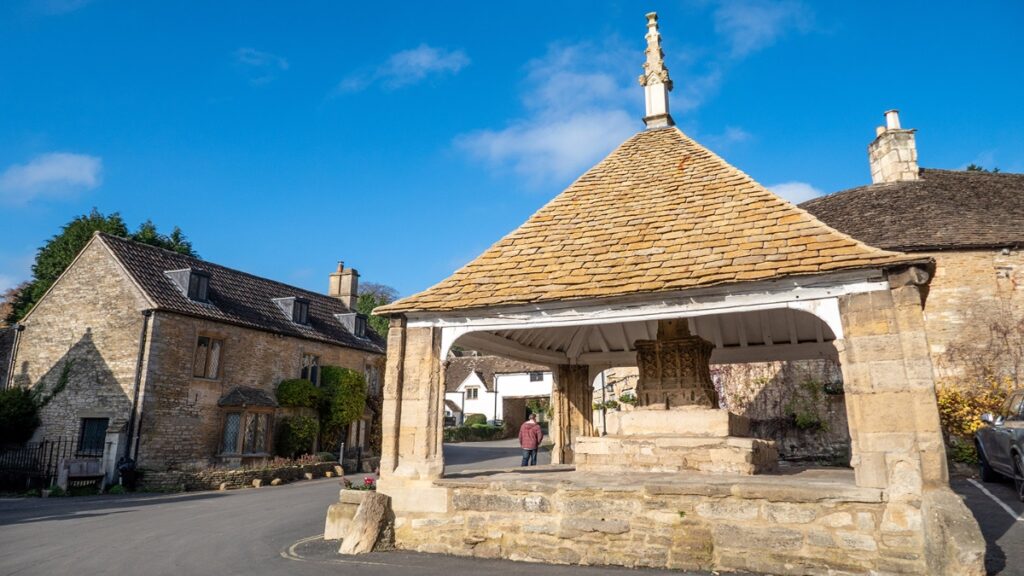
The market cross stands in the centre, dating from the 14th century. Wool merchants built most buildings here with their profits from the wool trade. Stone cottages line one main street with St Andrew’s Church at the top. No new houses have been built in the historic centre since around 1600.
Historic Church and Countryside Views
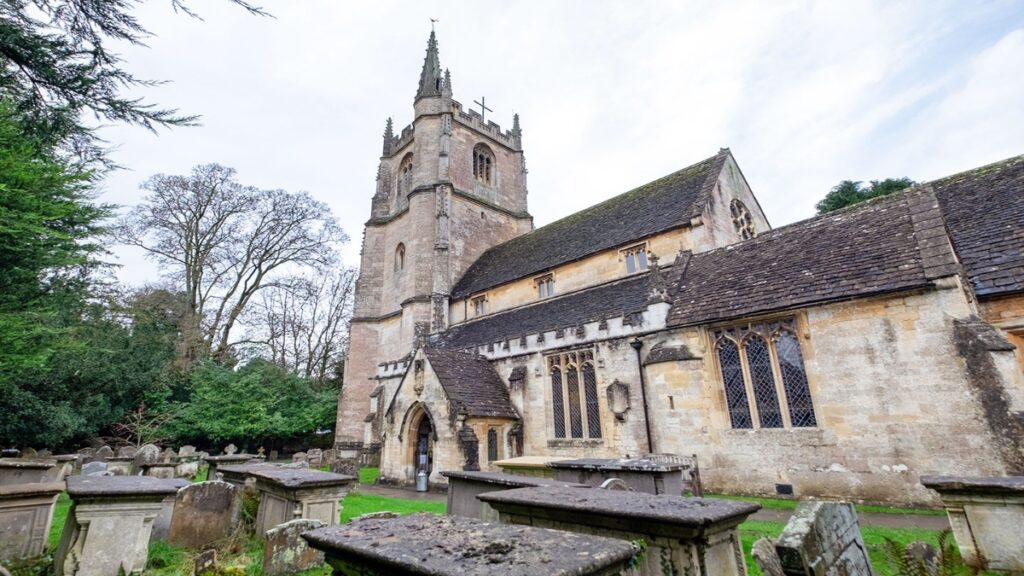
St Andrew’s Church was originally founded in the 13th century with later additions. The nave was added in the 14th century to the original structure. The tower was started in 1434 with money from wealthy wool merchants. It houses one of the oldest working faceless clocks in England, probably made by a local blacksmith.
Inside the church sits a Norman monument to Sir Walter de Dunstanville. He was Baron of Castle Combe and died in 1270 after serving in the Crusades. His crossed legs indicate he went on two crusades during his lifetime. The church also features beautiful fan vaulting reminiscent of Bath Abbey in its tower.
Visit before 9am to see it without modern cars spoiling the views. Most residents park behind their houses to keep the street clear for visitors. The ancient bridge over By Brook makes the perfect photo spot. This really is the queen of the Cotswolds and well worth a visit. Film crews constantly use this location for period dramas including War Horse and Stardust.
🌊 Bourton-on-the-Water: Best Places in the Cotswolds
The River and Picturesque Villages
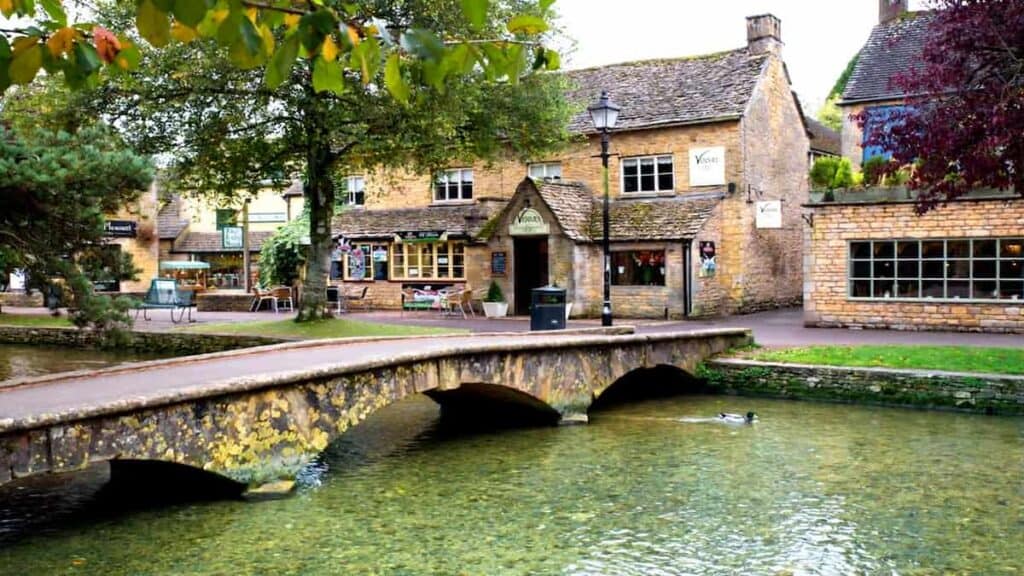
Five stone bridges cross the River Windrush right through the village centre. Kids paddle in the shallow water on hot summer days. Ducks waddle between tourists on the grassy banks beside the river. This charming village earned its Venice of the Cotswolds nickname from these elegant low bridges spanning the water.
The Model Village sits behind the Old New Inn on Rissington Road. It’s a perfect one-ninth scale replica of Bourton as it appeared in 1936. Local craftsmen built it between 1936 and 1940 for the inn’s landlord. The model even includes its own tiny model village at an even smaller scale.
What is the cutest town in the Cotswolds? Many locals pick Bourton for this title without hesitation. The combination of water, bridges, and stone creates something genuinely special. Small shops sell handmade crafts and local food along the high street. You can spend hours just wandering the riverside paths watching the ducks.
Best Villages for Family Attractions
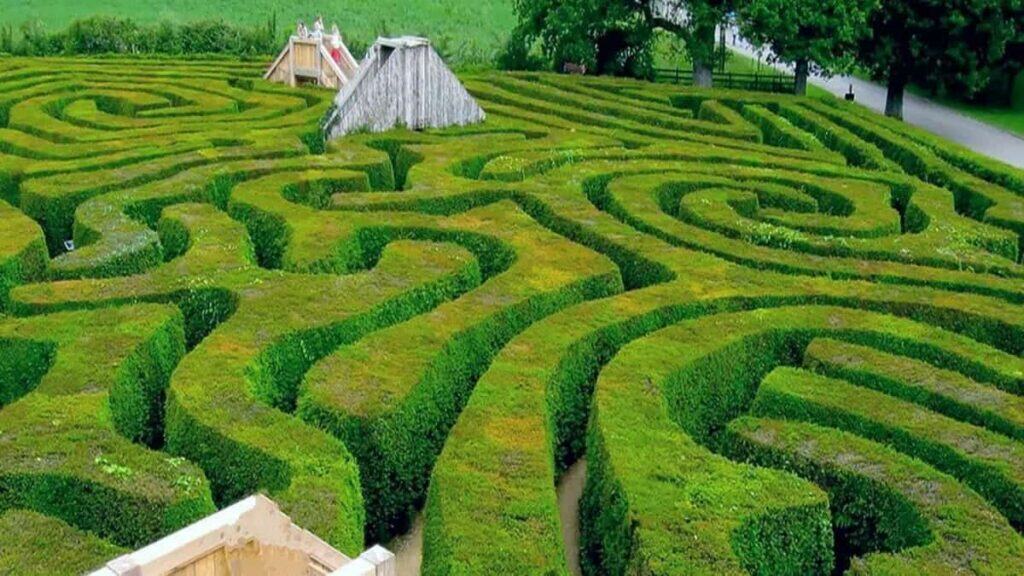
The Cotswold Motoring Museum houses over 50 rare and classic cars. Birdland Park features over 500 birds including penguins and flamingos. The Dragonfly Maze offers traditional yew hedge puzzle fun for families. These attractions make Bourton perfect for families visiting the Cotswolds together.
Summer gets really busy in this popular Cotswold village with tourists. Tour buses arrive throughout the day to visit this favourite place. But early morning offers a different experience before the crowds arrive around 10am. Mist rises from the river before 8am when locals walk their dogs along the banks.
🏘️ Lower Slaughter and Upper Slaughter: Twin Prettiest Villages in the Cotswolds
Lower Slaughter: Quaint Cotswold Village
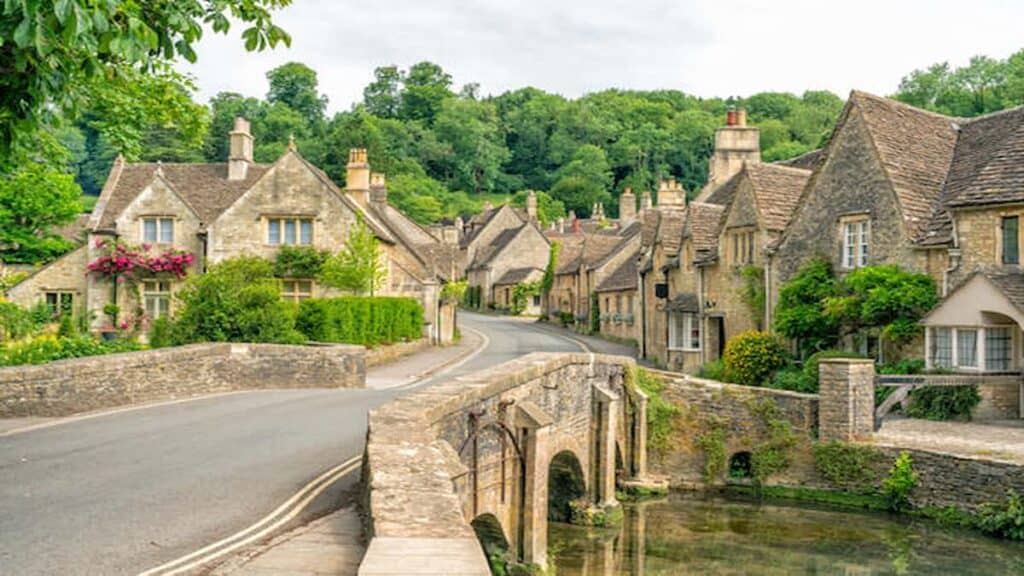
The name sounds dramatic but comes from Old English “slough” meaning wetland. Lower Slaughter sits along the River Eye in perfect peace. Ancient footbridges cross the water every few hundred feet between stone cottages. No modern buildings spoil the view anywhere in this quaint little village.
The Old Mill stands beside the river with its distinctive red brick chimney. Water used to power the wheel for grinding grain during centuries past. Now it’s a museum showing how village life worked in the Cotswolds. The building dates from the 19th century though mills existed here much longer.
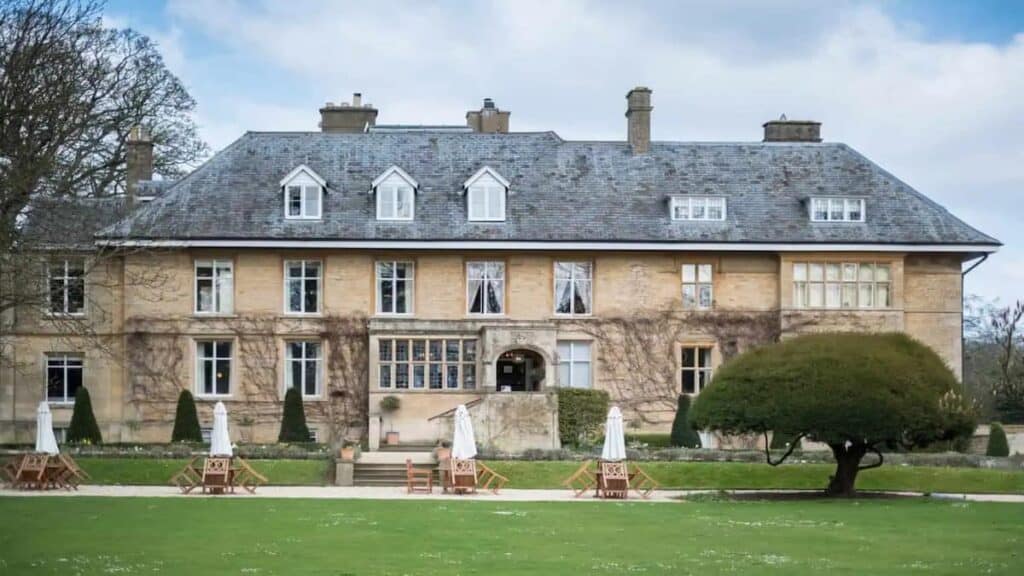
Upper Slaughter and Walking Around the Cotswolds
Walking between Lower and Upper Slaughter takes about 20 minutes along footpaths. The path follows the river through fields where sheep graze peacefully. You’ll see more of the English countryside this way than from any car window. Spring brings wildflowers along the banks in this beautiful part of the Cotswolds.
Upper Slaughter sits upstream with its own distinct character and charm. The village is smaller and quieter than its sister downstream. A ford lets you walk through the shallow River Eye water. The manor house overlooks the village from a slight rise with beautiful views around the Cotswolds.
Both villages rank among the prettiest villages in the Cotswolds for good reason. They’ve retained their peaceful atmosphere through centuries of change around them. The honey-coloured stone and traditional architecture remain perfectly preserved. Walking this route is one of the best places to visit anywhere in the region.
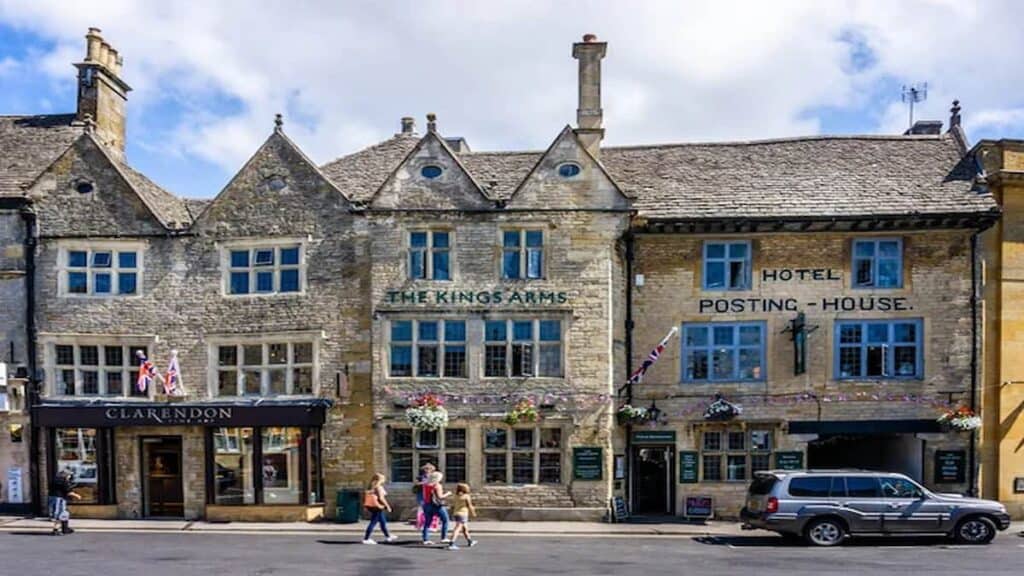
🏛️ Stow-on-the-Wold: Historic Town in the Cotswolds
The Ancient Market Square and Best Villages
Stow sits 800 feet up on a hill as a historic market town. The market square forms the heart of everything in this town. Sheep fairs used to pack this space with over 20,000 animals. England’s largest sheep fairs happened here in medieval times at the highest market town in the Cotswolds.
Now antique shops and cafes fill the old buildings around the square edges. St Edward’s Church stands at one corner with ancient yew trees flanking it. Inside, you’ll find memorials to wool merchants who made this town rich centuries ago. The churchyard offers views across five counties on clear days from up here.
Medieval Passages and Favourite Places
Narrow passages called “tures” lead off the main square through the town. These alleys once funnelled sheep to market from surrounding countryside farms. Fleece Alley still has the same name from those medieval trading days. Walking through these passages feels like stepping back 400 years into history.
The Porch House on Digbeth Street claims to be England’s oldest inn. It reputedly dates from 987 AD based on discoveries inside the building. Artefacts include a 10th century Saxon shoe found during renovations. The building has a tunnel leading from the bar to the church across the street.
Stow works perfectly as a base for visiting the Cotswolds villages around. It has more places to stay and dining options than smaller villages nearby. The town sits centrally with good roads to everywhere worth seeing. You can reach most of the prettiest villages in the Cotswolds within 20 minutes by car.
🌳 Broadway: Best Cotswold Village and Place to Stay
The Village High Street and Pub
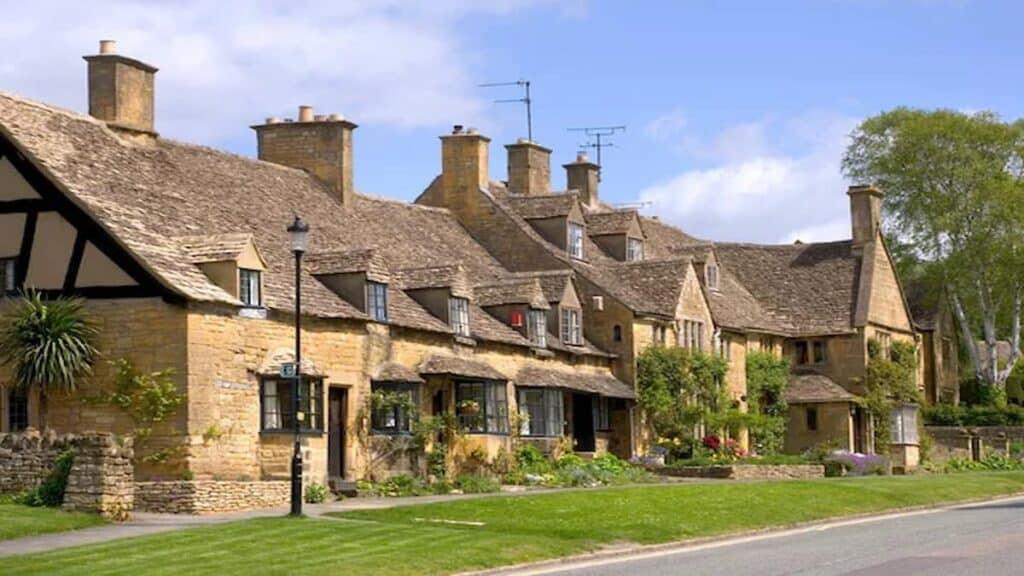
Broadway calls itself the jewel of the Cotswolds along its wide street. The high street stretches wide with chestnut trees down the middle. Cotswold stone buildings line both sides in perfect harmony throughout the village. This was once a major coaching stop between London and Wales centuries ago.
The Lygon Arms has hosted travellers since the 16th century on the high street. Traditional pubs serve local food and beer to visitors exploring the Cotswolds. Broadway combines great shopping with magnificent architecture throughout its centre. This makes it another of the best villages for staying several nights.
Broadway Tower and Countryside Views
Broadway Tower sits on the second highest point in the Cotswolds at 1,024 feet elevation. The tower itself stands 65 feet tall on Fish Hill above Broadway. You can see 16 counties from the top on clear days. The tower was built in 1798 as a folly by the 6th Earl of Coventry.
The tower housed Sir Thomas Phillipps’ private printing press from 1822 to 1862. Pre-Raphaelite artists including William Morris used it as a country retreat. The tower museum now covers three floors with a rooftop viewing platform. A Cold War nuclear bunker sits nearby from the 1950s and 1960s.
What are the best villages in the Cotswolds? Broadway always makes everyone’s list of towns to visit without question. It offers the perfect blend of authentic charm and practical amenities. You get beautiful Cotswold stone architecture plus modern comforts and restaurants. Most people on a trip to the Cotswolds include Broadway in their plans.
🏡 More Picturesque Villages and Towns to Visit
Burford and Snowshill: Villages and Towns
Burford serves as the gateway to the Cotswolds from the east. The steep high street drops down towards the River Windrush below dramatically. Medieval merchants built grand houses here with wool profits centuries ago during prosperity. The Church of St John the Baptist dominates the skyline with its impressive tower reaching up.
Snowshill hides in the hills north of Broadway as a sleepy village. This little village clusters around a small green with traditional stone cottages. Snowshill Manor houses an eccentric collection of crafts and curiosities accumulated over decades. The terraced gardens offer stunning views across the countryside rolling away in all directions.
Chipping Campden and Favourite Places to Visit
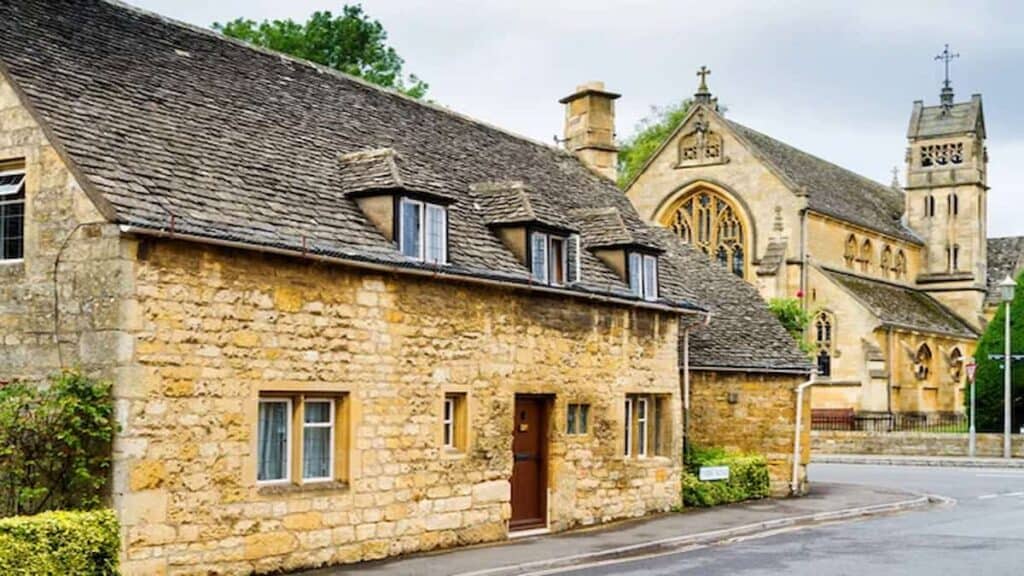
Chipping Campden marks the start of the Cotswold Way walking trail. This market town in the Cotswolds has over 270 listed historical buildings. The high street features some of the finest Cotswold stone buildings in England. Look for the 17th-century Market Hall in the town centre where merchants once traded.
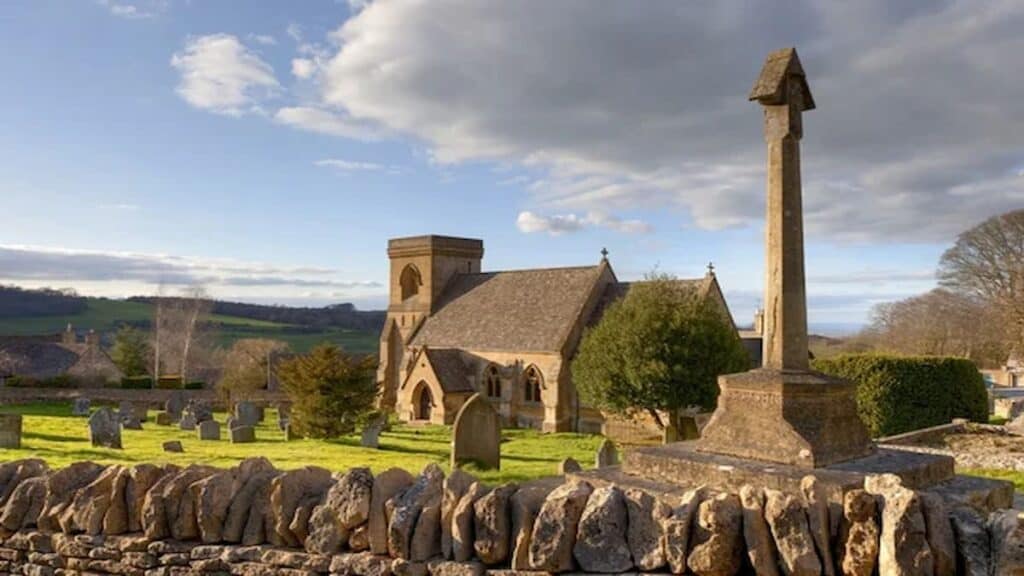
Painswick perches on a hillside with its famous churchyard yew trees. The Church of St Mary has 99 ancient yew trees planted there. The Rococo Garden offers beautiful grounds to explore in this picturesque village. Winchcombe sits below Sudeley Castle in a sheltered valley to the north.
Hidden Gems Around the Cotswolds
Exploring smaller villages nearby reveals the real English countryside at its best. These spots to visit see fewer visitors than famous places like Bibury or Castle Combe. You’ll find authentic village life continuing as it has for centuries in these idyllic villages. One of my favourite places might be whichever hidden gem you discover yourself while exploring.
🚗 Planning Your Trip to the Prettiest Villages in the Cotswolds
Getting Around and Visiting the Cotswolds
Getting around this part of the Cotswolds requires a car for visiting the prettiest villages in the Cotswolds easily. Buses connect major towns but smaller villages see few services daily. Some villages like Castle Combe have tiny car parks that fill fast with visitors. Arrive before 10am or after 4pm for better luck finding spaces near villages.
Spring and autumn offer the best time to visit with fewer crowds everywhere. March through May brings wildflowers and lambs in fields around the villages. September and October give you apple cider at farm shops and shorter queues everywhere. Summer brings tour buses and packed villages between 10am and 4pm in popular spots.
Where to Stay in the Cotswolds
Moreton-in-Marsh and Kemble serve as main train stations for the region. From there you’ll need buses or taxis to reach individual villages. Cirencester works as the capital of the Cotswolds for supplies and services. Book places to stay ahead if visiting weekends or summer months throughout the year.
Stay in market towns like Stow, Moreton-in-Marsh, or Broadway for more accommodation options. These towns have hotels, B&Bs, and restaurants for every budget and style. You can drive to smaller villages for day trips easily from these bases. Small inns in villages like Bourton fill quickly and cost more per night.
Making the Most of Best Villages in the Cotswolds
Visit at least three or four villages to appreciate the differences between them. Bibury works for photographers chasing perfect shots of Arlington Row cottages. Bourton suits families with kids who want water fun and museums. Castle Combe appeals to history lovers seeking unspoiled medieval scenes and one of the best preserved villages anywhere.
Don’t rush through in one day on a quick visit to tick boxes. Stay overnight to experience villages after day trippers leave for home. Early morning and evening offer the best light and peaceful atmosphere in these beautiful places. The wool trade created these beautiful Cotswolds villages centuries ago with honey-coloured stone. Now tourism supports the local economy instead of wool, but the charm remains exactly the same.