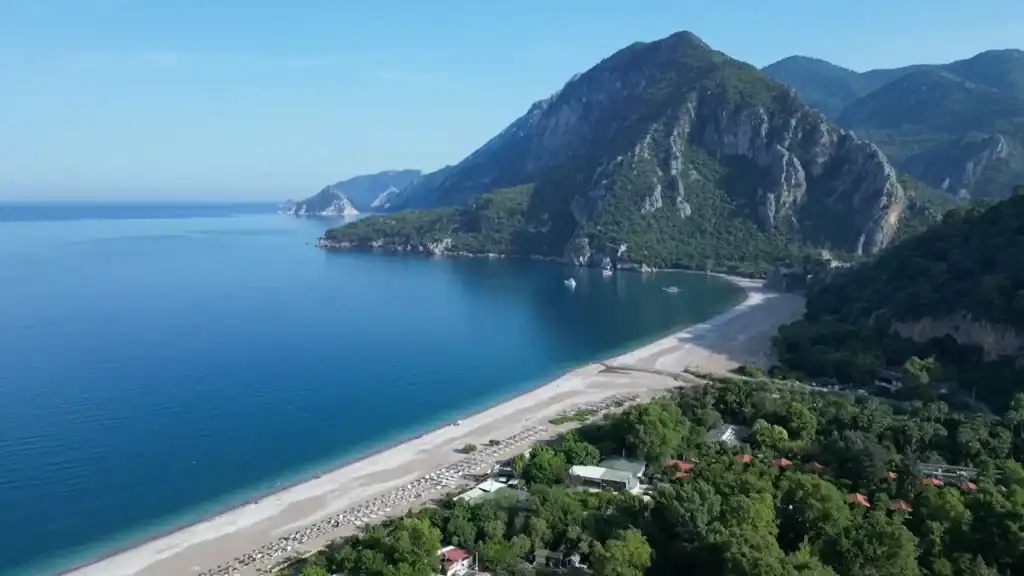

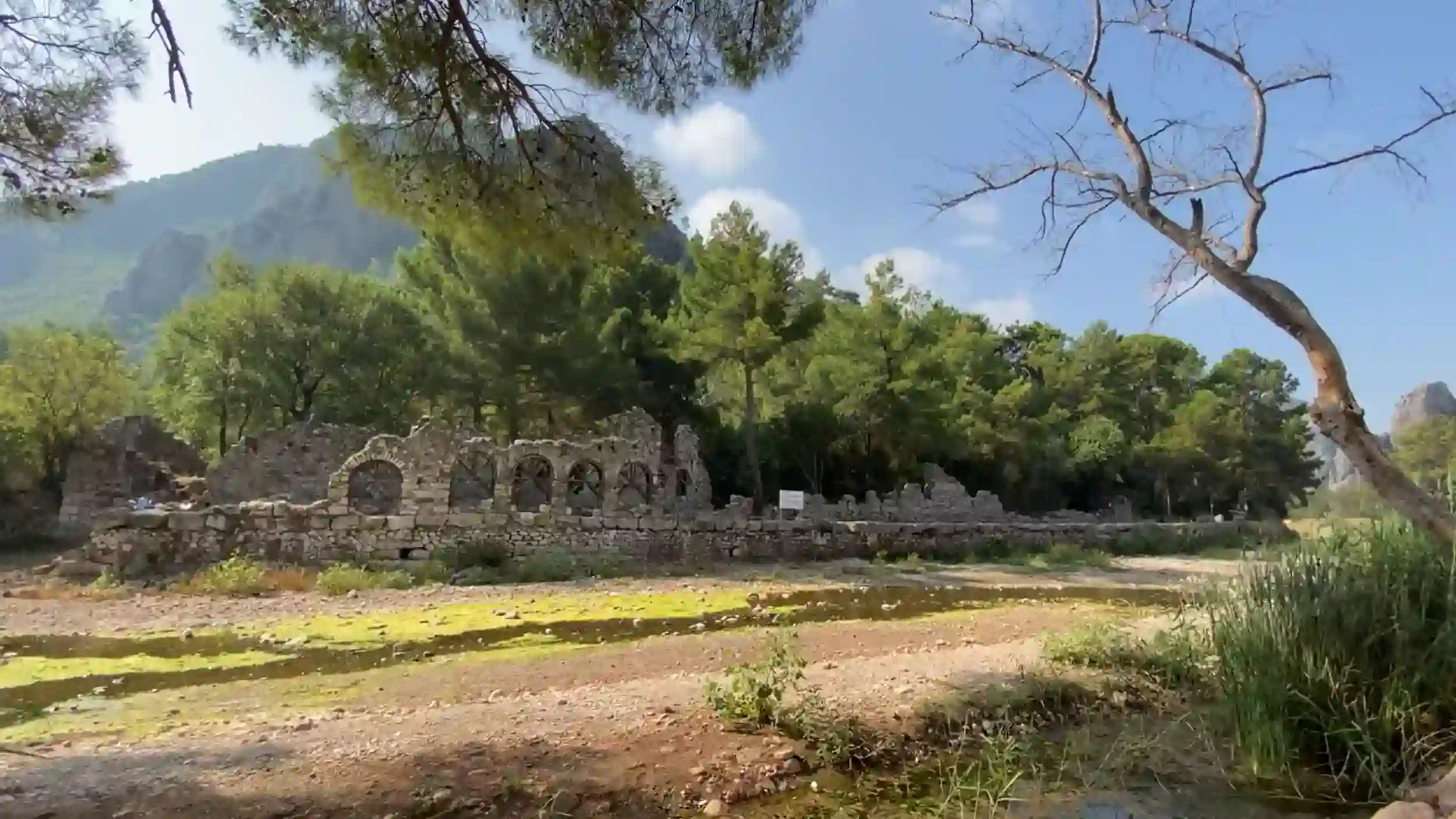
Olympos Beach entrance fee is €10-€17 (300-500 TRY as of January 2025) paid at the Olympos Ancient City gate, with Museum Card holders entering free. The ticket includes access to both Lycian ruins and the pebble beach below. Payment accepts card or cash, with the beach located 400 meters downhill through the archaeological site near Çıralı village in Antalya province.
👀 Olympos Beach entrance fee: At a Glance
📌 Current cost: €10 (approximately 350-400 TL) per person as of 2024, paid at site entrance
👥 Who pays: Everyone accessing beach via Olympos village, Museum Card holders enter free
⏱️ Validity: One-day access with re-entry allowed, ticket booth open 8am to 9pm April-October
🌤️ What’s included: Ancient Lycian ruins, beach access, shaded forest paths through archaeological site
💰 Hidden costs: Daily fee adds up, €50 for five-day stay versus Çıralı’s zero entrance charges
⚠️ Ticket enforcement: Guards check at ruins entrance, no alternative path from Olympos village to beach
🚫 Skip if: You’re budget traveling long-term, prioritize beach over history, or staying in Çıralı anyway
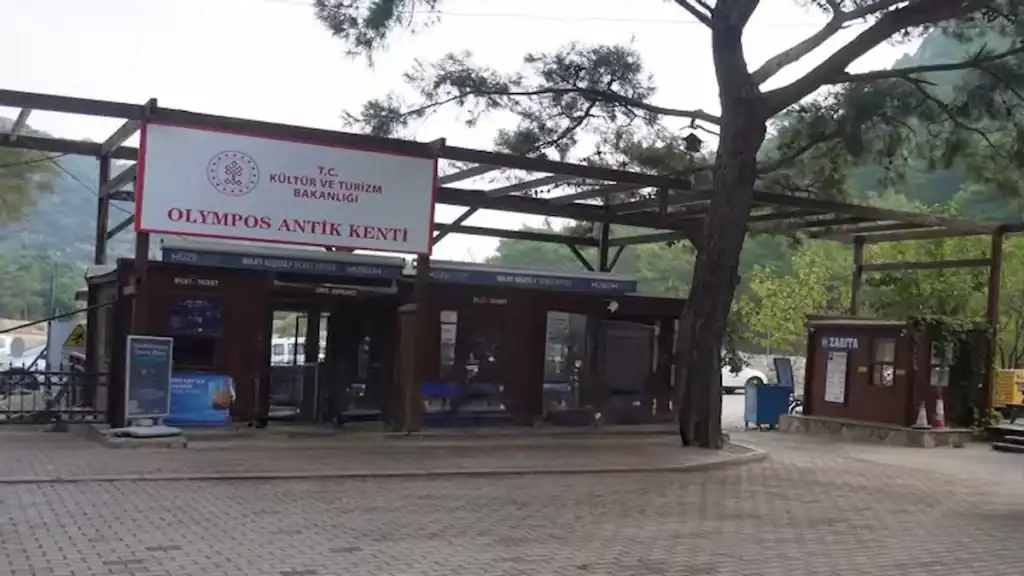
🏛️ Understanding the Olympos Beach Entrance Fee Structure
The fee covers ruins. You’re paying for access to an ancient site, not a beach. Olympos Beach sits within the old Lycian city ruins. The site has protected status as part of Olympos Beydaglari National Park. The ruins date from around 300 BCE through Roman times into the 3rd century AD. Medieval builders added more later.
Turkey’s Culture Ministry manages it. The Turkey Ministry of Culture and Tourism classifies this as a paid archaeology zone. Koç University runs the digs here. Your entrance fee funds ongoing restoration and site care. Revenue also supports protection of the endangered Caretta caretta sea turtles nesting here.
Why Mediterranean Sand Requires Ancient City Admission
Geography creates the payment rule. The ancient city sits on the valley floor between mountains and sea. Olympos village sits inland behind the ruins. Every path from village rooms to the coast goes straight through the archaeology zone. The Akçay stream cuts through the ruins. Ancient people used this as a natural harbor route.
Tickets cost 220 TL. Tripadvisor lists current prices, though they change with Turkey’s currency. The U.S. State Department Turkey travel information says carry Turkish lira cash for such purchases. Museum Card holders skip fees entirely. Otherwise, you’ll pay cash at the small ticket booth. Then you walk down the forest path toward ruins and beach.
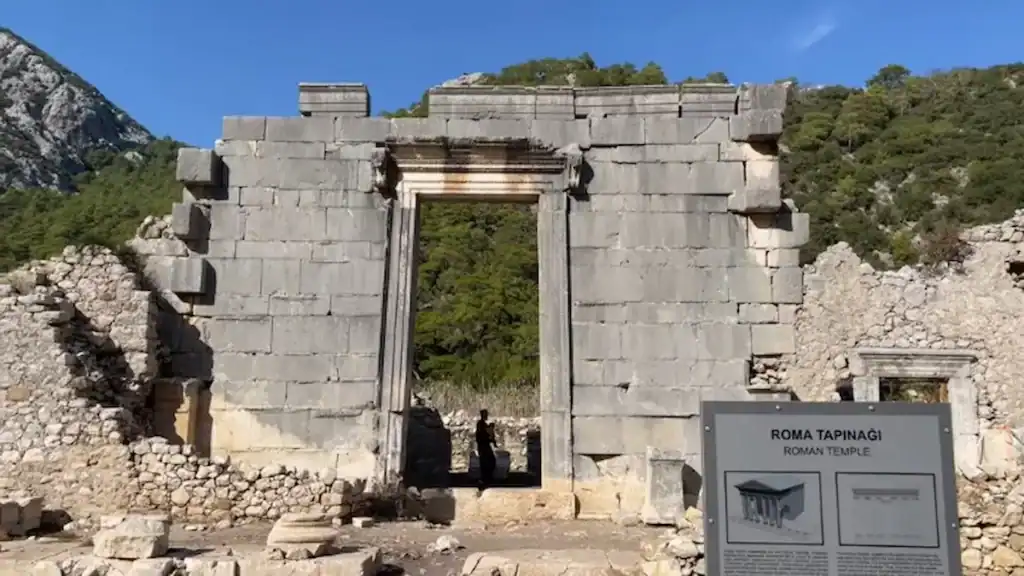
🎟️ What Your Olympos Beach Entrance Fee Actually Buys
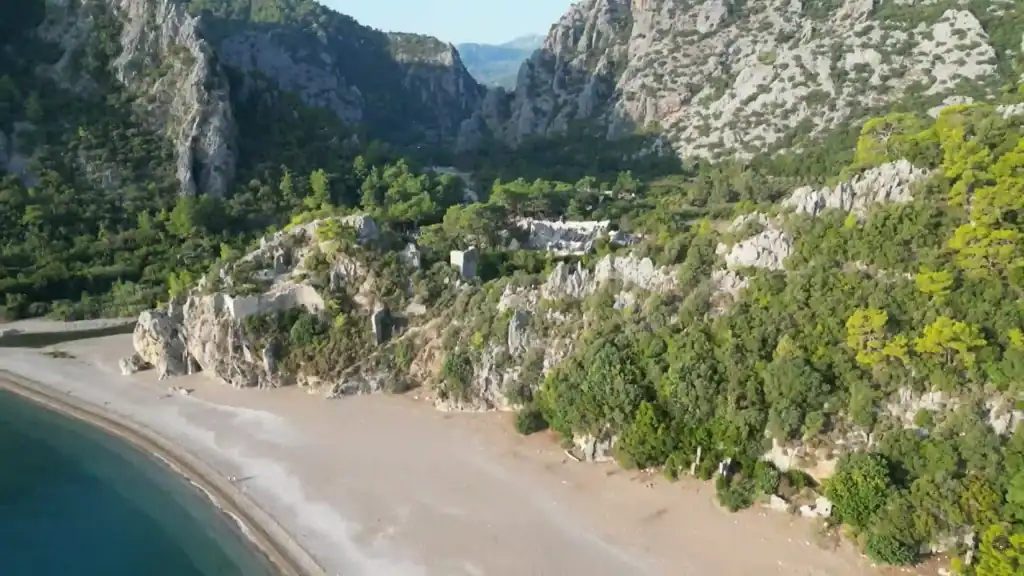
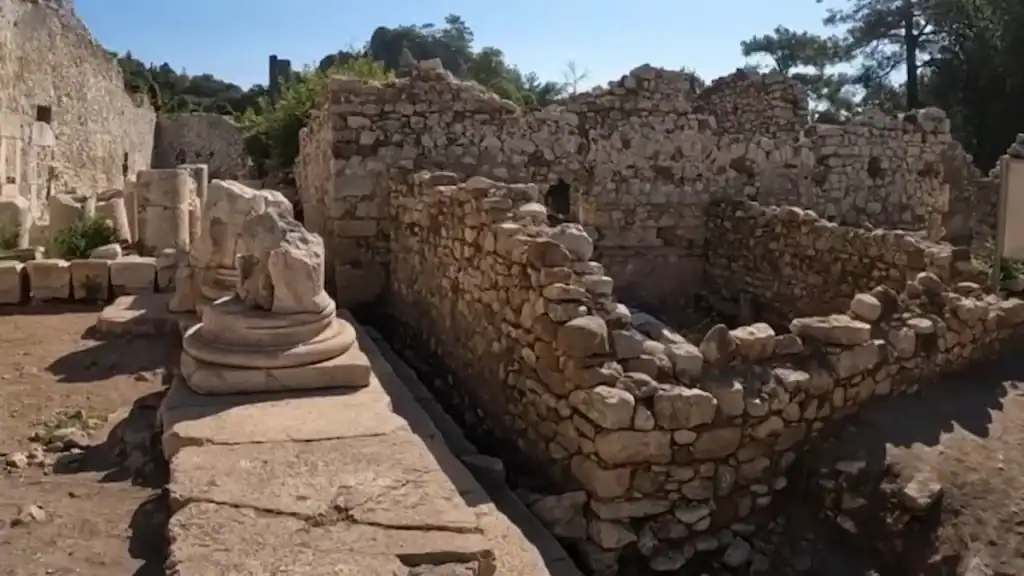
You’re paying for real archaeology. This isn’t sanitized tourism. Unlike other Turkish sites, Olympos ruins aren’t laid out neatly with ropes. Nature took back much of the city. Fig trees grow through Byzantine church walls. The forest hides structures not fully dug up yet. This wild mix creates mood missing from over-restored sites.
The Temple Gate greets you first. This massive Hadrian-era archway has three openings. Beyond it, paths split into goat trails leading to scattered buildings. You’ll find a Roman theater built for 5,000 people. Vegetation hides its outline though. The burial ground has Lycian tombs from the 3rd century AD. Mosaic pieces peek through plants near old bathhouses.
Lycian Ruins Through Forest or Overpriced Beach Access
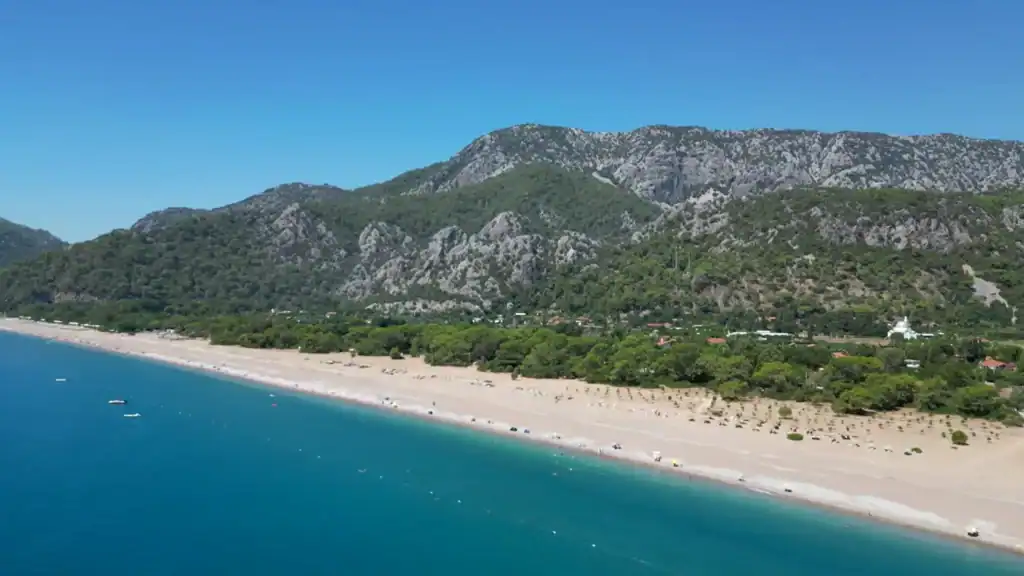
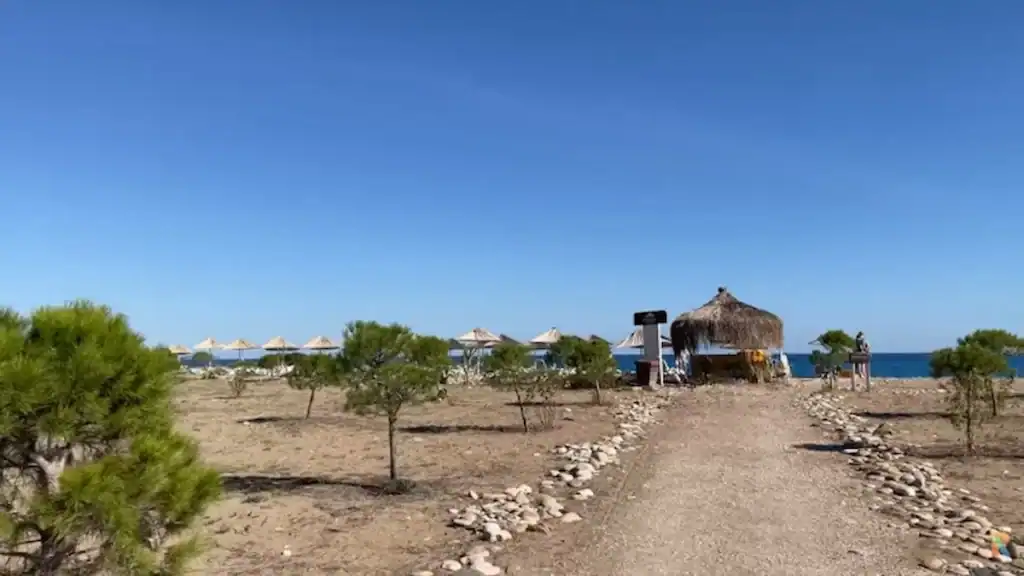
The beach delivers the least value. It’s a pebble and shale coast stretching 3.5 kilometers. No shade structures or beach chairs exist here. You’re getting raw Mediterranean coast without resort perks. Families with children struggle on the steep drop-off. Shallow water disappears quickly here. Strong waves during certain seasons make swimming hard for young kids.
The combination justifies the cost. You wade through ancient harbor ruins to reach the water. You swim with mosaic floors visible beneath waves. Early Christian churches stand meters from your beach towel. The GoTürkiye official tourism portal promotes this mix as Turkey’s edge over generic Mediterranean beach resorts. Whether it’s worth €10 daily depends on your priorities and budget limits.
🚶 How to Access the Same Coast Without Paying
Çıralı village offers the loophole. The same 3.5km beach stretches north from Olympos ruins into Çıralı land. No archaeology site blocks access to the coast here. Entrance is free from the Çıralı end. At the Olympos end you pay. Çıralı guesthouses sit 100 to 750 meters from the beach. Direct village paths lead there.
The villages use separate access roads. They sit 5 kilometers apart from the D400 highway. If you’re staying in Olympos, walking to Çıralı’s free beach takes 15 minutes down the shore. This means paying the ruins entrance at least once to reach the water first. Most budget travelers find it easier to just pay the fee. They’ve already chosen Olympos rooms anyway.
Çıralı’s Northern Paths Bypass the Olympos Beach Entrance Fee Entirely
Smart budgeters book Çıralı from the start. This kills daily entrance fees completely. You can walk south along the beach toward Olympos ruins from the other direction. The ruins have entrances at both ends with ticket booths. But walkers often pass through after hours. The site closes at 9pm in summer and 5:30pm in winter. This creates windows for free access.
This works best for swimmers. Çıralı’s beach section offers the same pebble coast, clear water, and mountain backdrop. The main trade-off involves missing guided tours and site info at the Olympos entrance. The U.S. Embassy Turkey Smart Traveler Enrollment Program provides current safety updates for both villages within Antalya Province.
💎 When the Fee Feels Justified
Photography lovers will extract the maximum value. The forest-covered ruins create memorable shots impossible at sterile parks. Golden hour light filters through pine trees onto marble columns beautifully. Dawn visits capture the site before tour buses arrive with crowds. The Temple Gate framed by Mediterranean blue in back becomes your vacation calling card.
History buffs find the fee reasonable too. Walking the same harbor stones where Roman traders unloaded timber connects you to ancient trade. The site’s partial dig state helps rather than hurts this connection. Ongoing Koç University digs mean new structures appear annually. This rewards repeat visitors. The sense of stumbling upon history rather than viewing museum glass justifies the daily cost.
Early Morning Ruins Exploration Before Tour Bus Invasions
Arriving at 8am delivers different value. The site opens then. The first two hours belong to overnight guests who walk from Olympos village treehouses in minutes. The forest stays cool. Wildlife remains active. You photograph ruins without crowds. Morning light hits the valley dramatically. This creates ideal conditions for both exploring and photo sessions.
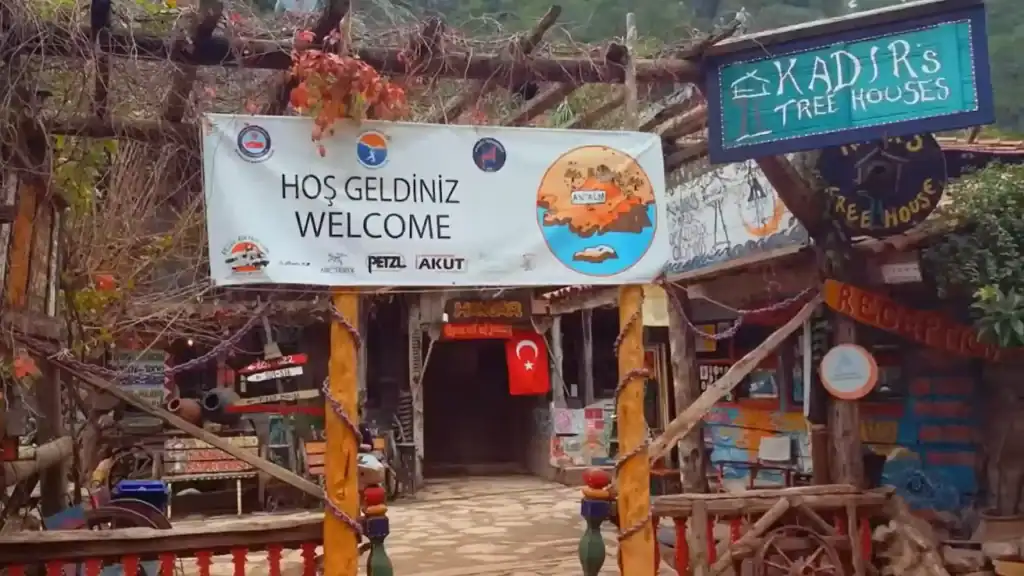
This timing explains why paying makes sense. If you’re staying in Olympos, your room includes breakfast. So you finish eating, walk ten minutes to the ticket booth, and enter before crowds. You’ll explore ruins thoroughly and swim in relative quiet. You return to your treehouse before midday heat. Day-trippers arrive during the worst hours. They battle crowds, endure peak temps, and leave feeling they overpaid.