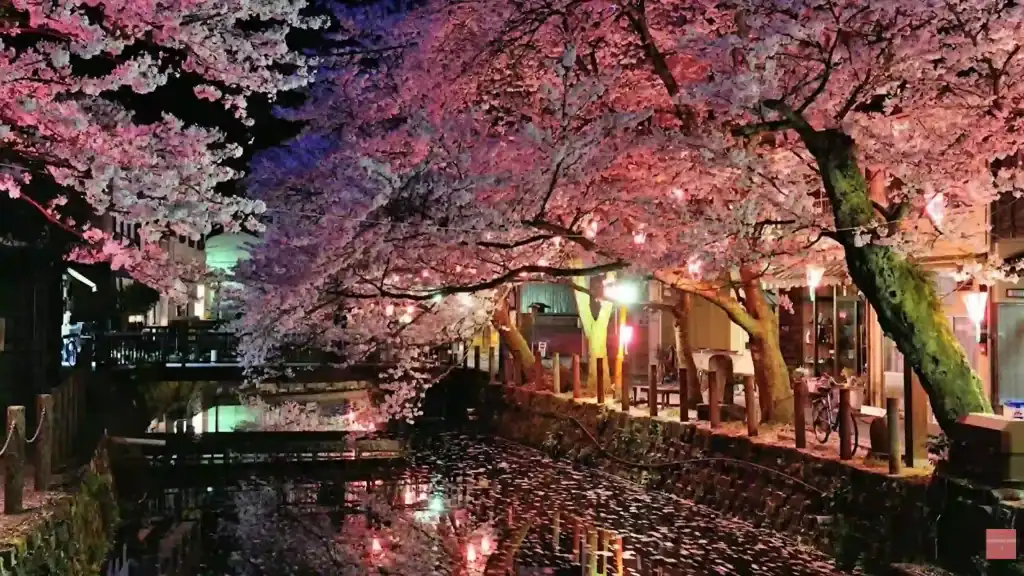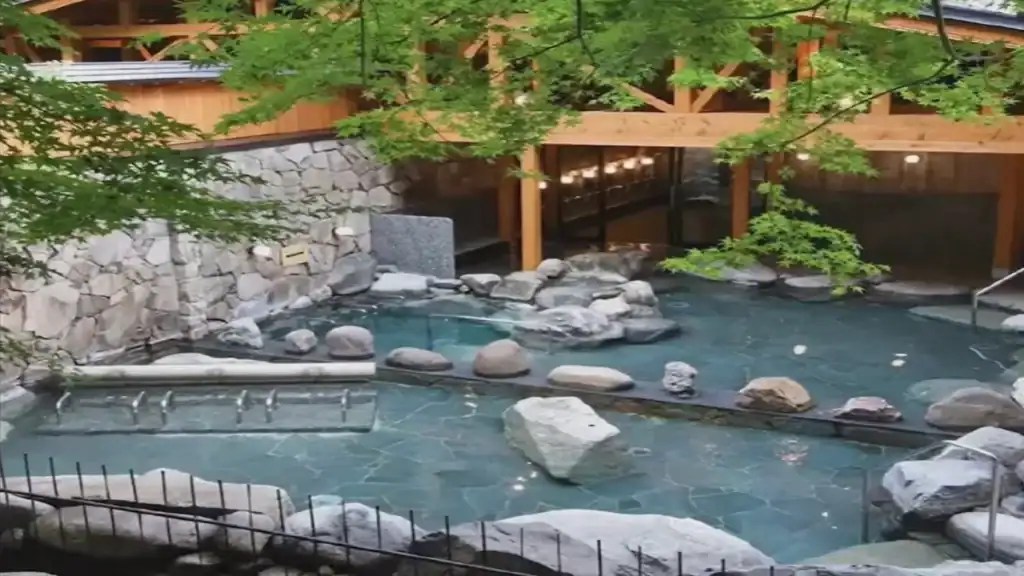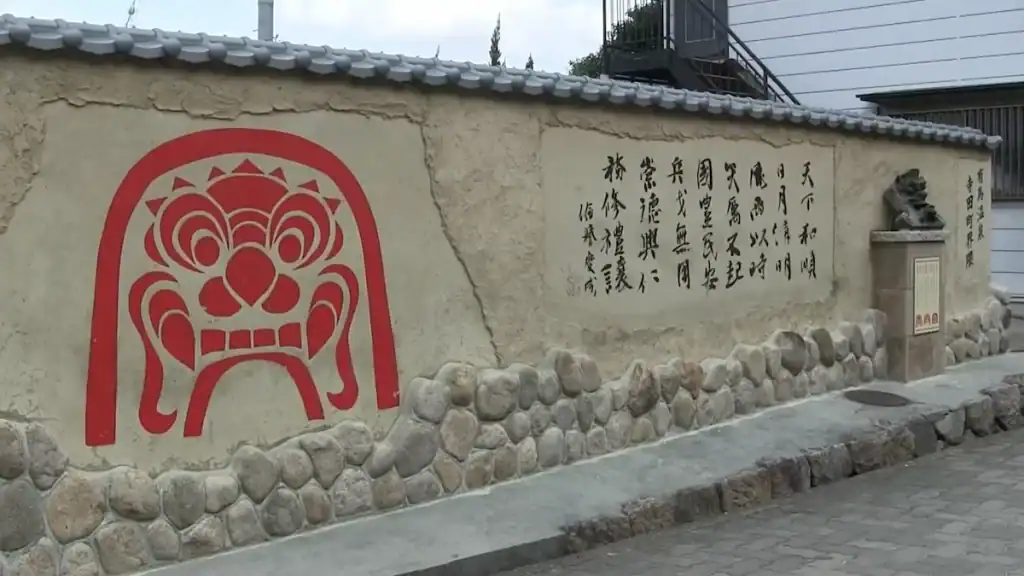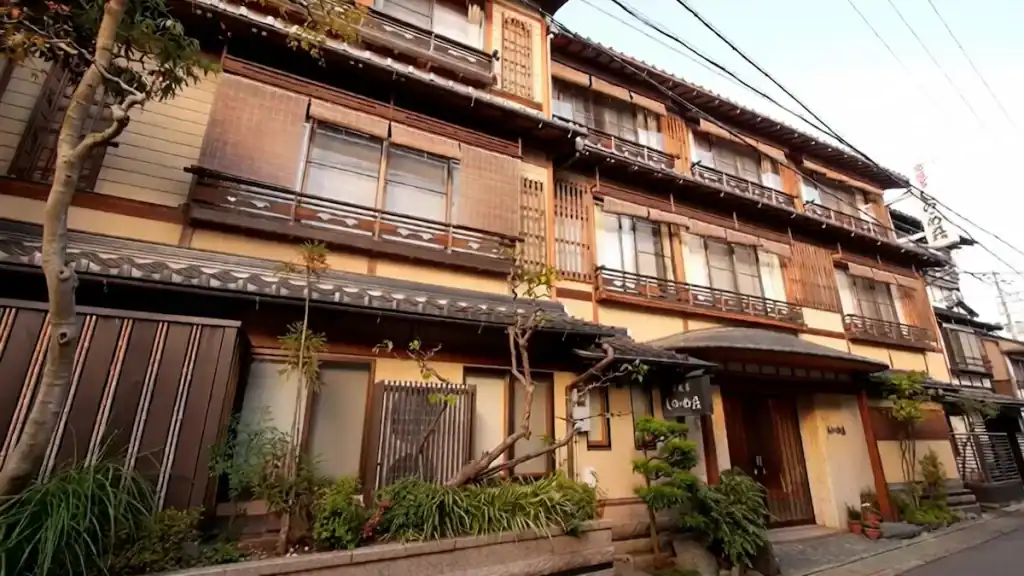

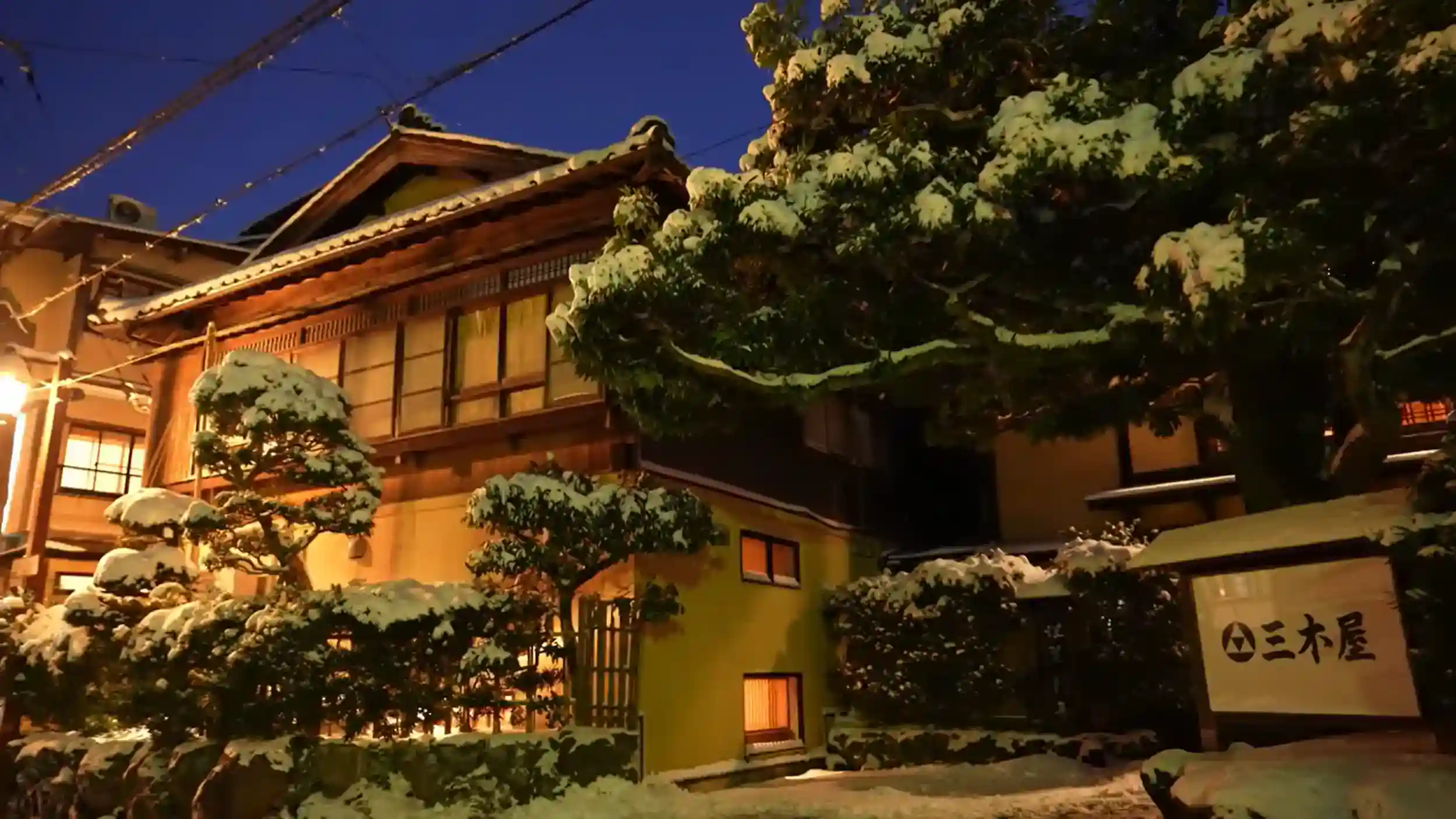
One night in Kinosaki Onsen provides sufficient time to visit all seven public bathhouses (sotoyu-meguri tradition), enjoy a multi-course kaiseki dinner at your ryokan (typically ¥15,000-¥30,000 per person), and stroll the willow-lined canals in complimentary yukata. Most accommodations include free onsen passes, breakfast, and access to historic baths like Satono-yu, Mandara-yu, and Kouno-yu, making this Japan’s premier hot spring town experience.
👀 One Night in Kinosaki Onsen: At a Glance
📌 Usable hours: 19 hours from 3pm check-in to 10am checkout
👥 Baths you’ll visit: 3-4 out of seven public bathhouses realistically
⏱️ Evening window: 3pm-11pm gives you 8 hours for bath-hopping
🌤️ Morning crunch: 7am-10am leaves only 3 hours before checkout
💰 Cost per night: ¥35,000-50,000 per person with kaiseki meals
⚠️ Gender schedules: Some baths alternate male/female access daily
🚫 Skip if: You want to complete the full seven-bath circuit experience
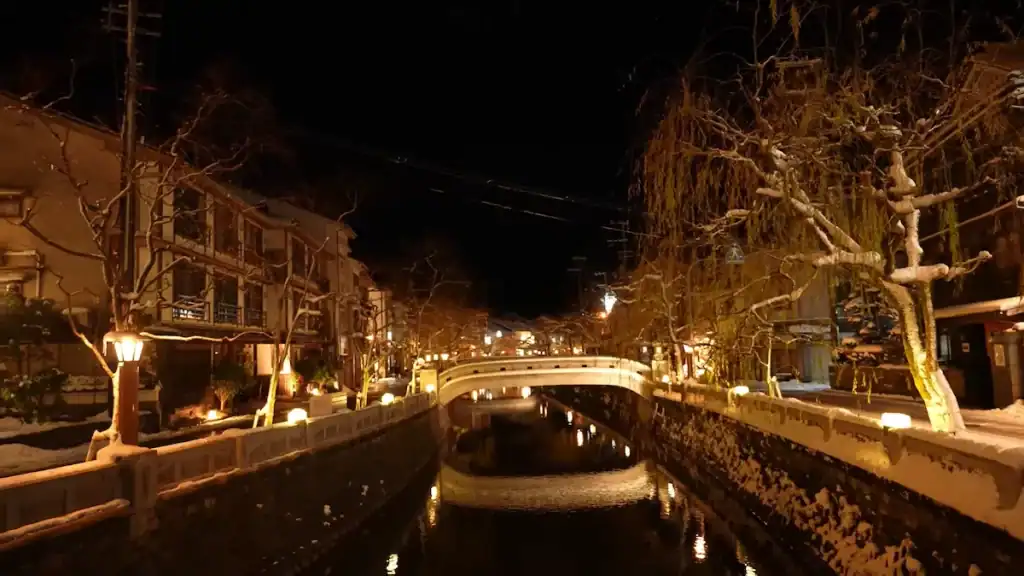
⏰ Realistic Timeline for One Night in Kinosaki Onsen Stay
Your arrival time dictates everything about spending one night in Kinosaki Onsen. The JR Limited Express from Kyoto arrives at 1:49pm if you catch the 11:25am train, giving you time for lunch before ryokan check-in. Most travelers arrive between 2pm-4pm, meaning you lose the entire first half of the day to travel rather than bathing.
The math works against you immediately. Seven public bathhouses require roughly 90 minutes each when you factor in walking time, undressing, washing, soaking, drying off, and getting dressed again. That’s 10.5 hours to visit all seven properly. One night in Kinosaki Onsen gives you maybe 11 hours of usable time split awkwardly between evening and morning sessions.
Check-in at 3pm to checkout at 10am schedule
Standard ryokan policies lock you into rigid timing. Check-in starts at 3pm sharp, not earlier. Some properties offer luggage storage if you arrive beforehand, but you can’t access your room, change into your yukata, or receive your onsen pass until the official check-in hour. The Japan National Tourism Organization confirms these standardized times across Japanese ryokan accommodations.
Checkout at 10am forces you out regardless of how you feel. Unlike Western hotels where you might negotiate a late checkout, Japanese ryokan operate on strict schedules tied to meal service and room preparation. Your onsen pass expires at 10am checkout day, cutting off bathhouse access exactly when you might want one final morning soak. The 19-hour window from 3pm to 10am sounds reasonable until you subtract eight hours for dinner, sleep, and breakfast, leaving you with 11 fragmented hours for seven bathhouses.
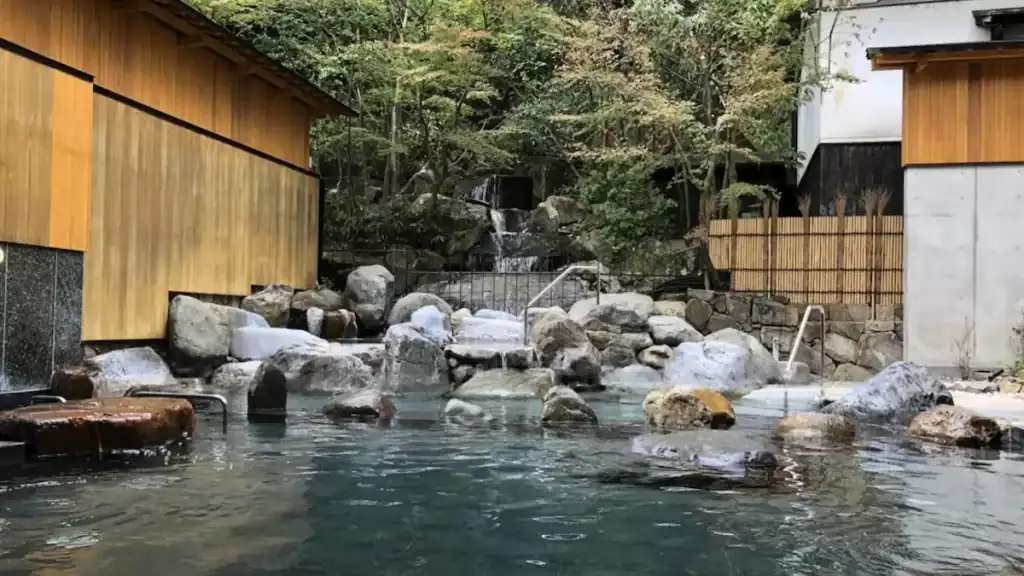
🛁 How Many Baths One Night in Kinosaki Onsen Actually Allows
Three to four bathhouses represents the realistic maximum for one night in Kinosaki Onsen. Travel bloggers who claim visiting all seven in one night either rushed through each bath without properly soaking or skipped the elaborate kaiseki dinner that’s the whole point of ryokan culture. You didn’t travel 2.5 hours to sprint between bathhouses like a scavenger hunt.
Each bathhouse visit requires 60-90 minutes when done properly. Walk 5-10 minutes from your ryokan wearing yukata and geta. Find the bathhouse entrance. Remove shoes. Undress completely in the changing area. Wash your body thoroughly before entering the bath per Japan Onsen Association etiquette guidelines. Soak 10-15 minutes, exit to cool down, soak again. Dry off, dress, walk back. Repeat for the next bathhouse.
Evening session manages 2-3 baths maximum
Dinner service destroys your evening bathhouse window. Most ryokan serve kaiseki dinner between 6pm-8pm, requiring 90-120 minutes to enjoy the multi-course meal properly. You can’t refuse dinner since it’s included in your room rate and represents half the cultural experience. Some properties offer flexible timing, but requesting dinner at 9pm means you’re eating when you should be bathing.
The evening timeline looks like this: Check in at 3pm, settle into your room and change into yukata by 3:30pm. Visit first bathhouse 3:30pm-5pm. Return for dinner preparation and pre-dinner bath at your ryokan 5pm-6pm. Dinner service 6pm-8pm. Visit second bathhouse 8pm-9:30pm. Visit third bathhouse 9:30pm-11pm if you’re ambitious. That’s three bathhouses maximum, and you’re exhausted before bed. Most bathhouses close between 10pm-11pm, eliminating any late-night options. The Kinosaki Onsen official tourism guide lists exact closing times that vary by bathhouse, further limiting your evening choices.
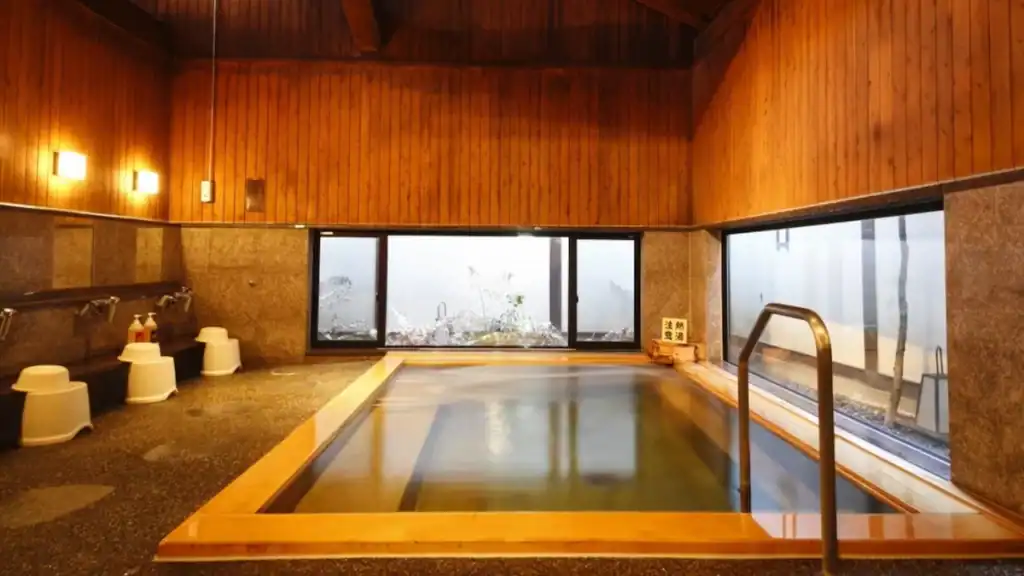
😔 What You Miss With Only One Night in Kinosaki Onsen
Four bathhouses remain unvisited for most travelers spending one night in Kinosaki Onsen. You’ll prioritize the famous ones – Satono-yu with its cave-like atmosphere, Kouno-yu with mountain views, Ichino-yu for its size – and skip the smaller, quieter bathhouses that locals prefer. Yanagi-yu and Jizo-yu often get dropped from one-night itineraries despite offering authentic neighborhood onsen experiences.
The variety across seven bathhouses creates Kinosaki’s unique appeal. Each uses different mineral compositions from separate natural sources. Some have outdoor rotenburo sections, others focus on indoor architectural beauty. Mandara-yu features barrel-shaped baths, while Goshono-yu offers a waterfall feature. Rushing through three bathhouses in one night means missing the comparative experience that makes Kinosaki special among Japan’s 3,000+ onsen destinations.
Morning bath rotations and gender-alternating schedules
Gender-specific schedules complicate planning for one night in Kinosaki Onsen even further. Several bathhouses alternate which side is male versus female daily or even twice daily. Kouno-yu might have its mountain-view outdoor bath on the women’s side today but switch to men’s tomorrow morning. You won’t know until you arrive and check the posted schedule.
Morning brings additional frustration. Some bathhouses don’t open until 3pm, eliminating them from your pre-checkout window entirely. Others open at 7am but you need to wake up, eat breakfast, pack your belongings, and still leave time for bathing before the 10am deadline. The U.S. State Department Japan travel advisory recommends understanding local customs and schedules before arrival, but even prepared travelers struggle with Kinosaki’s complex bathhouse rotation system during a one night stay.
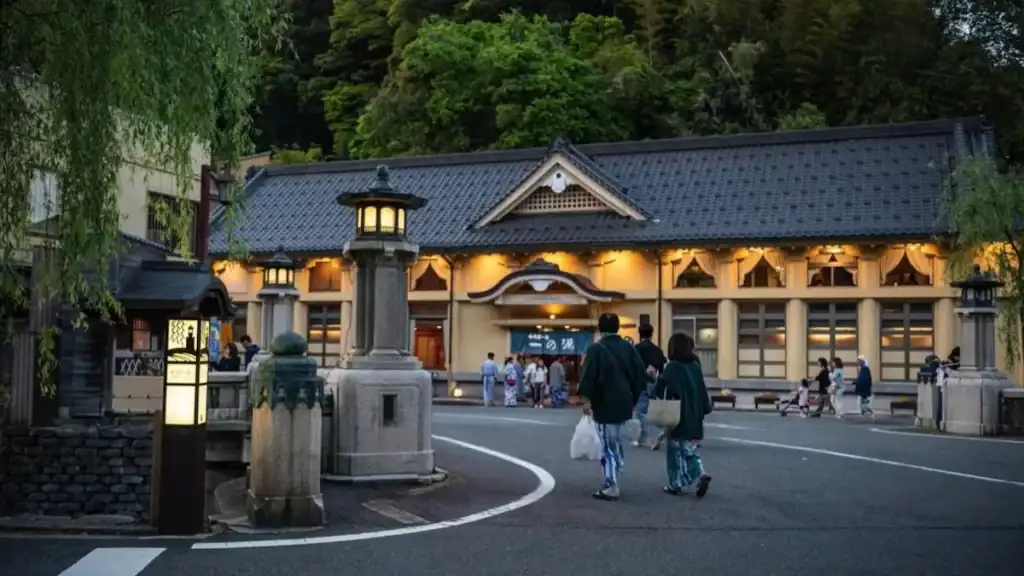
💡 Maximizing Your Limited One Night in Kinosaki Onsen Time
Early arrival changes everything for one night in Kinosaki Onsen success. Take the earliest possible train from Kyoto or Osaka, arriving by 1pm-2pm. Check your luggage at your ryokan even though official check-in isn’t until 3pm. Most properties store bags and provide your yukata early, letting you start bathing immediately rather than waiting in your room.
Prioritize bathhouses strategically instead of trying to see them all. Research which baths have the features you care about most – outdoor sections, unique architecture, specific mineral properties. The official Kinosaki tourism website provides detailed descriptions and photos of each bathhouse. Create a ranked list before you arrive, then knock out your top three choices in the evening session when you’re fresh and energetic.
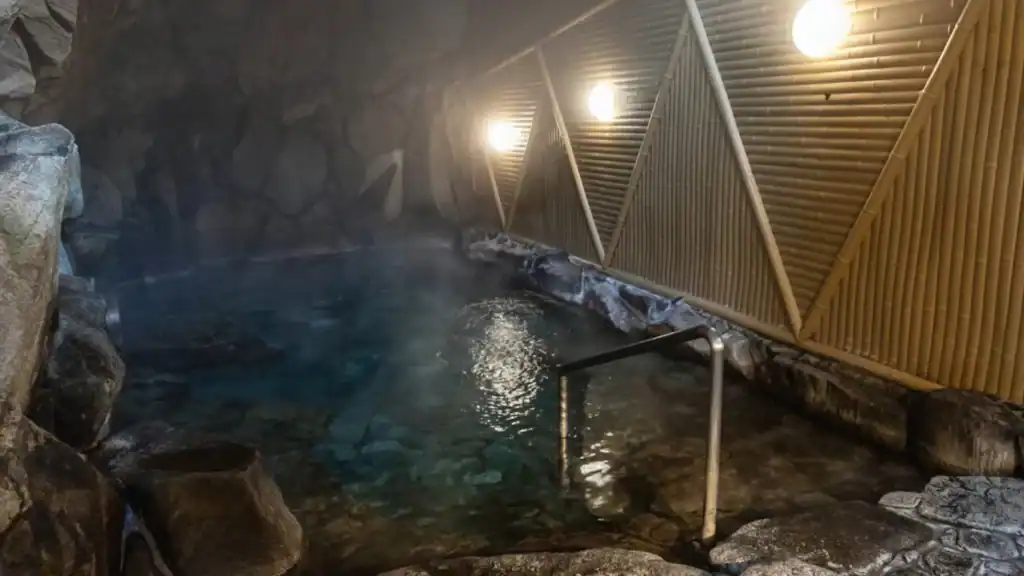
Strategic bath selection and early arrival tactics
Skip your ryokan’s private bath during one night in Kinosaki Onsen. Every minute spent in your accommodation’s own onsen is time stolen from experiencing the seven public bathhouses that make Kinosaki unique. Your ryokan bath will still be there if you have extra time, but the public bathhouses close at specific hours and won’t wait for you.
Morning execution requires discipline. Wake at 6:30am, skip your ryokan’s elaborate breakfast, and head straight to the early-opening bathhouses. Grab breakfast at a local café between baths instead. The 7am-9:30am window gives you enough time for one, maybe two more bathhouses if you’re efficient. Request a simple onigiri breakfast from your ryokan the night before if you can’t bear to skip their meal entirely. Download the official Kinosaki Onsen app mentioned on Visit Kinosaki to track real-time closing days and gender schedule rotations, preventing wasted trips to closed or unavailable bathhouses. One night in Kinosaki Onsen forces tough choices, but strategic planning helps you experience the town’s bath-hopping culture even within 19 compressed hours.