
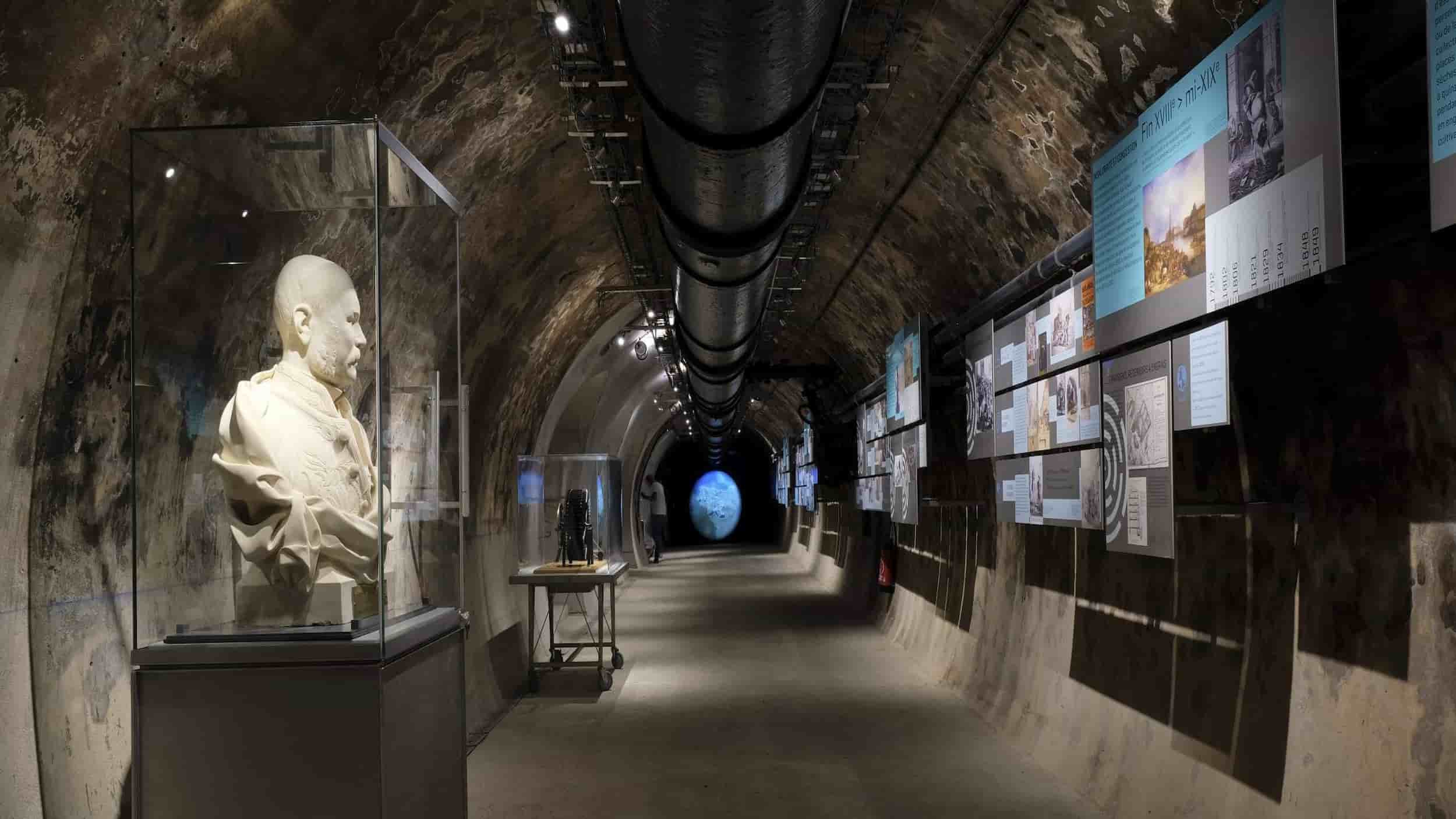
A Paris sewer tour offers a unique and fascinating way to explore the city beneath its streets. Visitors can learn about the history, engineering, and daily operations of Paris’s extensive underground network. Experiencing a Paris sewer tour provides an unusual yet memorable perspective on the city, combining education, history, and curiosity in one distinctive adventure.
👀 At a Glance:
- 🗓️ Best time: Tuesday or Wednesday mornings for fewer crowds
- 💰 Budget range: €13-65 per person depending on extras
- ⏰ Duration: 90 minutes including displays and underground sections
- 🎯 Must-see: Original Haussmann-era tunnels from the 1860s
- 💡 Insider tip: Visit first Sunday October-March for free entry
🚽 Can You Tour the Paris Sewers?
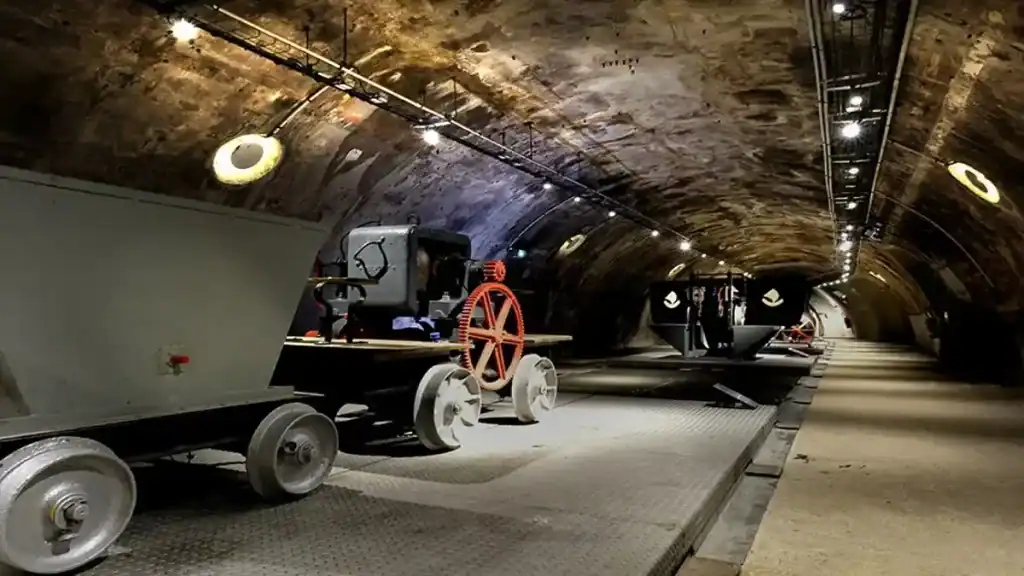
Yes, you can tour the Paris sewers through the official Paris Sewer Museum. The museum is also called the Musée des Égouts de Paris by locals. The museum offers a self-guided tour through 500 metres of real working tunnels beneath Paris. You’ll walk the same sewers of Paris that Victor Hugo wrote about in Les Misérables.
The Paris sewer tour takes you into the actual sewer system that handles sewage and wastewater. This isn’t a replica or fake display at all, it’s the real thing. You’re exploring active sewers that still drain 2.2 million Parisians every single year. The sewer network also handles millions of tourists who visit the city annually.
The Paris Sewer Museum Entrance Location
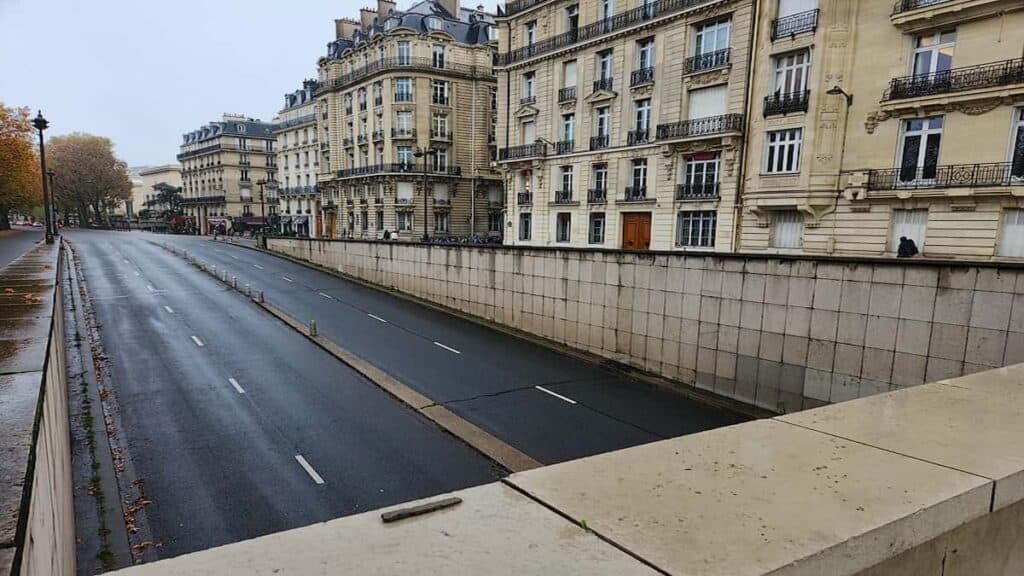
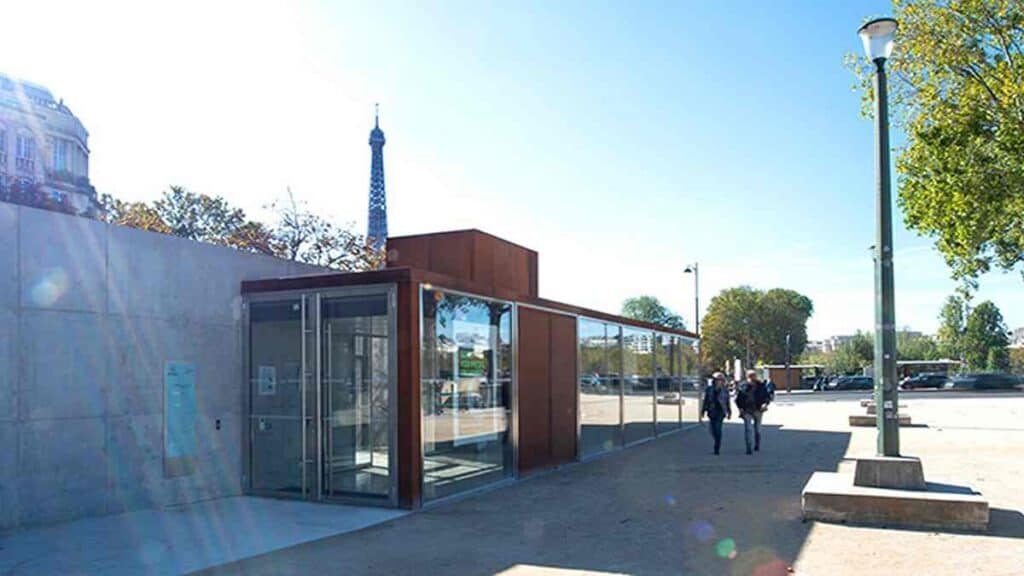
The museum invites visitors to see the underbelly of Paris most people skip entirely. The Paris Museum of Sewers entrance sits at Pont de l’Alma, near the Eiffel Tower. The location is on the Left Bank of the Seine River in central Paris. Metro Line 9 to Alma-Marceau station puts you three minutes away from visiting the sewer museum.
You’ll explore the underground galleries that connect to the Seine River drainage system throughout the city. The tunnels run beneath famous streets like Quai d’Orsay and Avenue Bosquet. These streets are in the elegant 7th arrondissement of central Paris. These same sewers flow under the Champs-Élysées and past the Invalides complex above ground.
Booking Your Paris Sewer Tour in Advance
Book your Paris sewer tour 2-3 weeks ahead through the official musée website for best availability. The sewer museum offers limited spots each day because they carefully control crowd sizes. They control crowd sizes in the underground galleries for safety and air quality. Early booking saves you 15-20% on tickets when you purchase them online. It also guarantees your preferred time slot during busy seasons like summer and autumn.
🏛️ Why the Paris Sewers Became a Famous Tourist Attraction
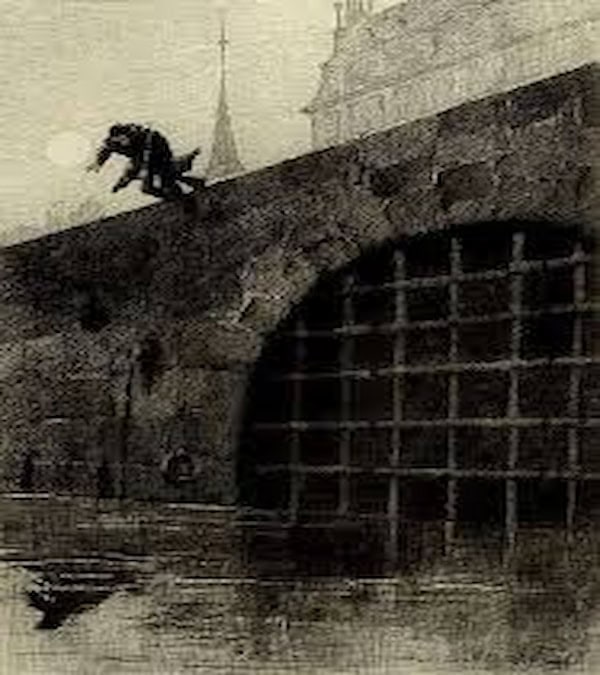
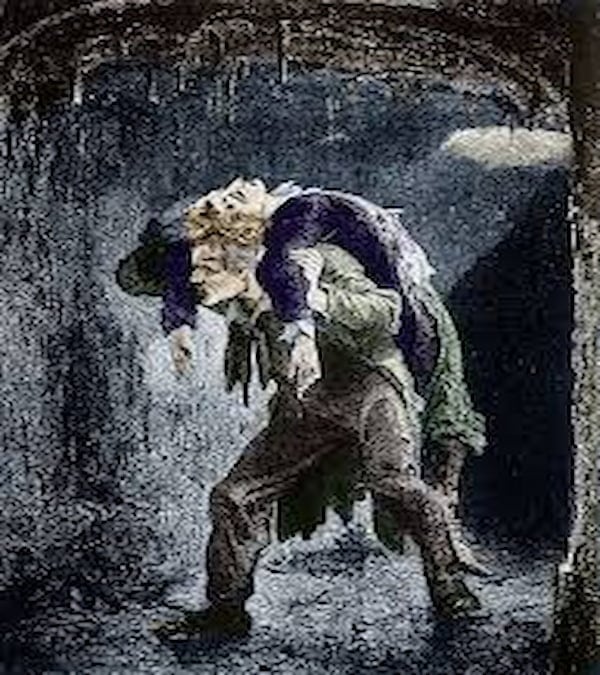
The sewers became famous after Victor Hugo’s Les Misérables featured Jean Valjean’s dramatic escape scene. The escape scene took place through the Paris sewer system in the 1862 novel. The book made these tunnels world-famous across Europe and beyond for decades. Tourists during the 1867 World’s Fair started visiting the sewers out of curiosity. This made them one of Paris’s most unusual attractions today for adventurous travellers.
Belgrand’s Engineering Revolution
Eugène Belgrand and Baron Haussmann built most of the Paris sewer system in the 1850s. Their engineering genius created over 2,400 kilometres of tunnels beneath the entire city. That’s longer than the distance from Paris to Istanbul if you laid them end-to-end. The completely renovated building now showcases their achievement in water management and urban planning. It shows how they transformed Paris from a disease-ridden city into the City of Light.
The museum offers something different from typical Paris attractions like the Louvre or Notre-Dame. It’s unlike the Paris Catacombs or Musée du Louvre that focus on art. While everyone visits those spots, you’ll see how Paris actually works underground every day. The sewer network uses gravity to move everything without any mechanical assistance needed. No pumps are needed to clean the sewers at all, just clever engineering. Water flows naturally down one metre every kilometre towards treatment plants outside the city.
How Sewer Workers Saved Paris from Disease
Parisians take pride in their sewer system because it transformed public health completely. It prevented diseases like cholera that killed thousands before Belgrand’s design was implemented. Before the sewers, polluted water and poor drainage made Paris incredibly dangerous to live in. The engineering saved the Tuileries Gardens area, the Latin Quarter, and neighbourhoods across both banks. Disease rates dropped dramatically once the sewers started operating properly in the 1860s.
The Paris Convention and Visitors Bureau highlights the Paris sewer tour as essential infrastructure viewing. The tour shows infrastructure that protects landmarks from flooding during heavy Seine rainfall. These include Notre-Dame Cathedral, the Palais Royal, and Place de la Concorde across the city. Napoleon Bonaparte and Louis XIV never imagined sewers could become tourist attractions for future generations. Here’s something that surprises most visitors when they learn about the system’s capacity. The entire network processes enough water daily to fill 480 Olympic swimming pools completely.
📍 Finding the Paris Sewer Museum: Location and Metro Access
The Paris Sewer Museum sits at Pont de l’Alma on the Left Bank of the Seine. The exact address puts you right beside the river with excellent views across. You’ll be across from the Eiffel Tower with clear sight lines to the landmark. You’ll see the entrance near Quai d’Orsay with clear signage in multiple languages. Clear signage points to “Musée des Égouts” for visitors approaching from any direction.
Getting There by Metro and Train
Taking métro Line 9 to Alma-Marceau station is the easiest way to reach the museum. Exit the station and walk three minutes south toward the Seine River embankment. You’ll cross Cours Albert 1er, a wide avenue running parallel to the river. Then head to the riverbank where Pont de l’Alma crosses the water towards the Right Bank.
Walking from the Eiffel Tower takes just 15 minutes along the Seine’s edge with lovely views. Head east along the river on Quai Branly following the pedestrian pathway. Then cross Pont de l’Alma bridge to reach the entrance on the opposite bank. This walk passes the American Church in Paris, a beautiful neo-Gothic building worth seeing. It offers great views connecting two major Paris attractions perfectly for efficient sightseeing.
Alternative routes include walking from Invalides if you’re visiting Napoleon’s tomb first. That’s 12 minutes via Avenue de la Motte-Picquet through the residential 7th arrondissement. You can also walk from Trocadéro across the river from the Eiffel Tower. That’s 20 minutes across Pont d’Iéna with spectacular views of the tower. Place de la Concorde is 18 minutes along the Seine quays heading westward. Each route shows you different parts of the elegant 7th arrondissement worth exploring.
Parking and Drain Access Points
RER C trains stop at Pont de l’Alma station directly beside the museum entrance. Take this if you’re coming from farther destinations like Versailles or the airport terminals. This line connects to major hubs throughout Paris and the surrounding region efficiently. Single métro tickets cost €1.90 each way for zones 1-2 in central Paris. Day passes covering central Paris cost €7.50 for unlimited rides on any line.
Driving isn’t recommended because parking near Pont de l’Alma fills up incredibly fast throughout the day. Parking near Pont de l’Alma and the Left Bank fills up incredibly fast. Parking Invalides sits 400 metres away from the museum entrance along the esplanade. It charges €2.40 per hour for spaces with payment by card or coins. The Île-de-France Mobilités website provides real-time parking and transport updates. The parking garage at Avenue Montaigne is 8 minutes away on foot. Parking George V offers alternatives with similar rates and better availability during peak times.
🎫 Planning Your Paris Sewer Tour: Tickets, Hours, and Booking
The sewer museum is open Tuesday to Sunday year-round for visitors exploring underground Paris. Visitors can explore underground Paris during these days between morning and late afternoon. Hours run from 11:00 to 17:00 with tours starting every 30 minutes. Last entry is at 16:00 sharp to allow time for the full tour. They’re closed Mondays and major French holidays throughout the year including Christmas. January maintenance sometimes closes the museum to renovate sections, so check ahead carefully. Check before booking winter trips to avoid disappointment with unexpected closures.
Sewer Museum Ticket Prices and Where to Buy
Adult tickets cost €4.30 at the door for same-day entry to the museum. Students and seniors pay €3.50 with valid ID cards from recognised institutions. Kids under 7 enter free to explore the tunnels with accompanying adults. EU residents under 26 also get free admission when they show proper identification. Show proper identification documents at the entrance to claim your discount or free entry.
You can purchase tickets at the museum entrance from the ticket desk staff. Buy them through the official Paris je t’aime website in advance for convenience. FNAC stores across Paris also sell tickets if you’re buying other attraction passes. The FNAC at Forum des Halles is convenient for central Paris accommodation. Paris Museum Pass holders get priority booking and faster entry through dedicated lanes. They skip regular lines at Musée des Égouts along with 60 other attractions. The pass covers 60 other attractions too, making it excellent value for busy itineraries.
Self-Guided Audio Tour Options
Audio guides cost an extra €5.00 but they’re absolutely worth the investment. They come in eight languages including English and French for international visitors. The self-guided tour through your headphones includes readings from Les Misérables by Victor Hugo. You’ll hear engineering explanations about the sewer system that built modern Paris. Historical stories bring the tunnels to life with fascinating details about construction. They dramatically improve your experience through the underground galleries with expert narration.
The museum is open Tuesday to Sunday which gives you plenty of flexibility. This gives you plenty of options for planning your Paris sewer tour around other activities. Morning slots from 11:00-12:30 have fewer people and better lighting for underground photos. You’ll get better lighting for photos underground when natural light filters through vents. Tuesday and Wednesday mornings are quietest overall with minimal tourist crowds throughout. Weekdays see 40% fewer visitors than weekends throughout the entire year consistently.
Group Discounts and Free Entry Days
Group discounts start at eight people visiting together on the same tour booking. Small groups save 10% on admission prices when booking together through the office. Groups over 20 people save 25% on tickets, making it excellent for tour operators. Schools and companies get additional discounts when they submit educational documentation in advance. Book directly with the Paris Sewer Museum staff rather than third-party websites. Contact them at least three weeks ahead for special group arrangements and coordination.
First Sunday each month from October through March offers completely free entry to everyone. This applies to Musée des Égouts, the Louvre, and Musée d’Orsay simultaneously. Many other Paris museums participate simultaneously in this cultural accessibility initiative across the city. Arrive early because they still limit daily visitors even on free days for safety. Lines form quickly on free Sundays at the entrance starting from 10:30 onwards.
👃 Understanding the Paris Sewer Tour Smell Experience
Honestly? Not that bad at all compared to the expectations most visitors bring along. Most visitors expect something absolutely terrible based on the concept of touring sewers. Modern wastewater treatment means the smell is quite mild throughout the entire tour. It’s earthy and damp, like a basement mixed with wet pavement after rain. You’ll smell the Seine River more than sewage during your entire visit underground.
Ventilation and Air Quality Underground
The sewer museum offers tours through sections with excellent ventilation systems throughout the galleries. Air circulation prevents dangerous gas build-up that creates strong odours in enclosed underground spaces. The museum is open to tourists because they maintain strict air quality standards. You won’t need a mask or special breathing equipment at all during your visit.
Different areas smell different as you walk through the underground galleries and connecting tunnels. The entrance and upper galleries near Pont de l’Alma smell like any underground space. Sections near active sewers have a stronger earthy smell that’s still quite manageable. These sections carry water from the 7th and 8th arrondissements through the system. The historical displays near the gift shop area smell completely neutral without any odour.
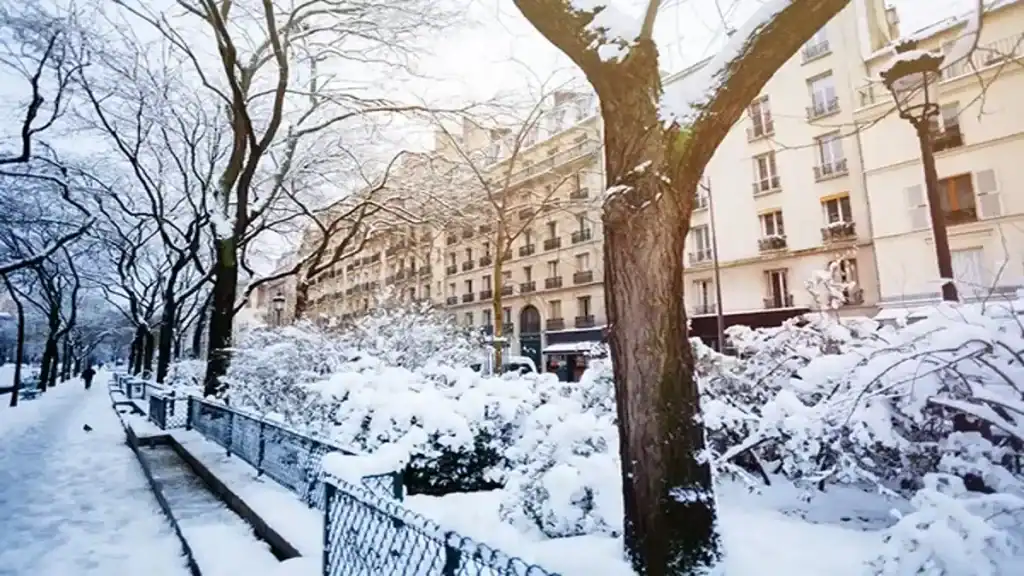
Best Times for Your Sewer Tour Visit
Here’s what locals won’t tell you about visiting the sewer museum at different times. Going after rain actually makes it smell fresher overall throughout the underground network. The increased water flow from the Seine cleanses the entire system naturally every time. The tunnels beneath the Eiffel Tower area smell cleanest because of excellent drainage design. The Champs-Élysées district sections handle mostly street runoff rather than household wastewater.
Summer brings more than just heat to the underground galleries beneath central Paris. July and August mean humidity that makes everything feel closer and stickier down below. But locals actually prefer summer tours because you escape the 30°C surface heat. You escape into cool 12°C tunnels that feel refreshing after walking outside. Winter visits between December and February smell the cleanest of all seasons consistently.
Most visitors completely forget about smell concerns within fifteen minutes of starting their tour. The fascinating underground engineering captures your attention with its clever design and scale. The exhibits about Victor Hugo’s Les Misérables are engaging with original passages and context. The historical equipment displays are incredible, showing tools used for decades of maintenance. The working sewer demonstrations distract you from any mild odours beneath Paris streets.
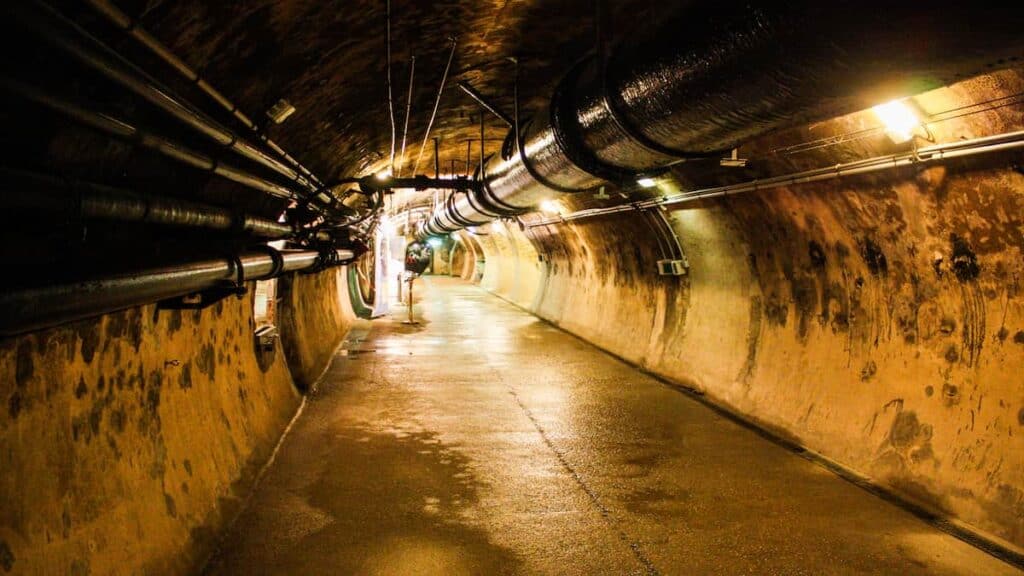
🏗️ What the Sewer Museum Offers: Inside the Underground
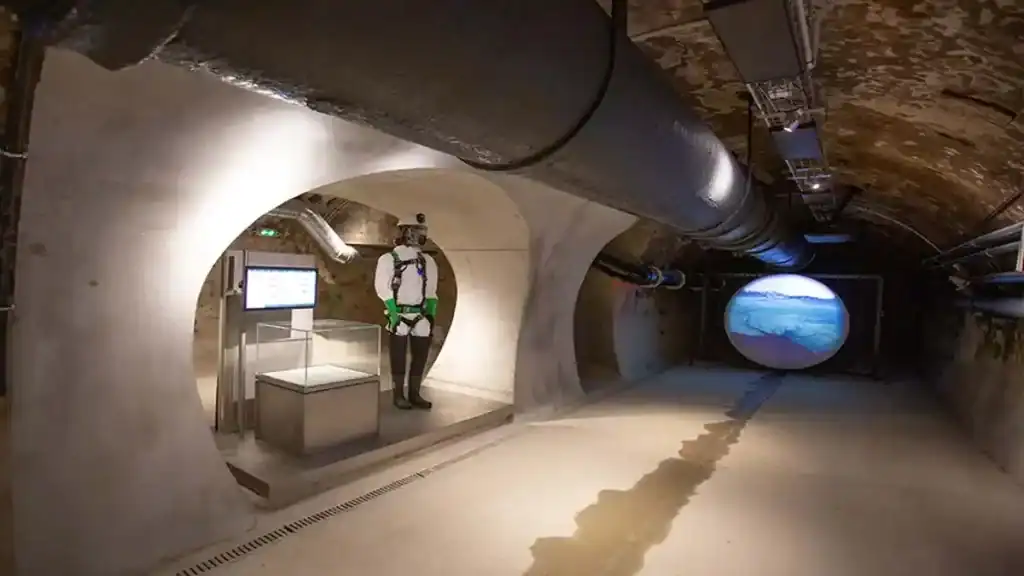
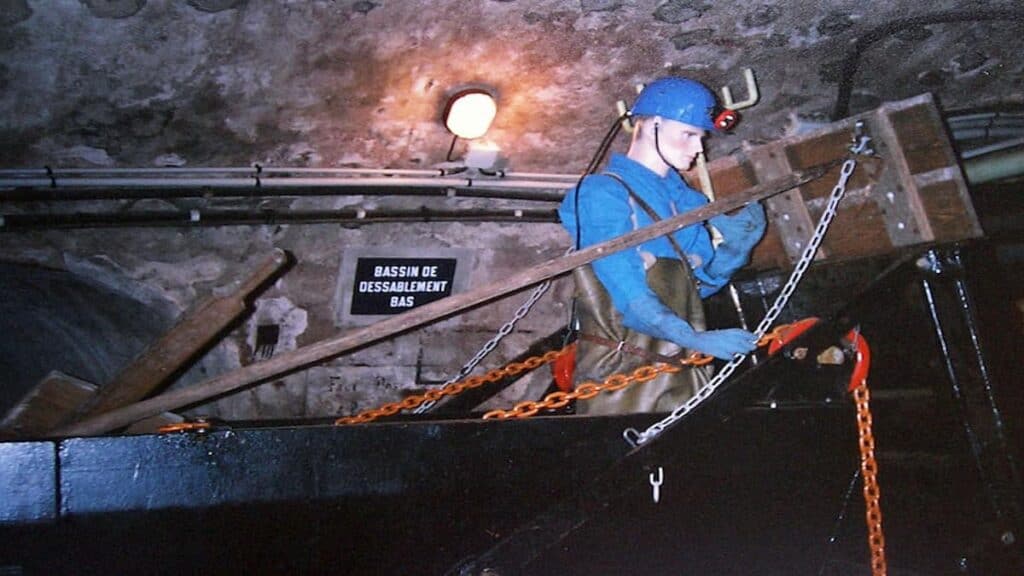
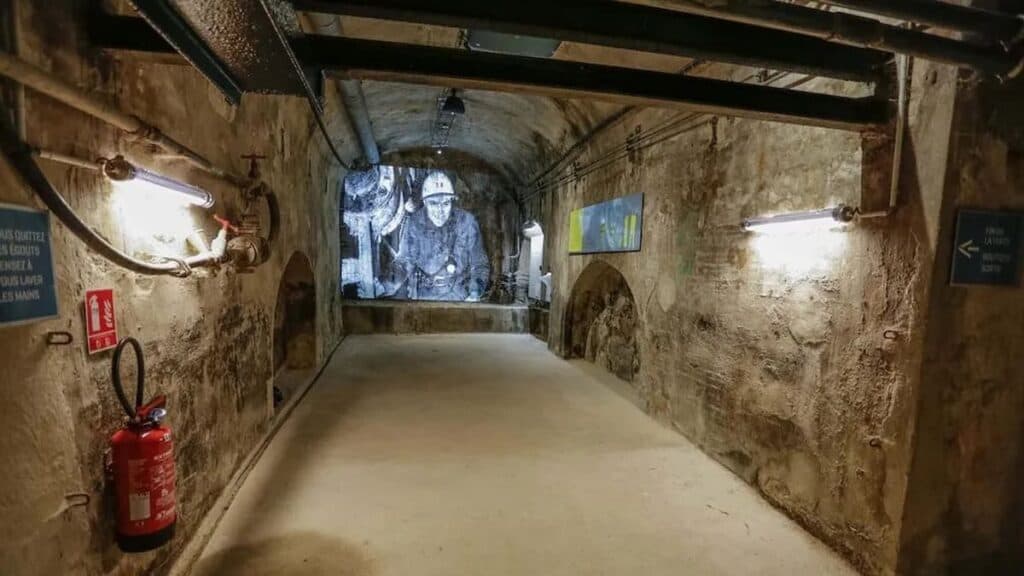
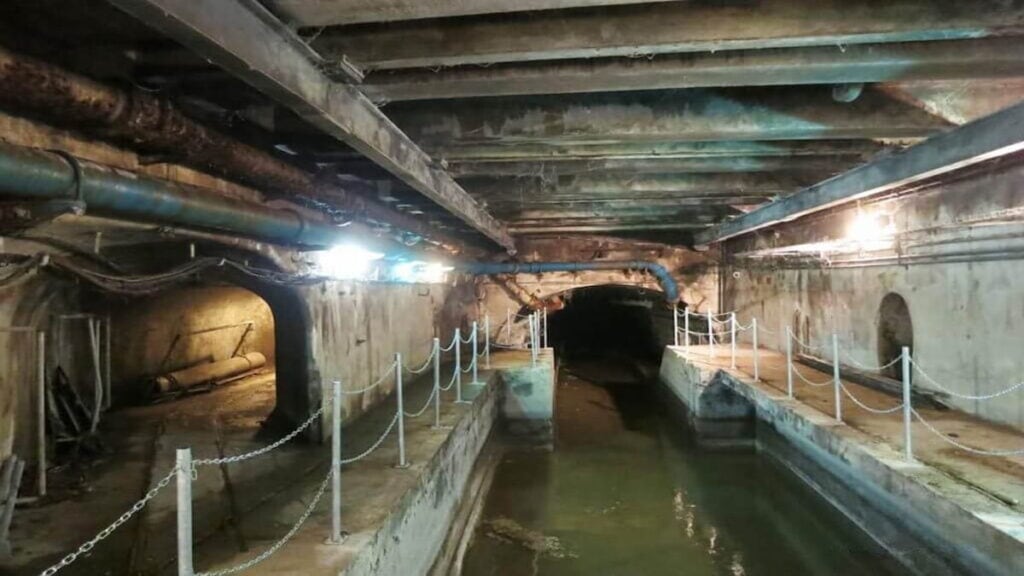
The museum offers 500 metres of working sewer tunnels open to visitors throughout the year. You’ll walk through actual active sewers while seeing historical displays along the route. The displays explain the sewers of Paris thoroughly with diagrams and original documents. They’ve cleverly separated tourist paths from functioning drainage systems carrying wastewater safely past you. You’re seeing real infrastructure beneath the streets, not museum recreations built for display.
Original Victorian-Era Tunnels
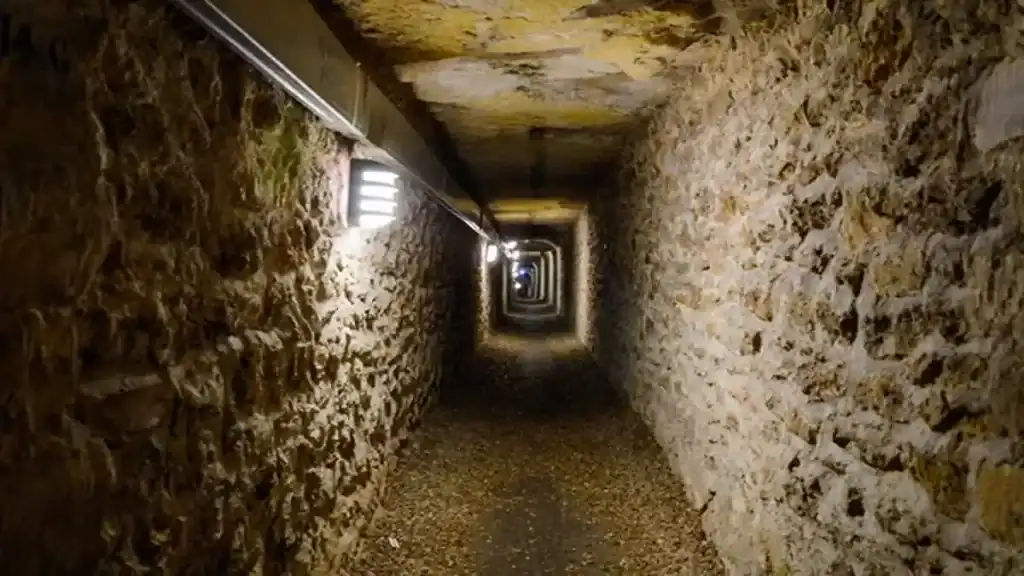
Original tunnels from the 1860s remain unchanged since Haussmann’s era of ambitious urban renewal. You’ll see sections that run beneath Avenue George V, Rue de l’Université, and Boulevard. The sections run beneath Boulevard de la Tour-Maubourg in the elegant 7th arrondissement. The arched brickwork and stone construction show incredible craftsmanship from skilled workers then. Your footsteps echo off the curved ceiling exactly like they did 160 years ago.
Equipment displays show evolution from hand tools to modern robotic inspection systems used today. You’ll see the massive iron balls used to clean the sewers decades ago. Sewer workers pulled these through kilometres of dark tunnels by hand every single day. They weigh hundreds of kilograms each and required incredible strength to move them. The museum also displays the original dredger boats used in the Seine for maintenance. Maintenance carts from the 1900s sit alongside modern CCTV inspection equipment showing progress.
What the Museum Offers: Flood Response Exhibits
An emergency boat sits on display showing the equipment used during Seine crises. It was used during Seine flood responses when water levels rise dangerously high. The exhibit explains the famous 1910 Paris flood that devastated large parts of the city. That flood submerged the Gare d’Orsay station completely, stopping all railway traffic. It flooded the Champs-Élysées métro station and forced evacuations across central neighbourhoods. It threatened neighbourhoods from Bercy to Auteuil with rising waters for weeks.
Water treatment demonstrations show live processing examples of how modern systems work continuously. You’ll see how the system handles wastewater today with filtration and chemical processing. You’ll understand how Paris processes 1.2 million cubic metres (m3) of water daily. This happens through the entire sewer network connecting every neighbourhood to treatment facilities. The Paris Region Tourism Board provides additional context about infrastructure history. The displays explain how drainage flows through these tunnels from different areas. Water comes from the Marais district, Montmartre hilltop, and Belleville neighbourhoods above ground.
Historical Timeline and Accessibility
Historical timelines with photos show sewer development through centuries of Paris history and growth. Pictures document construction under the Louvre palace during major renovations in the 1800s. You’ll see photos from beneath the Opéra Garnier building showing complex engineering challenges. The Grands Boulevards construction is documented too with fascinating before-and-after images from archives. Modern photos show computerised monitoring systems tracking flow and quality constantly. These watch the underground network 24/7 from the central control station outside the city.
The completely renovated building includes lifts accessing main underground areas for easy movement. These help visitors with mobility issues navigate the galleries safely and comfortably. The accessible route covers the Victor Hugo exhibit area displaying Les Misérables connections. You can reach the main tunnel walkway section without climbing stairs at all. The equipment display gallery is also accessible with wide pathways for wheelchairs. Tell staff about accessibility needs when booking your tour for personalised assistance planning.
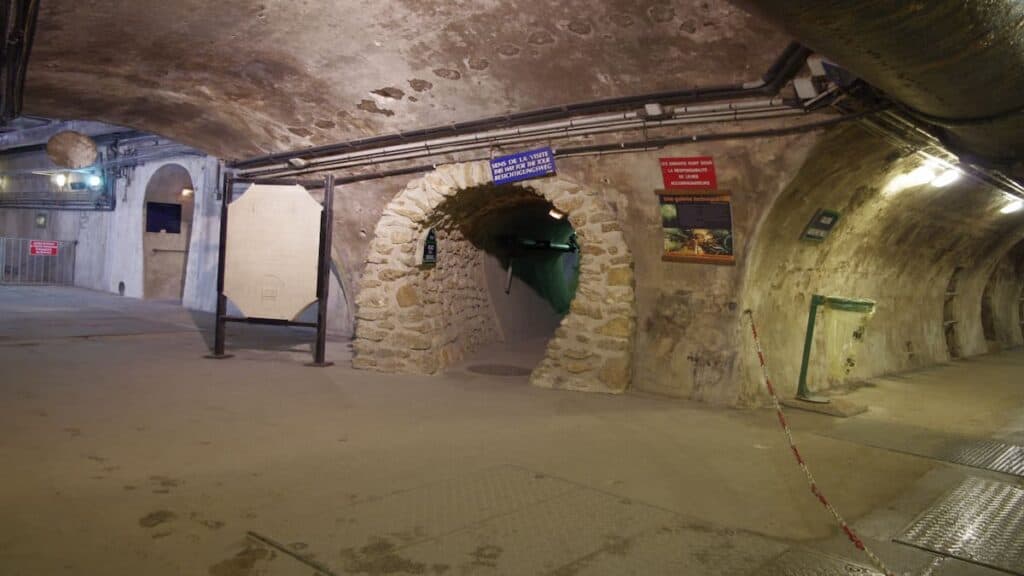
🚇 Making the Most of Your Paris Sewer Tour Visit
Start with the above-ground displays before heading underground into the tunnels below street level. Spend 15-20 minutes learning about the Paris sewer system’s history in the exhibition hall. Study Belgrand’s engineering genius and innovations that changed urban planning across Europe. The exhibits explain construction techniques beneath many famous areas throughout central Paris. These include Place de la Bastille, Montparnasse, and the historic Île de la Cité.
Self-Guided Tour Audio Guides and Photography
Grab an audio guide from the desk – seriously worth the €5 for enhanced experience. The narration includes Victor Hugo readings from Les Misérables performed by professional French actors. You’ll hear detailed engineering explanations that make the technical aspects understandable for everyone. Stories about brave sewer workers through Paris history bring everything alive with personal details. You’ll learn about specific locations throughout the city connected by these tunnels. These include the tunnel beneath the Élysée Palace where presidents work above. There’s the junction under Place de la Concorde handling drainage from multiple arrondissements. You’ll hear about sewers beneath Sacré-Cœur too, built into Montmartre’s challenging hilltop terrain.
Wear proper shoes with non-slip soles because safety matters in underground environments. You’ll be walking on potentially wet surfaces underground throughout the 90-minute tour. The cool stone walkways get slippery from condensation even when it’s dry outside. Closed shoes with ankle support work best for safety on uneven historic surfaces. Skip fashion shoes that look good but don’t grip well on stone. Avoid wearing them on damp stone surfaces where slipping could cause injury.
Photography works great in most areas of the museum and underground galleries throughout. The original Haussmann-era archways photograph beautifully with dramatic lighting contrasts and shadows. The brick vaults built beneath Boulevard Saint-Germain are stunning architectural features worth capturing. The equipment displays near the gift shop make excellent photos of historical tools. The historical timeline wall near the exit is worth photographing for reference later.
Tour Duration and Gift Shop
The tour takes about 90 minutes total if you read everything thoroughly at each station. Explore all sections to get the full experience of underground Paris engineering. The Victor Hugo Les Misérables exhibit takes 15 minutes with displays about the novel. The working equipment demonstrations take 20 minutes showing how maintenance actually happens daily. Walking the underground tunnel section takes about 40 minutes with stops at various points.
Visit the gift shop before leaving the museum to browse unique Parisian souvenirs unavailable elsewhere. Browse unique Paris souvenirs you won’t find elsewhere in typical tourist shops above ground. They sell books about Eugène Belgrand and his innovations in urban water management. Paris history books cover construction beneath the Marais and Latin Quarter in detail. Unusual items related to the sewer system make memorable gifts for engineering enthusiasts. Books about Baron Haussmann’s renovation of Paris are available in multiple languages. Technical guides make great souvenirs for engineering enthusiasts who appreciate infrastructure history.
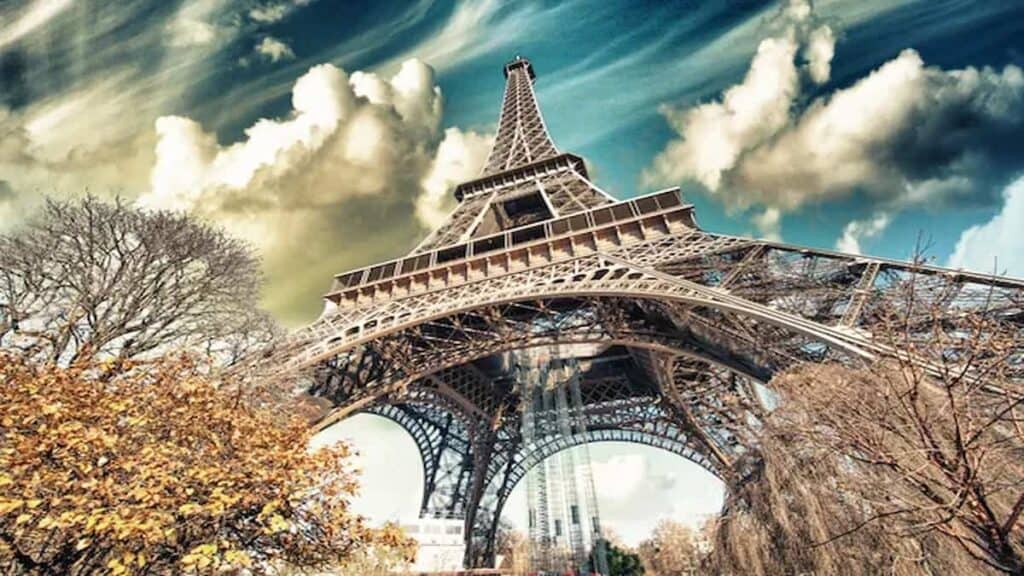
Nearby Attractions to Combine with Your Paris Sewer Tour
Combine your sewer tour with nearby attractions for a full day exploring this area. Explore the area around Pont de l’Alma thoroughly before moving to other neighbourhoods. The Eiffel Tower sits 15 minutes away across the Seine with spectacular views. The Musée du Quai Branly showcasing world cultures is just 8 minutes away. The Rodin Museum displaying famous sculptures sits 12 minutes away on Rue de Varenne.
Local secret: Skip the crowded Trocadéro gardens entirely if you want authentic Parisian experiences. Instead, head to the little-known Square Rapp three blocks from Pont de l’Alma. Parisians eat lunch there on benches beneath chestnut trees whilst tourists crowd elsewhere. Tourists crowd the Eiffel Tower lawns nearby with selfie sticks and tour groups. You’ll get peaceful tower views without the chaos or persistent street vendors.
🗺️ Complete Day Plans Around the Paris Sewer Tour
Start your morning at 10:30 arriving at Pont de l’Alma near the Seine embankment. Pick up tickets and audio guides at the entrance before your tour begins. Your Paris sewer tour runs from 11:00 to 12:30 with the full underground route. This timing is perfect before lunch crowds arrive in the area’s popular cafés.
Lunch Options Near the Museum
Lunch nearby at Café de l’Alma offers traditional French food at reasonable prices. It’s a five-minute walk from the museum exit along the scenic quai. Walk along the quai by the river to reach it with pleasant views. Alternative lunch spots include Au Bon Accueil near the Eiffel Tower for upscale dining. Les Deux Abeilles sits on Rue de l’Université serving excellent pastries and salads. Café Constant on Rue Saint-Dominique serves classic bistro fare at affordable prices.
Insider tip: Locals eat lunch at Le Bistrot du 7ème on Avenue Bosquet every weekday. The line of French office workers outside at 12:30 tells you everything. Order the daily plat du jour for €14 instead of paying tourist menu prices. Sit at the zinc bar if tables are full, you’ll still eat excellently. You’ll eat better than at any guidebook recommendation nearby charging twice as much.
Afternoon Eiffel Tower and Seine Activities
Walk to the Eiffel Tower after lunch for the most iconic Parisian experience possible. It’s just 15 minutes away across Pont de l’Alma with excellent photo opportunities. The tower looks amazing from the bridge spanning the Seine with perfect angles. You’ll get great photo opportunities of Paris’s most famous landmark from multiple viewpoints. Stop at the Trocadéro Gardens for the classic tower view that everyone recognises. Visit the Palais de Chaillot museums for art and architecture if time permits. Walk through Champ de Mars gardens to the École Militaire for a quieter experience.
Seine boat tours depart hourly from Pont de l’Alma starting at 15:00 daily throughout summer. These Bateaux Parisiens cruises offer unique perspectives on Paris from the water level. You’ll pass Notre-Dame Cathedral along the route with excellent views of the facade. The Louvre Museum appears on the Right Bank with its distinctive glass pyramid. Musée d’Orsay sits on the Left Bank housed in the former railway station. You’ll hear the boat’s engine humming whilst waves slap against the hull. Waves slap against the hull beneath you creating a soothing rhythm during the cruise.
Evening at Invalides and Local Cafés
Visit Invalides and Napoleon’s Tomb around 16:30 after drying off from the boat. Go after your boat ride on the Seine whilst you’re still in the area. The Army Museum shares the same complex with Napoleon’s tomb under the golden dome. It displays fascinating military history from French wars spanning several centuries of conflict. Walk through the beautiful Esplanade des Invalides gardens first for peaceful greenery. Explore the Musée de l’Armée galleries afterward with extensive weapons and uniform collections. See Napoleon’s impressive tomb beneath the golden dome that dominates the Paris skyline.
End your day at Les Deux Abeilles around 18:00 for a proper Parisian wind-down. Enjoy coffee and pastries at this charming spot beloved by locals in the neighbourhood. This local café sits near the museum serving classic French treats every day. It serves amazing traditional French desserts that Parisians queue for after work. Alternative evening spots include Café du Marché on Rue Cler market street nearby. Angelina tearoom serves famous hot chocolate that’s rich and incredibly decadent for dessert. Bar au Bon Coin offers local wine selections if you prefer something stronger.
Three-Day Underground Paris and Catacombs Itinerary
Three-day underground Paris trips let you explore more than just the sewers thoroughly. Day one covers the Paris sewer tour and Musée des Égouts completely with time. Day two takes you to the famous Paris Catacombs beneath Montparnasse with their bone displays. Visit the Crypte Archéologique beneath Notre-Dame plaza showing Roman-era Paris foundations remarkably preserved. See the Panthéon crypts where famous French figures rest including Voltaire and Rousseau. Day three visits the Musée de Cluny medieval Roman baths showing ancient bathing culture. Explore Forum des Halles underground shopping levels connecting to the massive métro hub. End at the Palais de la Découverte science museum with interactive exhibits.
💰 Budget Planning: What Your Paris Sewer Tour Costs
Total costs for visiting the sewer museum range from €13 to €65 per person. Final costs depend on extras you choose to add to your basic experience. Basic museum entry costs €4.30 at the door for adults without any additions. Extras like audio guides, métro transport, and food add up quickly during your day. Combining your visit with nearby free attractions helps control costs significantly throughout the day. Visit the Champ de Mars gardens, the American Church, and the Seine riverside walkways.
Sewer Museum Ticket Prices Compared to Other Attractions
Museum tickets remain affordable compared to other Paris attractions that charge significantly more. The Louvre costs €17 for entry to see the world’s most famous artworks. Musée d’Orsay charges €14 per person for its Impressionist collection and building. The Arc de Triomphe costs €13 to climb for rooftop views of Paris. Adults pay €4.30 for entry to the sewer museum, making it excellent value. Students and seniors pay €3.50 with ID from recognised institutions showing current enrolment. Kids under 7 enter free to explore the tunnels with accompanying adult supervision.
Audio guides cost €5.00 extra but dramatically improve your experience in the galleries. They dramatically improve your experience in the underground galleries with expert commentary throughout. They’re available in eight languages for international visitors from around the world. They provide fascinating details about the sewer system that you’d miss without narration. The investment is worth it for understanding the engineering that built modern Paris. You’ll learn about construction beneath famous locations like Place Vendôme and its luxury shops. The system under Opéra Garnier is explained with details about challenging construction. The Grands Boulevards network is covered too, showing how Haussmann connected the city.
Transportation and Enhanced Experience Costs
Transport costs depend on your travel method from your hotel to the museum. Calculate the journey from your hotel to Pont de l’Alma using métro route planners. Single métro tickets cost €1.90 each way for travel within central Paris zones. That’s €3.80 total for your sewer museum visit including return journey to accommodation. Day passes cost €7.50 for unlimited rides across all métro and bus lines. These make sense if you’re visiting multiple locations scattered across different arrondissements. Visit the Eiffel Tower, Invalides, and Musée du Quai Branly in the same day.
Enhanced experiences add €20-50 per person to your basic museum visit budget significantly. Private group guides cost €25 per person and offer deeper historical context unavailable elsewhere. They offer deeper historical context about Belgrand’s work and its impact on Paris. They explain construction beneath neighbourhoods like Le Marais, Saint-Germain-des-Prés, and the Latin Quarter. Multi-attraction passes save money overall when visiting several major sites during your trip. The Paris Museum Pass includes the sewer museum, Panthéon, and Conciergerie together. Passes save €15-30 total compared to buying individual tickets at each attraction separately.
Food Expenses and Free Activities
Food expenses vary by choice around Pont de l’Alma and the Left Bank area. Café meals near the museum cost €15-25 per person for typical French fare. Rue Cler market street offers bakery snacks for €5-8 if you’re watching budgets. Fancy restaurants in the 7th district charge more for white-tablecloth dining experiences. Restaurants along Avenue Bosquet or Rue Saint-Dominique charge €40-80 per person for dinner.
Free activities near the museum include several enjoyable options that cost absolutely nothing. Walk the Seine quays from Pont de l’Alma to Pont Alexandre III for lovely views. Explore the Champ de Mars gardens beneath the Eiffel Tower with picnic possibilities. Visit the American Church in Paris for beautiful architecture and occasional free concerts. Window shopping along Avenue Montaigne costs nothing whilst browsing luxury fashion houses. Photographing Pont de l’Alma’s Zouave statue is free and interesting for history buffs.
🎒 What to Bring for Your Paris Sewer Tour
Proper footwear matters more than anything else for your Paris sewer tour comfort underground. Wear closed shoes with non-slip soles and ankle support for walking safely below. You’ll walk on wet surfaces underground throughout the tour’s 500-metre route continuously. Underground surfaces can be wet despite regular maintenance by museum staff cleaning daily. You’ll walk through tunnels that slope down like real Paris streets above ground. These include sections beneath Avenue Marceau, Rue Jean Goujon, and Cours Albert 1er.
Clothing and Camera Equipment
Layer your clothing because temperatures change dramatically between surface and underground sections throughout. You’ll move between surface Paris and underground sections multiple times during the tour. Surface Paris might reach 25°C in summer heat with bright sunshine overhead. The Paris sewer system stays 12-15°C year-round beneath the streets regardless of season. Bring a light jacket you can easily remove and pack away as needed. Pack it away as needed during your tour without carrying bulky items.
Camera equipment should handle low light conditions effectively for underground photography throughout the galleries. You’ll photograph in the underground galleries and tunnels with limited natural lighting available. Flash photography is allowed throughout most areas of the museum without restrictions currently. The historical displays photograph well with flash highlighting details on antique equipment perfectly. The original 1860s tunnel sections are stunning with their Victorian brickwork and arches. The equipment gallery near the Victor Hugo exhibit area photographs beautifully with proper lighting.
Backpacks and Professional Photography
Small backpacks work best for carrying your stuff comfortably during the 90-minute tour. You’ll be underground for the 90-minute tour without returning to the surface. You’ll want water because underground exploration makes you thirsty faster than walking above. Hand sanitiser feels great after touching historical displays that thousands of visitors touch daily. Tissues help with nose irritation from different air quality underground versus surface conditions. The different air underground affects some visitors with sensitive respiratory systems occasionally.
Professional photographers need special permits for tripods and lighting equipment in the museum galleries. Contact the sewer museum directly for permission before arriving with professional camera gear. Do this before your visit with professional gear to avoid disappointment at entrance. Permits typically cost €15-25 extra for equipment beyond standard tourist cameras allowed freely. They require advance booking through the musée office at least one week ahead. Amateur photography with regular cameras doesn’t need any special permission or advance booking.
What to Leave Behind
Don’t bring valuable items you don’t absolutely need for your Paris sewer tour. Pack only essentials for your Paris sewer tour visit to avoid theft concerns. Most personal bags are allowed throughout underground sections without size restrictions currently. The museum offers secure lockers at the entrance for storing belongings safely whilst touring. Lockers cost €2-3 per day for storage with key or code access. Leave expensive jewellery and extra cash at your hotel safe before travelling. Do this before heading to Pont de l’Alma to avoid worry about valuables.
After your tour, you’ll appreciate having a small towel for cleaning yourself properly. Use it for cleaning hands and face after exploration in the humid environment. The different air quality affects sensitive skin with increased moisture levels throughout galleries. You’ll spend time beneath the streets in humid conditions that feel clammy occasionally. You’ll feel fresher wiping down before continuing your day exploring other Parisian attractions. Head to nearby attractions like the Eiffel Tower, Trocadéro, or the Seine riverbanks.
This is where Paris shows you its soul – not in palace halls, but beneath. You’ll leave understanding the city runs on genius hidden underground, not just beauty above.