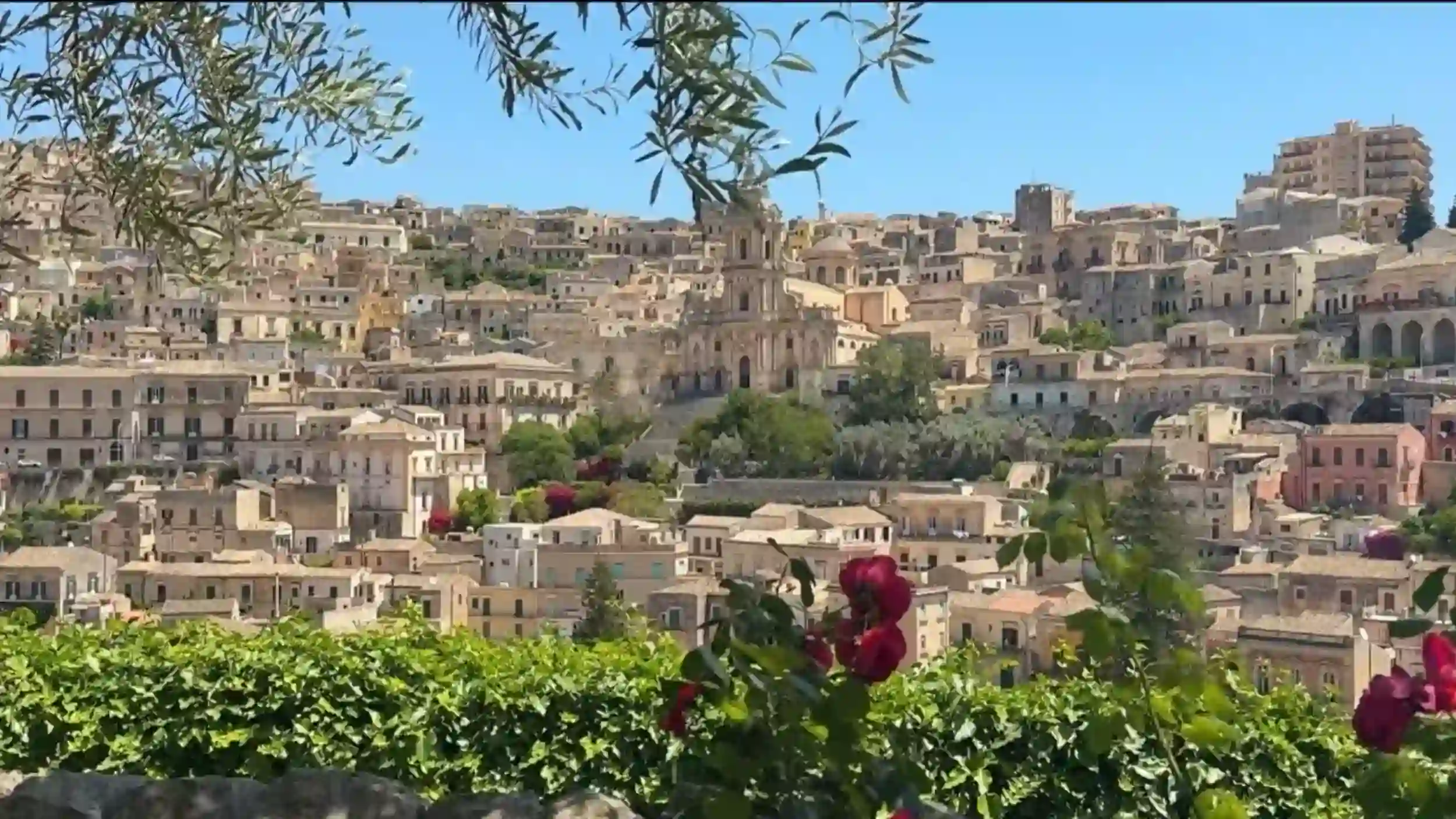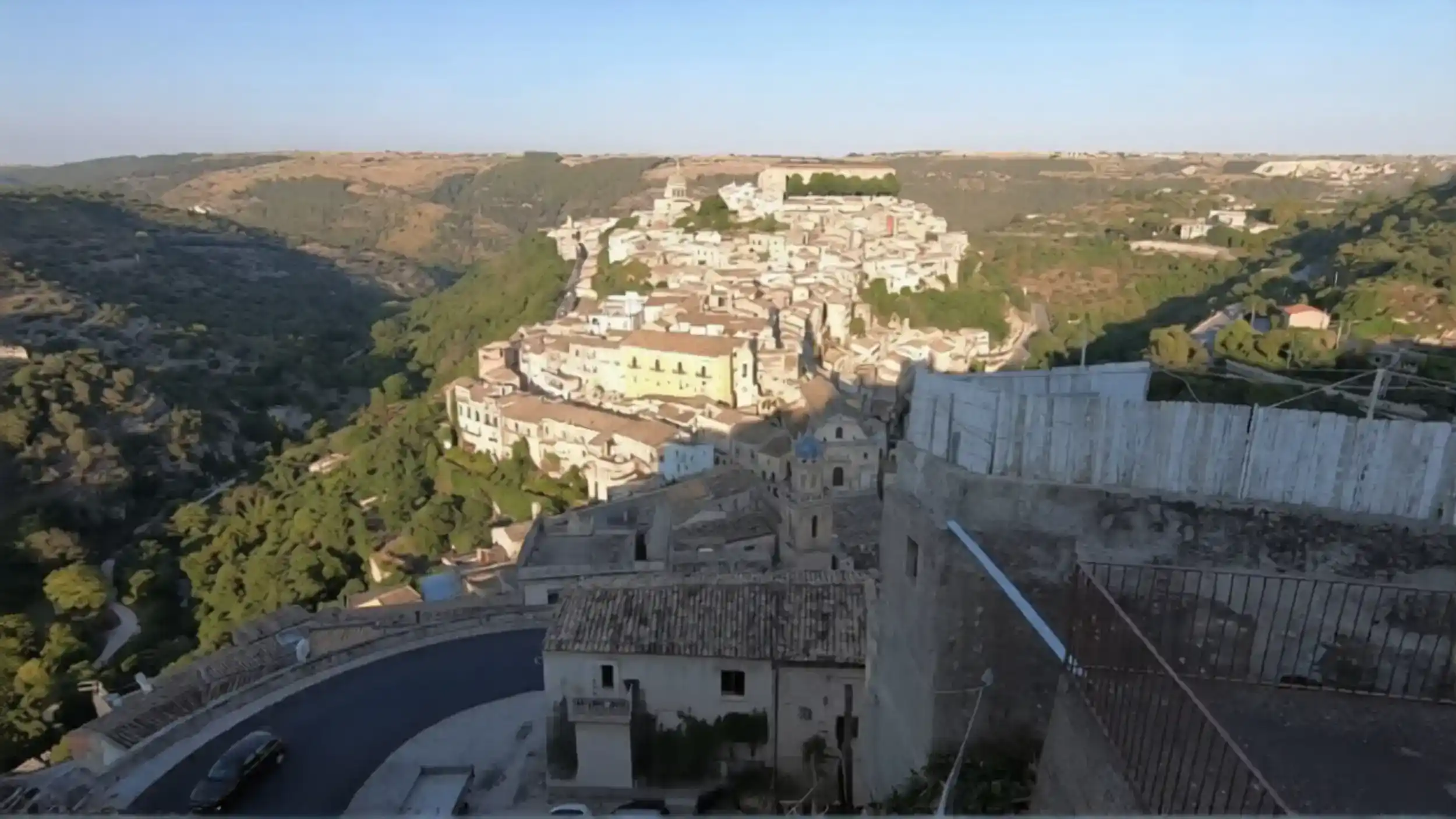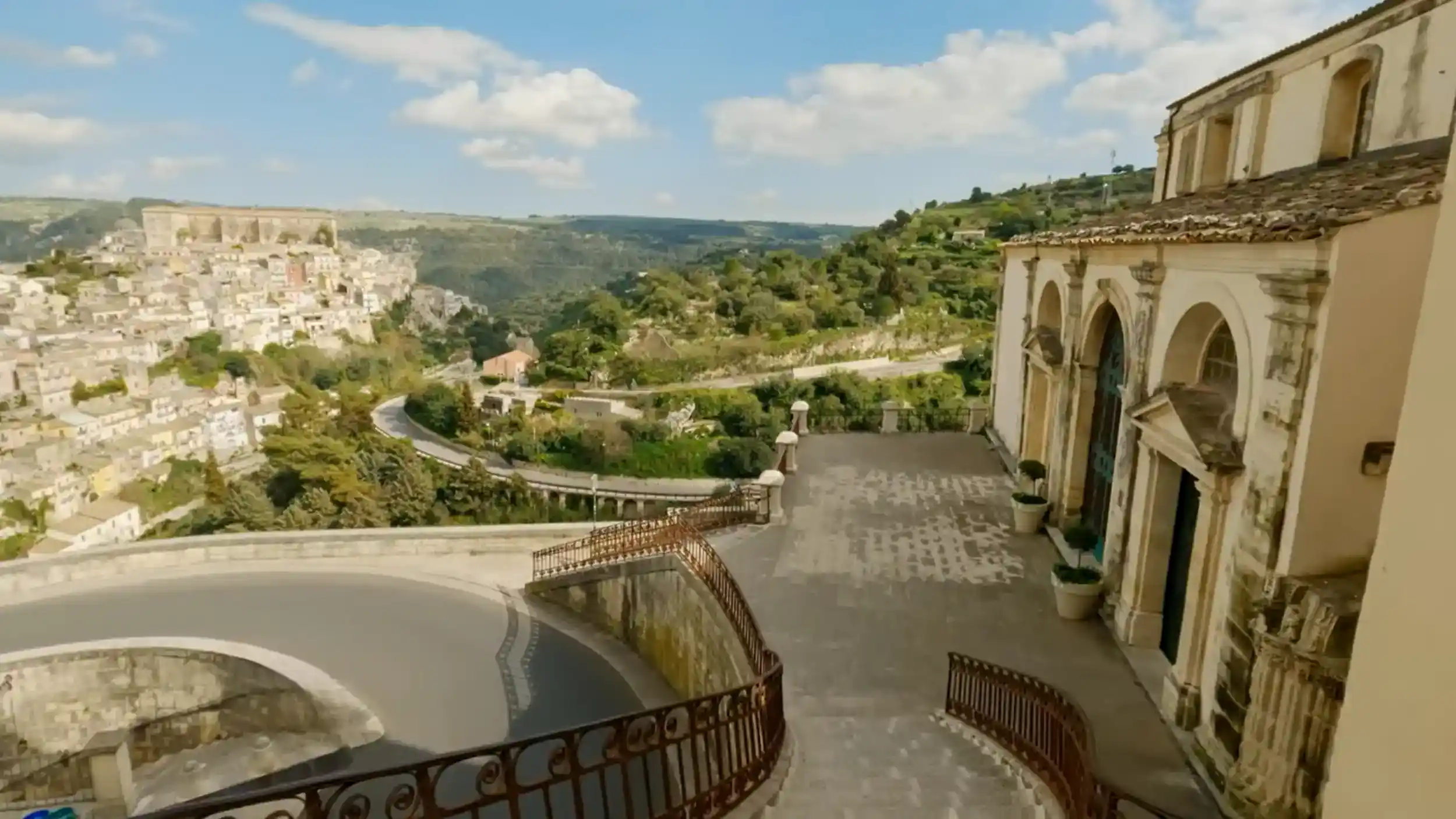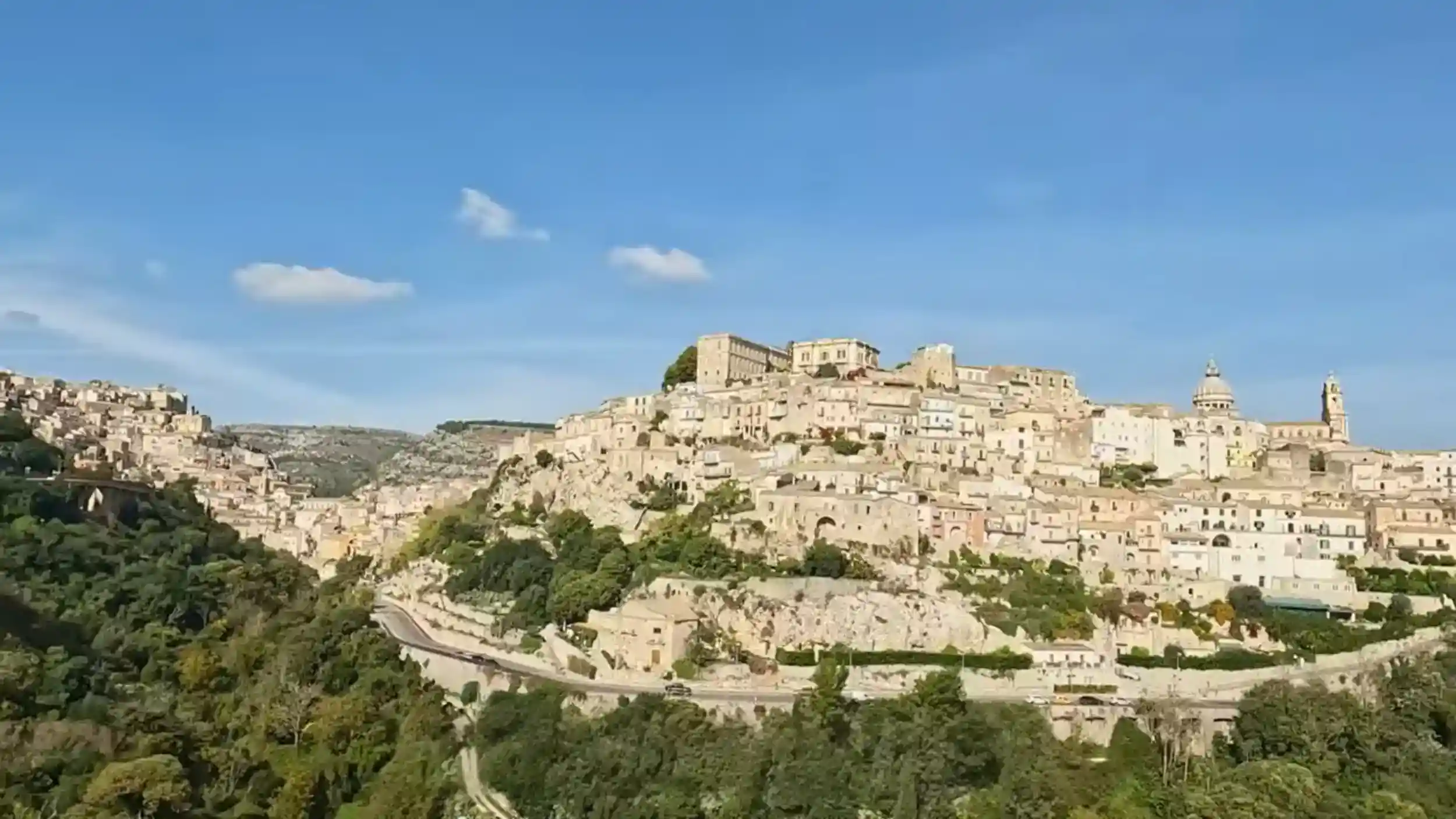
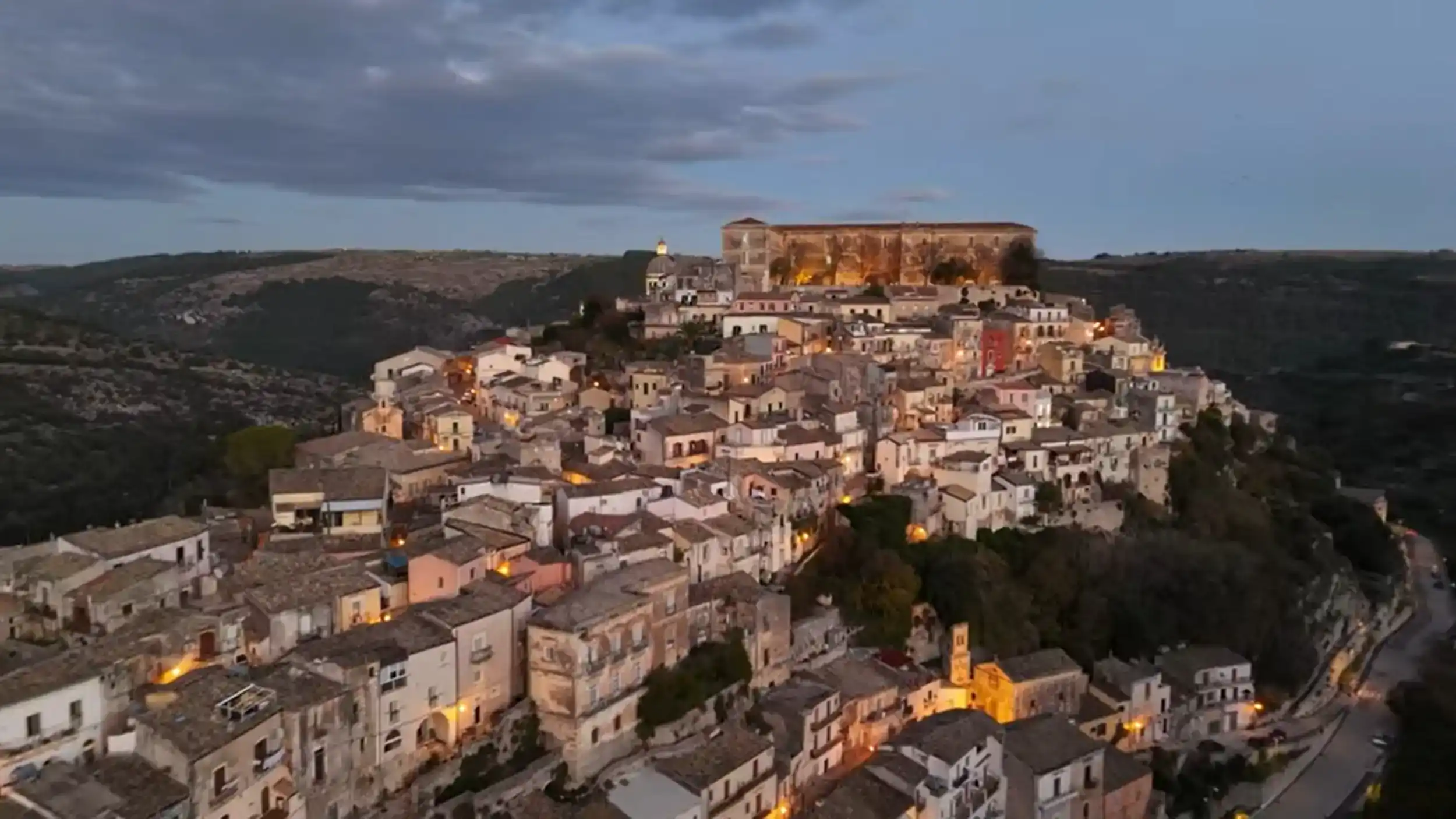
Ragusa Ibla at night was when the old town felt most atmospheric to us. Illuminated Baroque buildings, quieter streets and far fewer visitors changed the experience completely, while the cooler evening temperatures made the steep lanes much more comfortable to explore than they had been earlier in the day.
We found it worth staying well beyond sunset. Once many day visitors had left, the piazzas, restaurants and softly lit streets settled into a calmer rhythm that suited Ibla far better than rushing through it as a daytime sightseeing stop.
🌙 What Ragusa Ibla at Night Felt Like to Us
As daylight faded, we noticed Ragusa Ibla becoming noticeably calmer. Tour groups disappeared, the pace slowed and the narrow streets began revealing details we had barely noticed during the busier part of the day. Instead of moving between landmarks, we found ourselves lingering in piazzas and following streets without a fixed route.
That was the point when Ibla stopped feeling primarily like somewhere to sightsee and became somewhere we simply enjoyed being.
Why the Architecture Looked Different After Dark
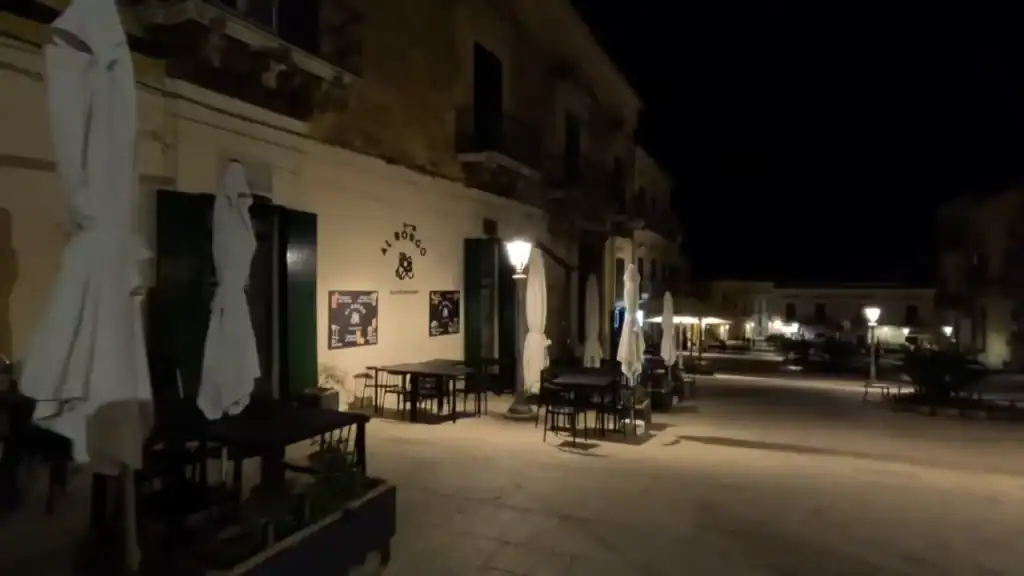
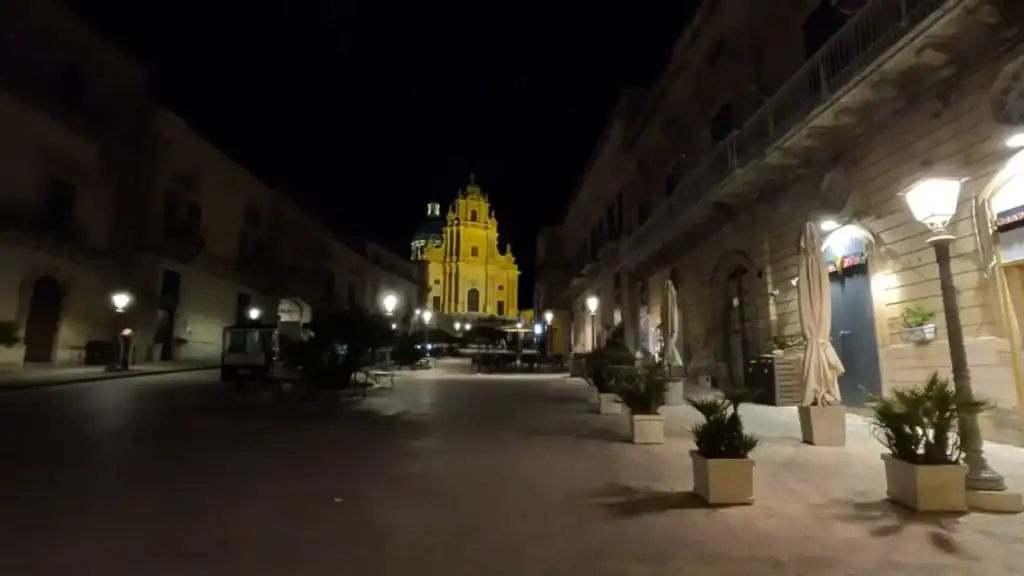
The floodlit Cathedral of San Giorgio dominated Piazza Duomo, while the warmer street lighting brought out textures in the limestone buildings, carved balconies and narrow alleyways that had been less obvious to us in daylight. With fewer people around, footsteps, fountains and evening sounds carried farther through the streets.
| 🌙 After Dark | 📌 What We Found |
|---|---|
| ⛪ Illuminated landmarks | The cathedral becomes the focal point |
| 🚶 Quieter streets | Easier to explore at a relaxed pace |
| 🔔 Evening sounds | Bells and fountains become more noticeable |
| 💡 Warm lighting | Highlights architectural details |
Why We Took More Care on the Walk Back
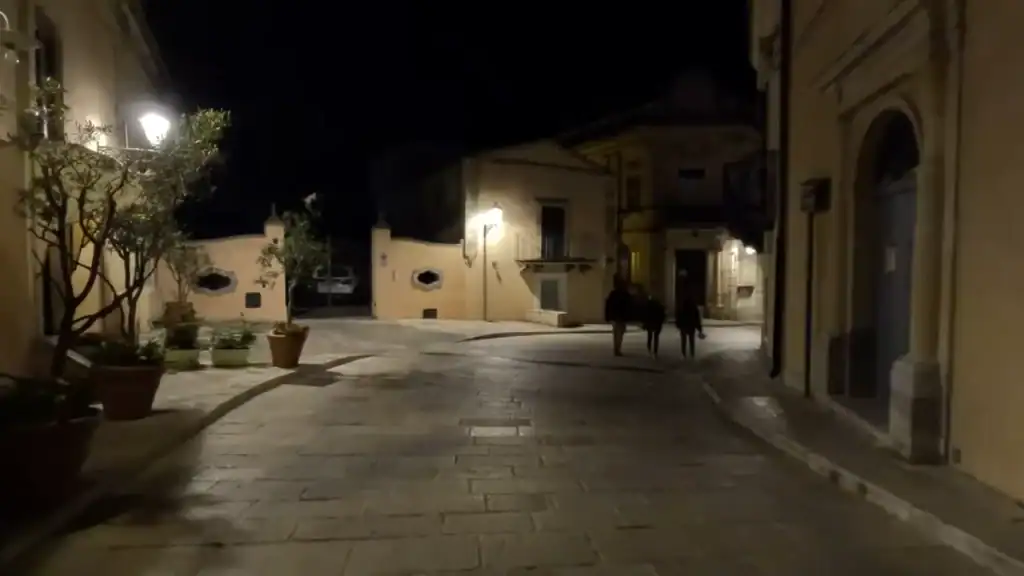
We enjoyed wandering Ibla after dark, but the staircase back towards Ragusa Superiore needed more attention than it had during daylight. Some sections were unevenly lit and the worn stone steps demanded a little more concentration, particularly once we had left the brighter streets around the centre.
For us, the answer was simply not to rush. Allowing extra time for the return walk meant the slower pace that made Ragusa Ibla at night so enjoyable did not disappear the moment we started heading back.
Did We Feel Safe Walking Around Ragusa Ibla at Night?
Yes. We felt comfortable walking around the central streets of Ragusa Ibla at night, particularly around Piazza Duomo and the restaurant areas. I would still use the same awareness I use anywhere after dark, but it was the uneven stone and quieter side streets that made me pay more attention rather than a sense that the old town felt unsafe.
The centre was warmly lit rather than brightly illuminated everywhere. Major streets, piazzas and landmarks were easy for us to navigate, while some staircases and quieter lanes were noticeably dimmer. I would not describe every street as well lit, and I would keep my phone light available if I planned to use the steps back towards Ragusa Superiore.
🍷 What We Found Open in Ragusa Ibla at Night
Ragusa Ibla became quieter in the evening, but we never felt that it simply shut down. What changed was the purpose of the streets. Churches closed, the gardens emptied and sightseeing activity faded, while restaurants, bars and Piazza Duomo became the focus.
We liked that transition. The town stopped asking us to find the next attraction and gave us more reason to sit, eat, drink and enjoy where we already were.
Where the Evening Atmosphere Was Strongest
Most of the evening activity we found was concentrated around the cathedral and nearby streets. Restaurants continued serving, bars had enough people to feel lively without becoming hectic and it was easy to move between dinner and another slow walk through the centre.
I would plan dinner rather than rely on one universal closing time. Restaurant hours vary by venue, season and day of the week, but evening service commonly continues until around 11:00 pm at some established Ibla restaurants. I would check the restaurant I actually wanted on the day rather than assume every kitchen closes at the same time.
| 🍷 Open After Dark | 📌 What We Found |
|---|---|
| 🍽️ Restaurants | Open into the evening |
| 🍸 Bars | Centred around Piazza Duomo |
| 🚶 Historic streets | Perfect for an evening stroll |
| 🌃 Cathedral views | Best enjoyed once illuminated |
What We Would Still See Before Sunset
We would not save everything for after dark. The gardens close, churches are no longer open to visitors and some of the panoramic viewpoints work better around dusk, when there is still enough natural light to understand the dramatic shape of the old town and surrounding ravine.
Our preferred approach would be to arrive before sunset, use the remaining daylight for viewpoints and anything with opening hours, then stay for dinner and experience Ragusa Ibla at night once the daytime crowds have thinned.
Where Would We Go for the Best Night View of Ragusa Ibla?
For the classic view of Ibla as a whole, I would head towards Santa Maria delle Scale and the upper section of Corso Mazzini. Looking across from the Ragusa Superiore side gives the illuminated old town much more context than standing among the buildings themselves. I would arrive around blue hour if possible, when there is still enough light in the sky to separate the Baroque skyline from the ravine.
Once darkness had settled, I would keep the evening simple: see San Giorgio illuminated, walk Piazza Duomo and the surrounding lanes, stop for an aperitivo or dinner and then wander again afterwards. I do not think Ragusa Ibla needs a long list of night-time attractions. The lighting, architecture and quieter streets are the experience.
🍽️ Why We Would Stay in Ragusa Ibla for Dinner
Dinner was one of the strongest reasons for us to stay in Ibla after sunset. Once the sightseeing pace disappeared, restaurants became part of the evening rather than somewhere to refuel between attractions. Good food, a slower atmosphere and another walk through the illuminated streets fitted naturally together.
That slower rhythm felt particularly well suited to Ibla.
Why We Looked Beyond Piazza Duomo for Dinner
Piazza Duomo gave us plenty of obvious choices, but we preferred looking into the quieter side streets before deciding where to eat. Traditional trattorias offered local Sicilian cooking, with regional ingredients such as fresh ricotta and the distinctive chocolate from nearby Modica appearing regularly on menus.
| 🍽️ Evening Dining | 📌 What We Found |
|---|---|
| 🍝 Traditional trattorias | Often tucked away from the main square |
| 🧀 Local ricotta dishes | A regional speciality |
| 🍫 Modica chocolate | Ideal after dinner |
| 📅 Summer evenings | Booking ahead is recommended |
Why We Kept Walking After Dinner
One of the pleasures of eating in Ibla was that leaving the restaurant did not feel like the end of the evening. We could wander again through streets that were now quieter than before dinner and see the Baroque architecture under completely different light.
How Would We Get Back From Ragusa Ibla at Night?
I would decide that before dinner rather than improvise late at night. Walking back to Ragusa Superiore is possible, but it means climbing the historic steps in the dark. In 2026, the HyBus Verde runs between Ragusa and Ibla every day from 4:00 pm until 1:20 am through 30 September, while the HyBus Rossa runs on Friday, Saturday and Sunday evenings until 12:15 am through 27 September. Outside those dates or if the timetable did not suit us, I would check the current local service or use a taxi.
If you want to understand more than the evening atmosphere, our guide to Ragusa’s history, food and Sicilian traditions looks at the local character and culinary heritage that made the city more rewarding to us than its Baroque architecture alone.
❓ Ragusa Ibla at Night: Quick Questions
Is Ragusa Ibla Worth Visiting at Night?
For us, absolutely. I would actually try to experience both daylight and darkness rather than choose between them. Daylight gives us the views, churches and gardens; after dark we get illuminated Baroque architecture, cooler streets, dinner and a much calmer version of the old town.
Are There Guided Tours of Ragusa Ibla at Night?
Yes, evening and sunset guided walks are offered on selected dates rather than something I would assume runs every night. I would check the current Ragusa events programme or local tour operators for our exact date before building the evening around one.