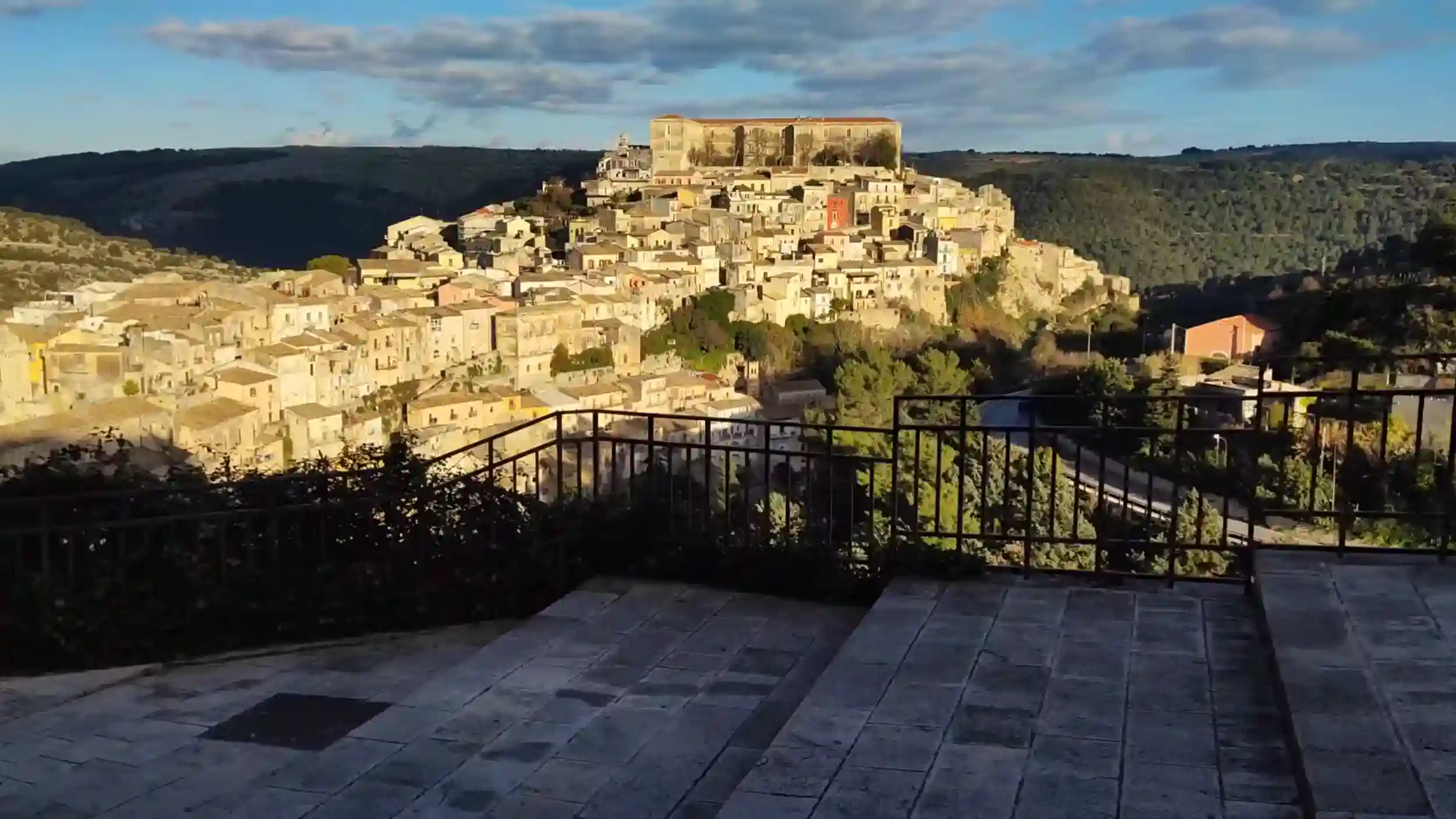
Walking in Ragusa made most sense to us when we followed the steep descent from Ragusa Superiore into historic Ibla. The steps, narrow lanes and Baroque squares made the relationship between the upper and lower towns tangible, turning the walk itself into an essential part of understanding the city.
We began in Superiore, where parking, buses and many hotels make it a practical starting point. From there, reaching Ibla meant deliberately dropping to the separate ridge below, with the changing views giving us plenty of reasons not to hurry.
🪜 What Walking in Ragusa Via Scale Was Like for Us
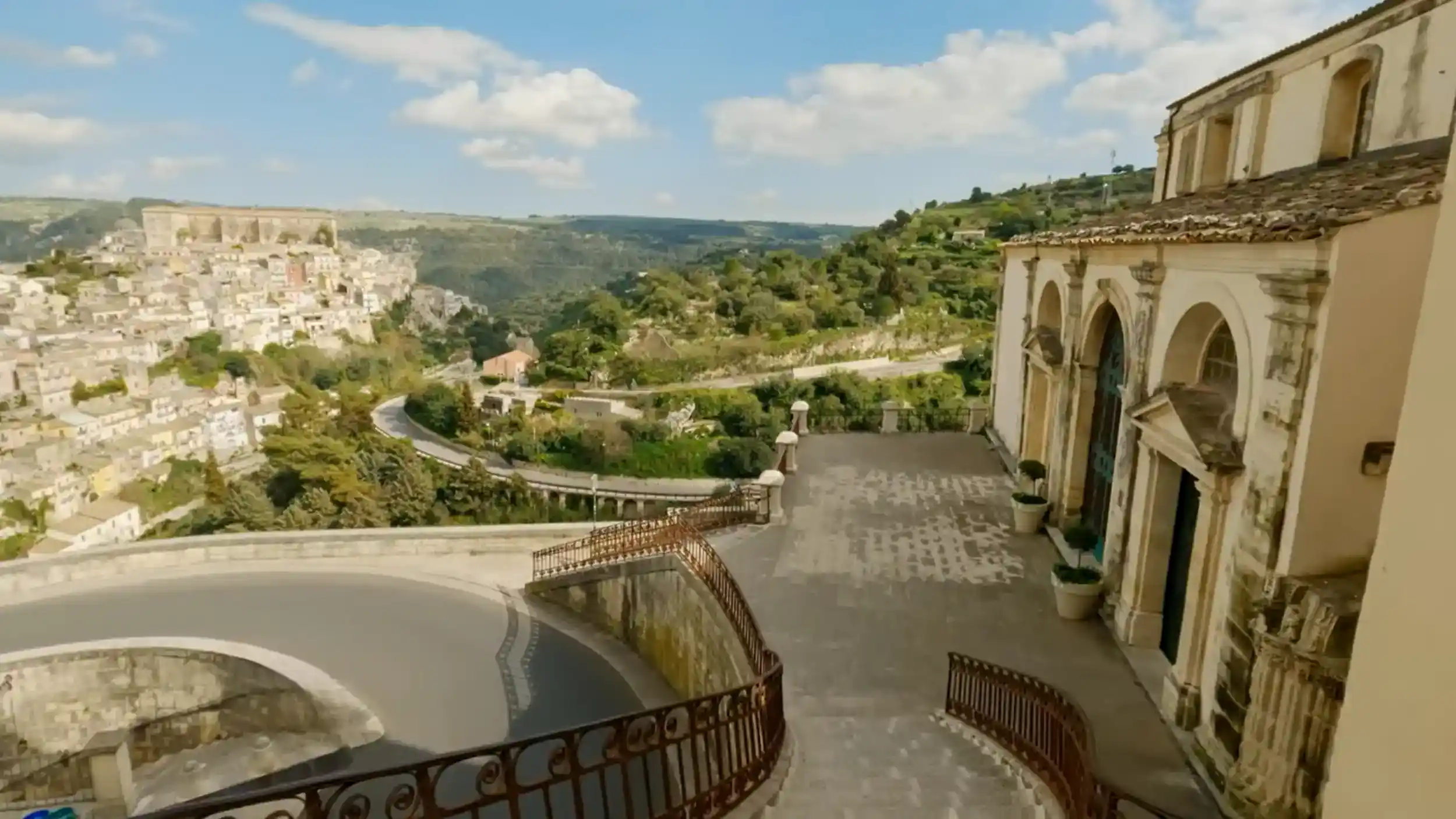
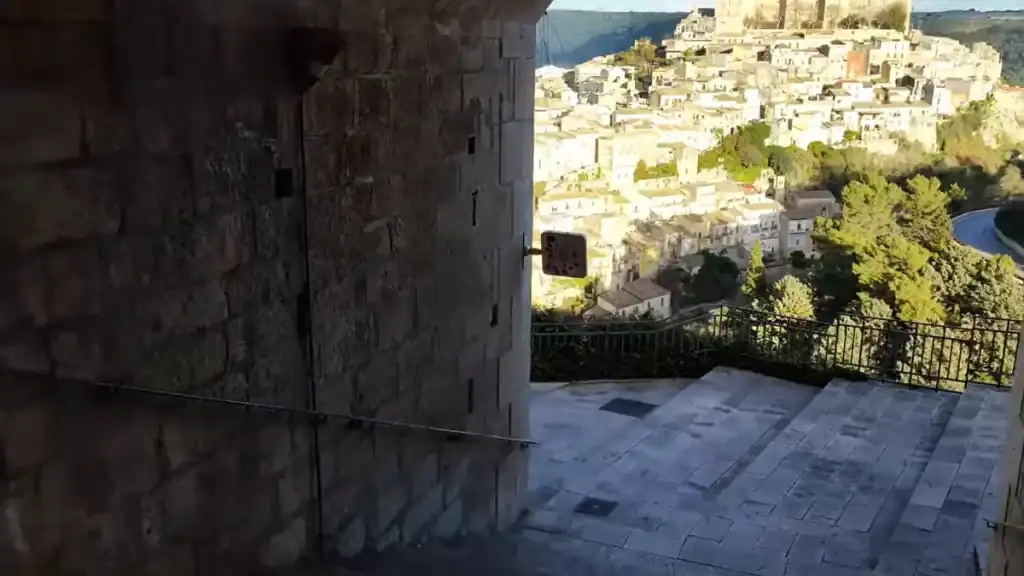
Via Scale gave us the obvious route from Ragusa Superiore into Ibla, but it never felt like a staircase we simply needed to complete. The historic descent is surprisingly short, yet the changing levels, side streets and views made us want to experience it slowly rather than measure it by how quickly we reached the bottom.
Every few minutes, something altered our view of the town below.
Uneven Steps Are Only Part of the Story
Via Scale is worn and uneven in places, so supportive footwear made sense to us. What slowed us down more, though, were the narrow side streets, quiet courtyards and glimpses across the valley. A descent that can take around fifteen minutes easily became longer once we started stopping to look around.
| 🪜 Via Scale | |
|---|---|
| ⏱️ Around 15 minutes | A comfortable downhill walk |
| 👟 Uneven stone steps | Supportive footwear is recommended |
| 👀 Changing viewpoints | New views appear throughout the descent |
| 🏘️ Side streets | Worth exploring if time allows |
Let the Descent Take Longer Than Expected
We would resist treating the staircase as the quickest way into Ibla. Moving slowly allowed the character of Ragusa to change around us one section at a time, and arriving in the old town on foot felt far more satisfying than simply driving straight there.
⛪ Why Santa Maria delle Scale Changed Our Understanding of Ragusa
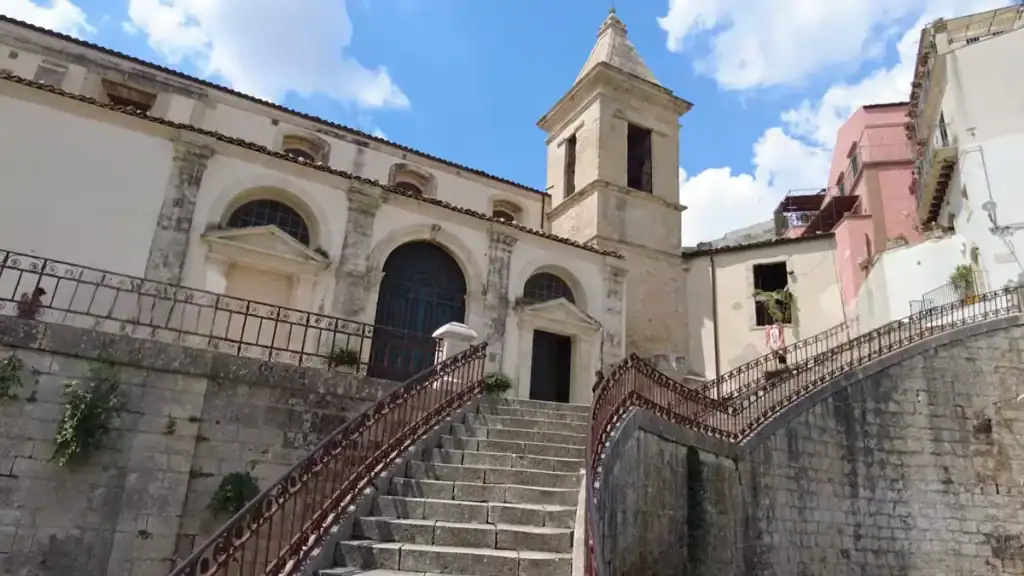
Santa Maria delle Scale gave us more context for Ragusa than we expected from a single stop. Positioned between Ragusa Superiore and Ibla, the church sits where the relationship between the old and newer parts of the city becomes particularly clear.
Its architecture tells part of that story before you even continue down the steps.
One Church Connects Two Architectural Eras
Unlike many churches we saw in Ibla, Santa Maria delle Scale retains Gothic-Catalan features alongside later Baroque additions. Those surviving elements from before the devastating 1693 earthquake made the city’s transformation visible rather than something we only had to read about.
| ⛪ Santa Maria delle Scale | |
|---|---|
| 📍 Midway down Via Scale | The link between upper and lower Ragusa |
| 🏛️ Mixed architecture | Gothic-Catalan and Baroque elements |
| 📖 Historic significance | Connects the city’s two eras |
| 👀 Valley views | One of the best stopping points on the walk |
This Is a Stop We Wouldn’t Rush Past
It would be easy to keep descending because Ibla is already visible below, but we found the pause worthwhile. Spending a little time here made the rest of the walk more meaningful because we better understood why Ragusa developed as two distinct parts rather than one continuous historic centre.
🚶 Walking Through Ragusa Ibla: Where We Stopped Following the Route
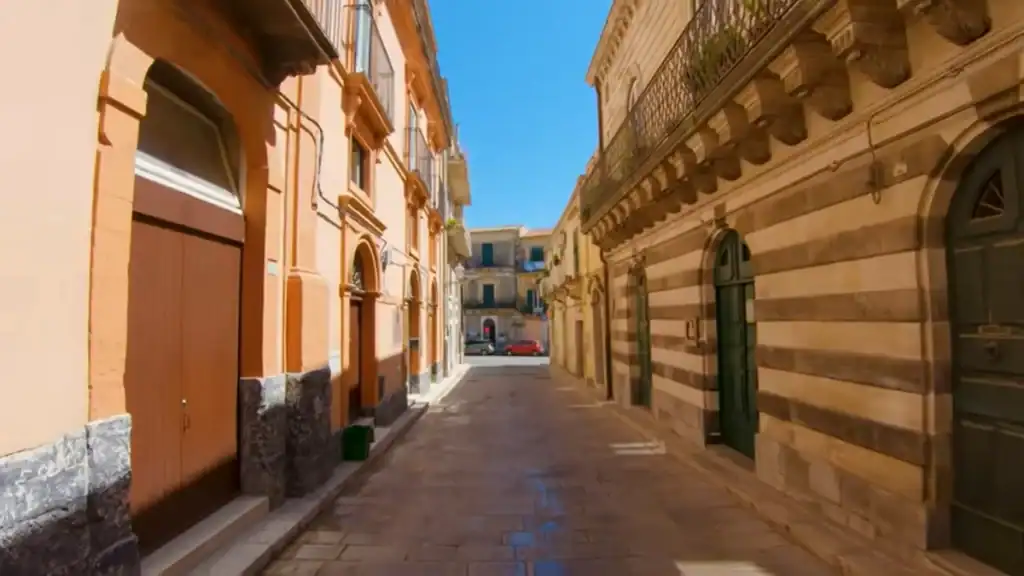
Reaching the bottom of Via Scale did not feel like the end of our walk. In many ways, it was where the more spontaneous part began. Ragusa Ibla unfolded through narrow streets, hidden stairways and quiet piazzas, and we found more by resisting the temptation to head directly for the cathedral.
Some of the details we remember most were between the obvious landmarks.
Corso Don Minzoni Is a Guide, Not an Itinerary
Corso Don Minzoni naturally drew us deeper into the old town, but smaller lanes repeatedly tempted us away towards churches, Baroque palazzi and valley viewpoints. Carved stone balconies, weathered façades and unexpected courtyards meant we rarely concentrated on the route for very long.
| 🚶 Walking Through Ibla | |
|---|---|
| 🏛️ Corso Don Minzoni | Main route into the old town |
| 🪨 Baroque palazzi | Rich architectural details |
| 👀 Hidden viewpoints | Frequent glimpses across the valley |
| ☕ Quiet cafés | Perfect for an unplanned stop |
The Side Streets Gave Us the Better Detours
We found the quieter corners more memorable than trying to cover every main sight efficiently. Our guide to Ragusa Ibla’s stairways, squares and hidden corners explores more of the lesser-known churches, peaceful streets and diversions we think are worth leaving the main route for.
⛪ How Piazza Duomo Became the Natural Centre of Our Walk
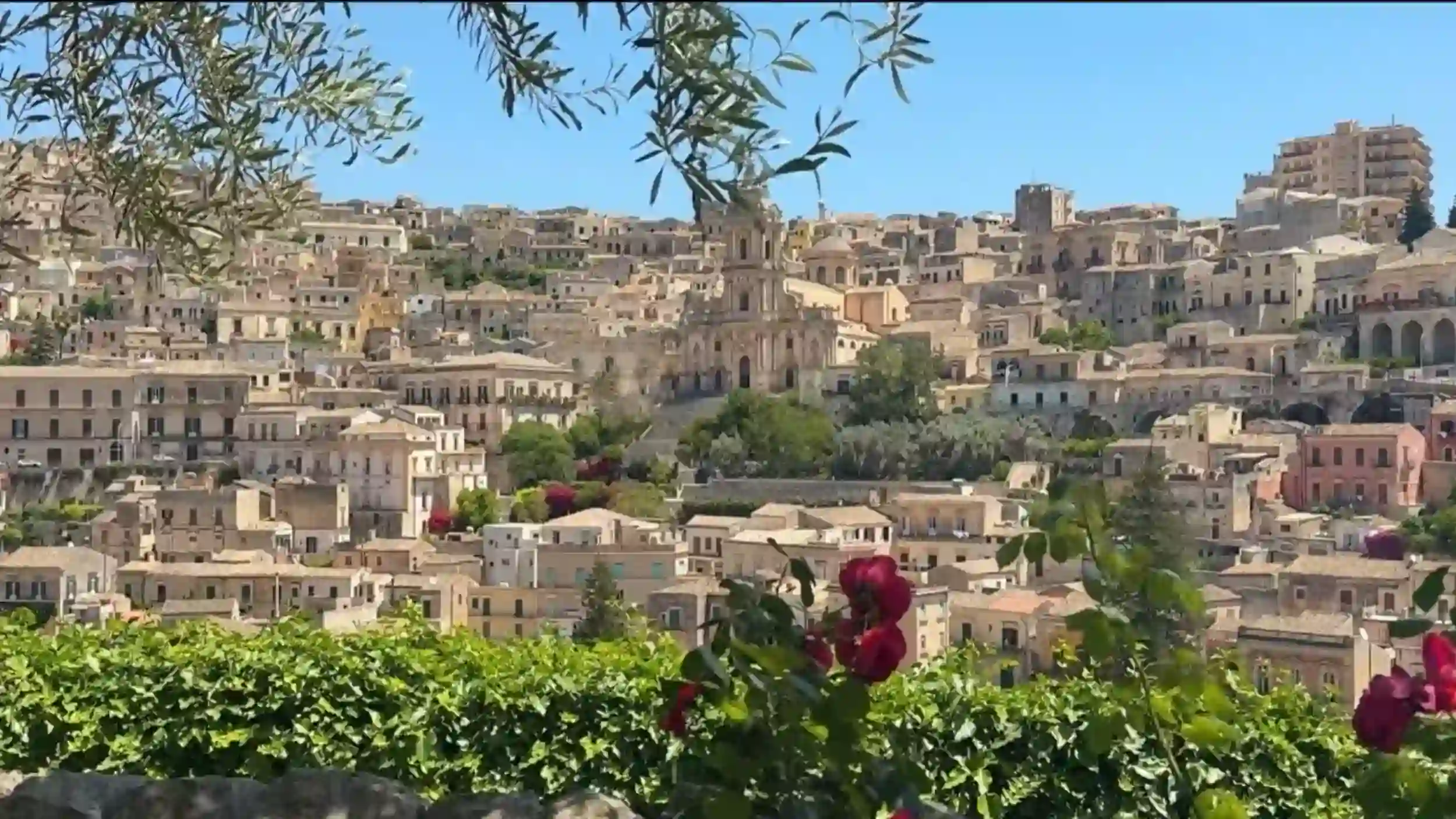
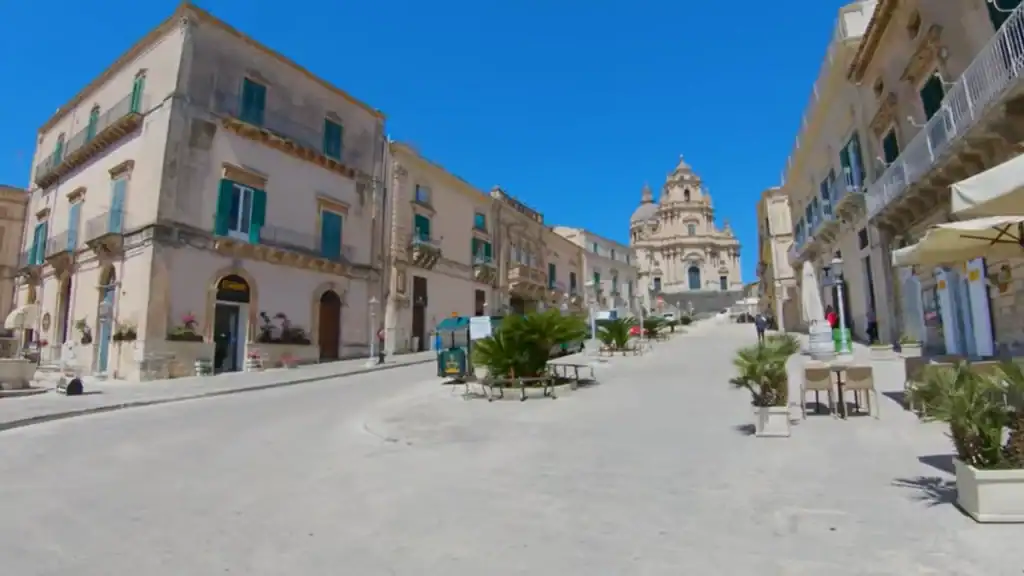
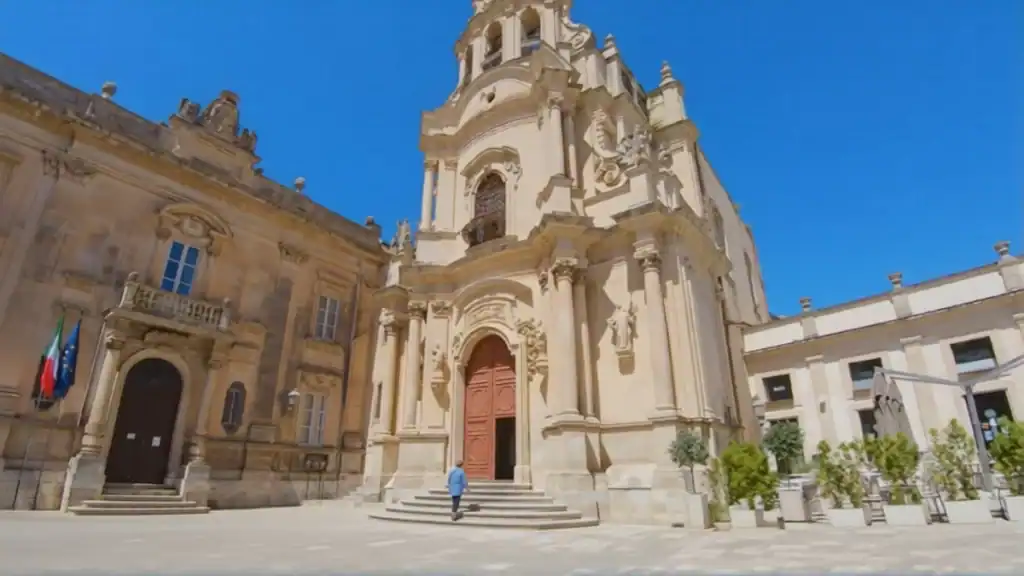
Our route through Ragusa Ibla eventually brought us to Piazza Duomo, where the Cathedral of San Giorgio dominated both the square and the skyline. We had already caught glimpses of it above the rooftops, so the moment the piazza finally opened in front of us felt like a natural culmination rather than simply another stop.
It was one of the most memorable moments of walking in Ragusa for us.
Piazza Duomo Is Worth More Than a Photo Stop
We stayed longer than we had expected. The broad staircase, cafés and surrounding Baroque buildings gave the square an atmosphere that was enjoyable independently of the cathedral itself, making it an obvious place to stop before continuing through Ibla.
| ⛪ Piazza Duomo | |
|---|---|
| 🏛️ Duomo di San Giorgio | The centrepiece of Ragusa Ibla |
| 🪜 Grand staircase | Designed to enhance the approach |
| ☕ Outdoor cafés | Ideal for a relaxed stop |
| 📸 Beautiful architecture | One of Sicily’s finest Baroque squares |
Everyday Life Keeps the Square Grounded
Despite being Ibla’s best-known landmark, Piazza Duomo did not feel preserved solely for visitors. We watched residents cross the square while cafés remained busy around us, and the surrounding streets continued the slower rhythm we had enjoyed throughout the walk.
🚌 Why We Would Take the Bus Back to Ragusa Superiore
Walking back to Ragusa Superiore is perfectly possible, but we saw little reason to make the uphill return compulsory. The staircases that felt easy on the descent become a steady climb, particularly when the afternoon heat is still sitting on the stone.
The local bus gives the day a much easier ending.
Save Your Energy for Ibla, Not the Climb Back
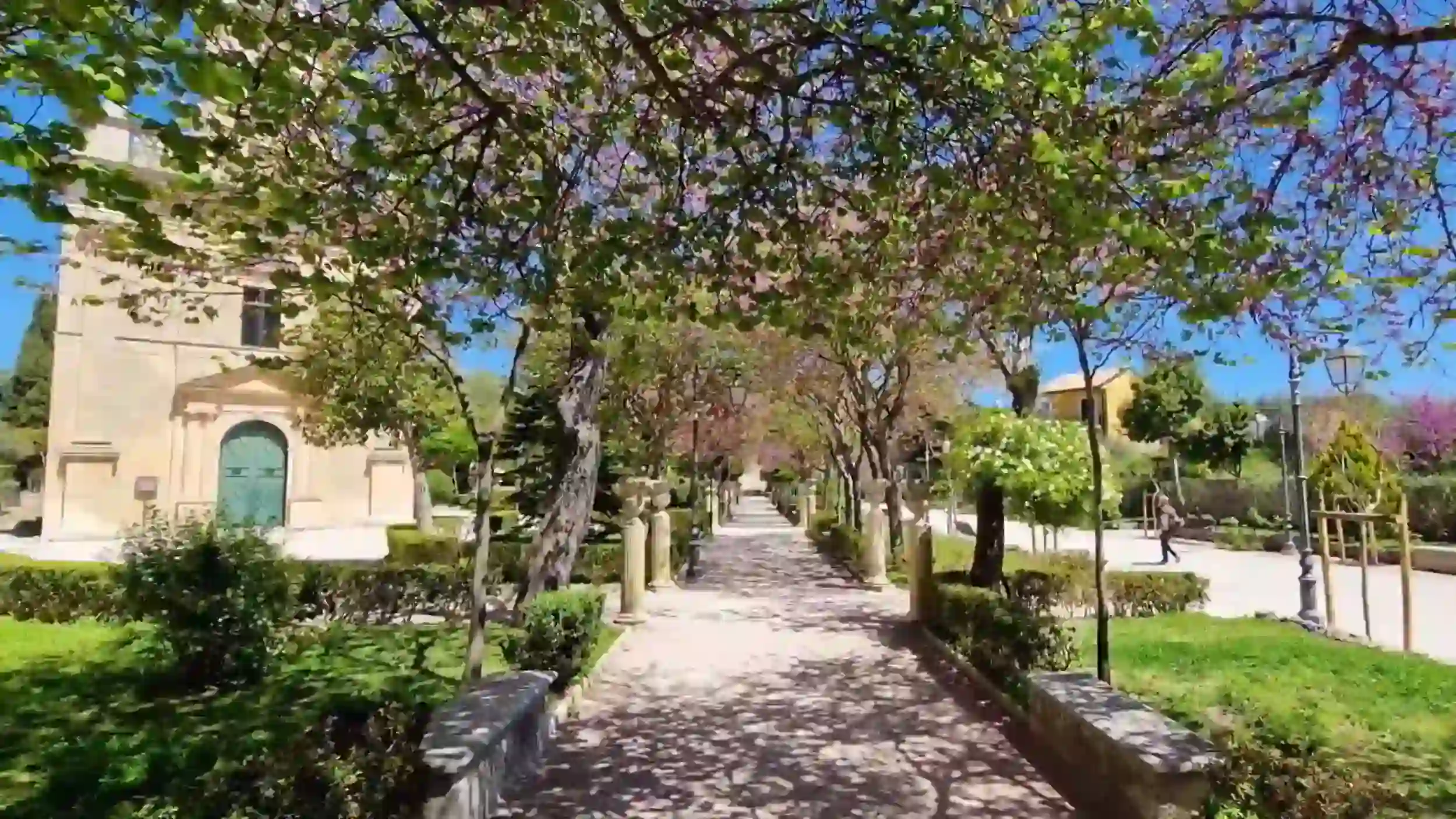
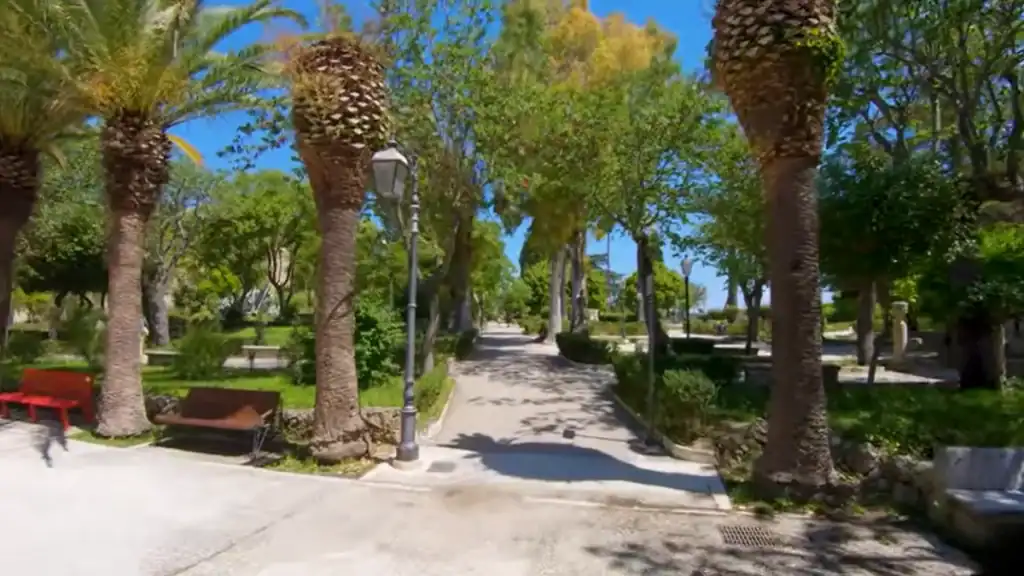
A local bus runs from near Giardino Ibleo towards Ragusa Superiore, so we would rather use our energy exploring the old town than save it for hundreds of uphill steps. Walking down, spending the afternoon in Ibla and returning by bus makes practical sense, especially in warmer weather.
| 🚌 Returning to Superiore | |
|---|---|
| 🚶 Walk down | The easiest direction on foot |
| 🚌 Bus back | Avoids the long uphill climb |
| 🌳 Giardino Ibleo | Convenient place to catch the bus |
| ☀️ Summer | Especially useful in warmer weather |
A Bus Ride Doesn’t Diminish the Walking Experience
For us, walking in Ragusa was about experiencing the descent and discovering Ibla rather than proving we could climb every staircase twice. Taking the bus back leaves more time and energy for cafés, churches and unplanned detours, which is where much of the pleasure of this walk lies.