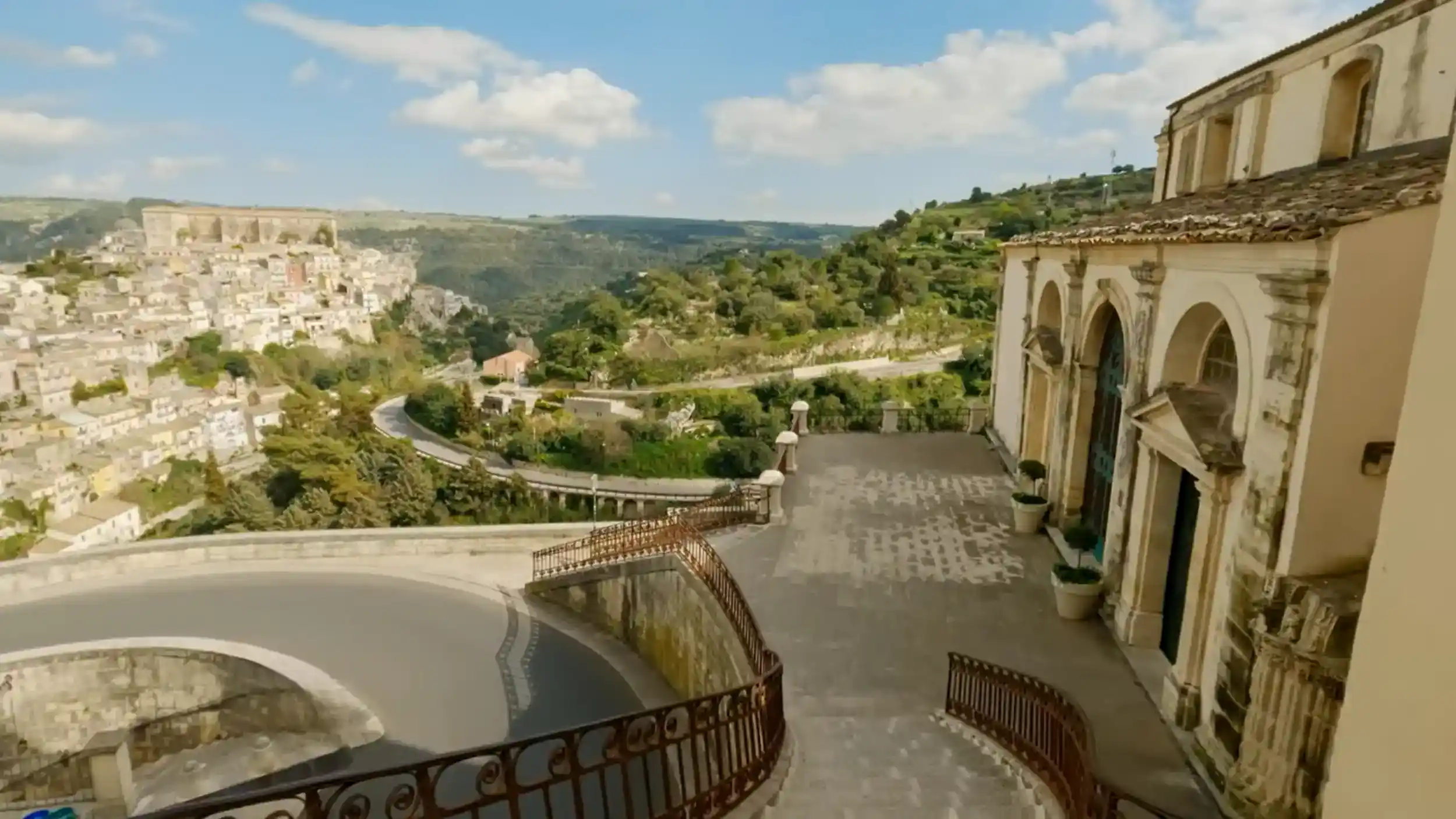
The best way to explore Ragusa Ibla, for us, was slowly on foot rather than as a checklist of sights. Its steep stairways, Baroque streets, quiet squares and narrow lanes kept changing our view of the old town, and some of our best discoveries came when we stopped following the most obvious route.
A staircase that looked inconvenient from below sometimes led us to a tiny square, an unexpected church façade or another view across the rooftops.
Getting slightly lost here rarely felt like wasted time.
🪜 How We Found the Best Way to Explore Ragusa Ibla
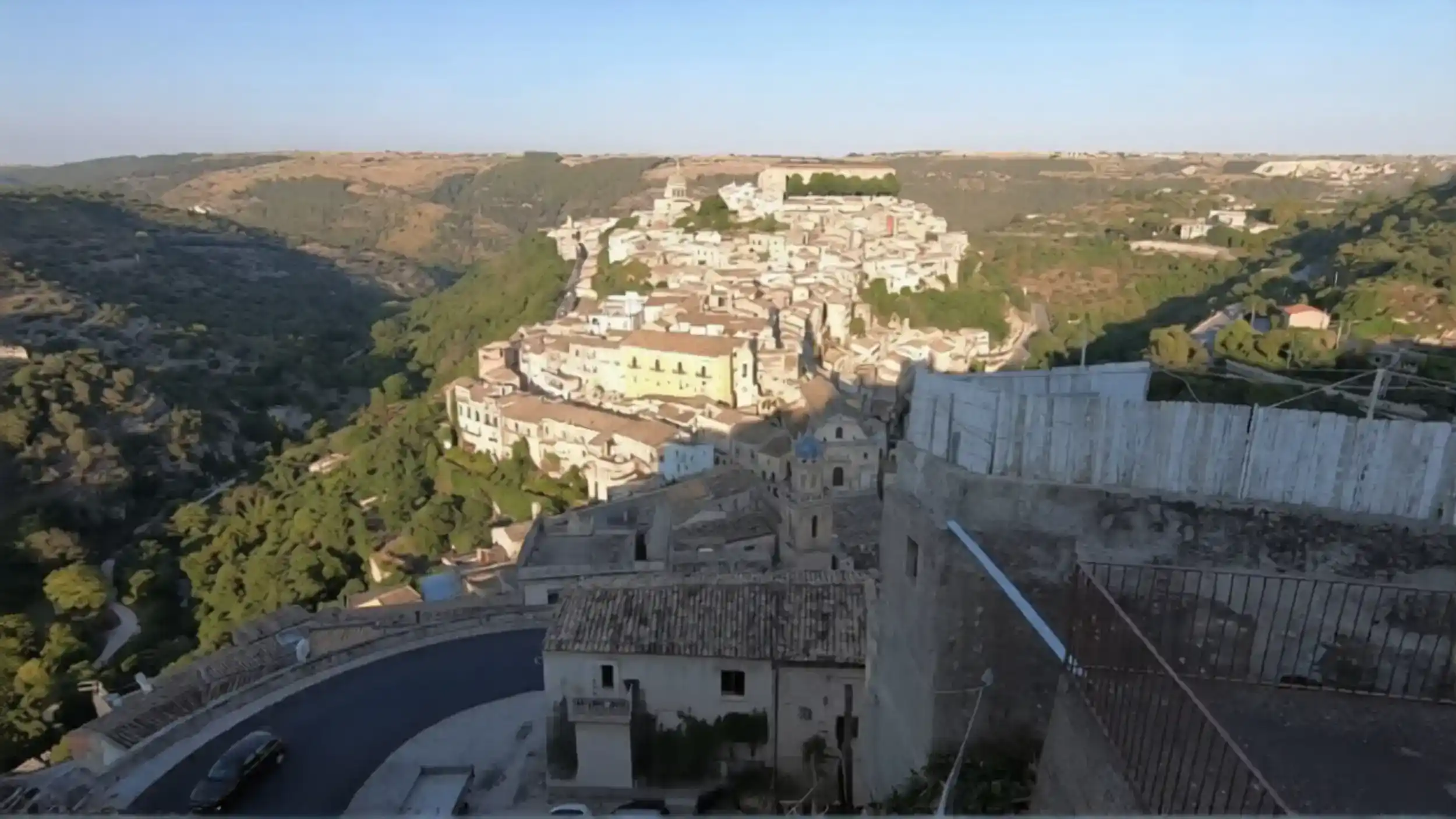
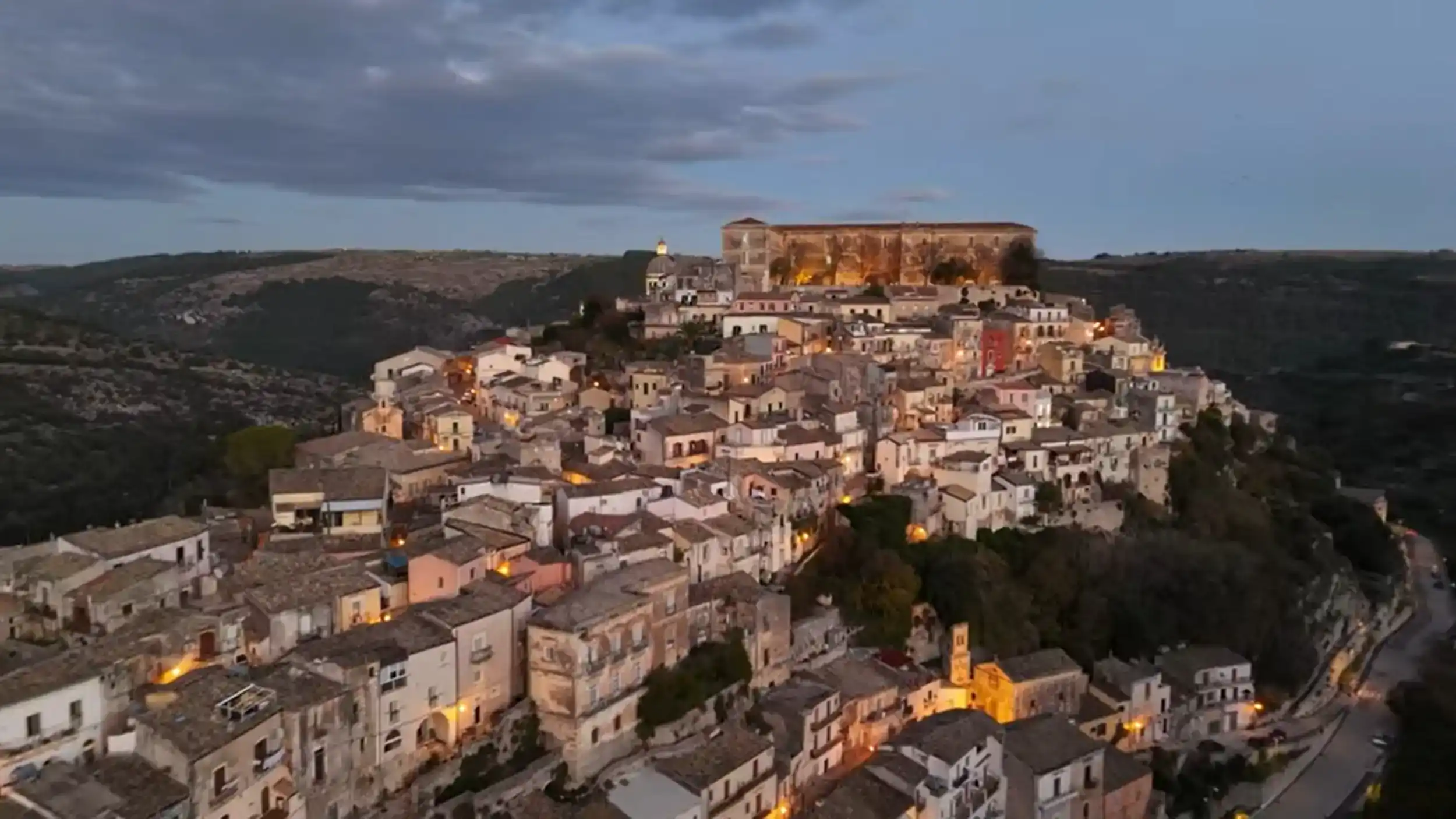
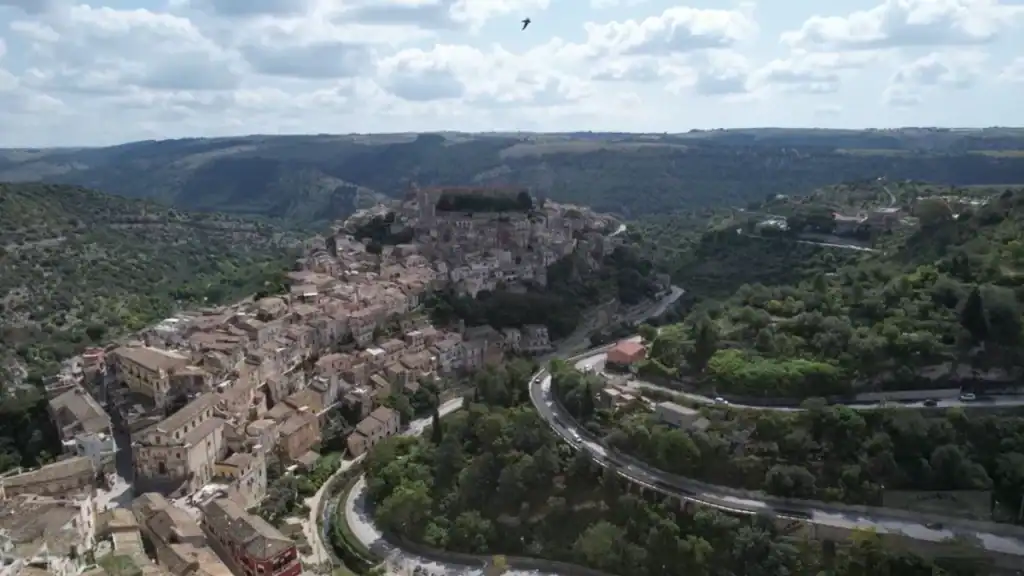
Ragusa Ibla encouraged us to slow down almost immediately. There was no single route that felt compulsory. Streets twisted around the limestone ridge, stairways disappeared between buildings and small piazzas appeared unexpectedly, so curiosity proved more useful than trying to follow a precise itinerary.
Before long, the walking itself had become part of what we were there to experience.
I do think walking is the best way to explore Ragusa Ibla. Cars are more of a complication than a help in the oldest streets, while walking lets us use the stairways, small lanes and viewpoints that give Ibla much of its character. I would allow at least three to four hours for a proper first exploration, and longer if we wanted lunch, church interiors or an unhurried stop in Giardino Ibleo.
I would also wear comfortable walking shoes with a decent grip rather than sandals with smooth soles. The distances are not intimidating, but polished stone, cobbles, slopes and repeated steps made footwear more important to us than the number of kilometres.
The Stairways Gradually Reveal the Old Town
Starting near Santa Maria delle Scale gave us one of the classic approaches into Ibla and would still be my first choice if I wanted the most memorable introduction. The main descent takes around fifteen minutes, but we allowed longer because each turn changed the view. Narrow lanes branched away, rooftops appeared between buildings and the old town gradually opened below us rather than arriving all at once. If we had parked below instead, Piazza della Repubblica would make a practical alternative starting point.
| 🪜 Walking Through Ibla | 📌 What We Found |
|---|---|
| ⏱️ Around 15 minutes | Main descent into the old town |
| ⛪ Santa Maria delle Scale | Traditional starting point |
| 🏛️ Narrow lanes | Best explored without rushing |
| 👀 Constant viewpoints | The scenery changes around every corner |
Forget the Map Occasionally
We found the streets made much more sense once we were walking through them than they had on a map. I would keep a phone map available for finding a particular church, restaurant or the route back, but I would not follow it turn by turn. Rather than visiting churches and landmarks in a fixed order, we gave ourselves time for side streets and detours. If you’re starting above Ibla, our guide to walking down into Ragusa Ibla explains what we found on the descent and what to expect from the steps.
It is easy enough to take a wrong turn because the lanes twist, climb and reconnect at different levels, but genuinely getting lost was difficult for us. Piazza Duomo, Corso XXV Aprile and the slope of the ridge gave us useful reference points, and a quick look at the phone was enough whenever we wanted to reset our direction.
⛪ Why San Giorgio Became the Centre of Our Ragusa Ibla Walk
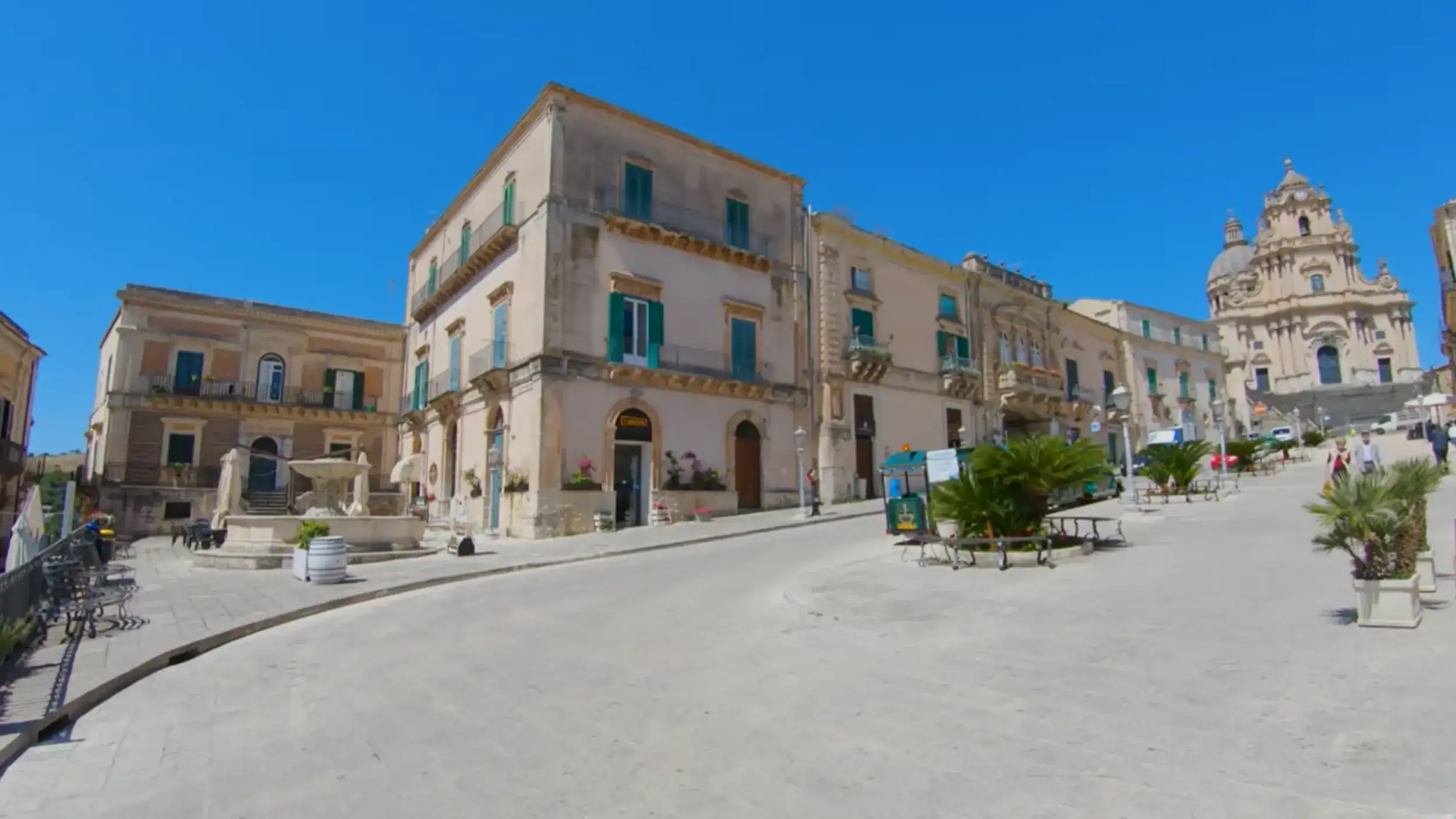
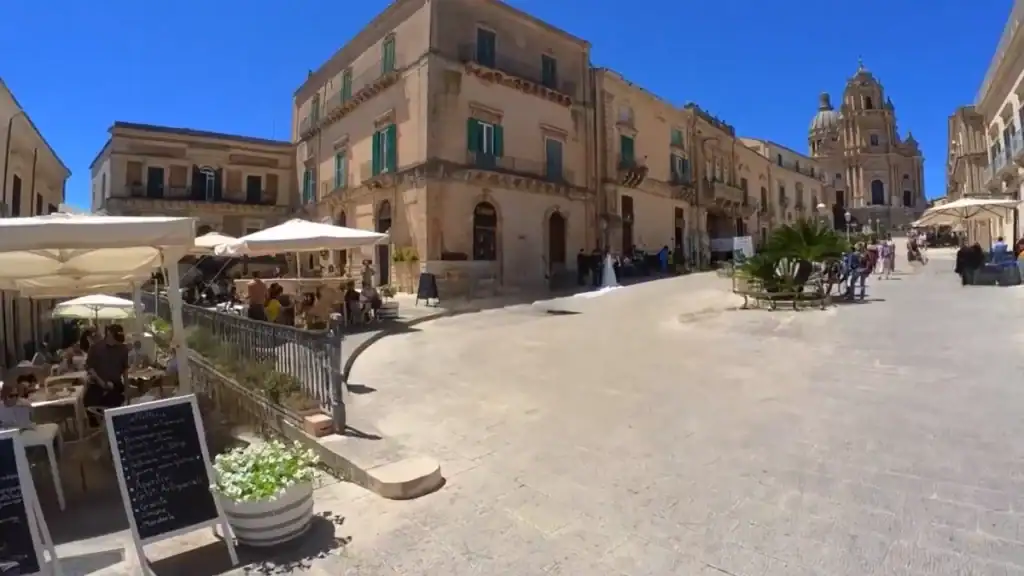
The Cathedral of San Giorgio was impossible for us to treat as just another landmark. Its dome appeared above the rooftops before we reached Piazza Duomo, and the broad staircase made the final approach feel deliberately theatrical.
Once we entered the square, almost everything seemed to draw our attention back towards it.
Early Morning Gives the Piazza More Space
We preferred Piazza Duomo before it became busier. With fewer people around, it was easier to appreciate the wide staircase, honey-coloured limestone and surrounding buildings, while the cafés beginning to set up around the square added some life without dominating it.
If I had to choose between morning and evening, I would use the morning for exploring properly and the evening for atmosphere. Early hours gave us quieter piazzas and better conditions for covering the stairways, while evening brought softer light, cooler temperatures and illuminated Baroque buildings. Ideally, I would arrive in the morning and stay long enough to experience both.
| ⛪ Piazza Duomo Highlights | 📌 Why We Would Stop |
|---|---|
| 🏛️ Cathedral of San Giorgio | Ibla’s architectural masterpiece |
| 🪜 Monumental staircase | Designed to enhance the approach |
| ☕ Piazza cafés | Ideal for a relaxed break |
| 🌅 Early morning | The quietest time to visit |
Piazza Duomo Still Feels Like Part of a Living Town
What stopped the square feeling like an open-air museum was the ordinary activity around the cathedral. We watched residents cross the piazza and cafés gradually fill as the day developed. That everyday rhythm mattered because it made the centre of Ragusa Ibla feel inhabited rather than preserved only for visitors.
During May, the Festa di San Giorgio changes the atmosphere completely, turning the normally calmer piazza into the setting for one of southeastern Sicily’s important local celebrations.
🏛️ What We Found Beyond Piazza Duomo
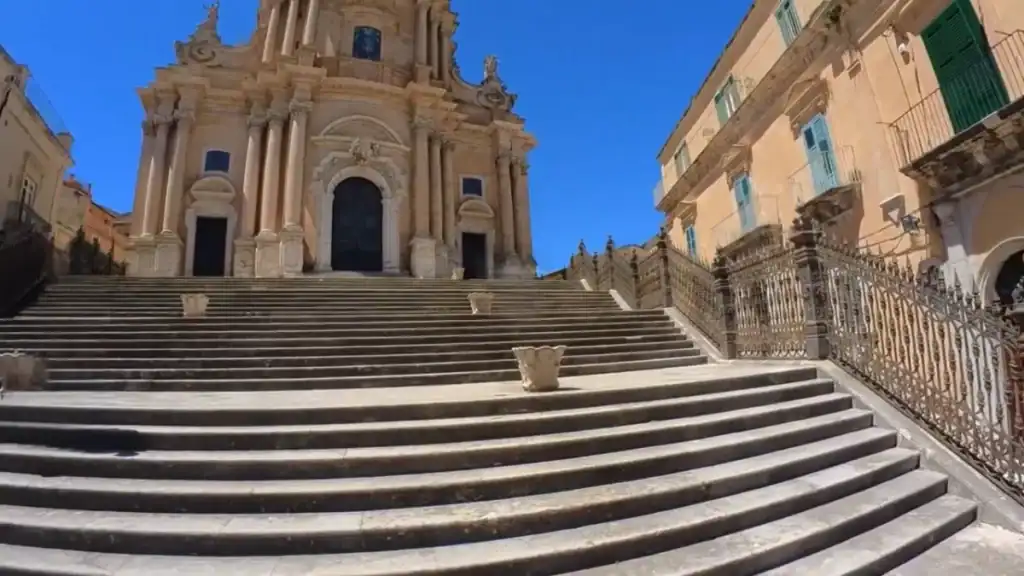
Leaving Piazza Duomo gave us a different side of Ragusa Ibla. The streets narrowed, visitor numbers thinned and the pace became quieter again. This was where we stopped concentrating on major landmarks and started noticing the smaller details that gave the old town much of its character.
Some of our favourite discoveries came after we had left the main square behind.
The Stops We Would Not Miss in Ragusa Ibla
If I wanted a loose route rather than a checklist, I would connect Santa Maria delle Scale, Piazza Duomo and the Cathedral of San Giorgio, Corso XXV Aprile, Portale San Giorgio and Giardino Ibleo. Those stops give us the stairways, Baroque architecture, main piazza, quieter streets and valley views without preventing the detours that made Ibla enjoyable.
Corso XXV Aprile Leads Into Quieter Corners
Following Corso XXV Aprile took us past elegant Baroque buildings before the surroundings gradually shifted towards quieter lanes, small churches and less obvious corners. Grotesque stone faces beneath balconies, weathered doorways and trattorias tucked between historic palazzi gave us plenty of reasons to stop looking for the next major sight.
| 🏛️ Beyond Piazza Duomo | 📌 What We Noticed |
|---|---|
| 🏠 Baroque palazzi | Richly decorated limestone façades |
| ⛪ Historic churches | Quiet stops away from the crowds |
| 🍝 Traditional trattorias | A more local atmosphere |
| 🪨 Portale San Giorgio | A remarkable survivor of the 1693 earthquake |
Curiosity Works Better Than a Sightseeing Checklist
This was the part of Ragusa Ibla where we were happiest wandering without a fixed destination. If you want more context for the architecture and traditions behind these streets, our guide to Ragusa’s history, food and local character explores what lies beyond the obvious Baroque sights.
Would We Choose a Guided Tour of Ragusa Ibla?
I would choose a guided tour if the Baroque architecture, 1693 earthquake or local history was a major reason for visiting. A guide can add context that we would otherwise walk straight past. But I would not make the tour our entire experience. For us, the best combination would be a focused guided walk followed by time alone to wander without a route.
🌳 Why Giardino Ibleo Was a Natural Place to Finish
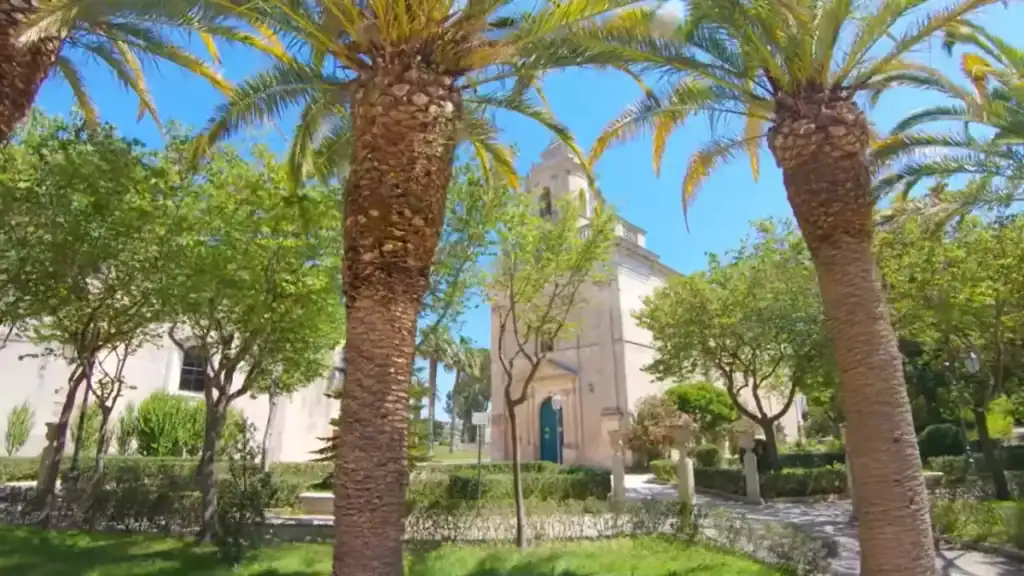
Giardino Ibleo felt like a natural end to our walk through Ragusa Ibla. After narrow streets, stairways and busier piazzas, the sudden space of broad paths, mature trees and valley views changed the rhythm completely.
We were glad we had left enough time to stop there rather than treating the gardens as somewhere to pass through before turning back.
Shade and Open Views Change the Pace
The gardens gave us welcome shade and one of the few genuinely open spaces within the historic centre. Benches overlooked the valley, while quieter paths passed small churches and archaeological remains. After the enclosed lanes of Ibla, the contrast was immediately noticeable.
| 🌳 Giardino Ibleo | 📌 Why It Works |
|---|---|
| 🌴 Mature trees | Welcome shade on warm days |
| 👀 Valley viewpoints | A different perspective of Ibla |
| ⛪ Small churches | Peaceful places away from the crowds |
| 🚶 End of the route | A natural place to pause before returning |
Taking Our Time Was the Real Reward
By the time we reached the gardens, the value of exploring slowly was obvious. The stairways, churches and piazzas mattered, but so did all the small diversions between them. For us, Ragusa Ibla became more interesting the less we tried to force it into a fixed route.