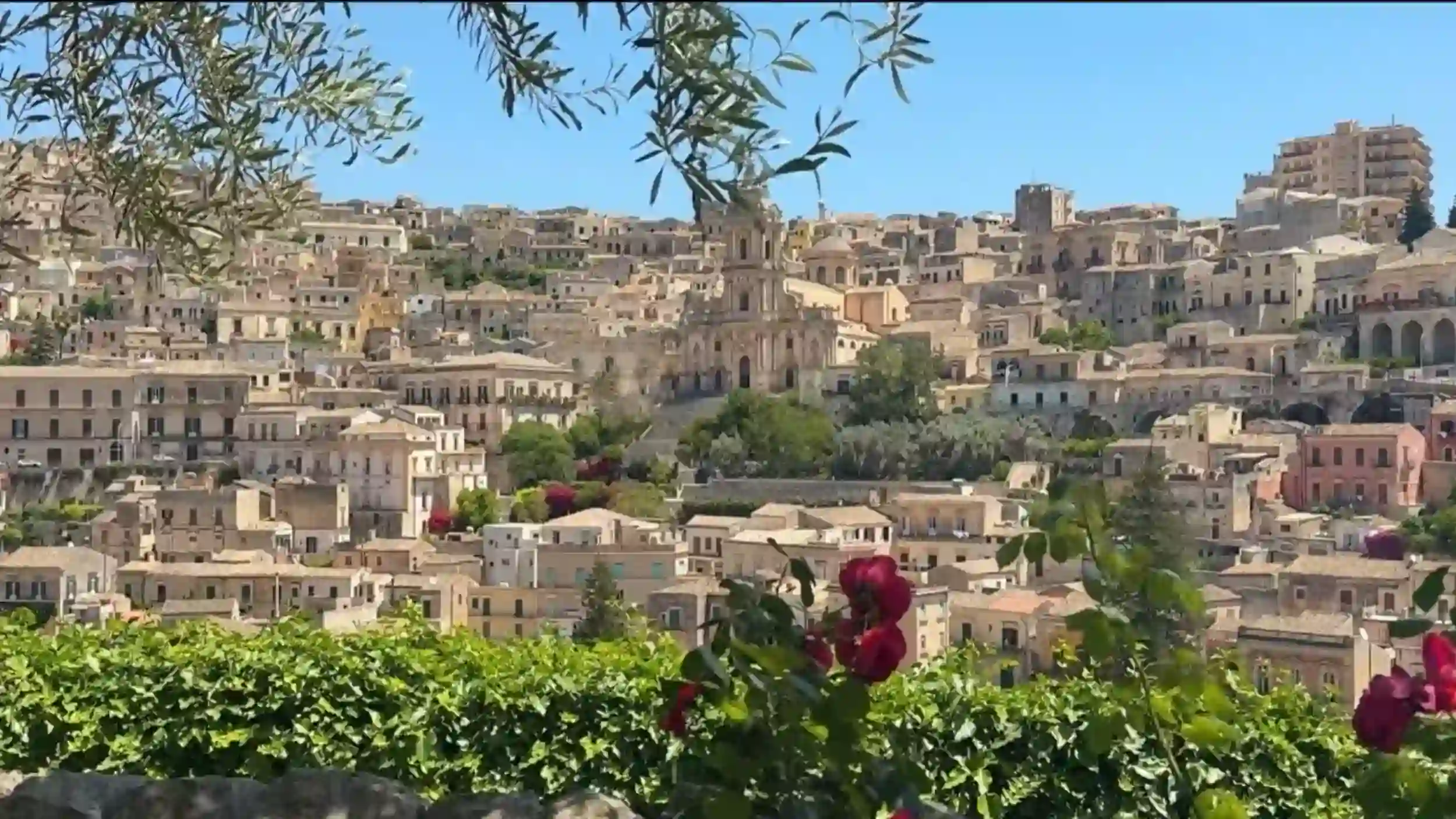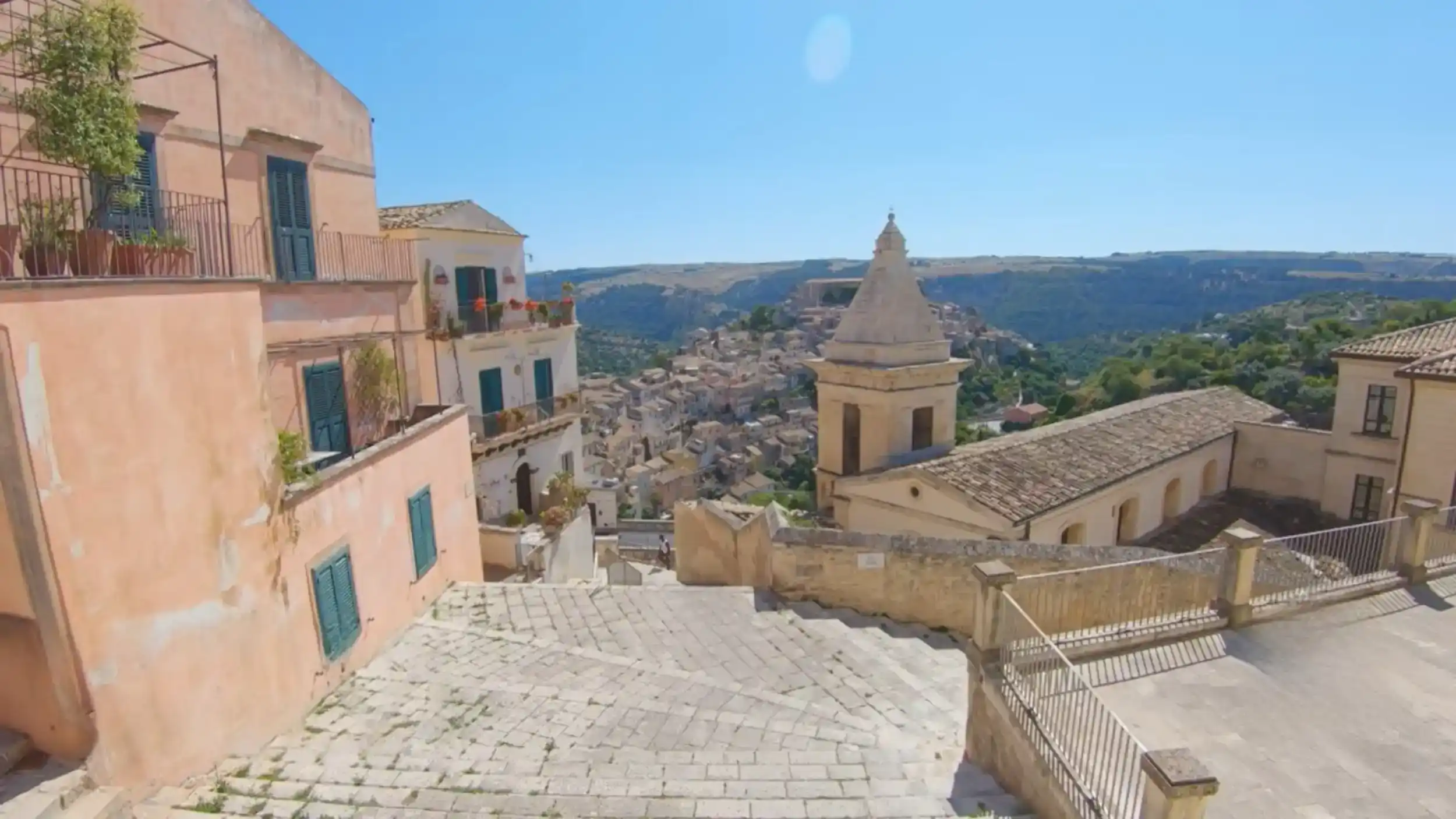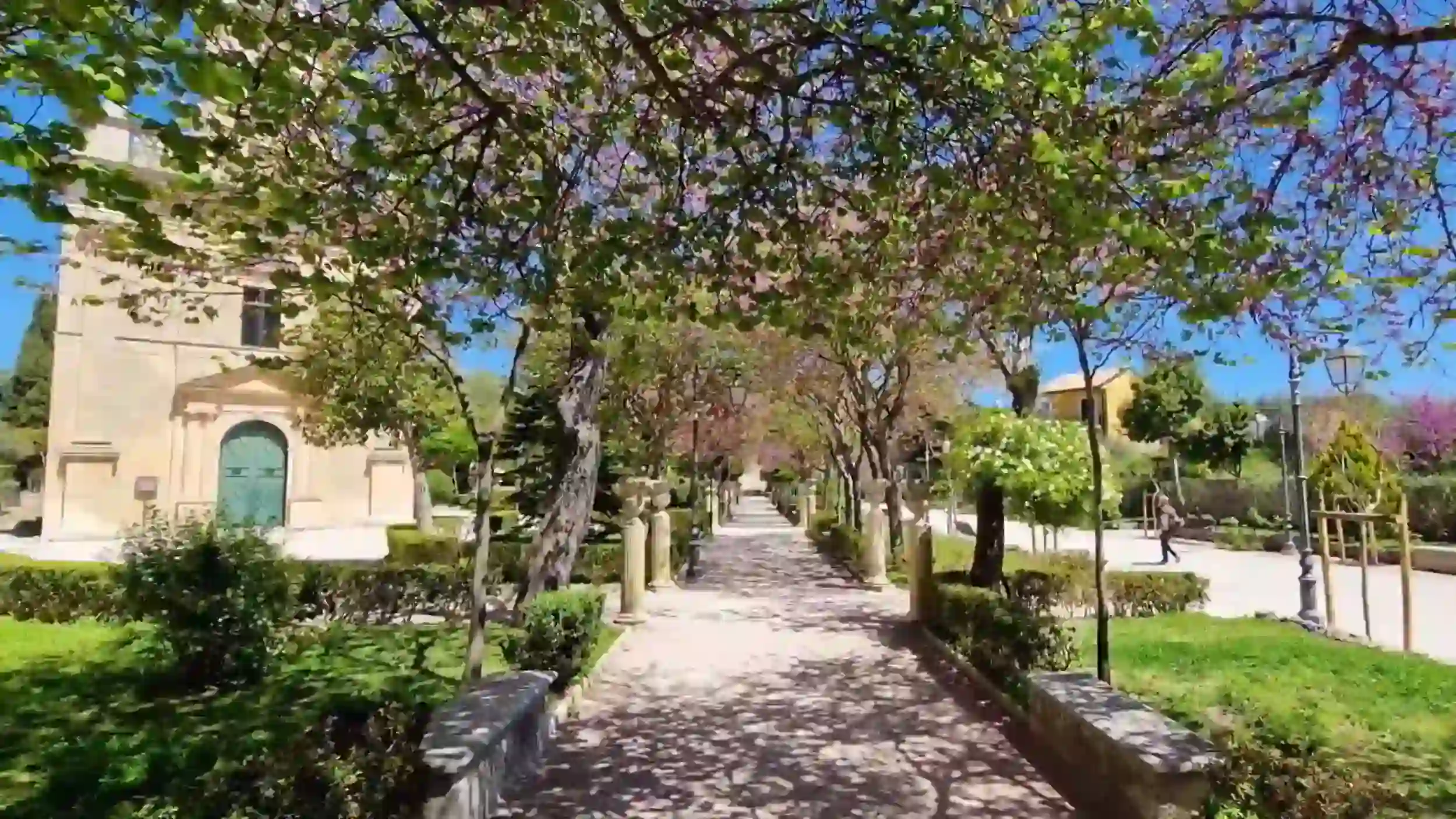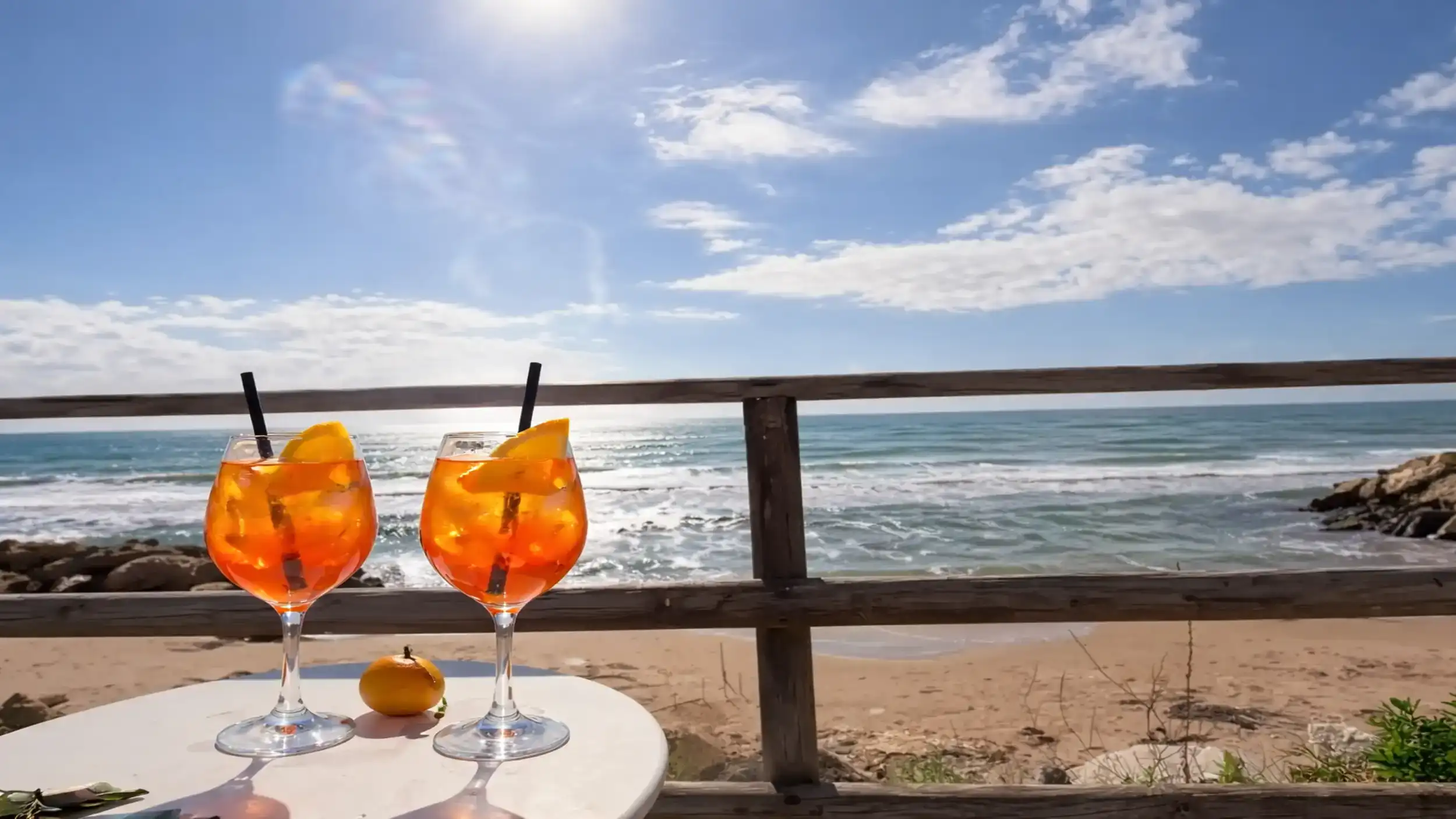
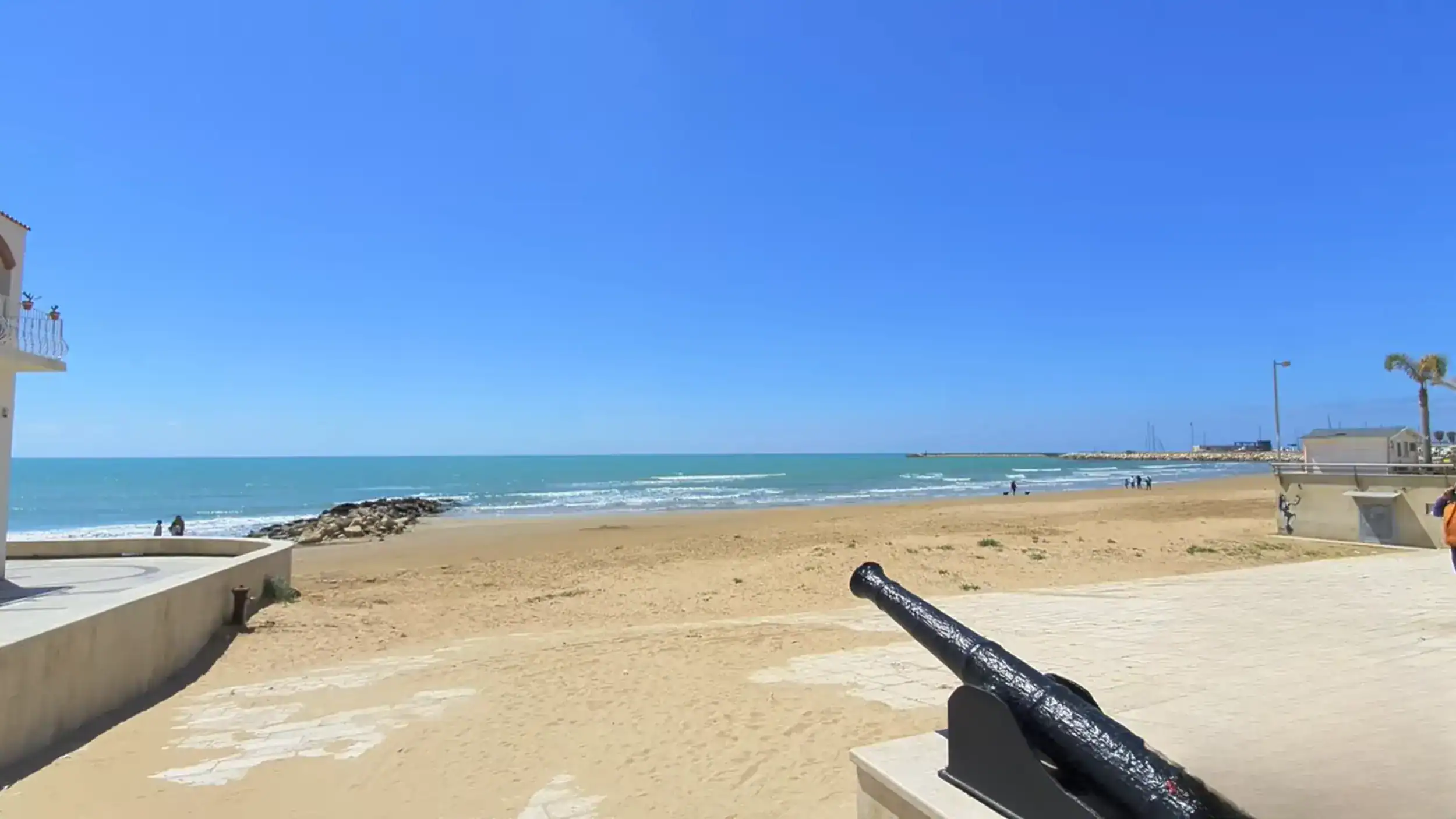
Walking in Ragusa gave us two completely different experiences depending on whether we stayed among the steep historic streets of Ragusa Ibla or headed down to Marina di Ragusa. On the coast, Baroque stairways and enclosed lanes gave way to level streets, sandy beaches, open sea views and a promenade facing the Mediterranean.
What struck us first was how open Marina di Ragusa felt. Low buildings spread out instead of climbing the hillside, and almost everything seemed to pull us towards the waterfront.
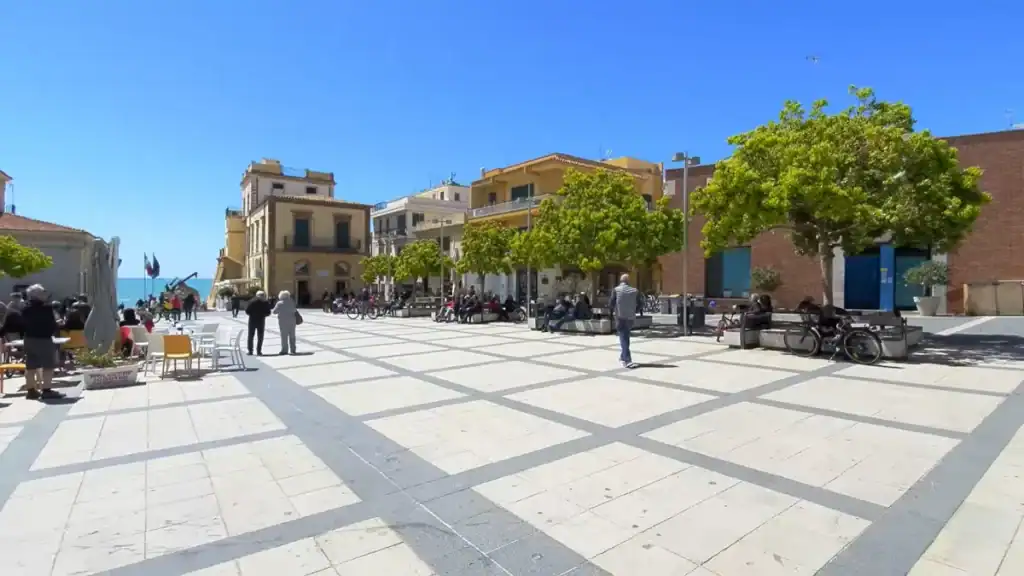
🏖️ Where Marina di Ragusa Fitted Into Our Trip
Marina di Ragusa worked for us because it offered such a strong contrast with the hill town above it. After Baroque streets, staircases and historic squares inland, wide sandy beaches and an easy-going promenade gave the day a completely different rhythm.
We saw the contrast as its main strength rather than expecting the coast to compete with Ragusa Ibla.
Marina di Ragusa is Ragusa’s coastal resort on the Mediterranean, south of the historic city. It is important not to read “the coast below Ragusa” as a continuous walk down from Ragusa Ibla: the two are separate places, and we would travel to Marina di Ragusa first before beginning the coastal stroll.
Twenty-Five Kilometres Changes the Entire Atmosphere
Only around 25 kilometres separate Marina di Ragusa from Ragusa, yet to us they felt like completely different destinations. From Ragusa Ibla, I would treat that as roughly the same 25-kilometre journey rather than pretend there is a meaningful walking connection between them. Exploring Ibla in the morning and heading to the coast later gave us time for swimming, a waterfront café and an easy walk beside the sea without committing another day to the journey.
| 🏖️ Marina di Ragusa | |
|---|---|
| 🚗 Around 25 km from Ragusa | Easy to reach by car |
| 🌊 Sandy beaches | A complete contrast to Ibla |
| 🚶 Seafront promenade | Ideal for relaxed walks |
| ☀️ Half or full day | Easy to combine with inland sightseeing |
| 🚶 Coastal stroll | Allow roughly 1–2 hours for an easy main-seafront walk |
| 👨👩👧 With kids | Level promenade and easy beach stops |
| 🌅 Best walking time | Late afternoon into early evening |
Think of the Coast as a Counterpoint, Not a Replacement
We would combine Marina di Ragusa with the historic city rather than choose between them. Our guide to combining Ragusa’s hill town and coast explains why we found the change from historic streets to the waterfront such a rewarding part of travelling through southeastern Sicily.
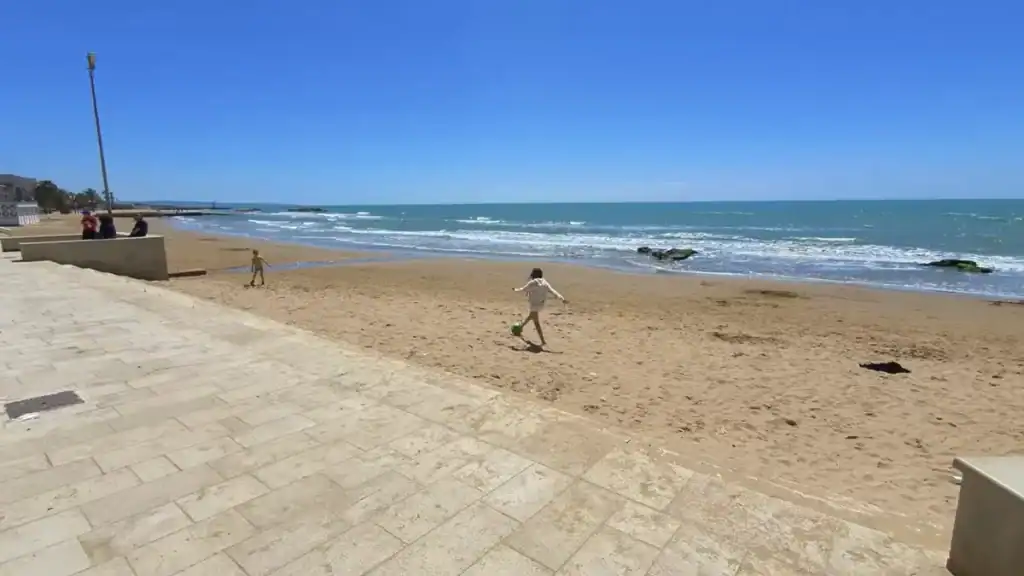
🏝️ What We Liked About the Beach and Promenade
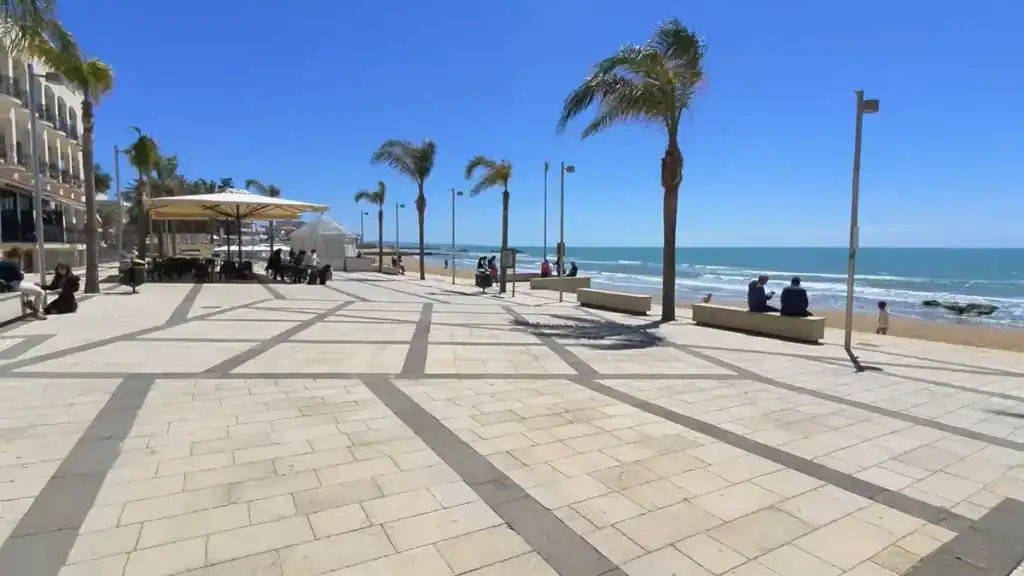
The beach was the obvious reason for us to spend time in Marina di Ragusa. Yes, there are sandy beaches directly alongside the coastal part of town, so a walk can easily become a swim or beach stop. Long stretches of soft sand, gently shelving water and a wide promenade created an easy-going setting that felt very different from Sicily’s more dramatic cliff-backed beaches.
This was somewhere we could stop exploring for a while without feeling there was another major sight we ought to be seeing.
Lungomare Andrea Doria Holds the Seafront Together
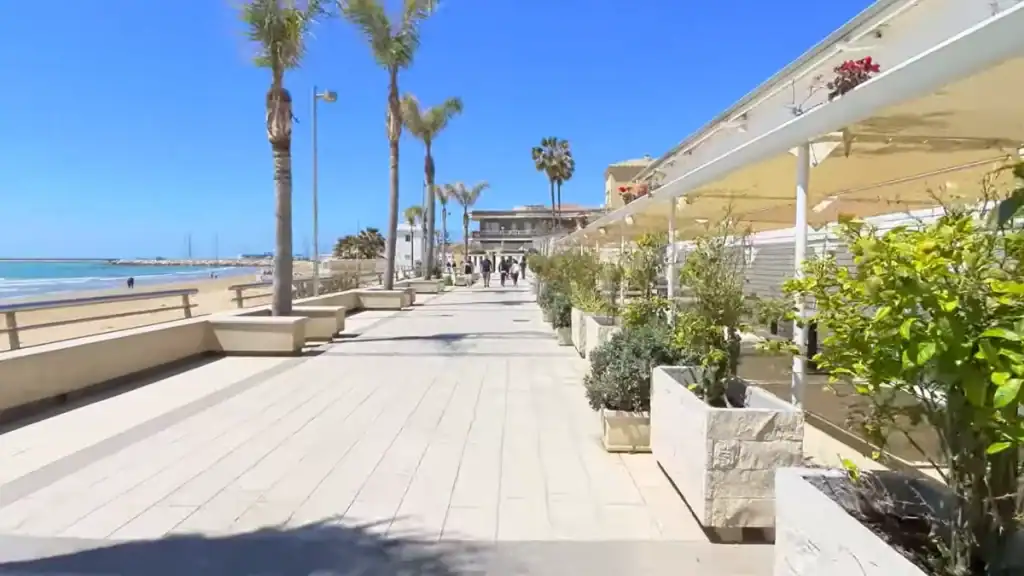
We kept returning to Lungomare Andrea Doria because it made moving between the beach and town effortless. Cafés, restaurants and palm trees lined the promenade, while families strolled along the waterfront and swimmers moved easily between the sand and places to stop for a drink or something to eat.
For us, that makes Marina di Ragusa a very good place for an uncomplicated coastal walk. The promenade is level and family-friendly compared with Ragusa Ibla’s steep streets, so I would be comfortable choosing it for a stroll with children, particularly when we wanted plenty of easy places to pause for the beach, food or a drink.
| 🏝️ Seafront Highlights | |
|---|---|
| 🏖️ Wide sandy beach | Plenty of space to spread out |
| 🌊 Clear, shallow water | Ideal for swimming |
| 🌴 Lungomare Andrea Doria | Lively promenade beside the beach |
| ☕ Beachfront cafés | Perfect for a leisurely break |
You Don’t Need a Full Beach Day to Enjoy It
We could see the appeal of spending all day on the sand, but Marina di Ragusa also worked well for a shorter visit. For the coastal stroll itself, I would allow around one to two hours if I wanted to walk the main seafront at an easy pace and stop occasionally; adding the harbour, a swim or a café would naturally make it longer. A couple of hours beside the water was enough to experience the coastal atmosphere, which makes the resort particularly easy to combine with sightseeing inland.
⚓ Why We Kept Walking Beyond the Main Seafront
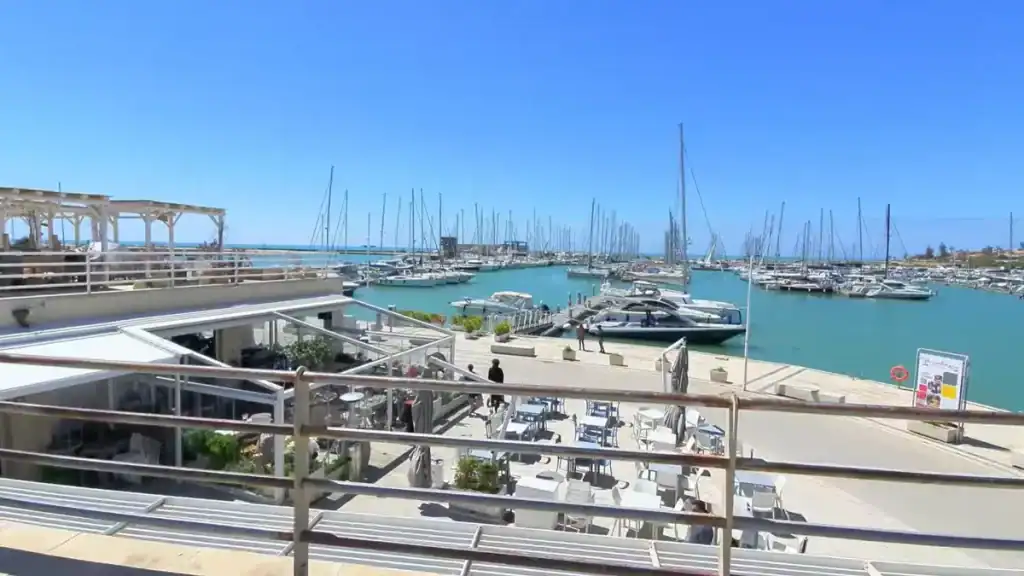
The beach was not the only part of Marina di Ragusa we enjoyed. Continuing towards the modern marina revealed a quieter side of the resort, with residential streets, yachts and waterfront restaurants creating a different atmosphere from the main stretch of sand.
It gave us a reason to keep walking when we had finished with the beach.
How Far Would We Follow the Coast?
I would describe the main seafront, promenade and harbour as comfortably walkable together, rather than claim the entire Marina di Ragusa coastline forms one uninterrupted end-to-end pedestrian path. For the experience most visitors want, walking from the beach and central promenade towards Porto Turistico gives a satisfying coastal route without needing to cover every stretch of shoreline.
Porto Turistico Feels Better as the Heat Fades
The Porto Turistico changed the character of the eastern end of town for us. Sailing boats, quayside restaurants and cafés overlooking the harbour made it an enjoyable place to wander later in the day, particularly once the strongest heat had begun to fade.
If strolling were my main reason for coming, late afternoon into early evening would be my favourite time. The heat is usually less intrusive than around midday, the promenade remains active and I can continue towards the harbour as the light softens before sunset.
| ⚓ Around the Harbour | |
|---|---|
| ⛵ Porto Turistico | Modern marina with hundreds of berths |
| 🍽️ Waterfront restaurants | Views across the harbour |
| 🚶 Quayside walks | Relaxed atmosphere throughout the day |
| 🌅 Evening | Particularly enjoyable before sunset |
The Harbour Shows a Quieter Side of Marina di Ragusa
We would not visit the coast solely for the harbour, but it added variety once we were already there. If your trip continues inland, our guide to Ragusa’s history, food and local character shows how dramatically the experience changes again once you return to the historic hill town.
🚗 When We Would Visit Marina di Ragusa
Marina di Ragusa was easy enough to reach that we did not need to build the entire day around it. The short drive from Ragusa takes you from Baroque streets to the Mediterranean coast in around 25 minutes, making even a half-day visit realistic.
We would arrive by car for this combination, but I would check the parking situation for the exact part of the seafront I planned to use rather than promise a particular car park from the information here. The article supports Marina di Ragusa being straightforward to reach by car, but it does not establish specific parking locations or availability, which can also vary with the busy beach season.
The bigger decision is not whether you have enough time, but what kind of coastal atmosphere you want.
June and September Offer the Balance We’d Choose
Summer brings the liveliest version of Marina di Ragusa, with busy beaches, open restaurants and an energetic promenade. We would favour June or September for warmer weather with fewer people, while October can still be rewarding if you accept that some seasonal businesses may already be winding down.
| 🚗 Planning Your Visit | |
|---|---|
| 🚙 From Ragusa | Around 25 minutes by car |
| ☀️ June & September | Warm weather with fewer crowds |
| 🏖️ July & August | Busiest beach season |
| 🌊 October | Often warm enough for swimming |
A Half-Day Visit Is More Realistic Than It Sounds
Because the journey from Ragusa is short, we would happily use Marina di Ragusa for only a few hours if that fitted the wider itinerary. The beach, promenade and harbour are close enough together that a shorter visit can still feel worthwhile rather than rushed.
🗺️ What We Would Combine With Marina di Ragusa
Marina di Ragusa fitted naturally into a wider journey through southeastern Sicily for us. The coastline provided a useful contrast with the region’s historic hill towns, letting us combine beach time, Baroque architecture, local food and countryside without spending hours driving between them.
That variety was more appealing to us than treating the resort as a self-contained beach destination.
Donnalucata Makes an Easy Coastal Detour
We would combine Marina di Ragusa with nearby Donnalucata or another quieter stretch of coastline before returning inland. Having a car gives you the freedom to stop when a beach or coastal view appeals rather than turning the day into a fixed sequence of attractions.
| 🗺️ Nearby Ideas | |
|---|---|
| 🏖️ Donnalucata | A quieter fishing village nearby |
| 🚗 Ragusa | Easy return to the historic hill town |
| 🌊 Coastal drive | Plenty of places to stop along the way |
| ☀️ Flexible itinerary | Easy to adapt to the weather |
For Us, the Contrast Is the Real Reason to Go
The strongest reason to include Marina di Ragusa was not simply its beach. It was how different the coast felt from the historic towns nearby. Our guide to combining Ragusa with the coast explains why we found those contrasting sides of the area more rewarding when experienced together.