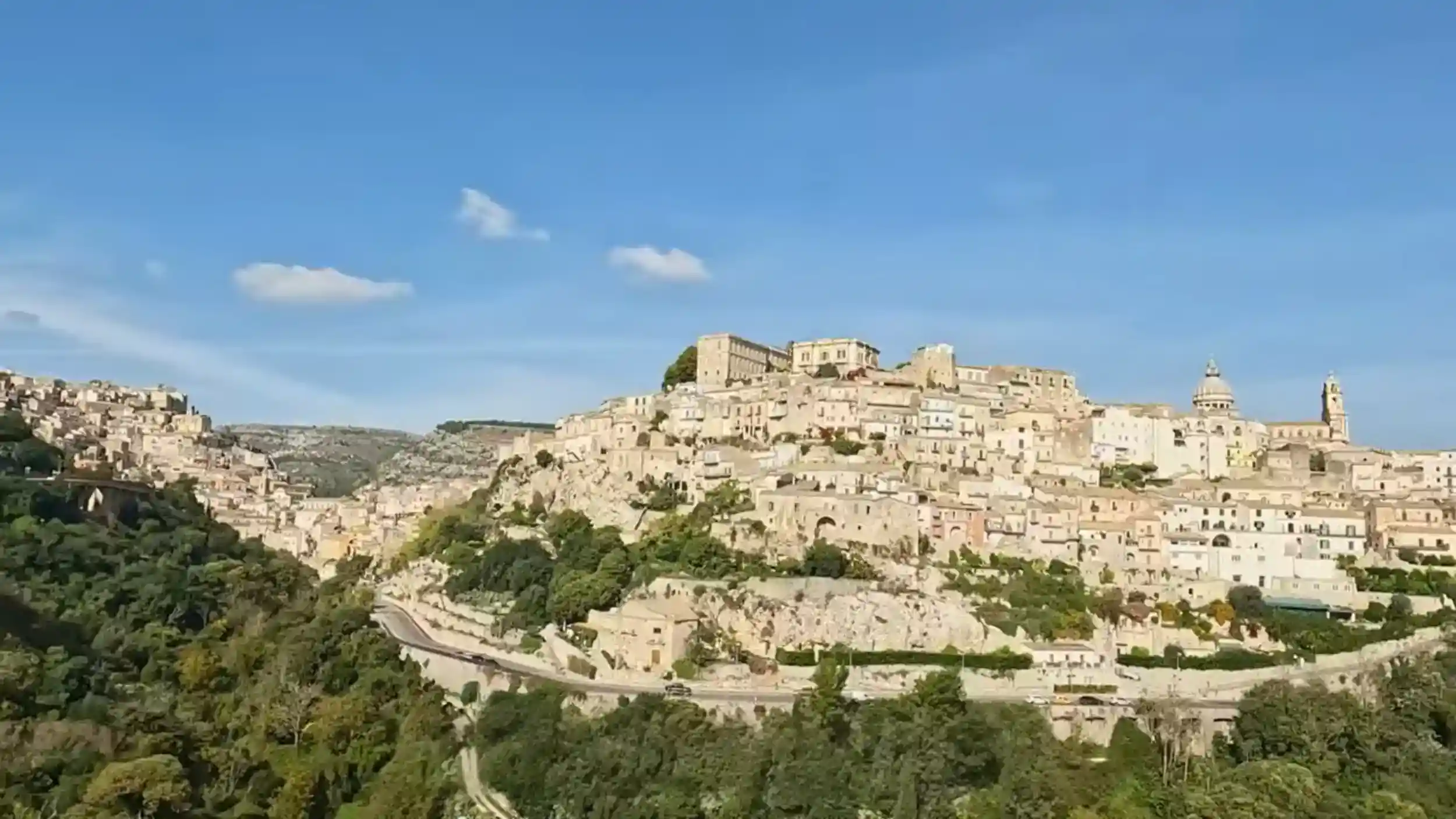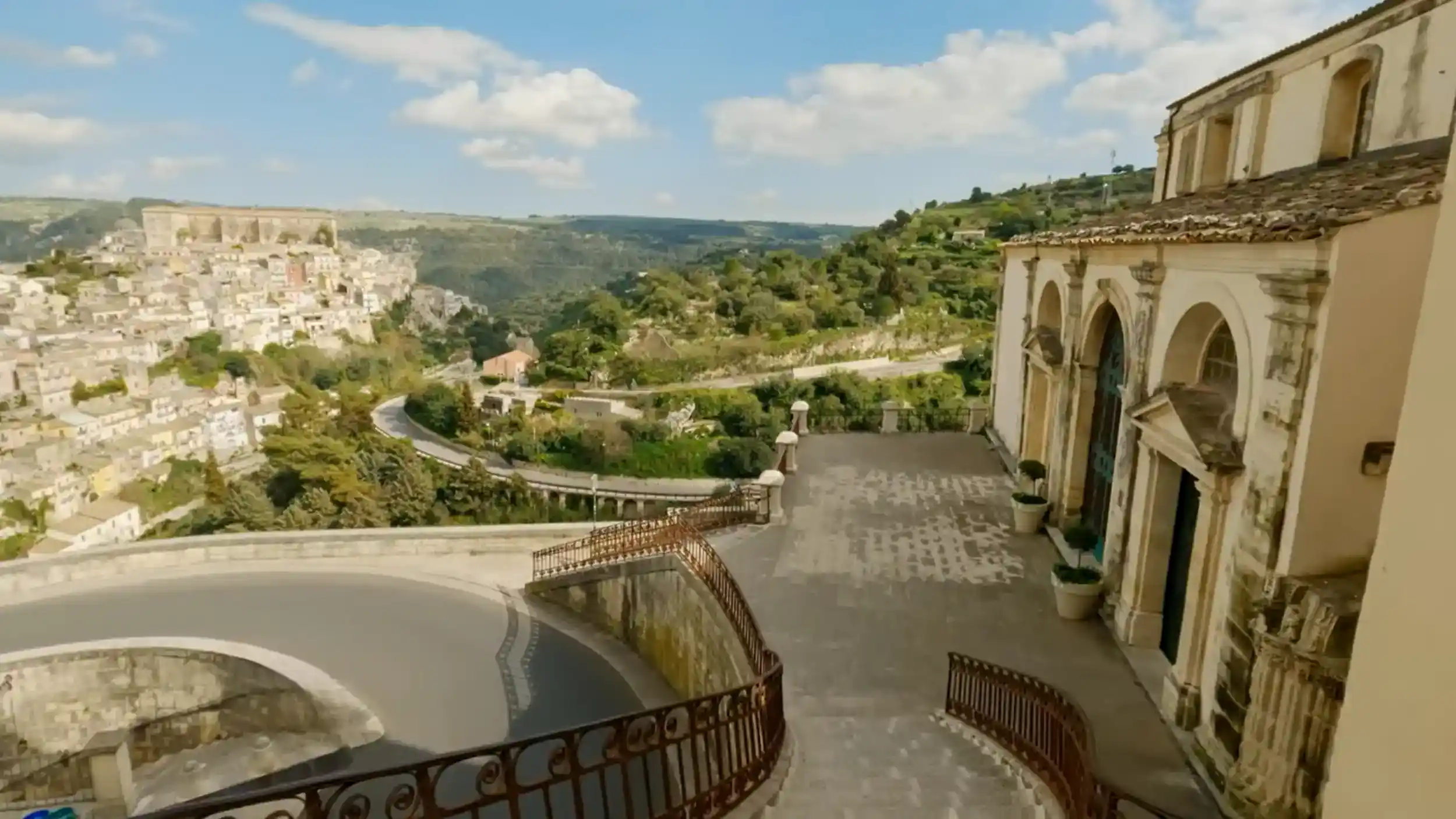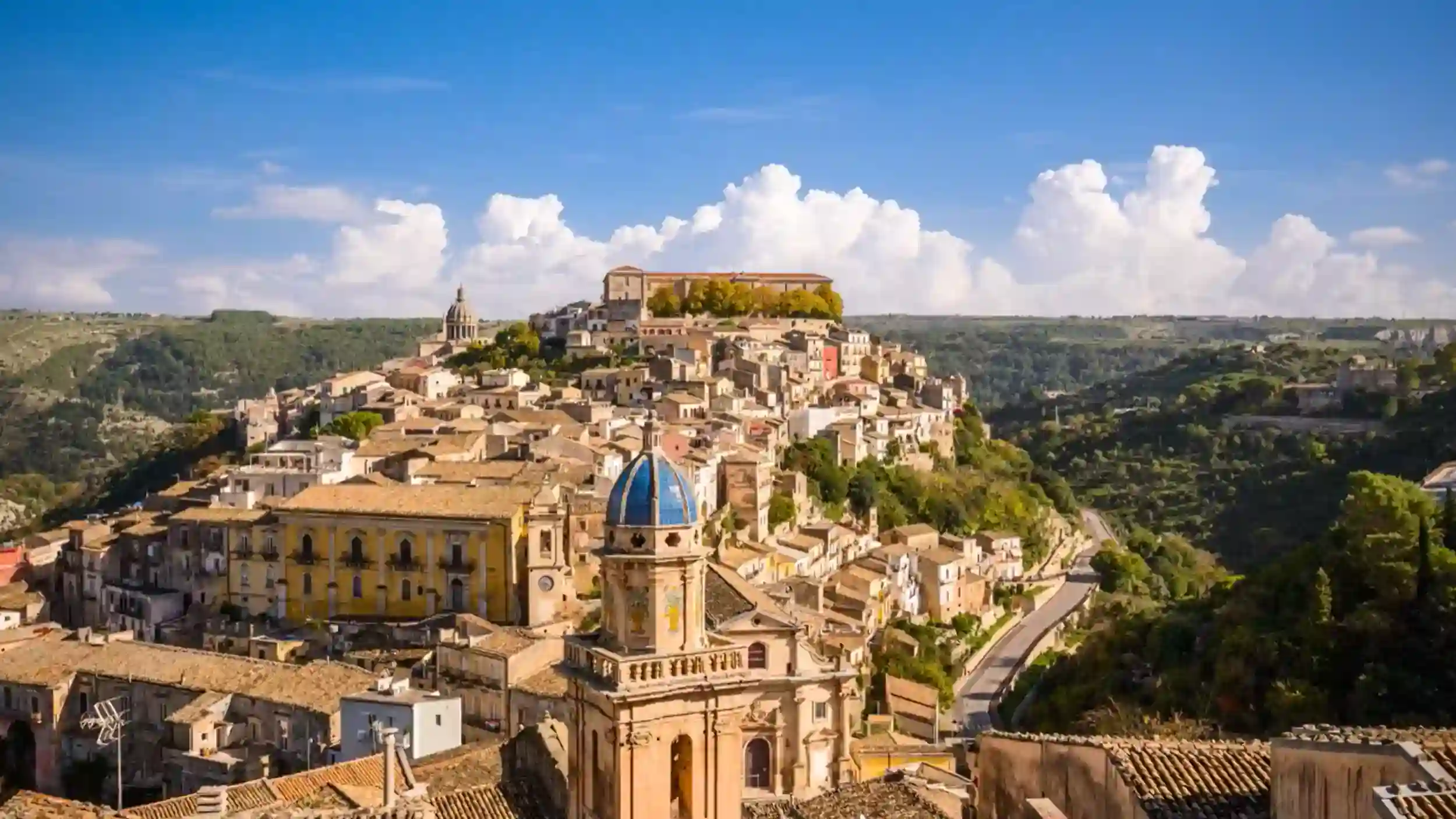
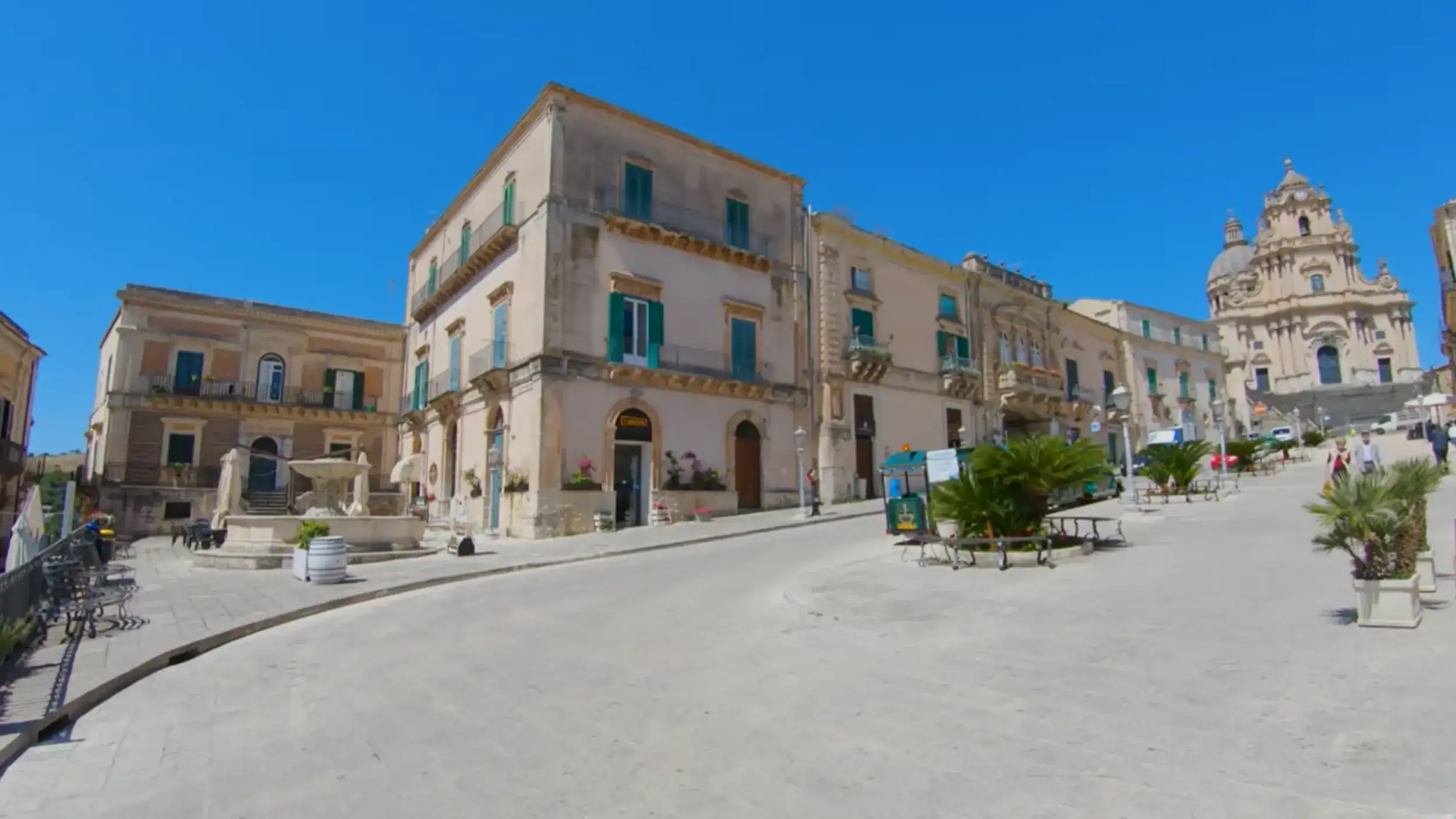
Baroque Ragusa felt unusual because the 1693 earthquake did not produce one rebuilt city. Ragusa developed in two forms: Ibla retained the older hillside street pattern, while Superiore grew as a more ordered new town above it.
That history was only part of the appeal. We could walk UNESCO-listed streets one day, reach the coast the next and add Modica’s celebrated chocolate without changing base.
The Baroque towns remained the cultural focus for us, but some of our favourite contrasts came from short journeys beyond them. We never felt we had to move elsewhere in Sicily simply to add variety.
🏛️ How the 1693 Earthquake Shaped the Baroque Ragusa We Saw
We found Baroque Ragusa much easier to understand once we knew that its appearance begins with catastrophe rather than design.
In January 1693, a devastating earthquake destroyed much of southeastern Sicily. Knowing that entire towns had been levelled changed the way we looked at the streets. The Baroque architecture grew from decisions about whether to rebuild in place or begin somewhere new.
Ragusa did both. That dual reconstruction is what made its Baroque story distinctive to us, because the post-earthquake architecture sits within two very different urban layouts.
Some residents rebuilt on the original hillside, creating today’s Ragusa Ibla. Others moved to the higher plateau and established Ragusa Superiore. Walking between them made that history tangible rather than something we had simply read about.
The Streets Explained More Than the Façades
We initially associated the UNESCO designation with Ragusa’s elaborate churches, but the significance is much broader. It recognises the rebuilding programme that transformed eight towns across the Val di Noto within a relatively short period and created an unusually consistent collection of late Baroque architecture.
The ornate façades caught our attention first, but the streets and stairways eventually told us more. The way neighbourhoods sit on the hillside still reflects choices made more than three centuries ago.
Our guide to Ragusa’s history, food and rebuilding goes deeper into the earthquake and explains why we found the city still felt like two places sharing the same history.
🚶 What Walking Ragusa Ibla Was Actually Like
No map prepared us particularly well for Ragusa Ibla.
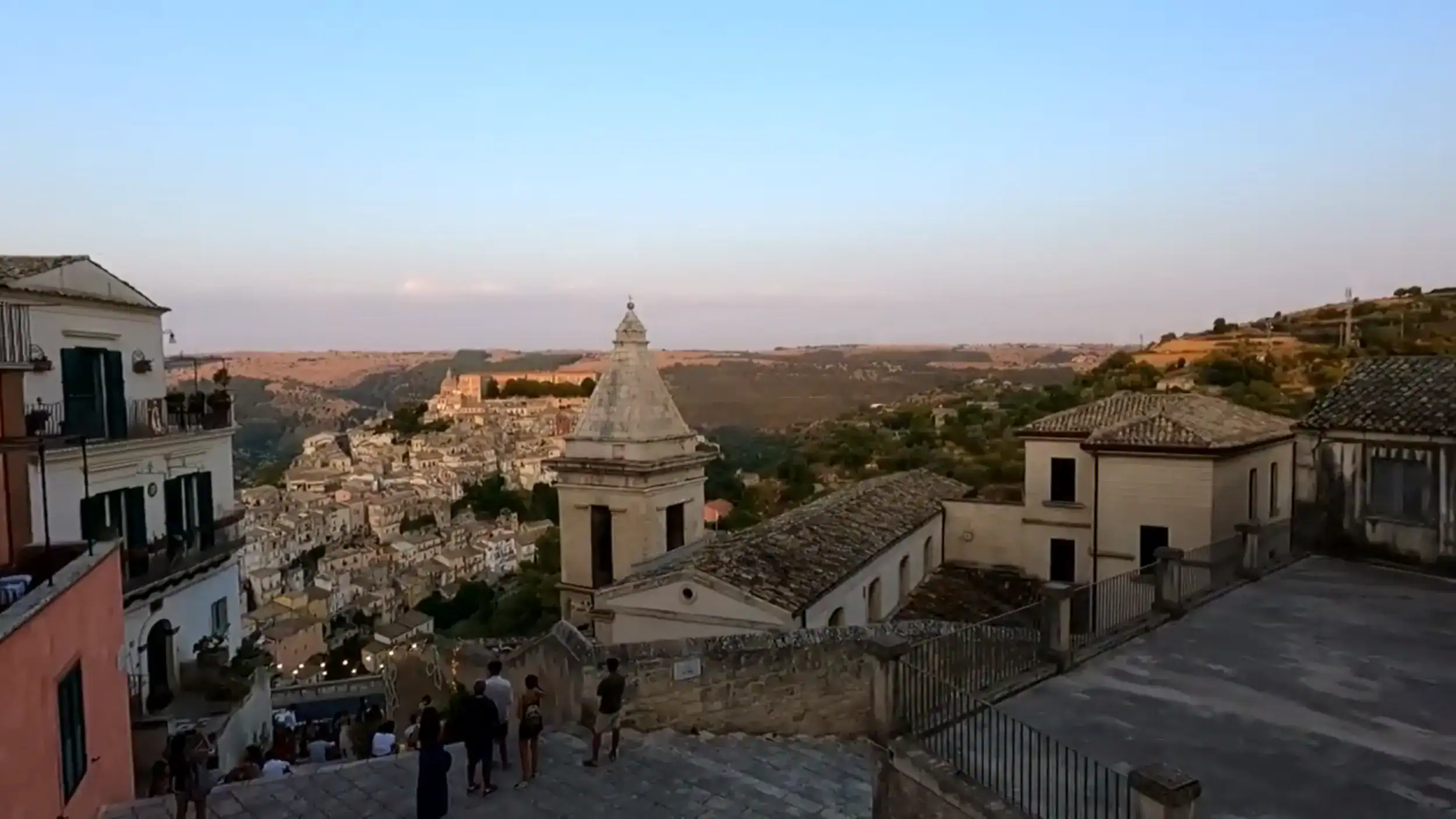
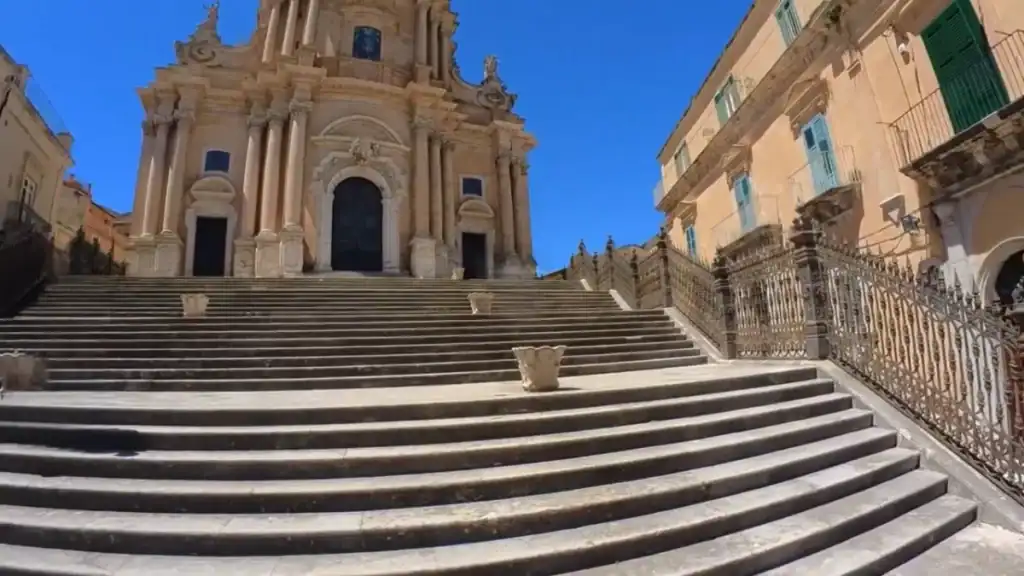
We found streets twisting around the hillside where we expected straightforward routes. Staircases repeatedly replaced roads. Church façades, hidden courtyards and sudden valley views kept appearing, so slowing down felt more rewarding than chasing the most efficient route.
Those Short Distances Hid a Lot of Steps
Ibla looked compact enough that we initially underestimated the walking. The changes in elevation make short distances more demanding than they appear, and we were glad of comfortable footwear once we moved beyond Piazza Duomo towards Giardino Ibleo.
We enjoyed Ibla more when we stopped following a strict route. Several of the viewpoints we remember best were not signposted, and quiet streets became highlights simply because we decided to see where they went.
🚶 WHAT WALKING IBLA ACTUALLY INVOLVES
⛪ Piazza Duomo: the natural centre of the old town.
🪜 Stone stairways: frequent, sometimes steep and more tiring than the map suggests.
🌳 Giardino Ibleo: an easy target when you want gardens and valley views rather than another church.
We also noticed how much the atmosphere changed through the day. Early mornings felt local as cafés and shops opened, while evenings became noticeably calmer once many day visitors had left.
For the route we would use, our guide to Ragusa Ibla’s stairways, squares and hidden corners connects the Duomo, Giardino Ibleo and several of the quieter places that are easy to walk past.
🏚️ Why Fornace Penna Was Worth Leaving Baroque Ragusa For
Fornace Penna reminded us that not every memorable place around Ragusa needed to be a cathedral or Baroque square.
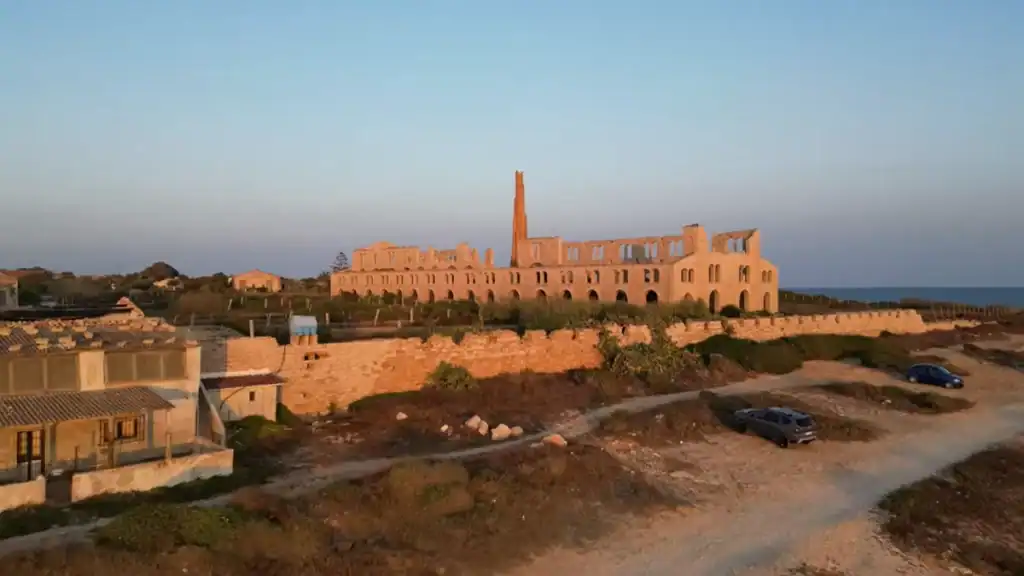
The abandoned brick factory near Sampieri felt completely removed from polished Ibla. Roofless walls, towering arches and a solitary chimney stood against the sea. It was one of the most unusual historic sites we encountered in southeastern Sicily.
That contrast with Ragusa Ibla was precisely what made the stop work for us.
Fornace Penna Worked Because It Felt Different
Built in the early twentieth century, the factory was damaged by fire before reaching its full potential. We found the combination of industrial ruins and encroaching nature unexpectedly peaceful, particularly with the coast immediately beside it.
For us, its appeal came from being something completely different after days of churches and historic centres. Anyone drawn to photography, industrial history or forgotten places may find the same.
🏚️ WOULD WE MAKE THE DETOUR?
Yes, if you are already heading towards Sampieri or enjoy photography, industrial history and unusual ruins. We would not make a long standalone journey solely for Fornace Penna.
🥾 Wear sturdy shoes, expect little shade and stay outside unsafe structures.
We also recognised Fornace Penna as the fictional “Mànnara” from Inspector Montalbano, although we did not think the television connection was necessary to enjoy it. We would combine the ruins with Sampieri or a beach stop rather than make a separate journey solely for the site.
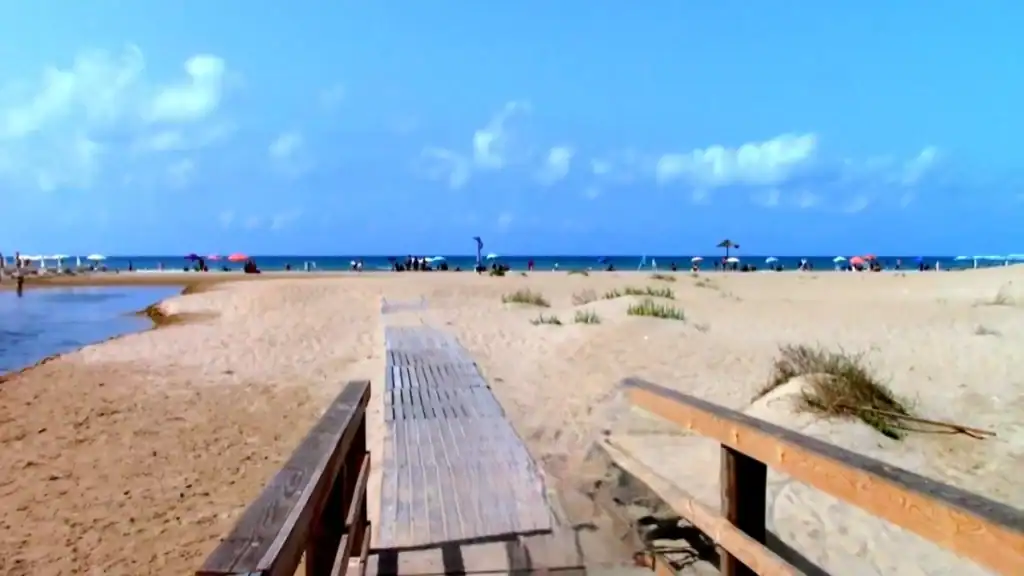
🏖️ How Easily We Combined Ragusa With the Coast
One of our easiest days was to explore Baroque streets in the morning and head for the coast after lunch.
That flexibility was one of the Ragusa area’s biggest advantages. Within roughly half an hour, limestone hills gave way to long sandy beaches and fishing villages. The change felt surprisingly dramatic for such a short drive.
Each Stretch of Coast Suited a Different Day
We quickly found that the beaches were not interchangeable.
🌊 Which Coast Would We Choose?
👨👩👧 Donnalucata: families and shallower water.
🌊 Marina di Modica: a broad sandy beach and relaxed atmosphere.
🐟 Scoglitti: beach time with the character of a working fishing town.
🏖️ Punta Secca: a smaller seaside-village feel and gentle swimming.
🌿 Sampieri: our pick when combining the beach with Fornace Penna.
We would choose late spring or autumn if quieter coastline matters more than peak-summer heat. Parking is generally easier and the beaches can feel far less crowded than in July and August, while conditions can still work well for combining the coast with sightseeing.
We liked having enough variety along the coast to return more than once without repeating exactly the same day. Beach time fitted naturally around inland sightseeing rather than feeling like a separate part of the holiday.
Our guide to Marina di Ragusa and its coastline looks more closely at the promenade, beaches and harbour and why we think it works so easily alongside time in the historic city.
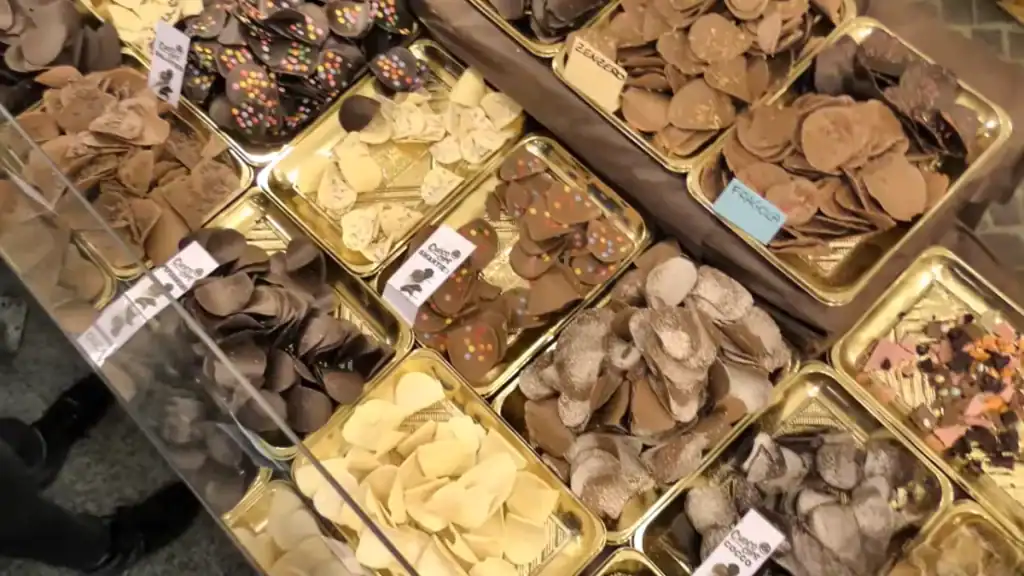
🍫 What Surprised Us About Modica Chocolate
At first glance, we could not see what was supposed to make Modica chocolate so unusual.
The difference became obvious with the first bite. Instead of the smooth texture we expected, it had a deliberate graininess. Sugar crystals remain intact during the traditional production process.
Once we understood the method, that texture became the reason to try it rather than something to overlook.
Low-Temperature Processing Explains the Texture
Learning how it was made explained what we were tasting. The recipe traces its origins to techniques introduced during Spanish rule and influenced by Aztec methods from the Americas. Lower-temperature processing prevents the sugar fully melting into the cocoa, creating Modica’s signature texture.
We found plenty of flavours including chilli, pistachio, citrus, cinnamon and carob, but we would start with a classic dark version before moving on to the more adventurous varieties.
Did you know?
Authentic Modica chocolate carries Protected Geographical Indication (PGI) status, meaning it can only be produced within the municipality of Modica using the recognised traditional method.
We would taste several varieties before buying because producers can differ noticeably in flavour and texture. Our guide to Modica and Ragusa combines the chocolate shops with Modica’s Baroque streets and shows why we think the two experiences belong together.
🏘️ How We Explored Modica Alta and Modica Bassa
The first thing we had to understand about Modica was that the town works on two very different levels.
We began in Modica Bassa on the valley floor. Chocolate shops, cafés, Corso Umberto and many major landmarks sit close together. It was the easiest place for us to get oriented before tackling the climb.
Modica Alta gave us a completely different perspective.
Climbing to Modica Alta Changed Our View
We thought the climb was worth it, provided hills and steps are not a problem for you.
The higher we climbed, the quieter the streets became and the broader the views opened across the valley. The change in pace was obvious, and Modica Alta felt like the part of town easiest to miss on a quick day trip.
🏘️ MODICA BASSA OR MODICA ALTA?
🍫 Bassa: easier for chocolate shops, cafés, Corso Umberto and first-time orientation.
👀 Alta: quieter streets, historic churches and the broader views that explain Modica’s steep setting.
We did not treat the climb as something to finish quickly. Stopping to look back across the rooftops was part of the experience and made Modica’s adaptation to its steep limestone setting much easier to appreciate.
If you want to see both towns, our guide to combining Modica and Ragusa explains how we would organise the time without rushing and why the two Baroque towns felt complementary rather than repetitive.
🍂 When We Would Choose to Visit the Ragusa Area
We would not choose one single season as the best time for everyone to visit the Ragusa area.
Our choice would depend on whether beaches or sightseeing mattered most. Summer brings long days and warmer sea temperatures. Spring and autumn give a more comfortable balance for combining the coast with long walks through the Baroque towns.
Season Matters Most When Mixing Coast and Culture
🍂 OUR SEASON SHORTLIST
🌸 Spring: strongest for comfortable sightseeing and walking.
☀️ Summer: choose it when warm sea and beach time matter most, accepting heat and crowds.
🍁 Autumn: our favourite compromise for a coast-and-culture trip.
❄️ Winter: quietest for historic streets, but much less suited to a beach-led holiday.
Outside peak season, we found it much easier to improvise. A morning in Ragusa Ibla could lead to lunch in Modica and still leave time for a late-afternoon coastal walk without the parking and crowd pressure associated with July and August.
We would not dismiss winter either. Softer light suited the Baroque stone, and quieter historic centres gave us more of the feeling of working towns rather than places organised around visitors.
If you’re considering the quieter months, our experience of Ragusa in December shows what changed for us once the busiest part of the year had ended.
🏨 Where We Would Base Ourselves Around Ragusa
Where we stayed changed the rhythm of the trip more than the short distances on the map suggested it would.
Ragusa, Modica and the coast would each create a noticeably different holiday despite the short drives between them. We would choose according to whether historic evenings, beach access or a balanced mixture mattered most.
Your Base Changes the Rhythm of the Trip
🏨 WHERE WOULD WE BASE OURSELVES?
Our overall pick: Ragusa. Choose Ibla for atmosphere and evening walks, or Superiore when parking and repeated day trips matter more.
🍫 Modica: stronger if chocolate and a shorter town-focused stay dominate the plan.
🌊 Coast: better when beaches are the holiday and Baroque towns are the excursions.
We did not see a genuinely bad choice because the region is so compact. Staying on the coast still leaves Ragusa and Modica within practical reach, while an inland base does not rule out deciding on a spontaneous beach afternoon.
For a longer holiday, we would seriously consider splitting the stay: several nights in one of the Baroque towns followed by a few beside the sea would reduce driving while preserving both sides of the region.
If you’re still deciding, our experience of using Ragusa as a base explains what worked for us inland, while our guide to Marina di Ragusa shows what changes when you shift the emphasis towards Sicily’s southeastern coastline.