Post title or brief description

Soft Footprints
Travel Guides

Soft Footprints Travel Guides

Our Destinations:
Your Inspiration!

From Chocolate to Cathedrals: Discovering Modica and Ragusa

If you click on affiliate links and make a purchase, I may earn a small commission. This doesn’t affect the price you pay. The commission helps support the website’s upkeep.

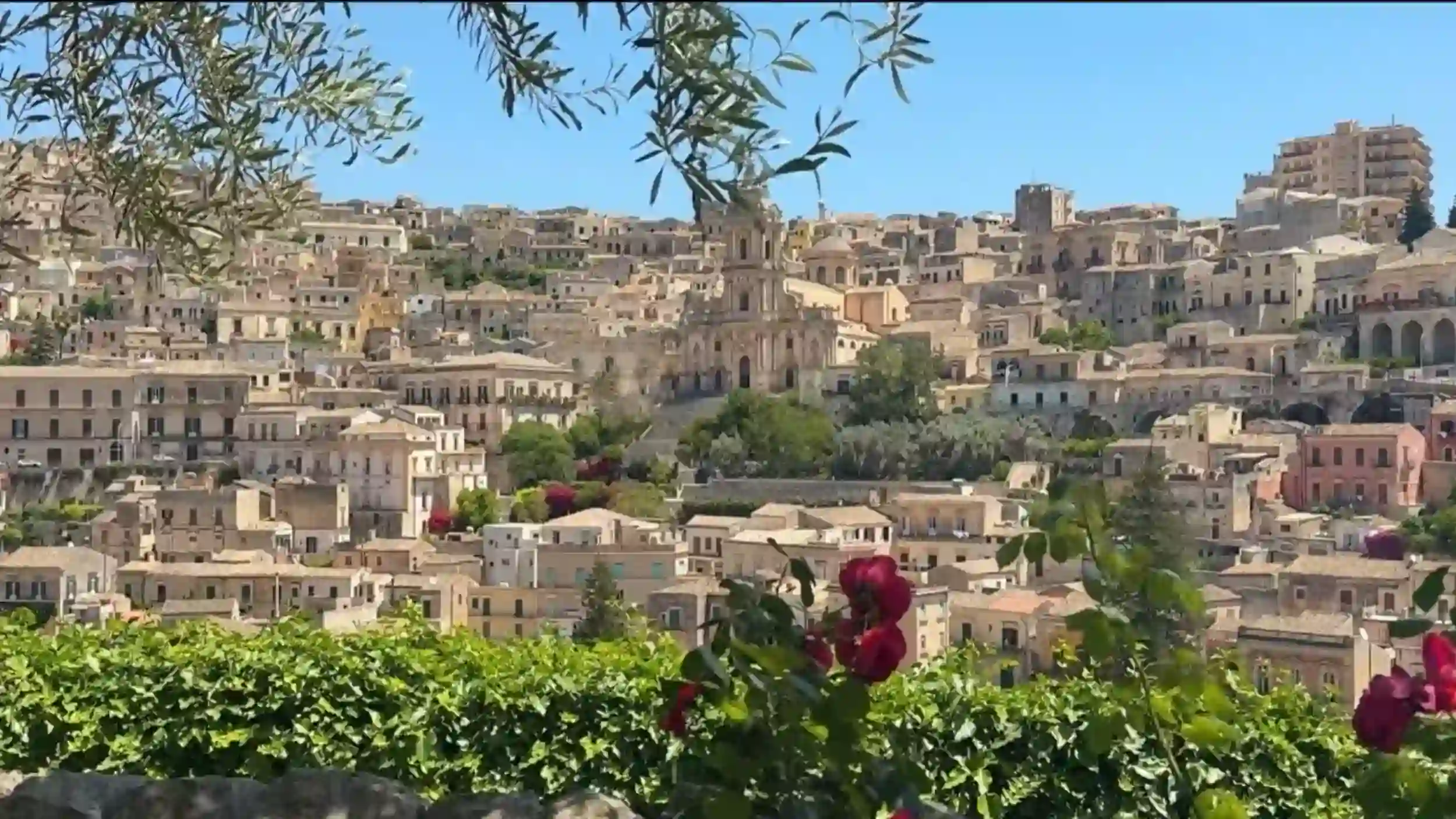
Modica and Ragusa share the Val di Noto's Baroque heritage, and Modica's tiered limestone townscape here shows why, with the Cathedral of San Giorgio rising through densely packed honey-coloured buildings across the hillside, framed by olive branches and red roses in the foreground.

Modica and Ragusa sit fifteen kilometres apart and reward a combined visit. Each town offers a distinct version of the same Val di Noto baroque.

The two towns share a history shaped by the same catastrophe. The earthquake of 1693 destroyed much of what stood across eastern Sicily, and what was rebuilt in both Modica and Ragusa became part of the UNESCO World Heritage Site designation that now covers eight late baroque towns in the region. The architecture is the connection. The chocolate is what makes Modica specifically worth stopping for on its own terms.

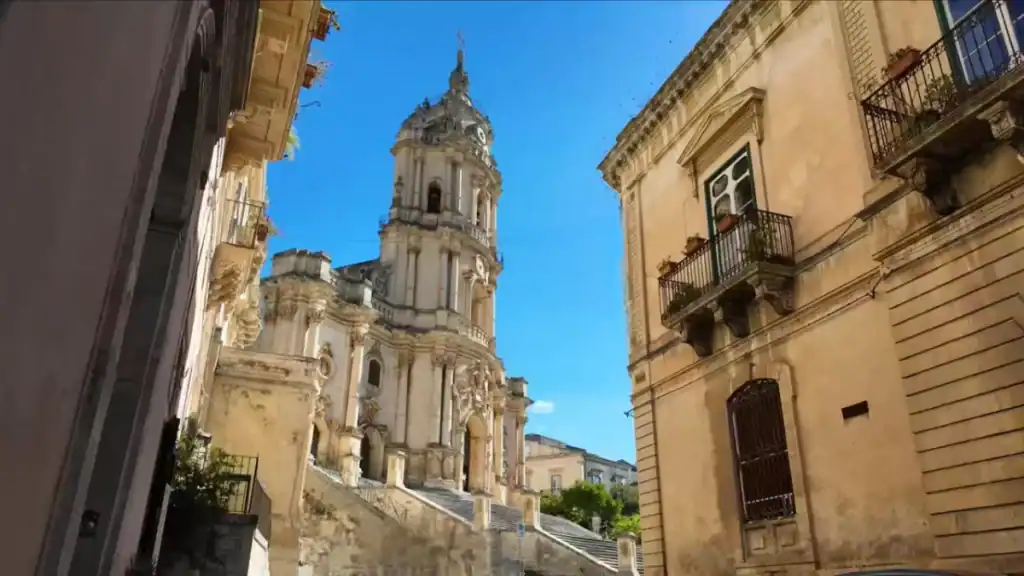
Ornate bell tower and facade of the Cathedral of San Giorgio seen from a narrow street below, flanked by weathered Baroque residential buildings with iron balconies - one of the finest examples of what draws visitors to Modica and Ragusa.

What Modica Is and How It Works as a Visit

Modica divides into two distinct parts. The lower town, sometimes called Modica Bassa, runs along Corso Umberto, the main street that threads through the historic centre at valley level. Modica Alta, the upper town, climbs the hillsides above and contains a different character: quieter streets, fewer tourists, the residential fabric of the town rather than its commercial and ecclesiastical showcase.

The historic centre of Modica is compact enough to cover on foot in a half day. Corso Umberto is where the chocolate shops concentrate, where the baroque palazzi line the street at close range, and where the Cathedral of San Giorgio sits above the town on its long staircase. The lower town is also where Salvatore Quasimodo was born, the Sicilian poet who won the Nobel Prize for Literature in 1959. A small museum marks the connection. Modica tends to present its history in layers rather than at a single point: the Norman period, the County of Modica’s medieval prominence, the Spanish Baroque reconstruction, and the more recent literary and cultural associations all exist in the same streets without being formally separated.

Inspector Montalbano filming locations appear throughout the town, as they do across much of the Val di Noto. For visitors who know the series the streets read as familiar before they have been walked.

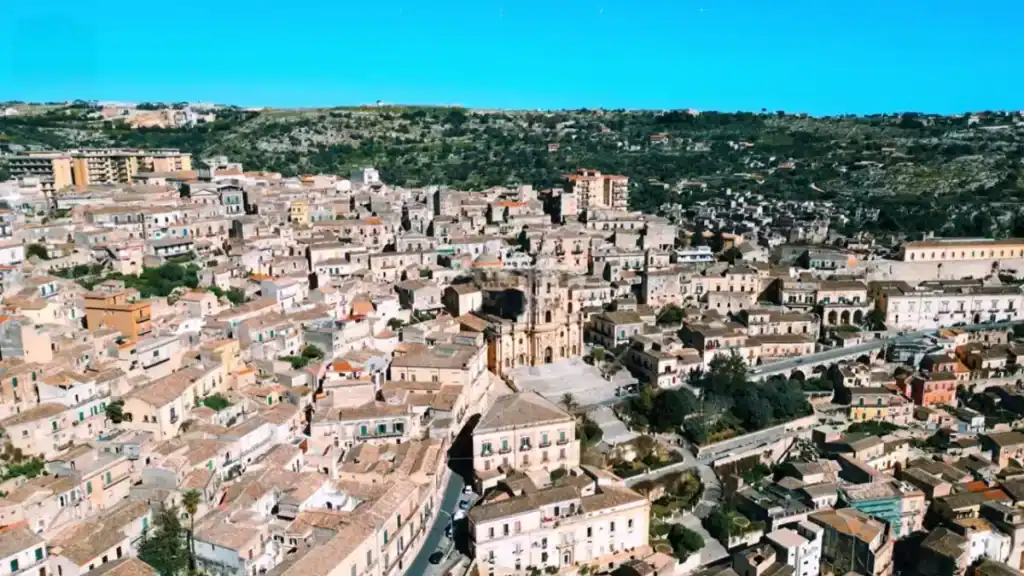
 Rooftops of Modica spread across a shallow valley, the Cathedral of San Giorgio's facade prominent at centre, with the town thinning toward scrubland and low hills behind.
View of Modica with Cathedral of San Giorgio at Centre.

Modica Chocolate: What It Actually Is and Why It Matters

Modica chocolate is not chocolate in the sense most visitors expect. The difference is in the process. Standard modern chocolate is conched, a process of prolonged mixing at high temperature that blends the cocoa mass with sugar and fat into a smooth, uniform product. Modica chocolate skips this entirely. The cocoa beans are ground and mixed with sugar at a temperature below 40 degrees Celsius, which means the sugar crystals never dissolve. The result is a chocolate that is grainy and crumbly in texture, not smooth, with a direct cacao intensity that modern milk chocolate has largely obscured.

Aztec Recipes

The technique comes from the Aztec tradition of processing cacao on a stone called a metate. Spain ruled Sicily for roughly two centuries, and the same Spanish colonial network that carried conquistadors to Mesoamerica brought this cold-processing method back to Sicily in the sixteenth century. Modica preserved it while everywhere else moved toward conching. The connection between the Aztec recipe and a chocolate shop on Corso Umberto runs through four centuries of colonial history.

Antica Dolceria Bonajuto has been operating since 1880 and is the most historically significant shop on Corso Umberto. The flavours follow the Aztec and Spanish traditions: cinnamon, vanilla, white pepper, chili. Pistachio is a more recent addition, distinctly Sicilian rather than pre-colonial, with visible green fragments inside. Mandarin, orange, coffee. The chocolate museum in Modica contains the processing equipment, including the volcanic rock metate, and explains the production history in enough detail that the product makes more sense after seeing it. The museum is worth the brief visit before buying rather than after.

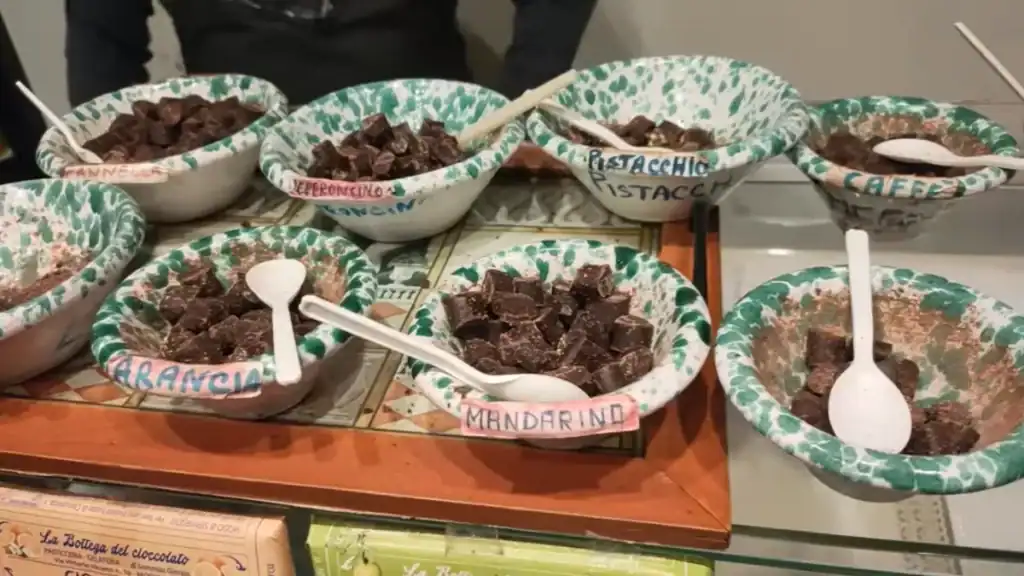
Tasting bowls of Modica chocolate in flavours including mandarin, orange, pistachio, chilli and coffee, served in hand-painted Sicilian ceramic dishes with small white spoons.

The texture is the thing that surprises most visitors. Bite into a piece and the initial crunch gives way to a slightly crystalline, sandy quality. The absence of sweetness is noticeable after a moment and then becomes a relief. The cacao is present in a way it is not in confectionery chocolate. It does not taste like a luxury product designed to be pleasant. It tastes like something older, more purposeful, designed for the Aztec and Spanish idea of what cacao was for: energy, longevity, a food that survived long journeys without refrigeration.

The Cathedral of San Giorgio and the Upper Town

The Cathedral of San Giorgio sits high above Corso Umberto, reached by a long staircase that climbs through the urban fabric. The facade is genuinely theatrical, not in a showy or unconvincing sense but in the sense that it understands exactly what it is doing with light, height, and proportion. By several serious architectural assessments it is among the finest baroque churches in Sicily.

The church’s origins predate what you see. There was a medieval building on this site before the devastating earthquake of 1693 reset the architecture of the entire region. The 15th century Gothic structure that preceded the current building survived in traces before the earthquake removed the rest. The facade that stands now is the result of that reset: confident, elaborate, the Sicilian baroque working at its most resolved. The nave inside is worth entering when the church is open. The bell tower reads clearly from Corso Umberto below, organising the upper part of the city’s skyline in a way that is visible from most approach roads.

The upper town, Modica Alta, is accessible from the cathedral area and rewards the additional climb for those with time. The streets thin out quickly. The baroque architecture continues but the tourist pressure drops. The view back across the lower town and the surrounding landscape from the higher streets is one of the clearest illustrations of how Modica’s two-valley geography shaped its development.

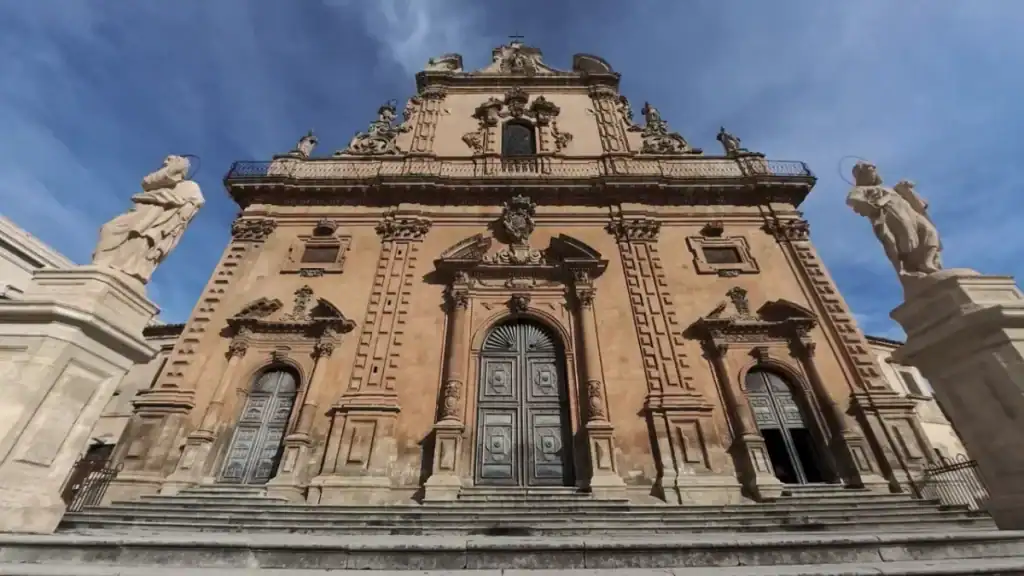
Upward-angled shot of the Church of San Pietro's heavily ornamented sandstone facade, apostle statues flanking the staircase on either side, bronze doors and carved pilasters filling the frame against a partly cloudy sky.
Church of San Pietro Facade and Apostle Statues, Modica.

The Church of San Pietro and the Lower Town

The Church of San Pietro sits lower in the city than San Giorgio and is easier to miss when the upper cathedral dominates the skyline. Its staircase is flanked by life-sized statues of the twelve apostles, standing in pairs along the ascending steps, worn by weather and time. The expressions carry the particular gravity of baroque religious sculpture, not serene, not anguished, but occupying a considered middle state. Walking up between them has a ritualistic quality that the wide staircase amplifies.

The facade of San Pietro is heavily ornamented in the same Sicilian baroque style as San Giorgio, though its scale and position give it a different relationship to the surrounding streets. San Giorgio announces itself from a distance and from below. San Pietro requires finding. That difference in legibility is itself interesting: two major baroque churches in the same town, built in the same period, with entirely different relationships to the urban landscape around them.

The alley network south of Corso Umberto, between San Pietro and the lower edge of the historic centre, is where Modica’s residential fabric is most visible. Palazzo facades with carved balcony corbels. Narrower streets that predate the baroque rebuilding in their alignment if not in their current appearance. Scicli, another Val di Noto baroque town, is around twenty minutes southwest of Modica by car and worth combining for those with a full day in the area.

Combining Modica and Ragusa: How to Structure the Day

The drive from Modica to Ragusa takes under thirty minutes. The road between them is provincial and uncomplicated. A half day in Modica followed by lunch and an afternoon in Ragusa Ibla is a workable structure, though it gives neither town the attention it deserves.

A full day in Modica and a full day in Ragusa is more honest. Modica’s Corso Umberto, the Cathedral of San Giorgio, the Church of San Pietro, and the chocolate museum cover the essentials and take a morning comfortably. The afternoon in Modica rewards wandering into the upper town and the quieter streets north and south of the main corso. Ragusa Ibla and Ragusa Superiore together require a full day to move between properly.

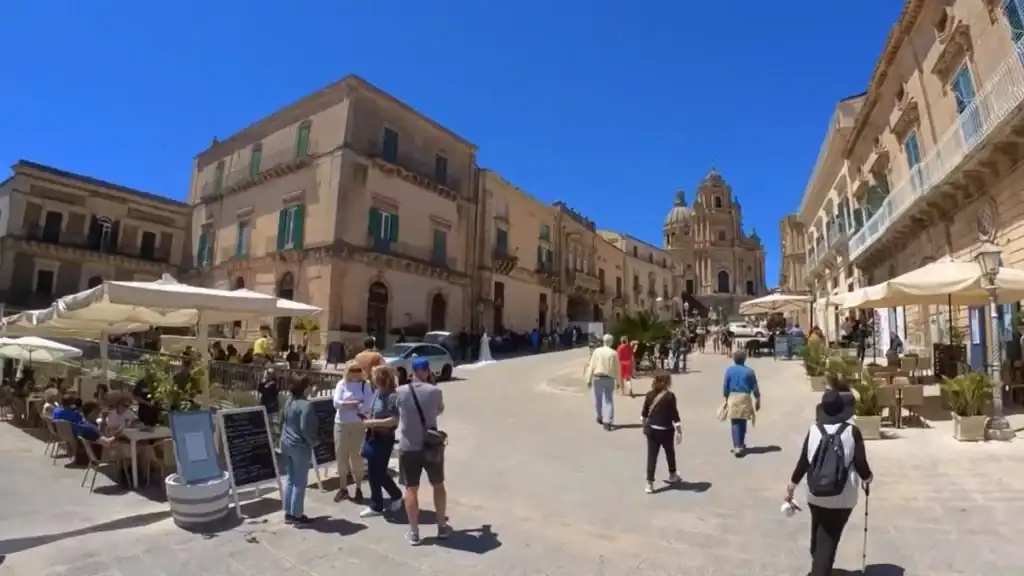
Piazza Duomo in Ragusa Ibla on a busy midday, pedestrians and outdoor cafe seating filling the square with the Cathedral of San Giorgio's dome visible at the far end - the kind of scene that defines travelling between Modica and Ragusa.
Piazza Duomo, Ragusa Ibla.

Both towns contain a Cathedral of San Giorgio. This is not a coincidence. Both were rebuilt after the same earthquake using the same baroque architectural language, and the dedication to Saint George appears in both as part of that shared reconstruction. Standing in the piazza in front of Ragusa Ibla’s San Giorgio after spending a morning with Modica’s version makes the Val di Noto’s coherence as a region more legible. The late baroque towns are not simply similar to each other. They are related, produced by the same historical moment, and the connection is most visible when you move between them on the same day.

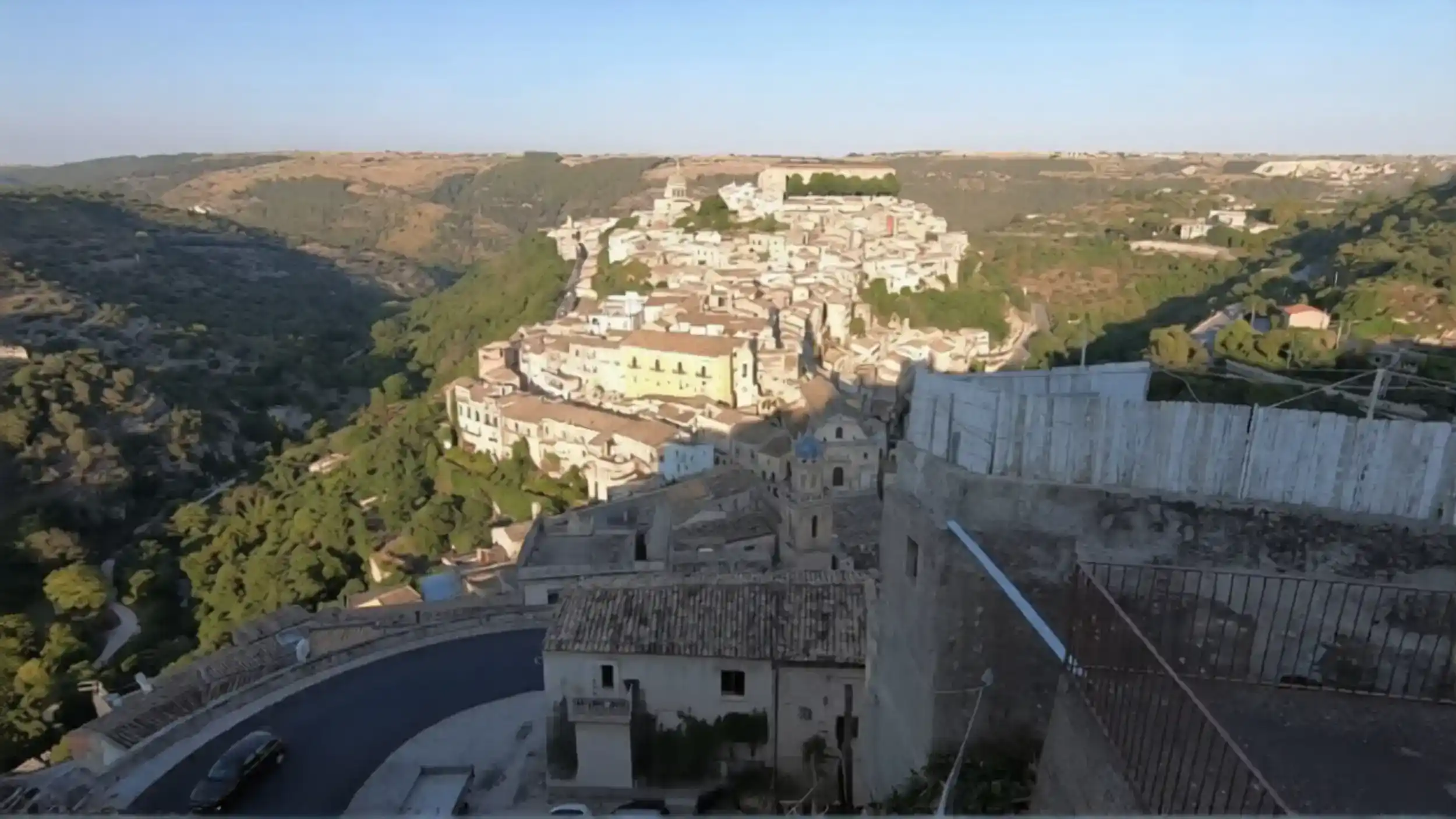
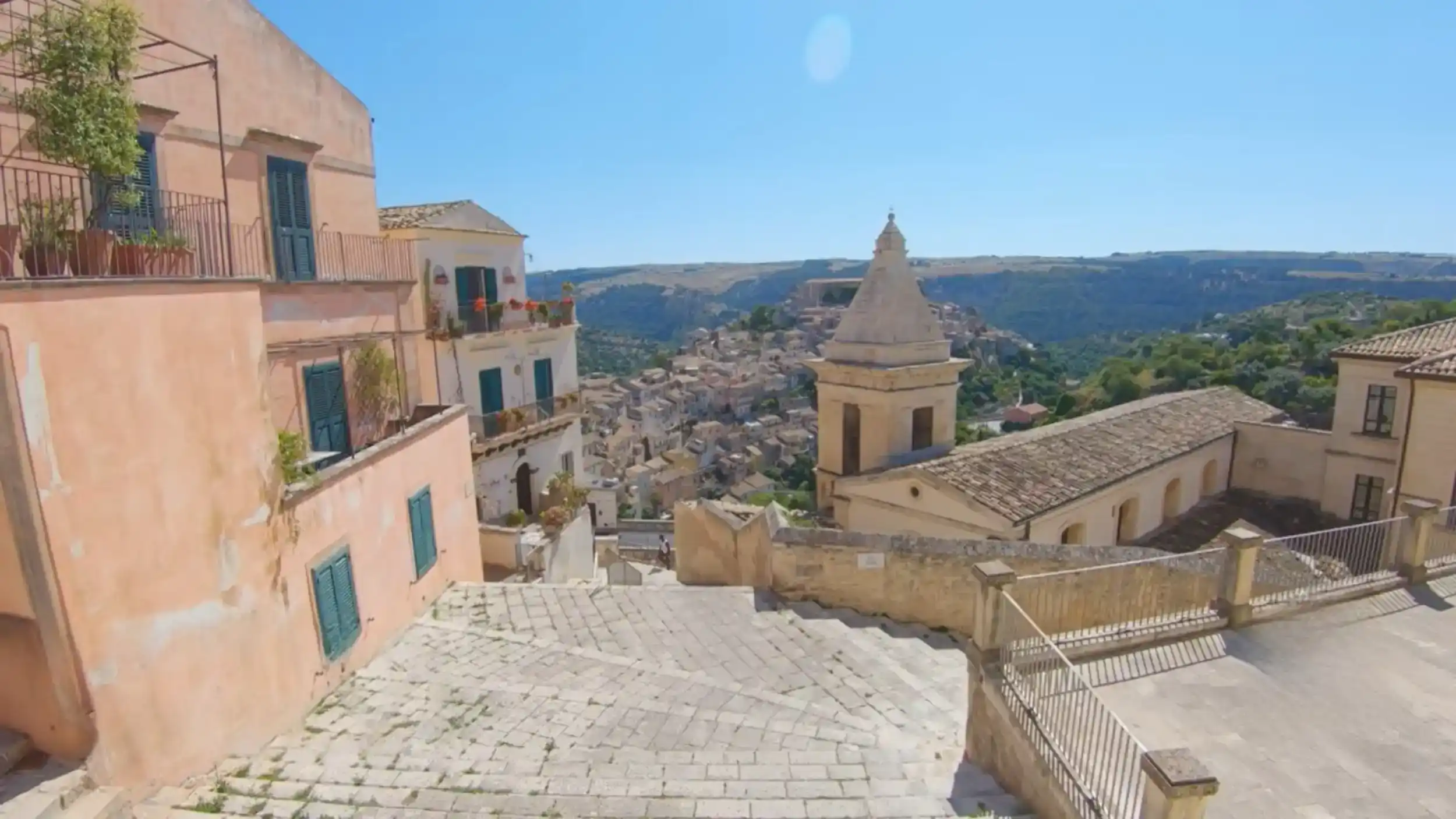
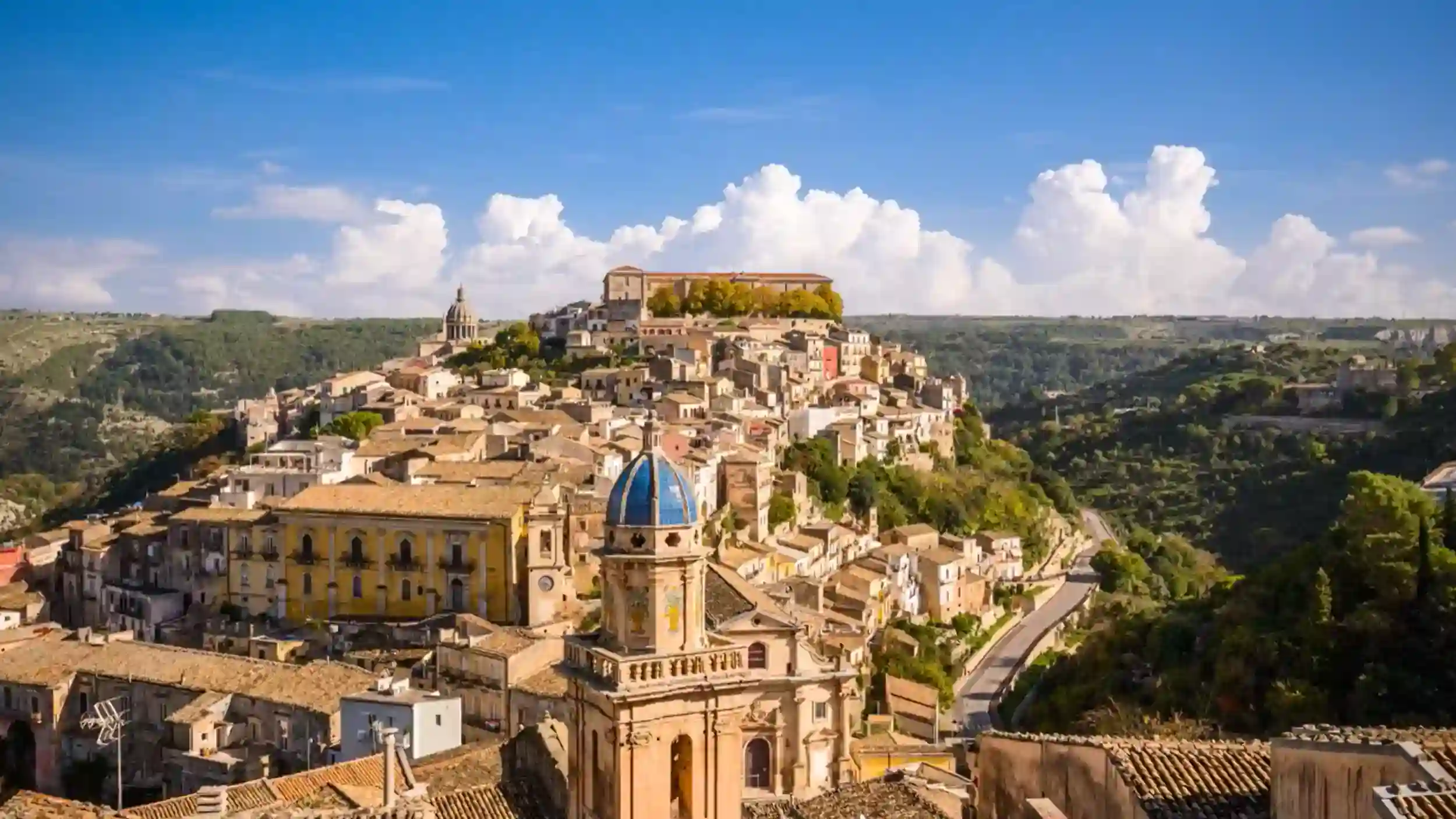
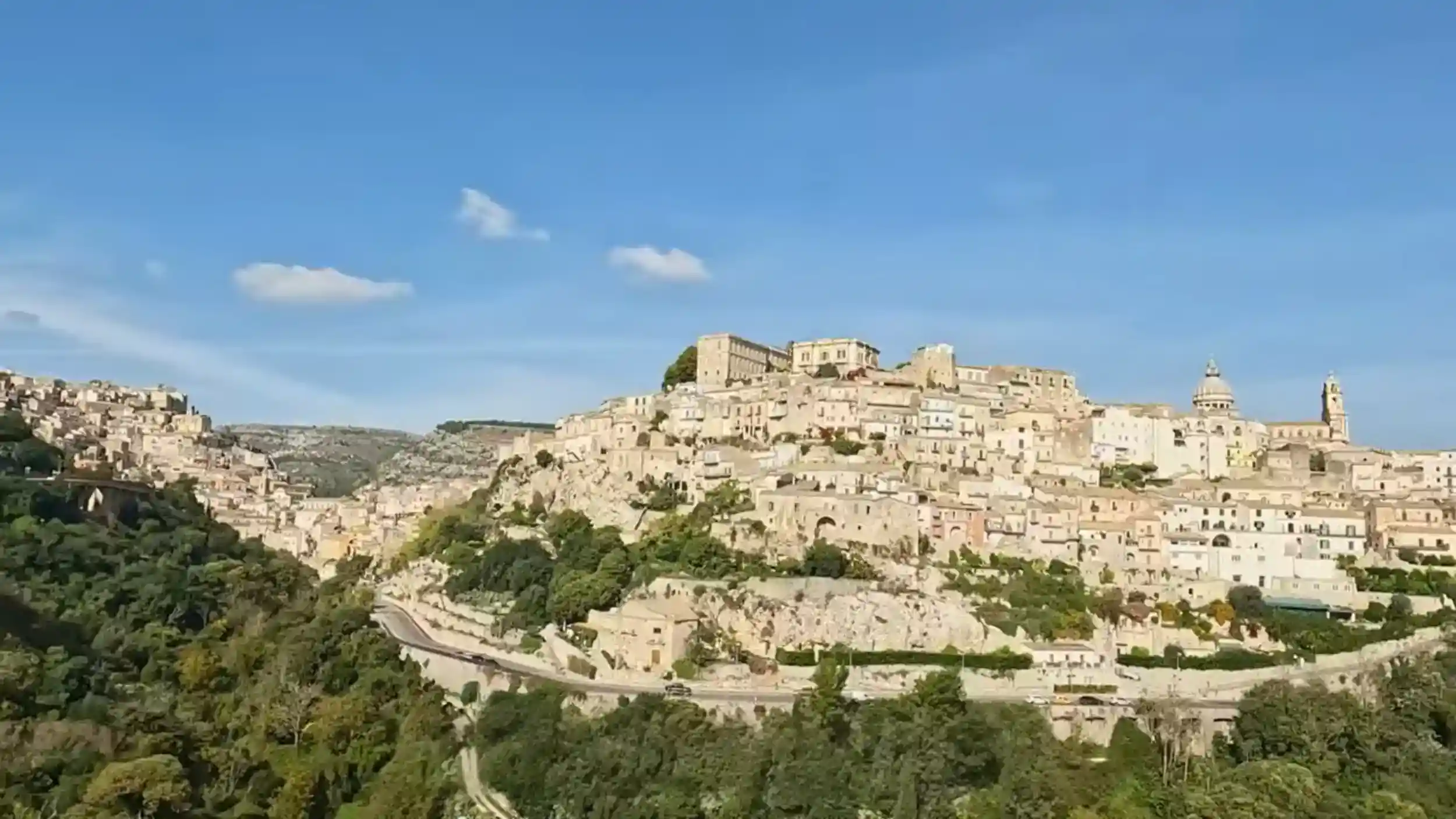
The valley approach to Ragusa after a morning in Modica gives the arrival a different quality than coming fresh from a hotel. You have already seen one version of the post-earthquake baroque. Ragusa across the Irminio valley then reads as a variation on a theme you have started to understand rather than an entirely new place to decode.

More Insights:

Watching Ragusa From the Valley: A First Arrival Perspective

Ragusa Uncovered: History, Food, and Sicilian Innovation

PS — Planning a Vacation Soon? Use My Proven Booking System!

My personal travel experiences have shaped this list of reliable resources I use consistently. In fact, by utilizing these links, you’ll simultaneously support Softfootprints independent travel journalism while paying nothing extra yourself.

1. Omio

This platform searches hundreds of airlines worldwide for optimal flights. As a result, you’ll never miss route options or deals.

2. Booking.com

One of the main reasons why it is so easy for me to find good accommodations is because they have a very big inventory of places. Moreover, I always check the reviews because they give me the confidence I need to choose the properties.

3. Rentalcars

The best thing about traveling is when you are able to move around with your car because then you have complete freedom. I am always turning to Alamo, Hertz, and Sixt when looking for a trustworthy company to rent a car from, and also I make sure to take full coverage.

4. Viator and Get Your Guide

These complementary platforms help me discover exceptional local experiences. Similarly, both offer easy booking policies. However, I check both since their inventory varies by destination.

5. EKTA Insurance

You can never go wrong if they decide to have travel protection for overseas trips. After all, part of their coverage that includes getting sick, injuries, theft, and cancellations gives one a feeling of tranquility. At the same time, their 24/7 assistance guarantees that help is there whenever a call is made.

They provide insurance coverage that even involves specially made packages with continuous emergency support. Naturally, this feature makes them perfect for people who travel abroad.

6. Priority Pass

Airport comfort becomes accessible with this global lounge network. Indeed, it’s my first check during layovers. After ten years as a member, having a peaceful retreat enhances my entire travel experience.

Picture of Ian Howes

Ian Howes

Ian Howes is a travel writer and the founder of Soft Footprints, a publication focused on lesser-known destinations, local culture, and experiences that most travelers overlook. His approach centers on slow, intentional travel and first-hand research, shaped by time spent exploring regions beyond mainstream tourism routes.

Ian’s interest in meaningful travel began after a formative stay on a small Greek island, which reshaped how he engages with destinations and local communities. Since then, he has built extensive on-the-ground experience across diverse regions, with a focus on local traditions, overlooked landscapes, and sustainable travel practices.

Through Soft Footprints, Ian provides practical, experience-based guidance for travelers seeking authentic, off-the-tourist-path journeys. His work emphasizes accuracy, cultural respect, and responsible exploration, helping readers develop a deeper understanding of the places they visit.

Picture of Ian Howes

Ian Howes

Ian Howes is a travel writer and the founder of Soft Footprints, a publication focused on lesser-known destinations, local culture, and experiences that most travelers overlook. His approach centers on slow, intentional travel and first-hand research, shaped by time spent exploring regions beyond mainstream tourism routes.

Ian’s interest in meaningful travel began after a formative stay on a small Greek island, which reshaped how he engages with destinations and local communities. Since then, he has built extensive on-the-ground experience across diverse regions, with a focus on local traditions, overlooked landscapes, and sustainable travel practices.

Through Soft Footprints, Ian provides practical, experience-based guidance for travelers seeking authentic, off-the-tourist-path journeys. His work emphasizes accuracy, cultural respect, and responsible exploration, helping readers develop a deeper understanding of the places they visit.