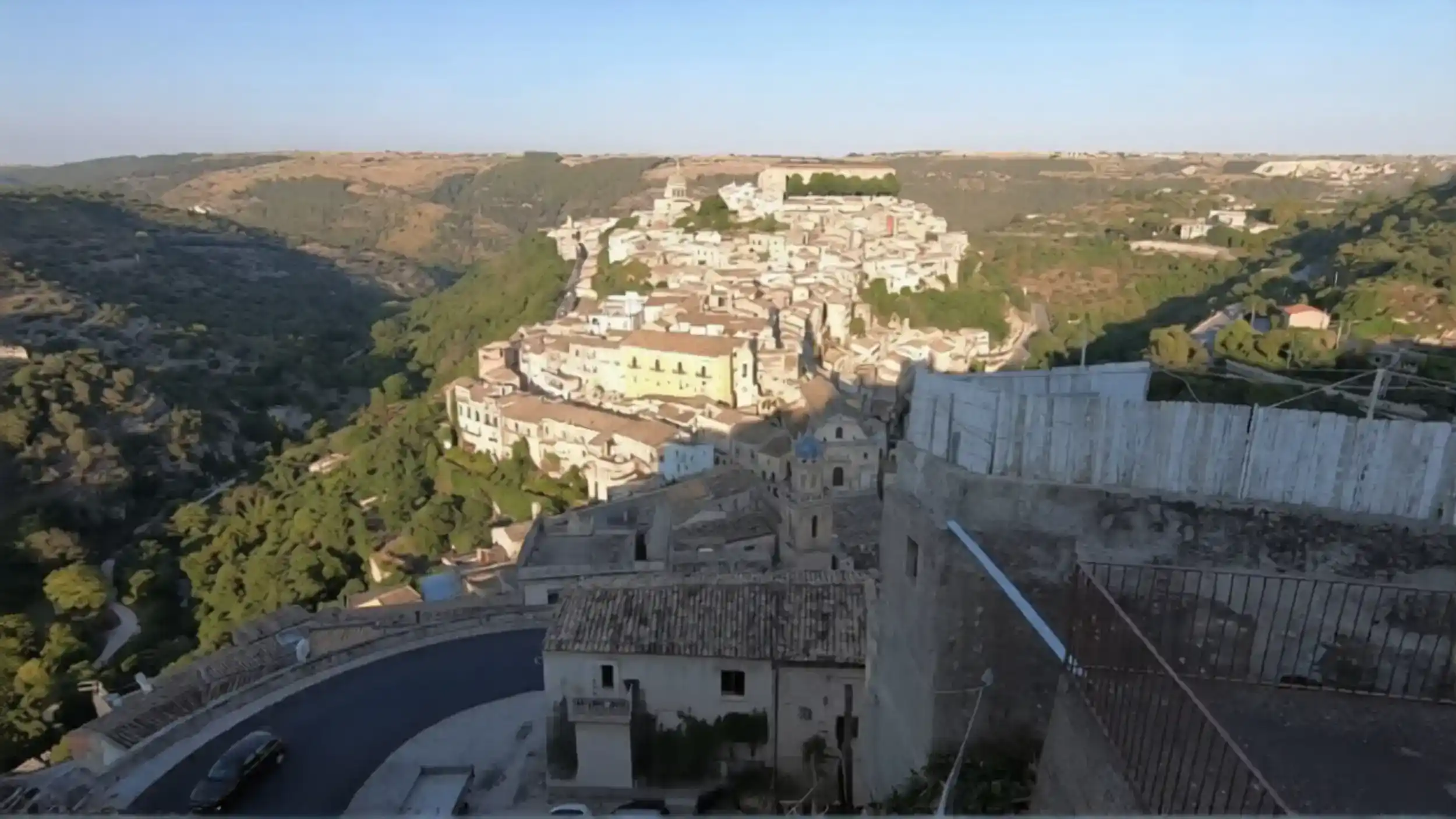
Exploring Ragusa Sicily made far more sense to us once we experienced both halves of the city. Ragusa Superiore and historic Ibla felt strikingly different, and walking between them turned what could have been two separate sightseeing stops into one of the most memorable parts of our visit.
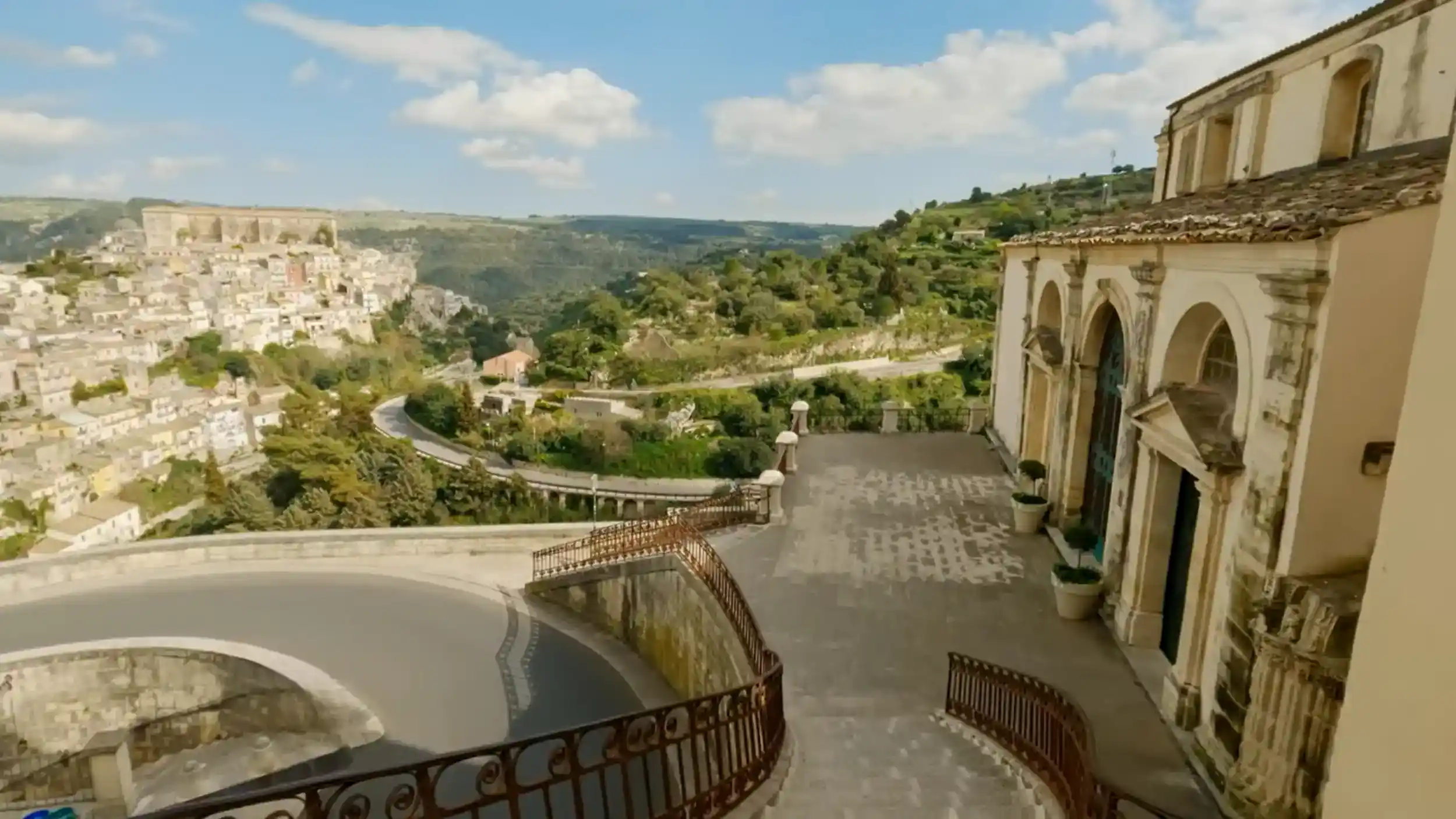
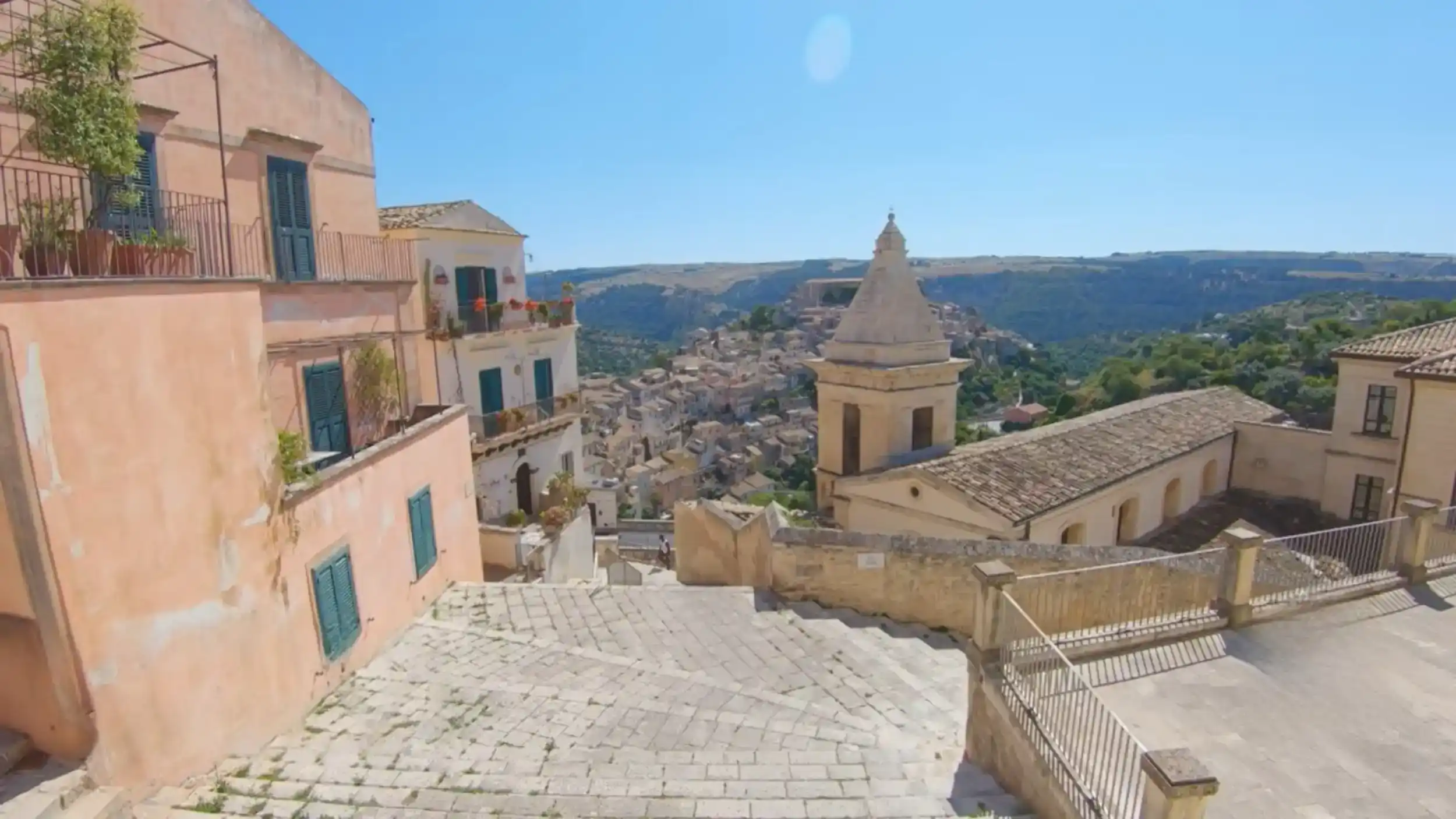
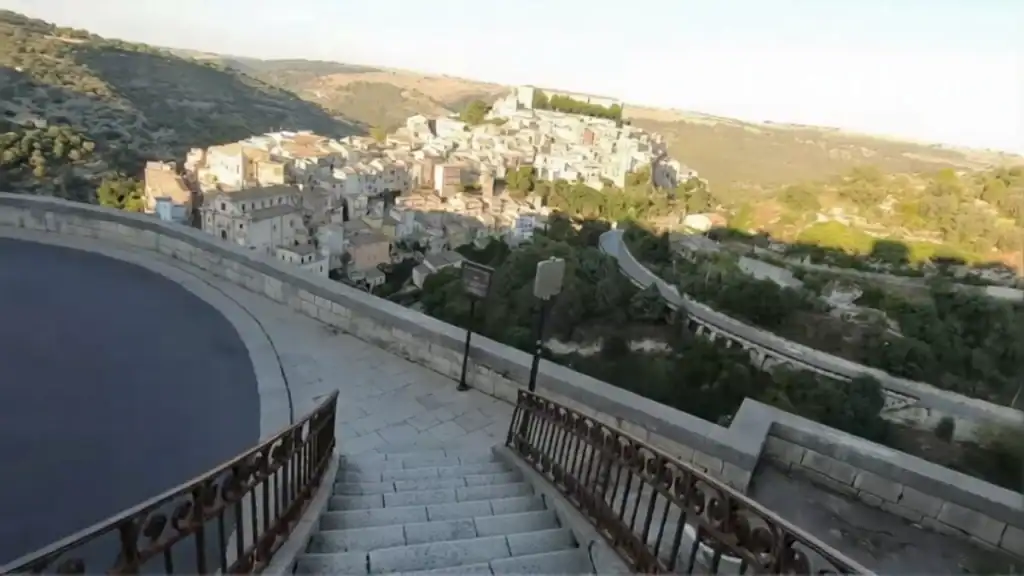
The steep staircase was not simply a route for us. As we descended, the viewpoints kept changing and Ibla gradually opened below, so the journey itself became as important as where we were heading.
🏛️ Why Exploring Ragusa Sicily Means Seeing Two Different Towns
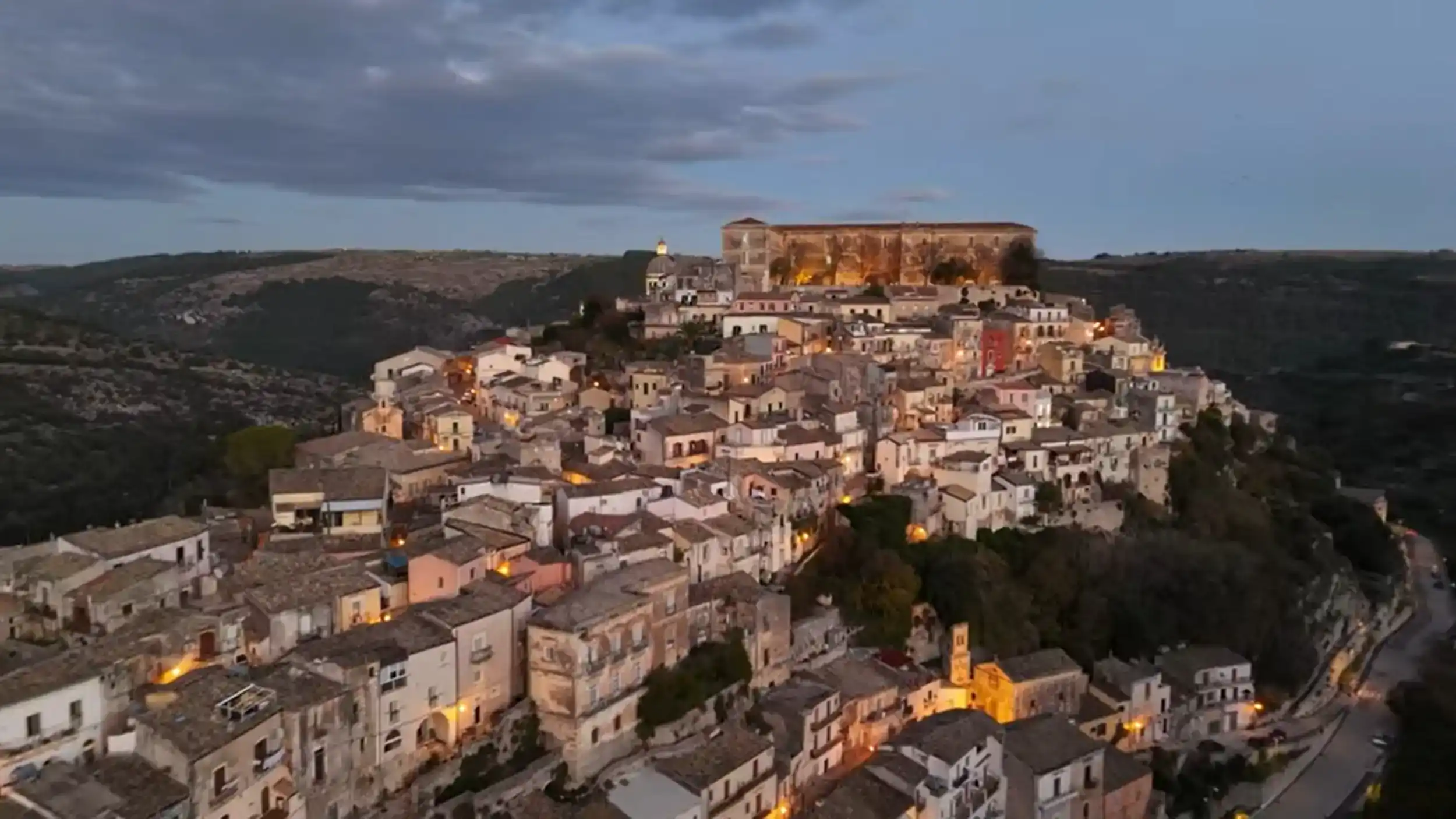
The split is not the result of modern planning. After the devastating earthquake of 1693, reconstruction took two different directions: one community remained around the original settlement while another developed on higher ground. Knowing that history helped us understand why Ragusa Superiore and Ibla feel so distinct despite belonging to the same city.
Once we knew that, the physical separation stopped feeling accidental and became part of the story we were walking through.
How Did Ragusa Become Two Towns?
Ragusa Ibla grew from the medieval settlement and was rebuilt in Baroque style while retaining its older street pattern. Ragusa Superiore developed on the higher ridge and became the administrative and commercial centre. For us, Santa Maria delle Scale was where that history became tangible because it marks the beginning of the staircase linking the two.
| 🏛️ The Two Sides of Ragusa | |
|---|---|
| ⛰️ Ragusa Superiore | Modern town on the upper ridge |
| 🏰 Ragusa Ibla | Historic Baroque heart of the city |
| 🪜 Santa Maria delle Scale | Gateway between the two |
| 🌉 Deep ravine | Creates the dramatic separation |
Why the Walk Explained Ragusa Better Than a Map
We could understand the layout on a map, but walking between the two halves explained it much better. As we descended, the separation created by the ravine became obvious and the character of the streets changed with it. That made the physical journey part of understanding Ragusa rather than merely a way to reach Ibla.
By the time we reached Ibla, it felt less as though we had crossed a valley and more as though we had walked into a different period of the city’s history.
🪜 What the Walk from Ragusa Superiore to Ibla Was Like for Us
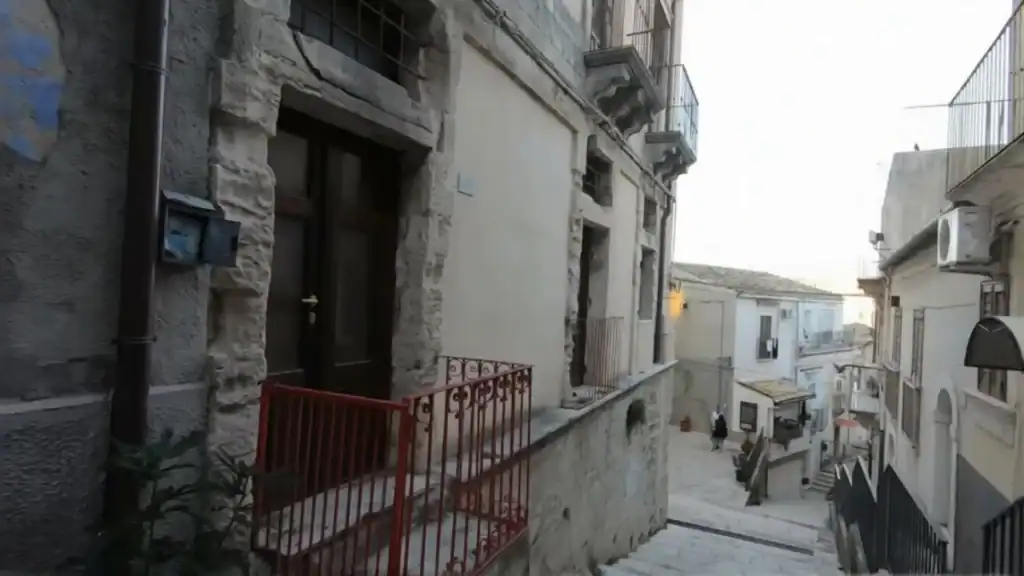
The walk from Ragusa Superiore to Ibla was where the city changed most clearly for us. Modern streets gave way to stone staircases, the views opened across the ravine and the Baroque skyline seemed to move closer with almost every section of the descent.
For us, the descent became one of the highlights of exploring Ragusa Sicily rather than something to get through before the sightseeing began.
Why We Took Via Scale Slowly
Via Scale is the main staircase linking the upper and lower towns. We found the descent manageable, but there was little reason to hurry. The viewpoints kept changing, limestone buildings framed the route and glimpses of Ibla below repeatedly gave us an excuse to stop.
The historic staircase section from Via 24 Maggio near Corso Mazzini down to Piazza della Repubblica is surprisingly short. Ragusa’s own visitor information gives about eight minutes for the direct walk, although we would allow 15–20 minutes because stopping for the views is part of the experience. If I were continuing through Ibla to Piazza Duomo rather than simply measuring the connecting staircase, I would allow considerably longer.
I would describe the route as roughly 300 steps rather than promise an exact count. Different descriptions count the connected flights differently, but the important point for us was the same: downhill was straightforward, while returning to Ragusa Superiore was a sustained climb.
| 🪜 Walking Down to Ibla | 📌 What I Would Expect |
|---|---|
| 📏 Historic connecting route | A short but steep staircase linking Upper Ragusa with Piazza della Repubblica |
| ⏱️ Direct walking time | About 8 minutes officially; I would allow 15–20 minutes with viewpoints |
| 🪜 Steps | Roughly 300 across the connected flights |
| 📸 Frequent viewpoints | The scenery improves as you descend |
| ⛪ Santa Maria delle Scale | Key landmark near the top of the route |
| 🚌 Uphill alternative | Local bus if I did not want to climb back |
Why We Planned the Return Climb Differently
Walking downhill was clearly the easy half. We would not choose the middle of a hot summer afternoon for the climb back. Descending earlier, taking time over lunch and exploring Ibla before returning later made much more sense to us.
I would be more cautious recommending the full down-and-back walk to anyone with limited mobility, knee problems or difficulty with prolonged steps. Older children used to walking should cope well, but a pushchair would make the staircase awkward. For elderly travellers, I would judge it by mobility rather than age and seriously consider walking downhill only.
There are plenty of natural places to pause. We stopped for viewpoints along the staircase, and Santa Maria delle Scale gives an obvious break near the top. Once we reached Ibla, cafés and piazzas made resting easy. I never felt we had to complete the steps in one continuous push.
Would I Take the Bus Back Instead?
Yes, particularly after walking down and spending several hours exploring Ibla. Local buses connect Ibla with the upper city, so I would happily use public transport for the uphill return if the heat, tired legs or mobility made the staircase less appealing. I would check the current timetable on the day because routes and seasonal shuttle arrangements can change.
If you are deciding whether the route suits you, our guide to walking down into Ragusa Ibla explains what to expect from the staircase. Our Ragusa Ibla stairways and viewpoints guide focuses more closely on the details we noticed during the descent.
The Route I Would Follow From Upper Ragusa to Ibla
I would start around Via 24 Maggio and Corso Mazzini, descend past Santa Maria delle Scale and follow the historic staircase towards Piazza della Repubblica. From there I would continue into Ibla rather than treat the bottom of the steps as the finish, eventually working towards Piazza Duomo and San Giorgio.
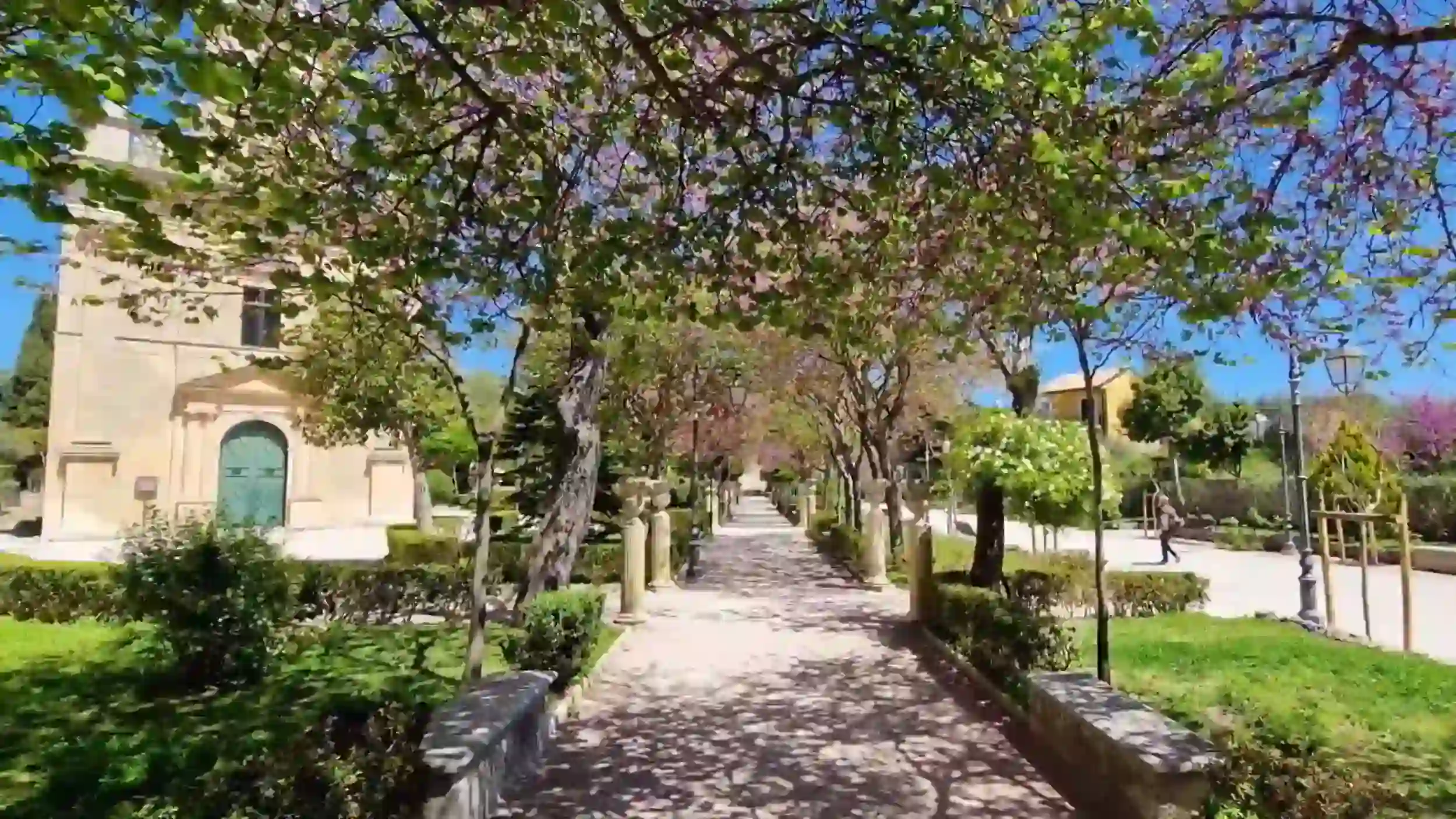
The route gives me more than views. Santa Maria delle Scale is the obvious first stop, while the descent also brings the blue-tiled dome of Santa Maria dell’Itria into the cityscape. Once in Ibla, I would continue to San Giorgio, San Giuseppe and eventually Giardino Ibleo rather than immediately turn around.
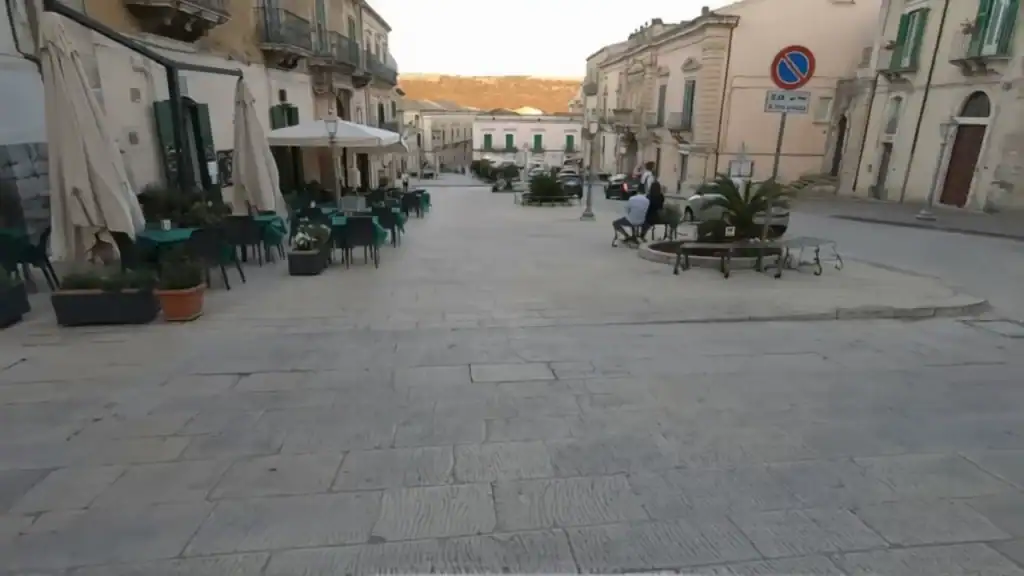
🏰 What We Enjoyed Most Once We Reached Ragusa Ibla
Arriving in Ibla felt completely different from standing above it in Ragusa Superiore. The streets became quieter, traffic almost disappeared and we naturally slowed down. Instead of following a fixed route, we wandered through narrow lanes and stopped whenever another church, piazza or viewpoint caught our attention.
That unstructured wandering suited Ibla far better than trying to work through a checklist.
Why We Started at the Cathedral of San Giorgio
The Cathedral of San Giorgio was the natural place for us to begin. Rising above its broad staircase, it immediately establishes the scale of Ibla’s Baroque architecture. From there we could drift into the surrounding streets, quieter churches and hidden corners before eventually reaching Giardino Ibleo at the far end of the old town.
| 🏰 Don’t Miss | |
|---|---|
| ⛪ Cathedral of San Giorgio | Ibla’s most iconic landmark |
| ⛪ Church of San Giuseppe | Often overlooked by visitors |
| 💙 Santa Maria dell’Itria | Recognisable by its blue dome |
| 🌳 Giardino Ibleo | Peaceful gardens overlooking the valley |
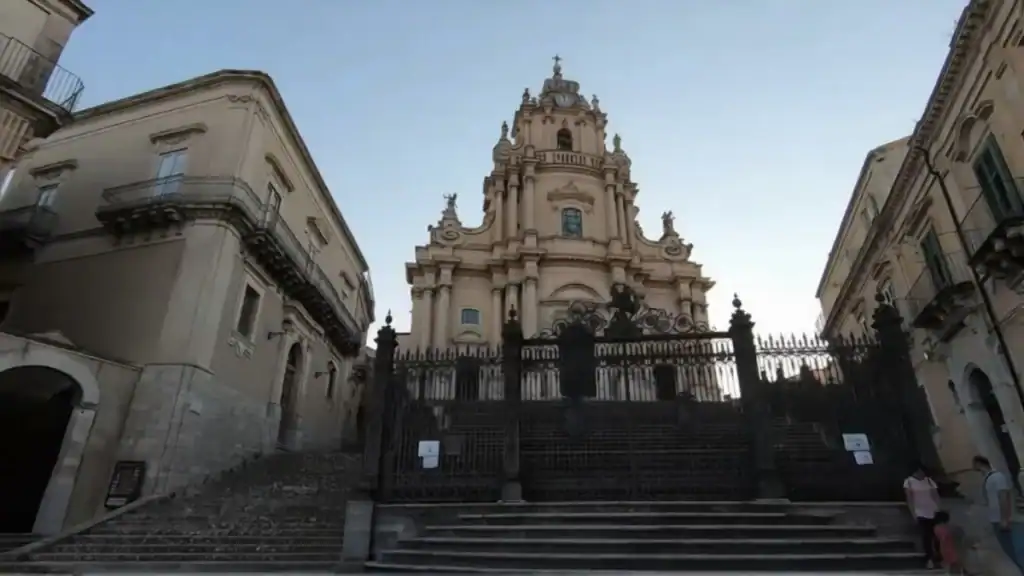
Why We Stopped Treating Ibla as a Sightseeing List
Some of our favourite moments in Ibla were not major sights at all. Stopping for coffee, lingering over a gelato or following another quiet alley simply because it looked interesting gave the town much more personality. Our guide to Ragusa’s history, food and local character goes beyond the main Baroque landmarks and explains why we found the city more interesting the longer we stayed.
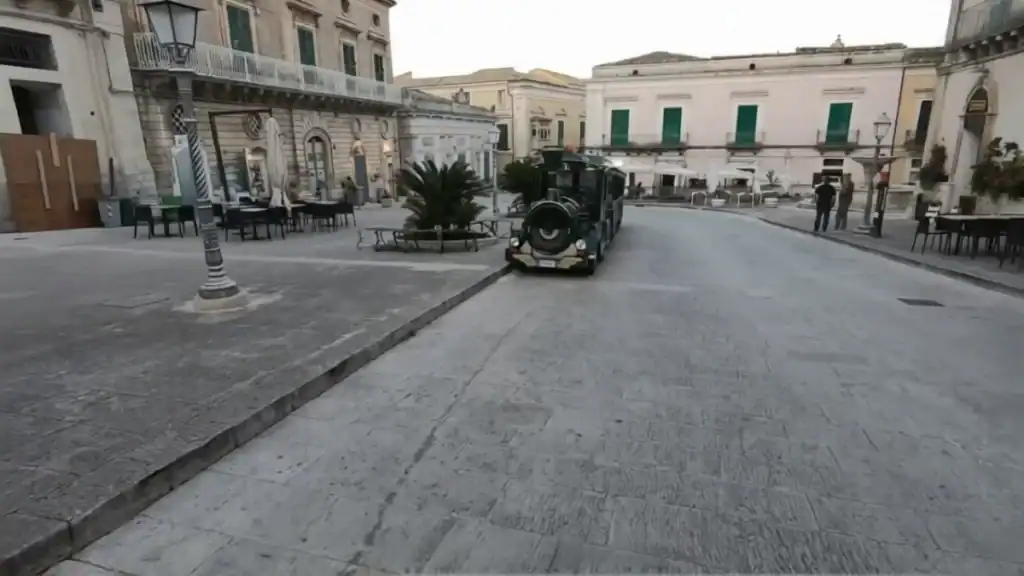
⬆️ What the Climb Back to Ragusa Superiore Was Really Like
The walk back to Ragusa Superiore felt very different from the descent. The staircase that had seemed easy on the way down became a steady uphill climb, and in warmer weather the heat reflected from the pale limestone makes timing much more important.
We found that when you tackle the climb matters almost as much as the climb itself.
Why We Would Leave the Climb Until Later
For us, morning or late afternoon are the best times to walk between Upper Ragusa and Ibla. I would descend in the morning, take a long lunch or afternoon break and leave the return until the temperature begins to fall. If photography mattered more, late afternoon into early evening would tempt me because the softer light across the ravine makes the views especially rewarding. I would avoid the hottest part of a summer day for the uphill section.
| ⬆️ Making the Return Easier | |
|---|---|
| 🌅 Climb later | Cooler temperatures and softer light |
| 💧 Carry water | Especially during summer |
| ⏸️ Pause regularly | Plenty of viewpoints along the way |
| 🚶 Take your time | The views are worth stopping for |
What Stayed With Us After the Walk
By the time we reached the top, it was not one church or viewpoint that stayed with me. It was the relationship between Ragusa Superiore and Ibla: two parts of one city, divided by a deep ravine and connected by a staircase that gradually explains why they developed such different characters.
If you want more context after the walk, our Ragusa history and food guide explores the wider story behind the city and the traditions that are less obvious from the staircase alone.
❓ Walking Between Upper Ragusa and Ibla: Quick Questions
Is the Walk Suitable for Kids or Elderly Travellers?
I think active children should manage the descent well, although the climb back is more demanding. For older travellers, I would base the decision on mobility, knees and confidence on steps rather than age. Walking downhill and returning by bus is the compromise I would choose if the full return climb looked uncomfortable.
Are There Places to Rest Between Upper Ragusa and Ibla?
Yes. The viewpoints give natural excuses to pause, Santa Maria delle Scale provides an obvious stop near the upper section and cafés and piazzas become plentiful once I reach Ibla. I would treat the pauses as part of the walk rather than something that delays it.