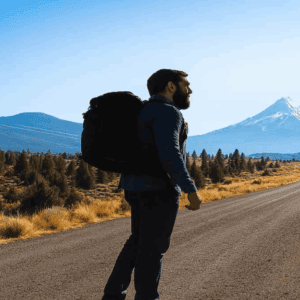
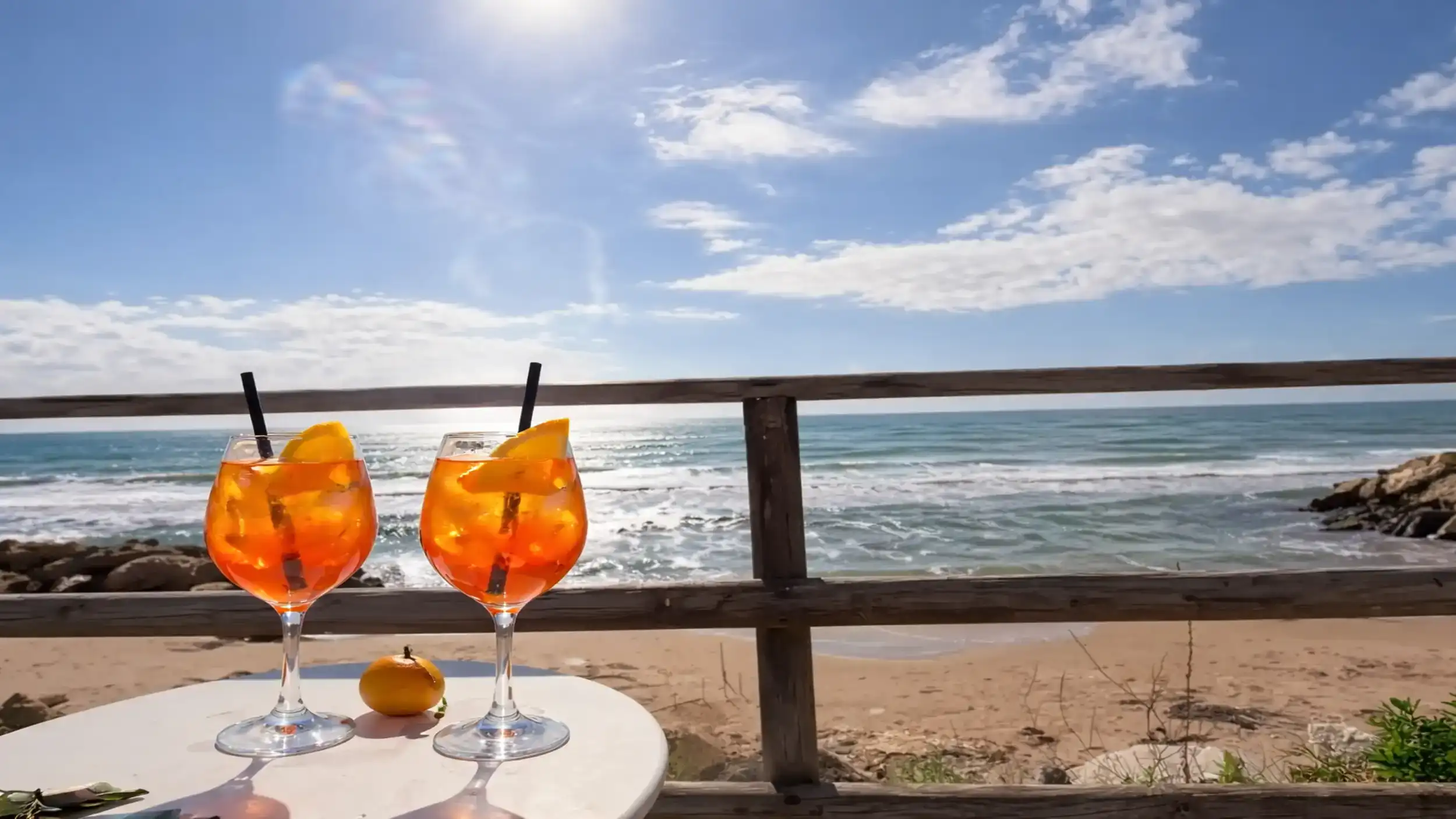
Our Ragusa Ibla road trip began at Capo Cipollazzo near Menfi and crossed Sicily through Sciacca, Agrigento, Enna and Piazza Armerina. Ragusa Ibla was the finale, reached after roughly 250–300 kilometres depending on the roads and detours you choose.
It is technically possible to drive across in one day. We would not. The route works because beaches, historic ports, Greek ruins and mountain towns keep changing the journey before Ibla’s Baroque skyline appears at the end.
Saving Ragusa Ibla until last gave our journey a natural sense of progression. By the time we reached southeastern Sicily, we had already crossed very different landscapes and historic sites. That contrast made our first view of Ibla feel like a genuine finale.
🗺️ How Our Ragusa Ibla Road Trip Worked
We quickly realised this was not a route worth rushing.
Our sightseeing route involved around four to five hours of driving before meaningful stops and detours. We spread it over several days instead. From the southwestern coast, we followed the shoreline east, turned inland and eventually descended towards Ragusa Ibla.
What kept the drive interesting was how completely each stage changed the Sicily around us.
🚗 The Route We Would Follow Again
🌊 Capo Cipollazzo → Sciacca: an easy coastal opening, roughly 30 minutes.
🏛️ Sciacca → Agrigento: continue east along Sicily’s southern side, allowing about an hour.
⛰️ Agrigento → Enna: turn inland for the biggest change of landscape, around 90 minutes.
🏺 Enna → Piazza Armerina: a shorter inland leg of roughly 40 minutes.
🏁 Piazza Armerina → Ragusa Ibla: the final run southeast, around an hour before local approach roads and stops.
Unplanned Stops Made the Route Better
Along the western coastline, beaches and fishing villages kept giving us reasons to stop. Inland, the character changed completely. Panoramic roads, hill towns and open landscapes replaced the sea.
🌄 IS THE DRIVE SCENIC?
Yes, but not because every kilometre is spectacular. Its strength is the contrast: Mediterranean coast, archaeological landscapes, farmland, elevated interior roads and finally the limestone setting around Ragusa.
🚗 We would use a car. Public transport can connect individual towns, but it does not reproduce this flexible multi-stop road trip. A car lets smaller coastal and inland stops become part of the journey.
Our guide to the first view of Ragusa from the valley shows why we think the approach into Ibla deserves to be treated as part of the road trip rather than simply the final few miles.
⏱️ ONE DAY OR SEVERAL?
One day: possible only as a transit drive with very selective stops.
Our choice: several days. Sciacca, Agrigento, Enna and Piazza Armerina are destinations rather than roadside pauses.
🌊 Why We Started on the Quiet Coast Near Menfi
The road trip begins quietly.
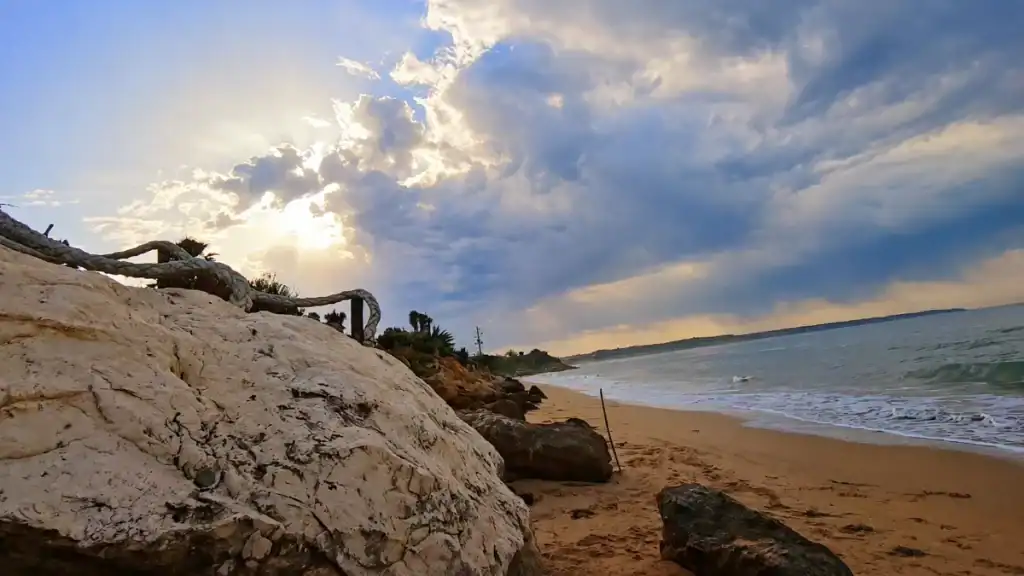
Capo Cipollazzo was not a beach we had travelled to Sicily specifically to see. That was part of its appeal. Wide sand, open sea and a lack of urgency gave the trip a gentler beginning.
We were happy simply to settle in and let the road trip start slowly.
Space Was the Attraction Around Menfi
What we liked around Menfi was how little the coast resembled Sicily’s better-known resorts. Outside the busiest summer weeks, long stretches of beach can still feel spacious. Vineyards and fishing communities behind the shoreline keep the area noticeably local.
For us, it also made sense as a first overnight stop in a campervan. Waking beside the sea gave the next morning an easy beginning before the route shifted towards historic towns and the more demanding inland section.
What made this a good starting point:
- 🏖️ Quiet sandy beaches
- 🎣 Traditional fishing communities
- 🚐 Good base for campervans
- 🌅 Relaxed sunsets over the Mediterranean
- 🚗 Easy onward drive to Sciacca
By the time we left Capo Cipollazzo, we had already stopped treating the road as dead time between attractions. That slower start changed the rest of the trip, because the journey itself had become part of what we were there to experience.
If you’re making the same journey outside the main season, our experience of Ragusa in December explains how the city changes once the summer crowds have gone.
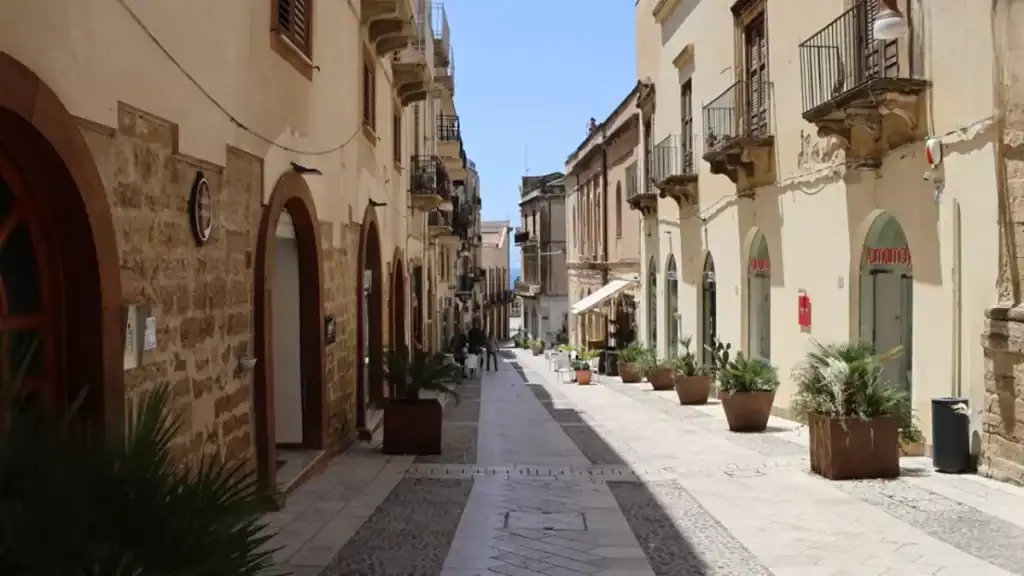
⚓ Why We Left Sciacca’s Harbour Behind
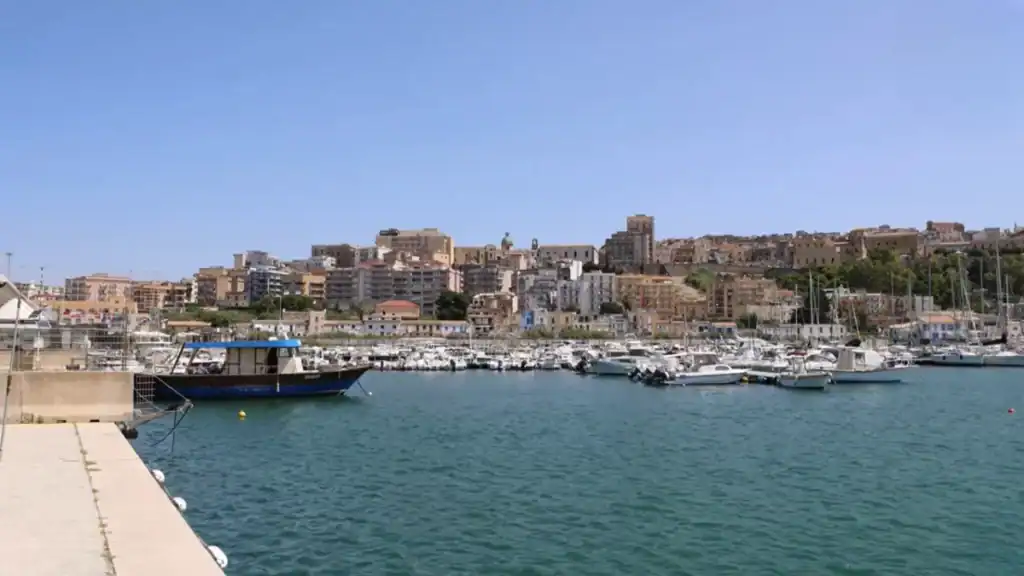
Our first impression of Sciacca came from its harbour.
Fishing boats, waterfront cafés and the marina made an attractive introduction. Sciacca became more interesting once we left the seafront. The streets climbed steeply into a historic centre that felt far more layered than the harbour suggested.
Leaving the Harbour Revealed the Real Sciacca
We followed the narrow streets uphill towards sandstone arcades, elegant balconies and small piazzas. The waterfront soon felt surprisingly distant. Via Giuseppe Garibaldi was one of the streets we most enjoyed. The colourful ceramic staircase reflected Sciacca’s long association with Sicilian pottery.
We found Sciacca better when we stopped trying to turn every building into a sight. Some were open to visitors, while others simply formed part of the streetscape. Wandering without a strict route gave the old town an atmosphere we did not find in Sicily’s larger tourist cities.
Allow around two to three hours for Sciacca if you’re continuing the road trip the same day.
Before leaving, we also looked beyond the harbour and Baroque streets to Sciacca’s thermal heritage. Its natural hot springs have attracted visitors since ancient times. They give the town another layer that distinguishes it from the other coastal stops on this route.
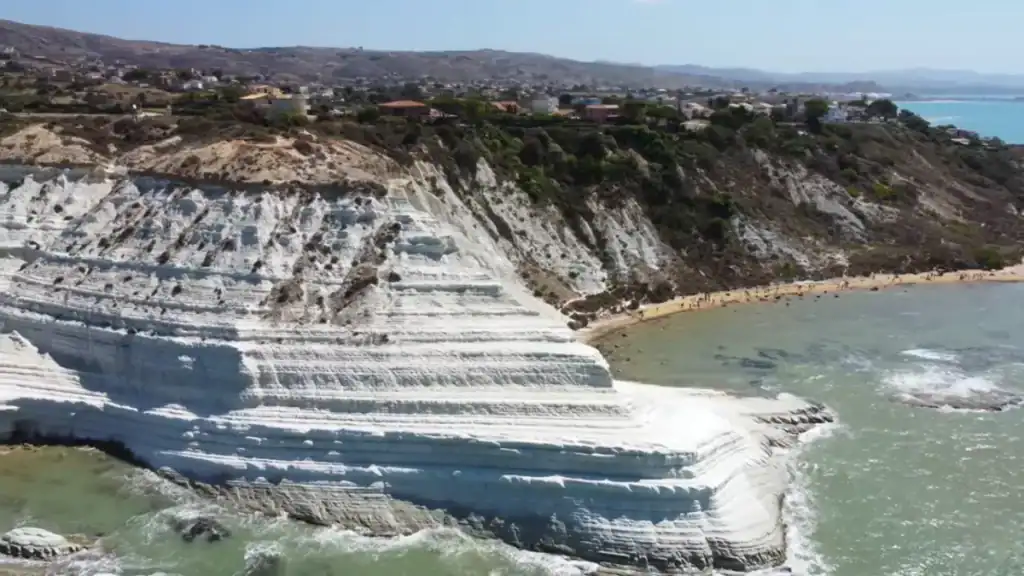
🤍 What We Made of Scala dei Turchi and Agrigento
Scala dei Turchi was one of the few stops on this route that looked immediately familiar when we arrived. The brilliant white marl terraces really do appear sculpted, dropping towards the sea in smooth layers that stand out sharply against the darker surrounding coast.
For once, we did not feel the photographs had exaggerated it.
Scala dei Turchi Was Worth a Short Stop
For us, yes, although the stop worked better once we accepted that seeing the cliffs did not necessarily mean walking across them.
Access is carefully managed to protect the fragile rock from erosion, so walking directly on the famous white terraces may not be possible. We still thought the stop worthwhile because the beach below gave us an excellent view of the formation without needing to stand on it.
We would allow an hour or two before continuing east rather than building half a day around the stop.
Leaving the coast for Agrigento changed the scale of the day completely. The Valley of the Temples was one of the major historic stops on our route, and the Temple of Concordia was especially impressive later in the day when warmer light deepened the colour of the stone.
Our guide to Ragusa’s history, food and Sicilian character explains why we found the Baroque city such a satisfying place to finish after crossing so many different landscapes and periods of Sicilian history.
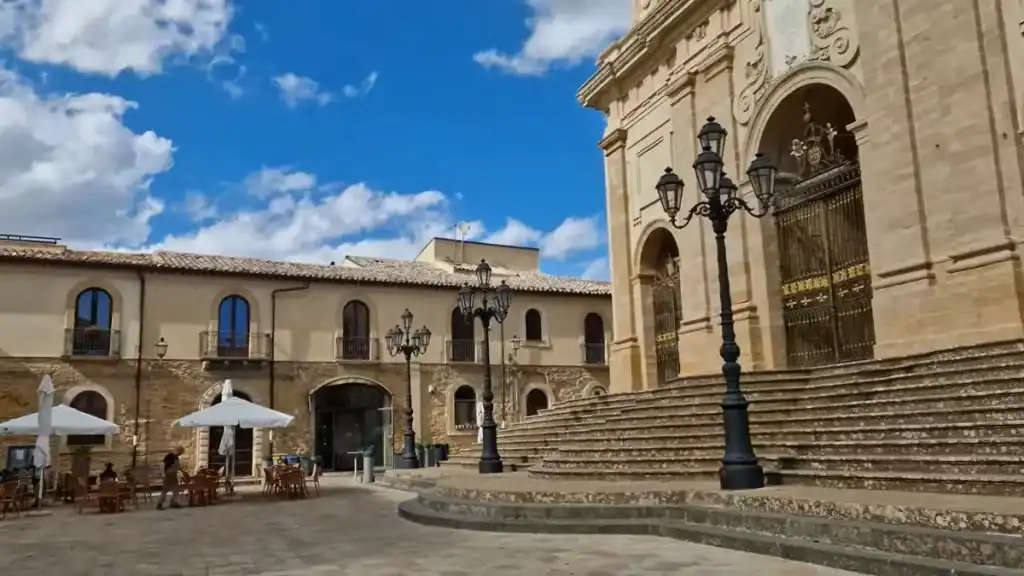
⛰️ How Enna and Piazza Armerina Changed the Journey
Leaving the coast transformed the journey more than we expected. As the road climbed through central Sicily, vineyards and sea views disappeared. Rolling farmland, open plateaus and hilltop towns took their place.
At more than 900 metres above sea level, Enna felt like the high point of the route in every sense, with views that finally showed us how much of Sicily’s interior we had crossed.
Enna and Piazza Armerina Offered Different Rewards
We found Enna more rewarding when we gave it time rather than treating it as a viewpoint stop. Walking through the old streets to the Castello di Lombardia and then out towards the panoramas made the contrast between Sicily’s coast and interior much easier to appreciate.
Forty minutes later, Piazza Armerina changed the historical focus again. At Villa Romana del Casale, the scale and preservation of the Roman mosaics were what stayed with us; thousands of square metres survive, making the site feel substantially more than another archaeological stop.
⛰️ TWO INLAND STOPS, TWO DIFFERENT REASONS
Enna: choose it for Castello di Lombardia and the sense of looking across Sicily’s interior from above.
Piazza Armerina: stop for Villa Romana del Casale and its remarkably extensive Roman mosaics.
From Piazza Armerina, we began the final stage towards southeastern Sicily. Our guide to arriving in Ragusa from the valley shows the view that made those last miles one of the most memorable parts of the route for us.
🌤️ When We Would Make This Drive
For this road trip, we would choose late spring or early autumn. April to June and September to October generally balance driving, walking and archaeological stops better than peak summer.
Why We Would Avoid Building It Around August
July and August can work if beaches are the priority, but heat changes the inland sections. Agrigento, Enna and Ragusa all involve substantial outdoor walking. Parking pressure also makes spontaneous stops less appealing.
September would probably be our first choice. The sea still has summer warmth, while driving becomes easier as the most intense heat and holiday crowds begin to ease.
🏁 Why We Saved Ragusa Ibla Until Last
The final miles felt different to everything that had come before.
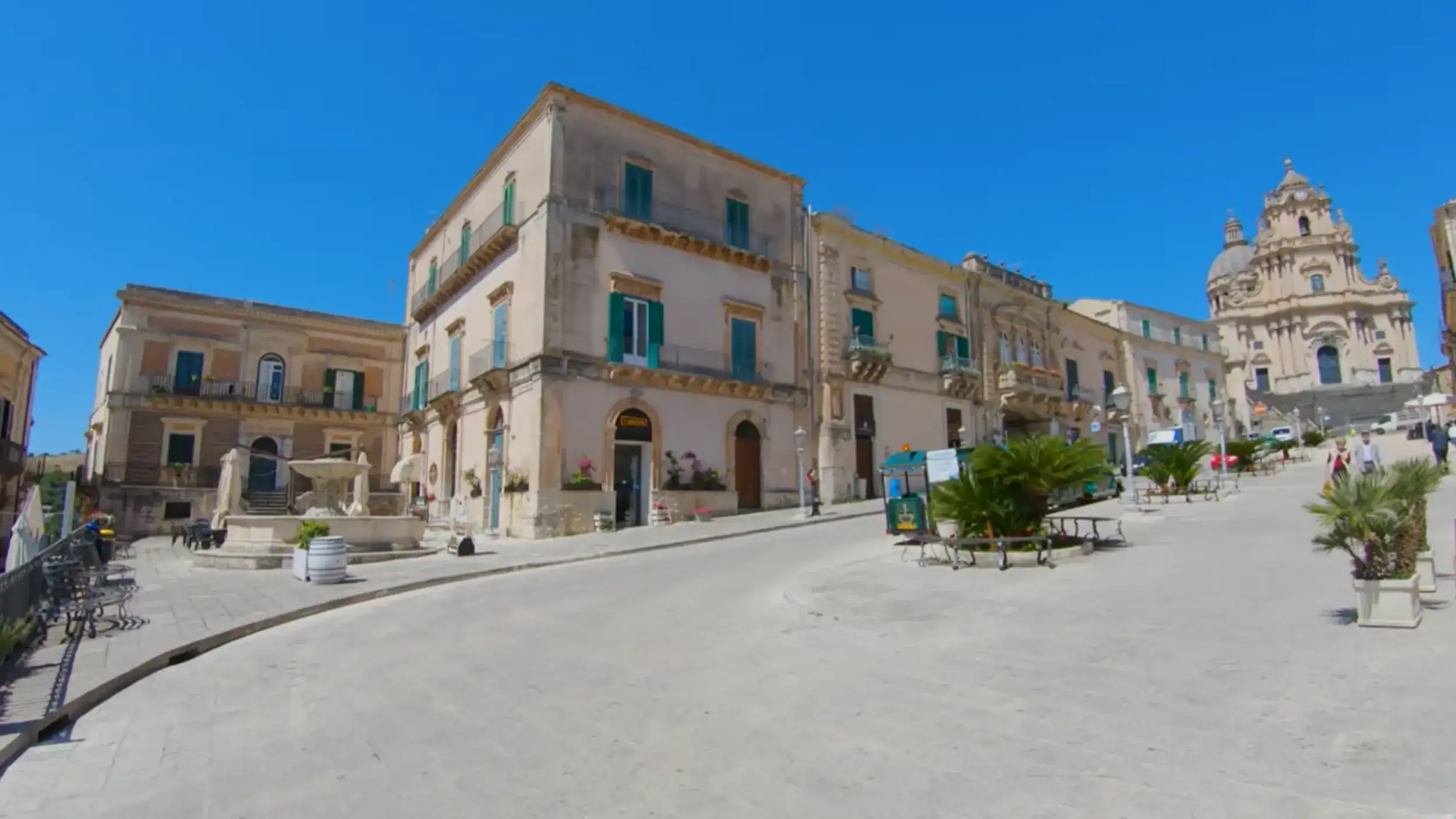
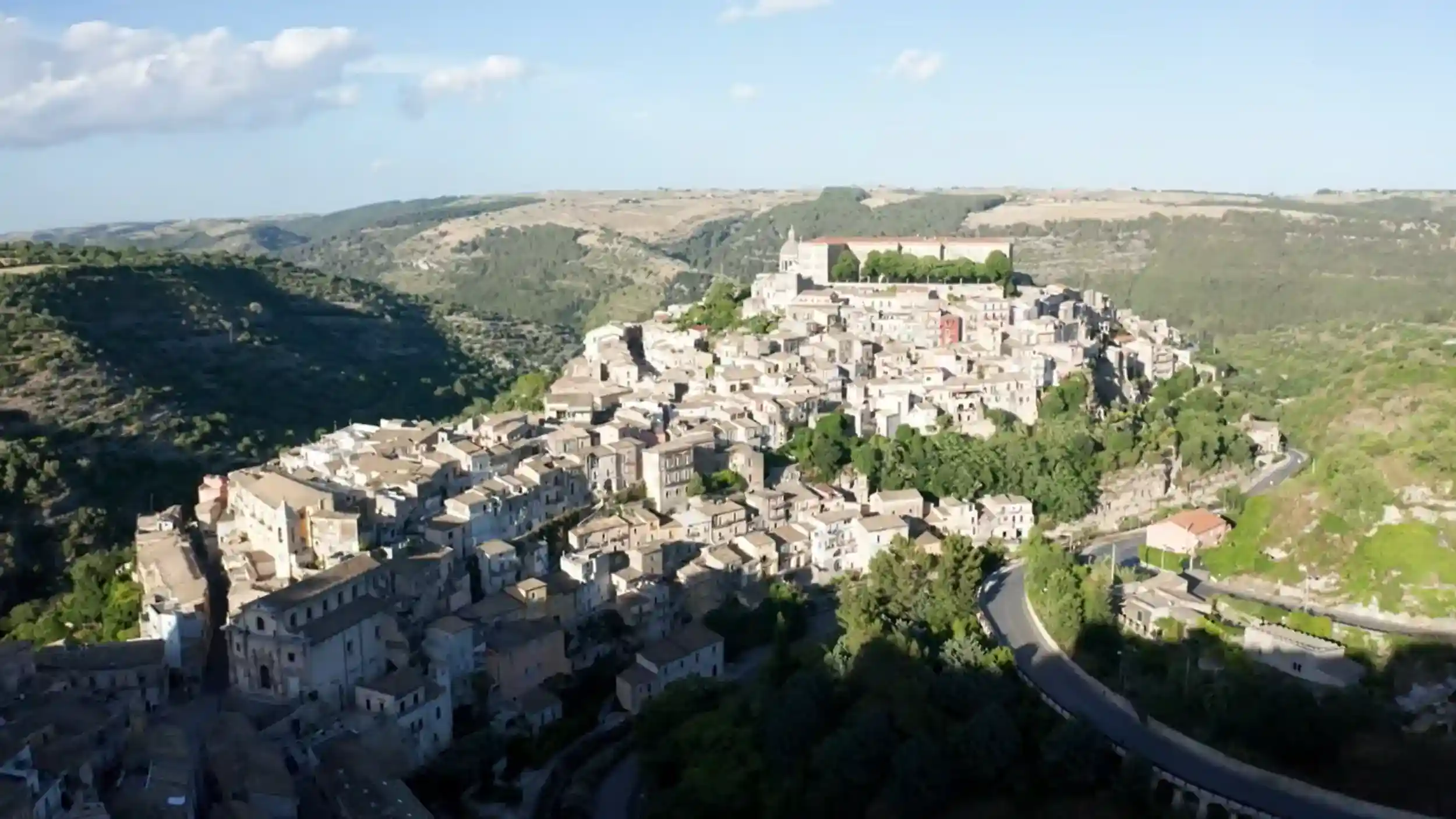
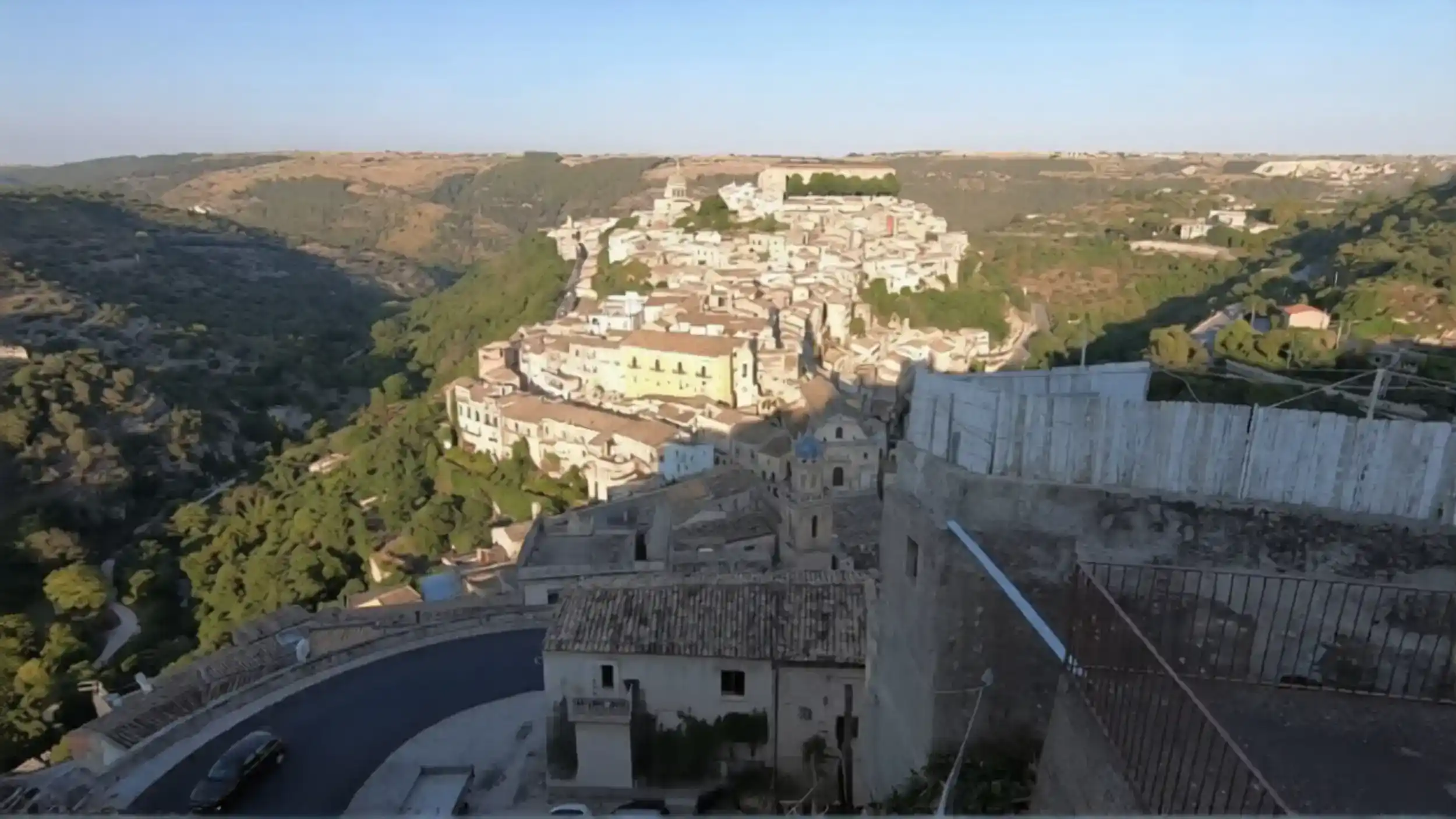
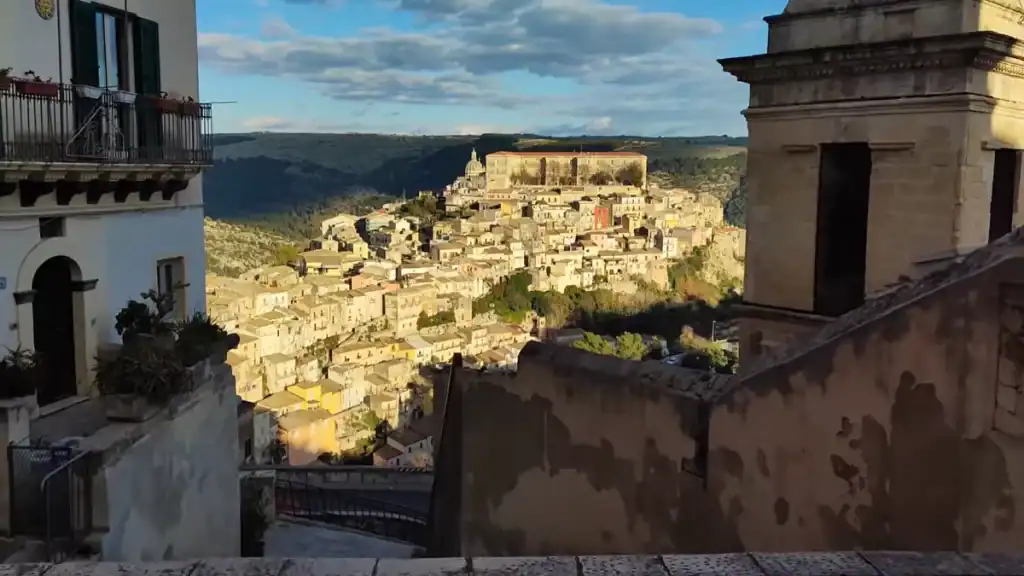
After days of beaches, fishing ports, Greek temples and hill towns, we began descending towards Ragusa. Then Ibla appeared almost without warning. Honey-coloured buildings climbed the limestone ridge beneath the dome of San Giorgio.
It was the arrival we had hoped this road trip would build towards.
That First Valley View Deserved Its Own Stop
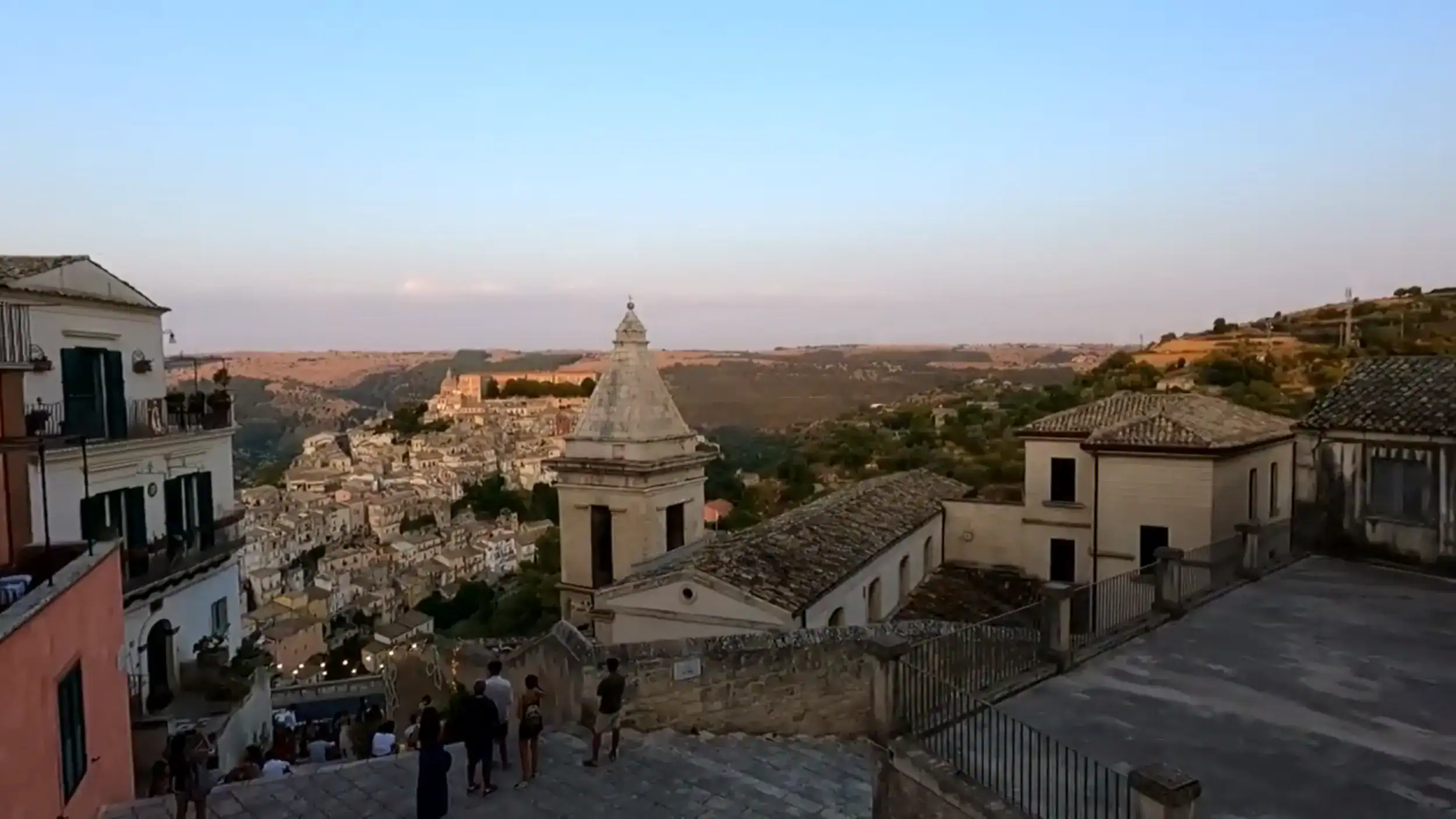
We resisted driving straight into Ibla. The viewpoints on the approach showed the city’s dramatic setting far better than we could understand it from within the streets, and from above the deep valley immediately explained why Ragusa developed as two distinct districts.
Only after taking in that panorama did we want to continue into the historic centre.
Once inside Ibla, the narrow streets, Baroque churches and lively piazzas felt like a natural conclusion. They brought together many of the architectural and cultural threads we had encountered while crossing Sicily, but in a setting that still felt completely distinct.
If this is your first visit, our guide to the best first view of Ragusa explains where we would stop before entering the city, while our guide to Ragusa’s history, food and local culture gives you more reasons to stay once the road trip itself has finished.