
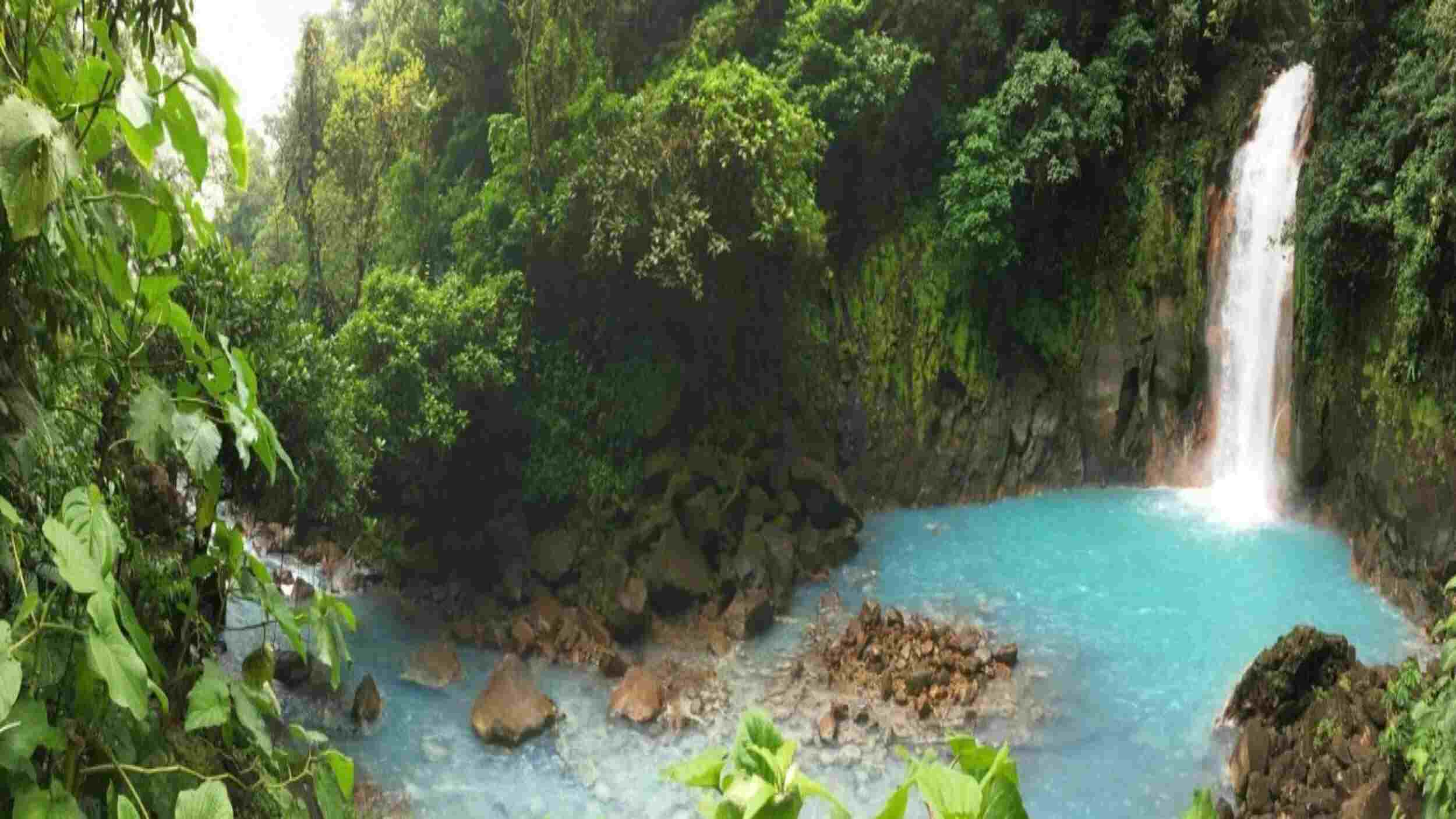
Rio Celeste River dazzles with its striking turquoise waters and lush surrounding rainforest. Famous for its natural “blue waterfall,” the river offers hiking trails and scenic viewpoints. Visiting Rio Celeste River provides an unforgettable encounter with Costa Rica’s vibrant natural beauty.
👀 At a Glance
🗓️ Best time: December through April for clearest blue water
💰 Budget: Plan £50-60 per person for basic day trips
✈️ Getting there: 3 hours from San José, rent a car or book tours
⏰ Duration: Full day minimum, three days ideal for weather backup
💡 Insider tip: Arrive at 8 AM when gates open to beat crowds
🌊 What Makes the Rio Celeste River So Special
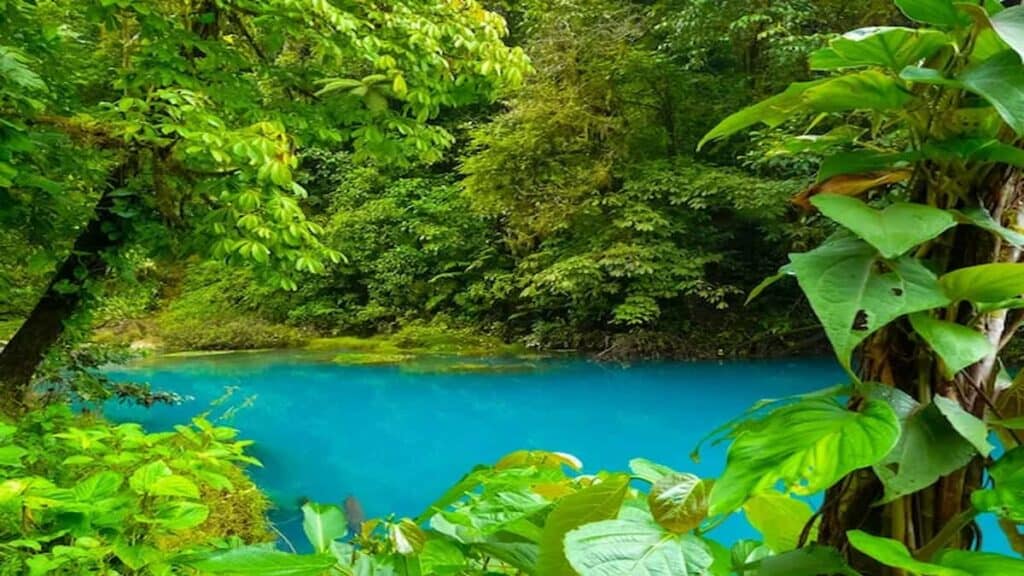
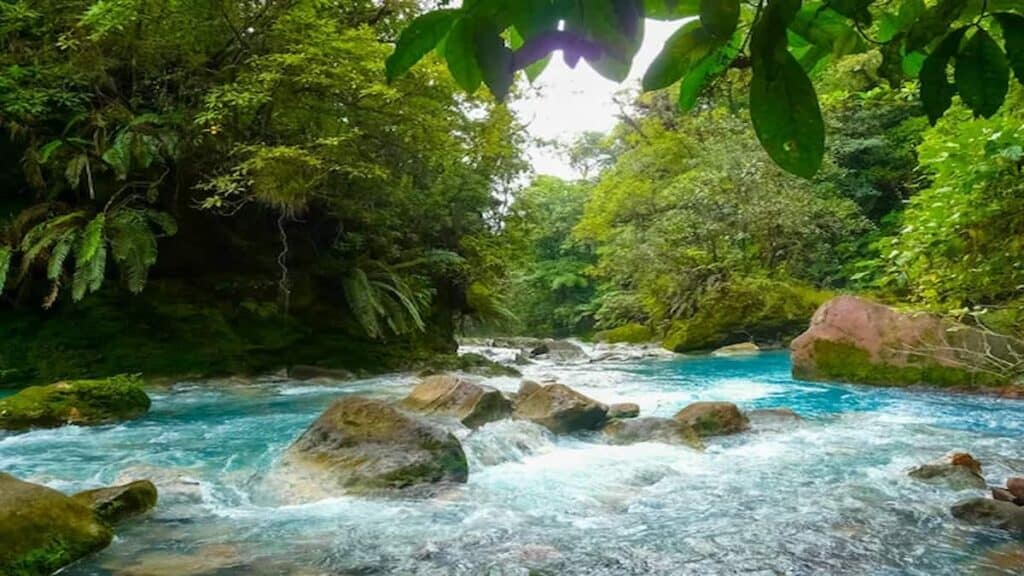
Is Rio Celeste, Costa Rica worth visiting? Yes, but only if you time it right. The Rio Celeste River gets its famous light blue colour from a unique chemical reaction. Two clear streams meet and mix minerals that create the bright turquoise shade. Heavy rain washes away these minerals and turns the water brown.
Most visitors arrive expecting the stunning blue waters but find muddy brown instead. This happens because they don’t understand the colour science behind it. The Universidad de Costa Rica studied this phenomenon. They found that aluminum silicate particles cause the blue appearance when suspended in the waters of Rio Celeste.
The real magic happens upstream at the mixing point where Rio Buena Vista meets another stream. You watch two completely clear rivers join together and instantly turn bright turquoise. It looks like someone poured paint into this light blue river.
The Celeste Waterfall drops 30 metres into a pool photographers dream about. That’s taller than a 10-storey building plunging into turquoise water.
⏰ When to Visit Rio Celeste for Perfect Blue Waters
Weather controls everything about your trip to Costa Rica and the Rio Celeste River experience. The famous blue colour disappears during and after heavy rains. Visitors sometimes stare at brown water for days waiting for it to clear.
Dry Season at Tenorio Volcano National Park
Dry season from December through April offers 85 to 90 percent chance for seeing the pristine blue waters. But this brings maximum crowds when you visit Rio Celeste. Parking fills by 10 AM on weekends when tour buses arrive.
Peak season pricing increases hotel costs by 40 to 60 percent throughout the northern region of Costa Rica. Christmas and Easter holidays cost the most around the Rio Celeste area. But you enjoy reliable weather and excellent hiking conditions.
Visiting the Rio Celeste River by Season
Shoulder seasons in May and November give the best balance. You get some afternoon rains but enjoy 30 to 40 percent lower prices at Rio Celeste hotels. May means you can book lodges just 2 weeks ahead instead of the 2 months needed for peak season. Fewer visitors crowd the trails inside Tenorio Volcano National Park.
Rainy season needs flexibility but rewards prepared visitors. The Rio Celeste Waterfall flows at maximum power. Forest colours intensify to deep greens as the rain nourishes everything. You often have trails mostly to yourself after 3 PM.
Best Times to Visit Rio Celeste
Early morning visits from 7 to 9 AM provide the best lighting for photos. Tenorio Park opens its gates at 8 AM each day. Locals arrive on weekdays rather than weekends to avoid the crowds. Arrive early to secure parking and start your Rio Celeste hike before crowds build.
Check local radar 24 hours before visiting Tenorio to see current weather patterns. Consider waiting if heavy rains happened within the past 48 hours. The waters of the Rio Celeste need time to clear and return to their stunning blue shade.
💰 Rio Celeste River Budget Planning
Basic costs for visiting the Rio Celeste River start around £50 to 60 per person for day trips. But poor planning decisions easily double these expenses when you don’t research options carefully.
National Park Fees and Transport
The entrance fee costs £12 per international visitor with no discounts for students or seniors. Costa Rican residents pay significantly less at the gate. The Costa Rican Tourism Board (ICT) sets official entrance fees for all national parks including Volcan Tenorio.
Transport expenses change dramatically based on your approach. Rental cars cost £25 to 45 daily plus £15 to 25 for fuel roundtrip. Tour packages from Arenal to Rio Celeste range from £60 to 110 per person.
Accommodation and Gear Costs
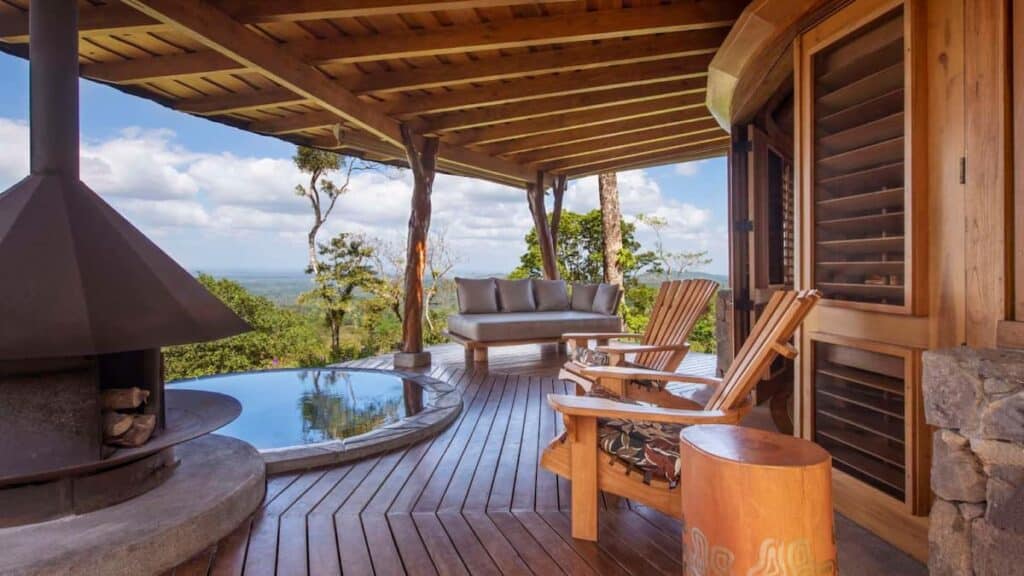
Hotel pricing depends heavily on location and seasonal timing near Rio Celeste. Budget options in Bijagua start at £18 per night. Luxury places like Rio Celeste Hideaway Hotel charge £150 to 250 nightly.
Gear costs catch many visitors by surprise when planning their trip to Costa Rica. Quality waterproof boots run £80 to 120 whilst rain jackets cost £40 to 80. Camera protection adds £20 to 50 to your total expenses.
Money-Saving Tips
Group economics improve with 4 or more people sharing transport costs when you visit the park. Rental car expenses split among travellers often beat individual tour pricing. You also gain more flexibility for exploring places in Costa Rica beyond the main waterfall.
Budget an extra 25 to 30 percent beyond planned expenses for your trip. Unexpected opportunities and weather delays always pop up during adventure travel in the northern region of Costa Rica.
🚗 How to Reach Rio Celeste River
Getting to Tenorio Volcano National Park takes planning. The park sits in Costa Rica’s northern region, about 3 hours from San José. You have three main transport options that work differently depending on your budget. The Visit Costa Rica website provides detailed directions to reach the park entrance.
Driving to the Rio Celeste River
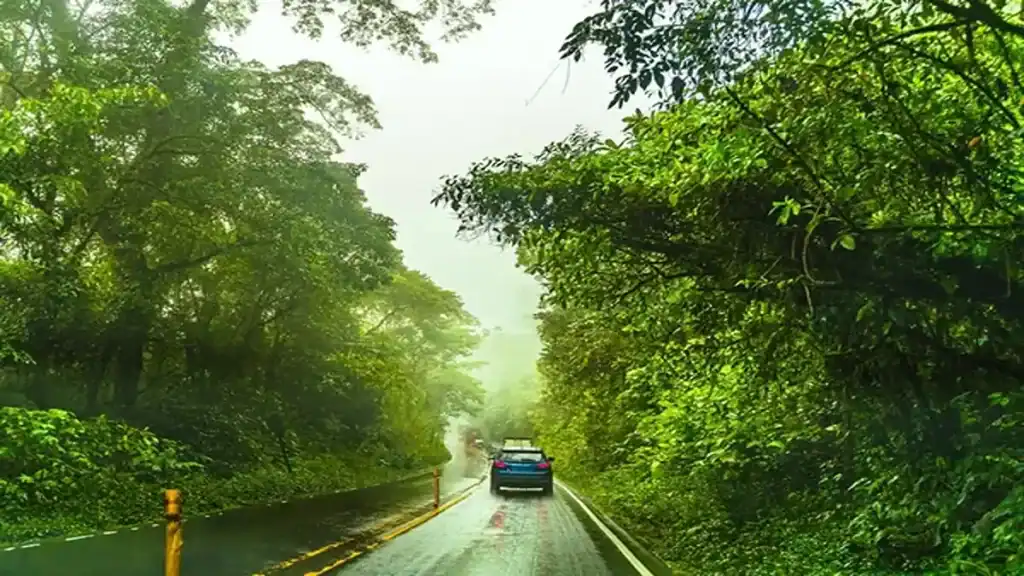
Renting a car gives you the most freedom to explore. Small cars cost around £25 daily during dry season from December to April. But you need a 4WD vehicle from May through November. Afternoon rains turn dirt roads slippery and challenging to navigate. Those 4WD rentals run £40 to 50 per day.
The final stretch includes rough dirt sections with deep holes. Gas stations become rare near Tenorio National Park. Fill up in Upala or Bijagua before heading to the entrance to avoid running out of fuel.
Tours and Shuttles
Tour packages remove driving stress but limit your exploring freedom when you visit the waterfall. Most companies charge £65 to 90 per person for day trips from La Fortuna or San José.
Private shuttles cost £120 to 180 for groups up to 8 people visiting Rio Celeste. This makes sense for families or friend groups. These services include hotel pickup and solve parking problems.
Local buses offer the cheapest option but eat most of your day. The trip from San José takes 4 to 5 hours each way when you visit Rio Celeste Costa Rica by public transport.

🏨 Best Places to Stay Near Rio Celeste
Location beats luxury when planning your stay near the Rio Celeste River. Staying 2 hours away means missing the best morning light at the Celeste River. You waste time driving instead of exploring the Rio Celeste area properly.
Rio Celeste Hotels and Lodges
Bijagua village gives the closest access at just 15 minutes to Tenorio Volcano Park. This small town offers real Costa Rican welcome without tourist price inflation. You can chat with locals who know current trail conditions inside the national park.
Budget options in Bijagua start at £18 to 25 per night. Family-run guesthouses provide clean rooms with basic features. Many include breakfast and share valuable tips about weather patterns affecting the blue river. Local tip: stop at Soda La Amistad in Bijagua village for authentic casado lunch before your hike.
Mid-range eco-lodges around Bijagua charge £45 to 75 per night. Places like Rio Celeste Hideaway and Celeste Mountain Lodge often bundle guided Rio Celeste tours. These packages usually beat booking tours separately, especially for solo travellers exploring one of Costa Rica’s most famous natural wonders.
Other Area Options
La Fortuna appeals to visitors wanting more dining options. You’ll find world restaurants and reliable internet near Arenal Volcano. But it needs 45 to 60 minutes driving to reach the waterfall.
Book 2 to 3 nights minimum near the park. Weather changes fast in cloud forest areas inside Tenorio Volcano National Park. You need backup days for the best waterfall viewing conditions.
🎒 What to Pack for Your Rio Celeste Visit
Packing for the Rio Celeste River Trail
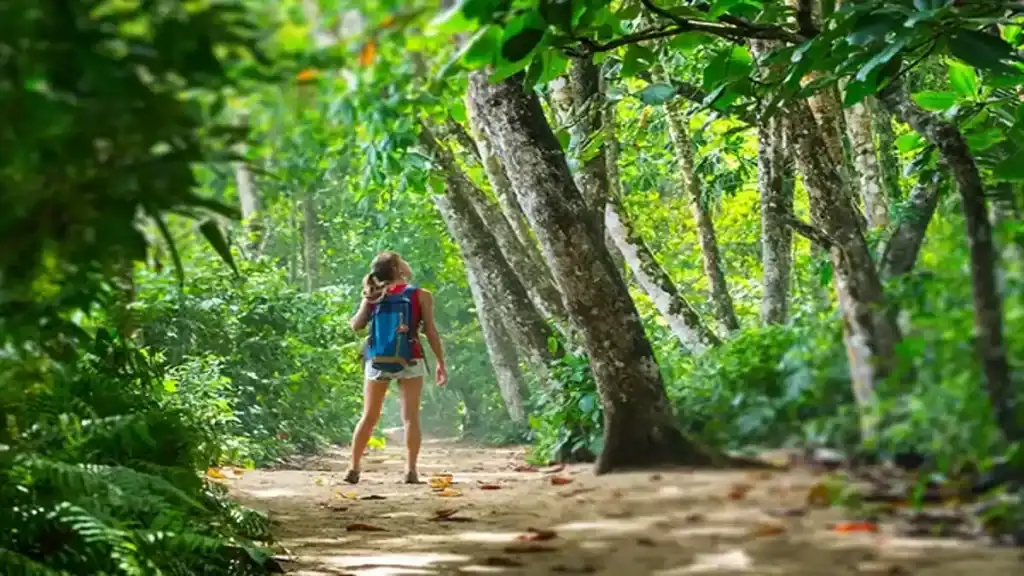
Waterproof hiking boots with ankle support prevent injuries on wet rocky trails. Trail runners work during dry season but become dangerous when trails turn muddy. Your footwear choice makes or breaks the experience visiting Tenorio.
Rain protection matters regardless of season when you visit the park. Even during dry months, mist from the waterfall and high humidity threaten cameras and phones. Bring waterproof bags for electronics to protect your valuable equipment from moisture damage.
Camera Equipment
Camera gear needs special attention for capturing the stunning blue colour of the Rio Celeste River. Polarizing filters dramatically enhance waterfall photography by reducing surface reflections. They intensify the turquoise saturation of the waters of Rio Celeste.
Pack extra batteries and memory cards for your camera equipment. Cold humid conditions inside the national park drain power faster than normal. You’ll capture more photos than expected along the Waterfall Trail as the scenery constantly amazes you.
Clothing and Supplies
Quick-dry fabrics outperform cotton in humid conditions throughout the region. Synthetic materials or merino wool maintain comfort when weather changes. Pack a complete backup outfit in waterproof bags for after your hike.
Water and snacks keep your energy up during the Rio Celeste hike. The park has limited food options inside. Bring high protein items that won’t melt in tropical heat. You need 2 litres of water per person minimum.
Insect repellent with DEET prevents problems near the blue river. Mosquitoes and other biting insects thrive in the humid forest. Apply repellent before starting your hike and reapply every few hours.
🥾 The Rio Celeste Hike: What to Expect
The main trail through Tenorio National Park covers about 6 kilometers roundtrip along the Rio Celeste River. Most people complete the Rio Celeste hike in 3 to 4 hours. But you should plan a full day to enjoy photo opportunities inside Tenorio Volcano National Park.
Trail conditions vary dramatically between seasons throughout the year. During dry months the path stays mostly clear. Rainy season turns sections muddy and slippery with standing water. Good waterproof hiking boots become essential from May through November.
Starting Your Rio Celeste River Hike
Your hike starts at the park entrance after paying the £12 entrance fee. The trail descends through dense rainforest where howler monkeys roar overhead. Their calls echo through the canopy every morning. SINAC manages Tenorio Volcano National Park and enforces all conservation rules.
The mixing point comes first along the Waterfall Trail. This is where Rio Buena Vista meets another stream inside Tenorio Volcano National Park. You watch two clear rivers join and instantly turn bright turquoise. The park limits visitors to just 500 people at once. Local guides call it “the teñideros” or dying place.
Rio Celeste Waterfall and Blue Lagoon
Continue downstream and you reach the main attraction. The Rio Celeste Waterfall crashes 30 metres down with a thundering roar. Mist rises from the impact zone and soaks everything within 10 metres. The viewing platform gets crowded between 10 AM and 2 PM.
Swimming is not allowed in the waterfall pool or anywhere inside the national park. Can you swim in Rio Celeste at all? The answer is absolutely not. Park rules protect the fragile ecosystem and preserve the natural beauty. The minerals that create the blue colour are easily disturbed by human activity in the waters.
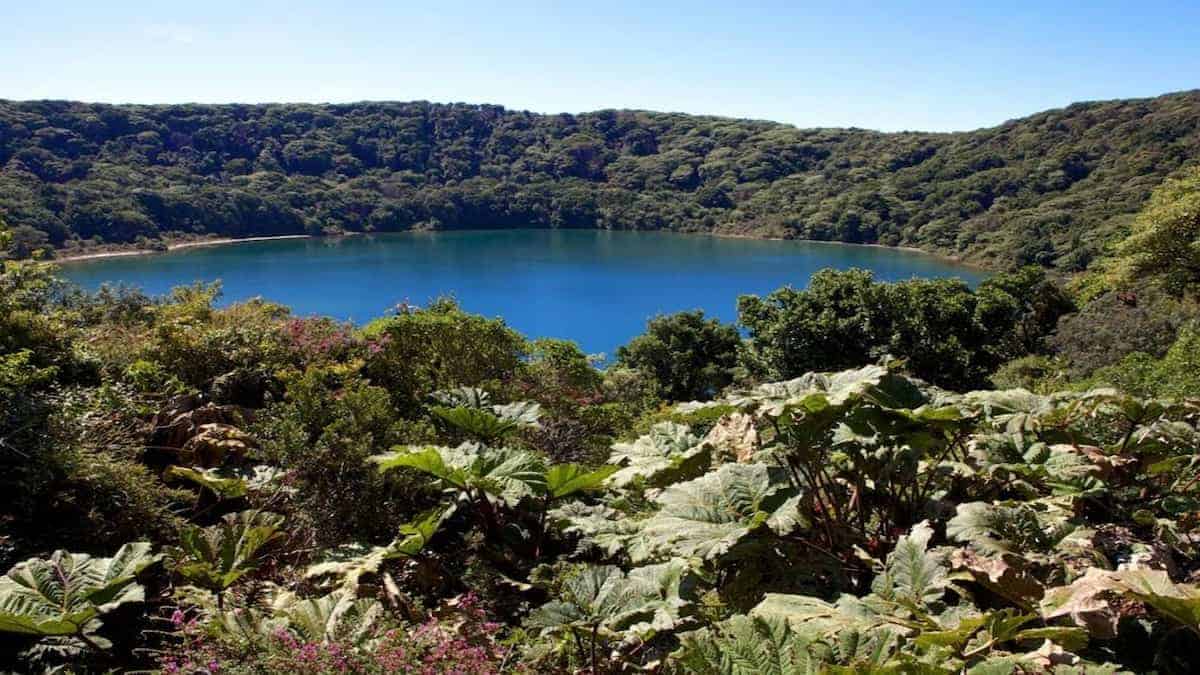
The blue lagoon called Laguna Azul sits further along the trail. This calm pool shows the deepest turquoise shades. Trees reflect perfectly in the still surface like a mirror. This spot offers better photos than the crowded waterfall viewpoint.
Hot Springs Along the Waterfall Trail
Hot springs bubble up where volcanic activity from Volcan Tenorio warms the waters near the trail. You smell sulfur in the air as you approach these geothermal pools. You can’t swim but you can feel the heat from the river bed. Wildlife like sloths and toucans thrive in the protected forest.
🐴 Tours and Activities Near Rio Celeste
Are there any horseback tours to get to the waterfall? No official horseback tours reach the Rio Celeste Waterfall itself. The steep terrain and narrow trails inside Tenorio Volcano National Park don’t allow horses. But some operators offer horseback riding outside the park boundaries.
Rio Celeste Tours and Guides
Walking tours remain the only way to visit the waterfall. Local guides charge £20 to 35 per person. They share extensive knowledge about wildlife and plants you’ll encounter. Guides know current trail conditions and the best photo spots along the Celeste River.
Combo tour packages link visits to multiple attractions in one day along the Rio Celeste River route. Popular options pair the waterfall with trips to nearby hot springs or other waterfalls. These packages cost £80 to 120 per person from La Fortuna.
Wildlife and Photography
Wildlife watching improves dramatically with an early start to the day. Sloths hang in trees while toucans and trogons flash bright colours. Watch for movement in the brush in the river areas where animals drink. Photography tours cater to camera enthusiasts at £150 to 200 per person with guides who know lighting and settings.
The river bed downstream from Tenorio Park shows where locals used to pan for gold decades ago. You can explore this area freely outside park boundaries. Some visitors enjoy river tubing on calmer sections outside park boundaries.
🌟 Nearby Costa Rica Attractions Worth Visiting
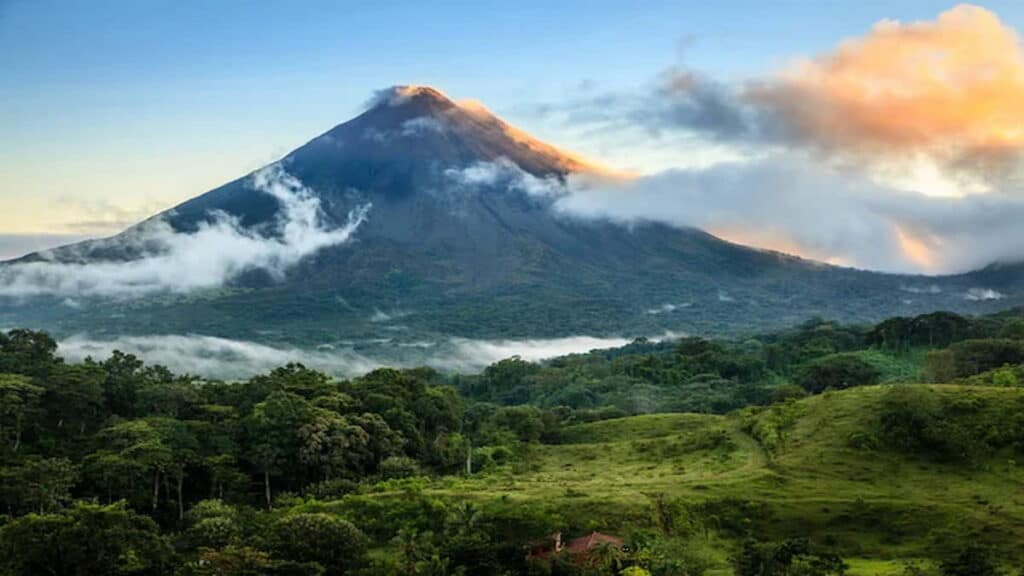
Arenal Volcano sits about 90 minutes from Rio Celeste. This active volcano offers hiking trails and spectacular views. Hot springs around Arenal provide relaxing soaks after hard hiking days.
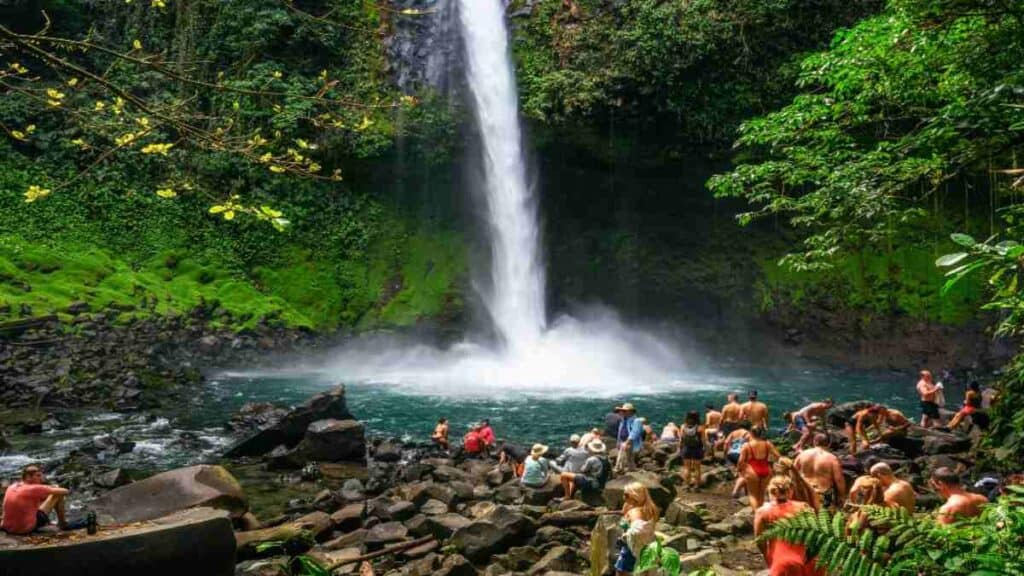
Llanos de Cortés waterfall makes an excellent addition to your itinerary. This wide cascade creates natural pools where swimming is actually allowed. It sits 45 minutes from Tenorio Volcano Park.
Rincon de la Vieja National Park offers volcanic features including bubbling mud pots and steaming fumaroles. This park pairs well with Rio Celeste visits for volcano enthusiasts exploring the northern region of Costa Rica.
Combine visits to create a comprehensive adventure exploring places in Costa Rica. Many travellers link a visit to Costa Rica’s Rio Celeste with Monteverde Cloud Forest and Manuel Antonio beaches for the ultimate trip. These places showcase the country’s amazing biodiversity in unforgettable ways. The official Visit Costa Rica tourism board provides detailed information about connecting multiple destinations.