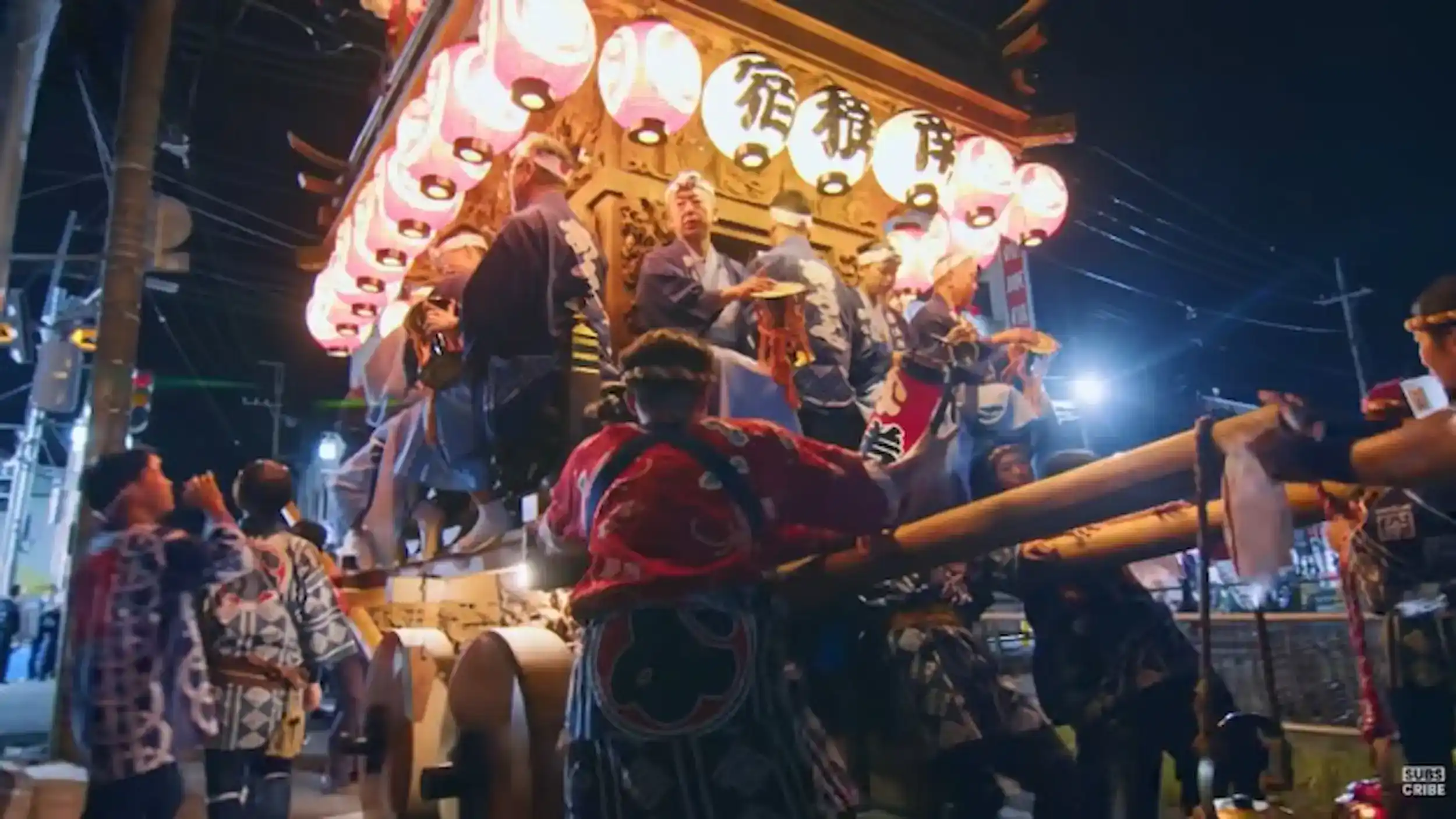
The Sawara Grand Festival is absolutely worth planning a trip around if you want to witness one of Japan’s most authentic traditional celebrations. Recognized as a UNESCO Intangible Cultural Heritage event, it features towering floats, live music, and Edo-era costumes that transform Sawara into a living museum of Japanese culture and craftsmanship.
👀 Sawara Grand Festival: At a Glance
📌 UNESCO Status: Designated UNESCO Intangible Cultural Heritage in 2016
👥 Crowd Level: Moderate crowds, not overwhelming like Gion Matsuri
⏱️ Duration: 3 days each in July and October (6 days total annually)
🎭 Scale: 24 floats total (10 summer, 14 autumn), 4-5 meters tall
💰 Cost: Free festival, budget ¥5,000-8,000 for transport and food
⚠️ Weather Risk: July heat can be oppressive, October brings rain possibility
🚫 Skip if: You’re looking for massive festival spectacle or have limited time in Tokyo
🏮 What the Sawara Grand Festival Actually Is
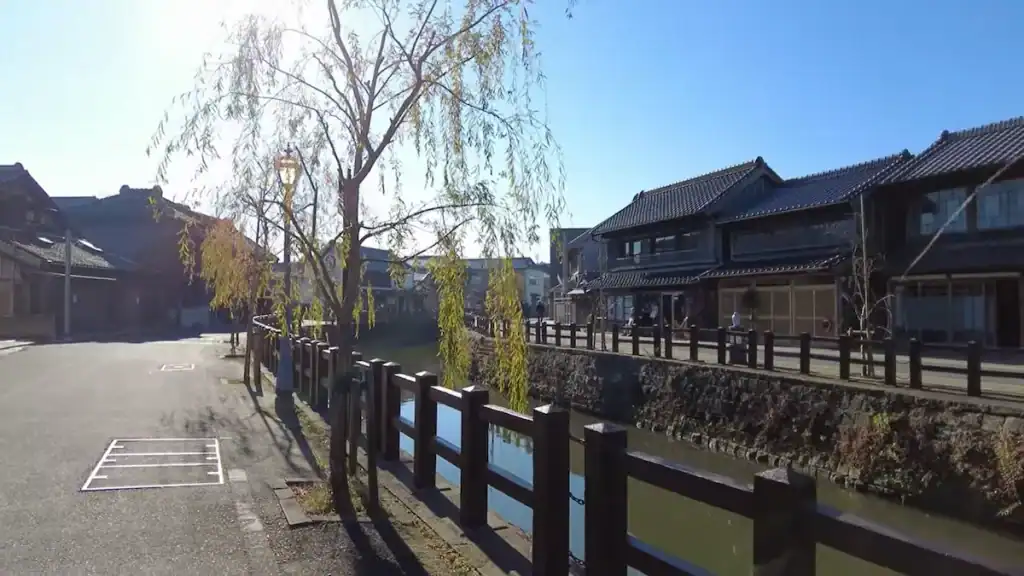
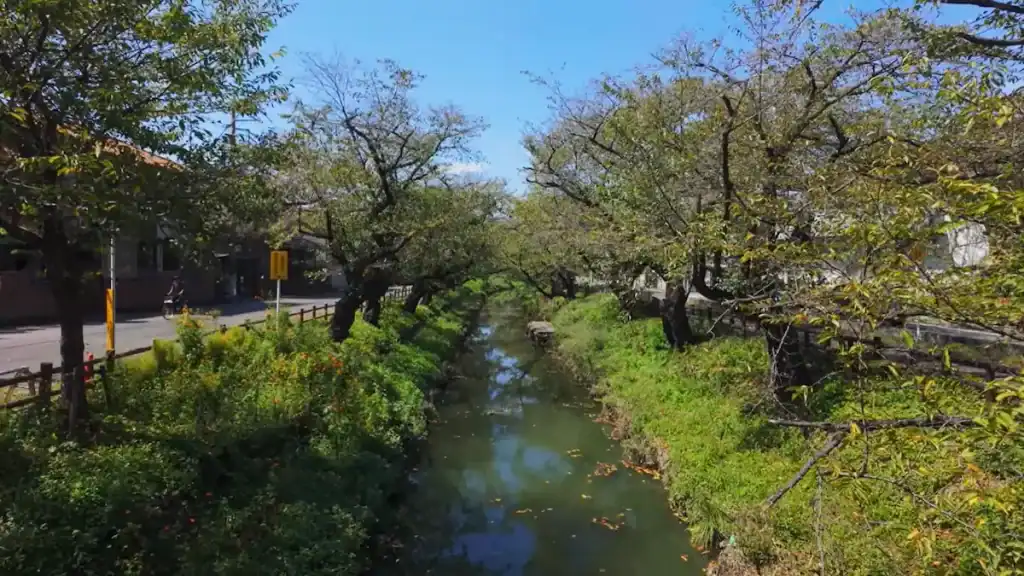
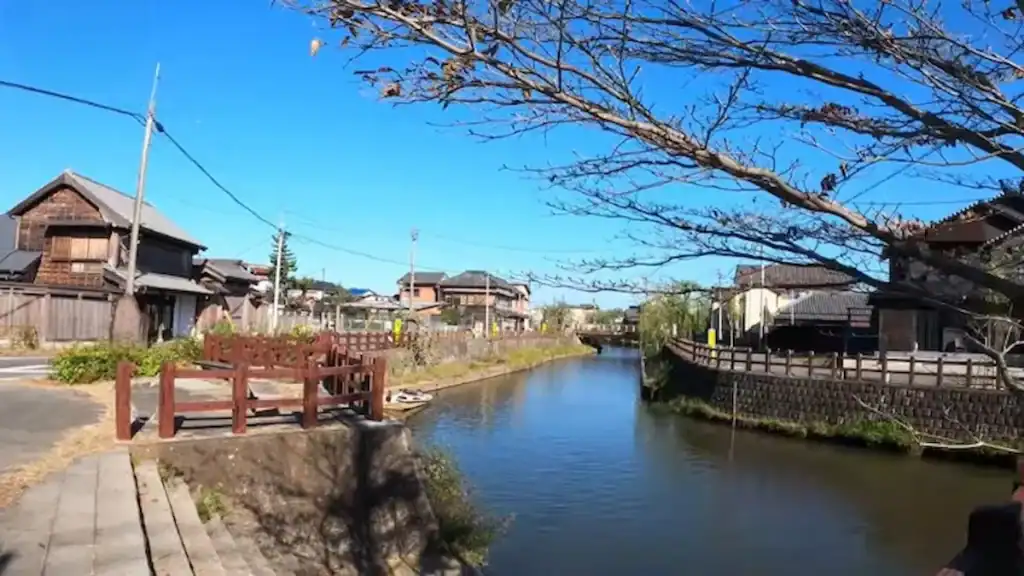
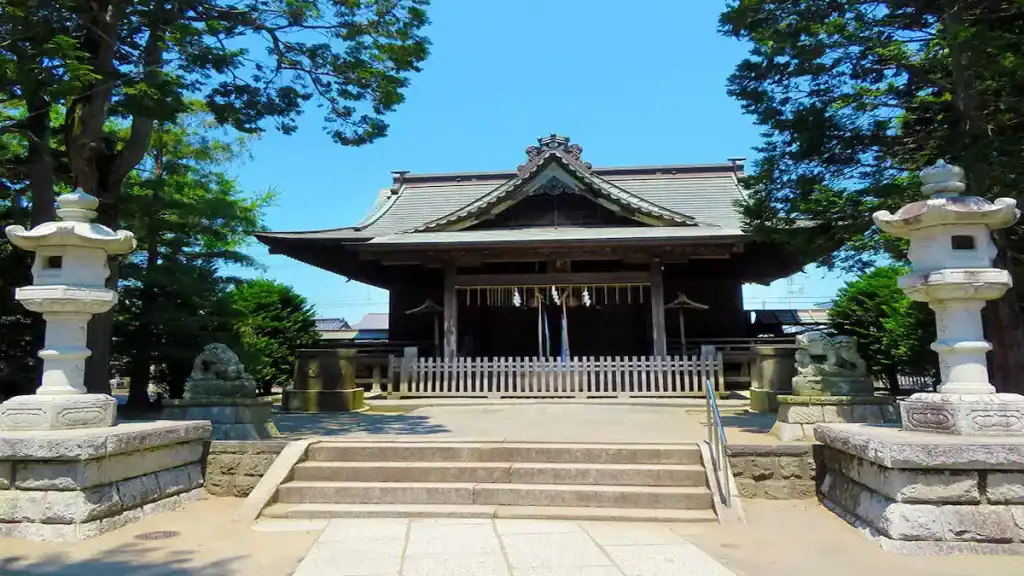
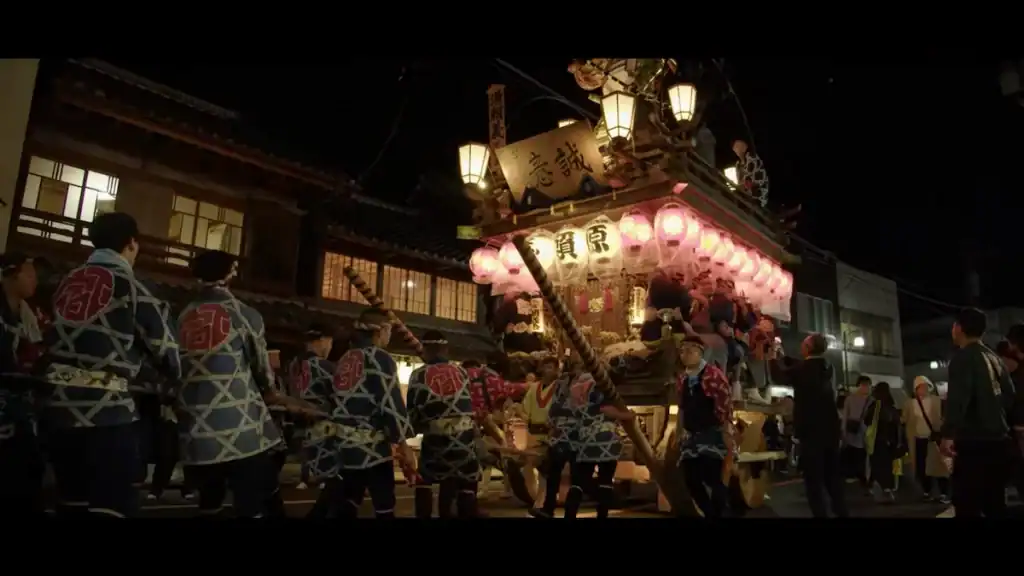
Sawara sits 90 minutes northeast of Tokyo in Katori City, Chiba Prefecture. The town earned the nickname “Little Edo” during the Edo period when it prospered as a river trading hub. This 300-year-old festival celebrates that heritage twice yearly with ornate wooden floats paraded through preserved historic streets.
The festival splits into two distinct events. Summer’s Gion Festival runs the weekend after July 10th in the eastern Honjuku district with 10 floats. Autumn’s harvest celebration occurs the second weekend of October in western Shinjuku district with 14 floats. Both events last exactly three days from Friday through Sunday.
Scale, Traditions, and Logistics
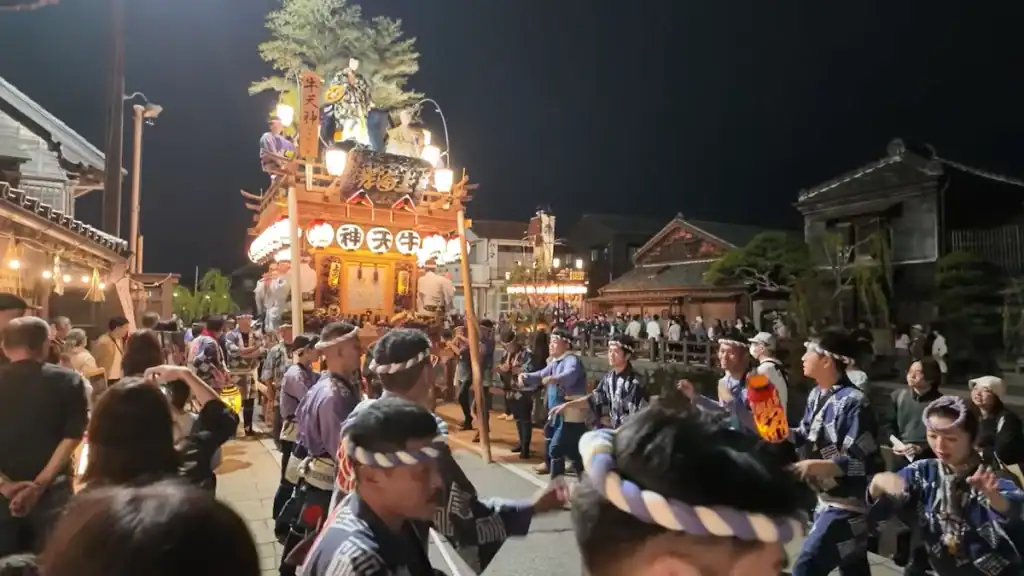
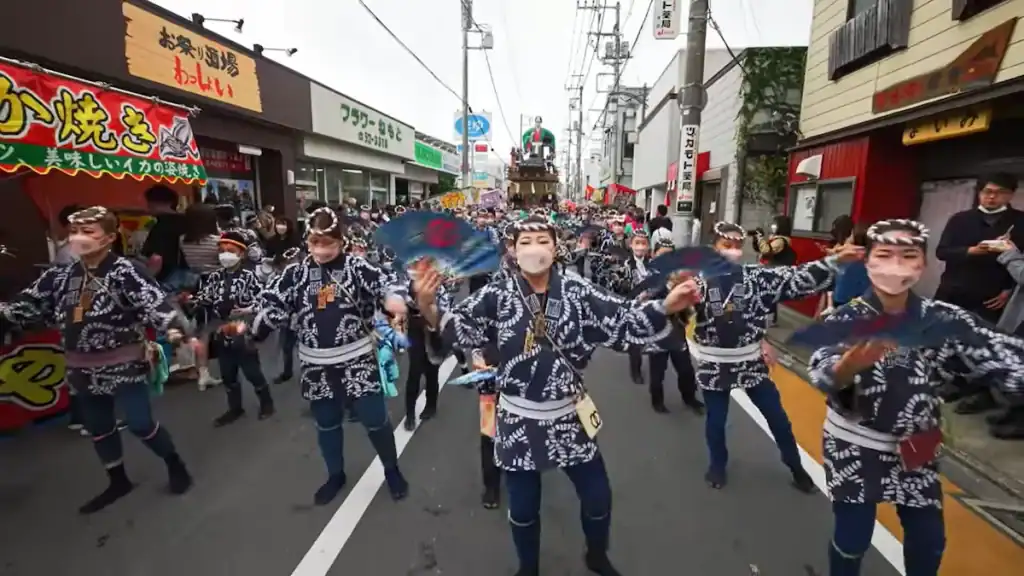
Each float stands nearly 5 meters tall with hand-carved zelkova wood and 4-meter dolls representing Japanese historical figures. About 15 musicians ride each float performing Sawara-bayashi, one of Japan’s three great festival music traditions. The floats weigh several tons and require teams of locals in traditional dress to maneuver them.
The signature move is No-No-Ji-Mawashi, where teams spin the multi-ton floats to trace the hiragana character の. Night transforms the festival when lanterns illuminate the floats along the Ono River, creating reflections that photographers travel specifically to capture. According to Visit Chiba’s official tourism site, pregnant mothers attend so unborn children hear the music, showing how deeply locals value this tradition.
⚖️ Why the Sawara Grand Festival Attracts Debate
The reality is that Sawara requires genuine commitment to reach. From Tokyo Station, you’ll spend 90-120 minutes on trains with at least one transfer, then walk 15 minutes from Sawara Station to the historic district. The Japan National Tourism Organization lists Chiba as accessible, but Sawara specifically tests your patience compared to festivals within Tokyo itself.
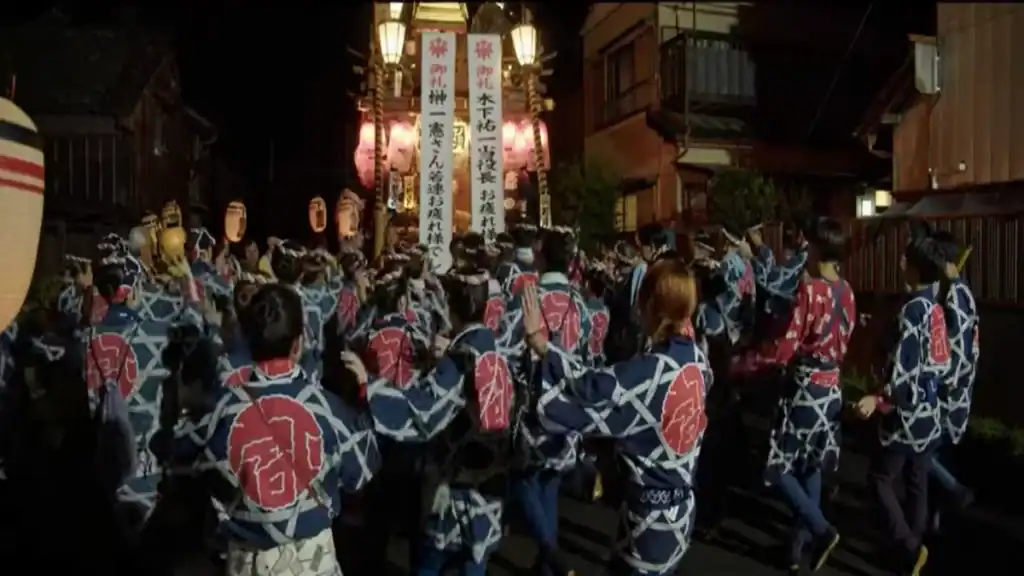
The crowds remain manageable compared to Kyoto’s Gion Festival or Tokyo’s Sanja Matsuri. One TripAdvisor reviewer noted arriving on Sunday morning and experiencing crowds that “don’t get as crazy” as other famous matsuri. The historic district’s narrow lanes do bottleneck, particularly during the No-No-Ji-Mawashi spinning performances when spectators pack tight to watch.
Expectations Versus Reality
What surprises most first-timers is how participatory locals are versus how passive you’ll be as a visitor. Unlike some festivals where tourists can join the procession, Sawara’s floats are pulled exclusively by neighborhood teams who practice year-round. You’re there to observe exceptional craftsmanship and community pride, not to grab a rope.
The autumn festival typically draws larger crowds and features 4 additional floats compared to summer. However, October weather brings unpredictable rain, forcing organizers to wrap floats in protective plastic that obscures the intricate carvings. July offers clearer views but temperatures regularly exceed 30°C with oppressive humidity that wilts many visitors before sunset brings the lantern-lit spectacle.
✅ When the Sawara Grand Festival Is Worth It
This festival delivers best for travelers who already planned 4-5 days in Tokyo and want an authentic cultural experience beyond temple-hopping. If you’re curious about UNESCO-designated traditions, fascinated by traditional Japanese craftsmanship, or seeking photography opportunities away from tourist masses, Sawara rewards the journey.
The autumn festival suits travelers who appreciate fall colors and don’t mind weather gambles. The summer festival works for those prioritizing clear skies over extra floats. Both versions offer the same core experience of seeing centuries-old traditions performed with genuine community investment rather than tourist performance.
Visitor Profiles That Benefit
Cultural enthusiasts who research their destinations thoroughly get maximum value. The festival assumes familiarity with Japanese mythology and Edo-period history. Seeing a 4-meter Urashima Tarō doll means little if you don’t know the tale. Visitors who study the UNESCO Intangible Cultural Heritage designation beforehand appreciate why the craftsmanship and music traditions matter globally.
Photographers find extraordinary value during the 5:00-10:00 PM Saturday evening peak. The lantern-lit floats reflecting off the Ono River create images impossible to capture elsewhere. Visitors staying overnight in Sawara or nearby Narita can experience both day and night atmospheres without rushing to catch the last train back to Tokyo.
🚫 When Not to Plan Around the Festival
Skip Sawara if this is your first Japan trip with only 3-4 days total. The 3-hour round-trip transport eats a full day better spent experiencing Tokyo’s concentration of sights. Major festivals like Gion Matsuri or Takayama Festival offer more spectacle with better tourism infrastructure if you’re prioritizing “biggest” over “authentic.”
Families with young children face challenges. The crowds, heat, limited English signage, and long standing periods test patience. No strollers navigate the packed historic streets easily. The floats parade most intensely during evening hours past children’s bedtimes, meaning families often miss the lantern-lit highlight that justifies the journey.
Crowds, Costs, and Timing Risks
Budget realities add up quickly. Round-trip train fare from Tokyo runs ¥3,800-4,000. Add lunch, dinner, festival snacks, and you’re easily spending ¥5,000-8,000 per person for a day trip. Overnight stays in Sawara or Narita during festival weekends inflate accommodation costs 30-50% above normal rates, per Katori City’s official tourism information.
The festival’s fixed weekend schedule creates timing constraints. If your Japan trip dates miss the six annual festival days by even one week, Sawara holds little appeal compared to other Chiba destinations. The Suigo Sawara Float Museum displays two floats year-round, but seeing stationary floats in a museum cannot substitute for the living festival experience of music, movement, and community energy.